Jerash is a third century city decimated by invasion and earthquakes.


Jerash is a third century city decimated by invasion and earthquakes.


Citadel


Theater


Woke up on the Nile, then headed to airport over Aswan Dam.


The temples of Ramses II and Nefertari (his favorite wife) were also relocated when the Aswan High Dam was built.


Temple of Nefertari


Last stop was for lunch on the banks of Lake Nasser – created by the Upper Dam.


Temple of Isis was moved was moved from Philae Island to Agilkia Island prior to completion of the Aswan Upper Dam in 1970.


Our next stop was at the granite quarry to see the unfinished obelisk.


After lunch we sailed on the Nile aboard Felucca sailboats.


Entertainment tonight was belly dancing and whirling dervish.


Morning sail to Edfu


The Edfu Temple, dedicated to Horus, the falcon god, is Egypt’s most complete temple. The outer wall shows scenes of Horus overcoming Set (depicted as hippo). Staircases imitate falcon flight: spiral to ascend, straight to descend.


Sailing to Kom Ombo


Kom Ombo was once home to thousands of Nile crocodiles. The temple here is dedicated to Sobet (crocodile god) and Harwer (Horus the Elder).


The Crocodile Museum holds mummified crocodiles and


Mortuary Temple of Queen Hatshepsut


Our final stop was Valley of the Queens where where the Pharaoh’s wives and adolescent children were entombed.


Sailing to Esna


After a night on the boat, we took shuttles across the river to start our tours.


The first stop was Colossi of Memnon.


The next stop was Valley of the Kings.


Started for Rameses V but taken over for Rameses VI


The tomb of Tausert was usurped by Setnakht.


This tomb was not finished – some decorations had only been outlined.


We flew to Luxor and started with a tour of Karnak Temple. The 1.7 mile long Avenue of Sphinxes has 1,057 sphinx statues and connects Karnak Temple and Luxor Temple.


Our afternoon tour was of Luxor Temple.


First stop today was a return to the Egyptian Museum.


Second stop was the Grand Egyptian Museum (GEM). This will be the largest archeological museum complex in the world and will display the entire collection of King Tut’s treasures. We had a guided tour of the restoration center (no photos) and, after lunch, the grand atrium.


The final stop was an evening tour of Muiz Street.


Our first stop this morning was Sakkara – the “cemetery” for Memphis and home to the first pyramids. The largest pyramids here are Step, Bent and Red (red limestone).


We visited the tomb of King Unas. The burial chamber is lined with limestone except the walls around the sarcophagus which are lined with alabaster. The west gable is inscribed with protective spells.


The mastaba (rectangular, flat-roofed tomb) of Princess Idut is famous for its depictions of everyday life.


Giza is home to the Great Pyramid (Khufu), the Pyramid of Khafre, the Pyramid of Menkaure (originally covered in red, rather than white, granite) and several smaller pyramids.


We entered the burial chamber in the Great Pyramid.


Our last stop was at the Great Sphinx of Giza.


After breakfast four of us walked across the street to the Egypt Museum.


Canopic Jars – a set of four jars that held mummified internal organs. The organs were guarded in the afterlife by the four sons of Horus: Hapy (baboon) – lungs; Imsety (human) – liver); Duamutef (jackal) – stomach; and Qebehsenuef (falcon) – intestines. Canopic Chests hold the jars, and Canopic Shrines hold the chests.


Yuya and Thuya – the parents of Queen Tiye, grandparents of Akhenaten, great-grandparents of King Tut. Yuya was an advisor, and father-in-law, of King Amenhotep


King Tut – most artifacts cannot be photographed.


Nile River


Located on the Idaho side of the Snake River south of Clarkston, WA and Lewiston, ID, Hells Gate is the downstream entrance to Hells Canyon – the deepest river gorge in North America.


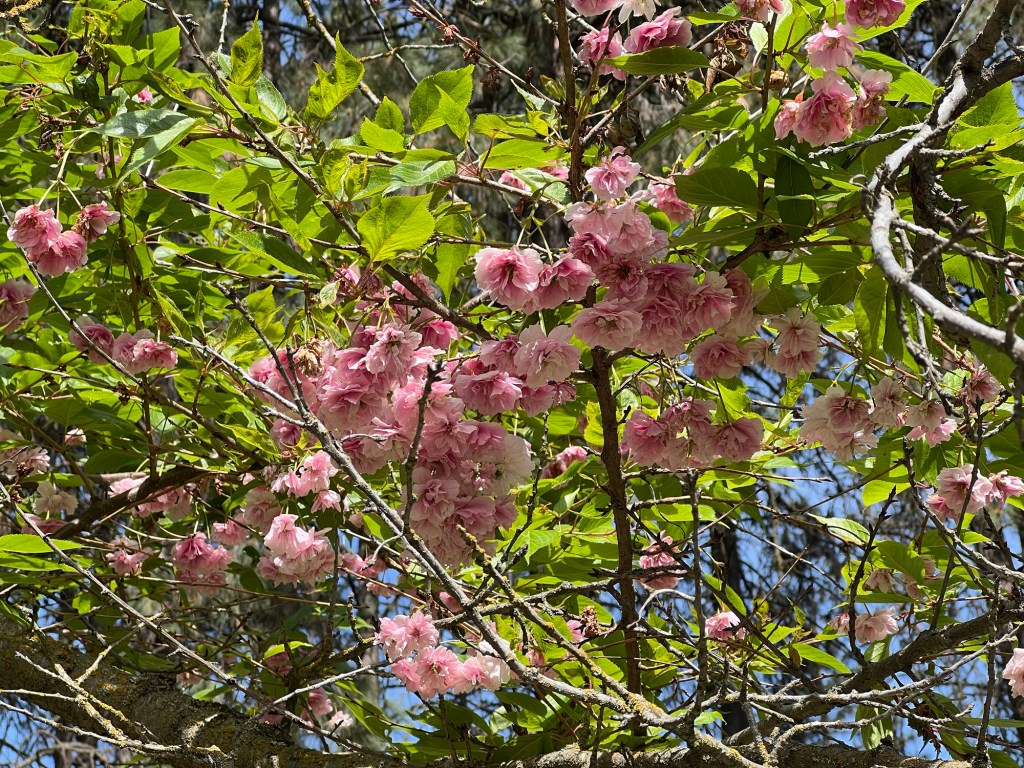
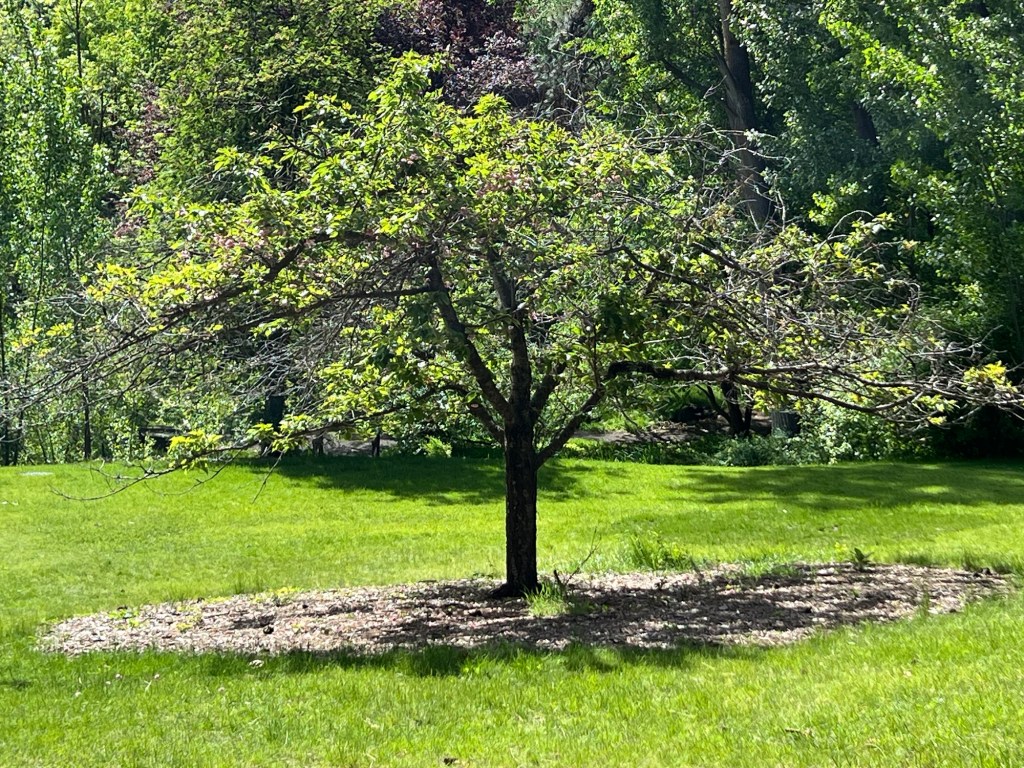
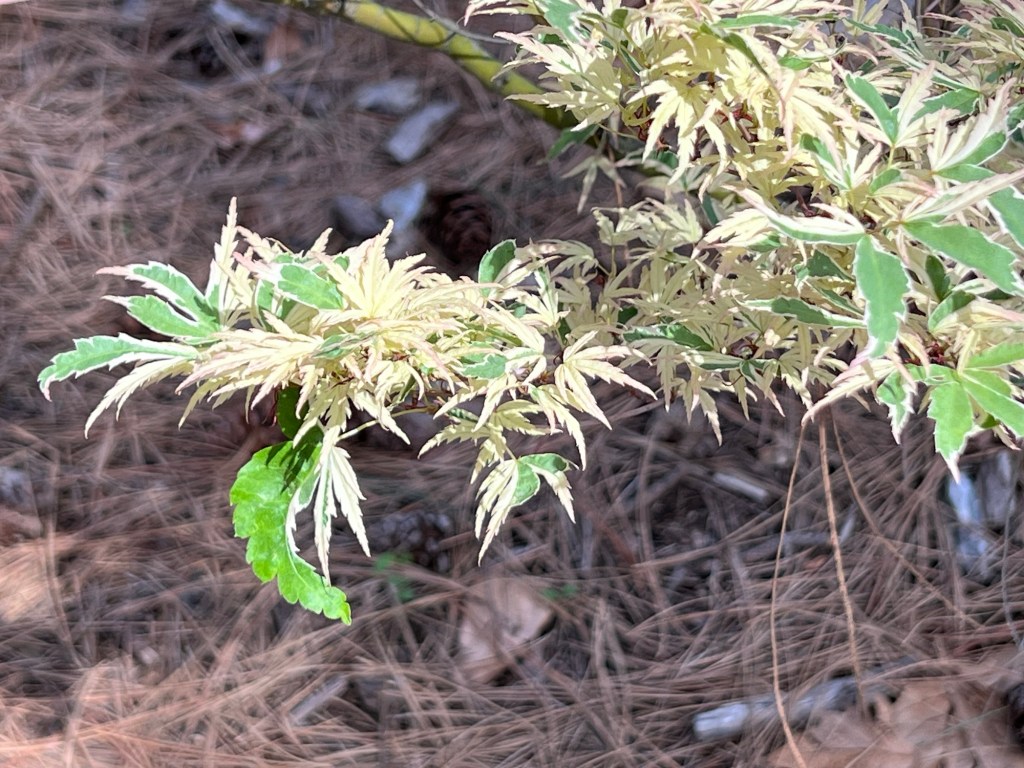
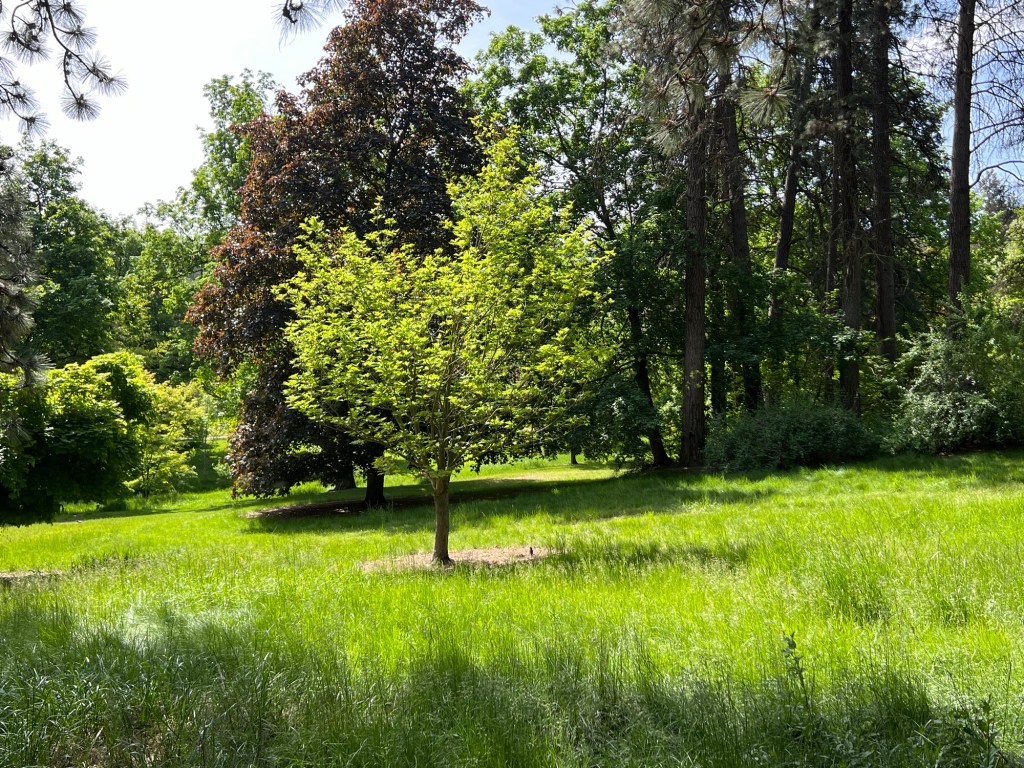
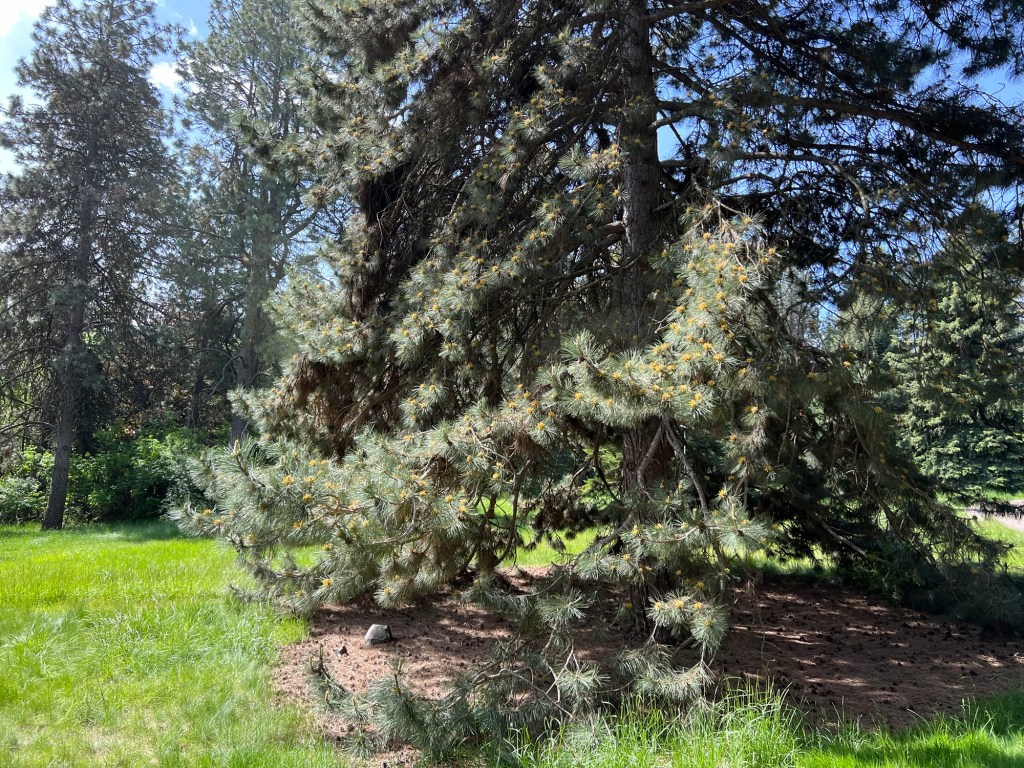
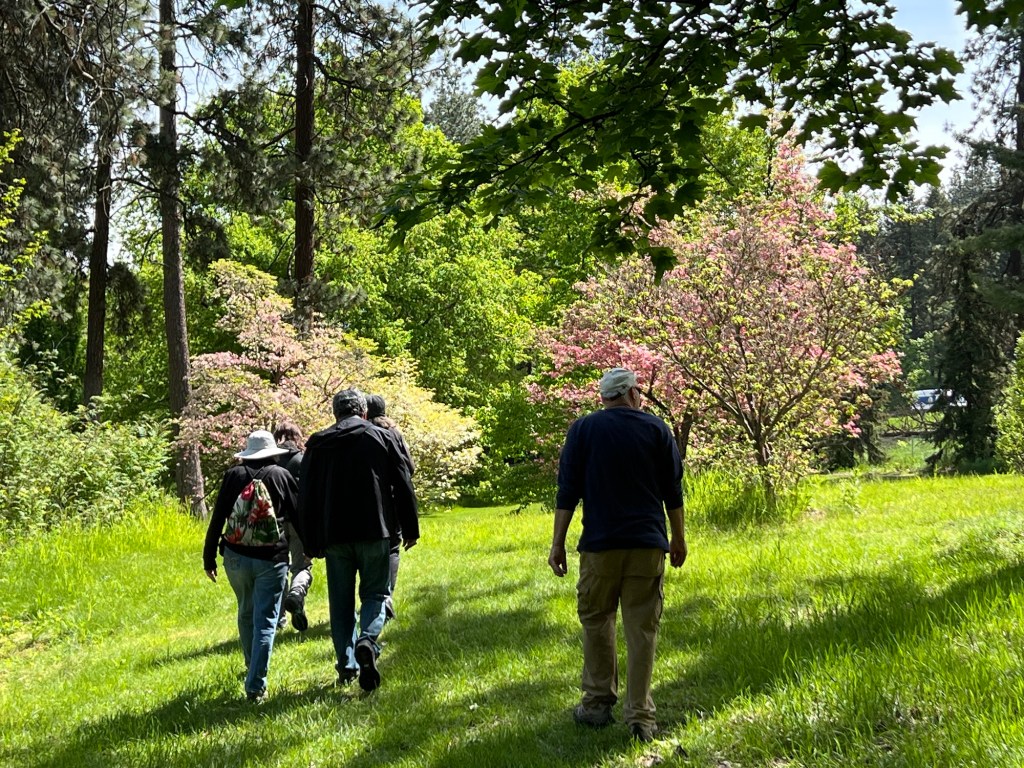
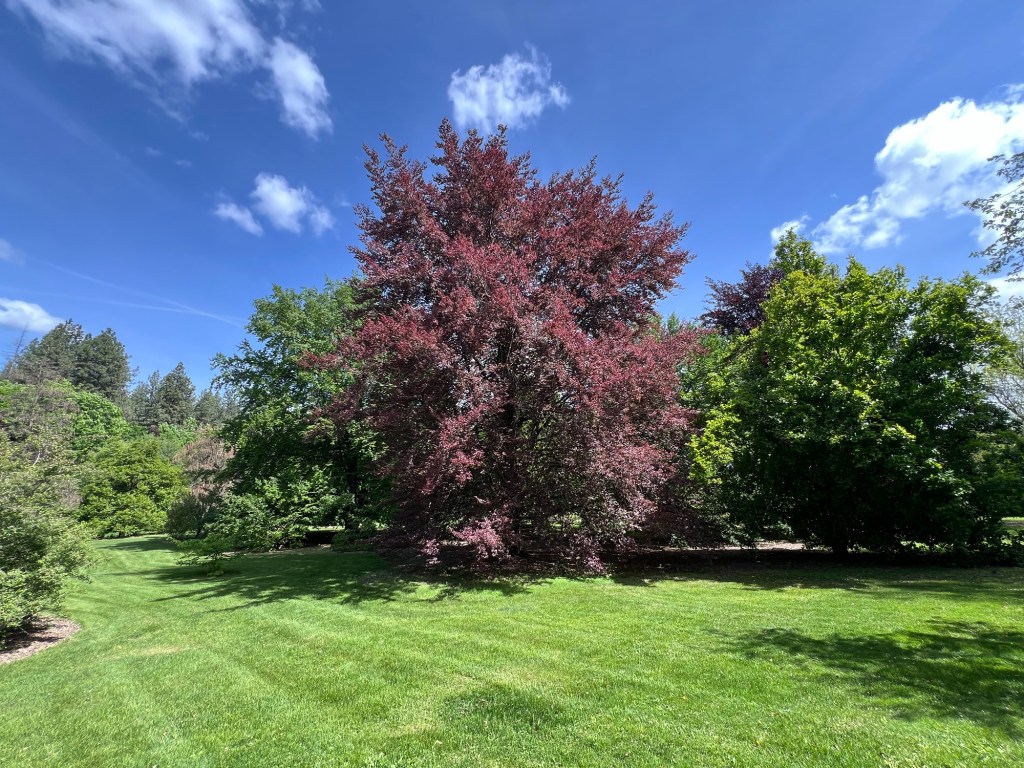
The 55 acre arboretum was created in 1949 with a donation from the Finch estate and contains about 2,000 trees and shrubs.


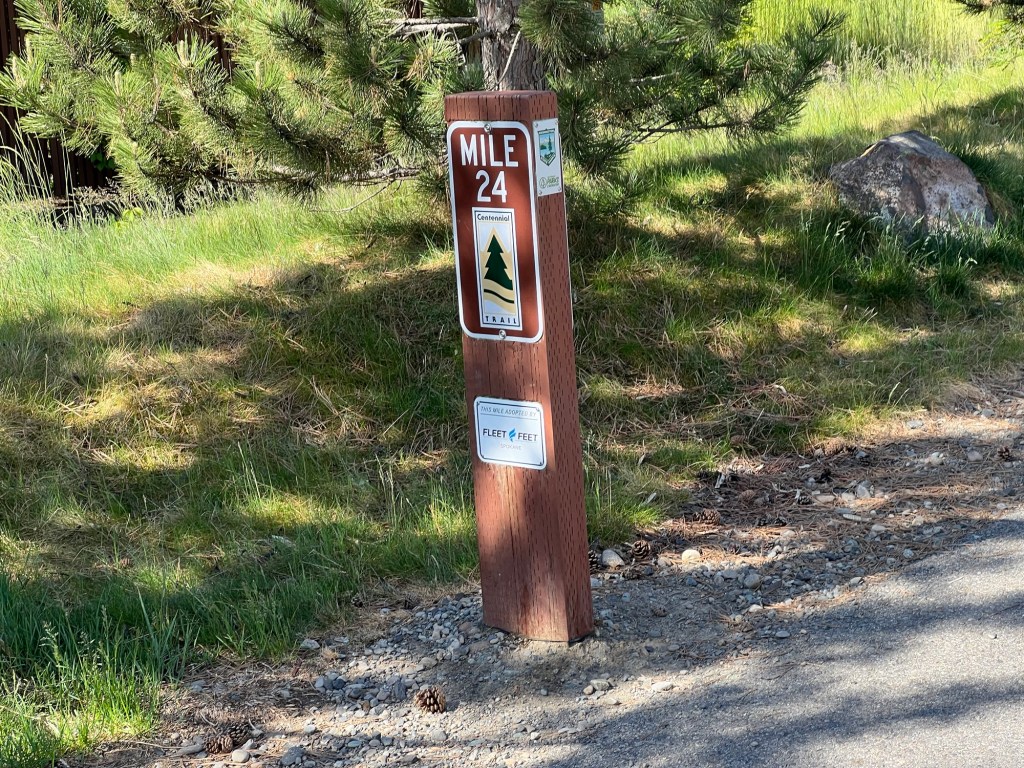
I woke to a dusting of snow, but it warmed up enough by late afternoon for a short walk on the Centennial Trail.


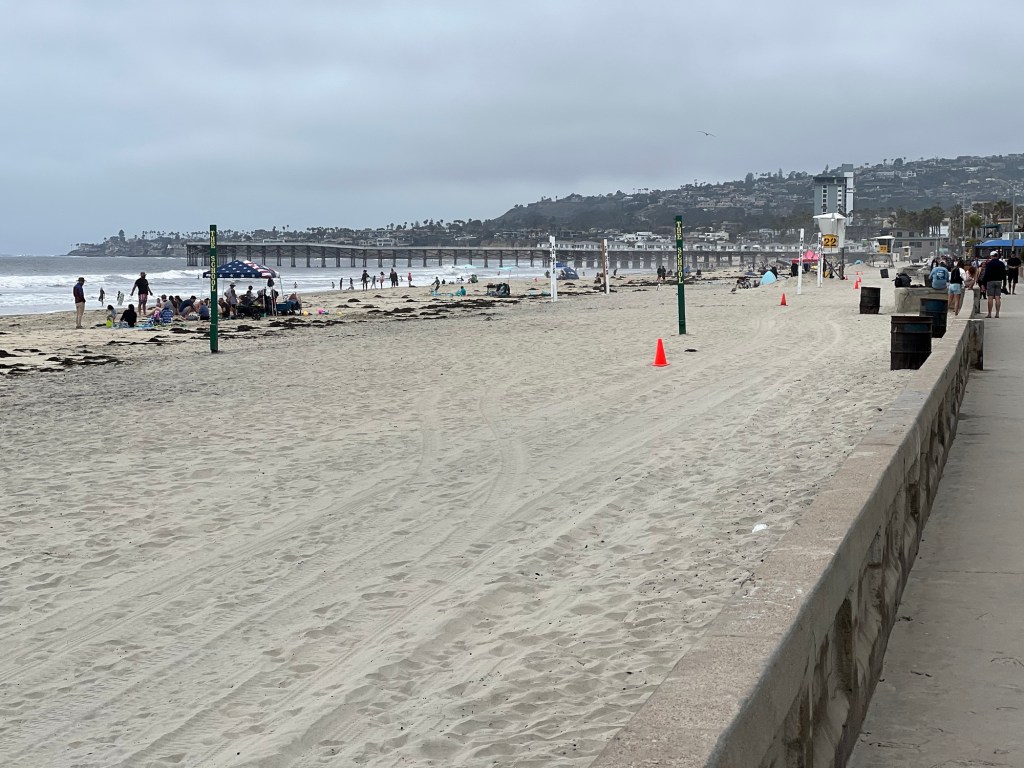
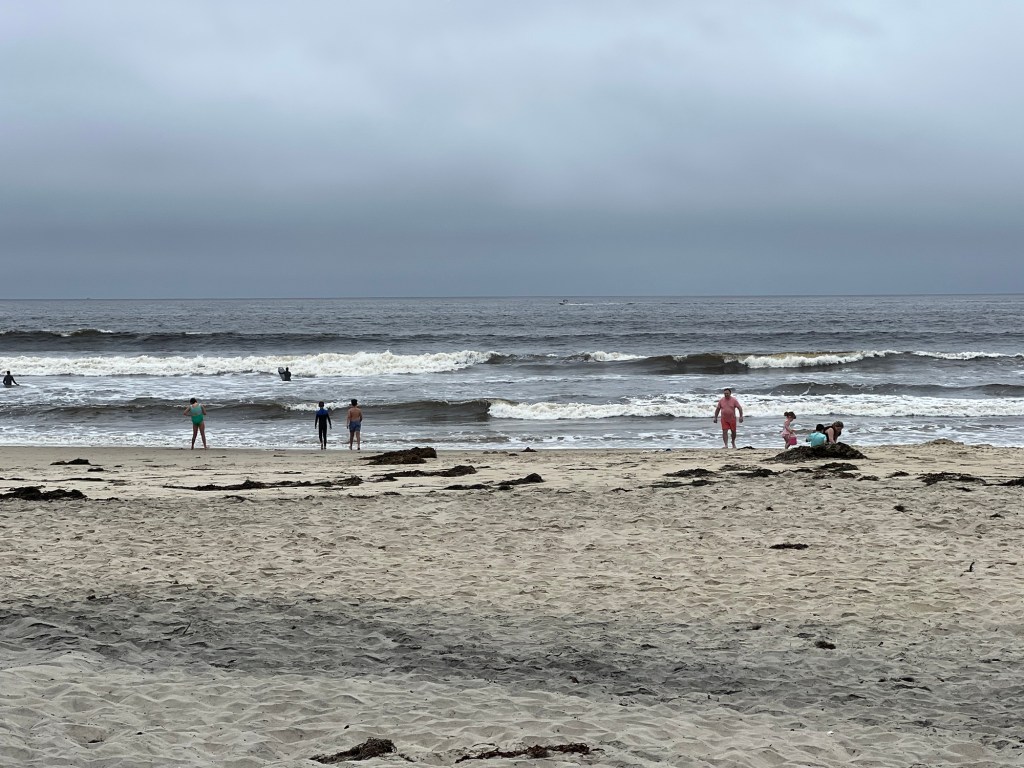
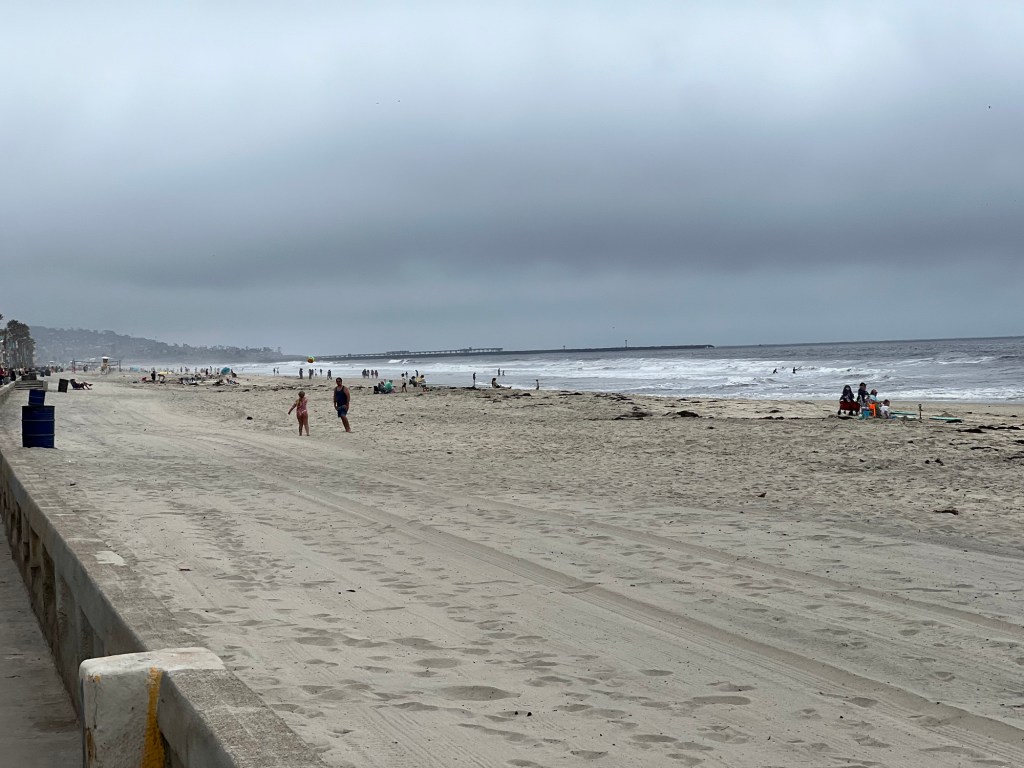
One last walk on the beach before the drive.


I started the day with a walk on the beach.


Then I drove into town for two self-guided walking tours. The first tour covered 2nd Street and west.


The second tour was 3rd Street and east.


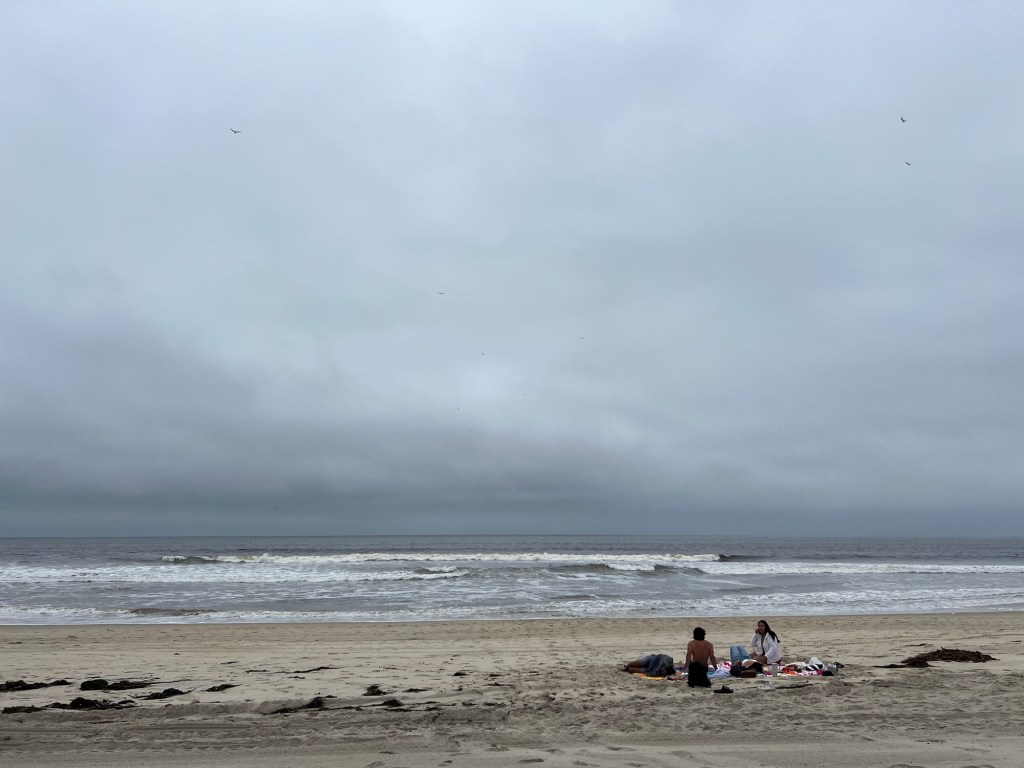
I ended the day back on the beach.


Rainy day and I spent it with a friend today.

Yes, they have alligators in North Carolina.
Sunrise over the Atlantic.


Hiked several of the trails at the State Park.


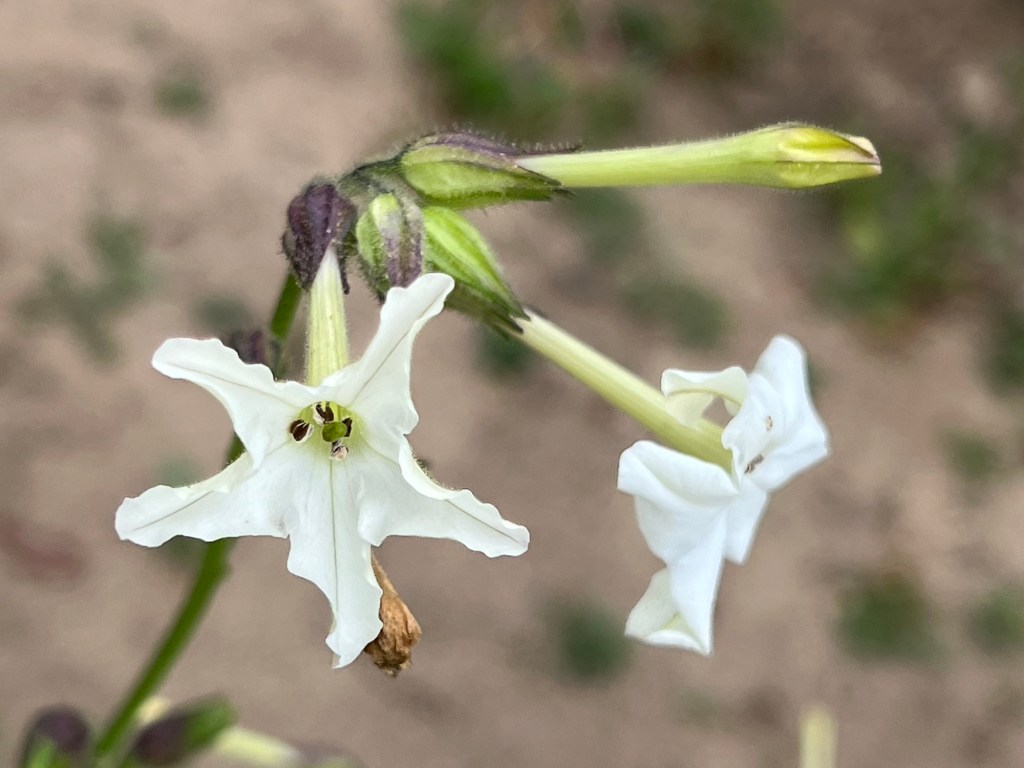
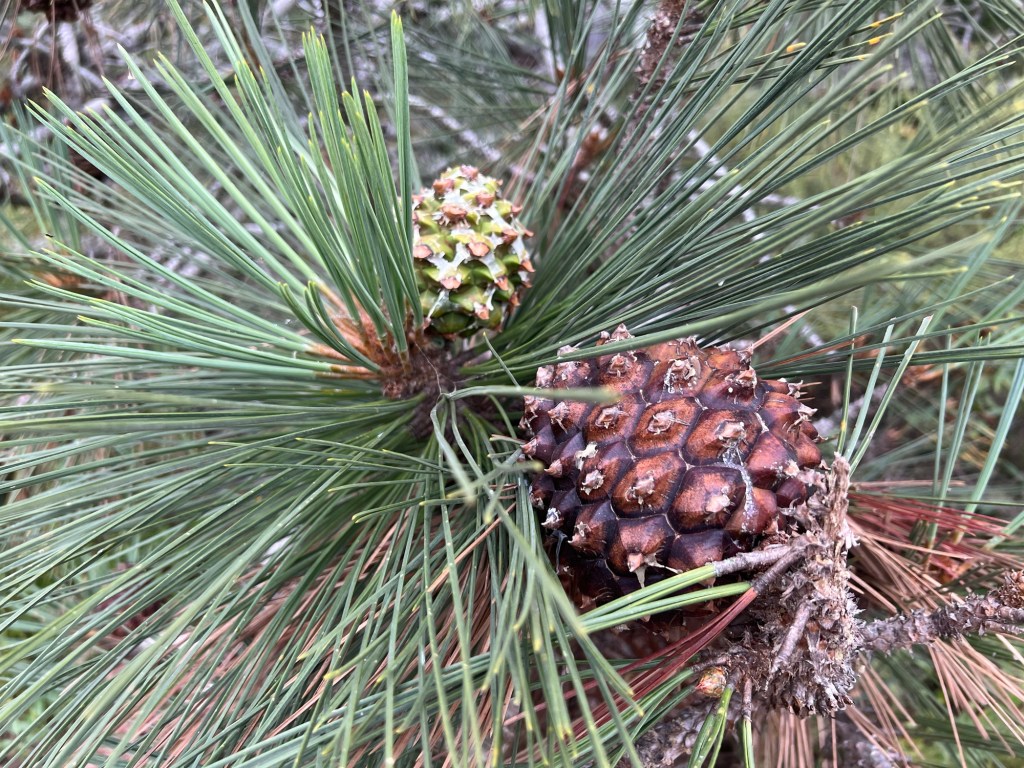
Flora and fauna


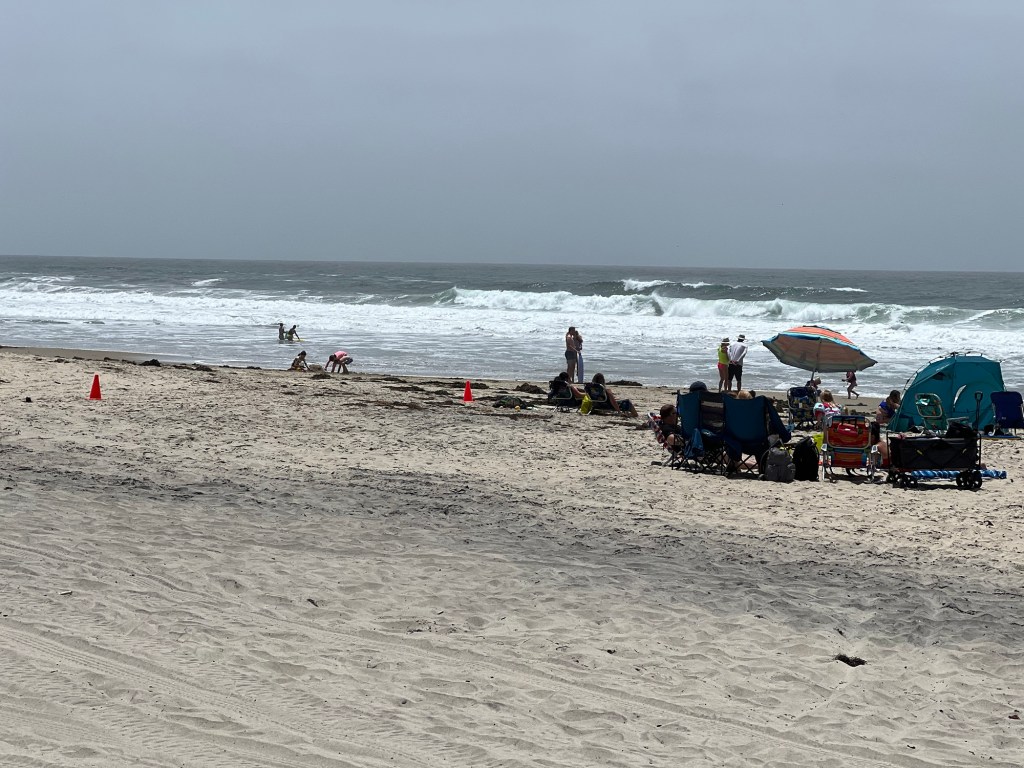
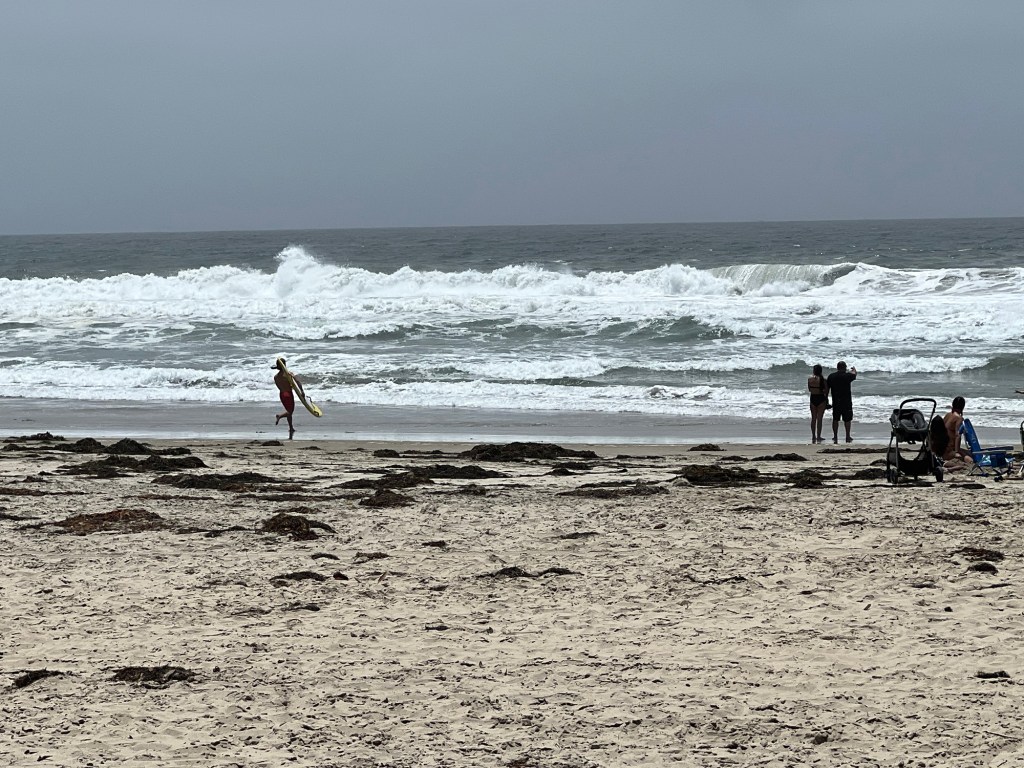
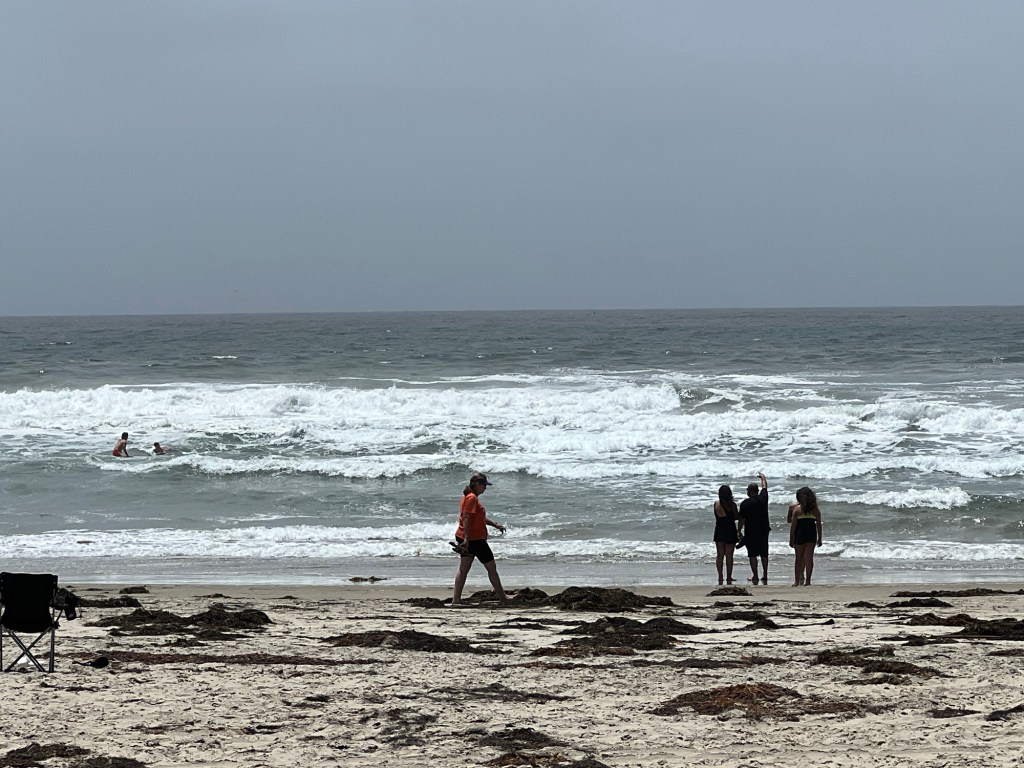
Spending a few days on the east coast – Kure Beach, North Carolina. I walked along the beach after breakfast.


I visited Carolina Beach State Park after lunch and walked along the shore of Cape Fear River.


Carnivorous plants behind the Visitor Center.


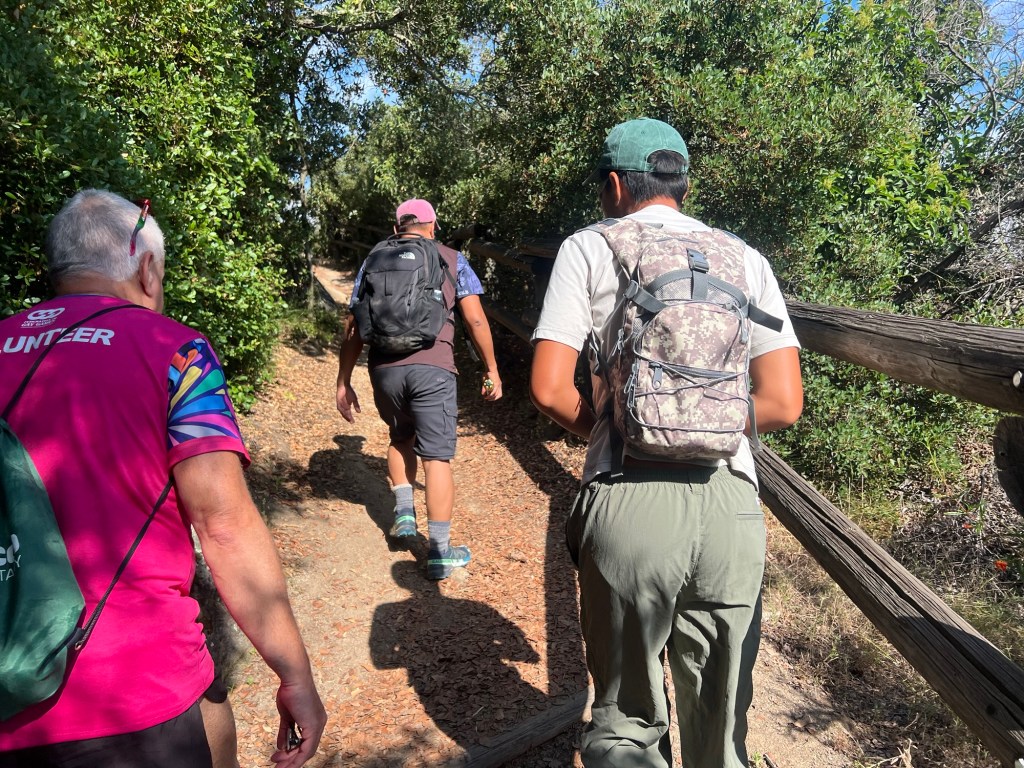
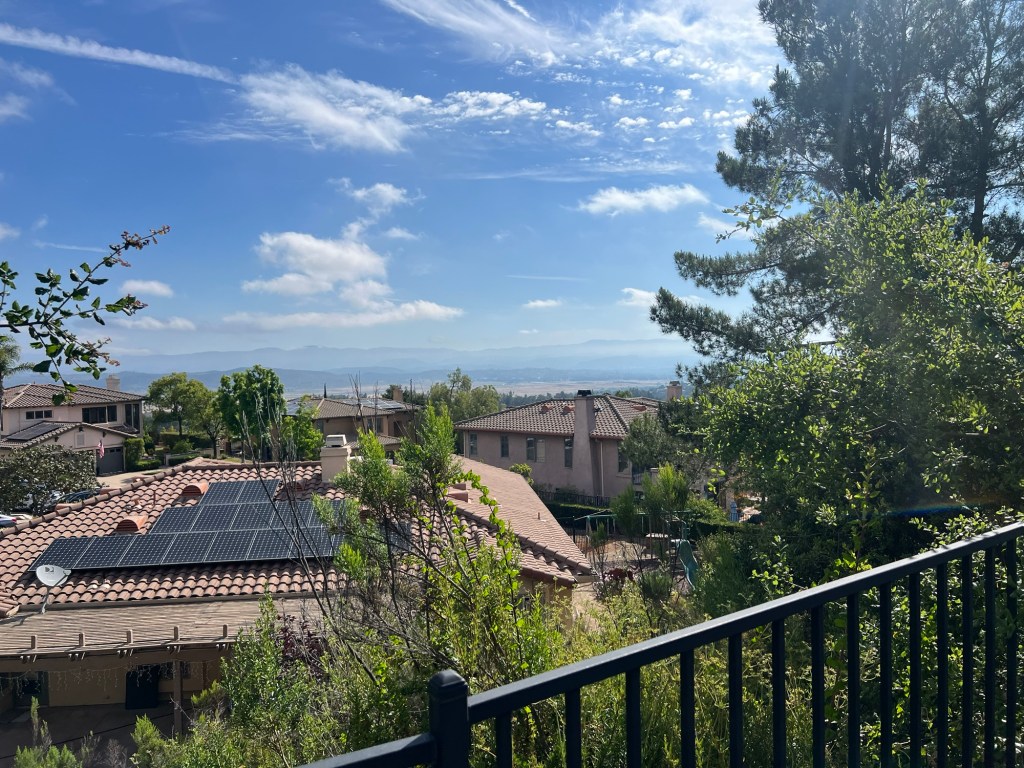
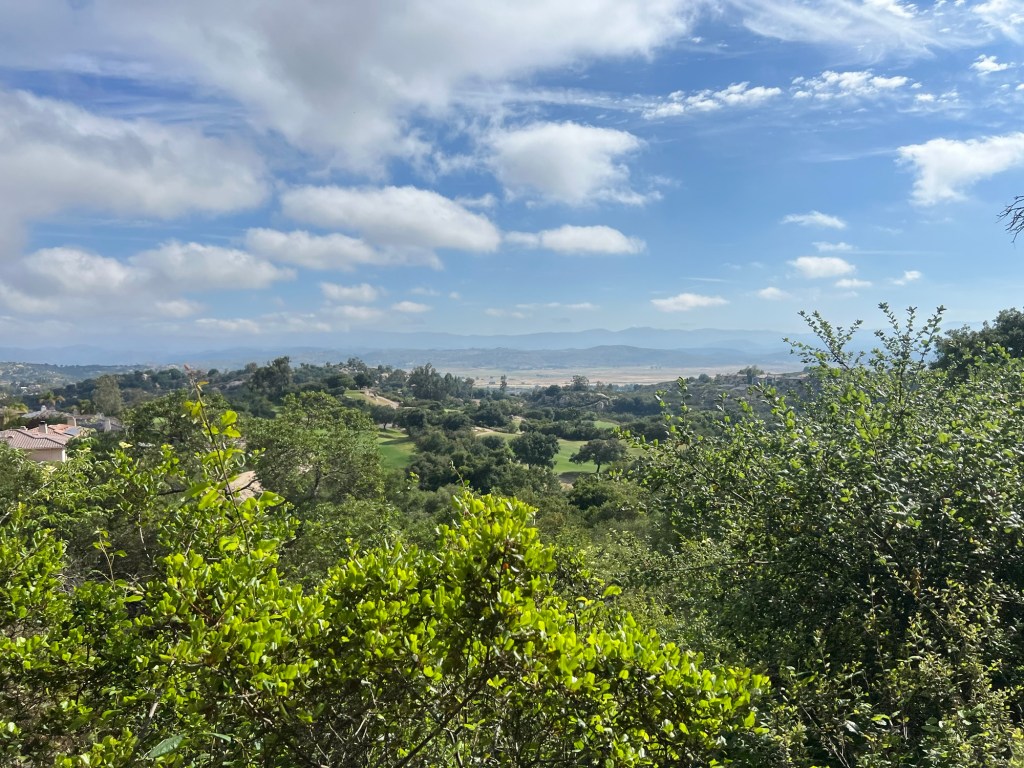
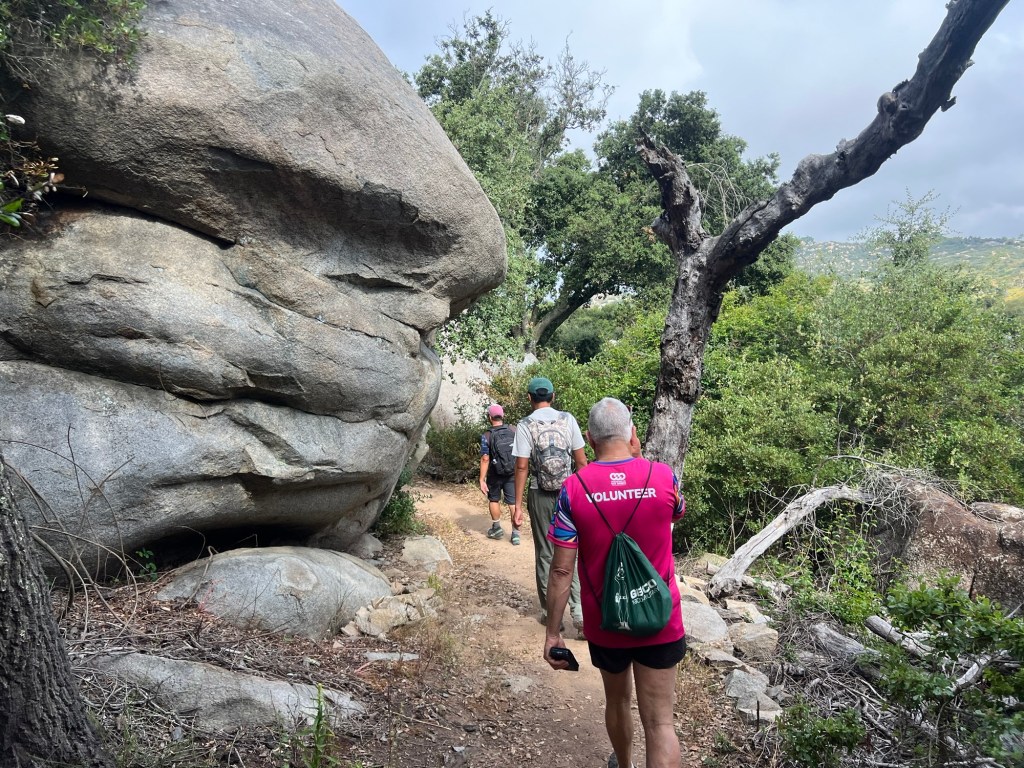
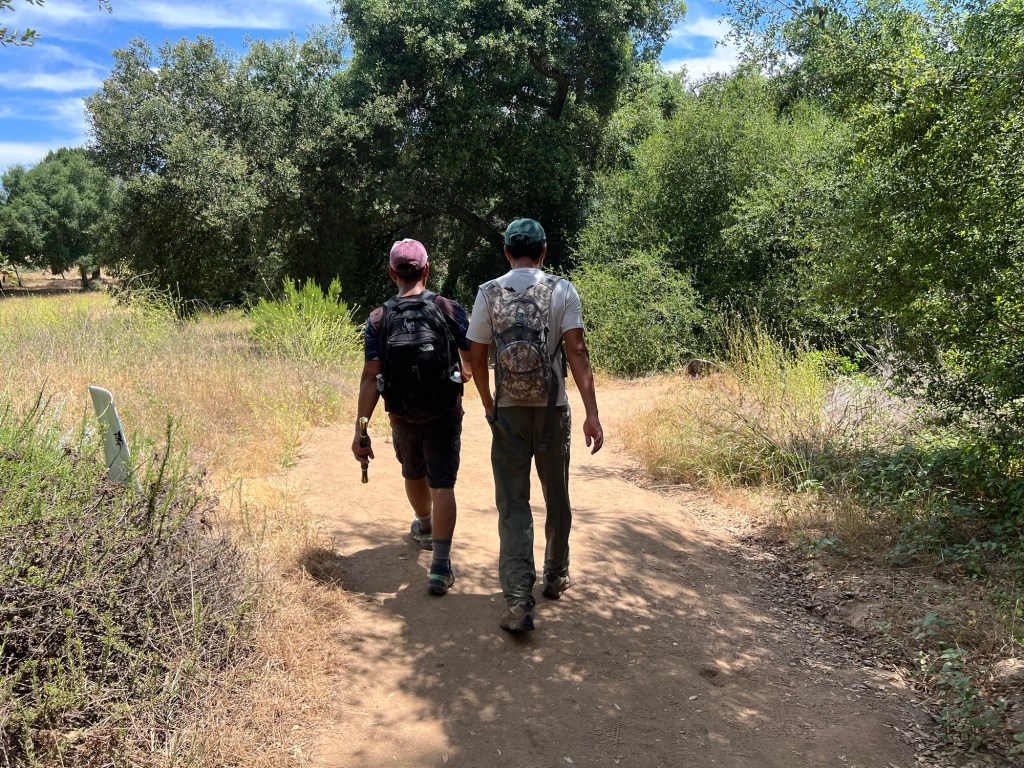
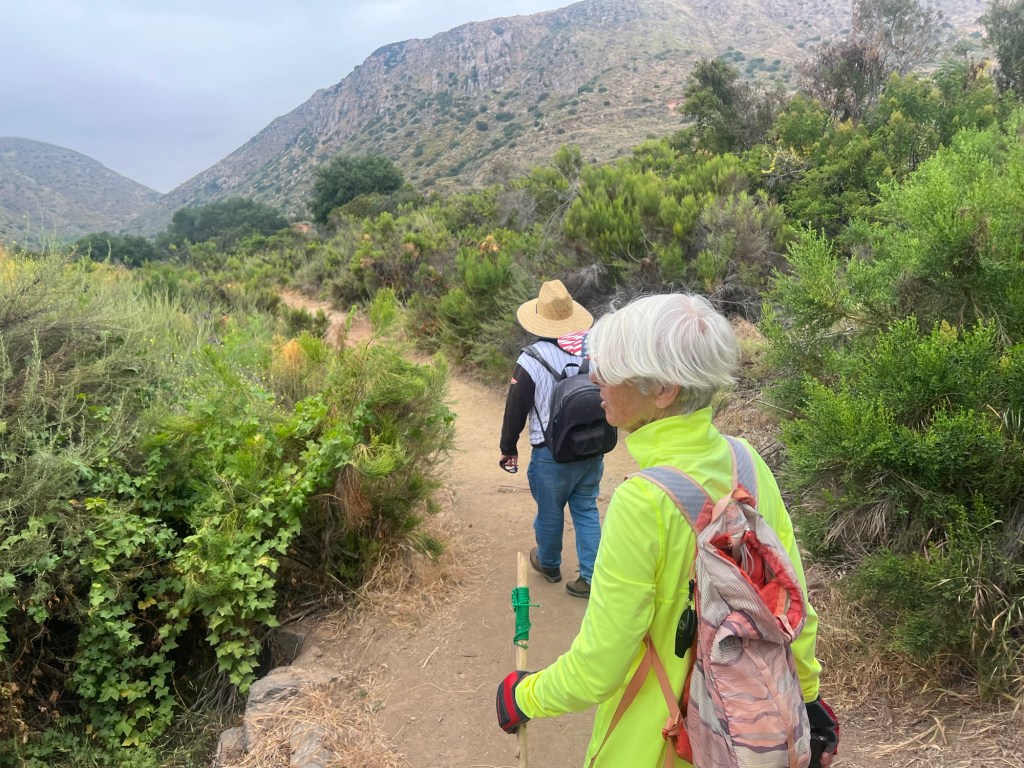
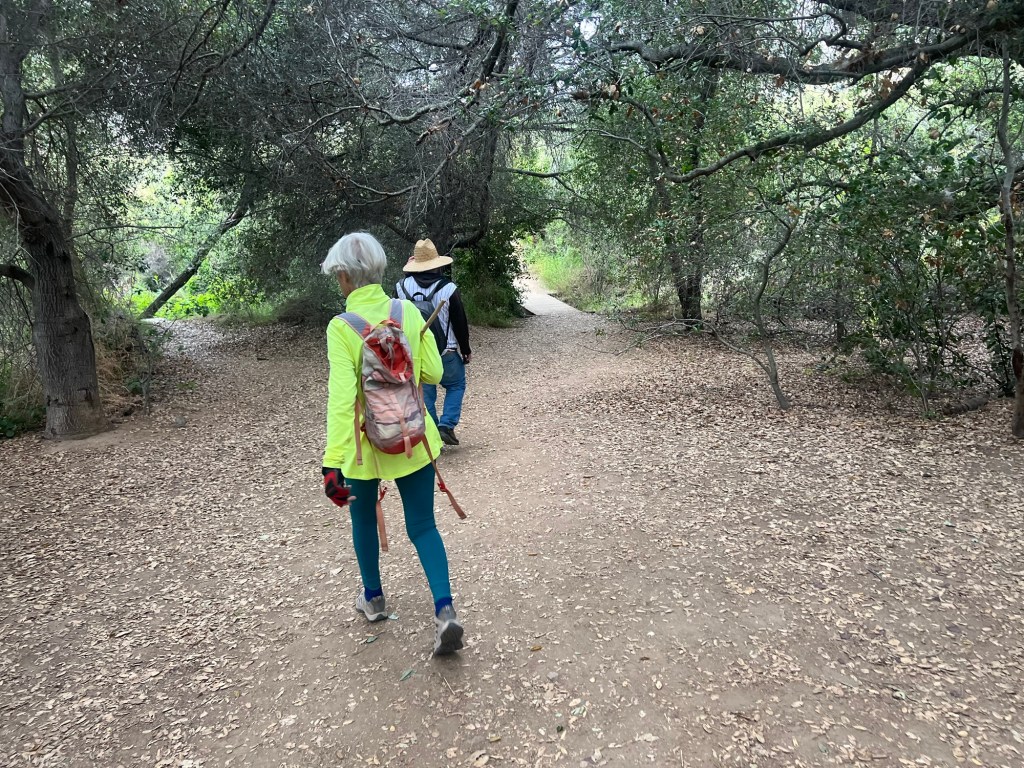
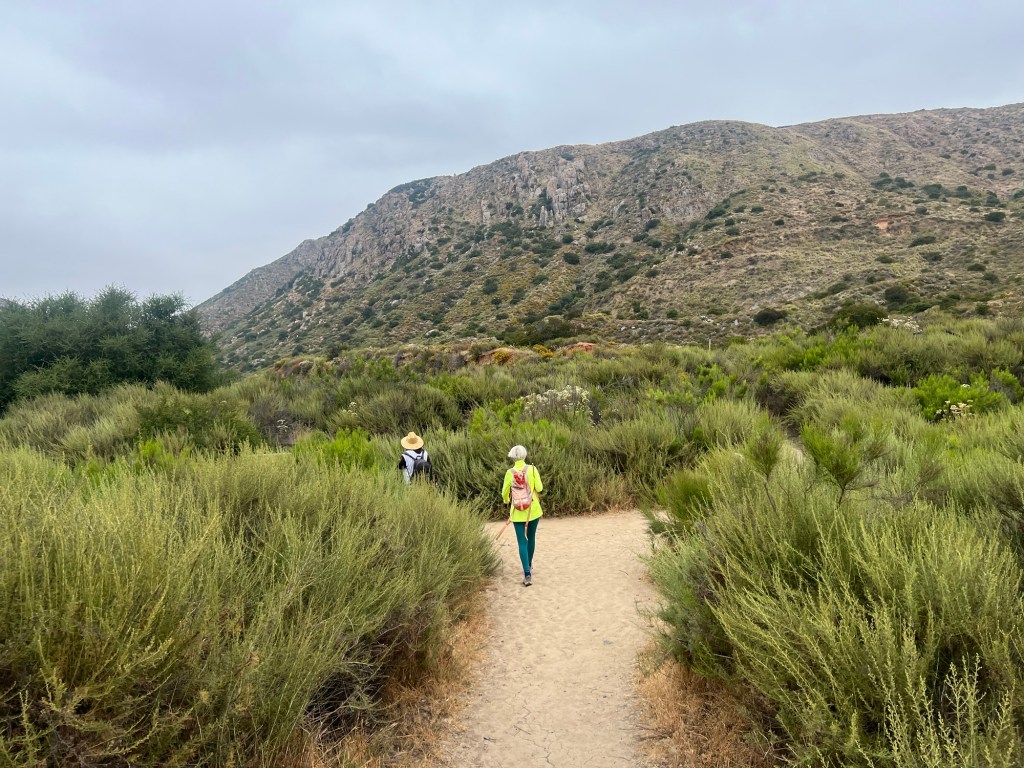
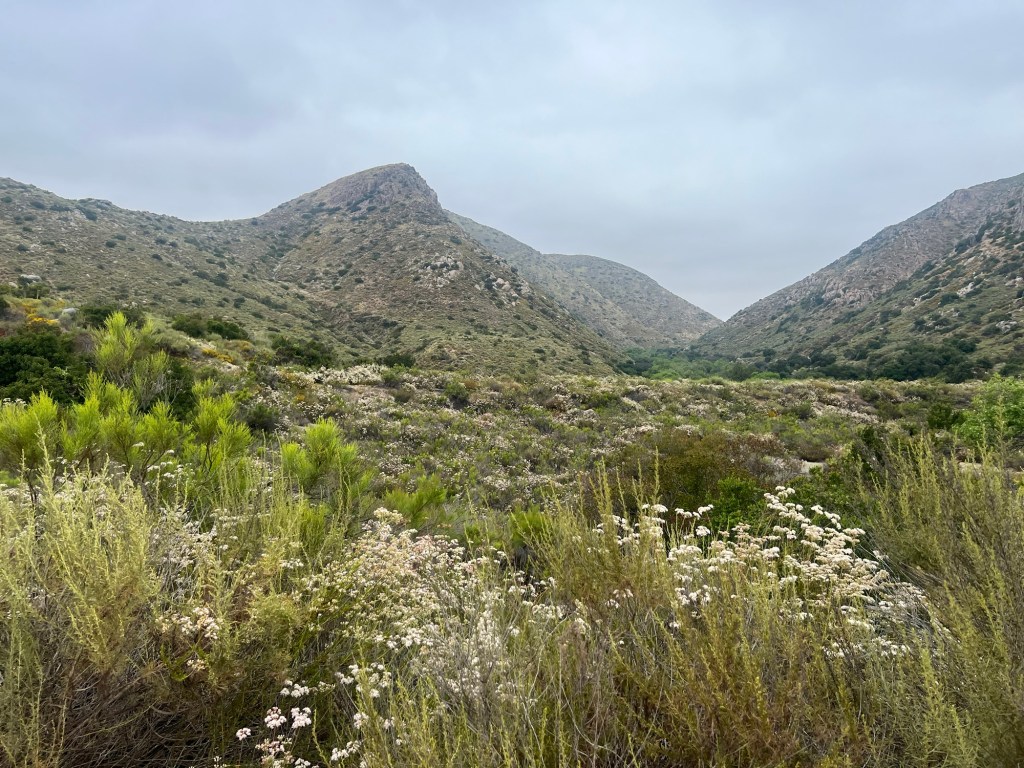
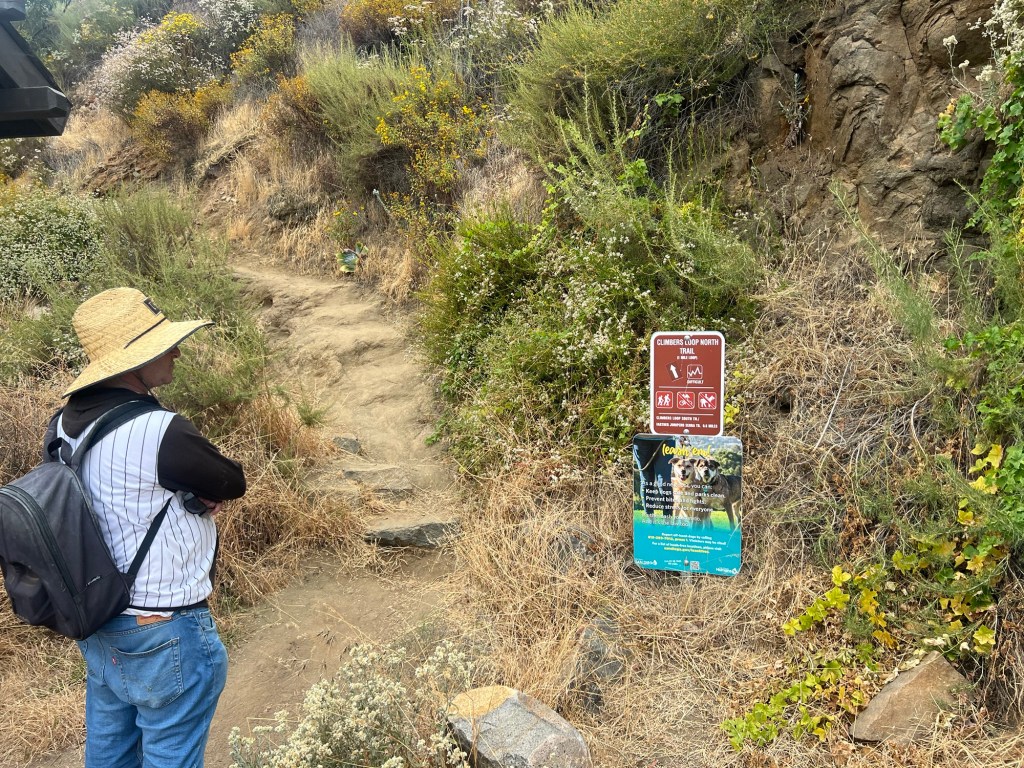
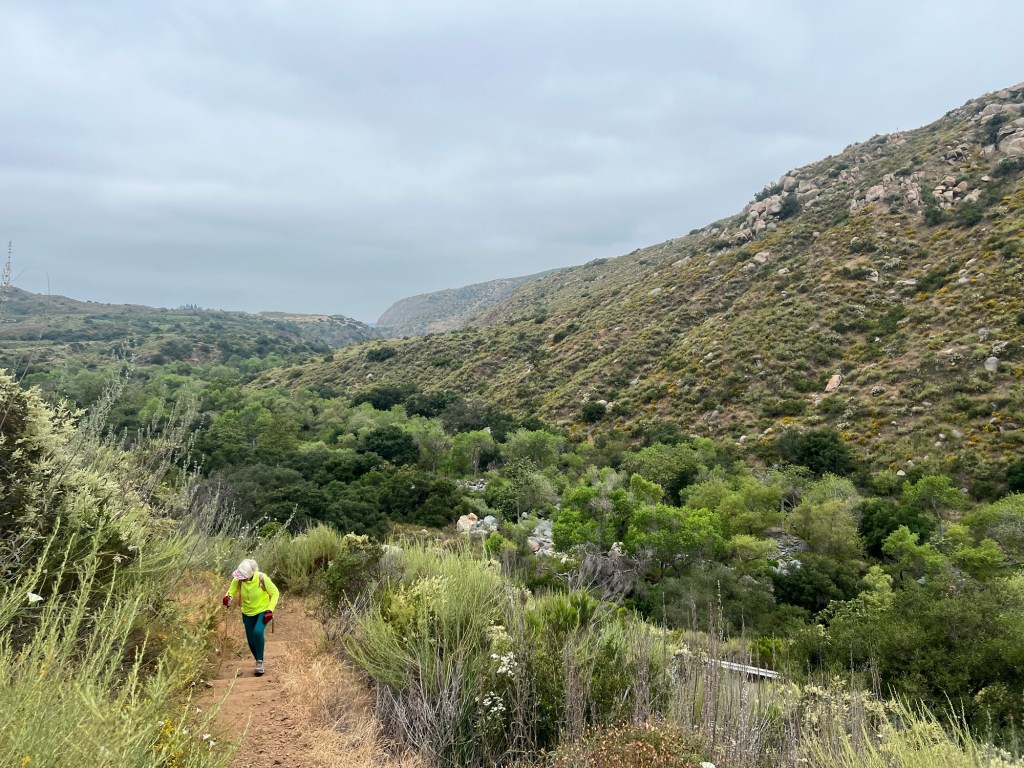
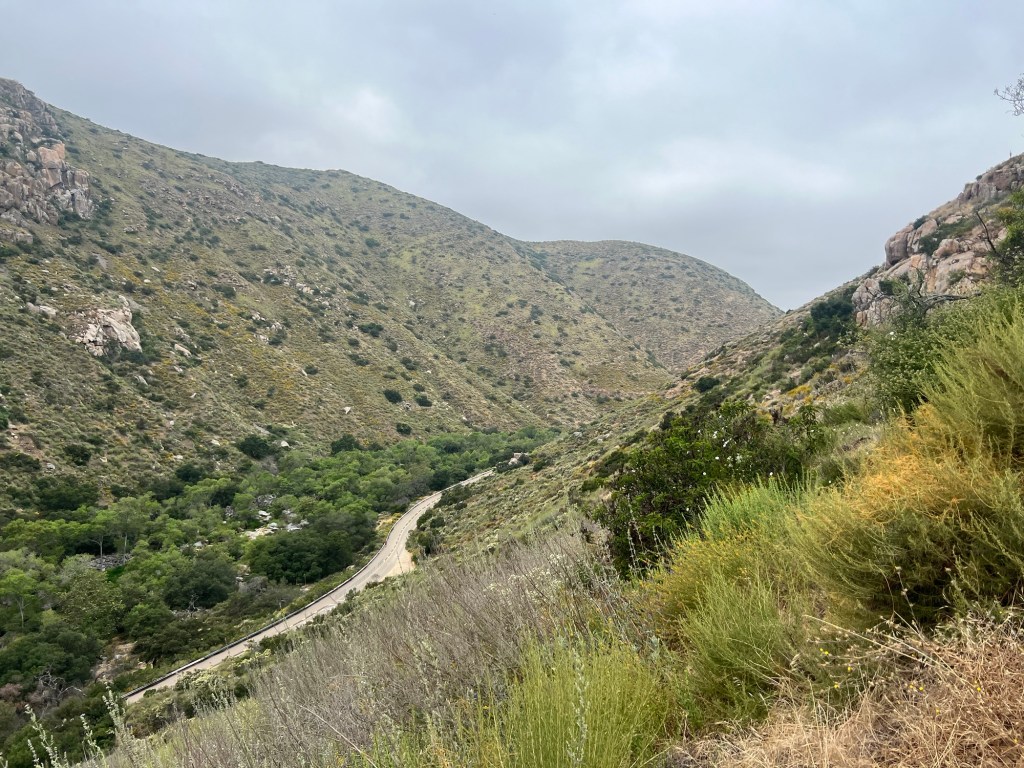
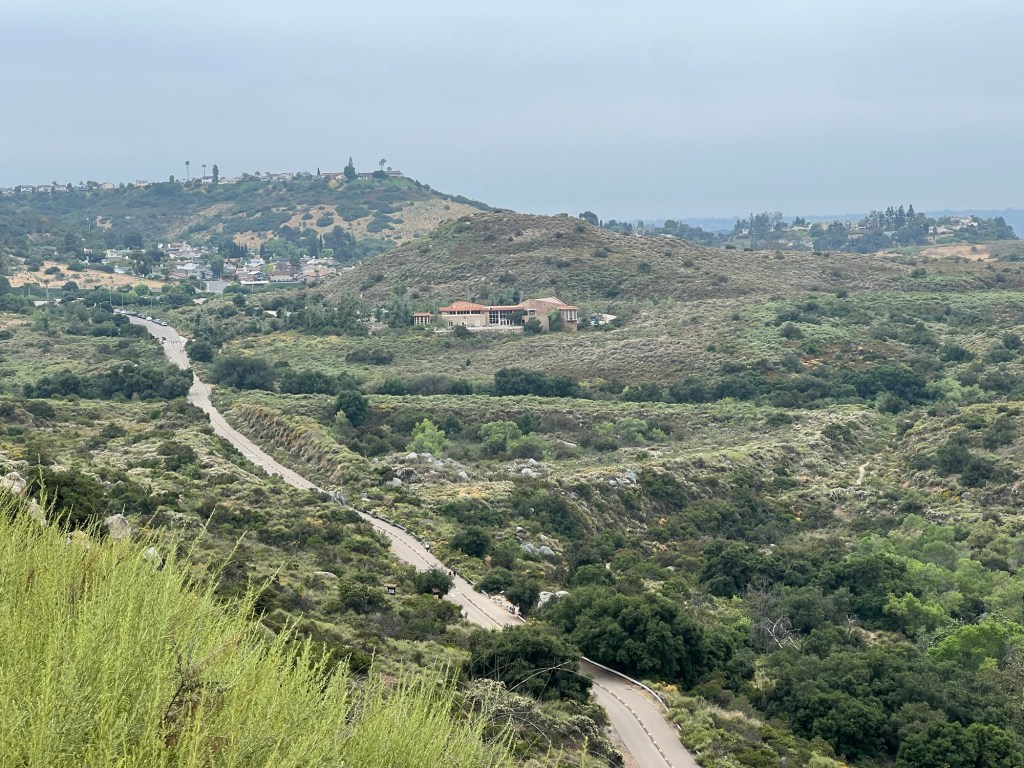
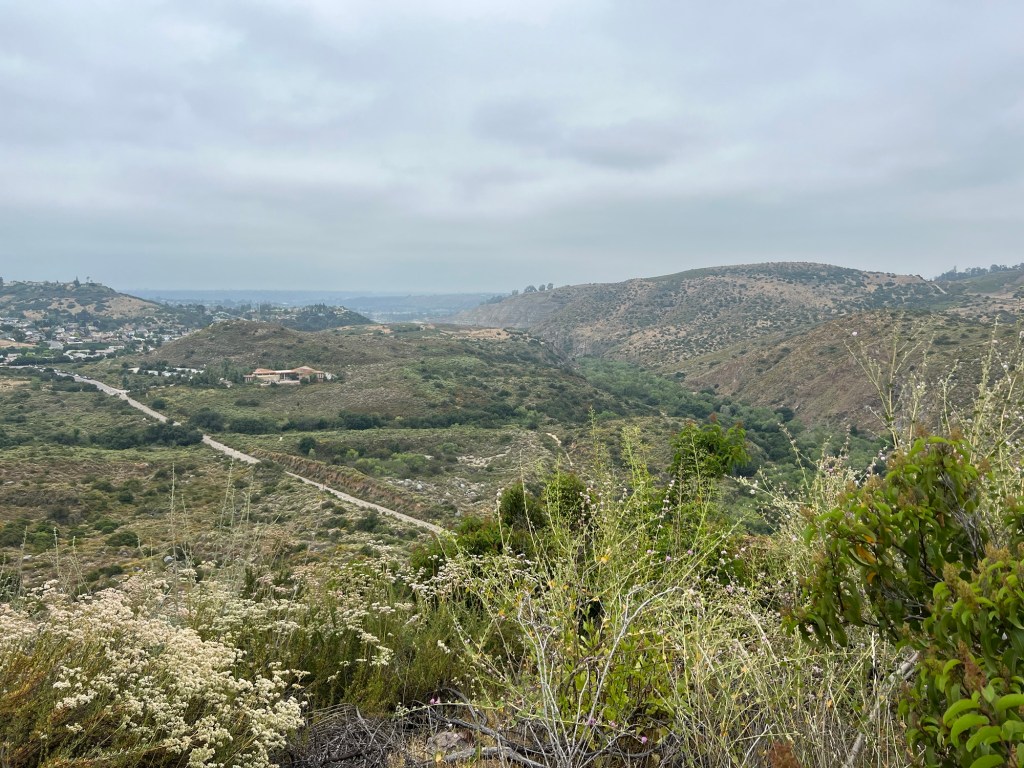
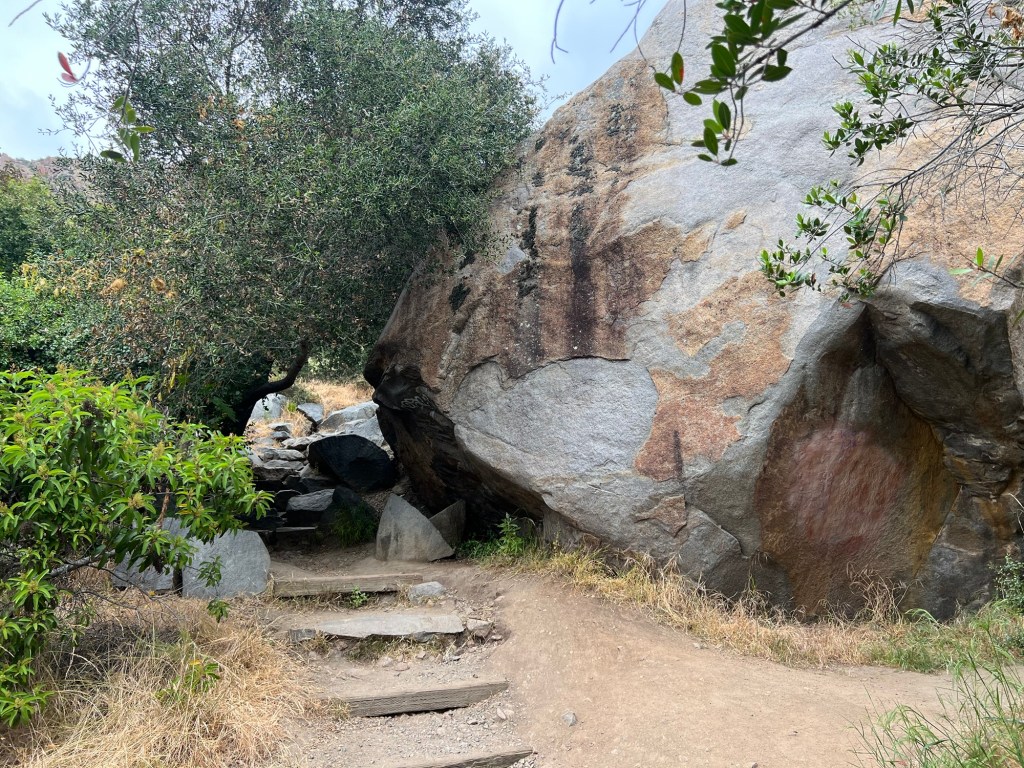
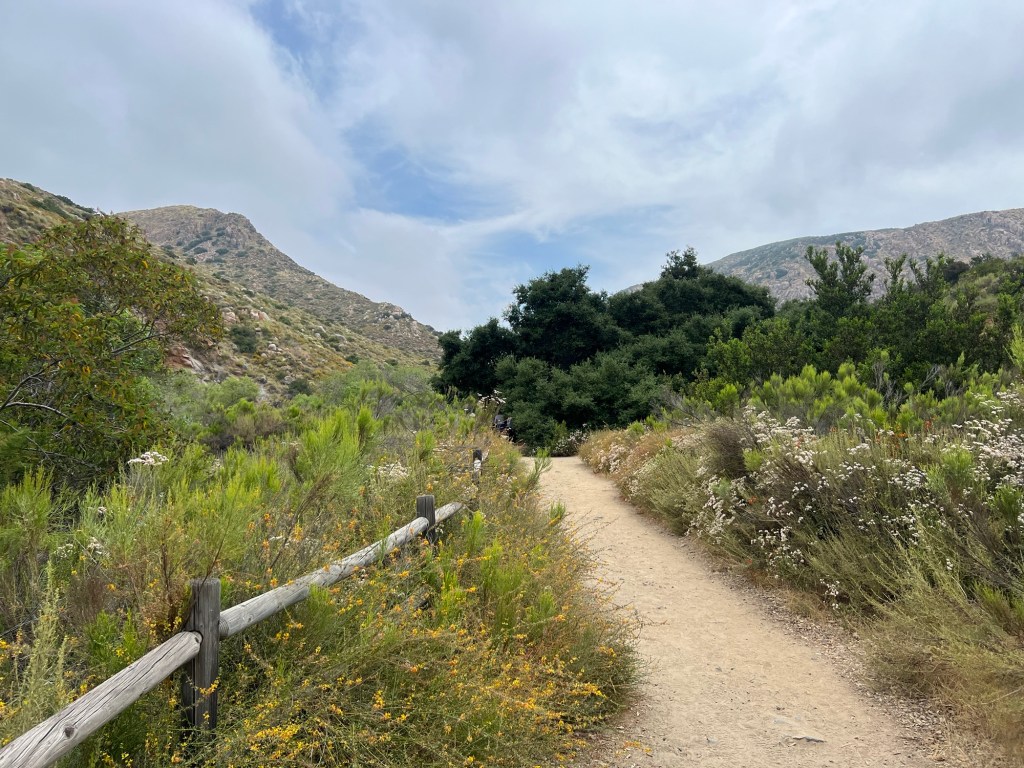
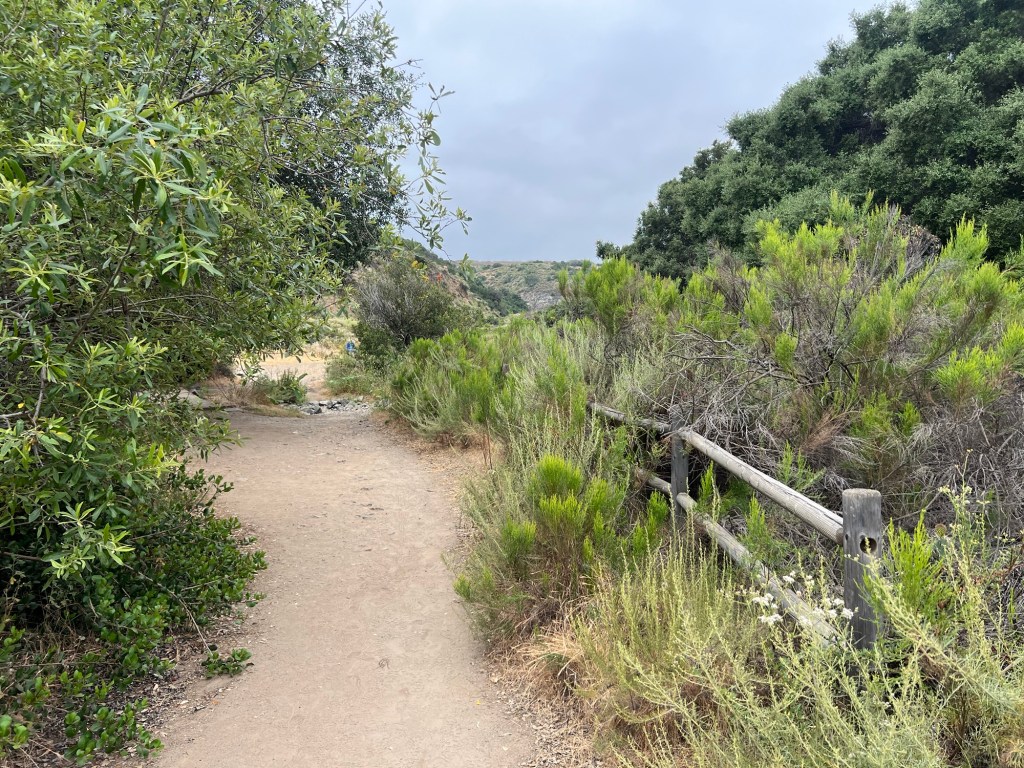
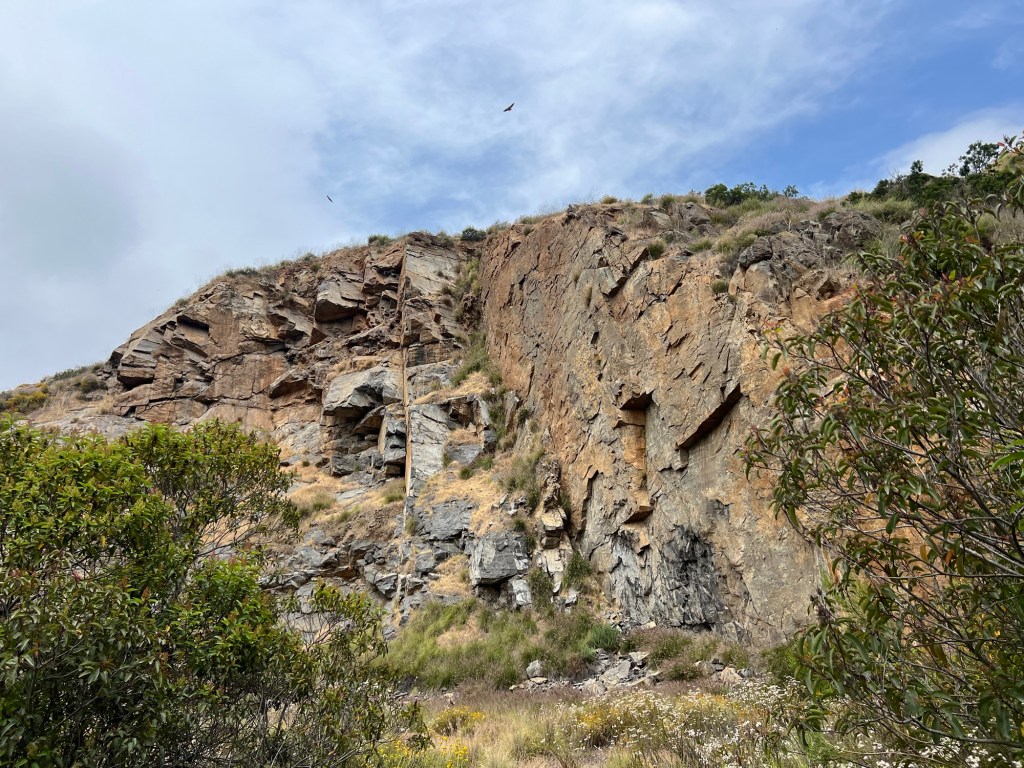
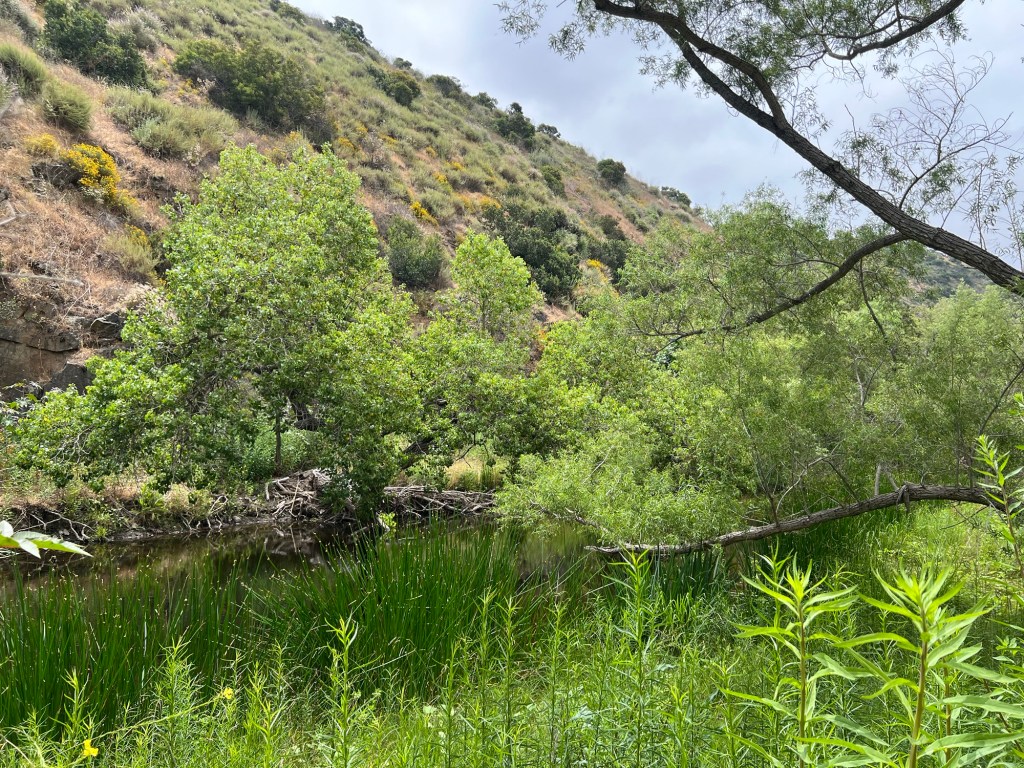
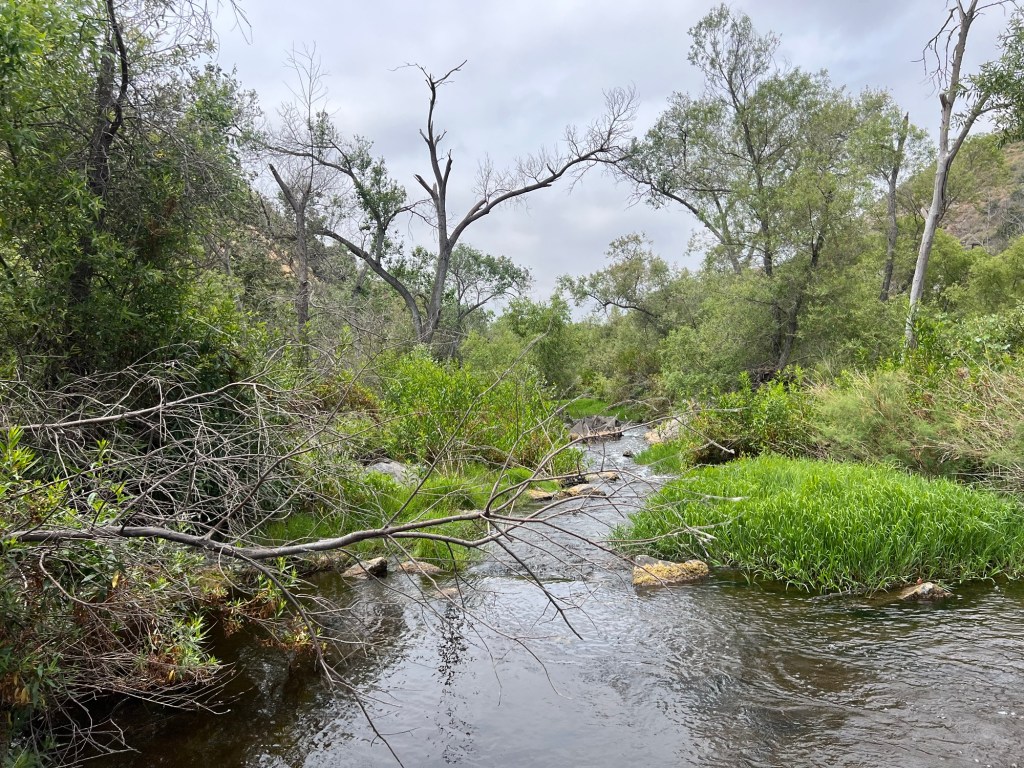
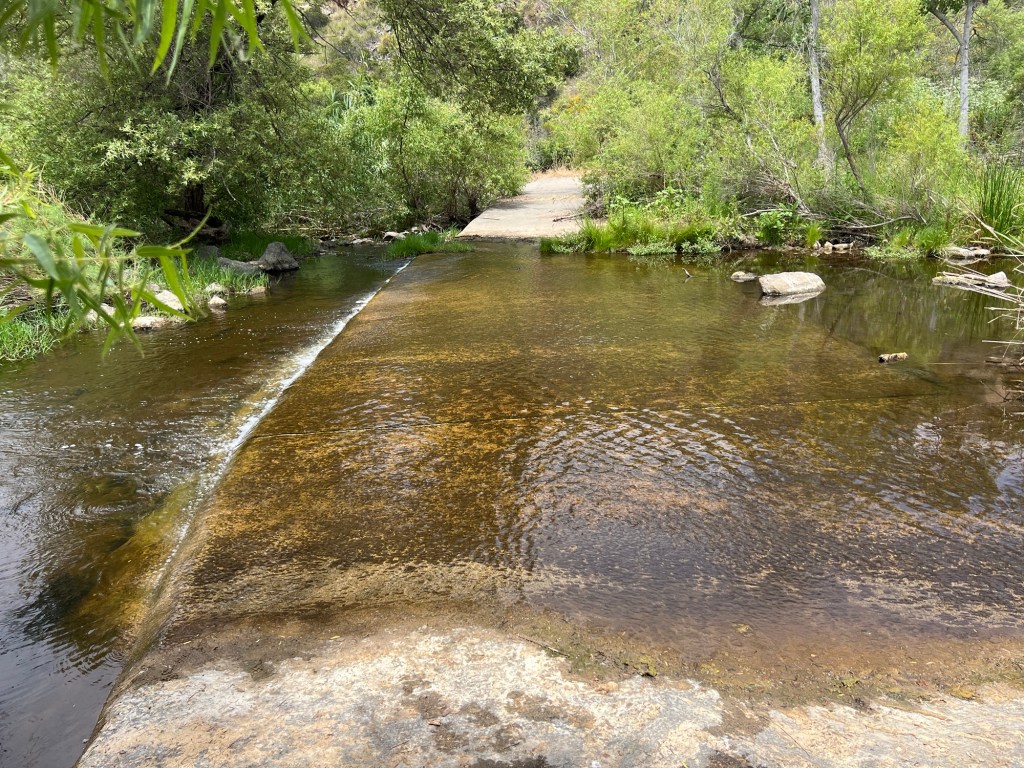
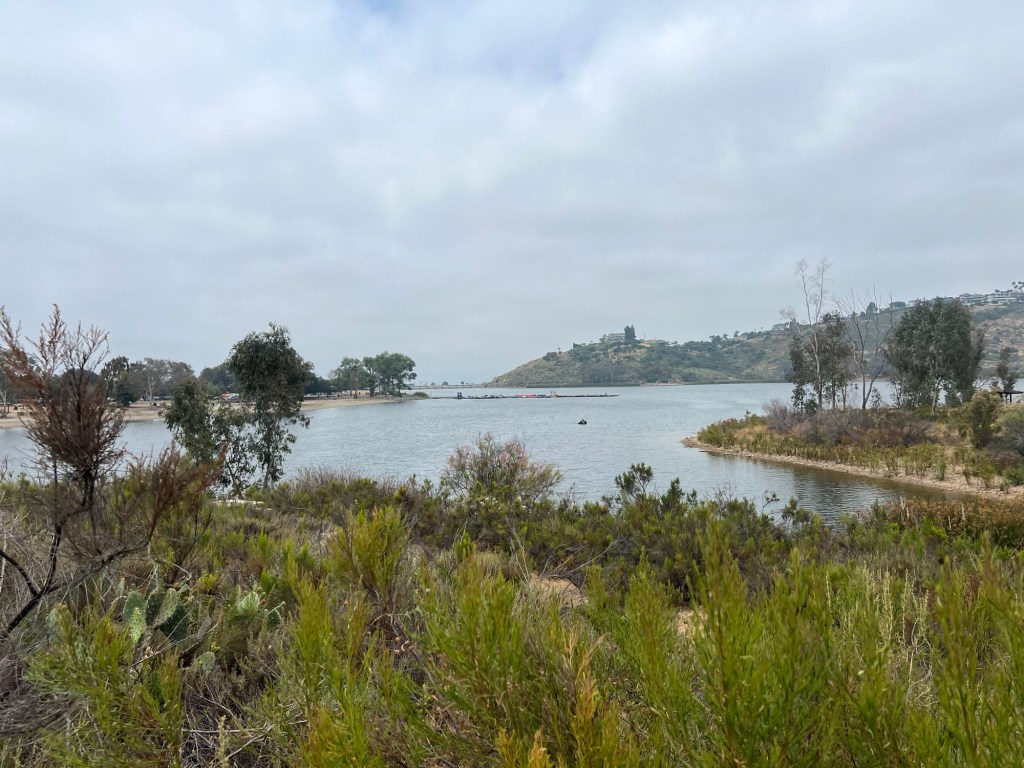
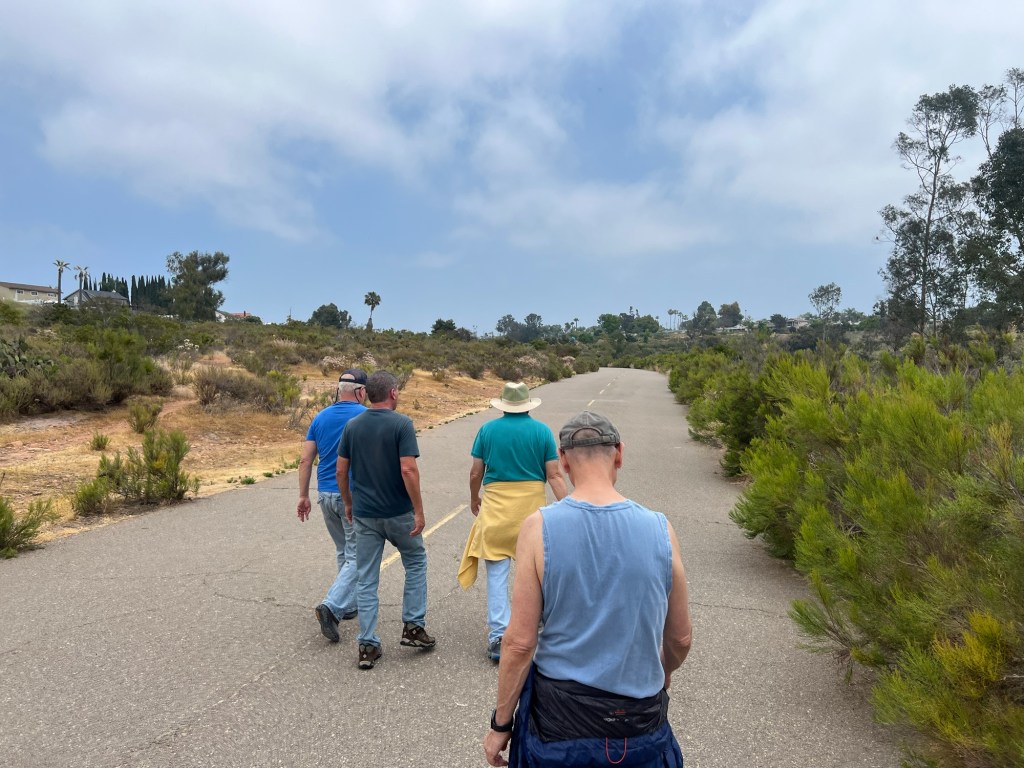
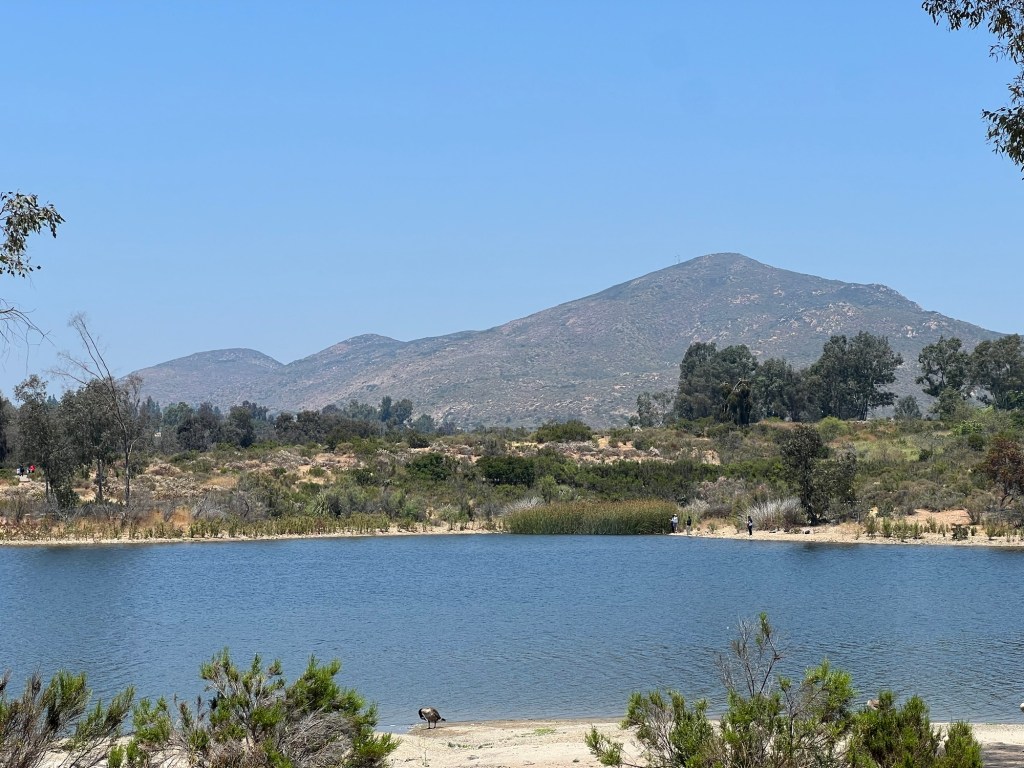
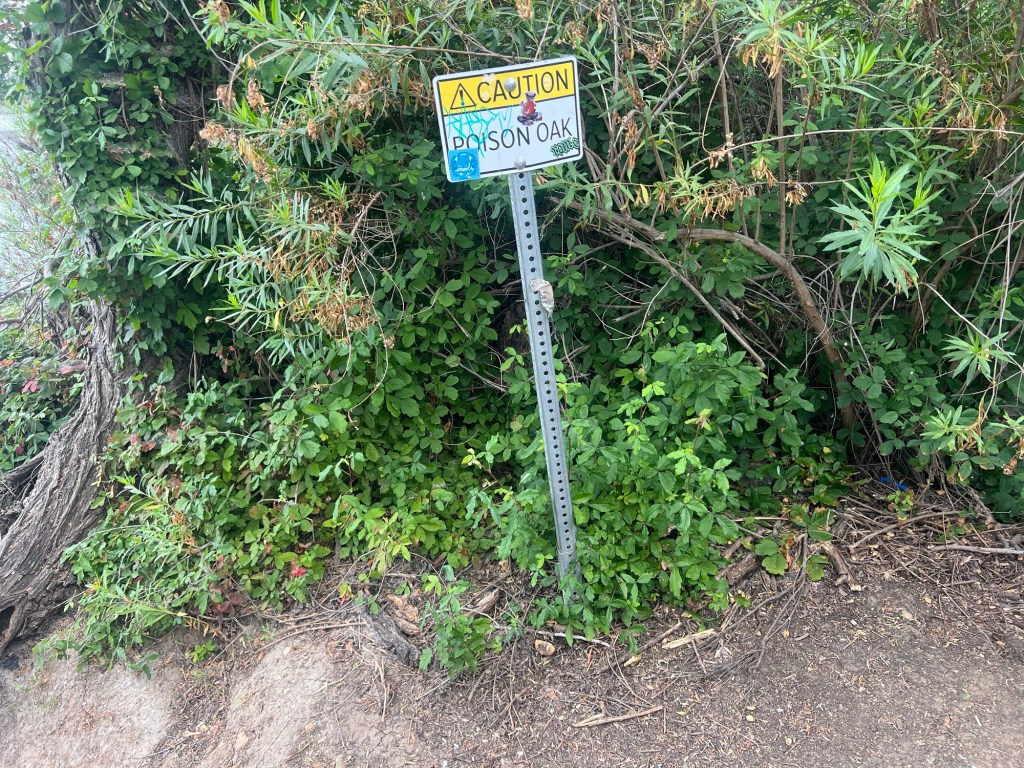
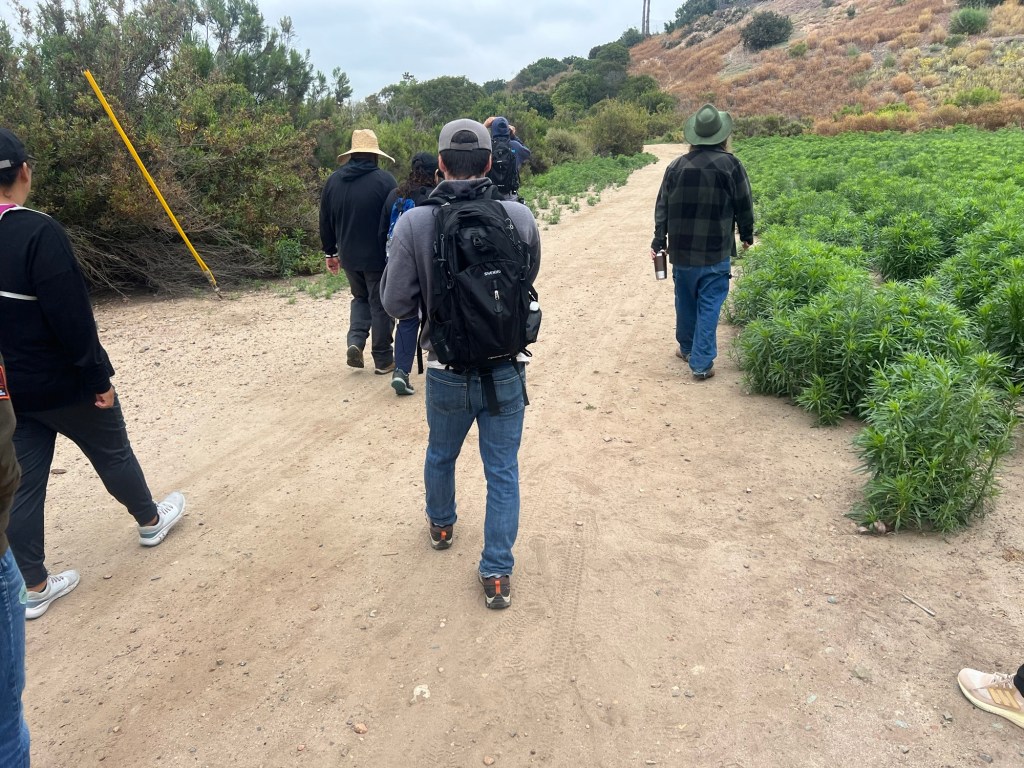
There were just two of us in the Meetup group and we ended up doing an extended hike. We started at the Old Mission Dam and hiked up North Fortuna.


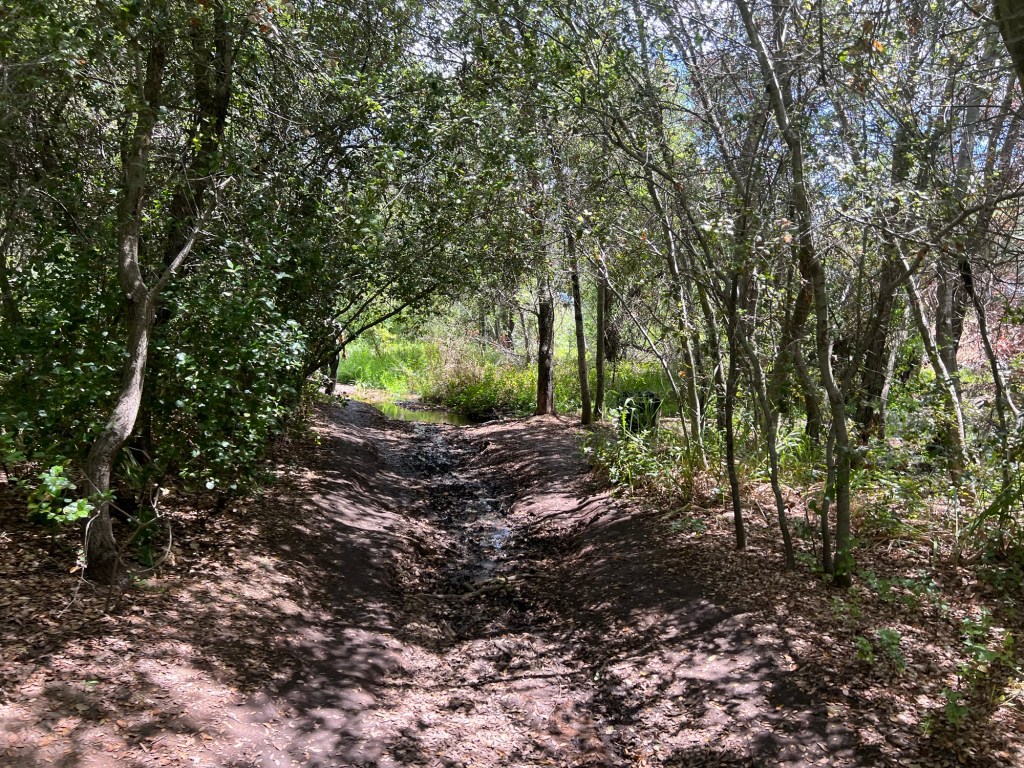
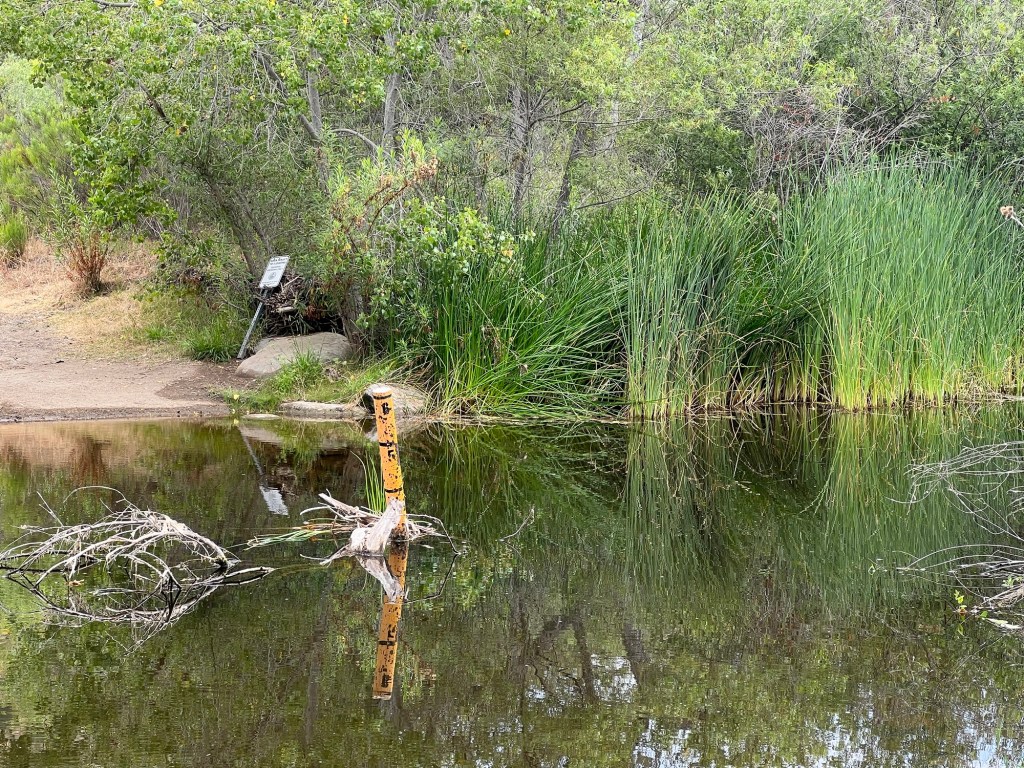
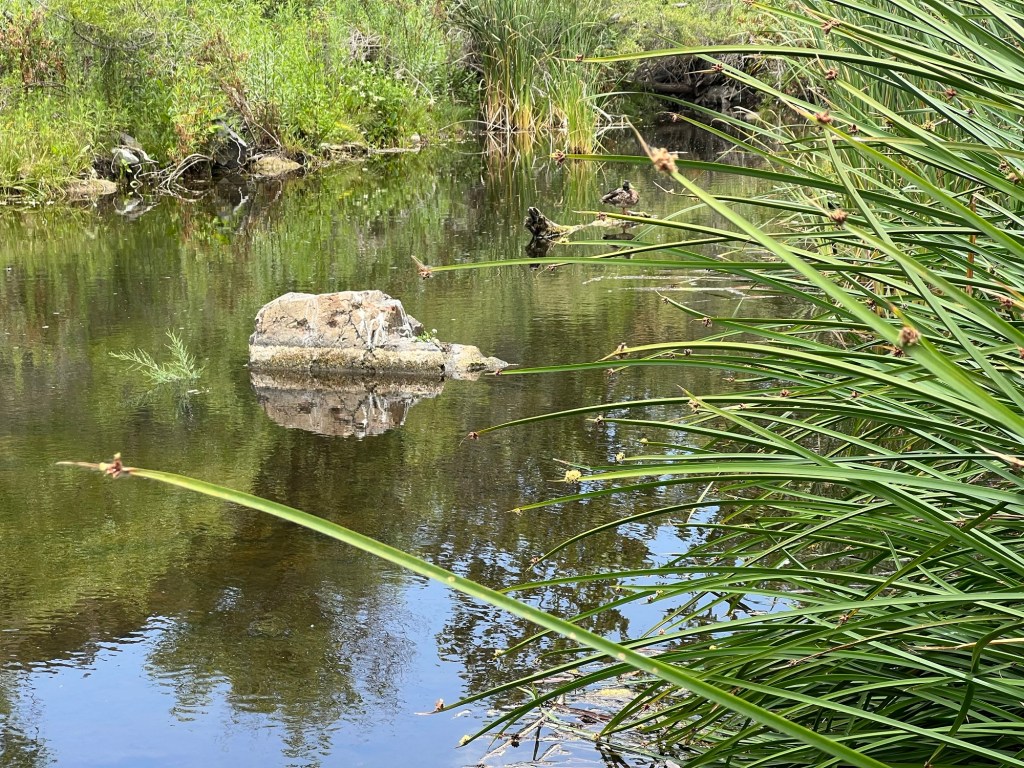
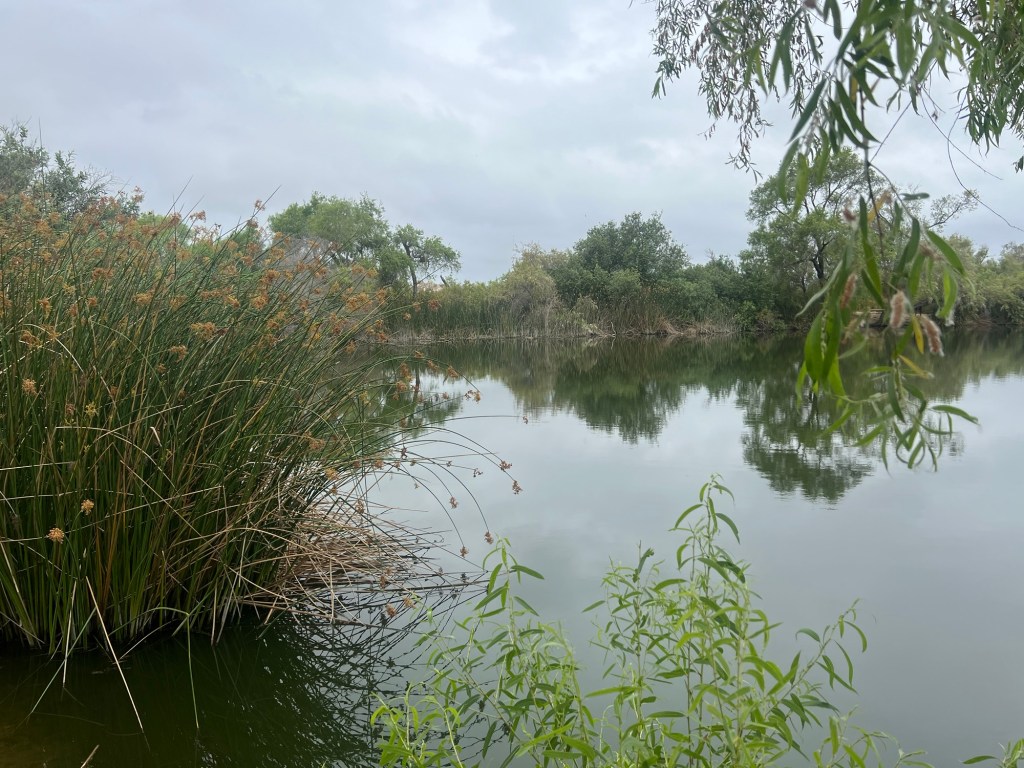
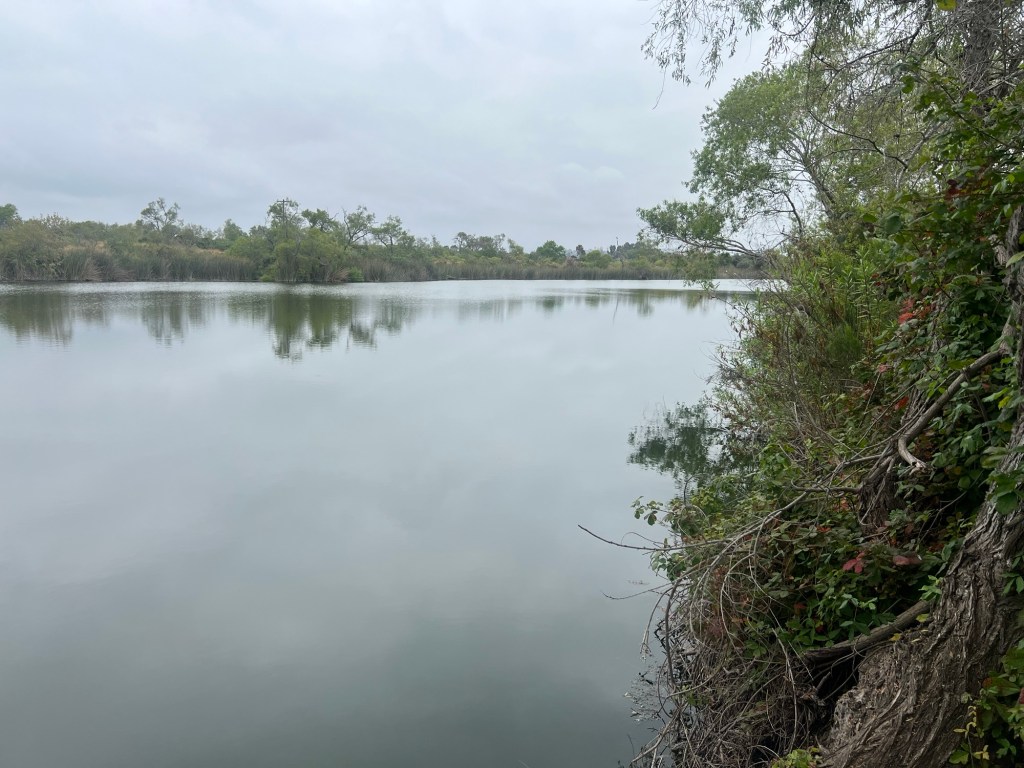
Next, we hiked down to Shepherd’s Pond.


And hiked part of the Rim Trail.


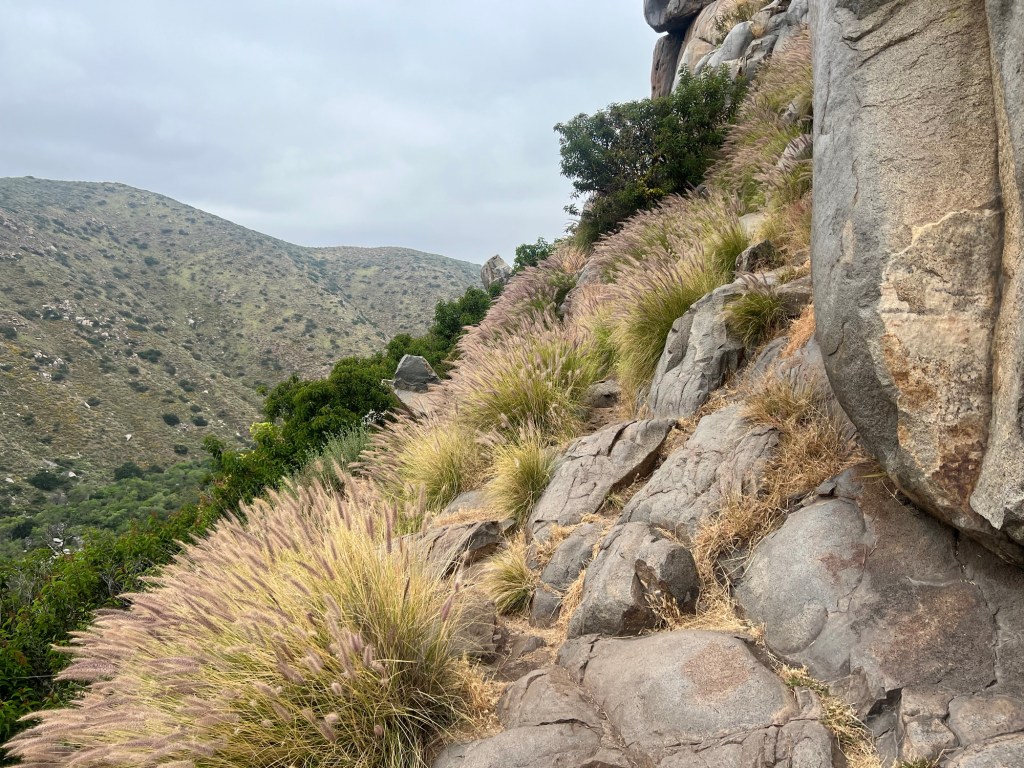
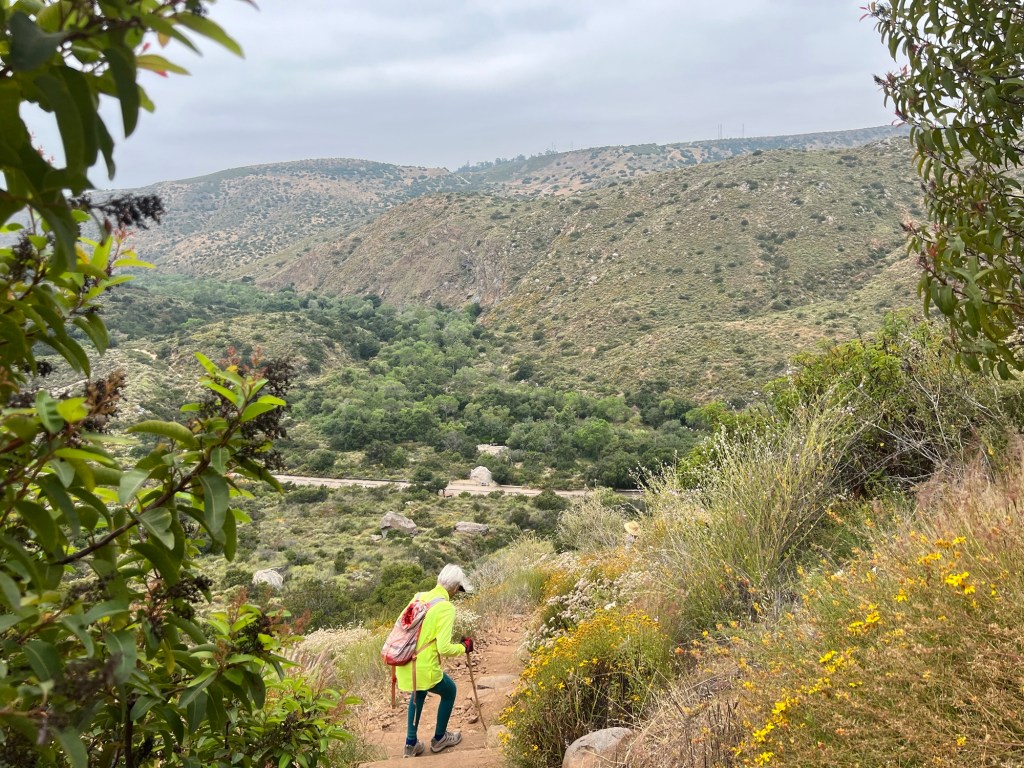
Before climbing South Fortuna via the Stairway to Heaven.


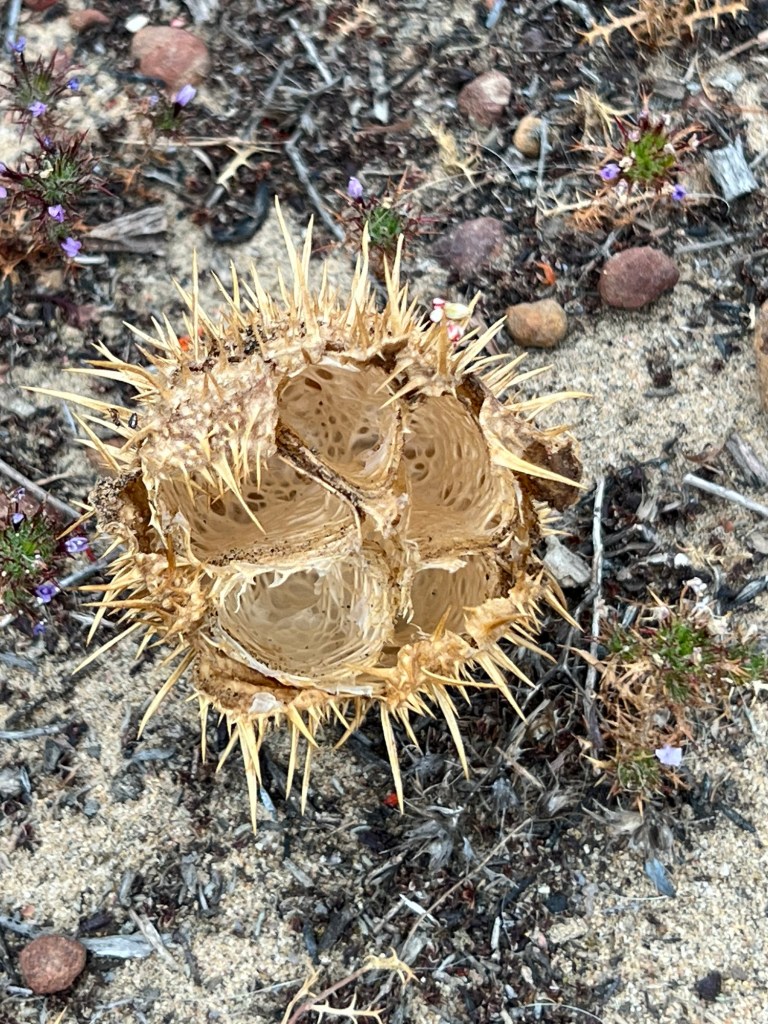
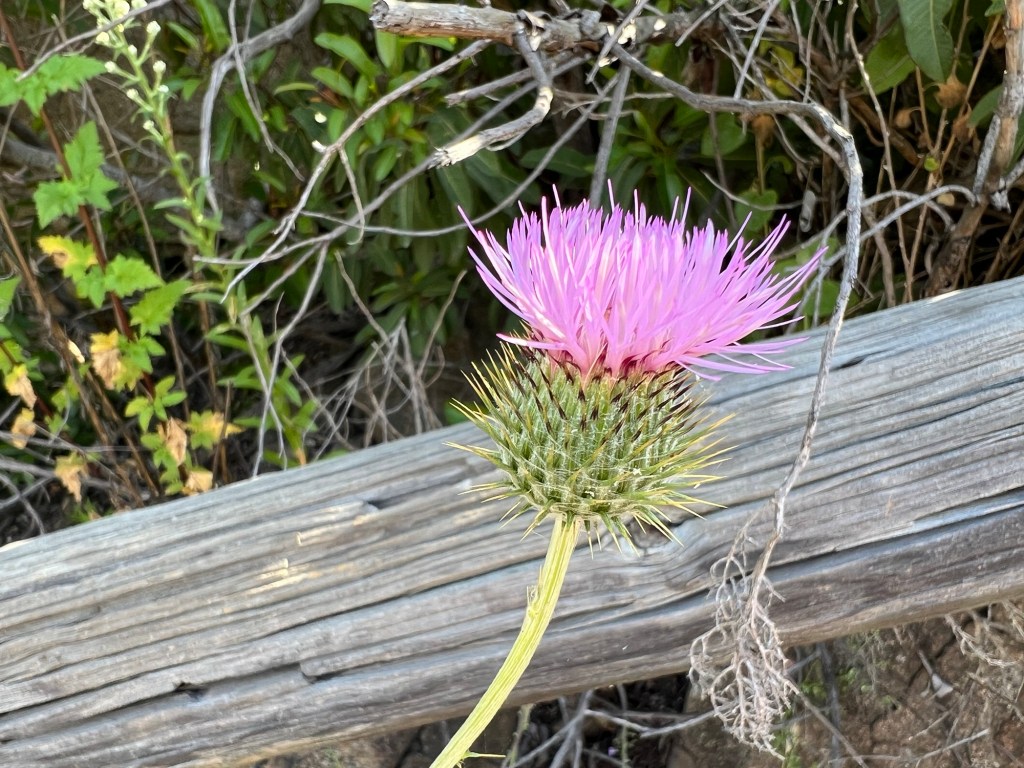
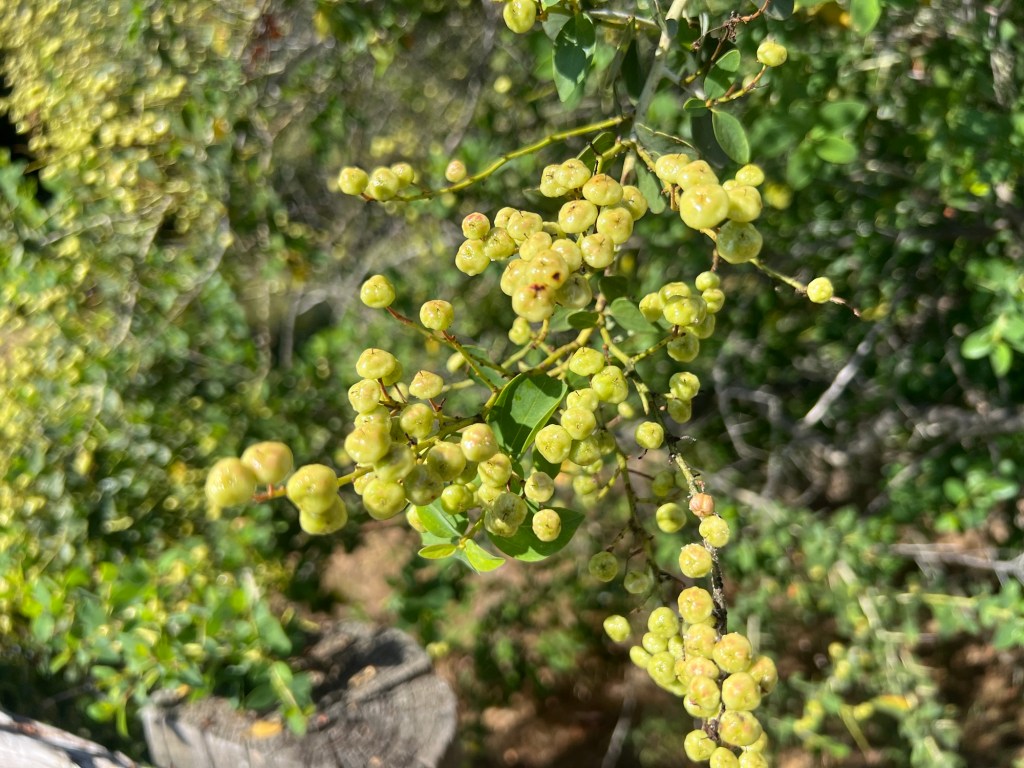
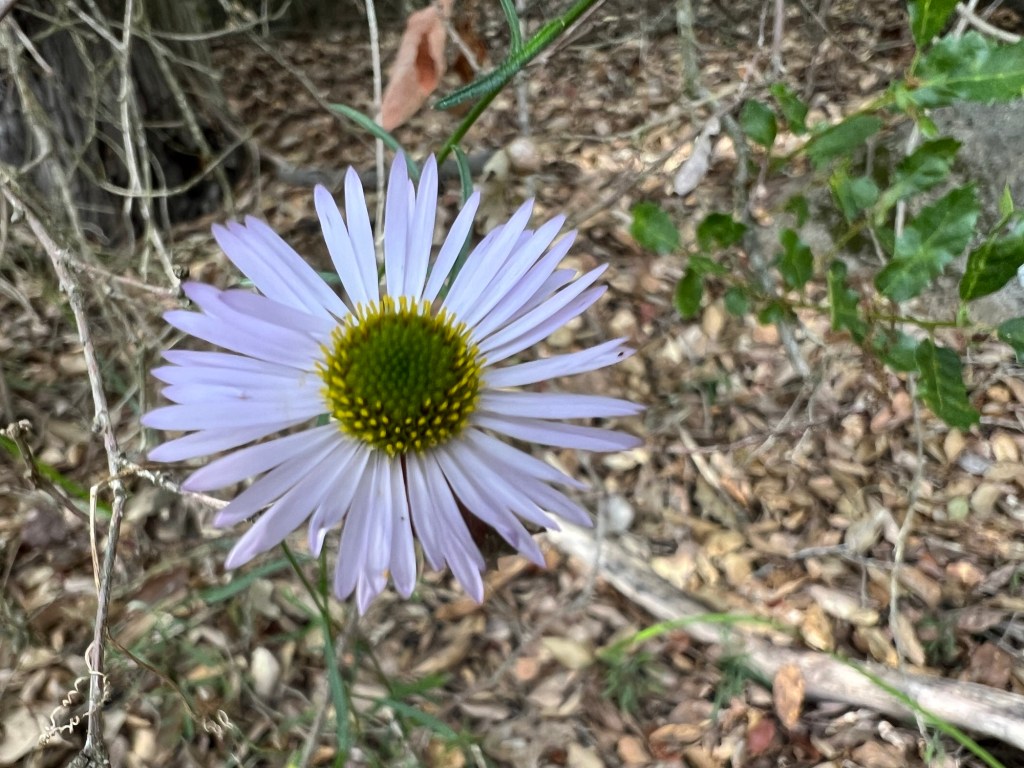
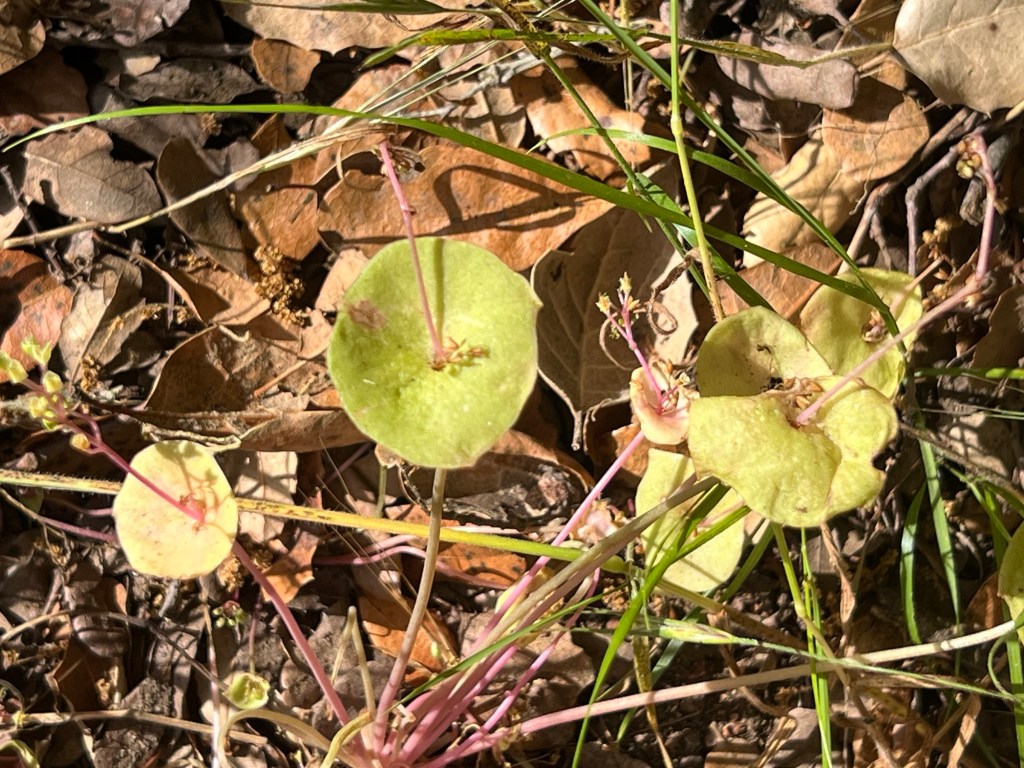
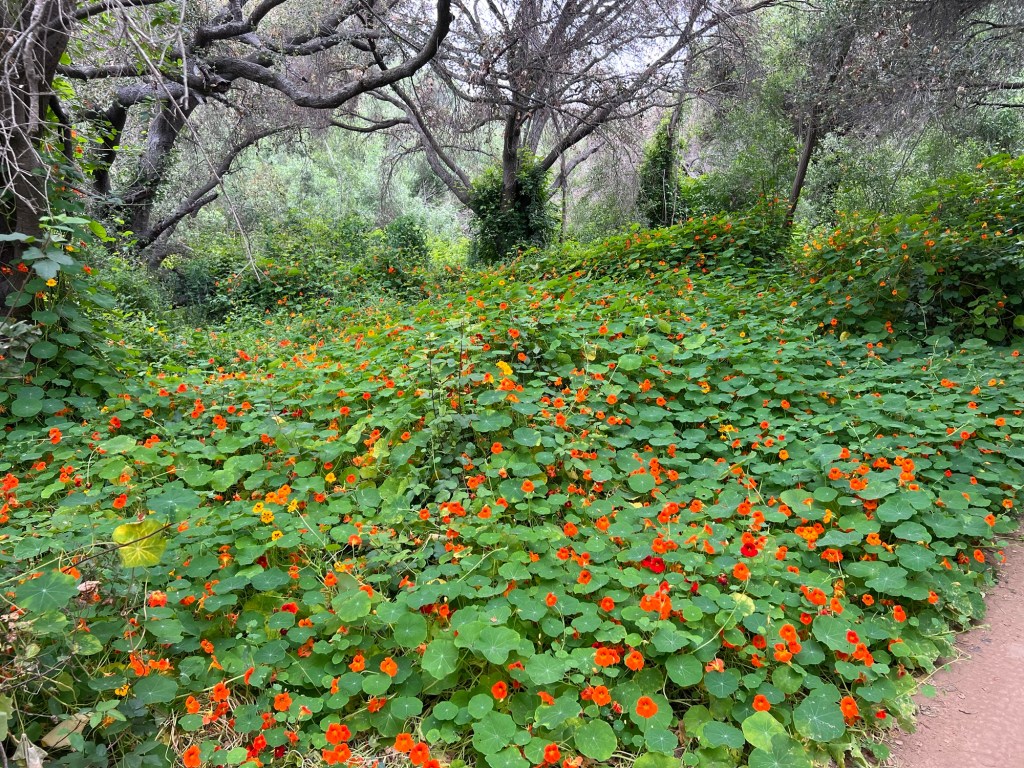
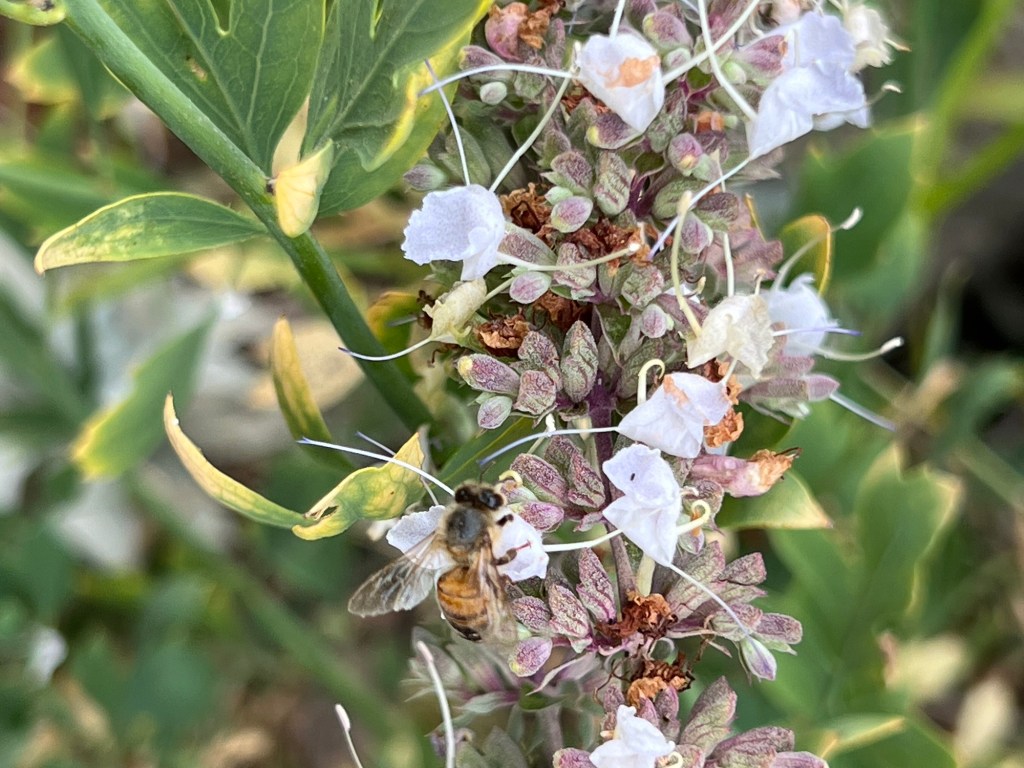
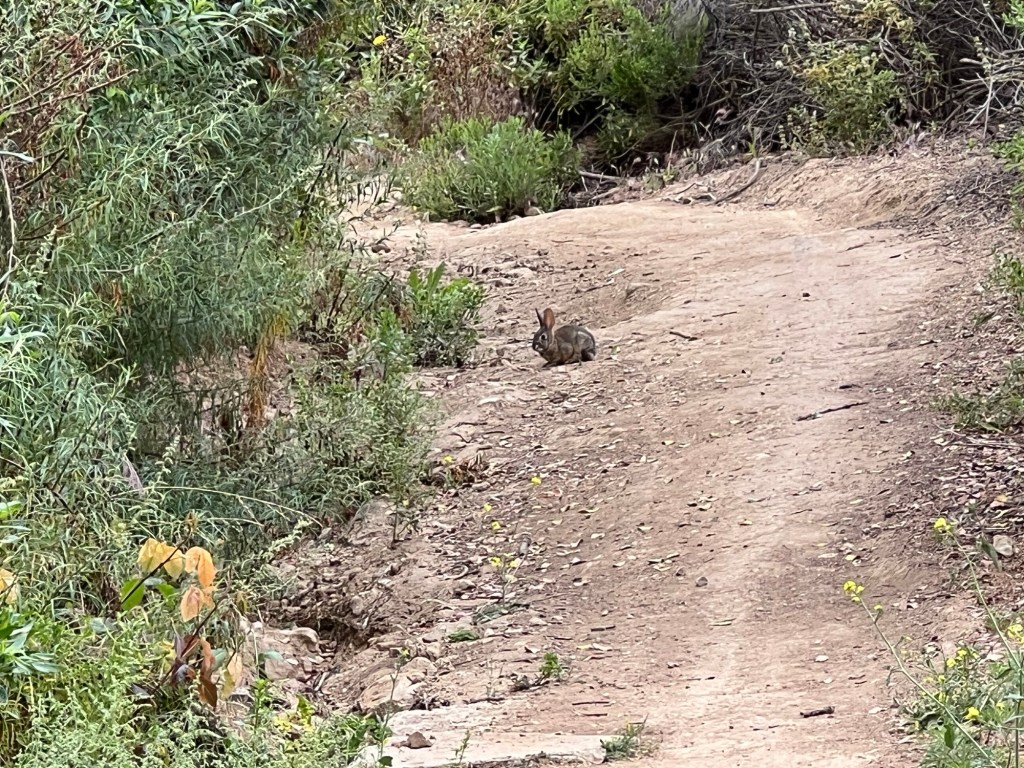
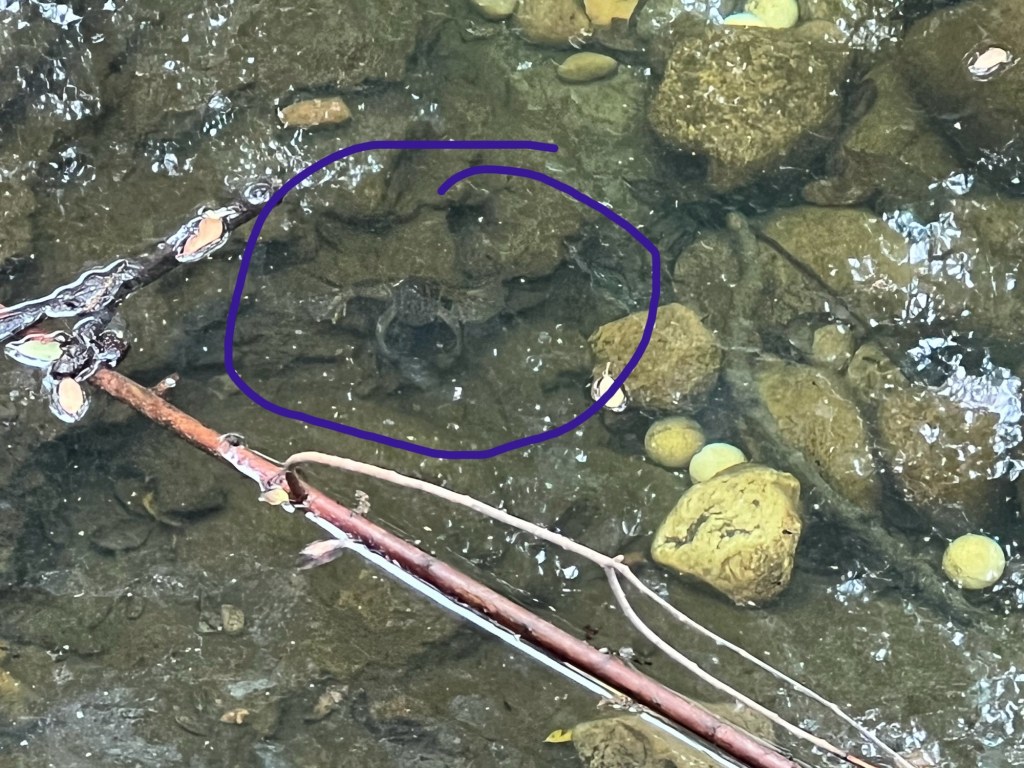
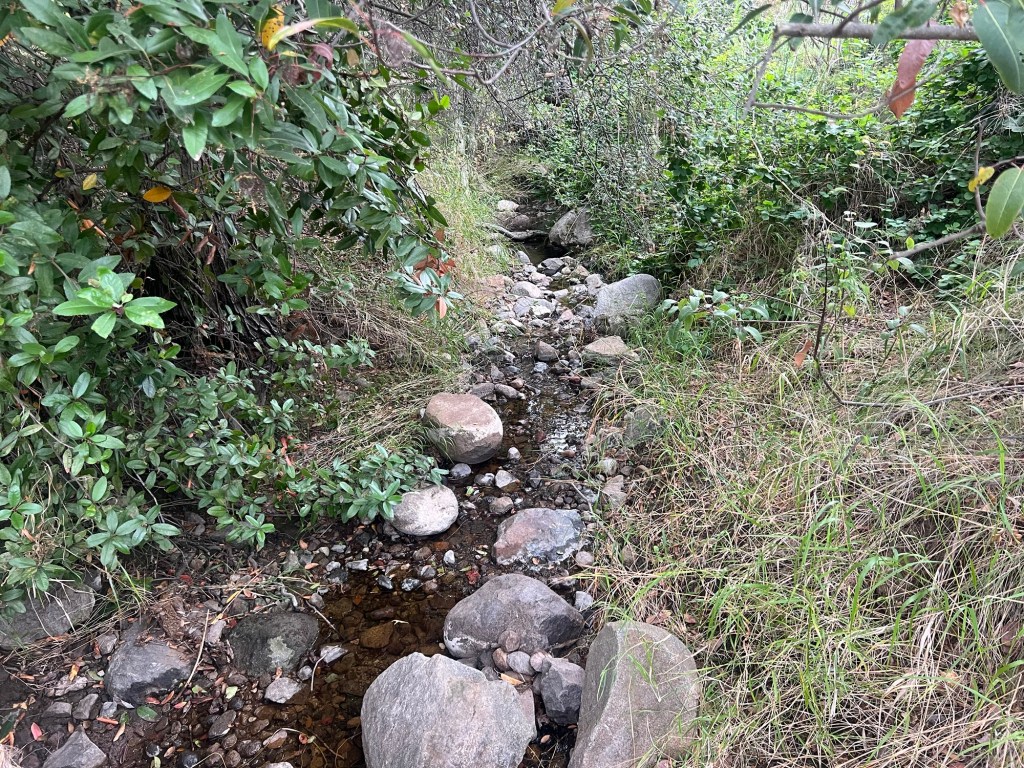
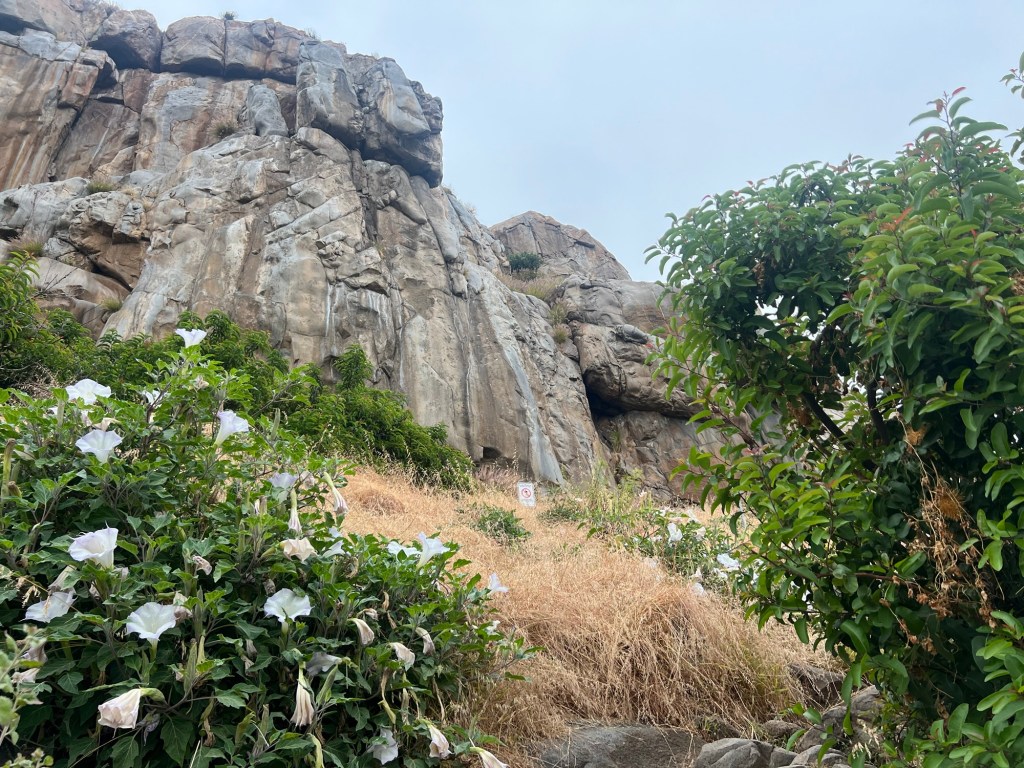
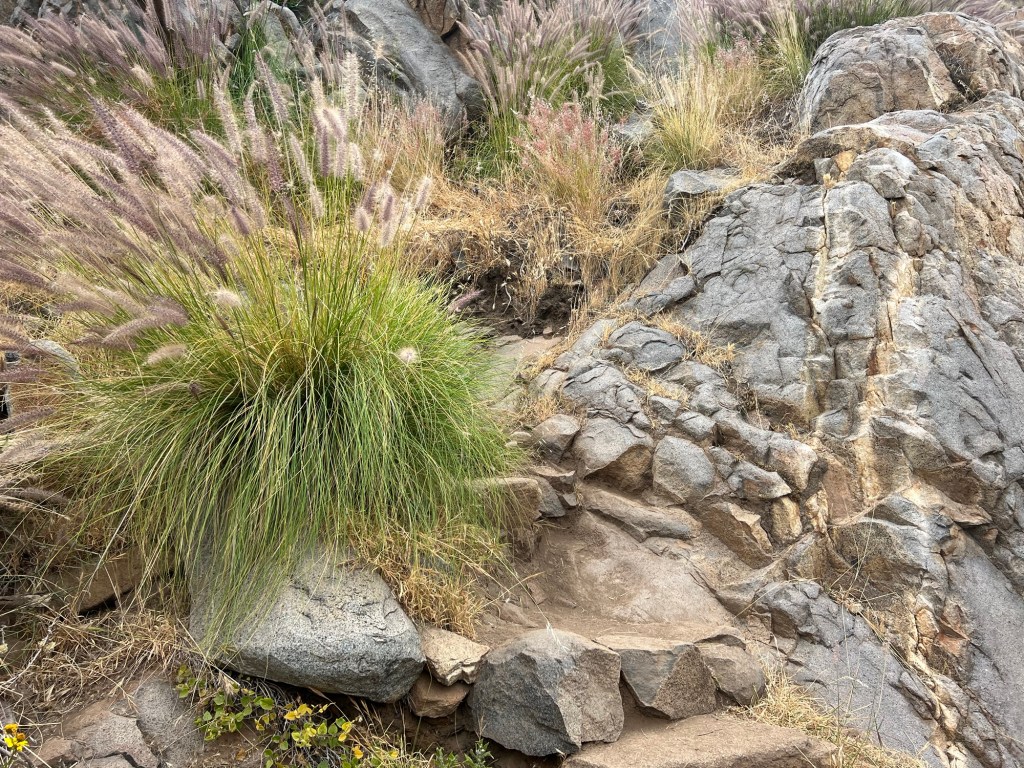
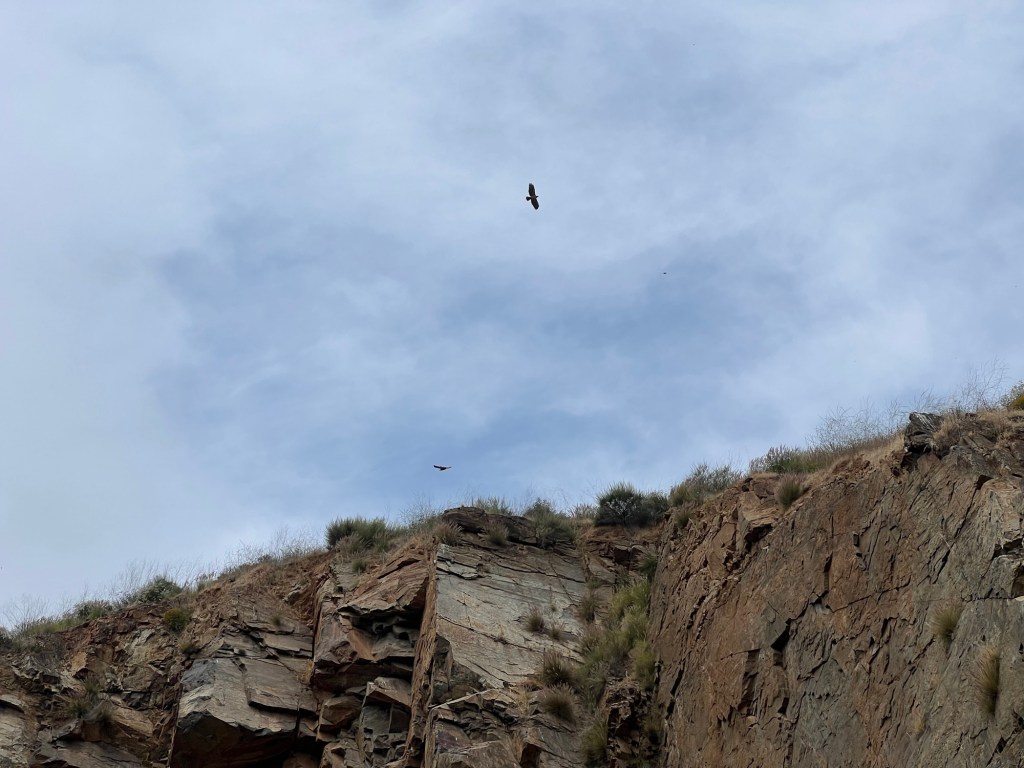
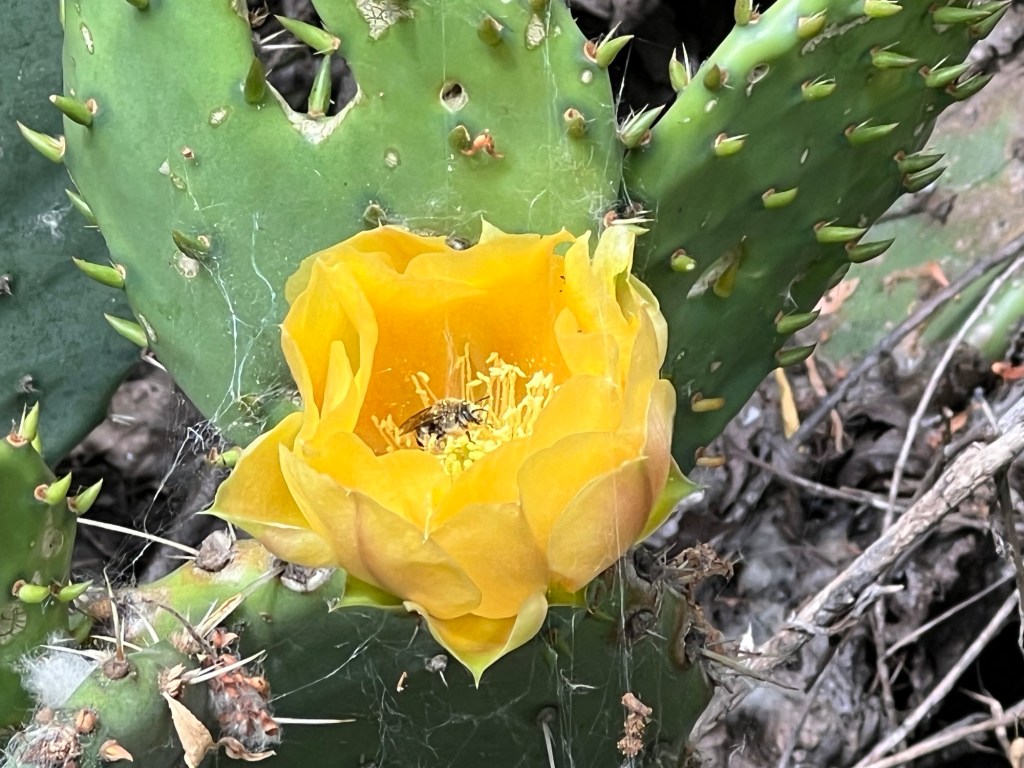
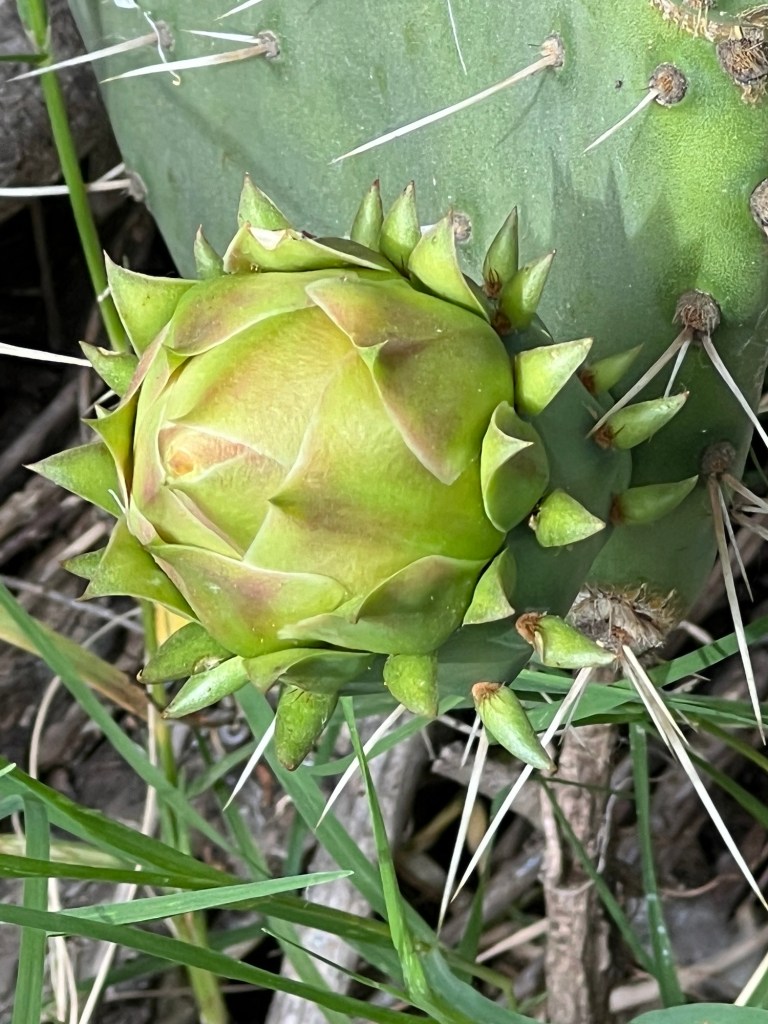
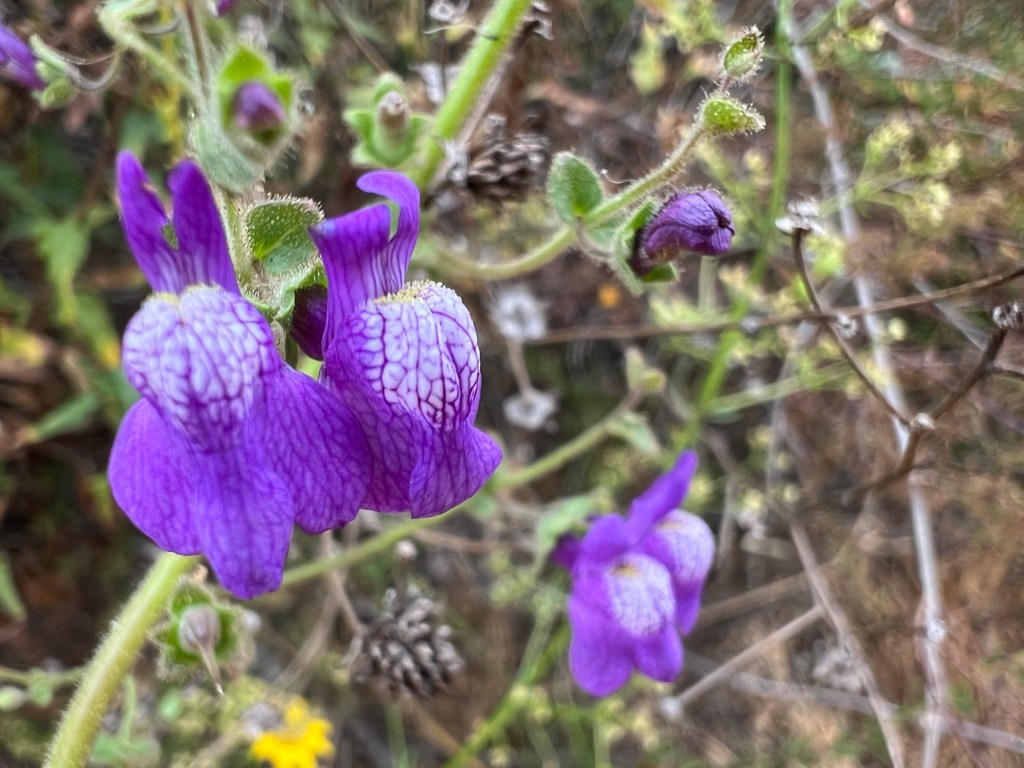
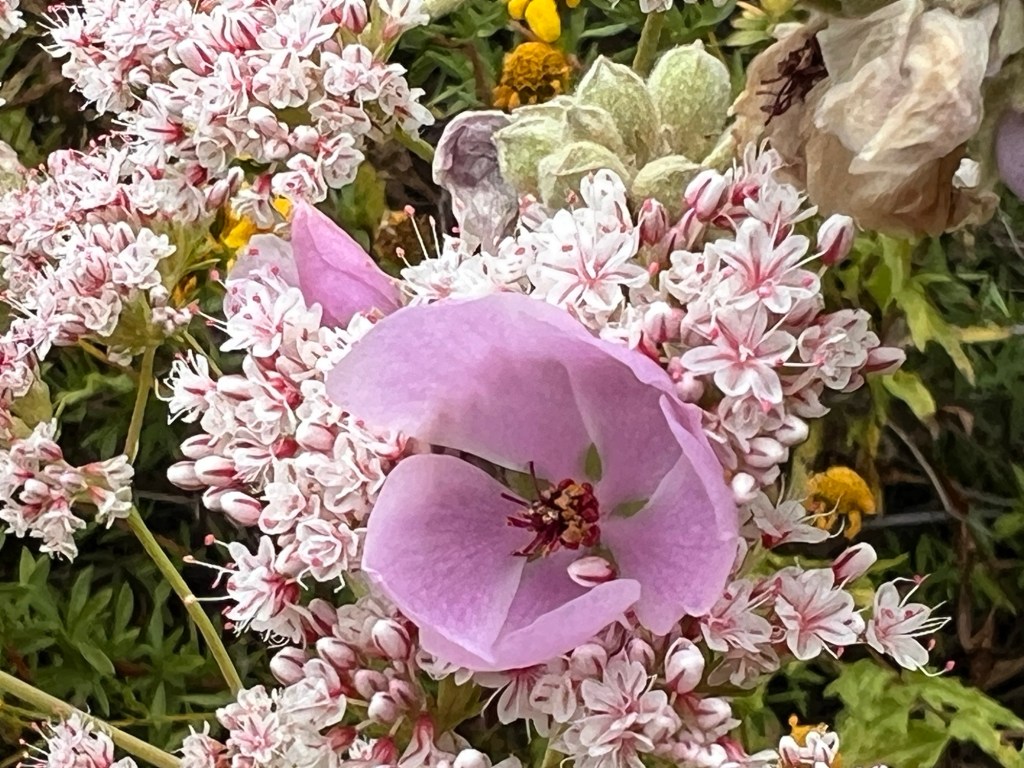
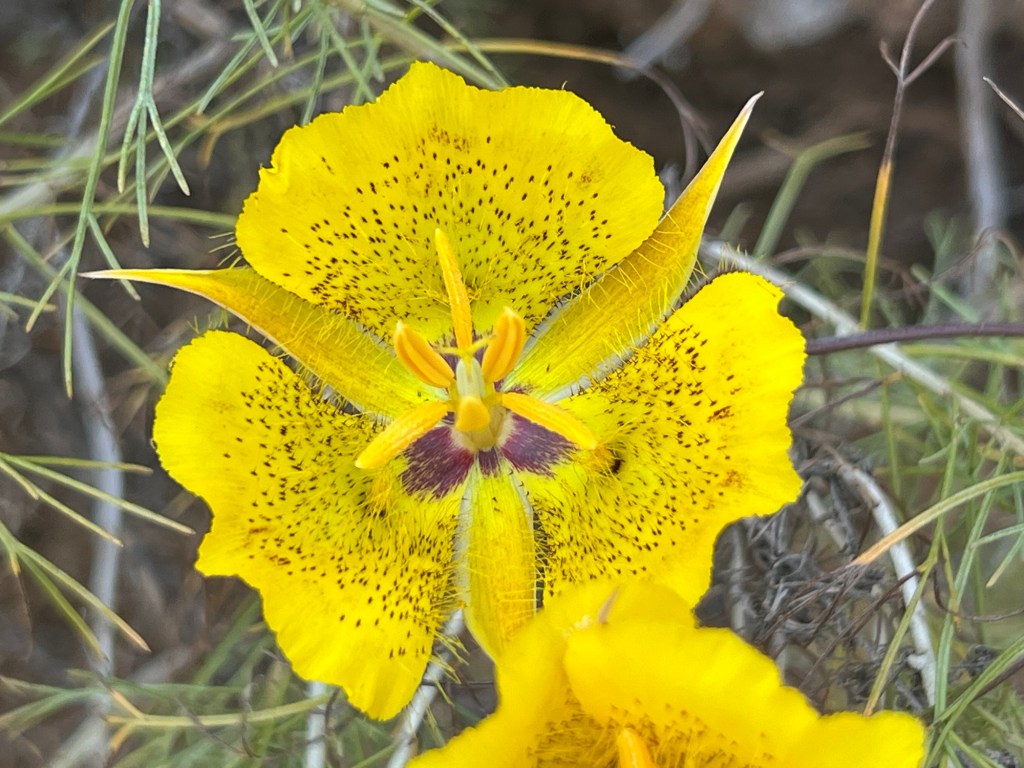
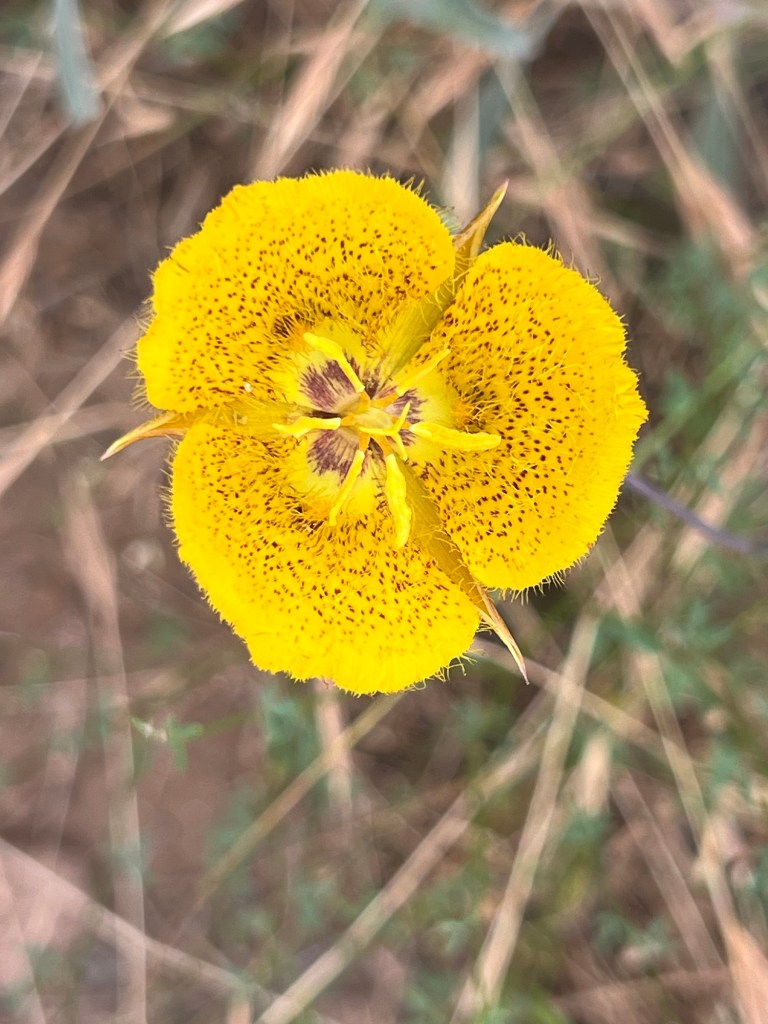
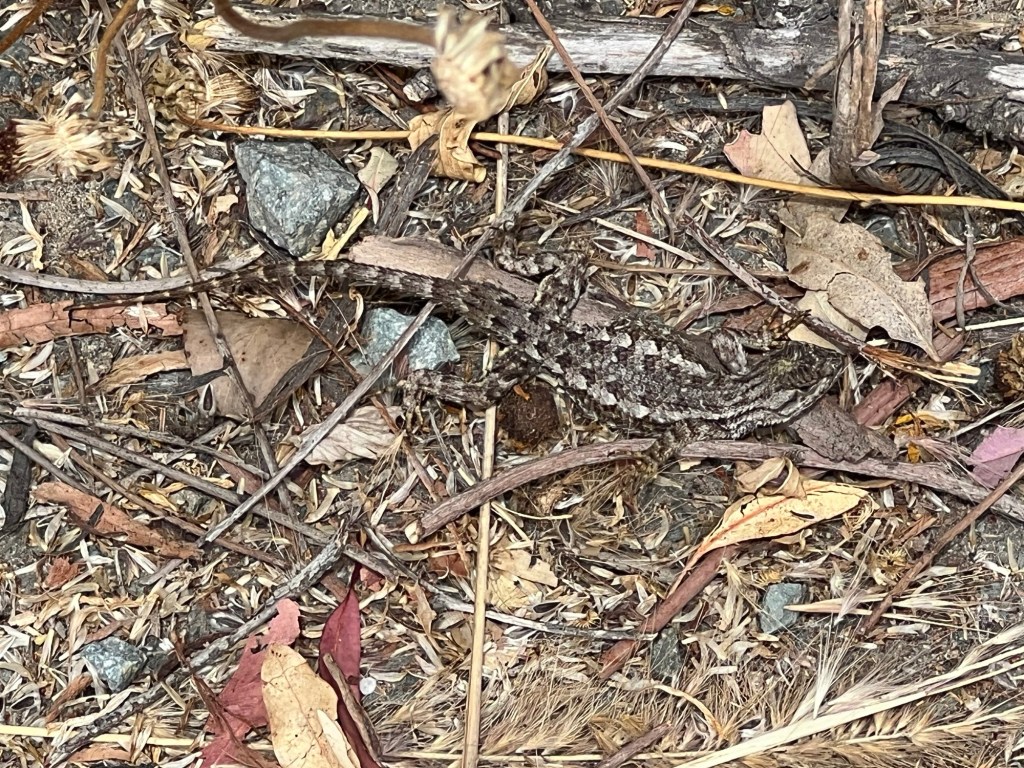
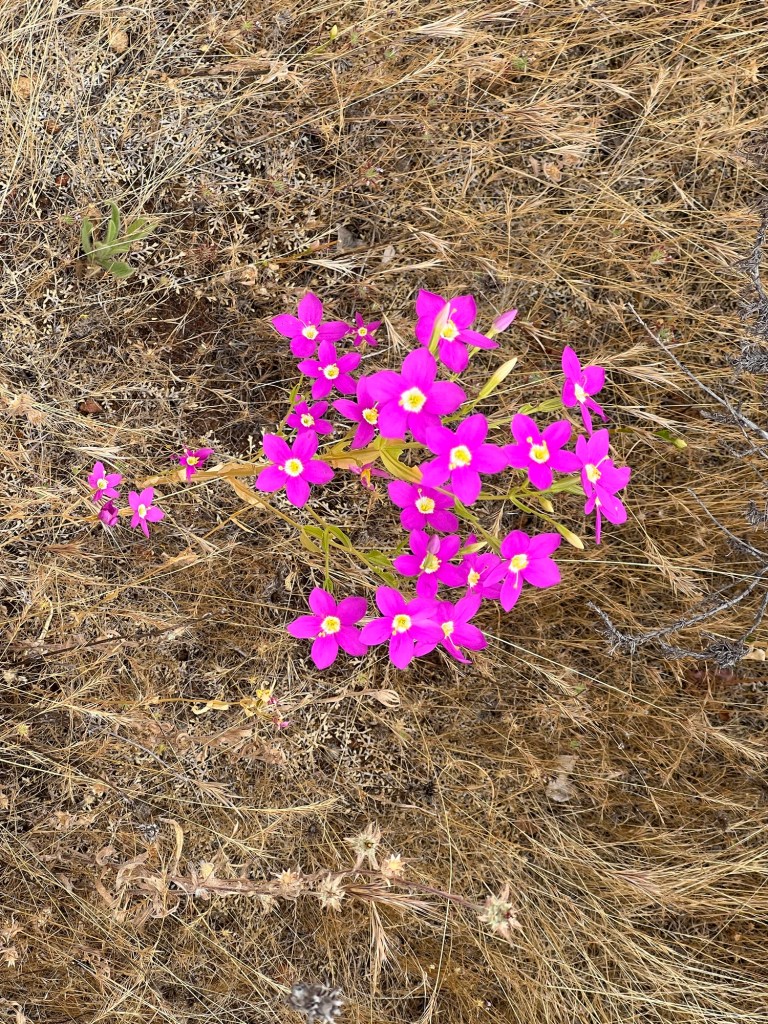
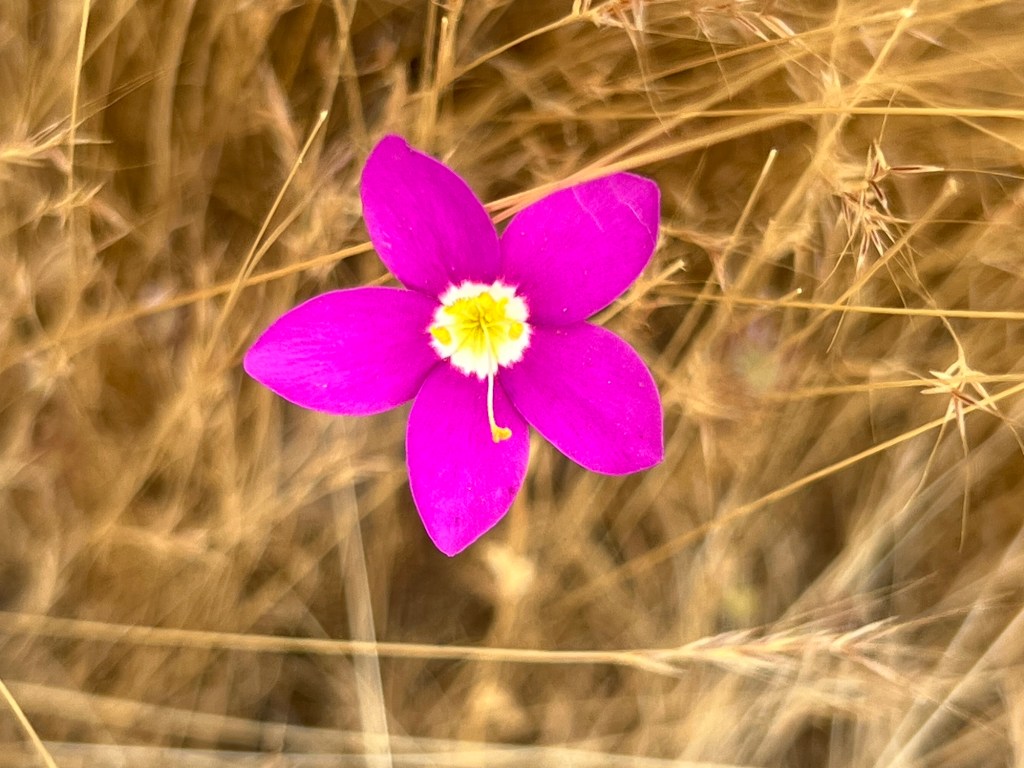
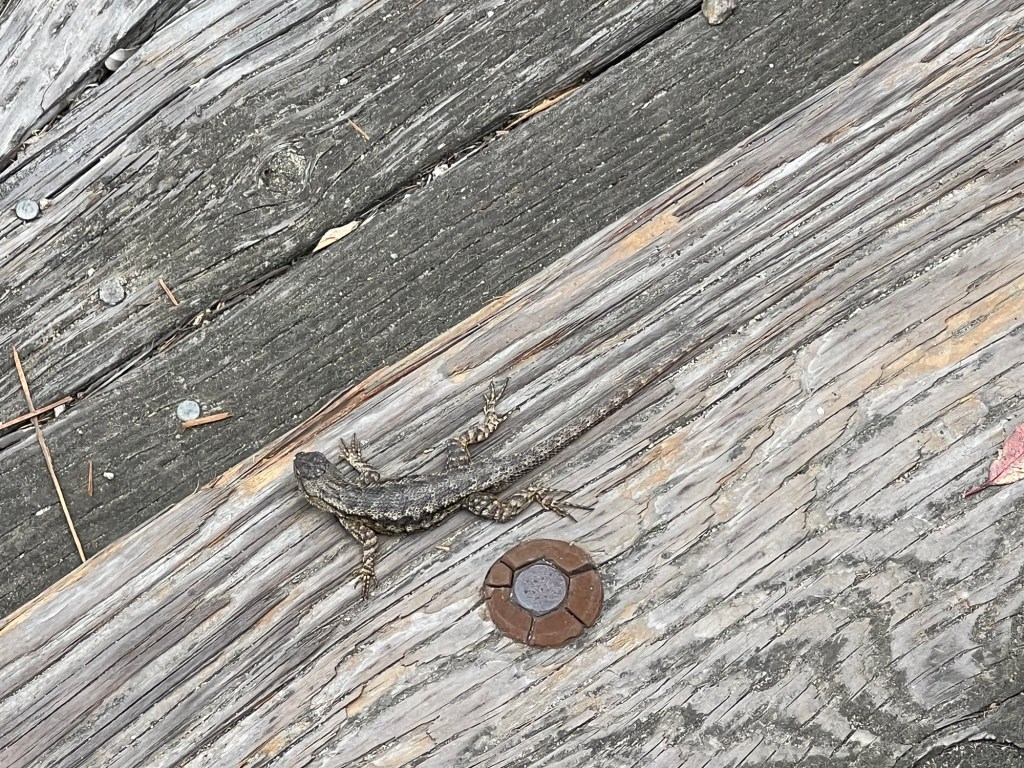
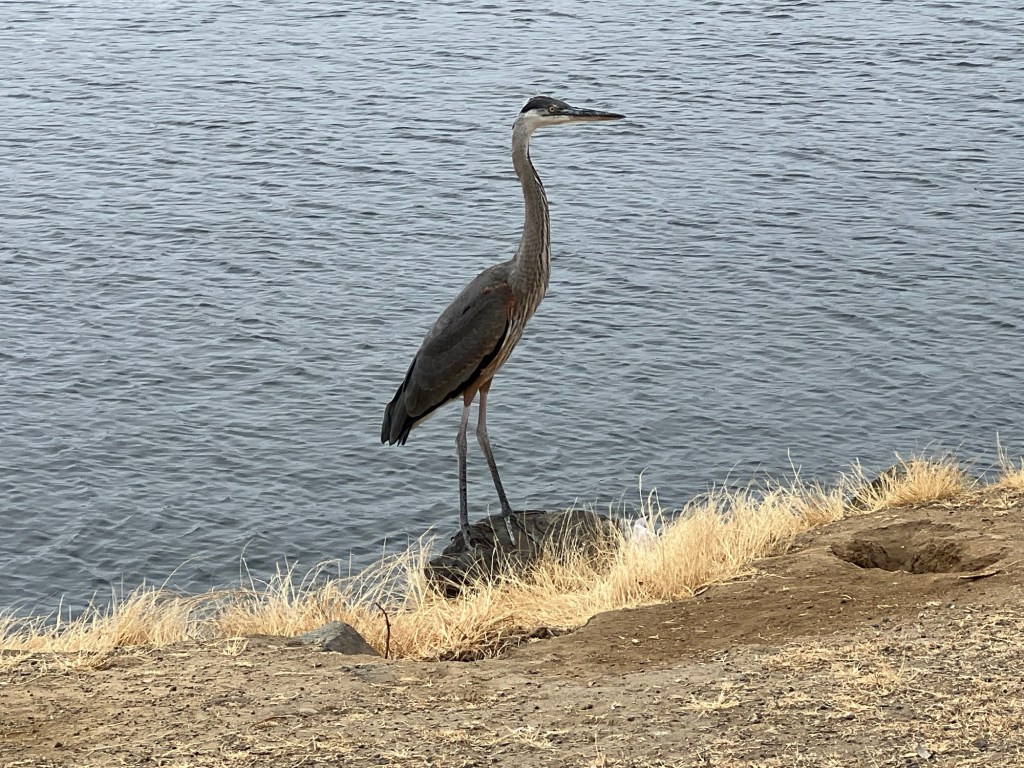
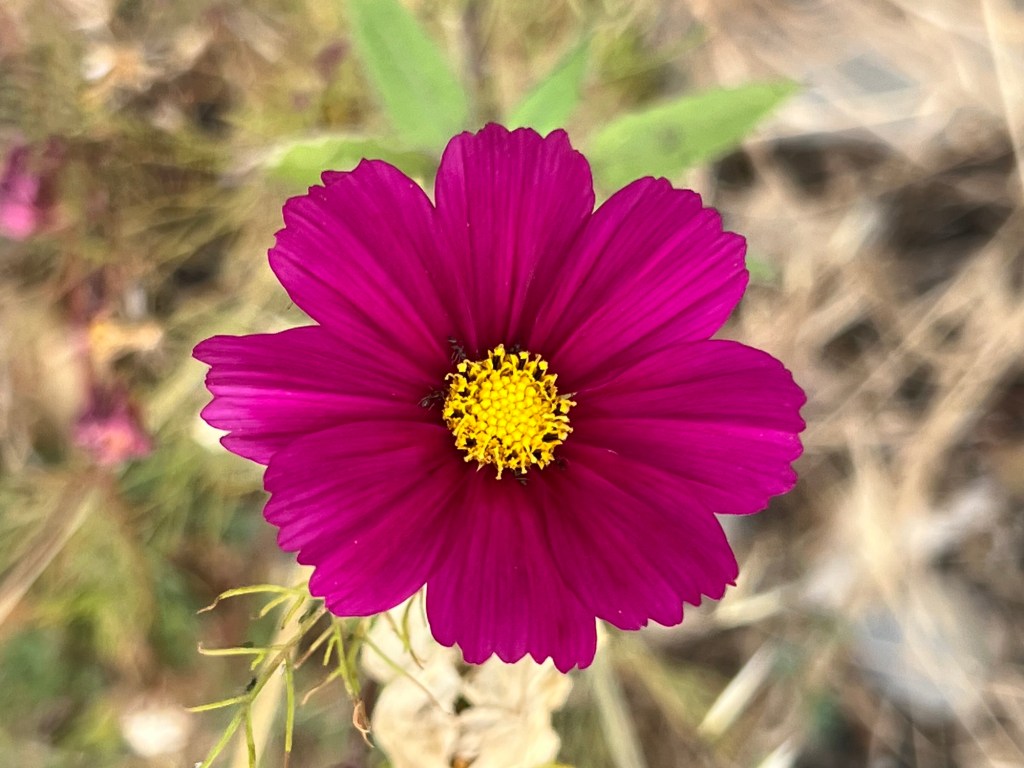
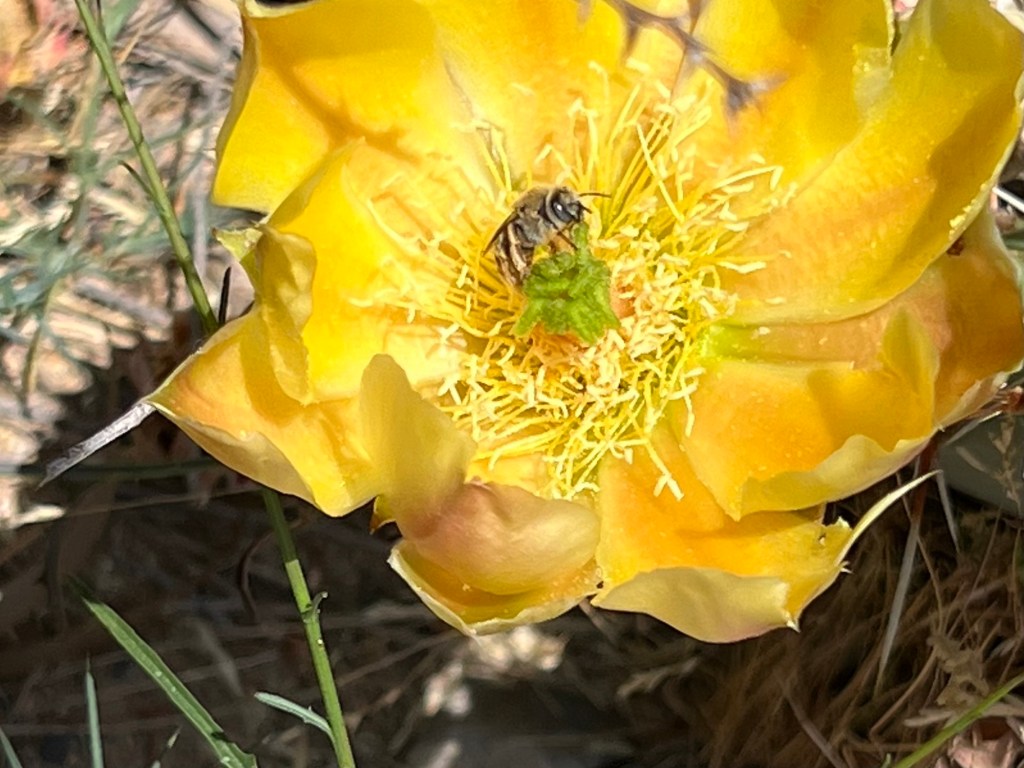
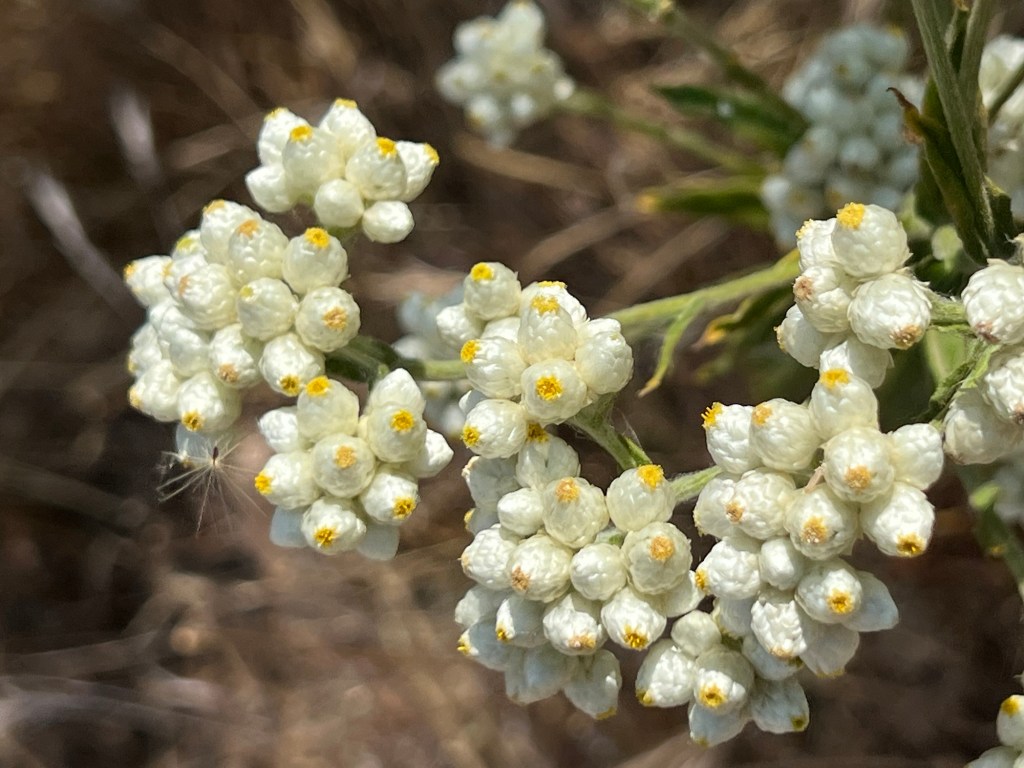
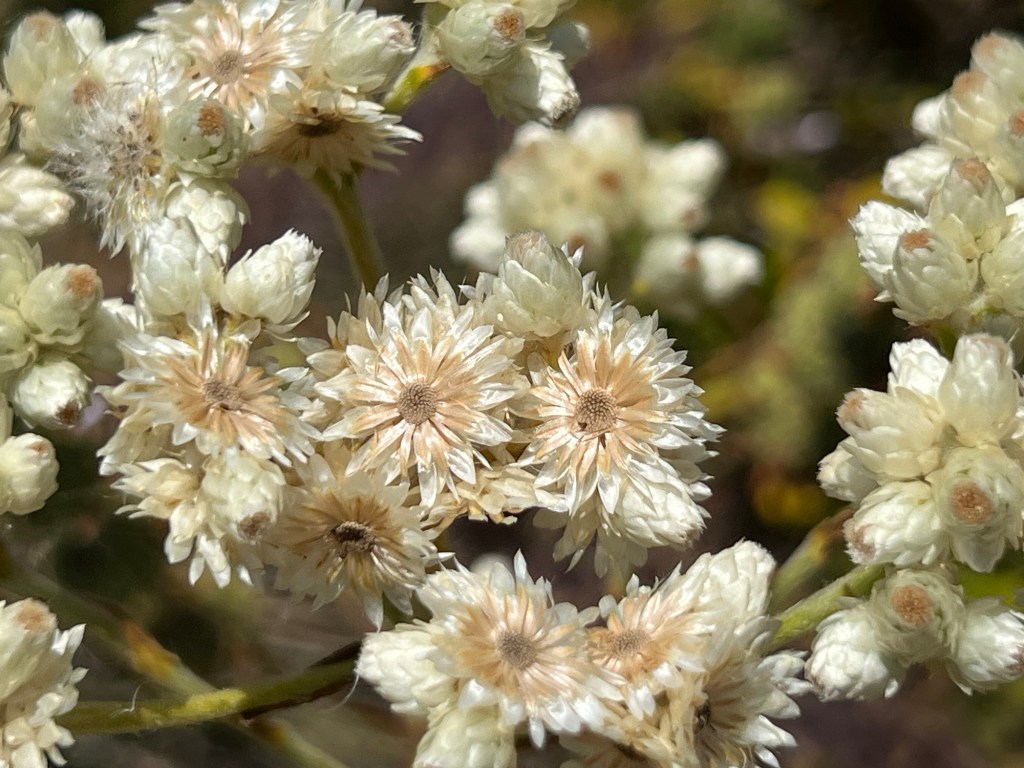
Flora and Fauna
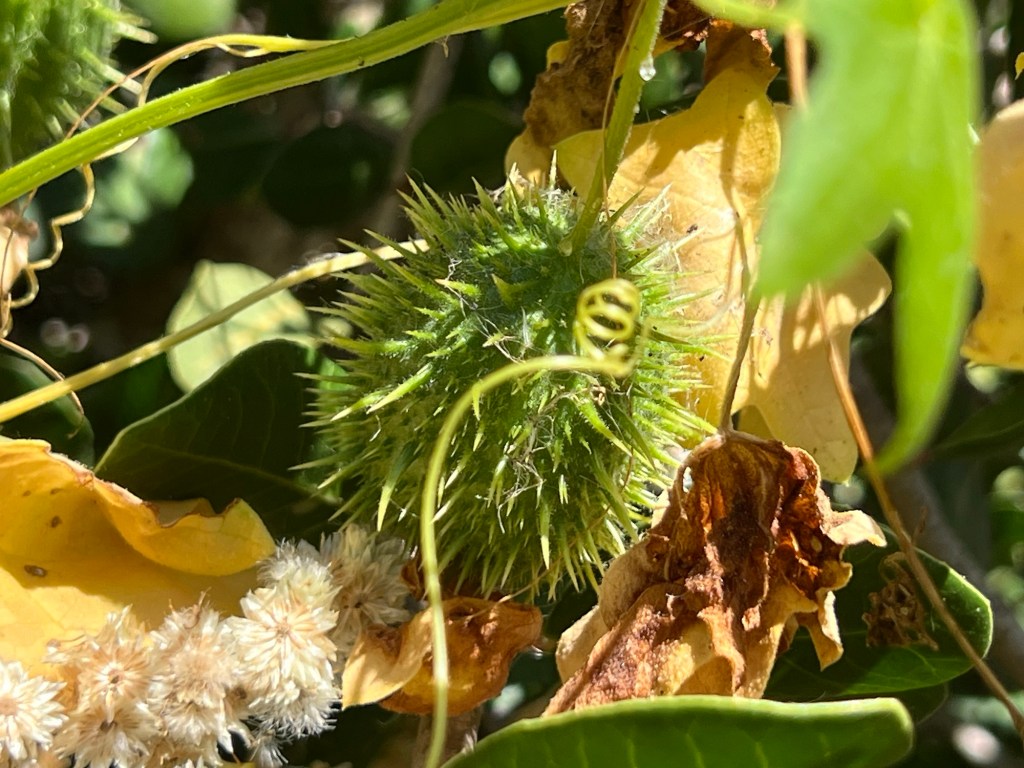
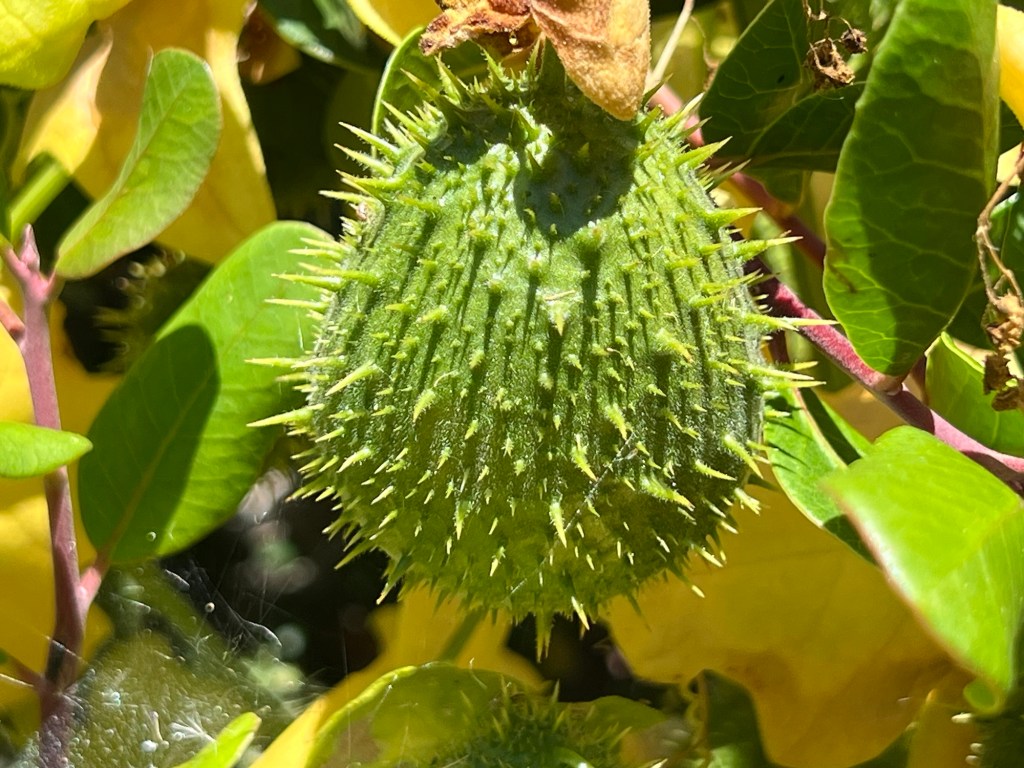
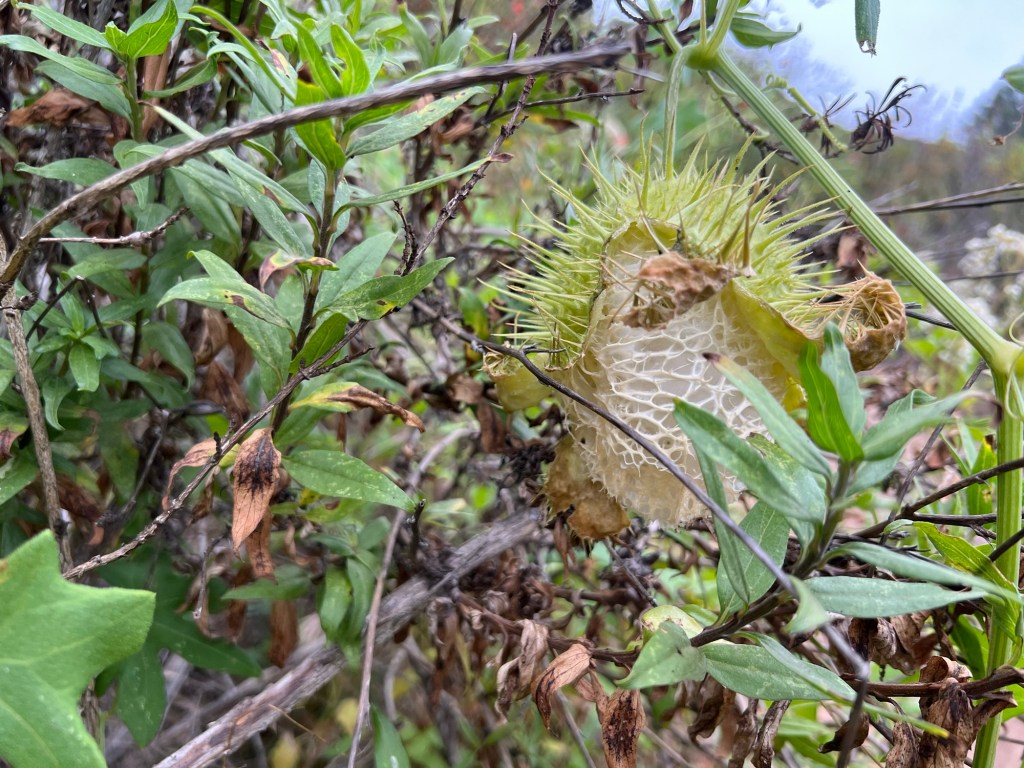
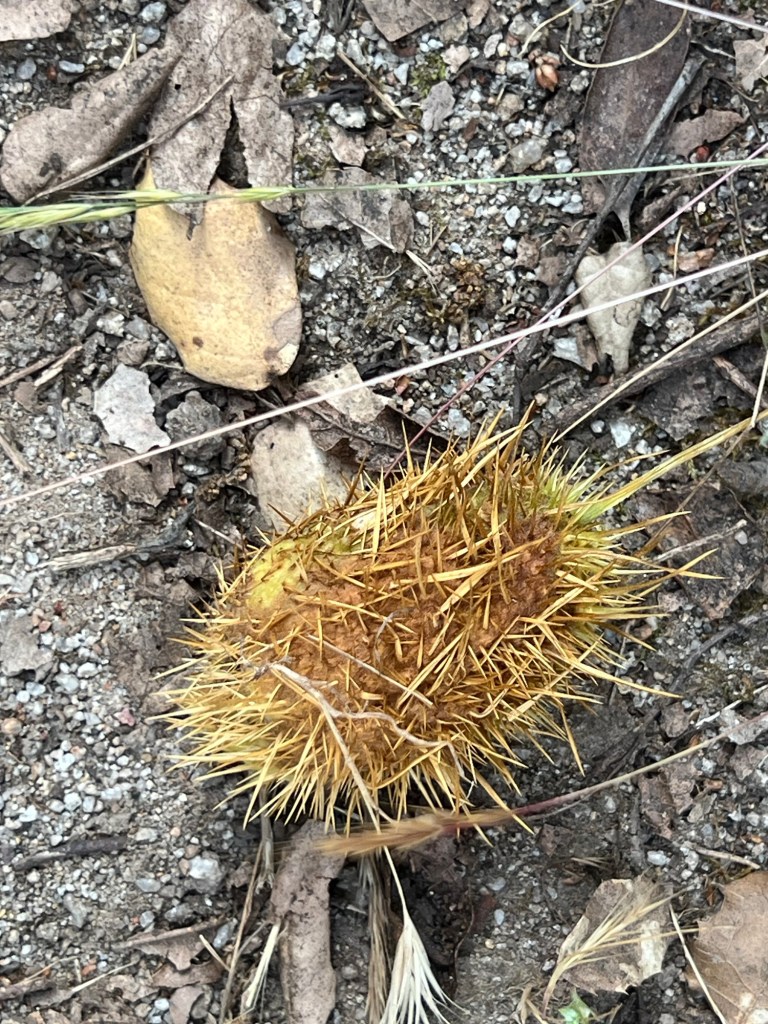
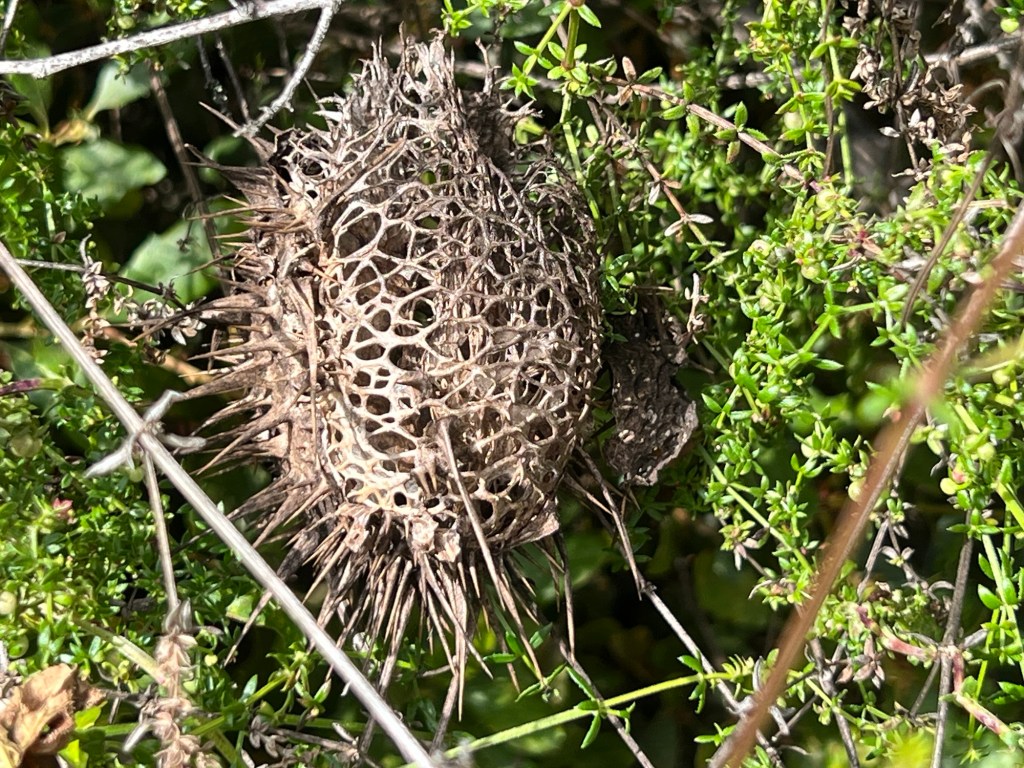
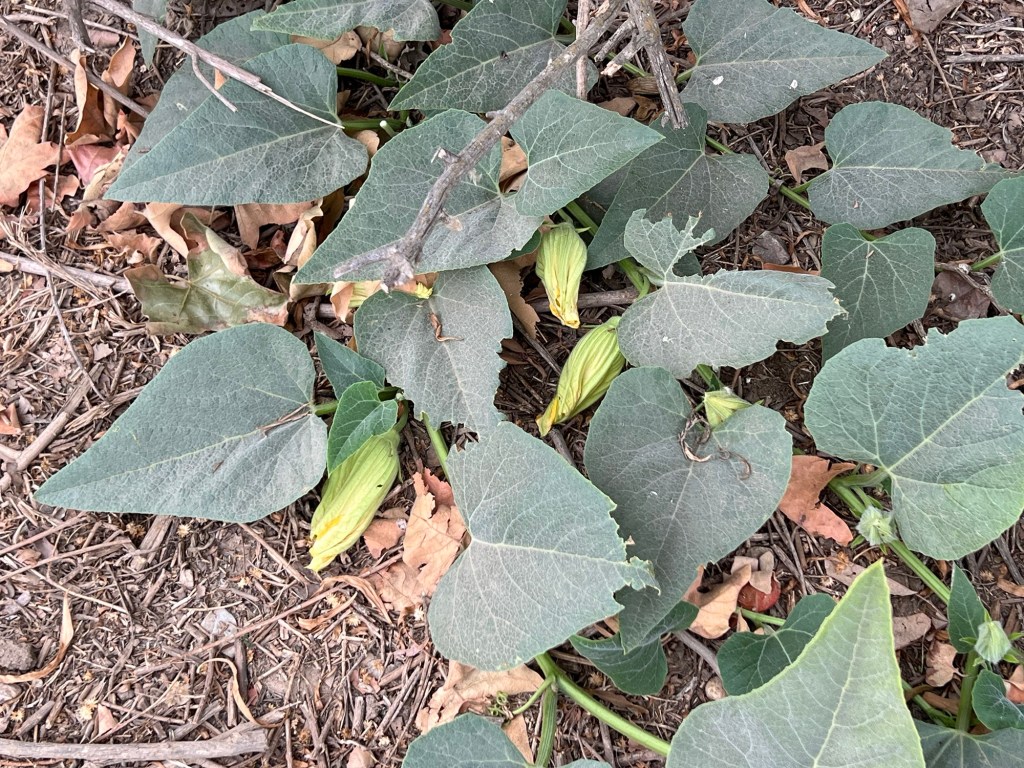
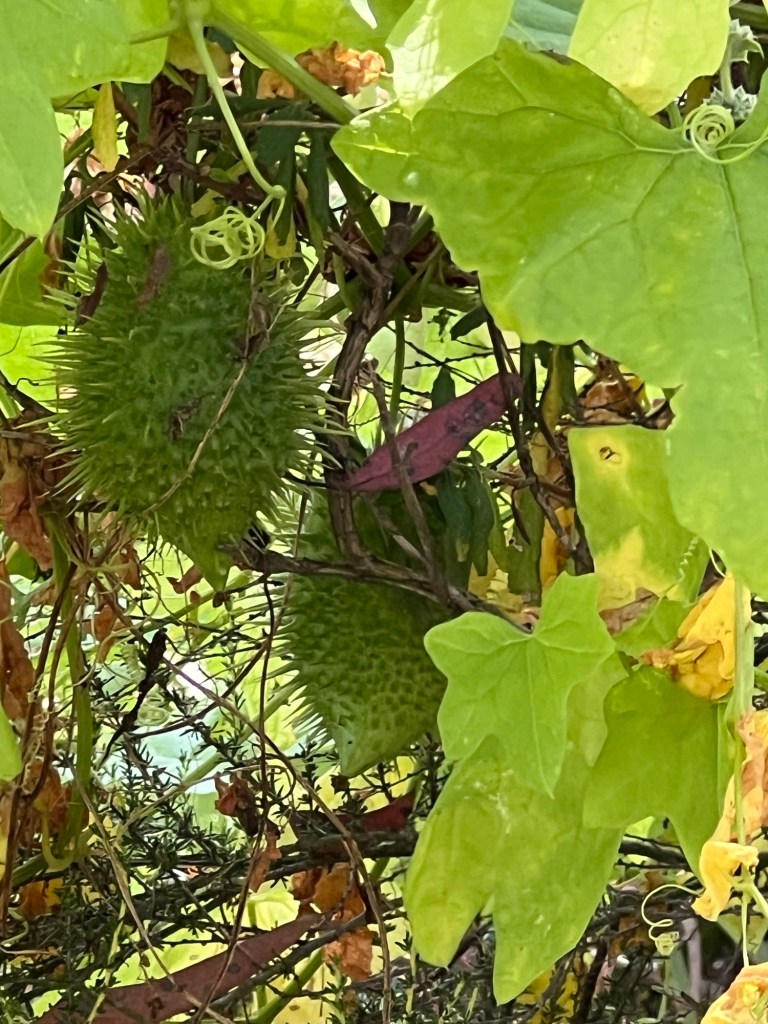
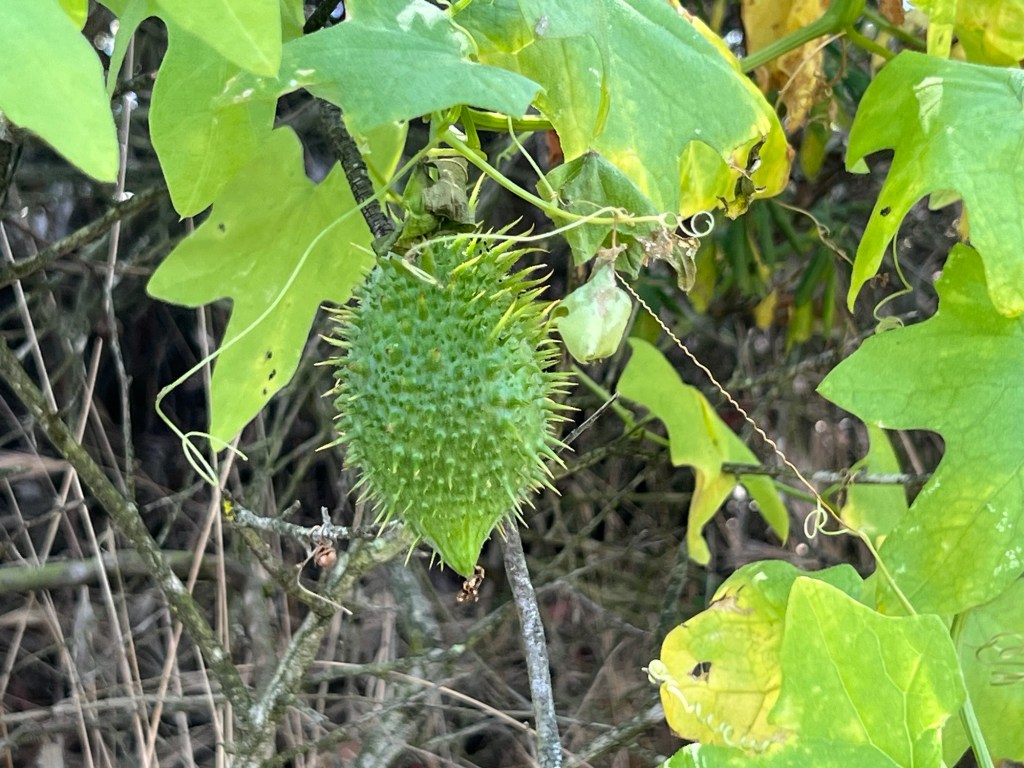
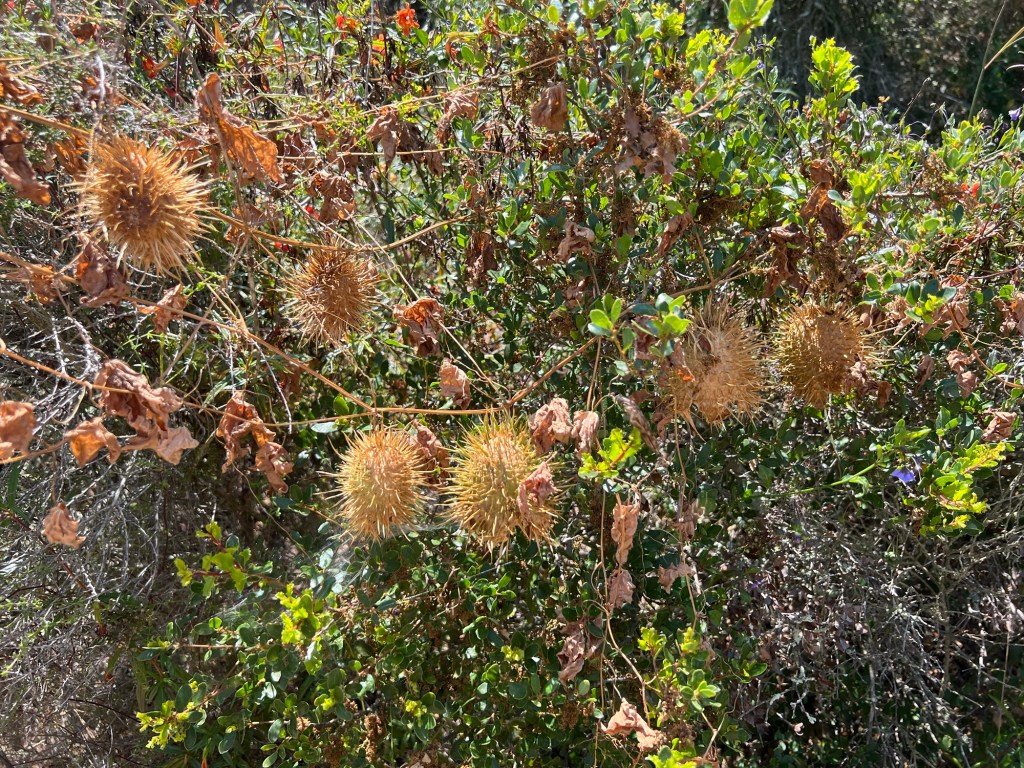
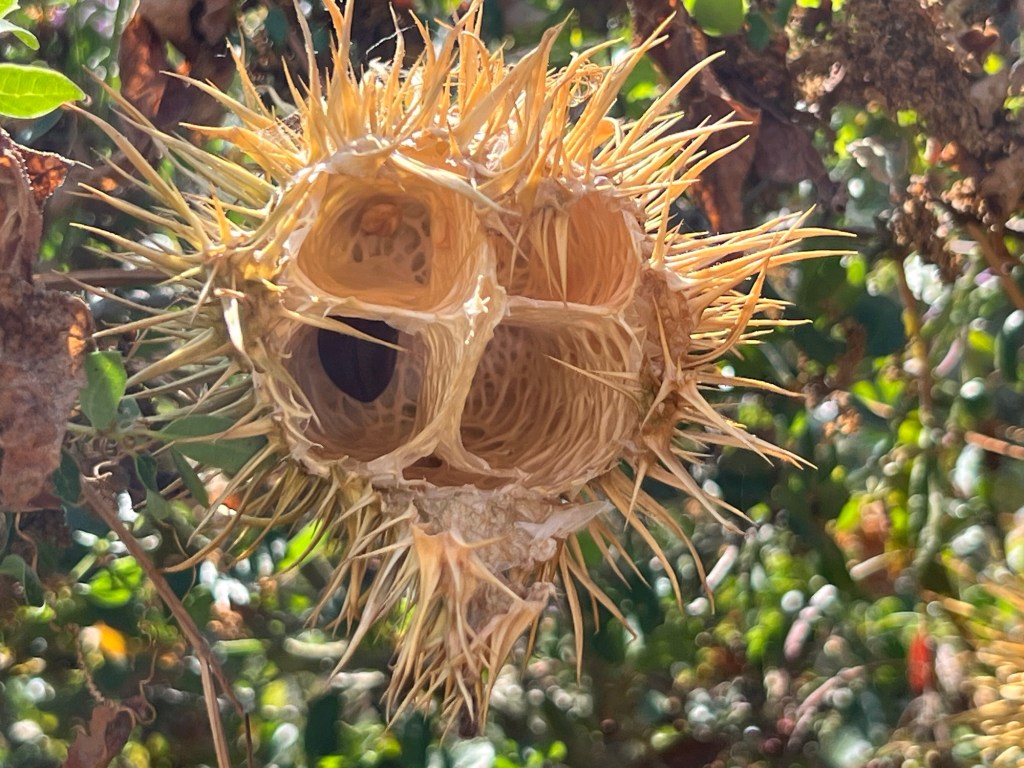
The mature fruit of the wild cucumber is around 2” long. It is inedible, but indigenous people would grind dried seeds (some sources say roots) and use the powder to stun fish.