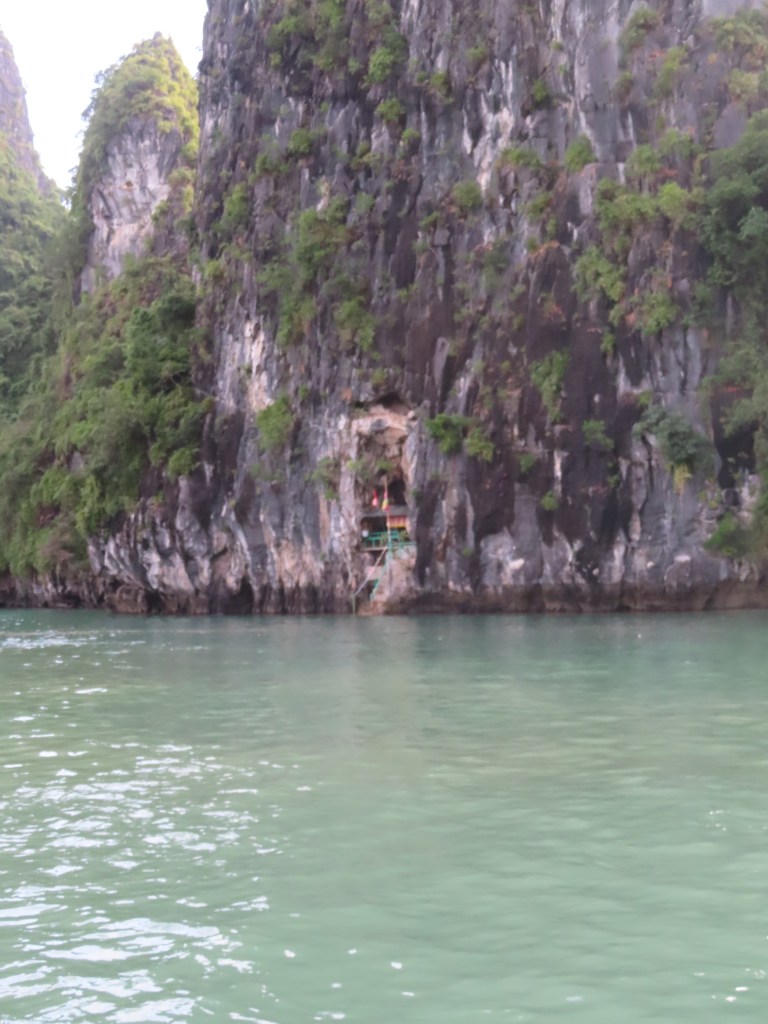
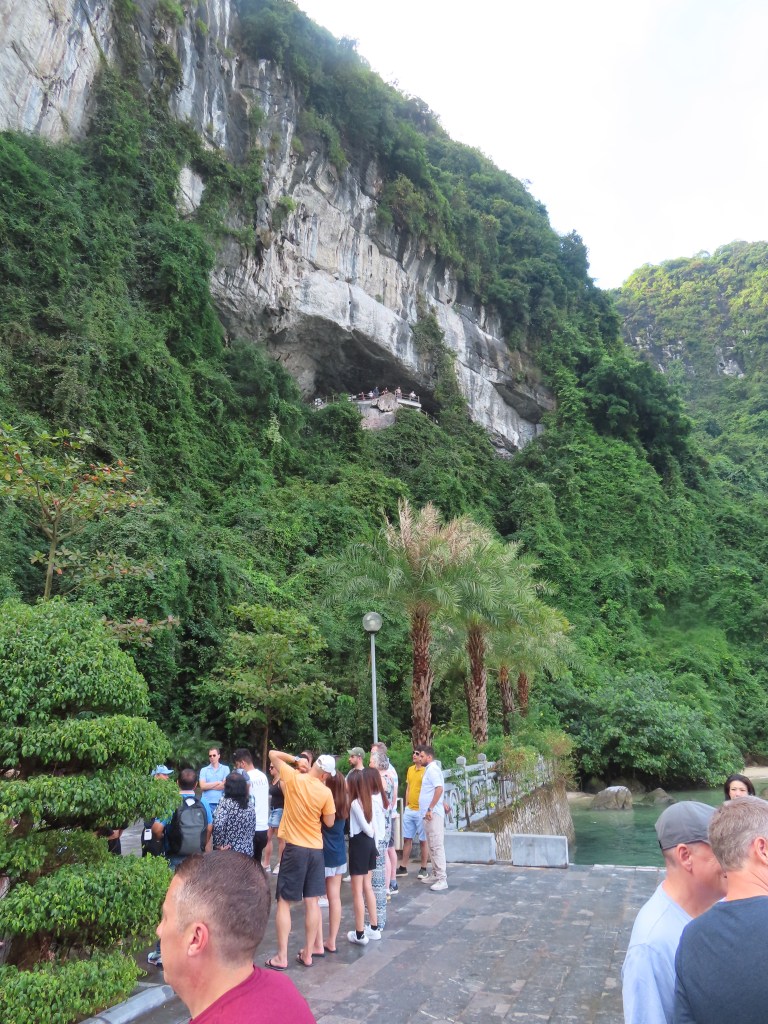
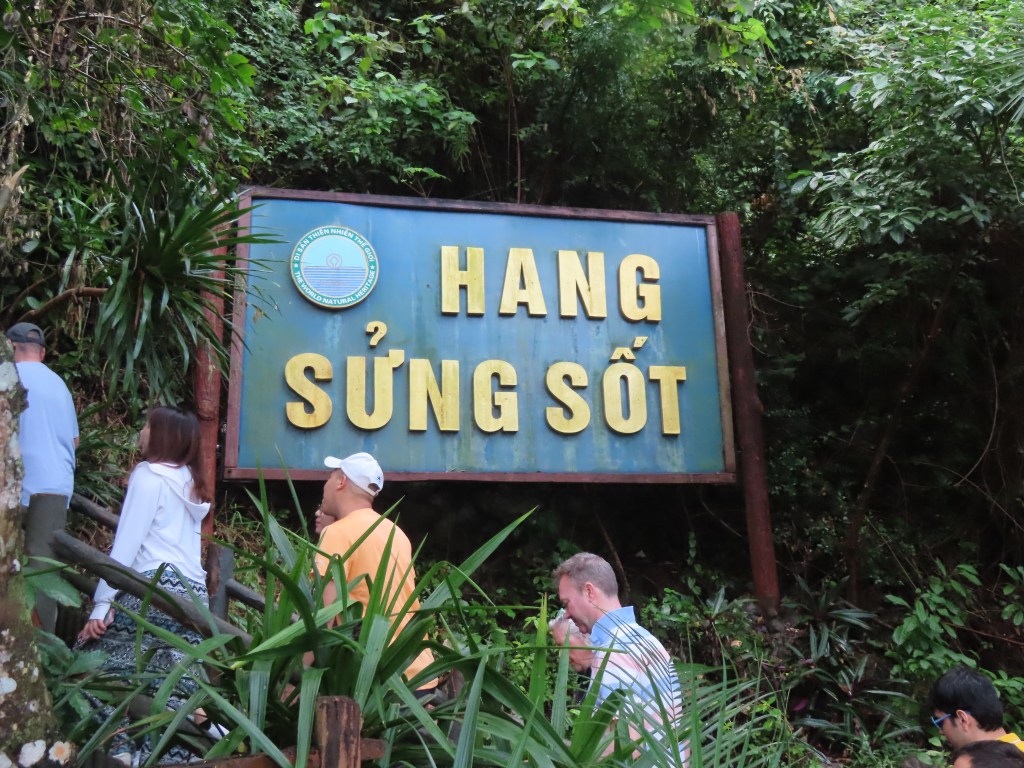
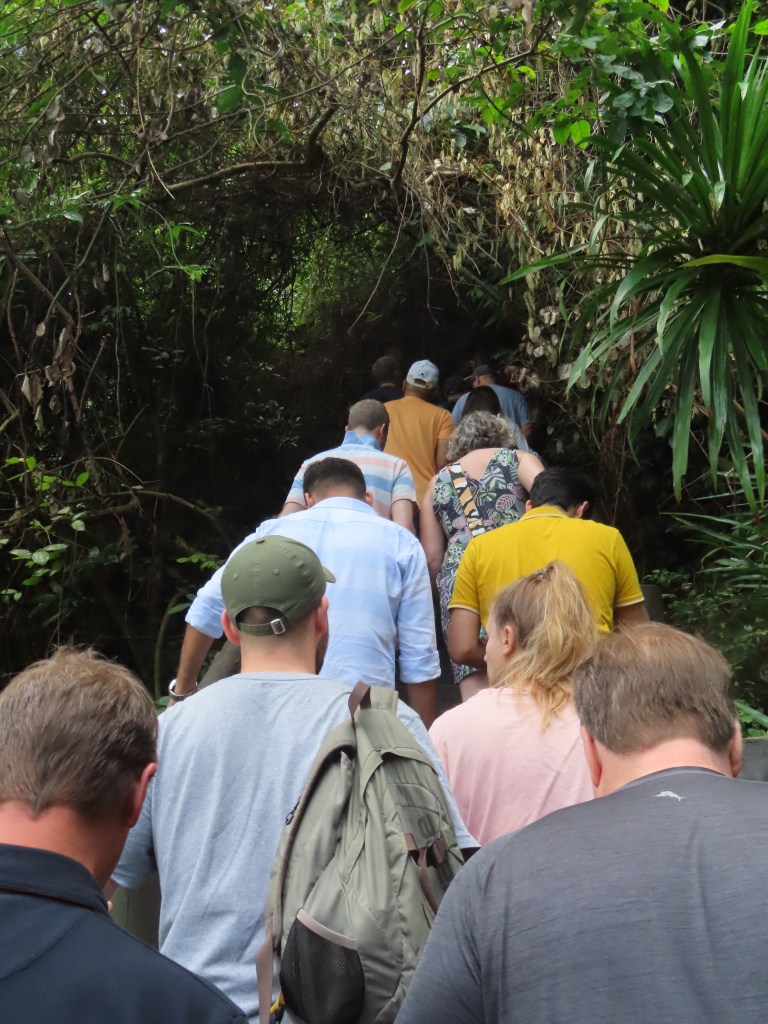
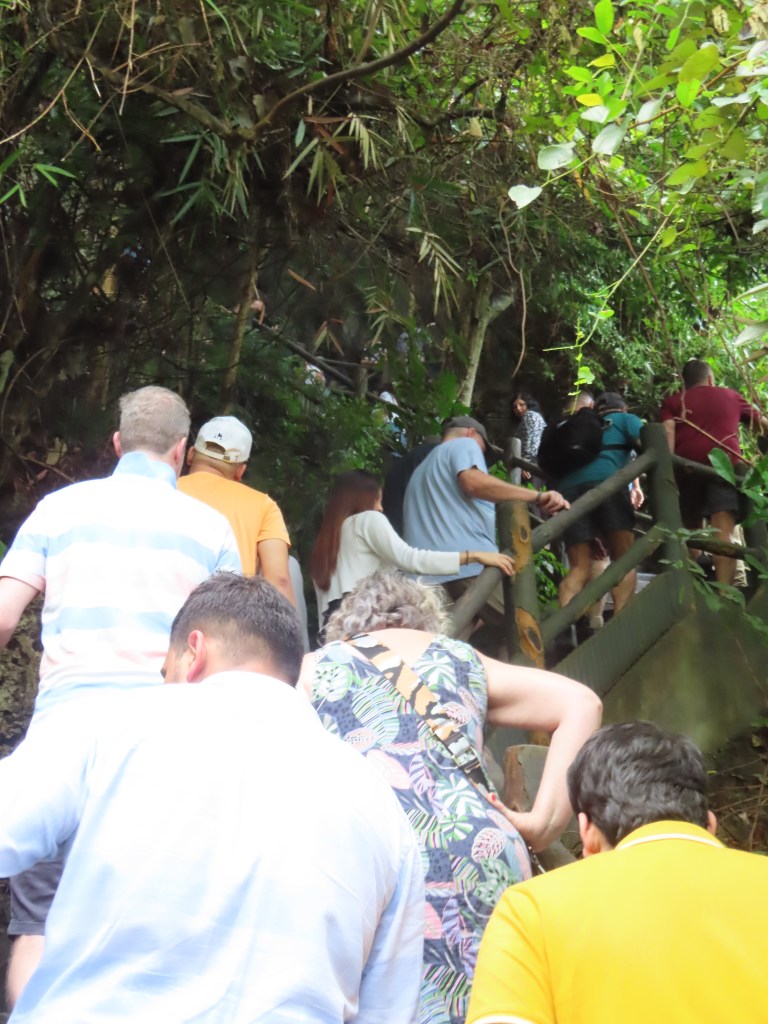
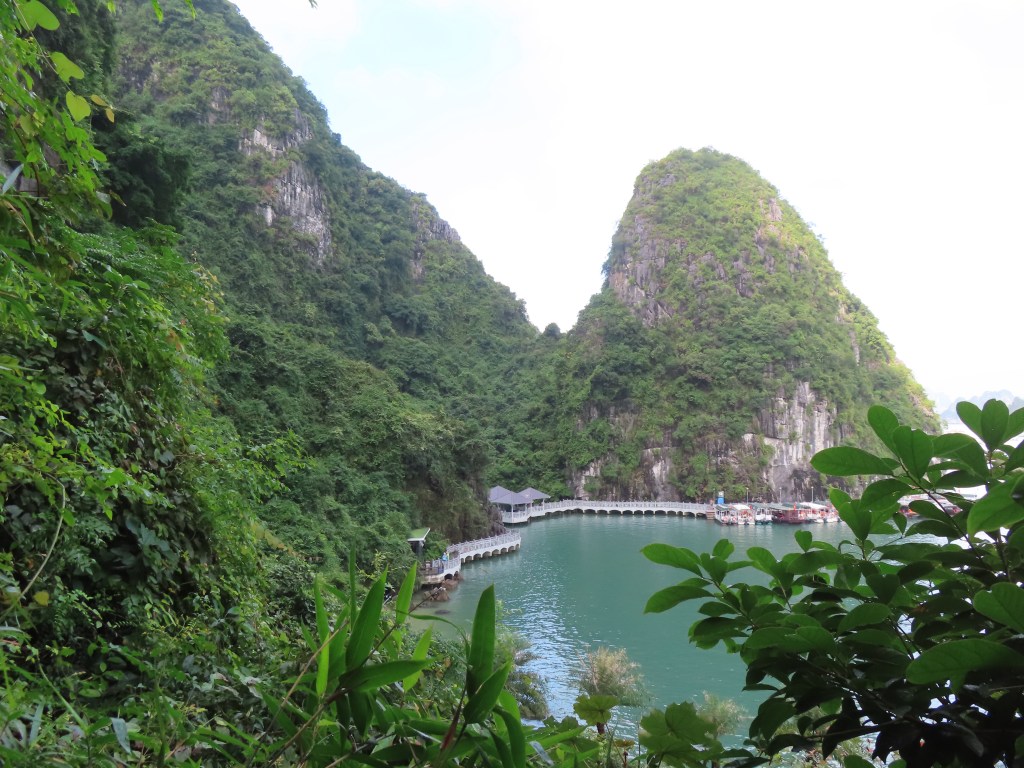
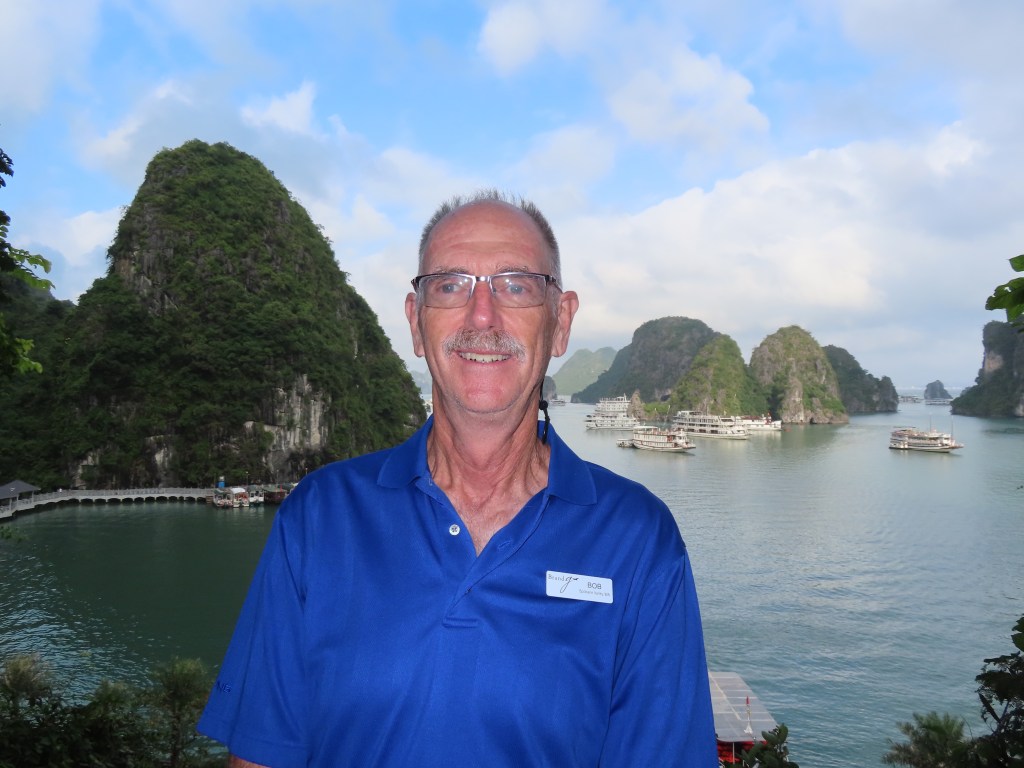
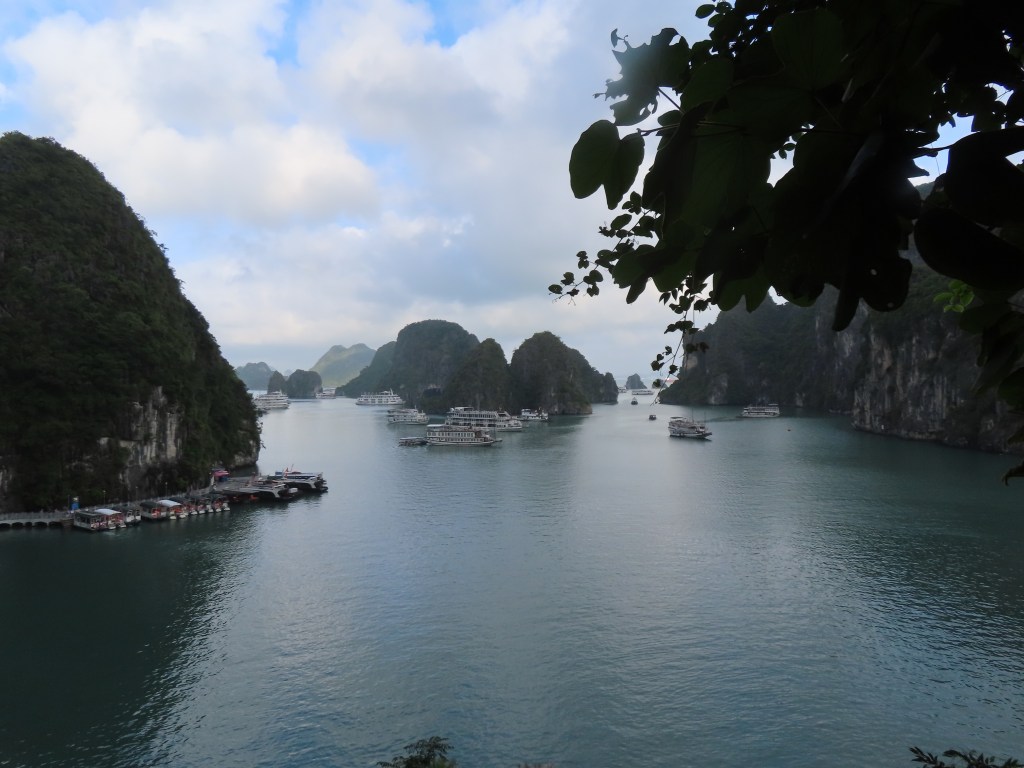
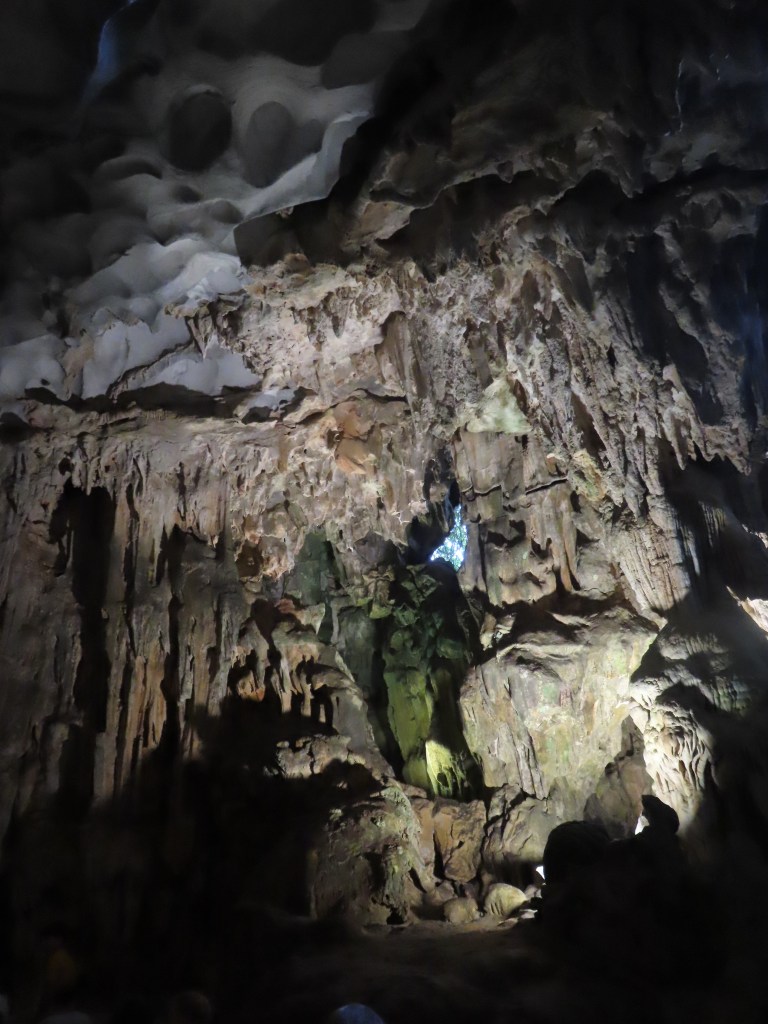
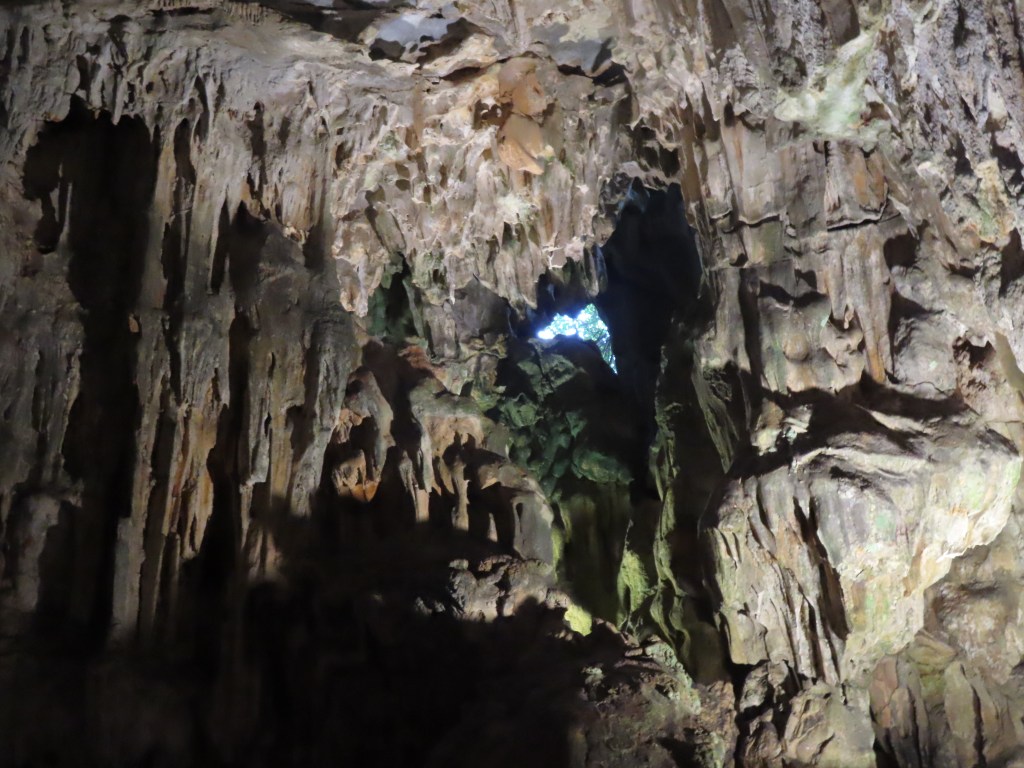
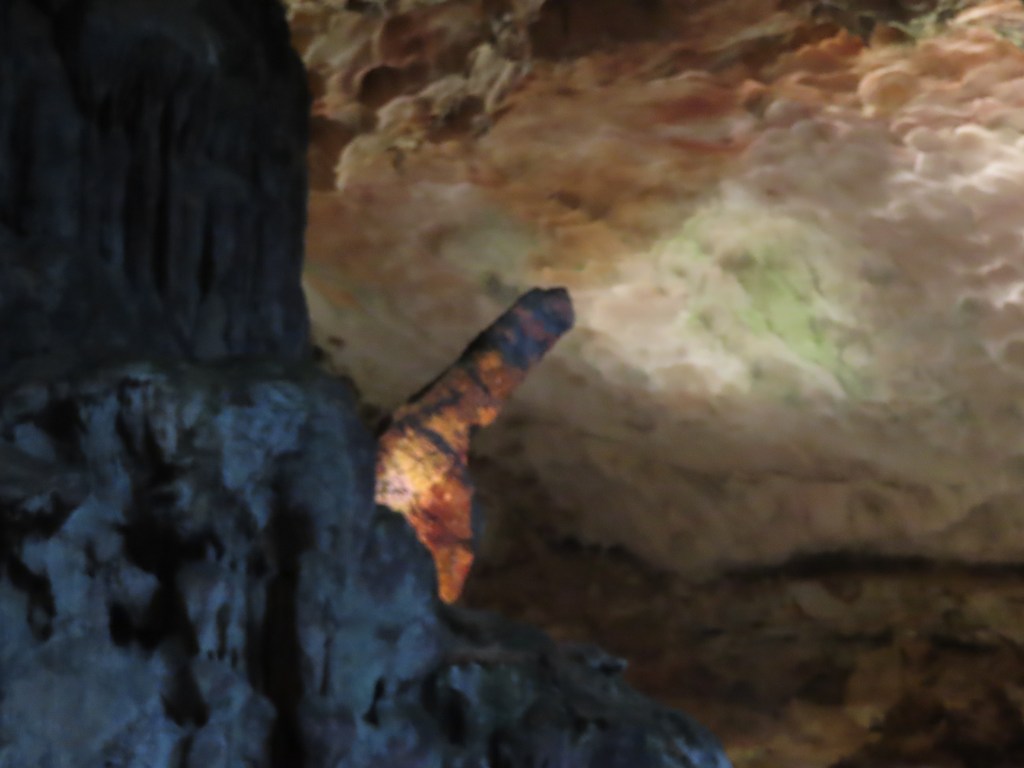
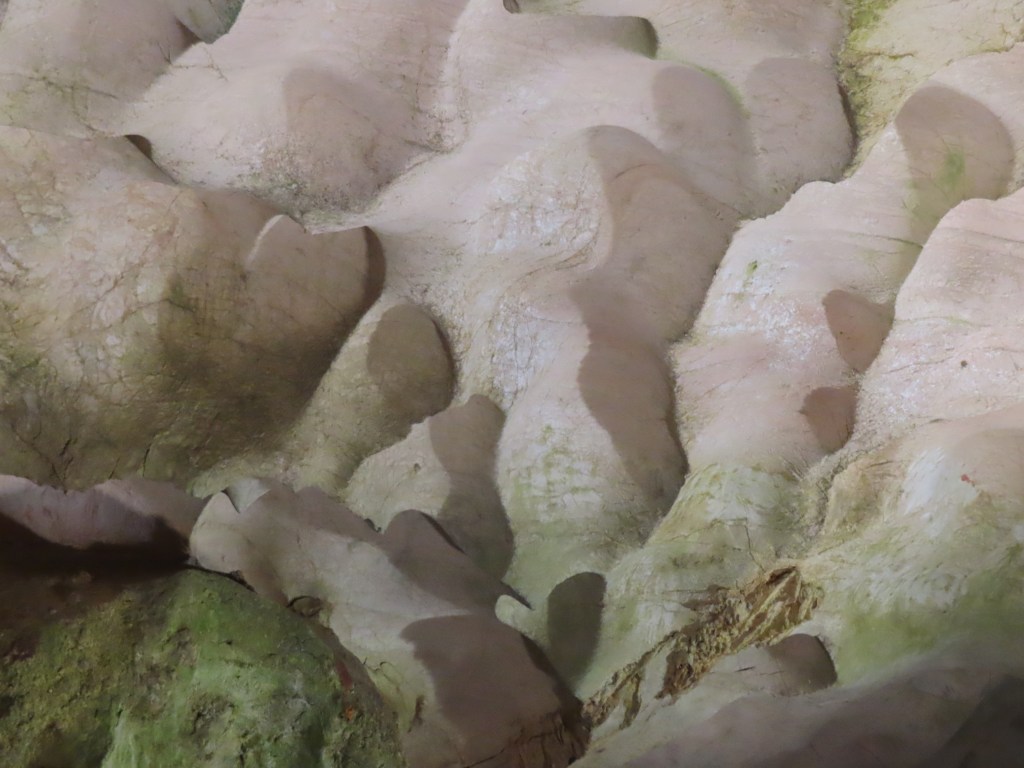
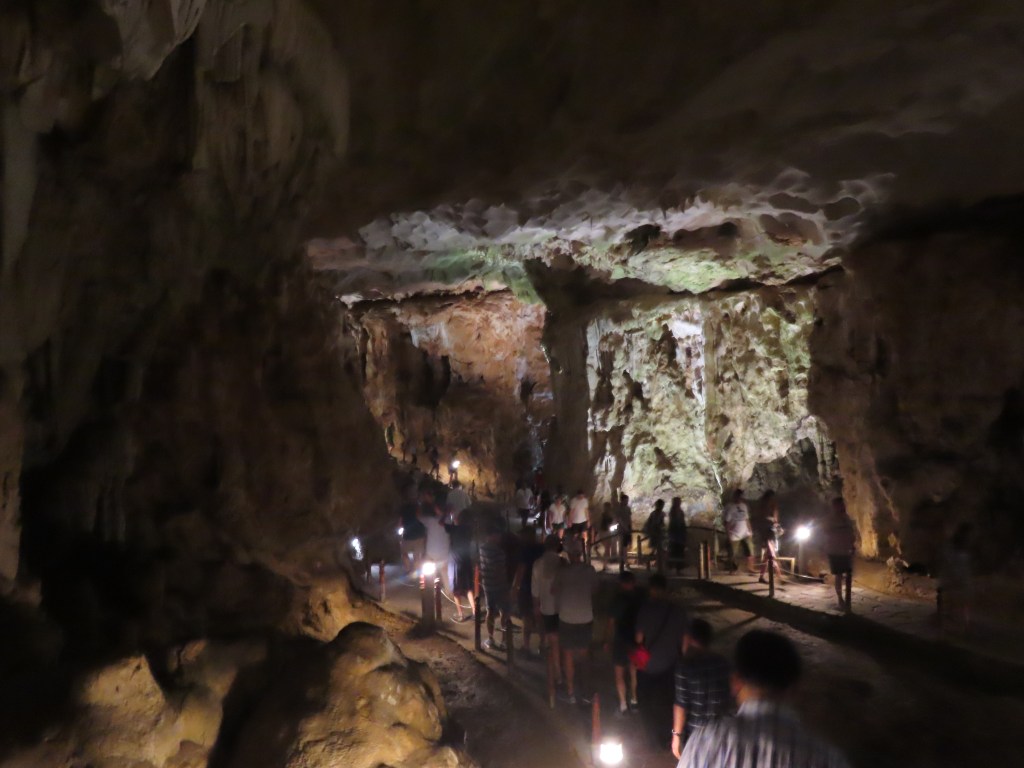
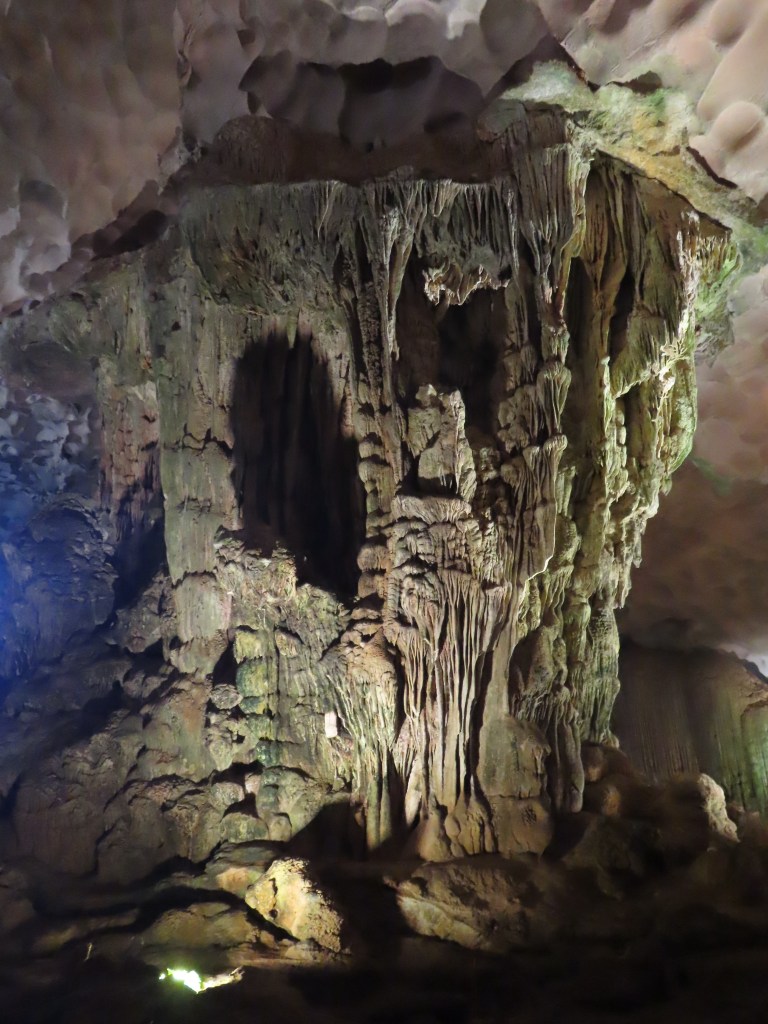
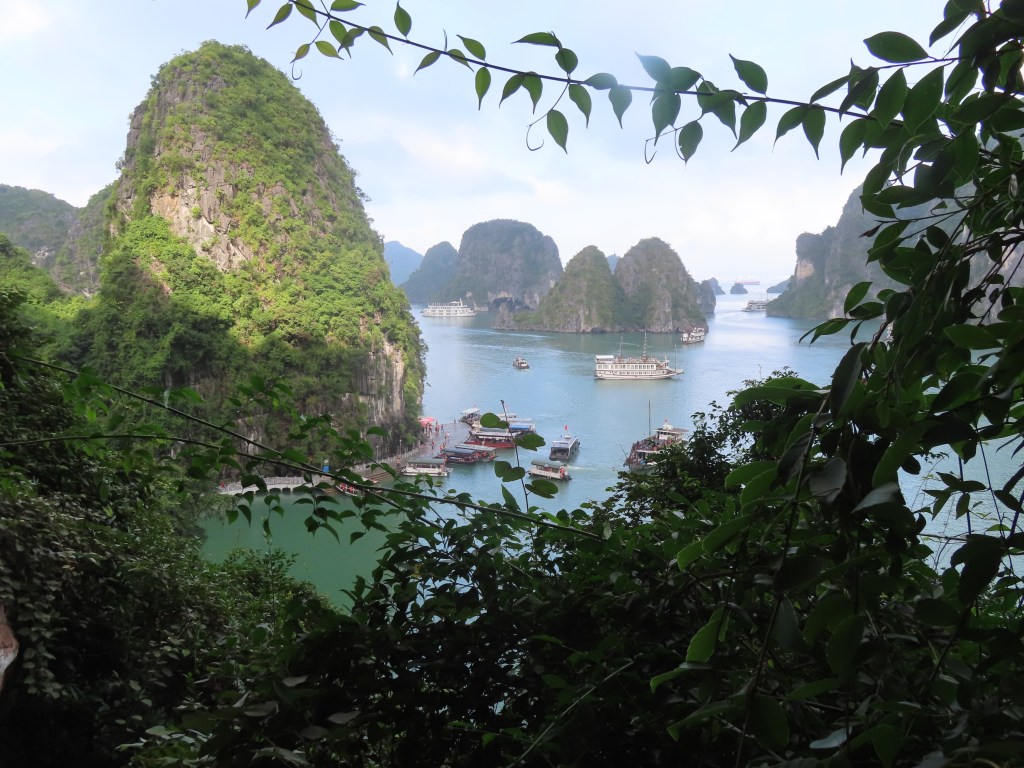
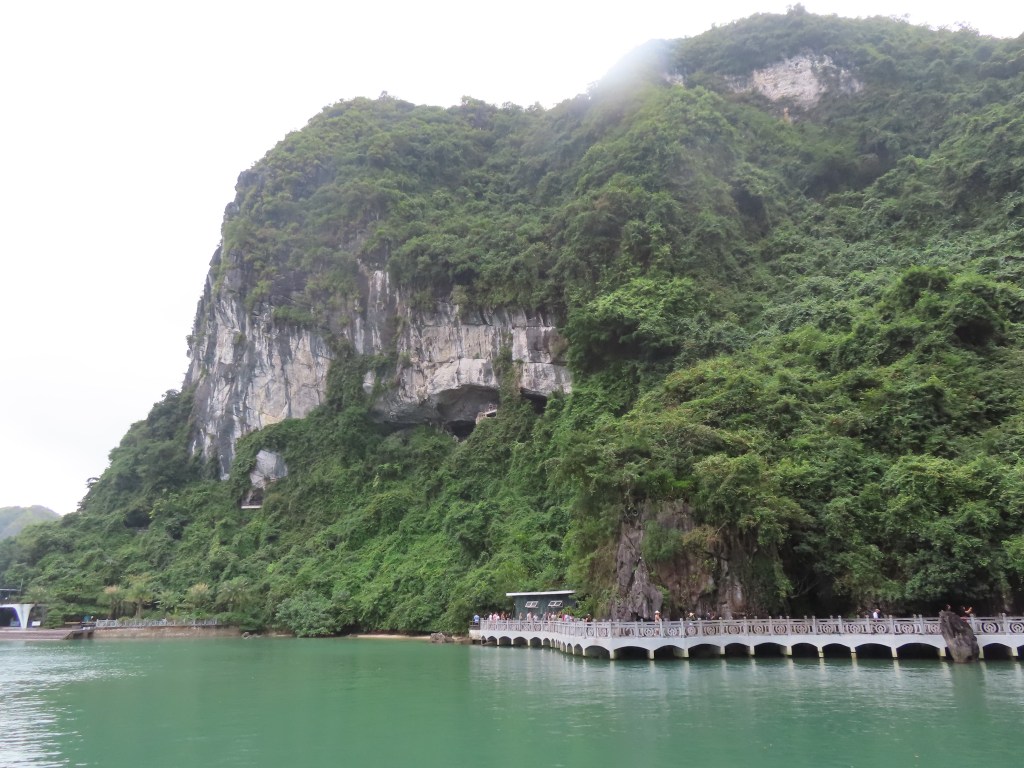
We started the day with an excursion to Sung Sot Cave, the largest known cave in Ha Long.



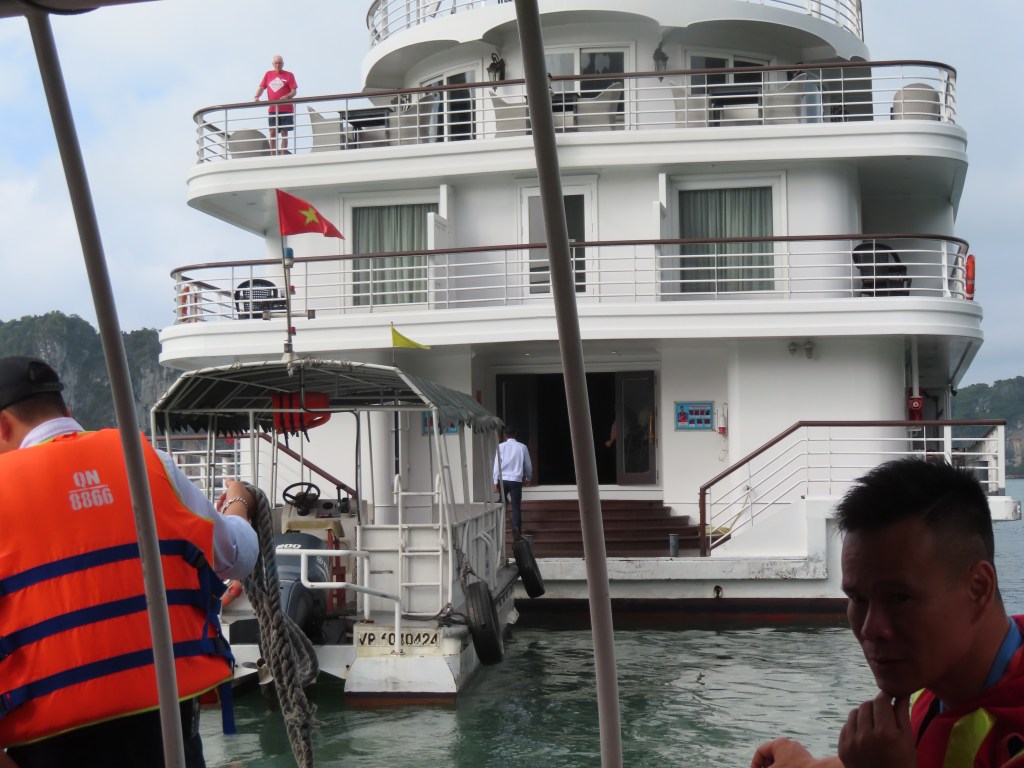
Then we rode our buses back to Hanoi for the flight to Ho Chi Minh city.
We started the day with an excursion to Sung Sot Cave, the largest known cave in Ha Long.
Then we rode our buses back to Hanoi for the flight to Ho Chi Minh city.
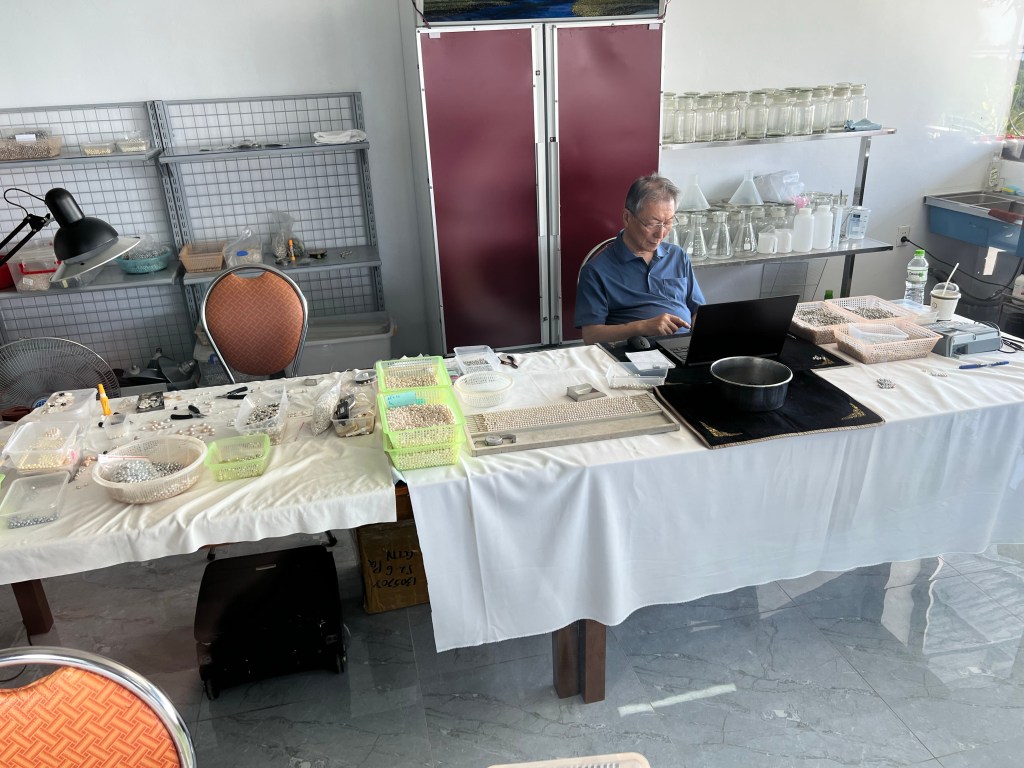
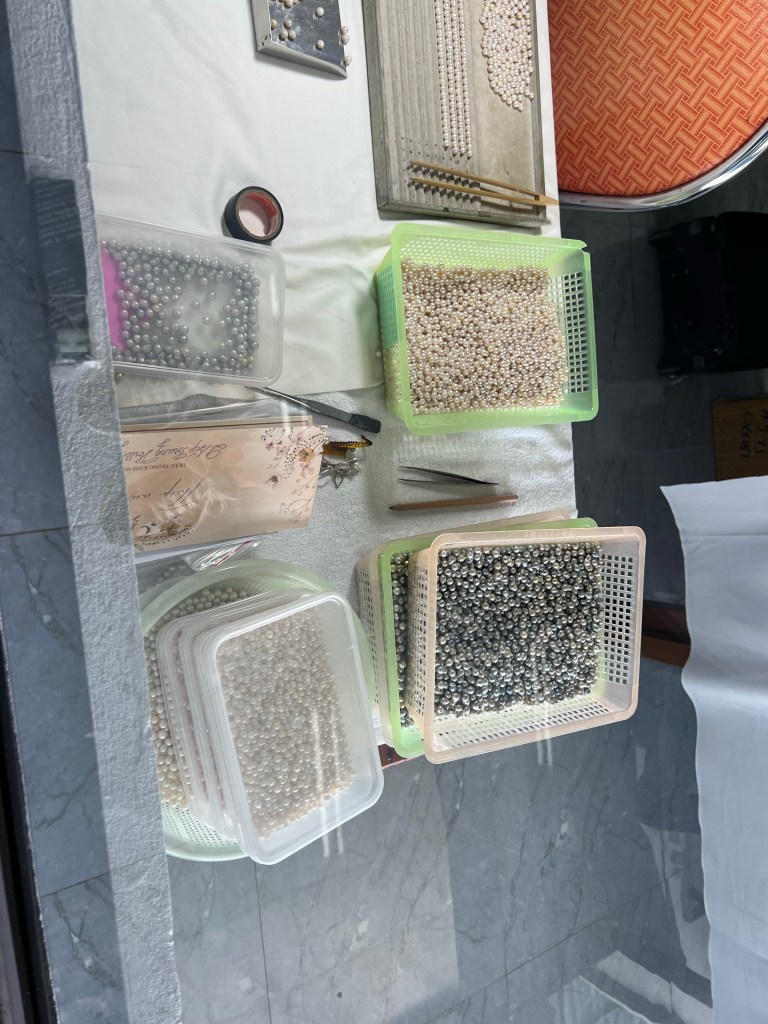
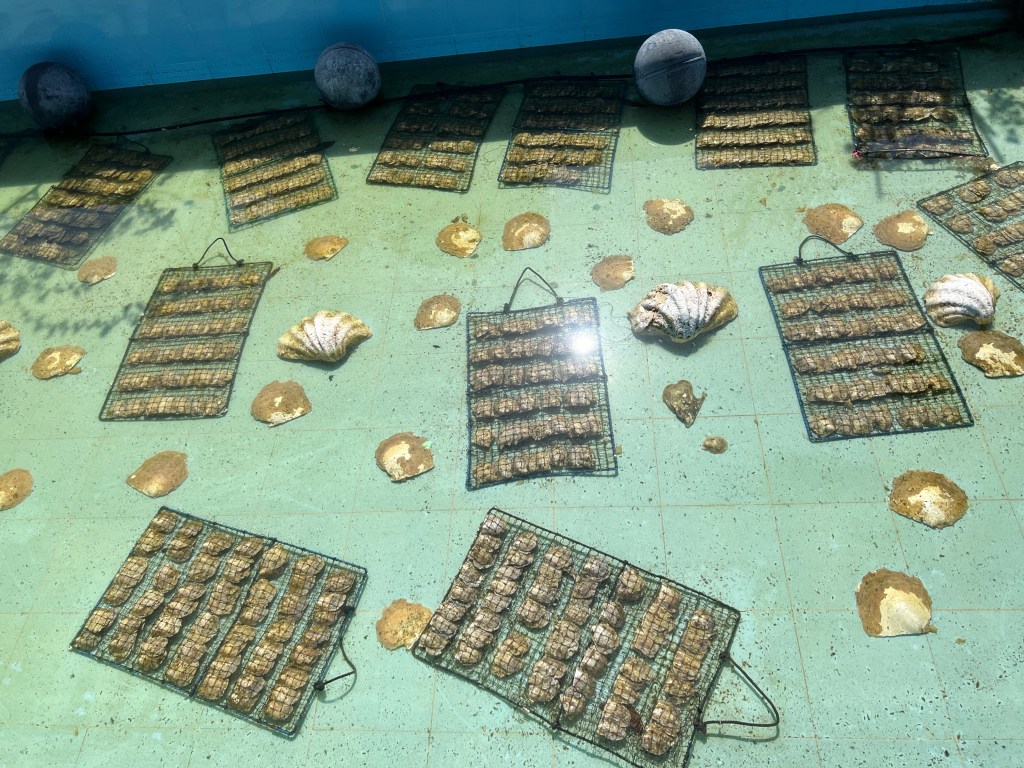
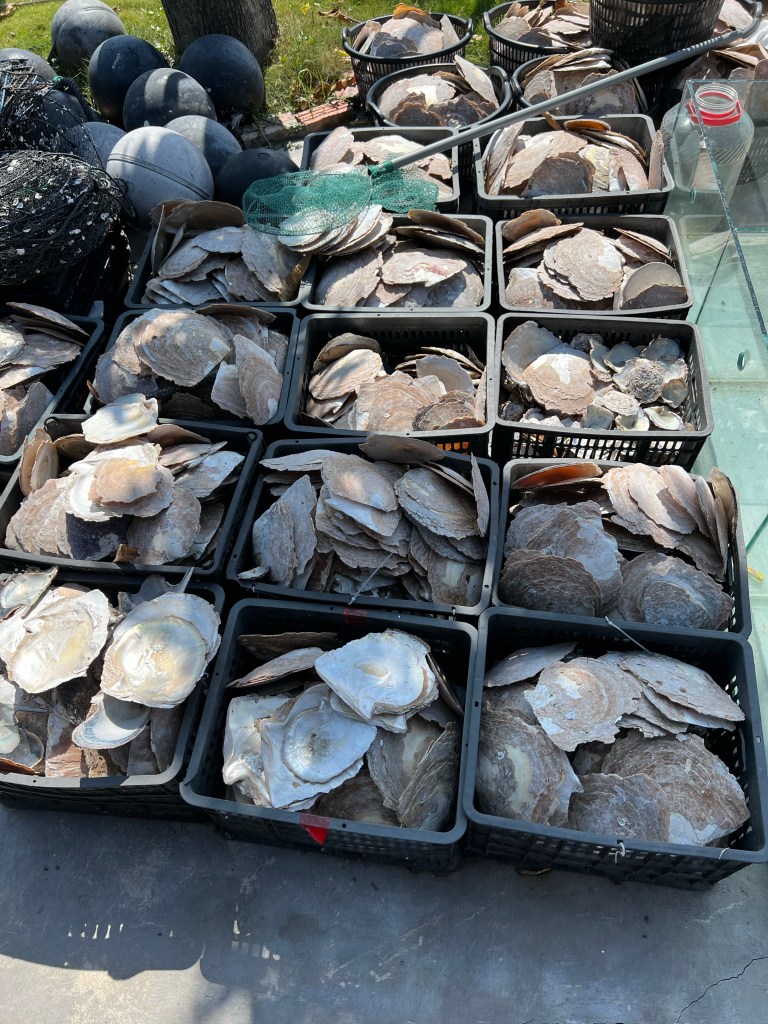
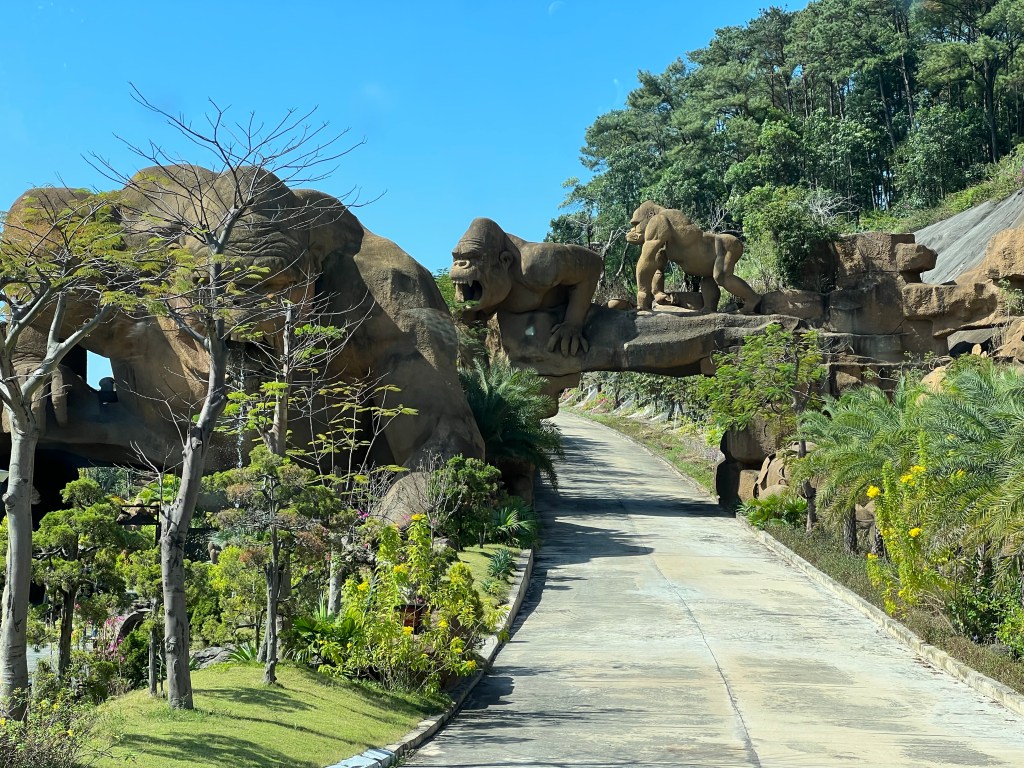
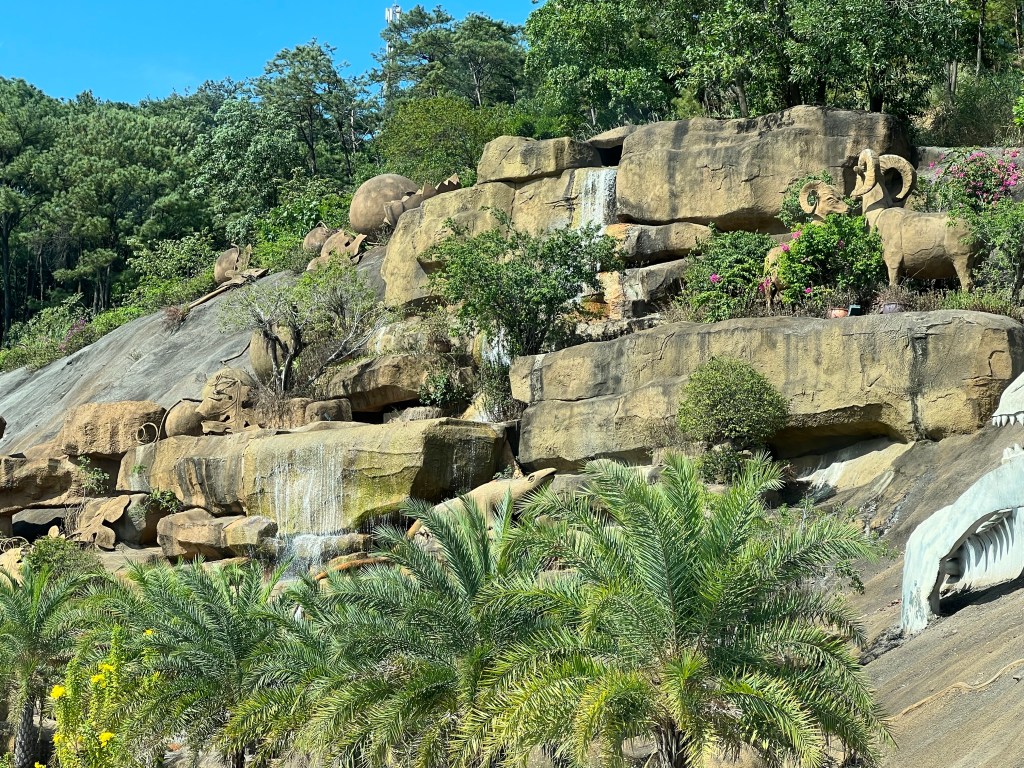
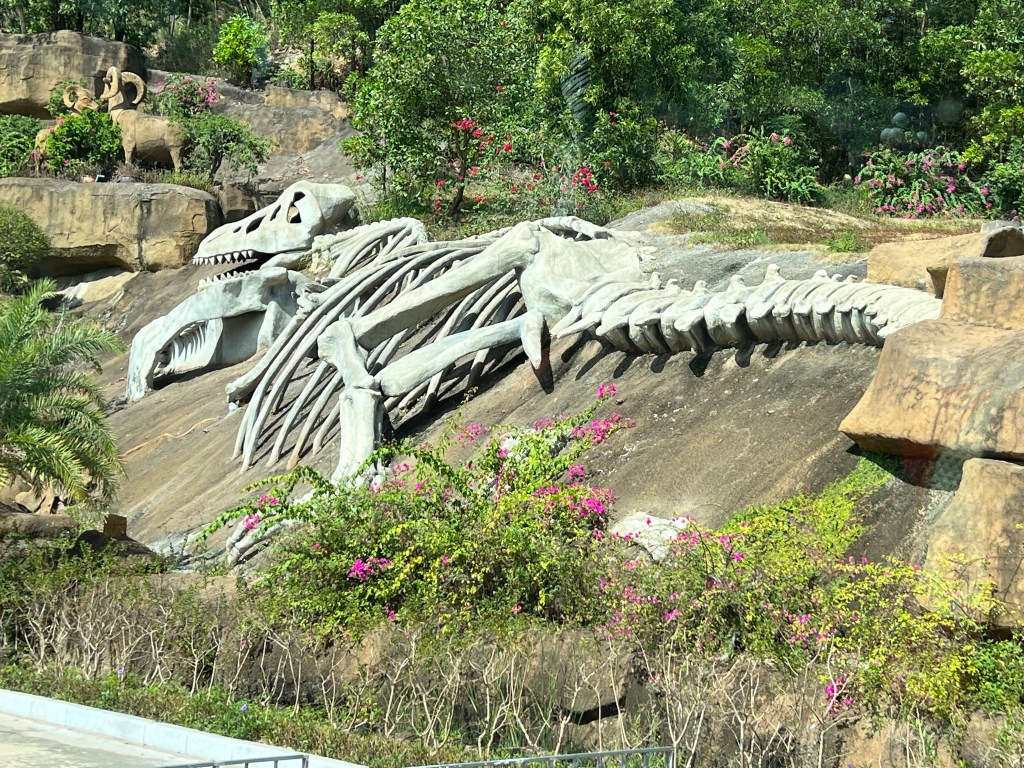
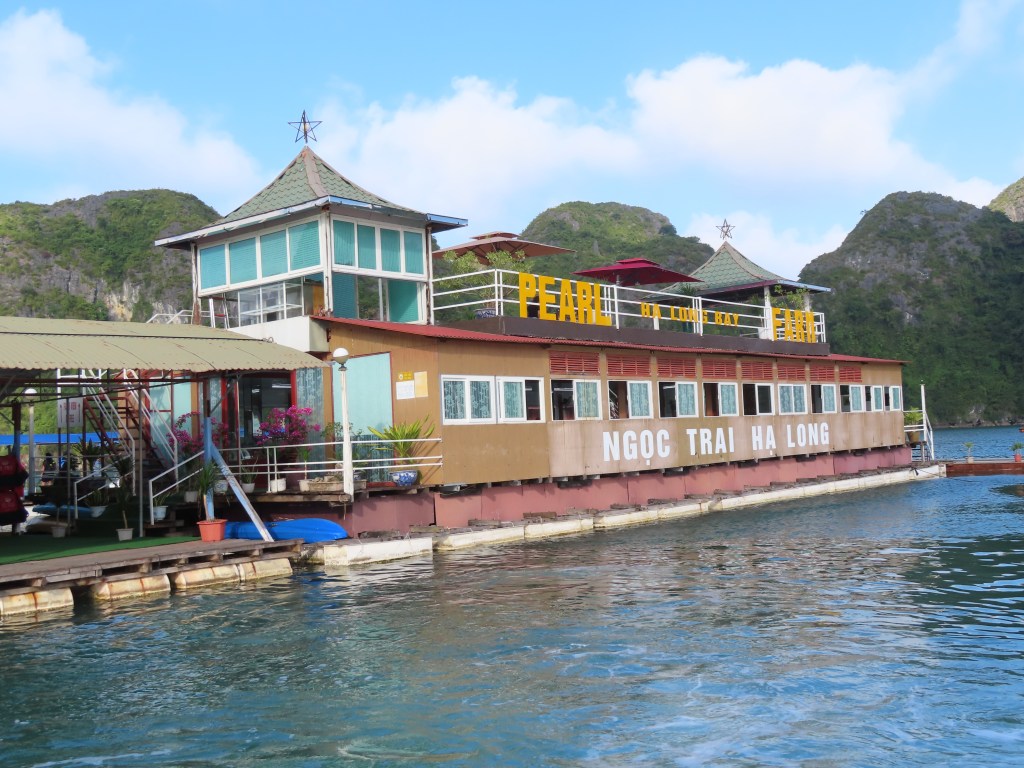
Pearl farm/rest stop on the way to Ha Long Bay.
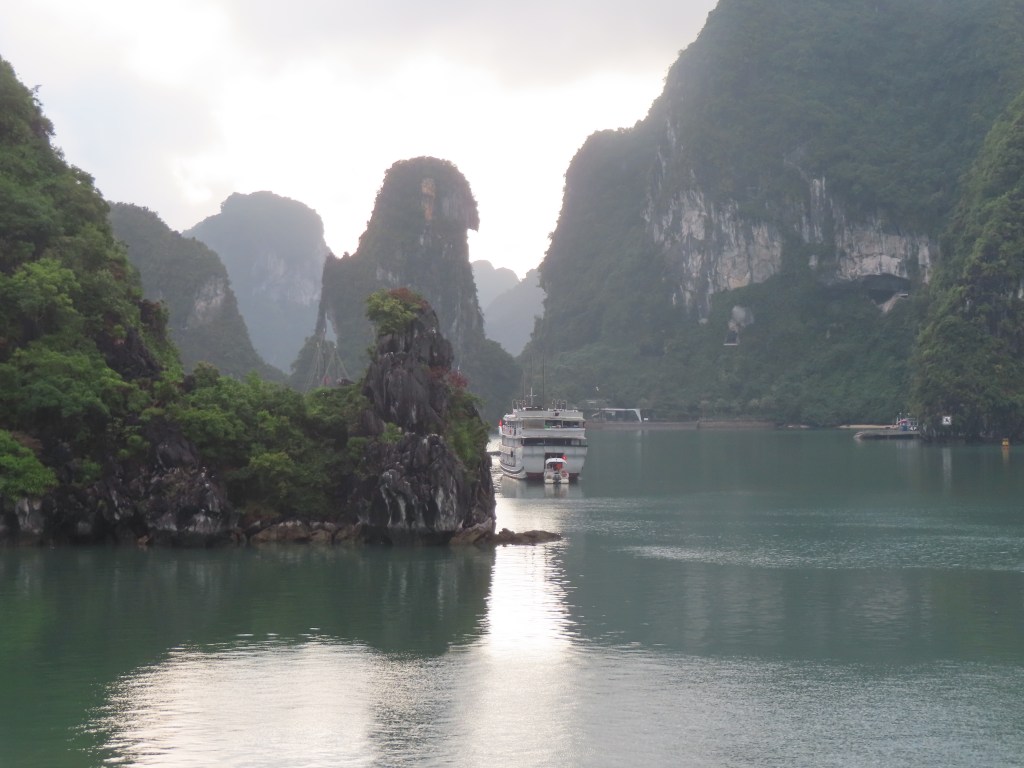
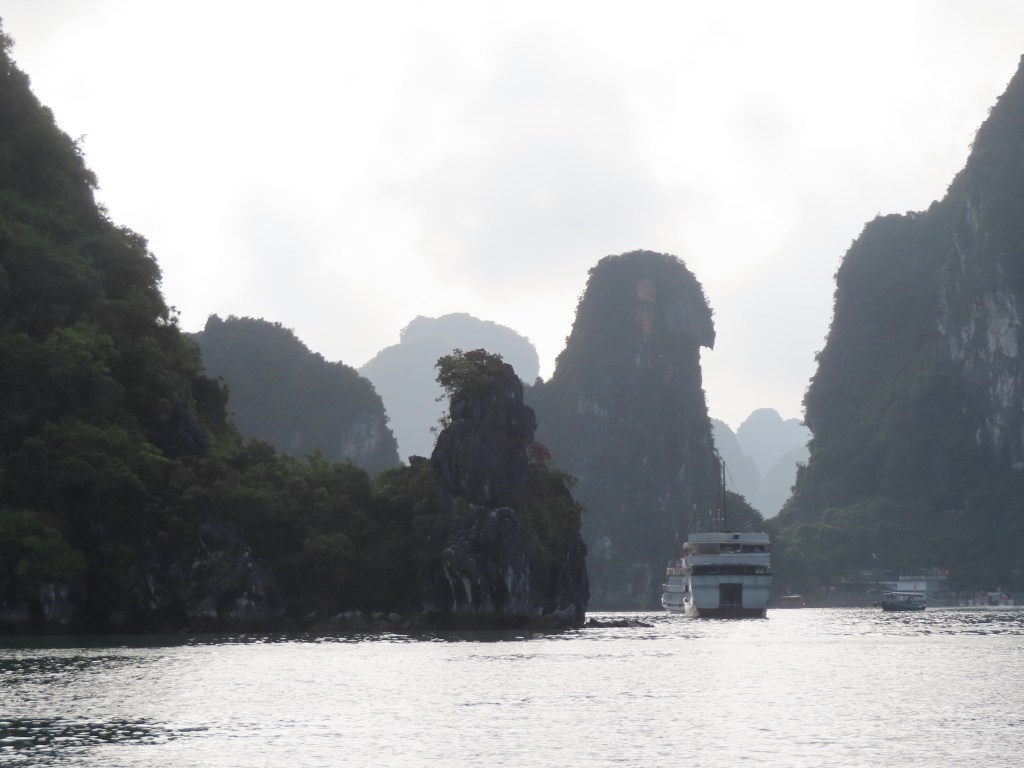
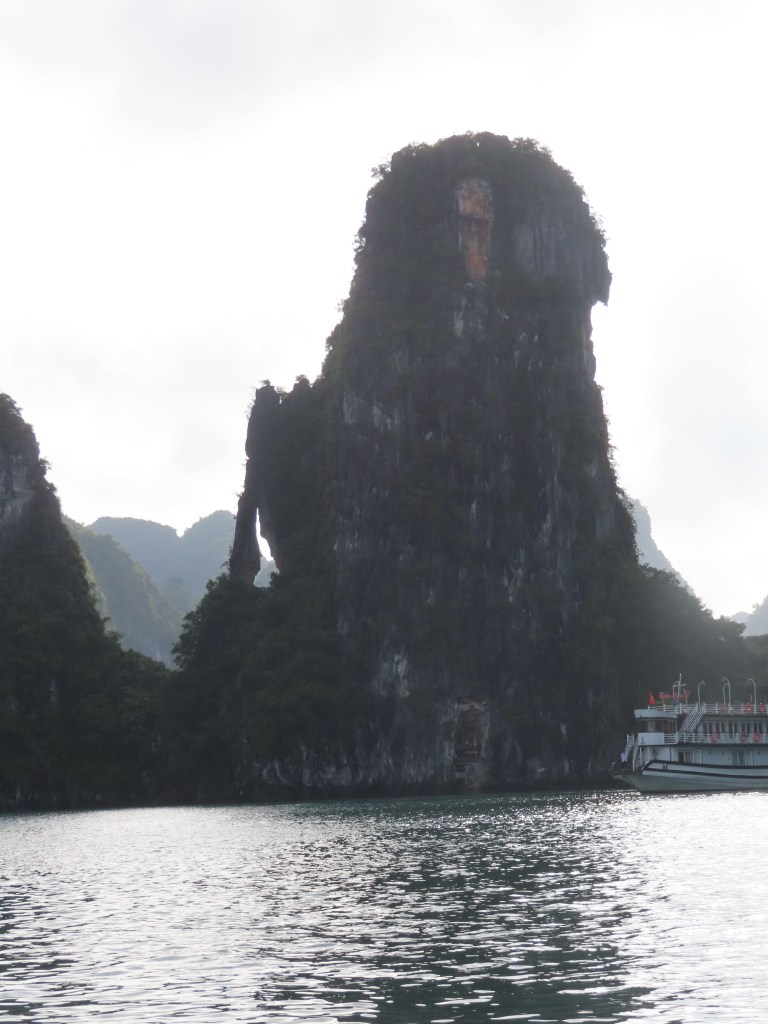
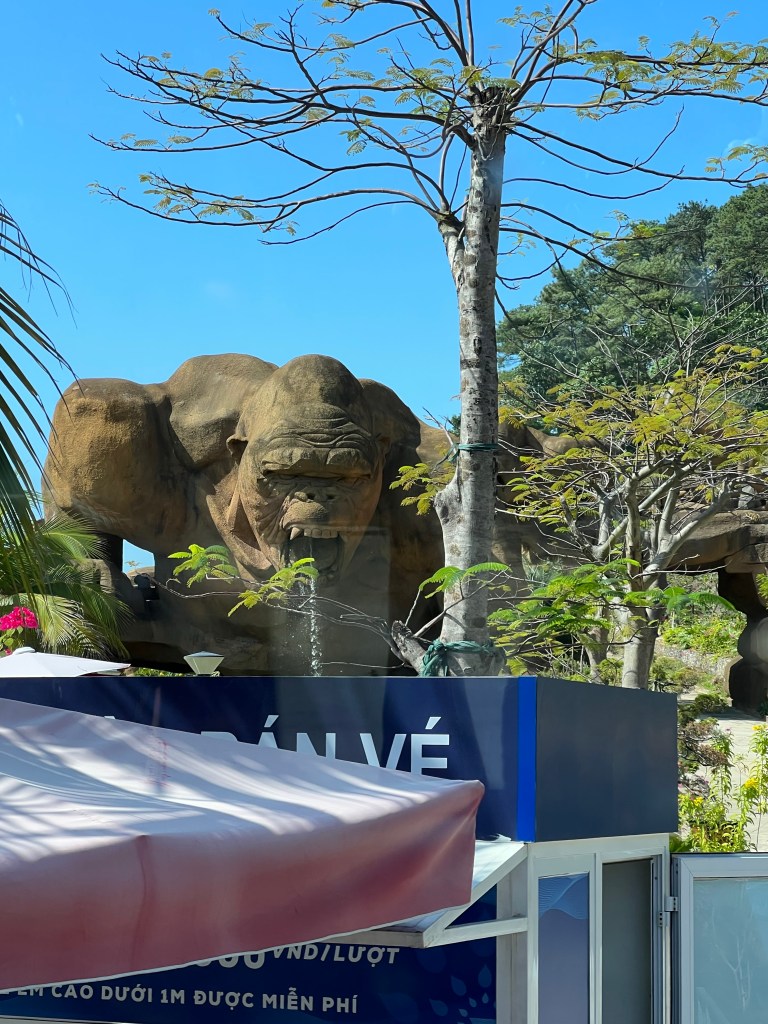
The most recent version of King Kong was filmed here.
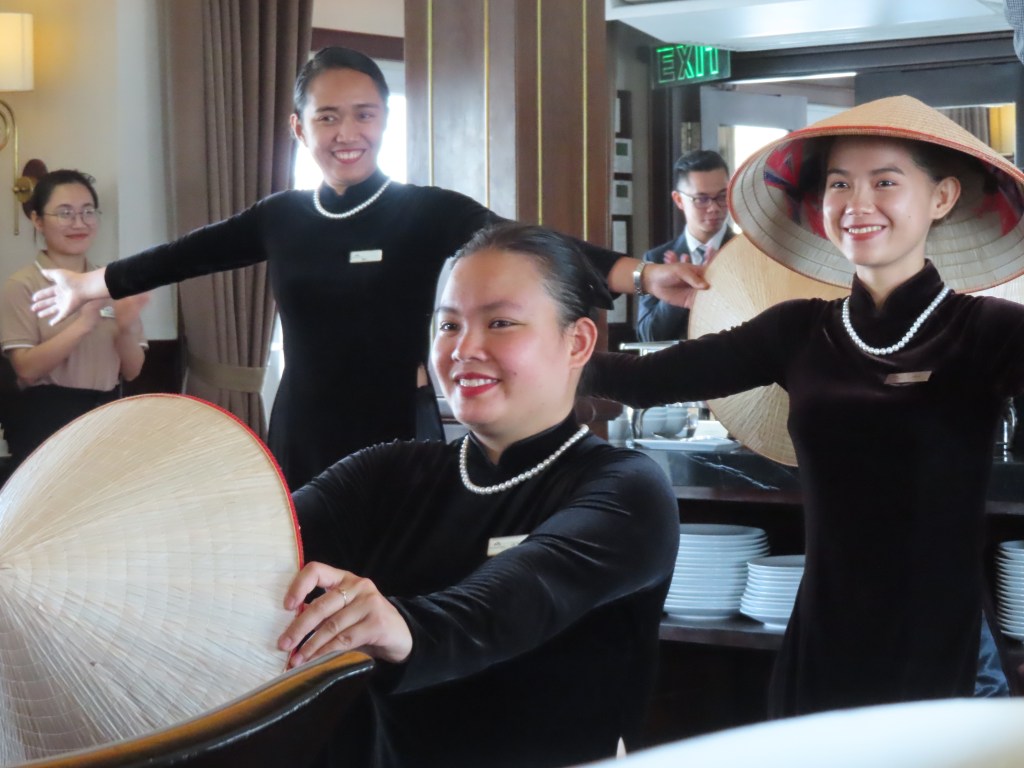
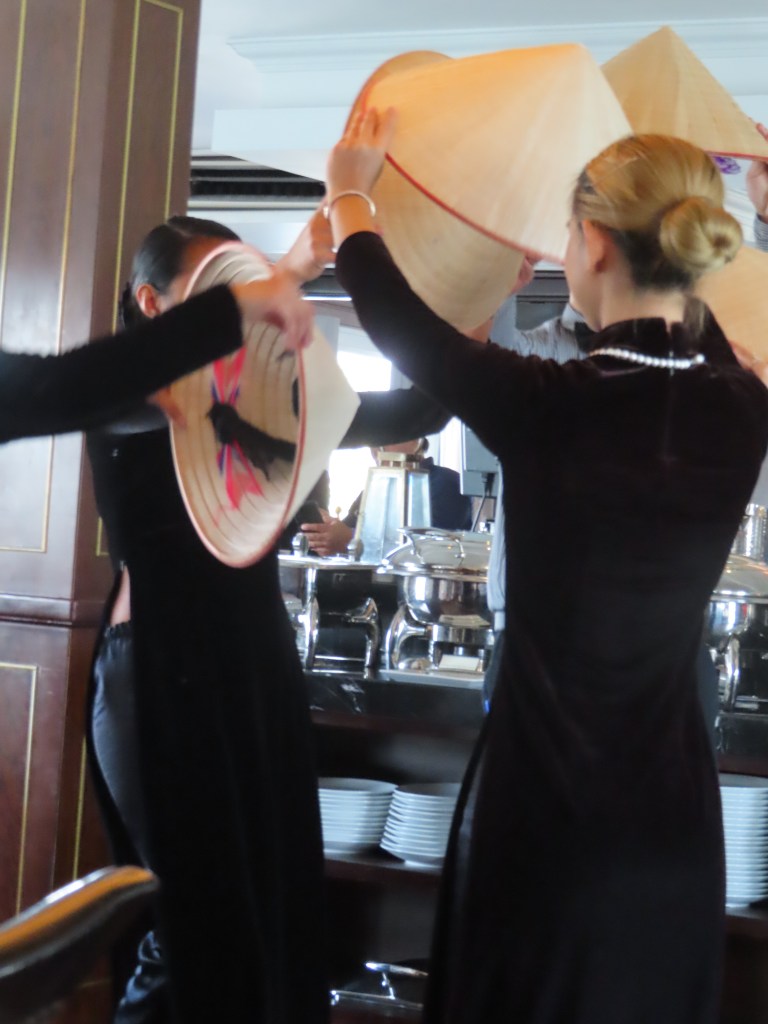
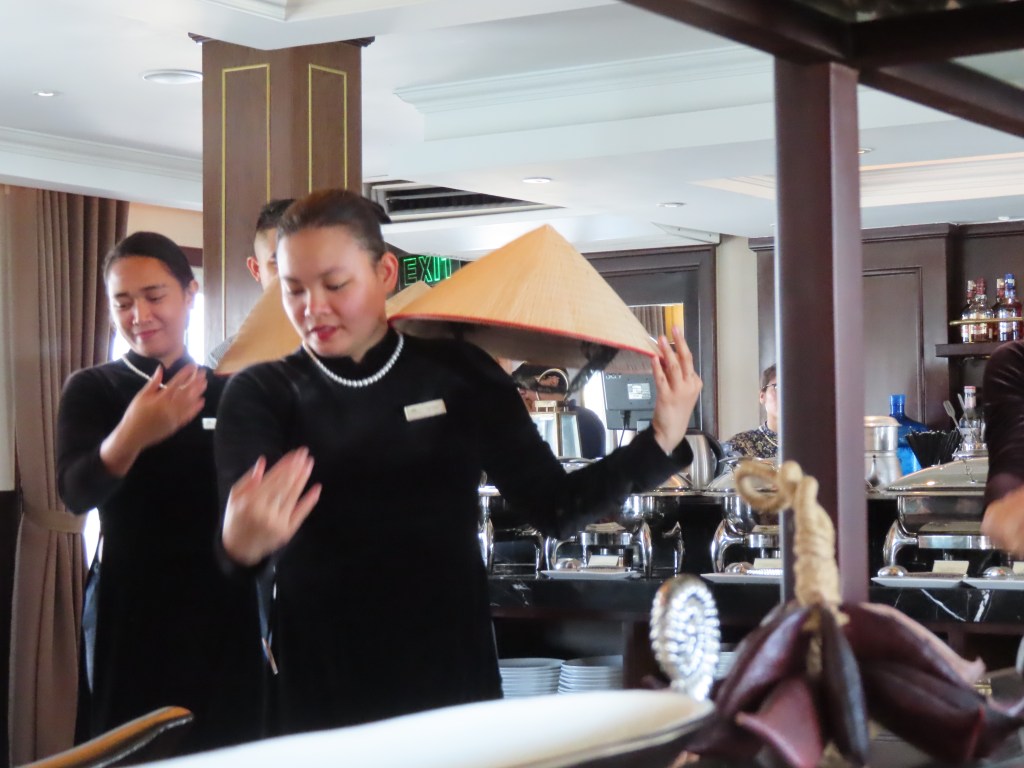
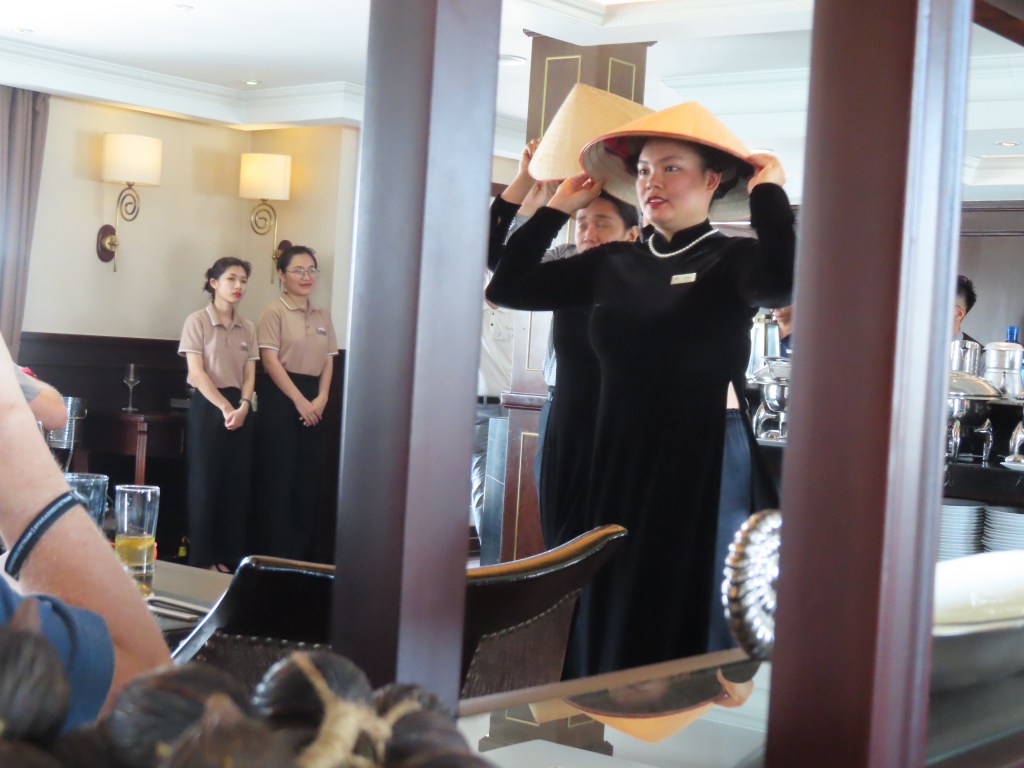
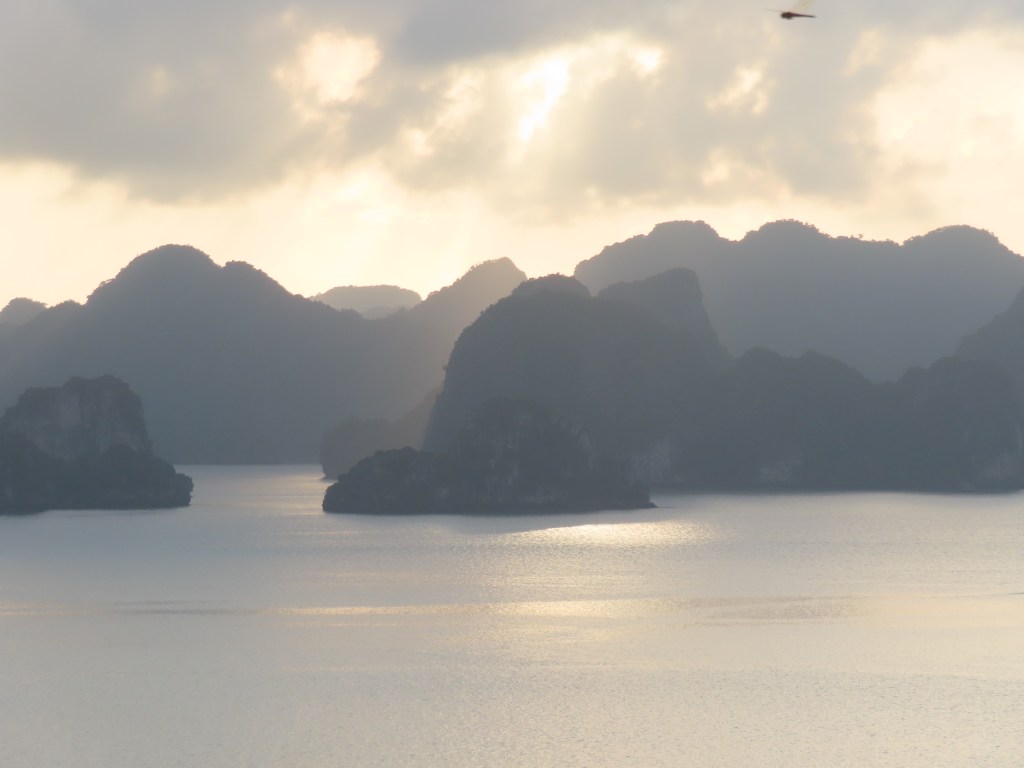
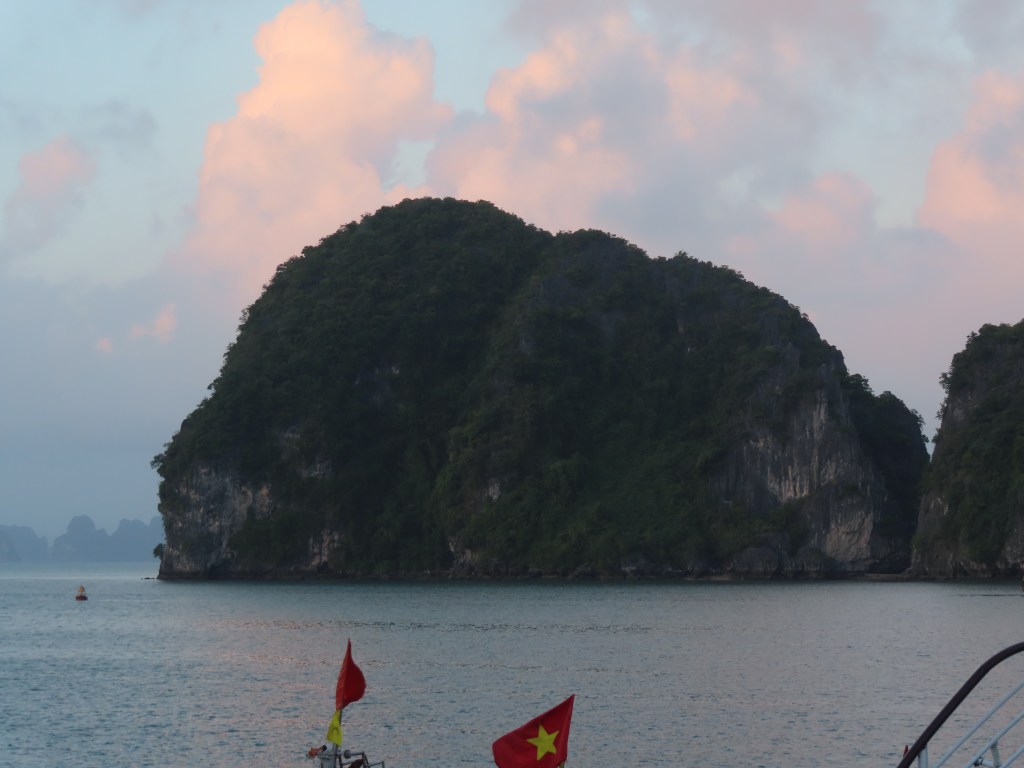
Welcome and safety meeting on the boat.
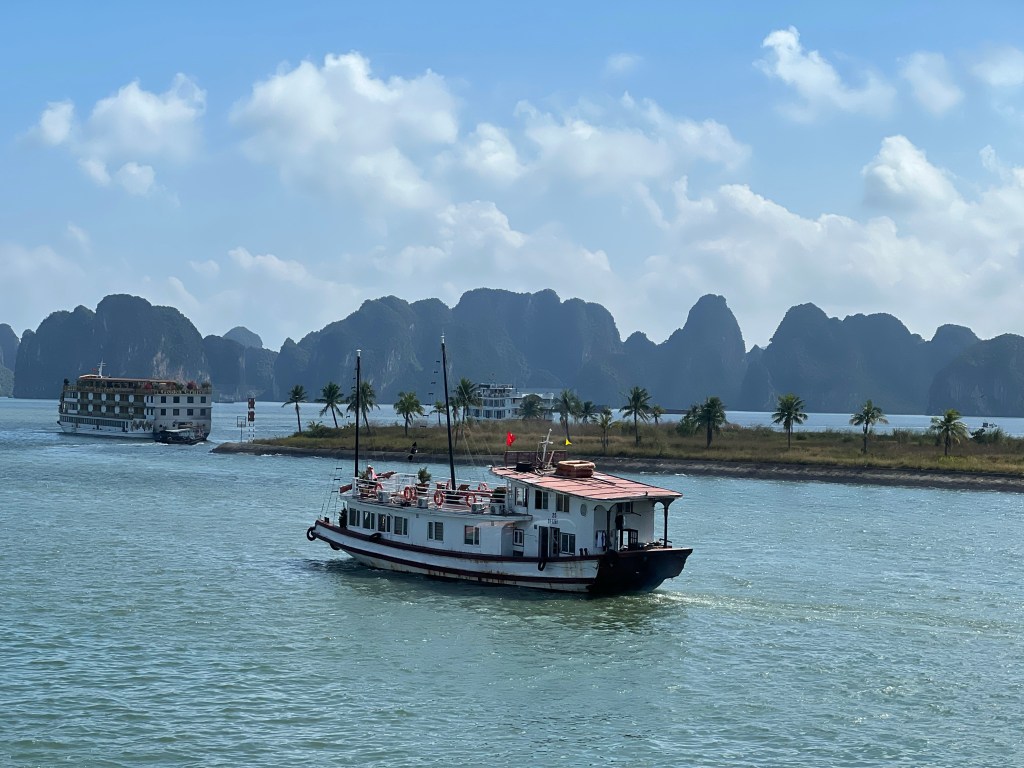
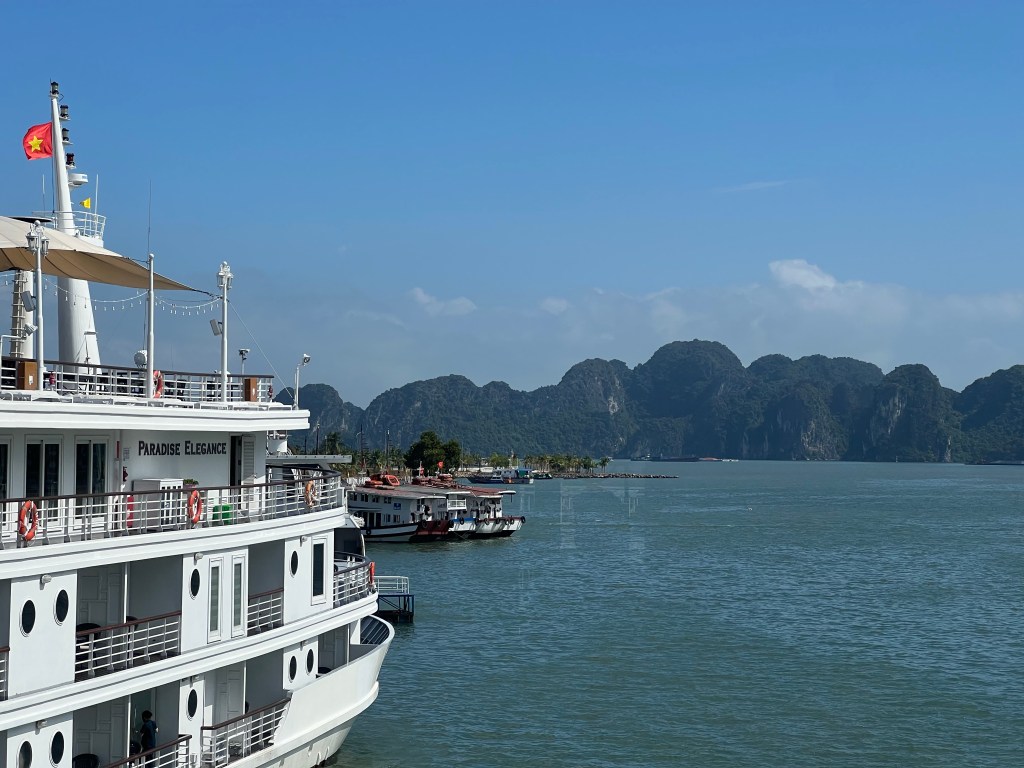

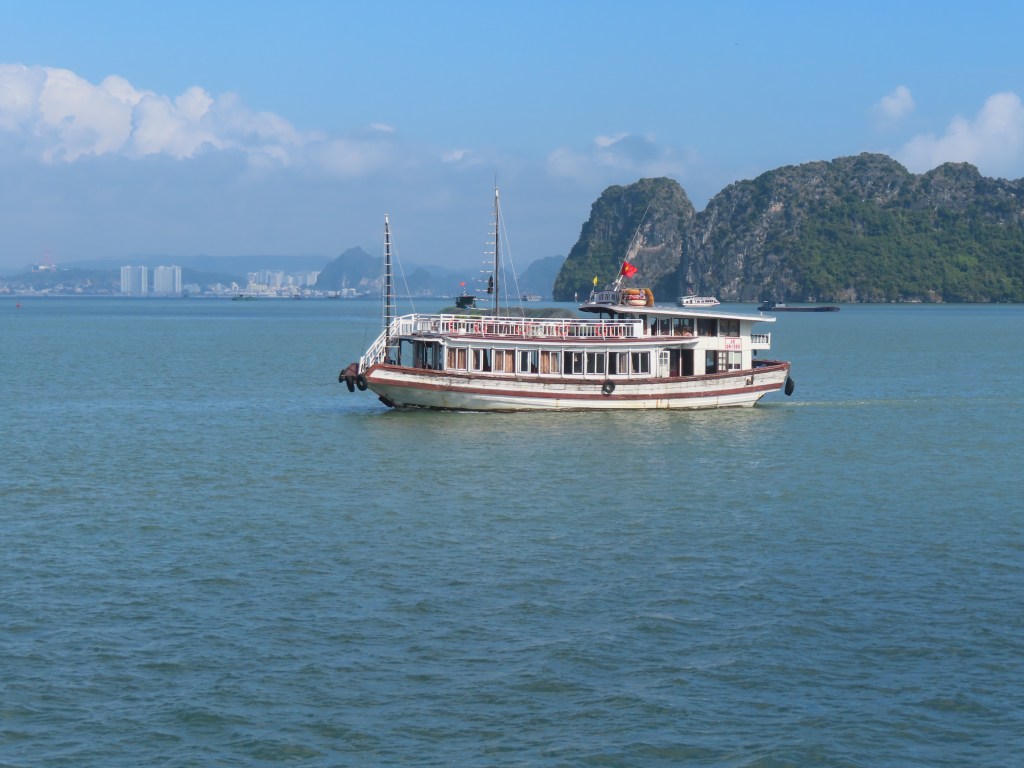
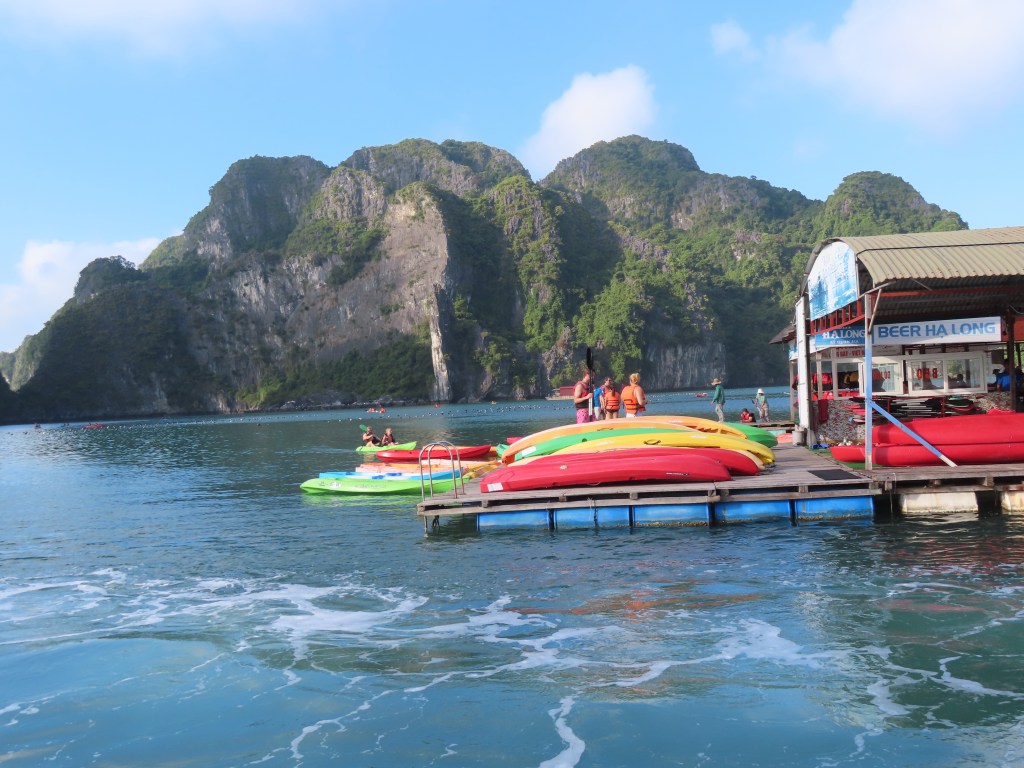
Our first excursion was to a pearl farm for shopping or kayaking.
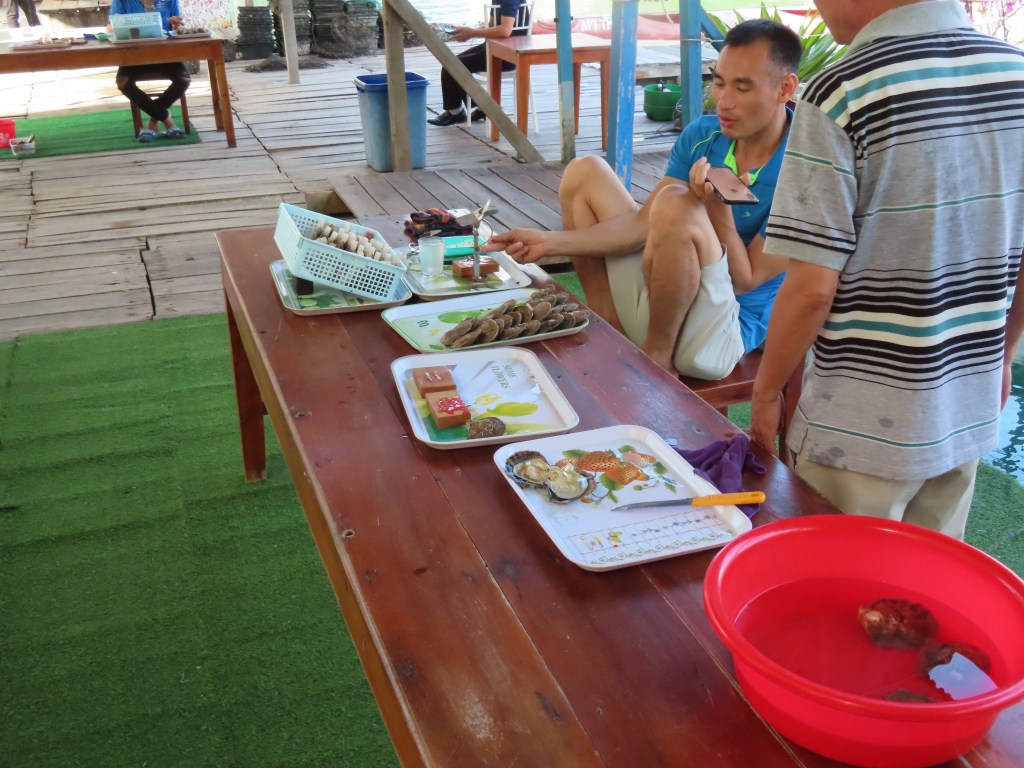
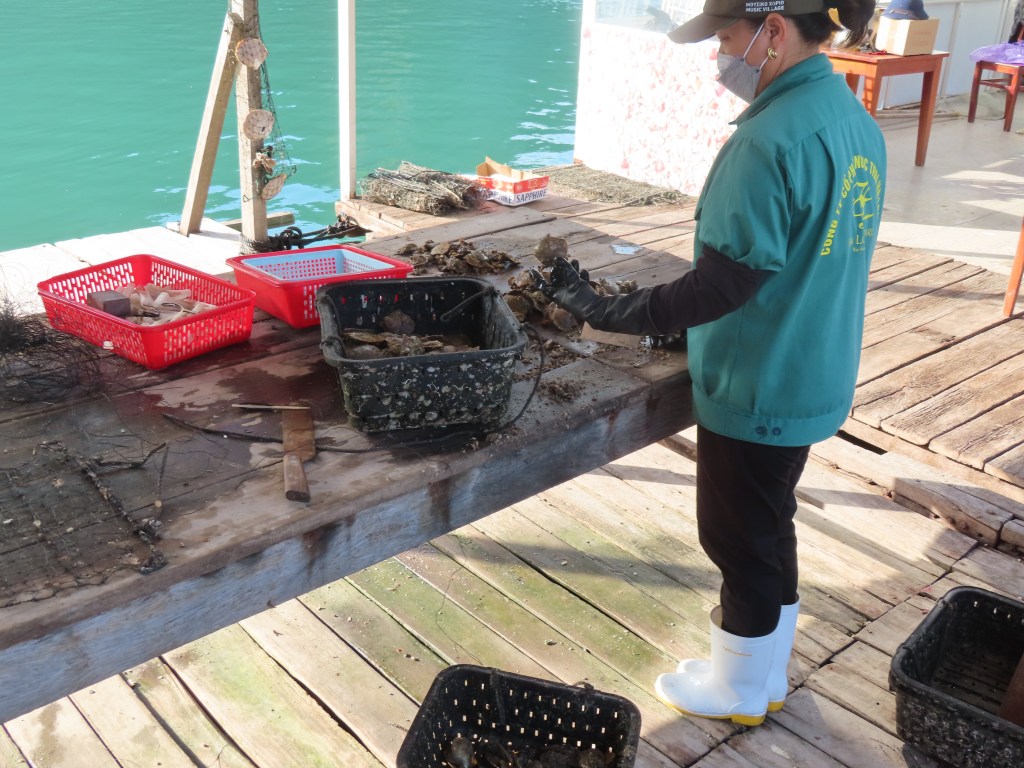
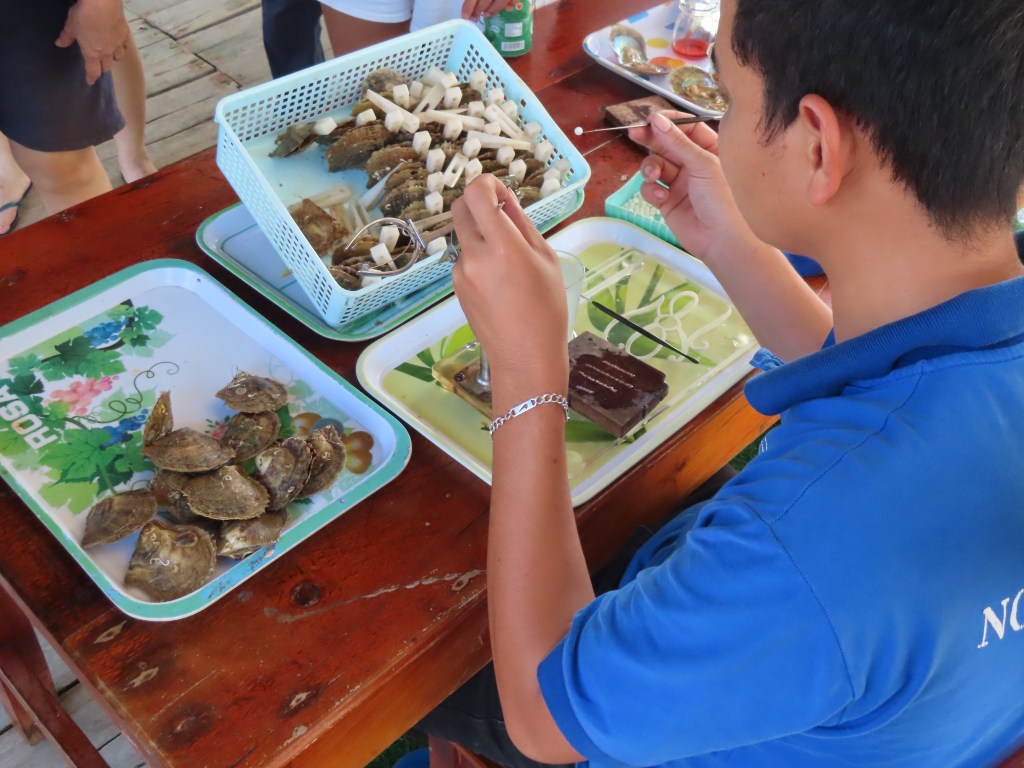
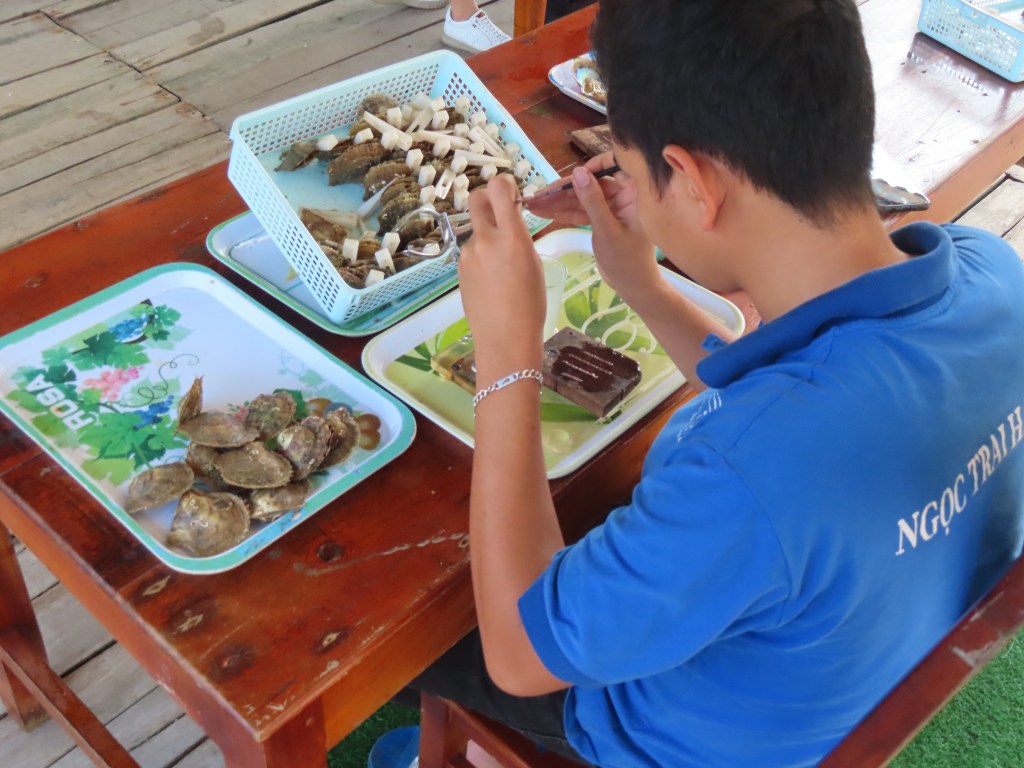
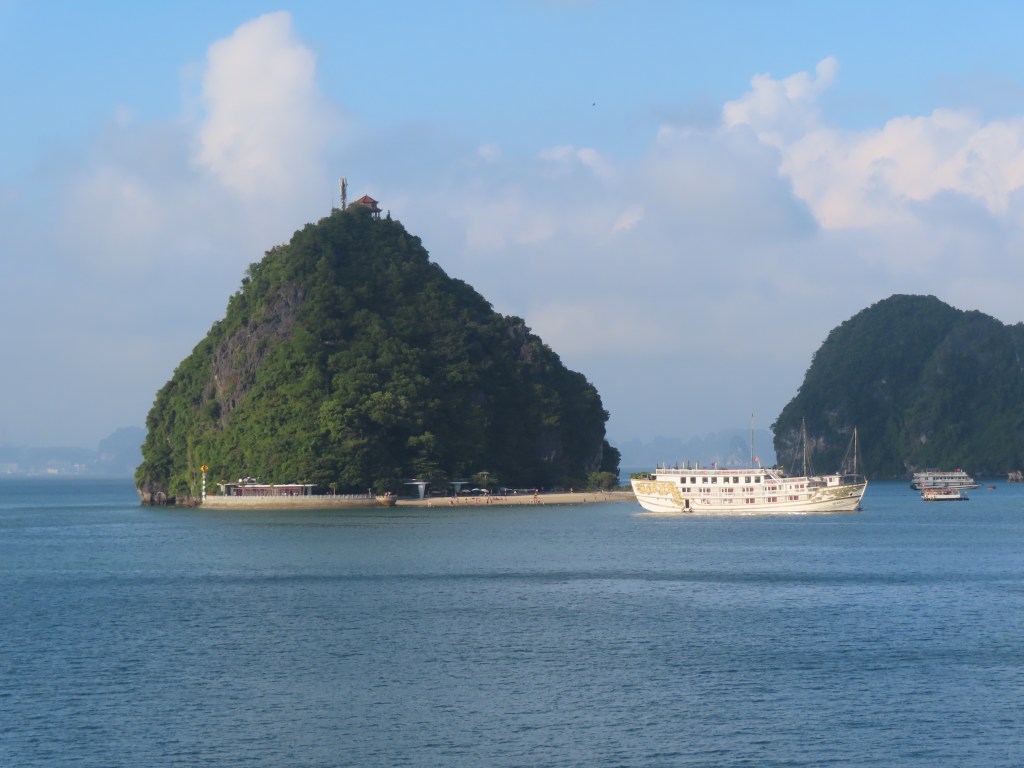
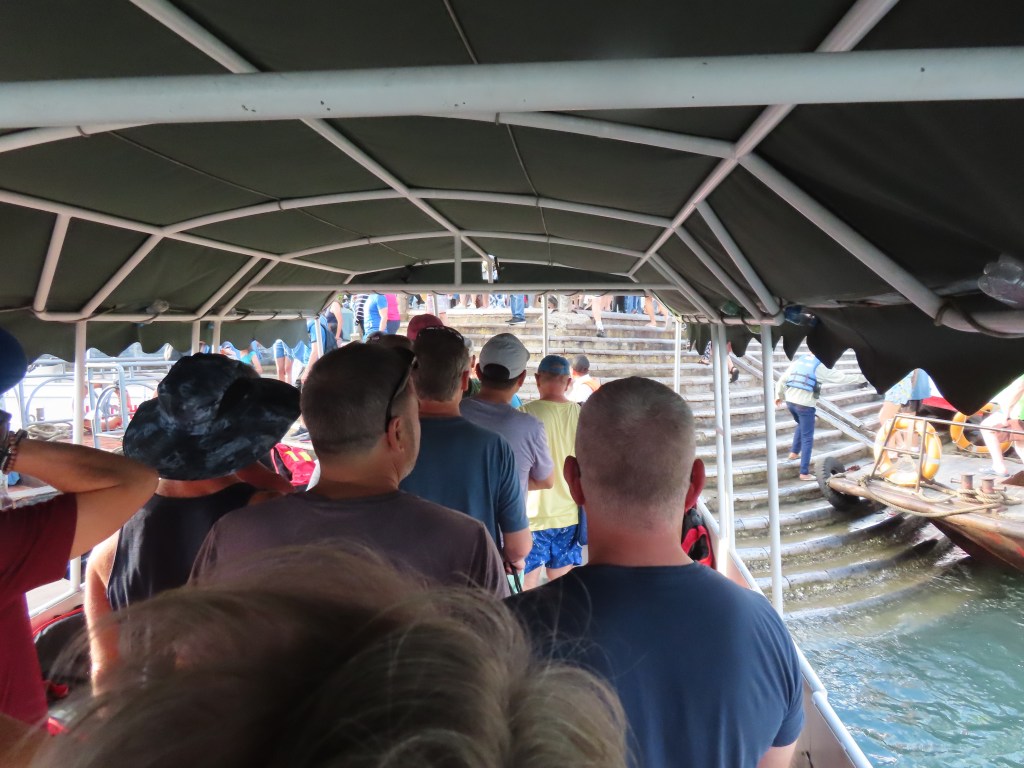
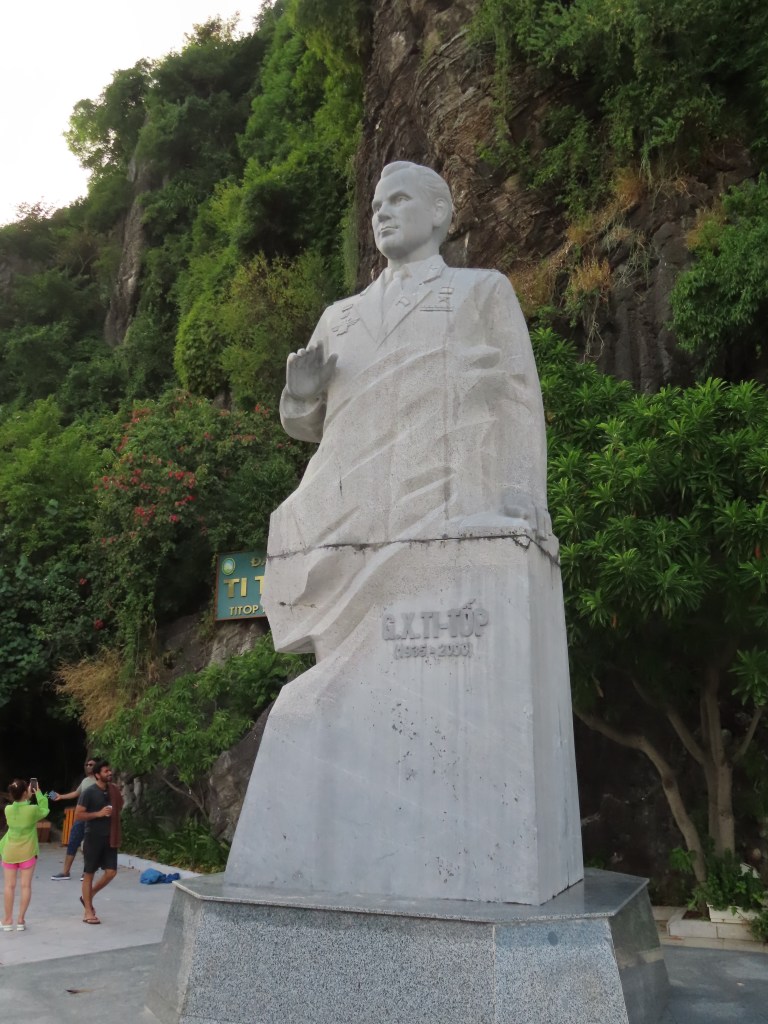
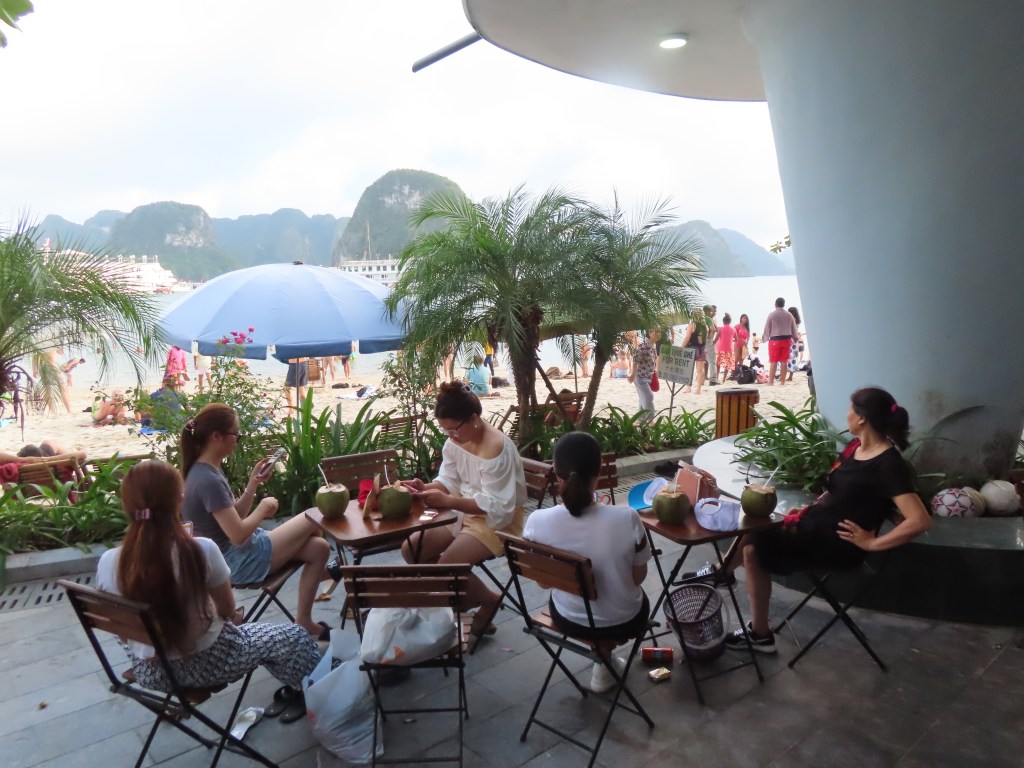
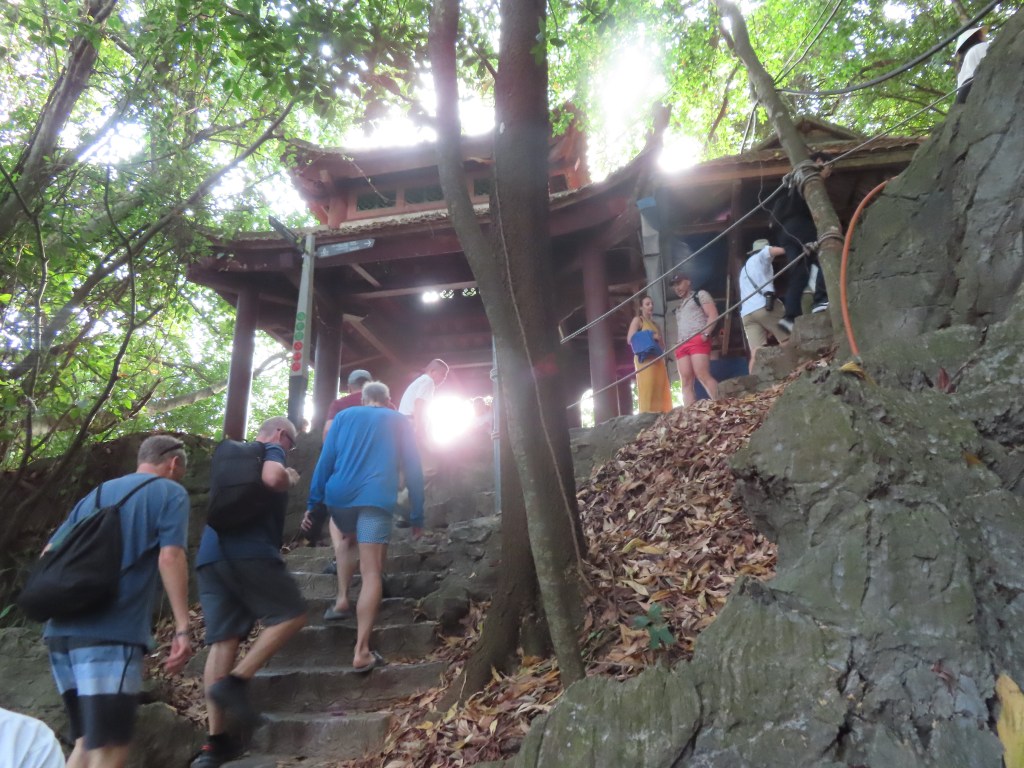
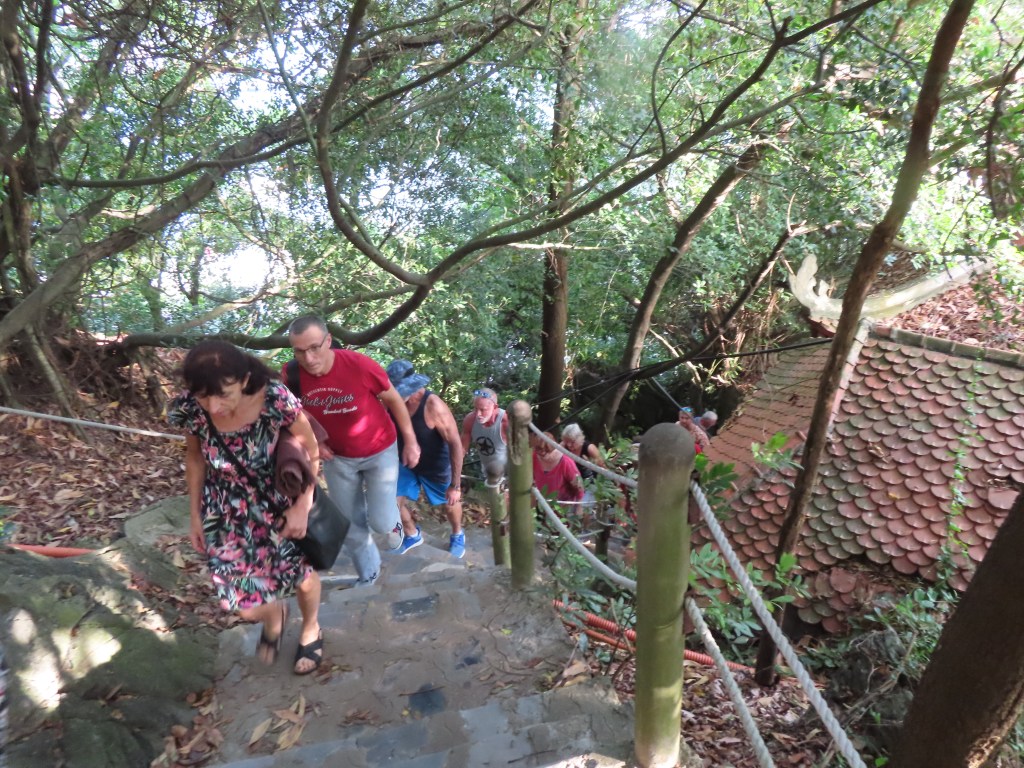
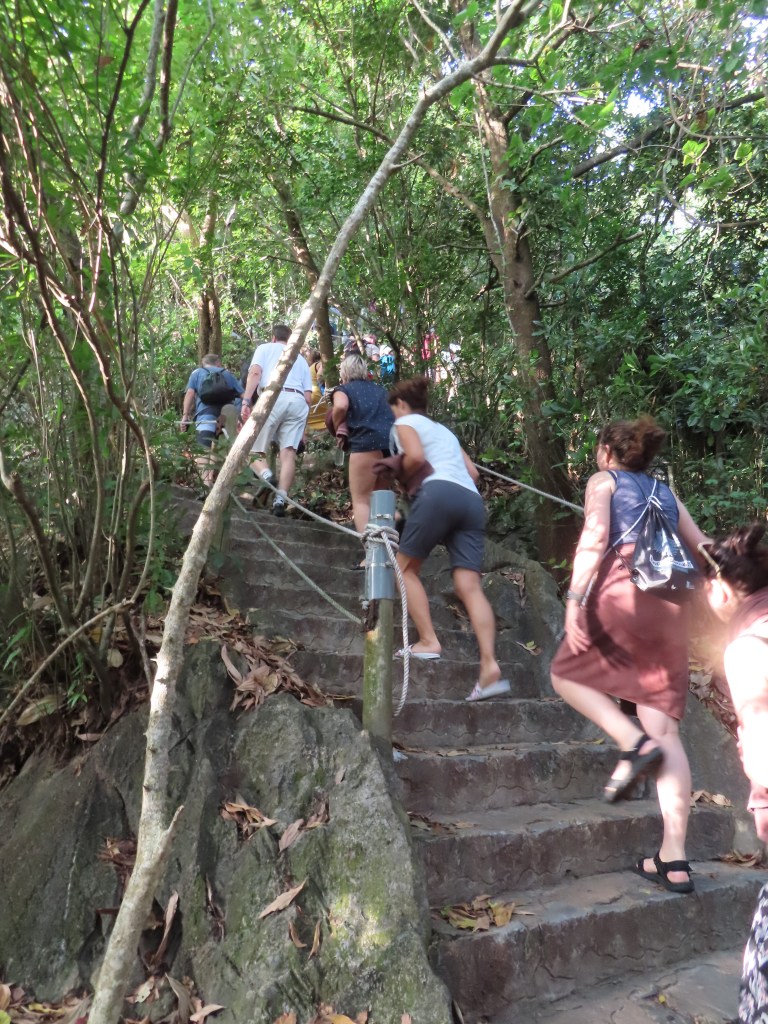
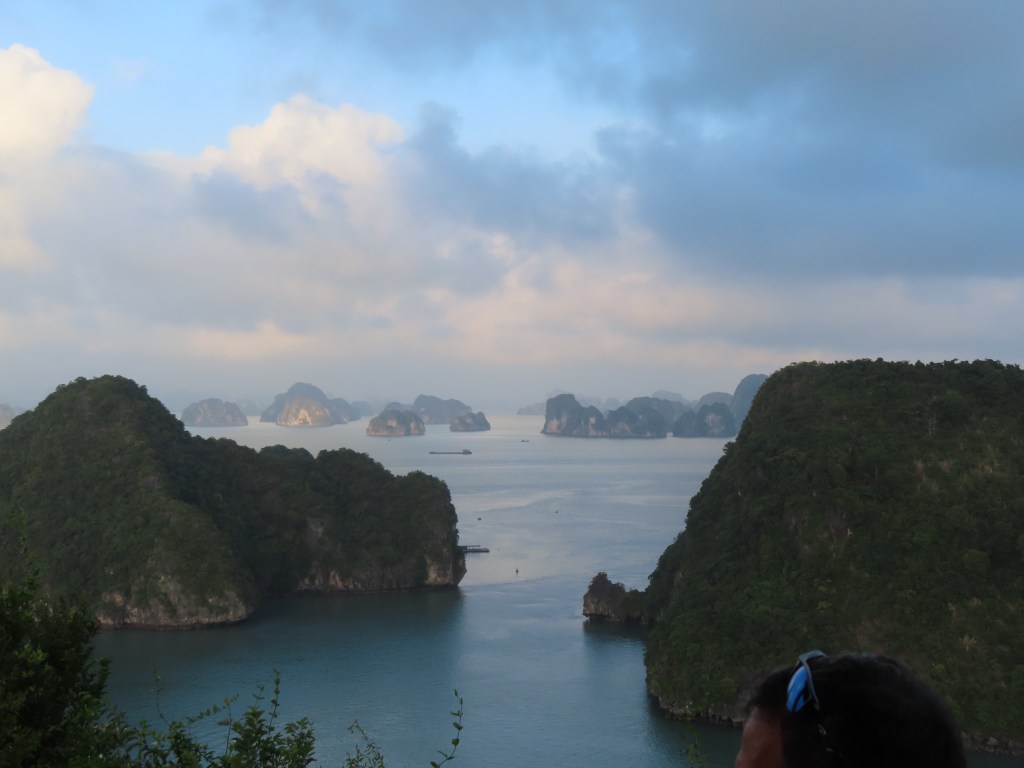
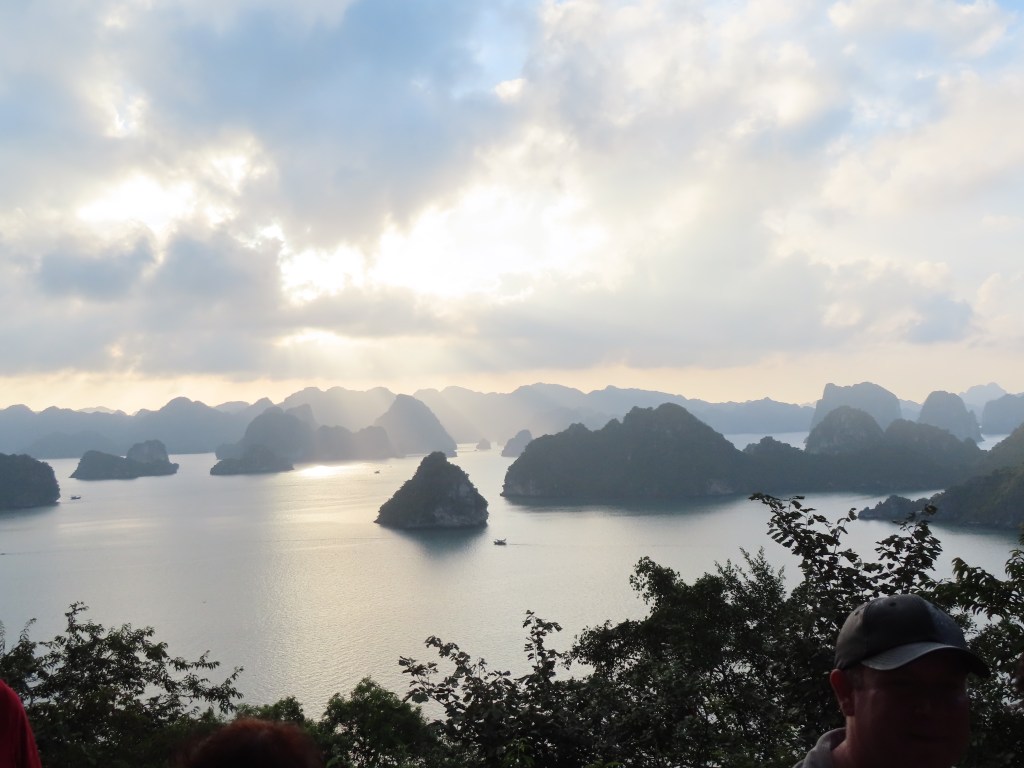
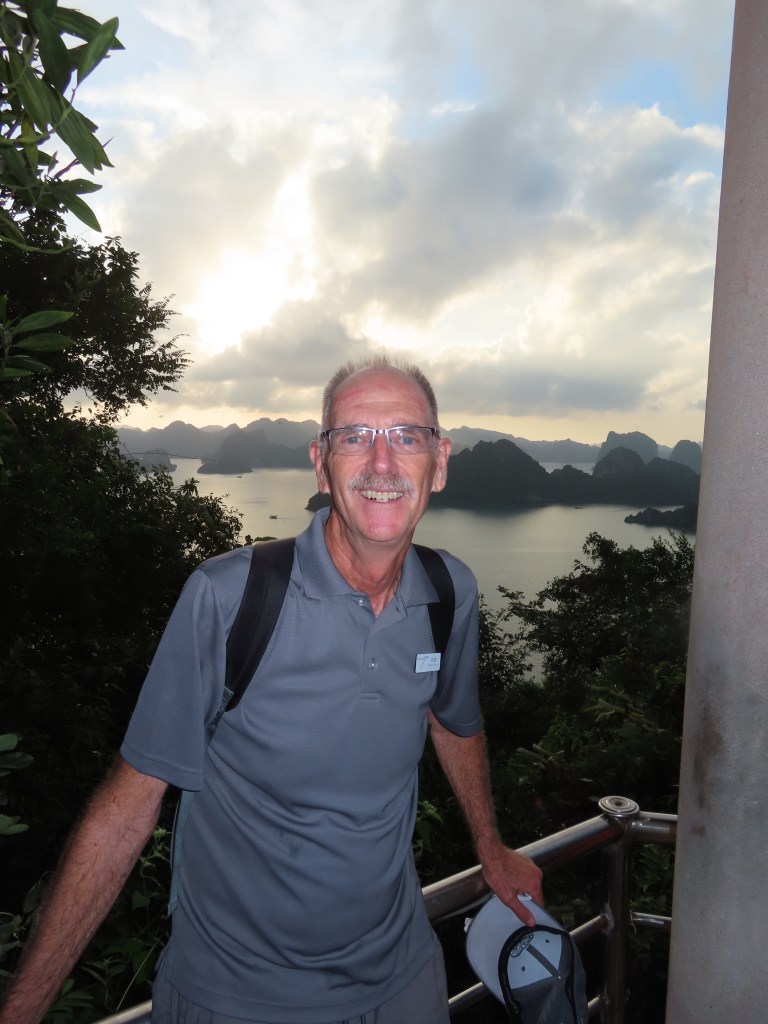
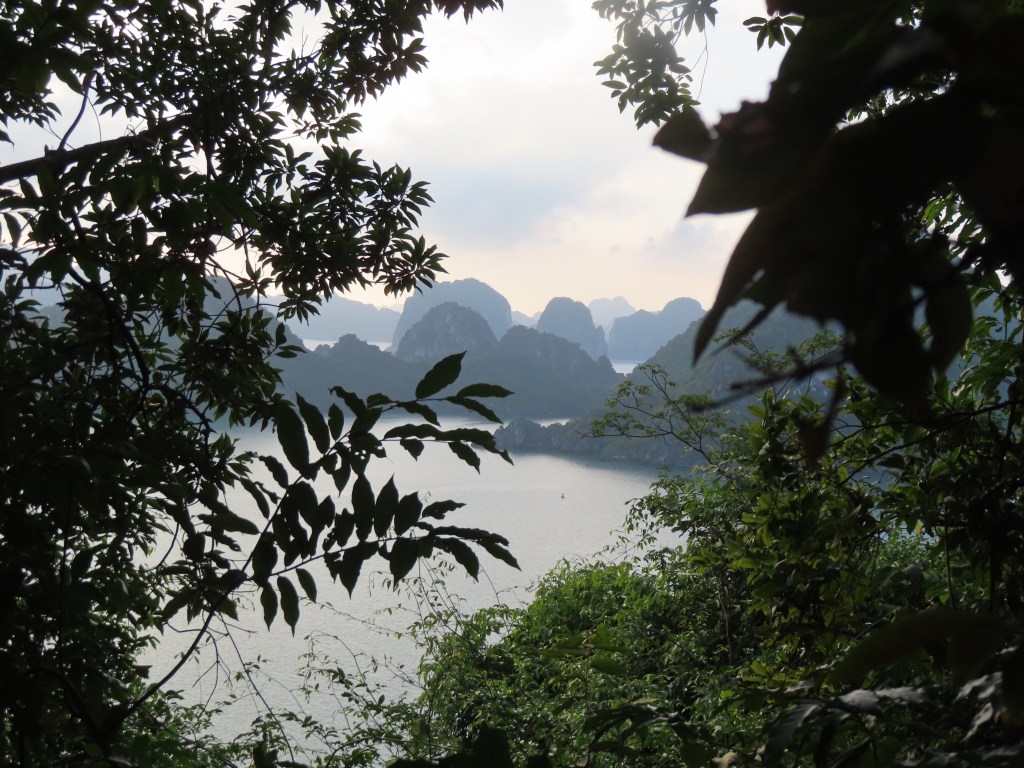
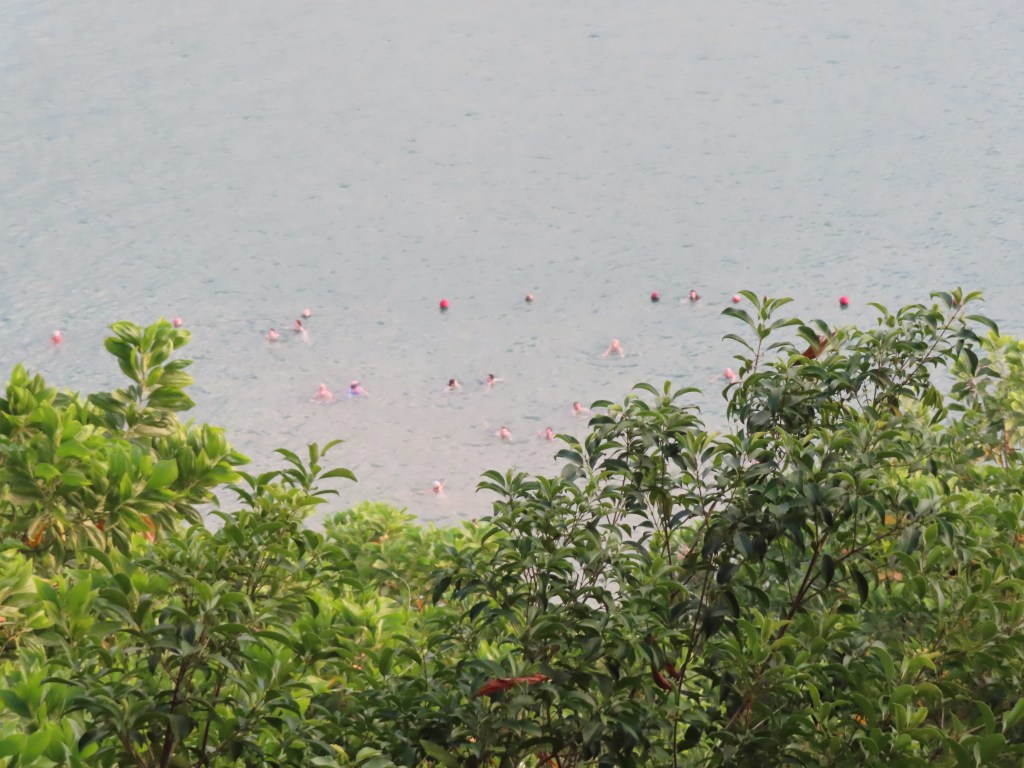
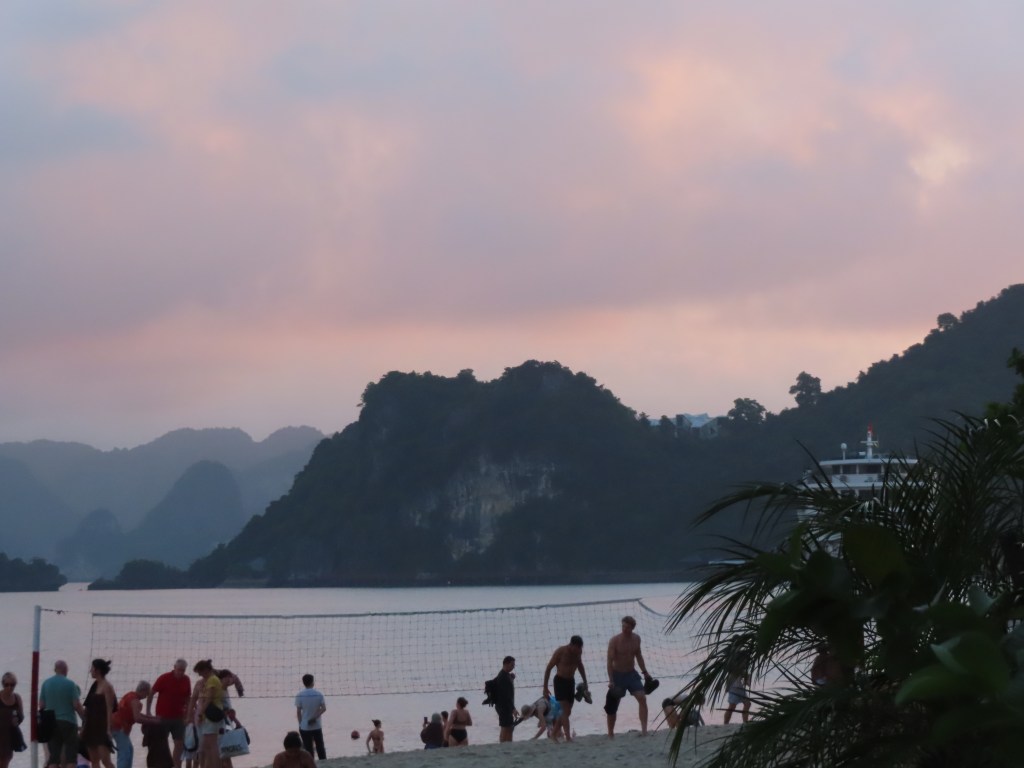
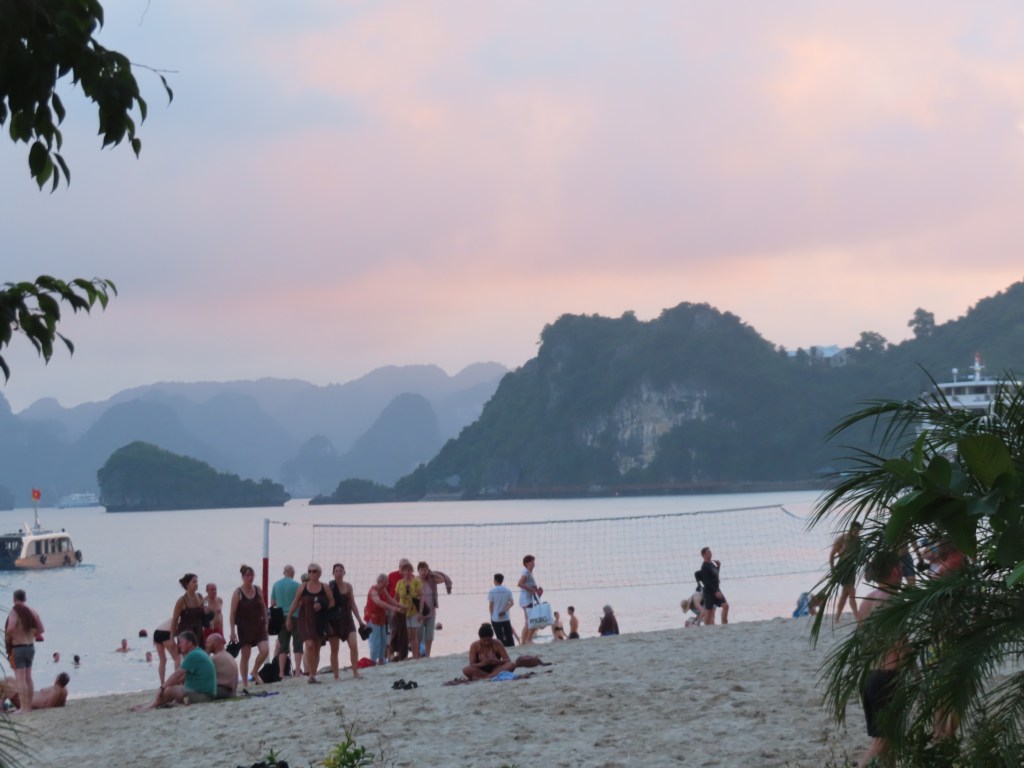
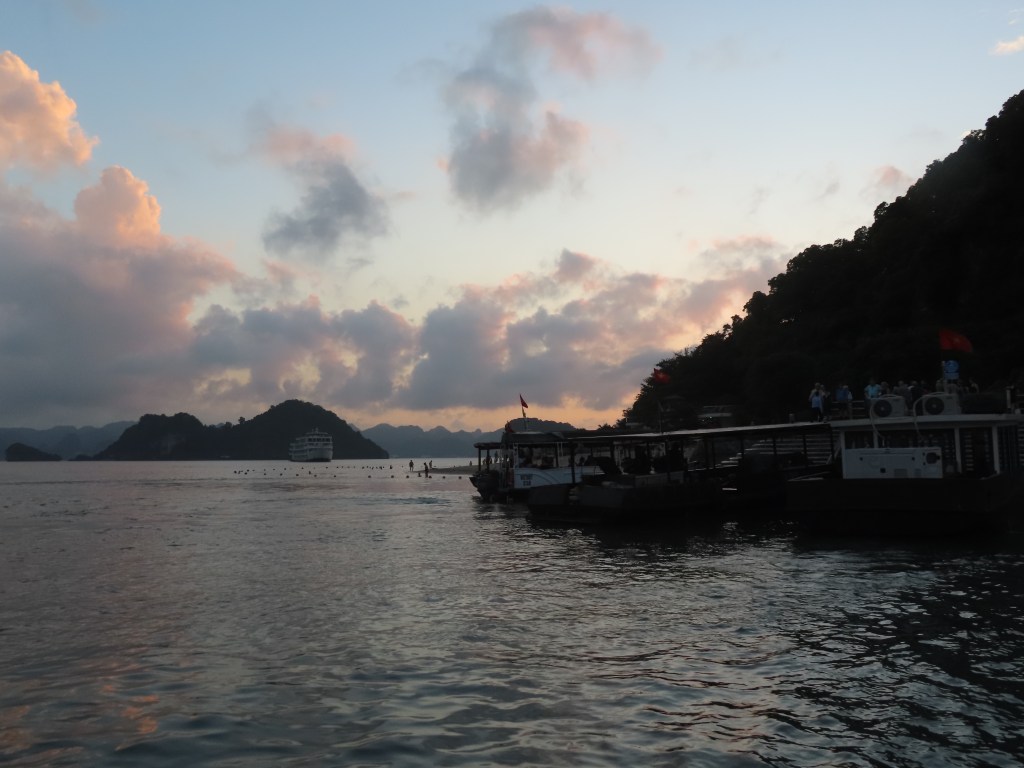
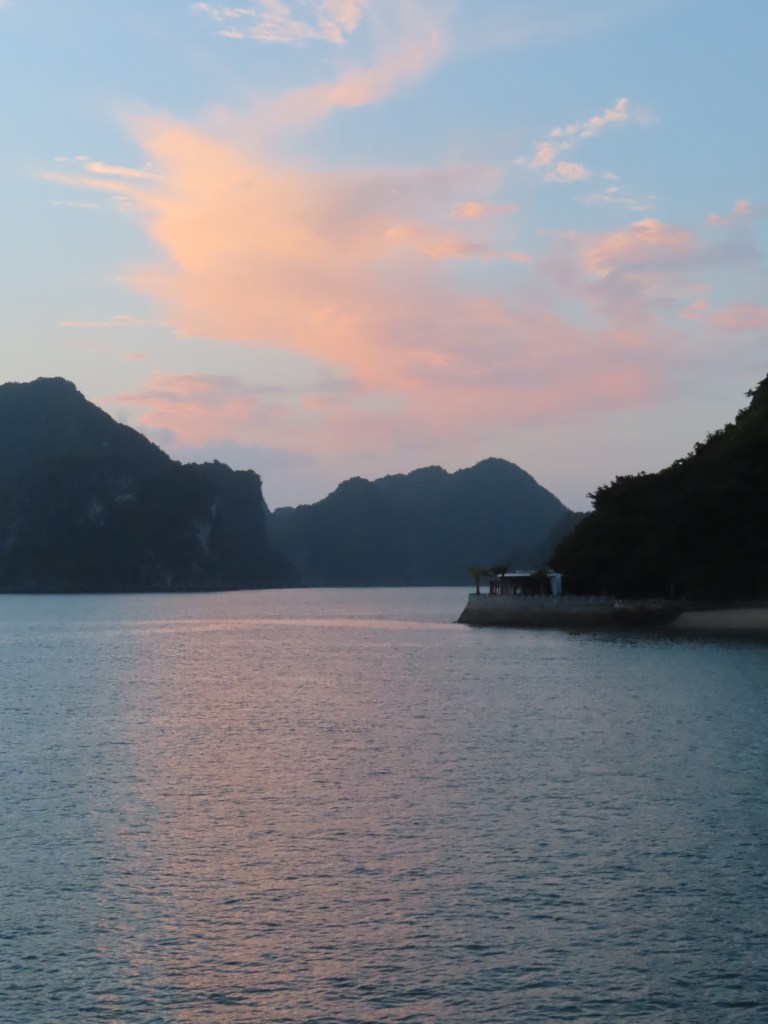
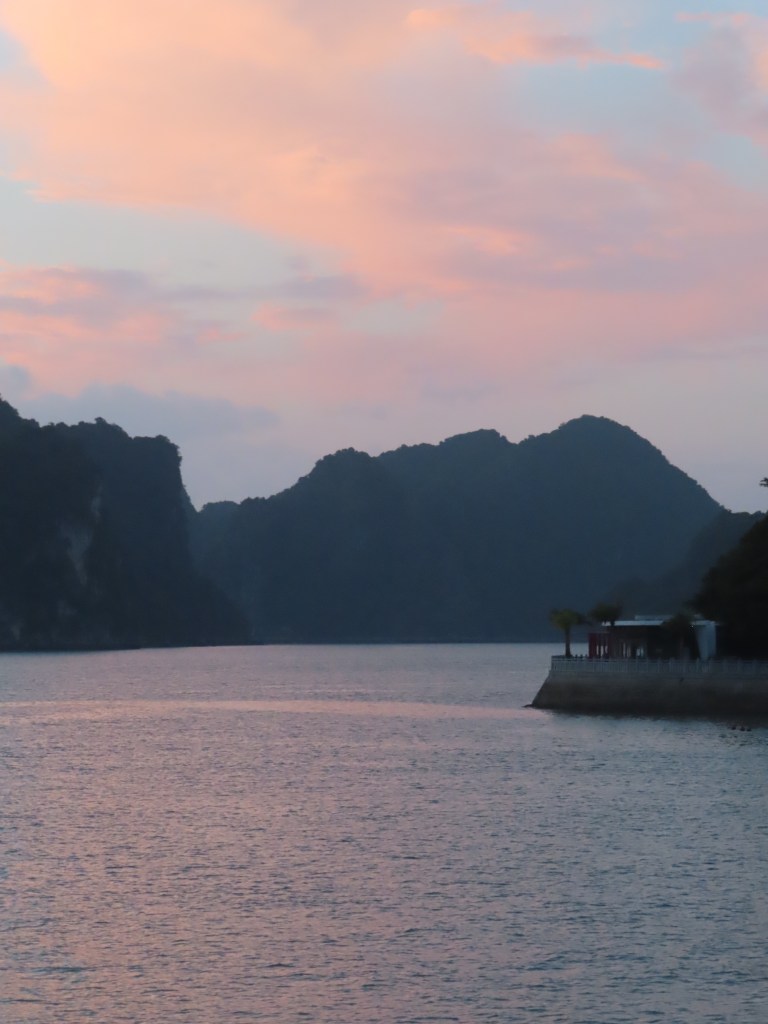
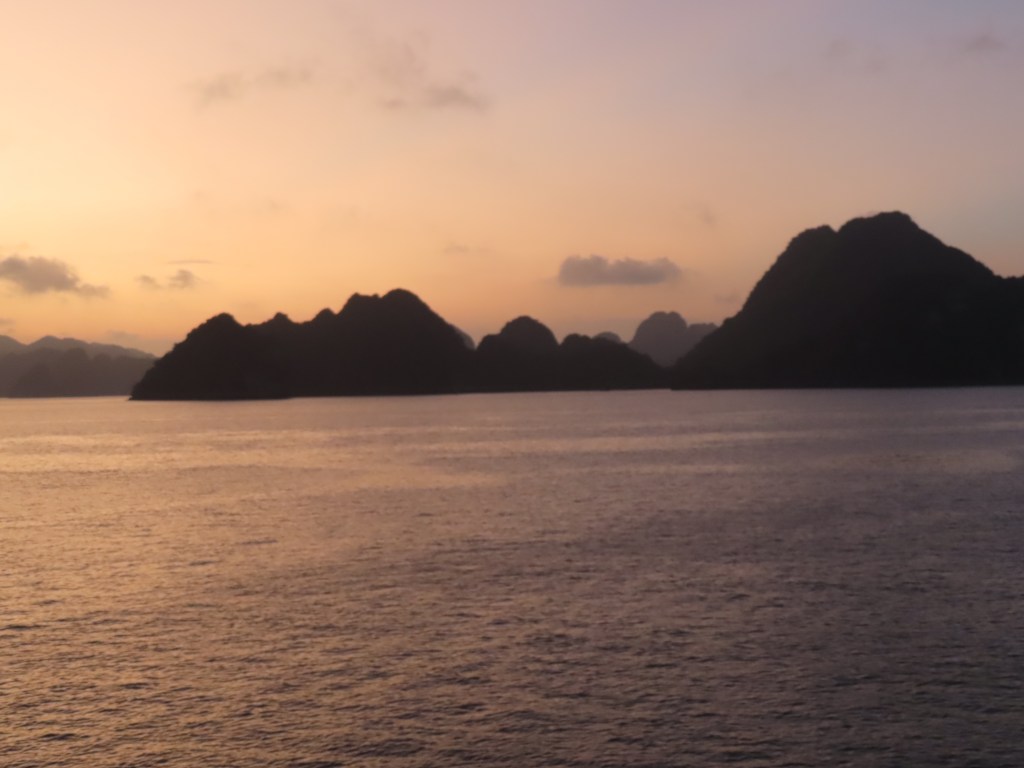
The second excursion was to Titop Island with a hike to the top for a panoramic view and a swim on the beach.




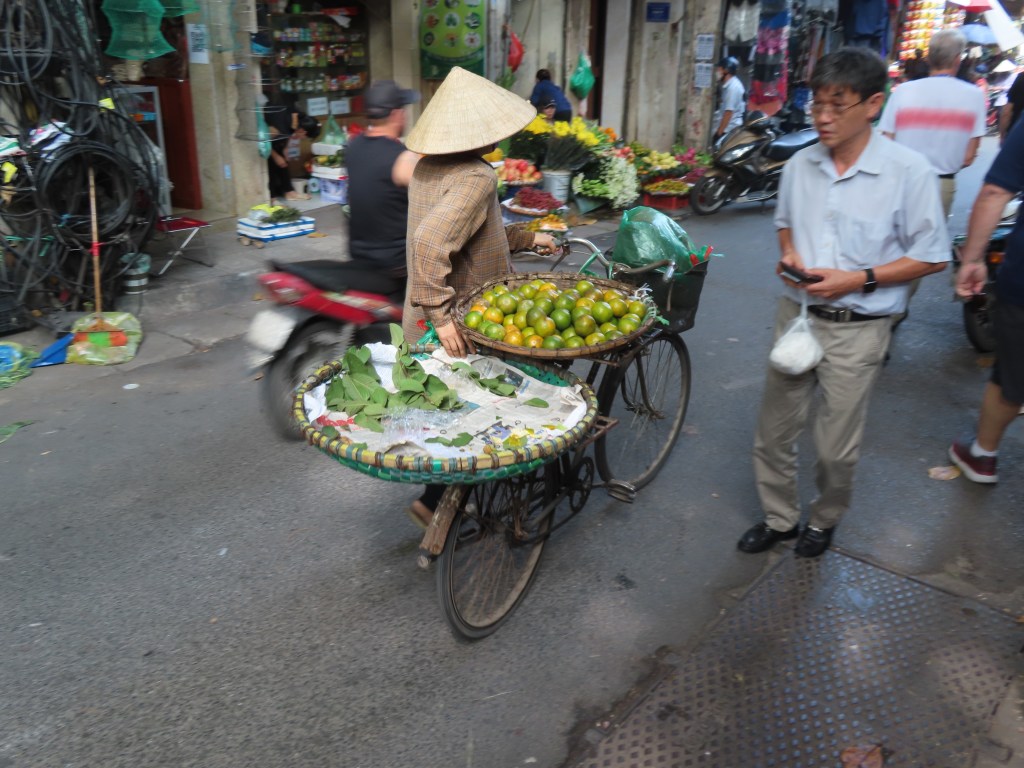
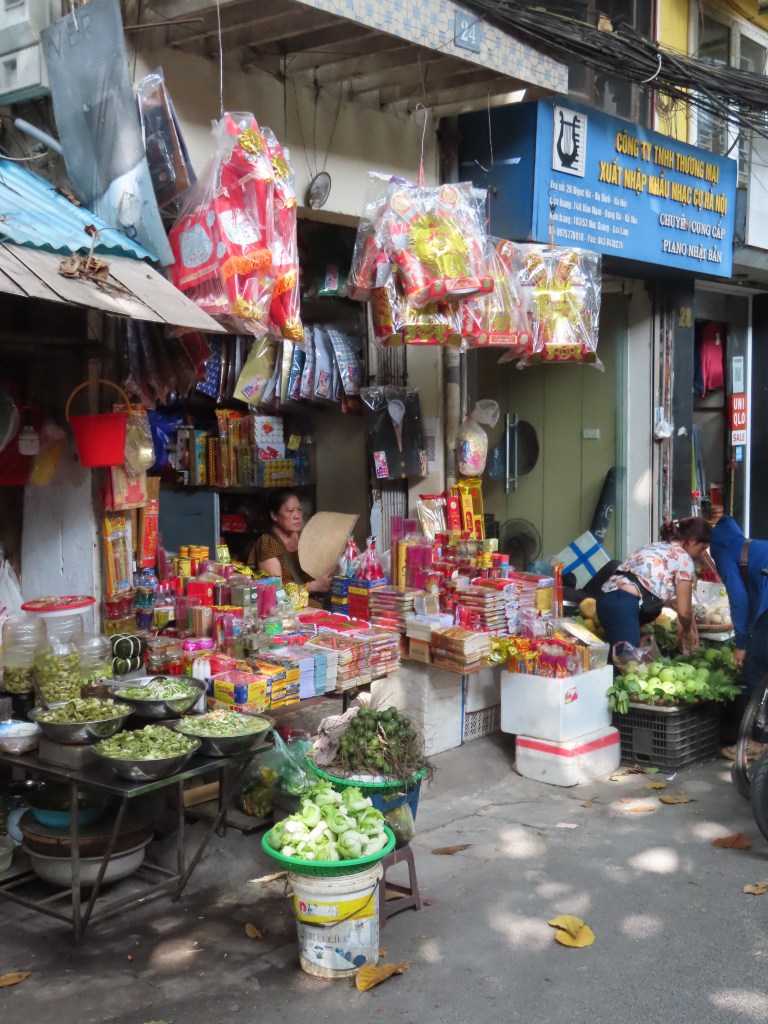
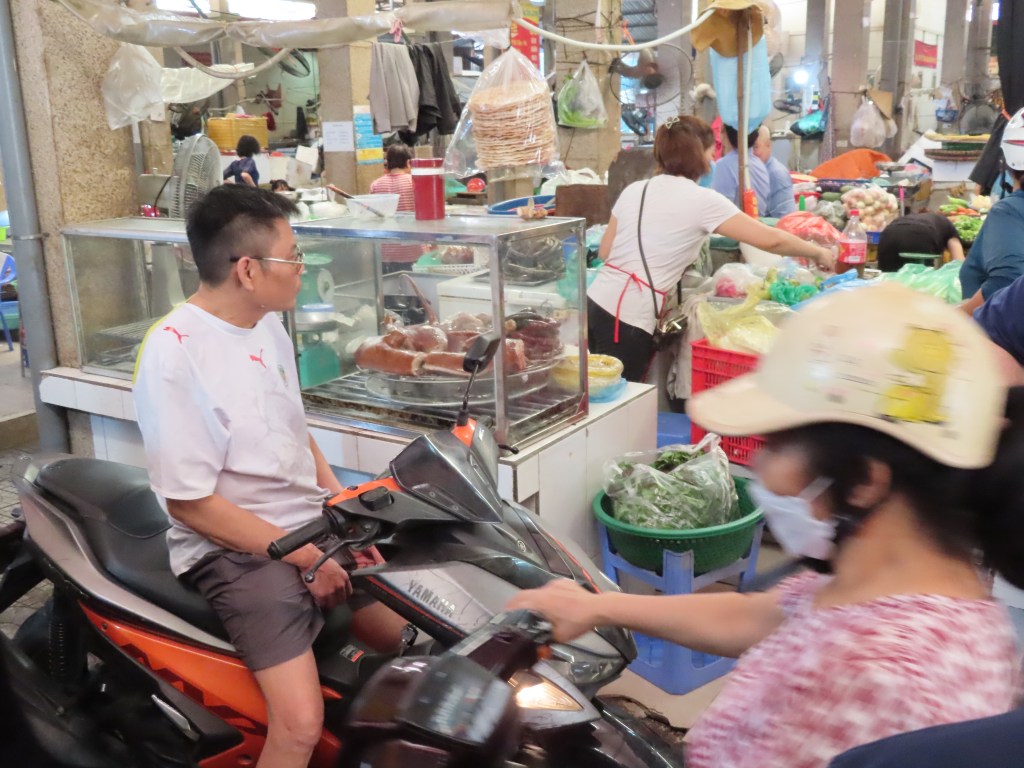
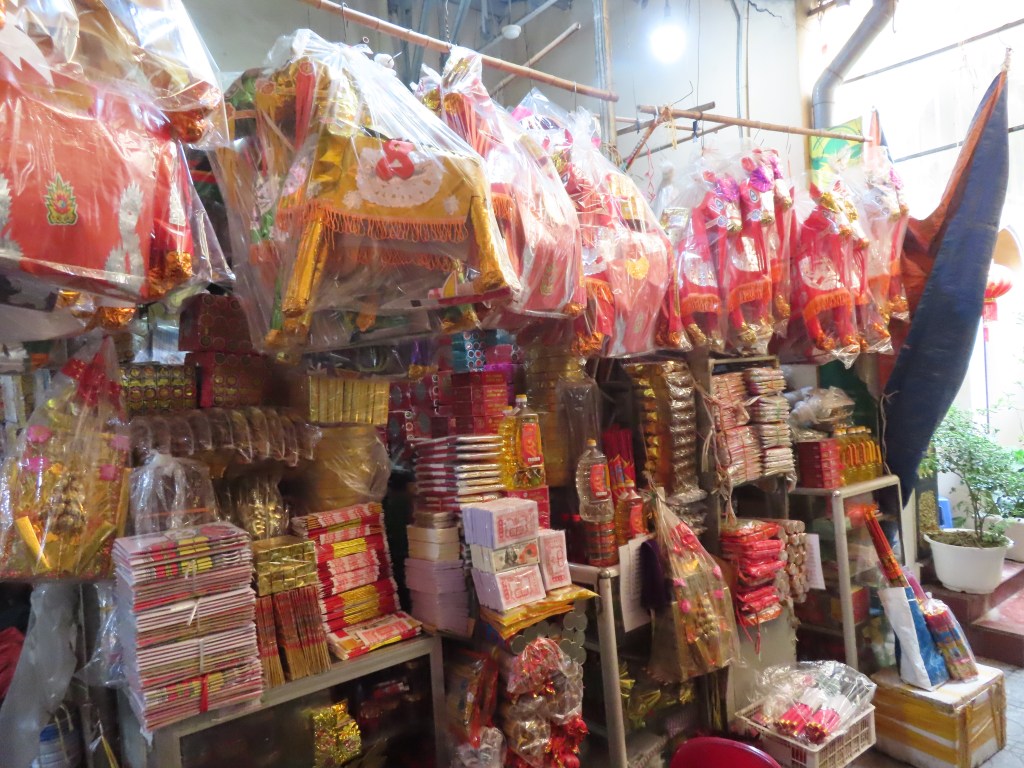
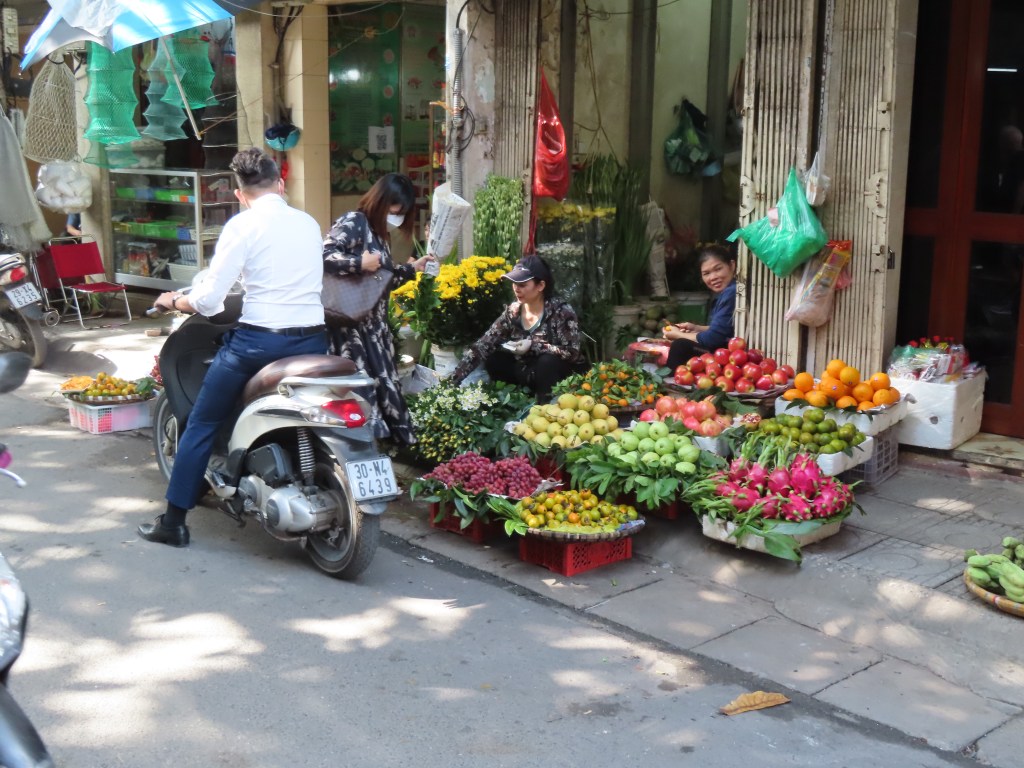
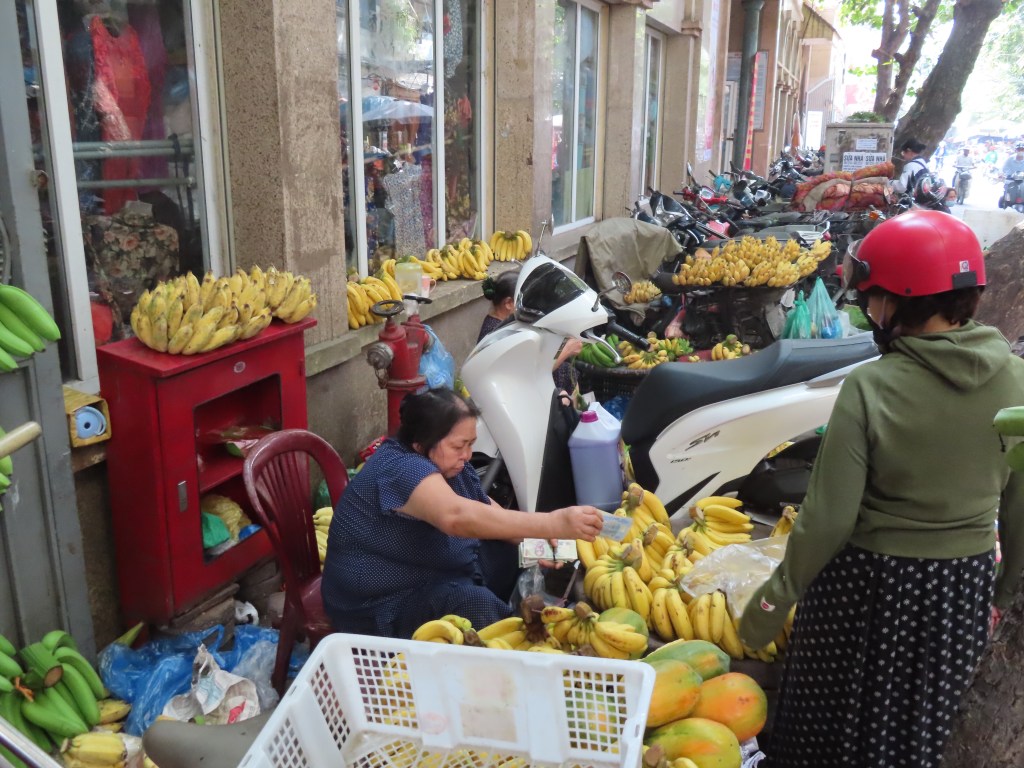
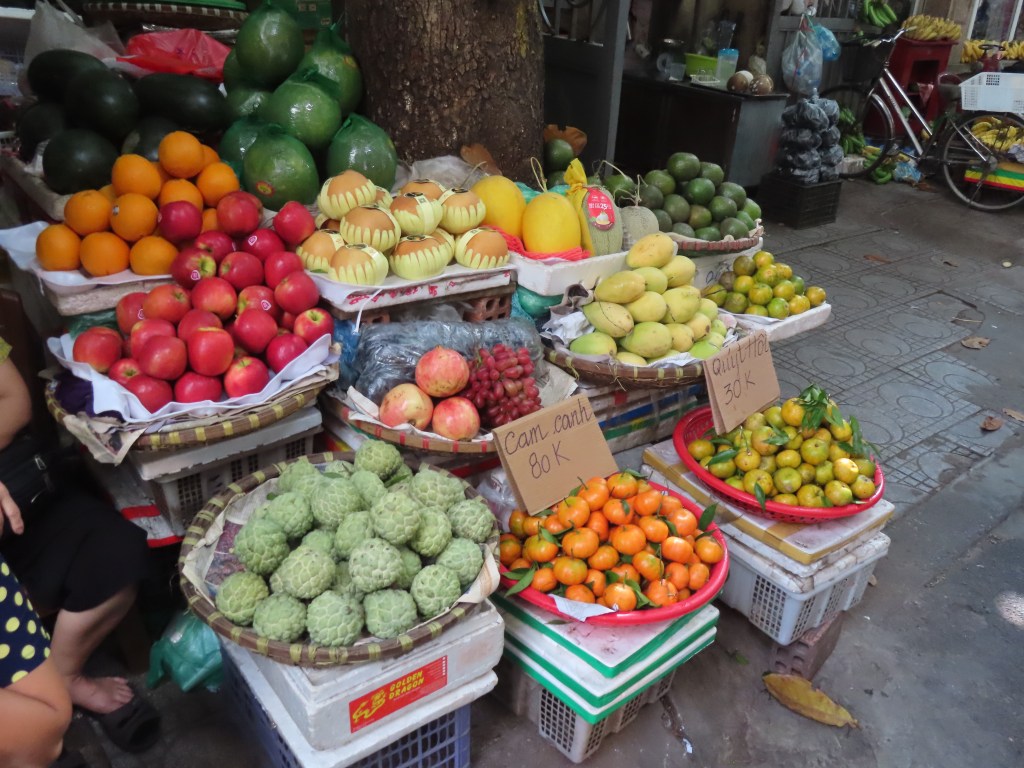
Another market on our way to lunch.

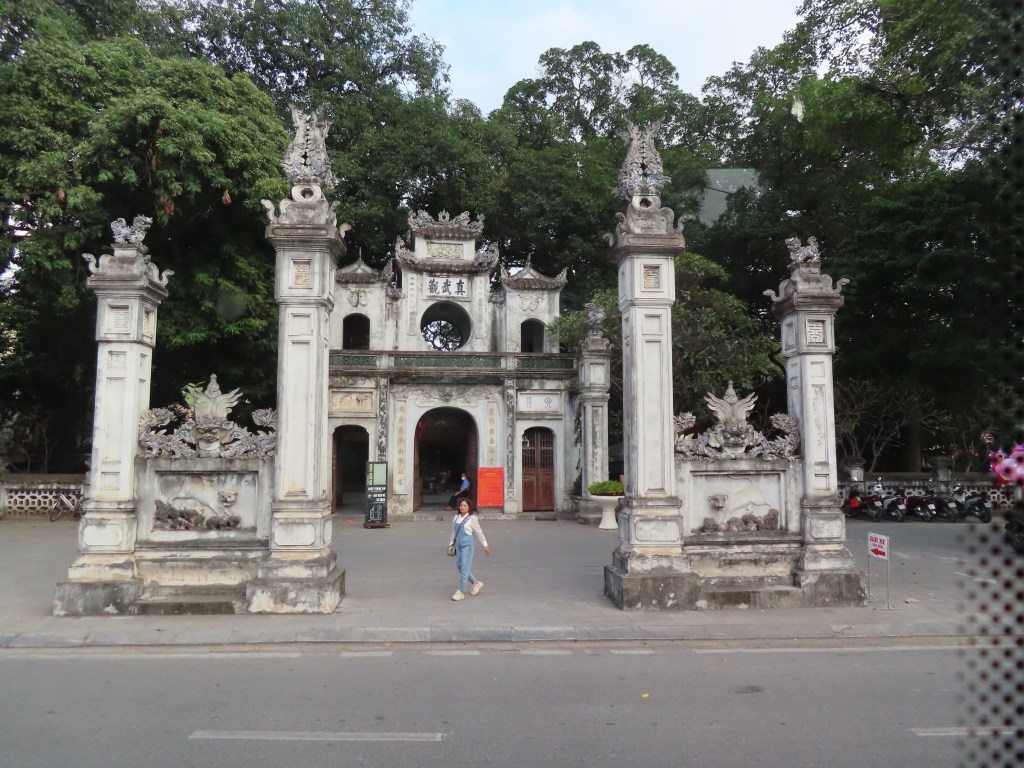
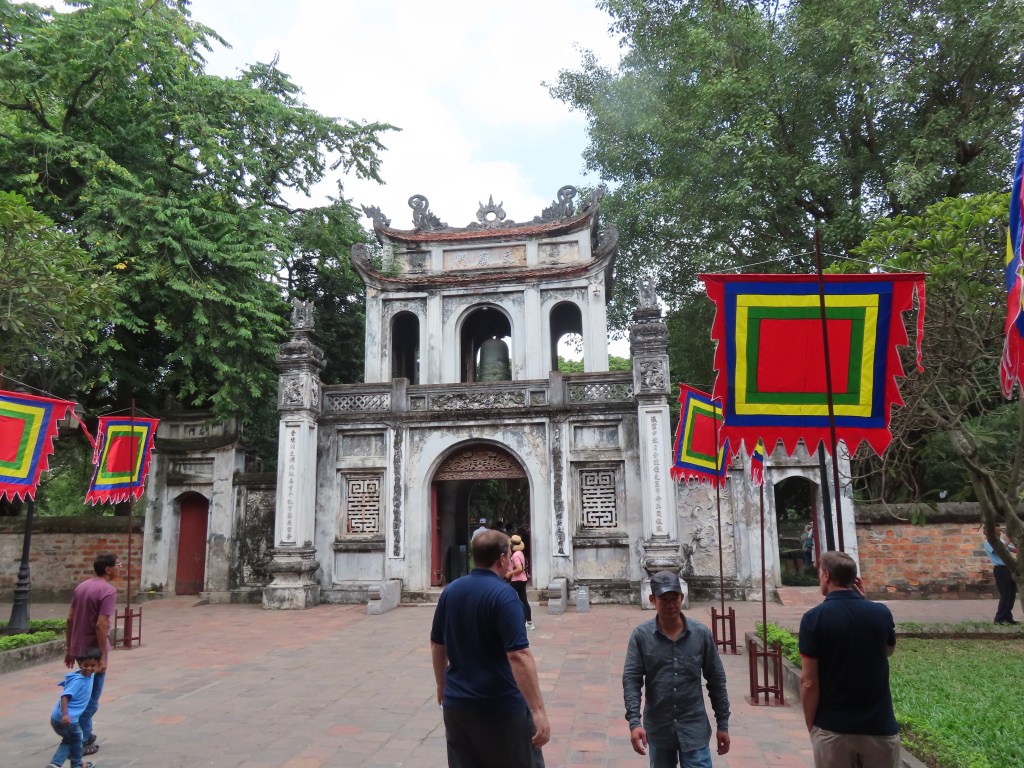
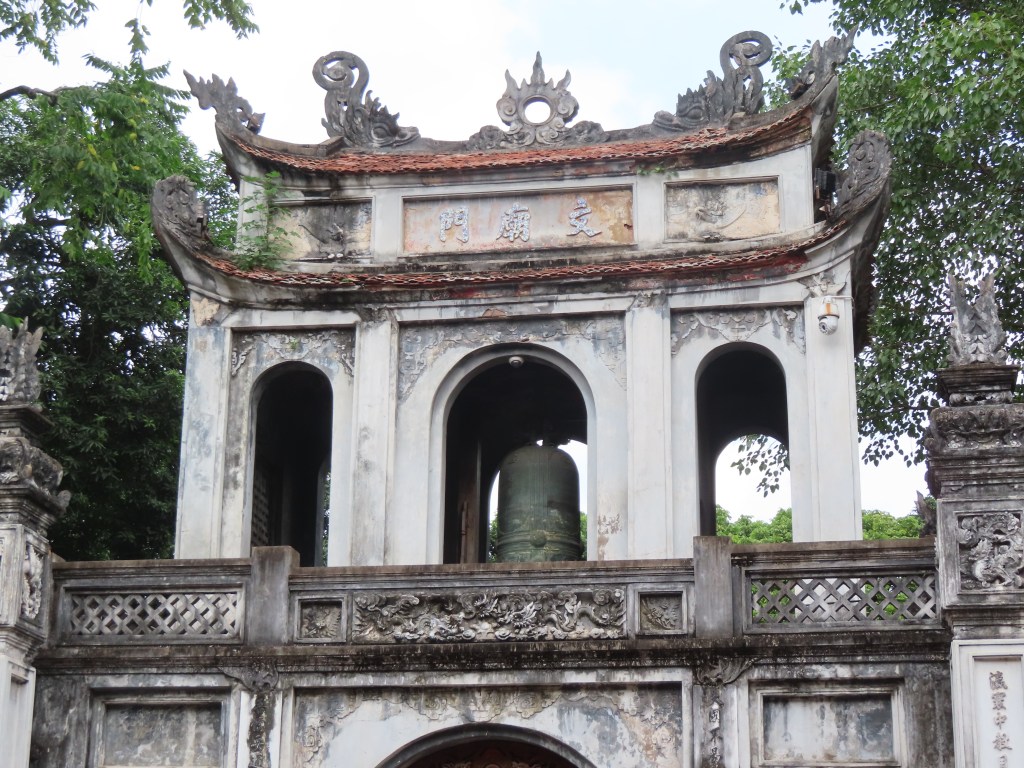
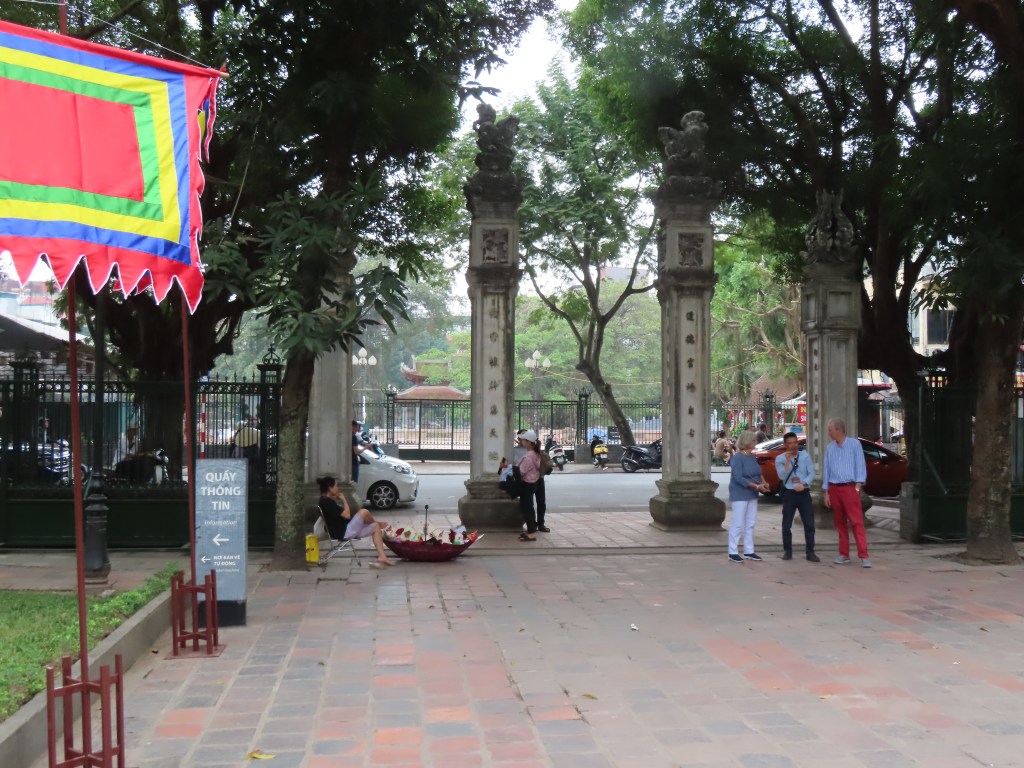
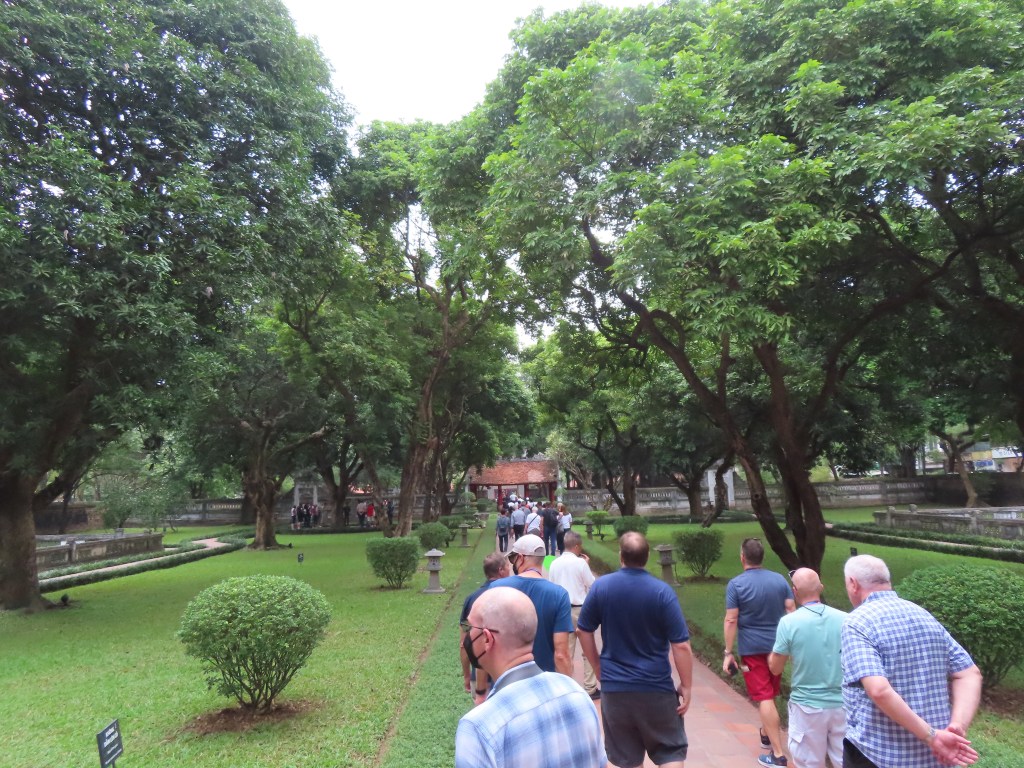
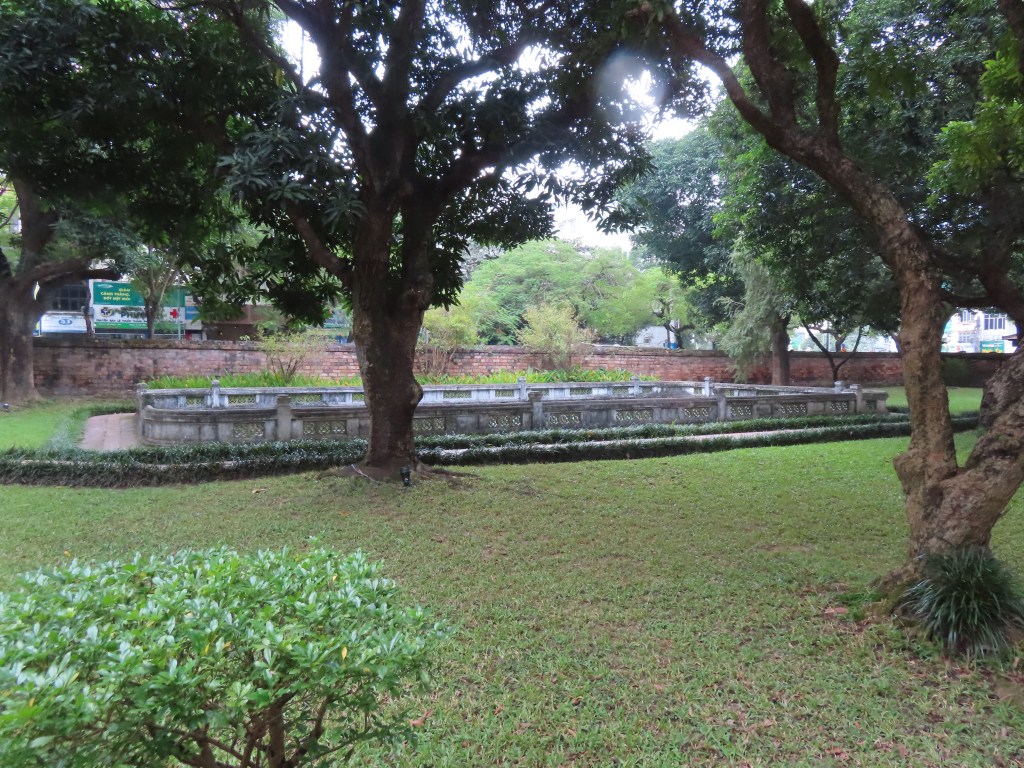
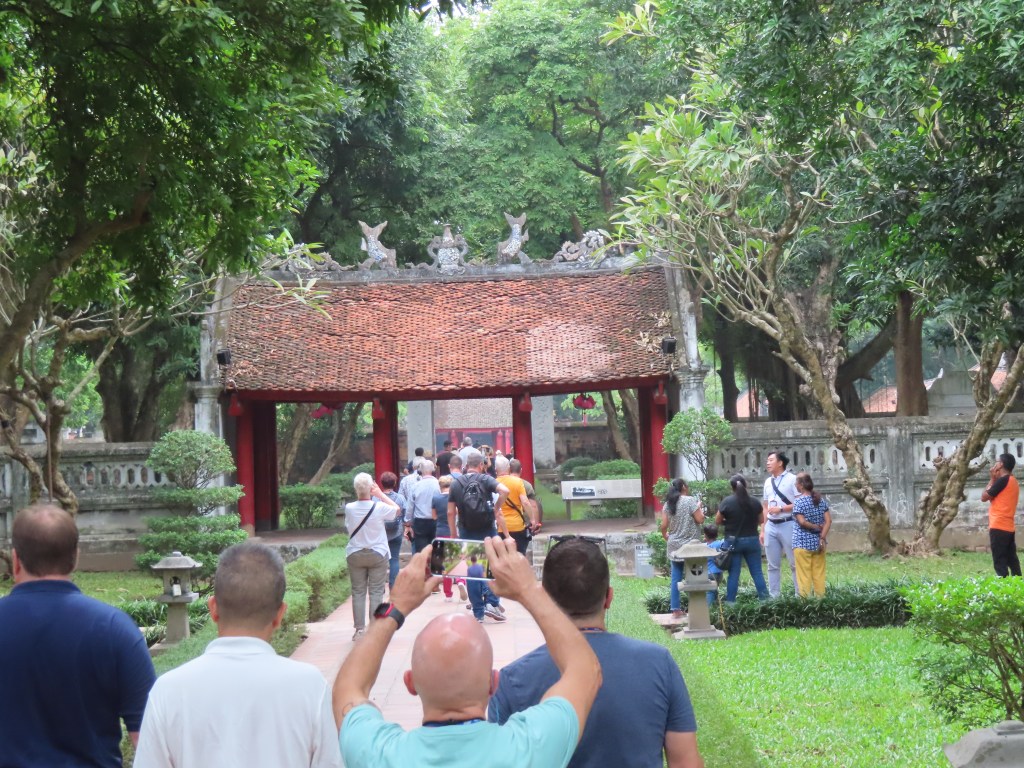
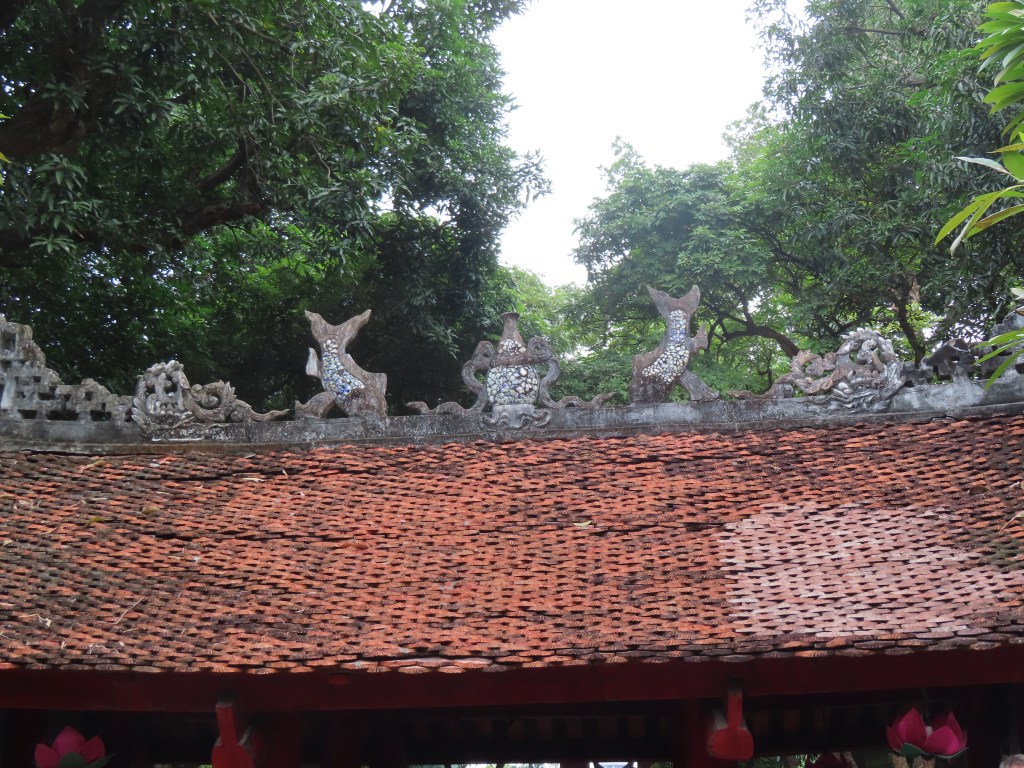
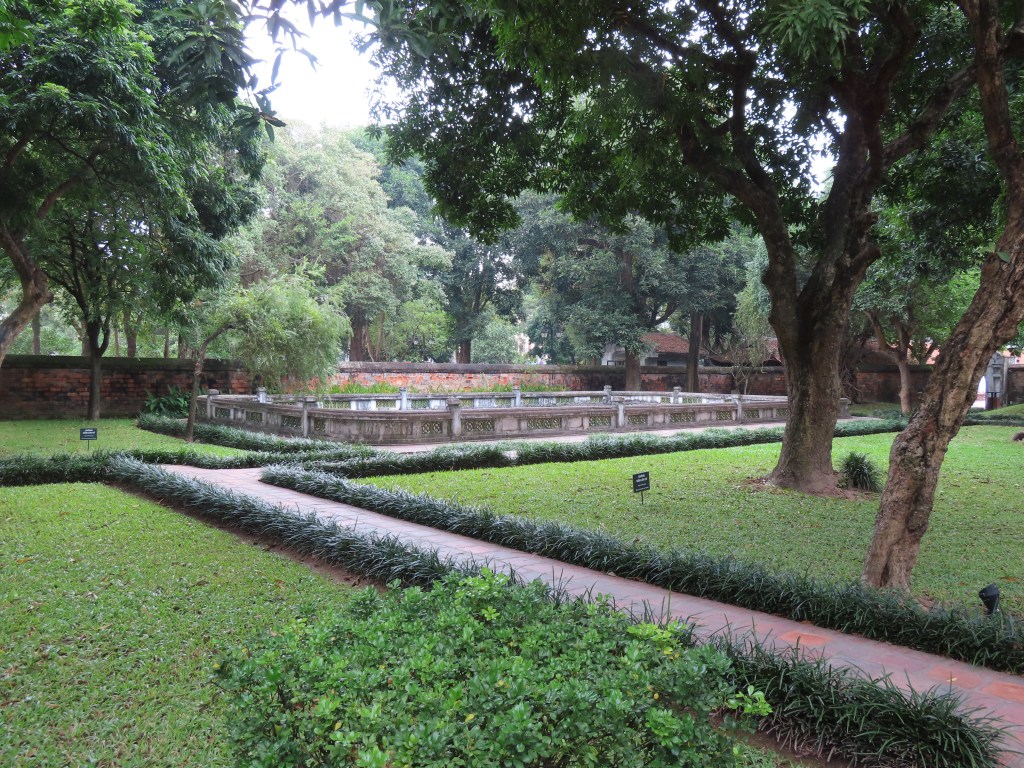
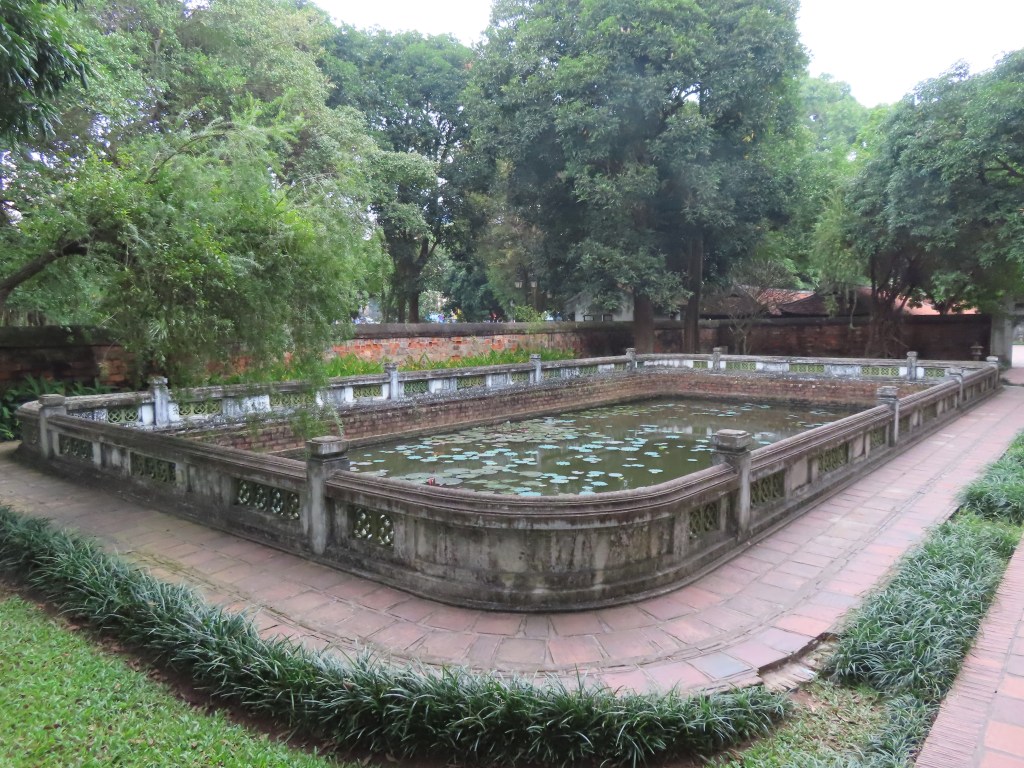
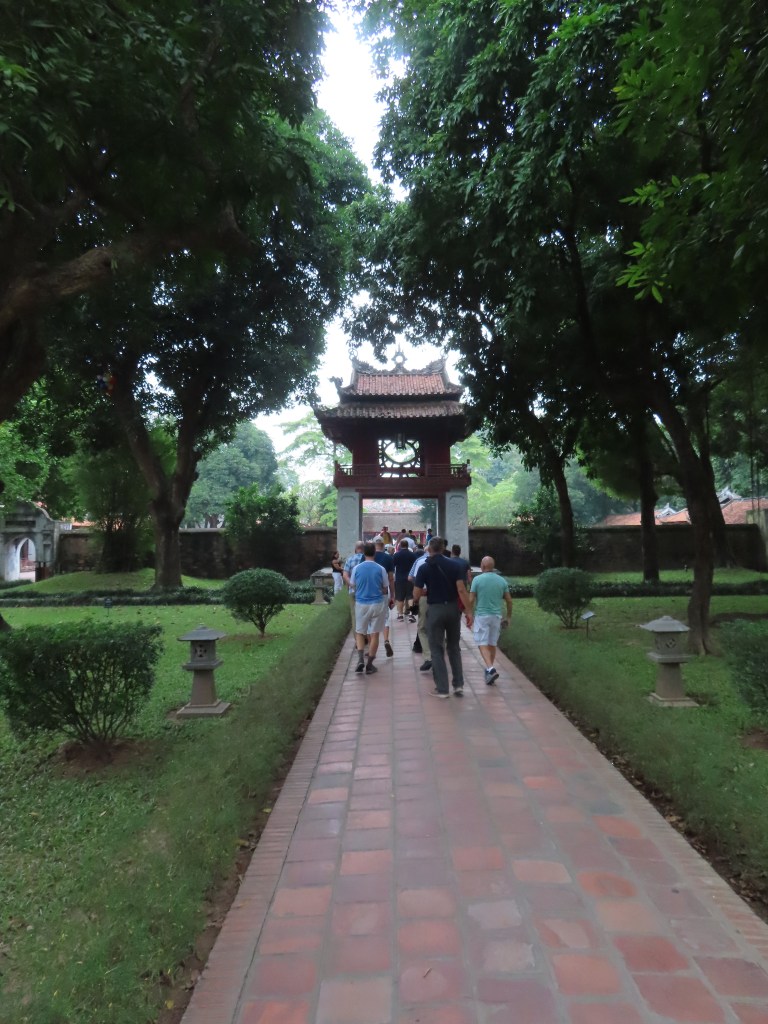
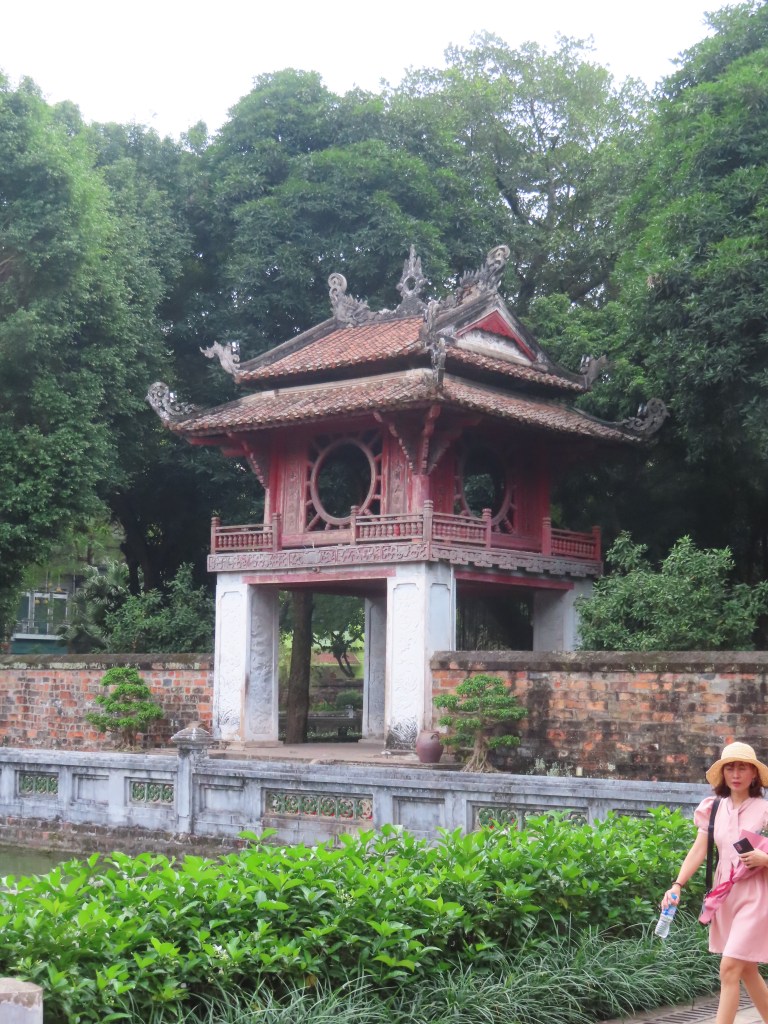
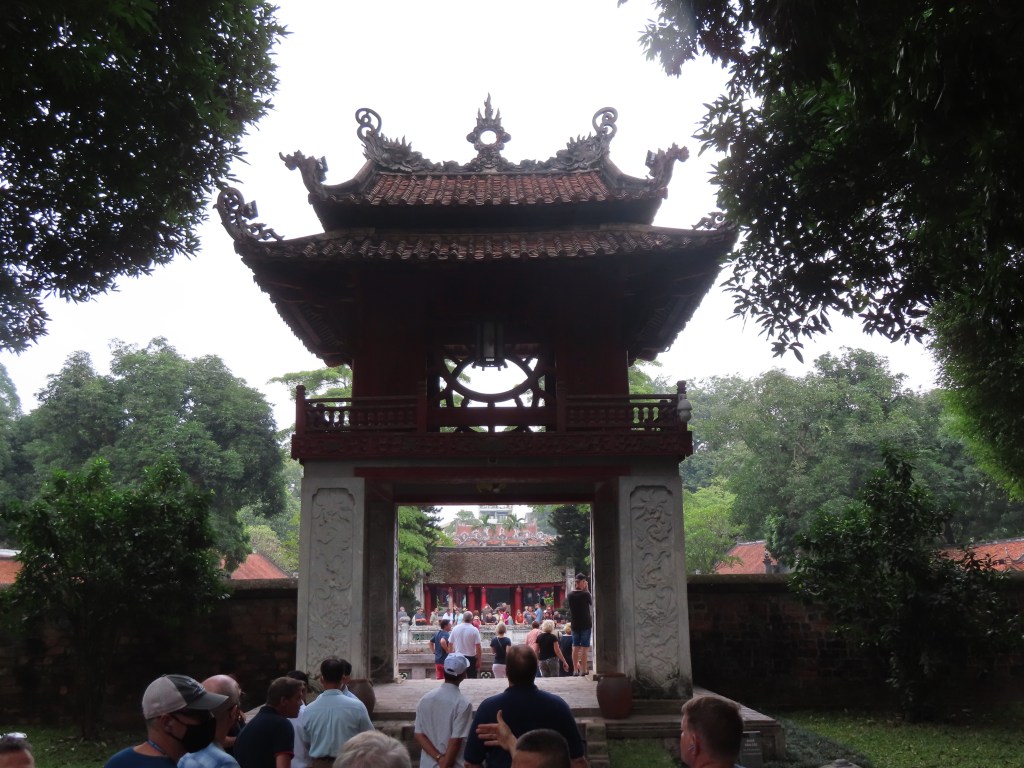
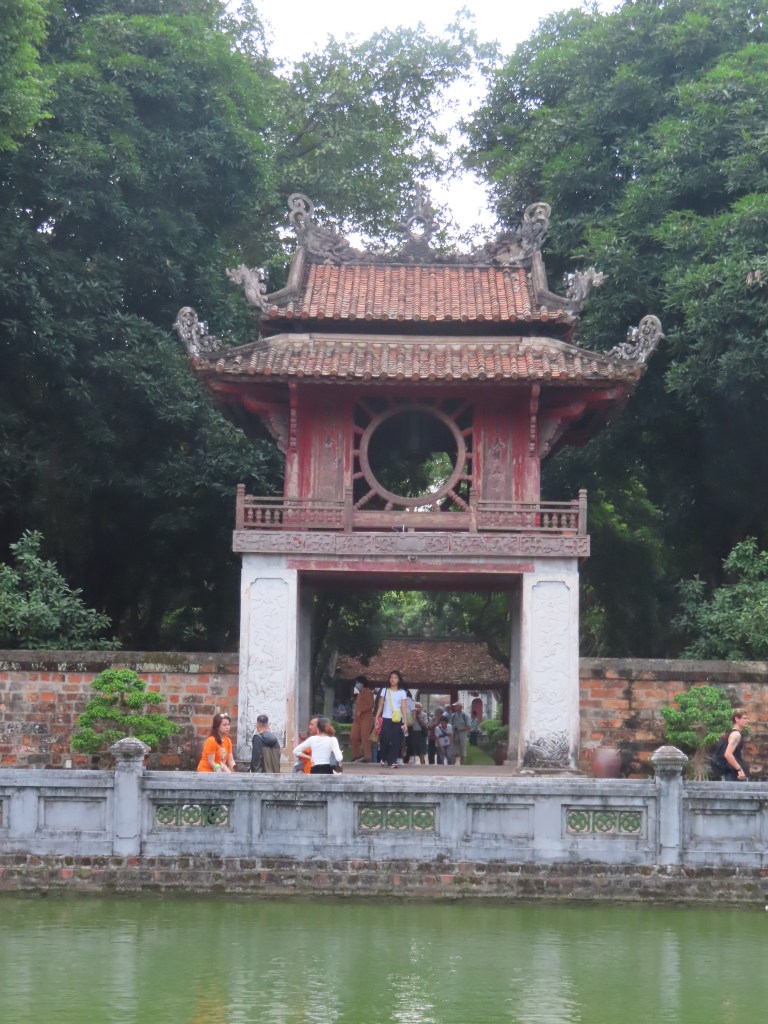
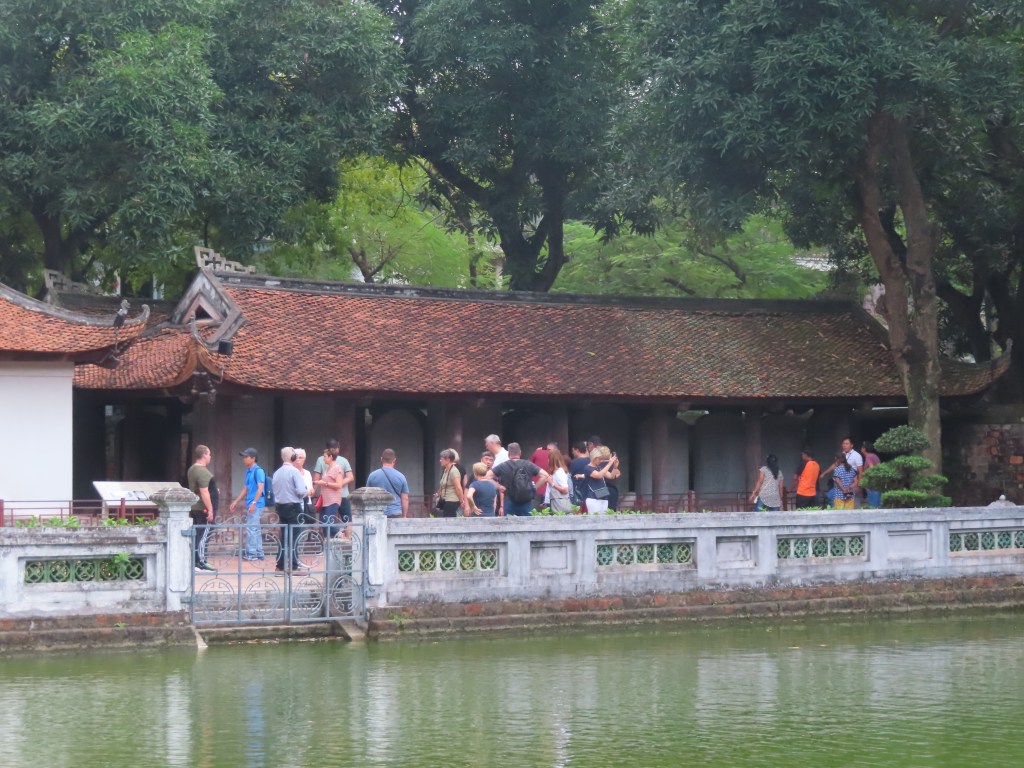
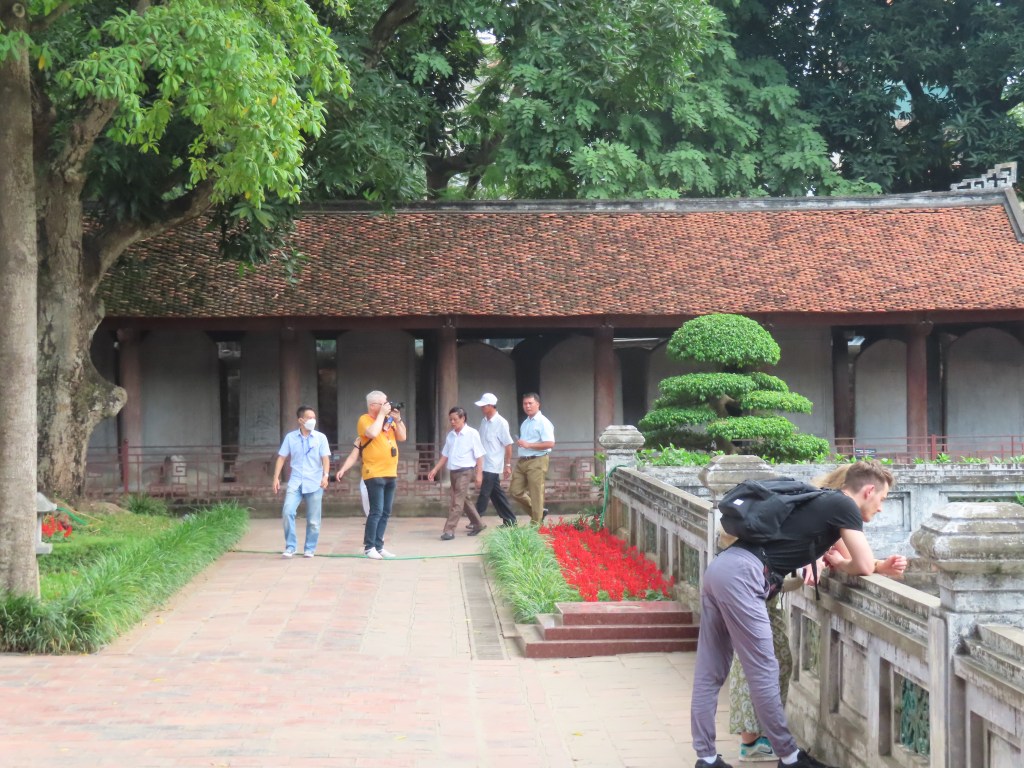
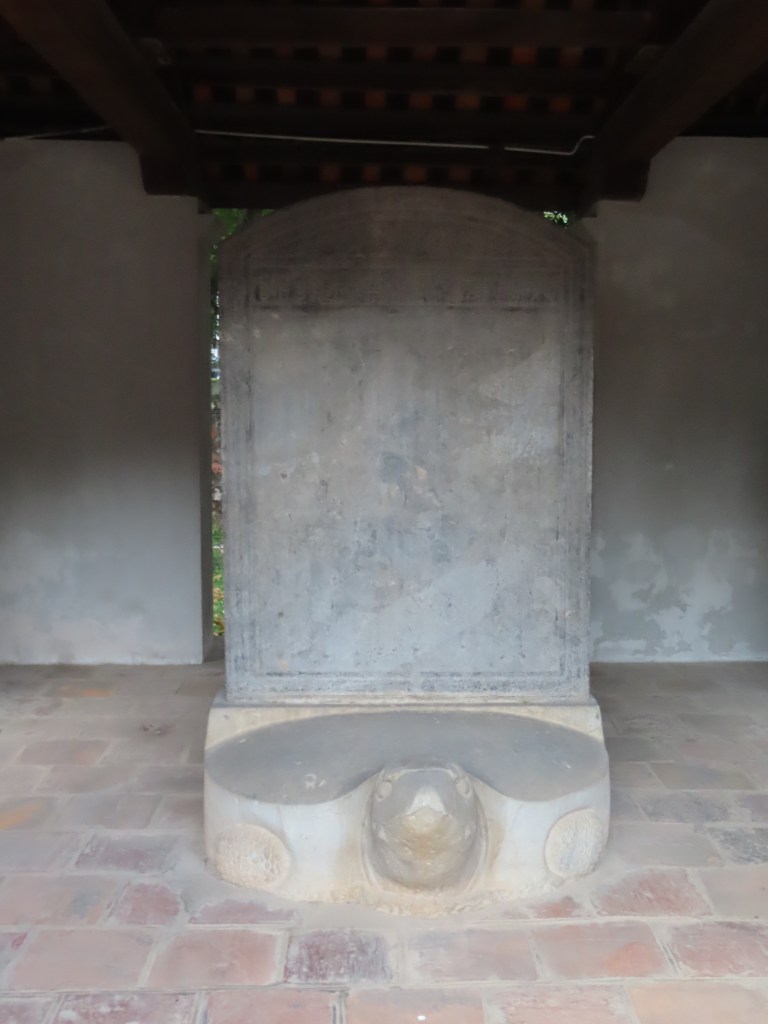
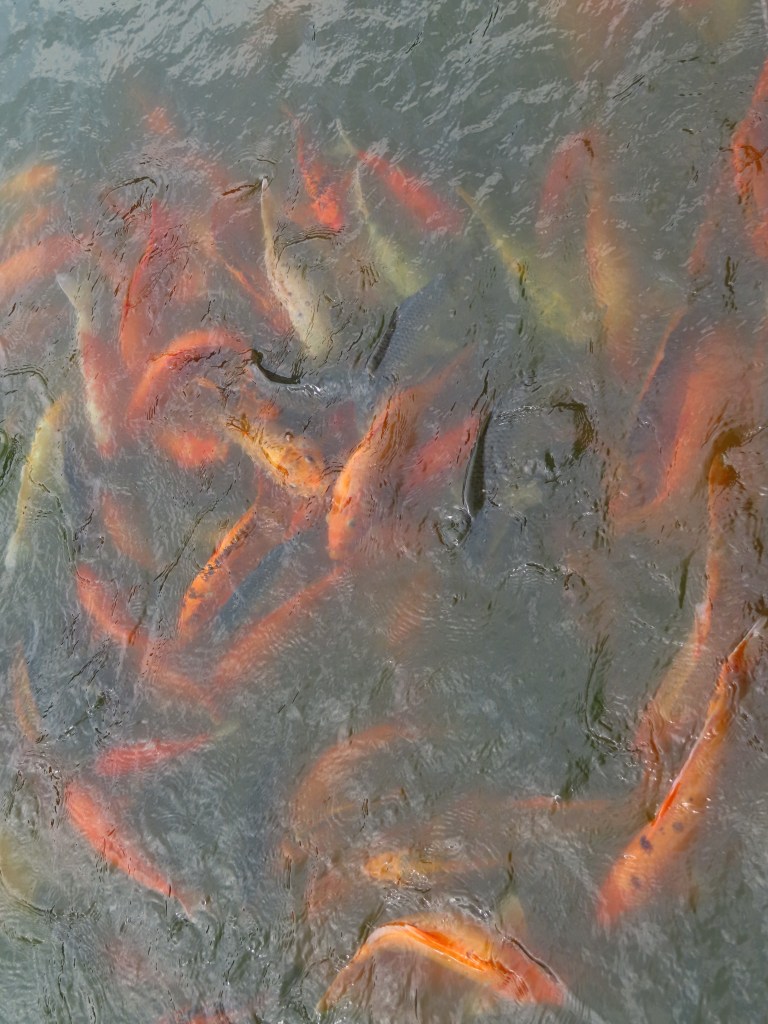
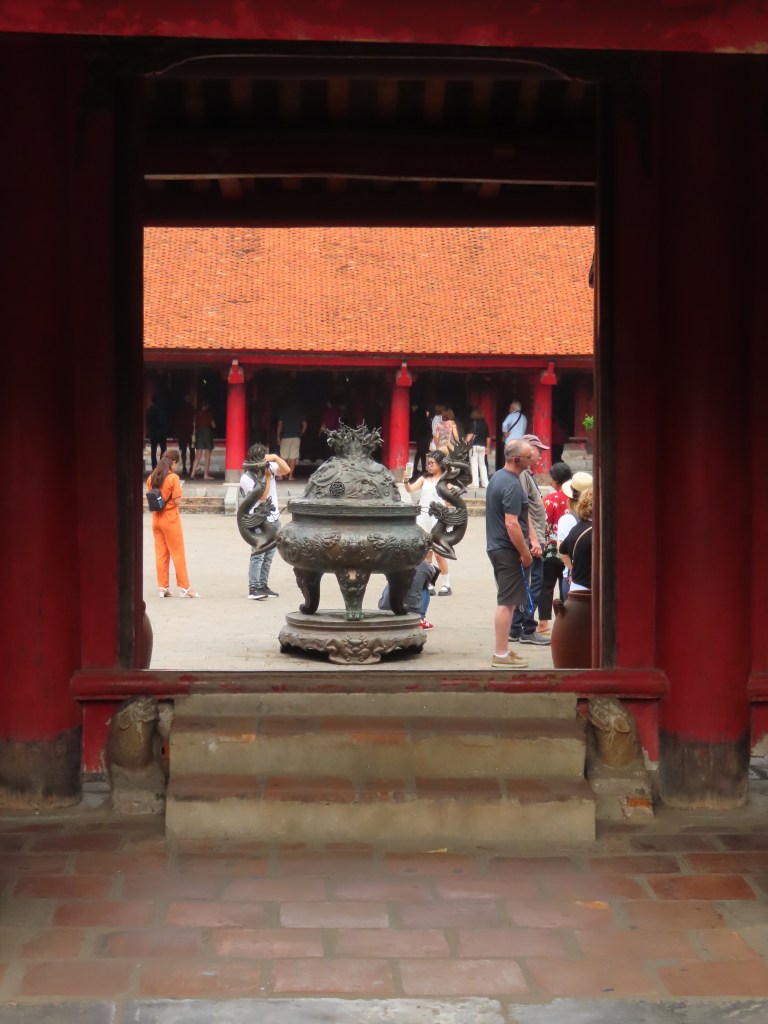
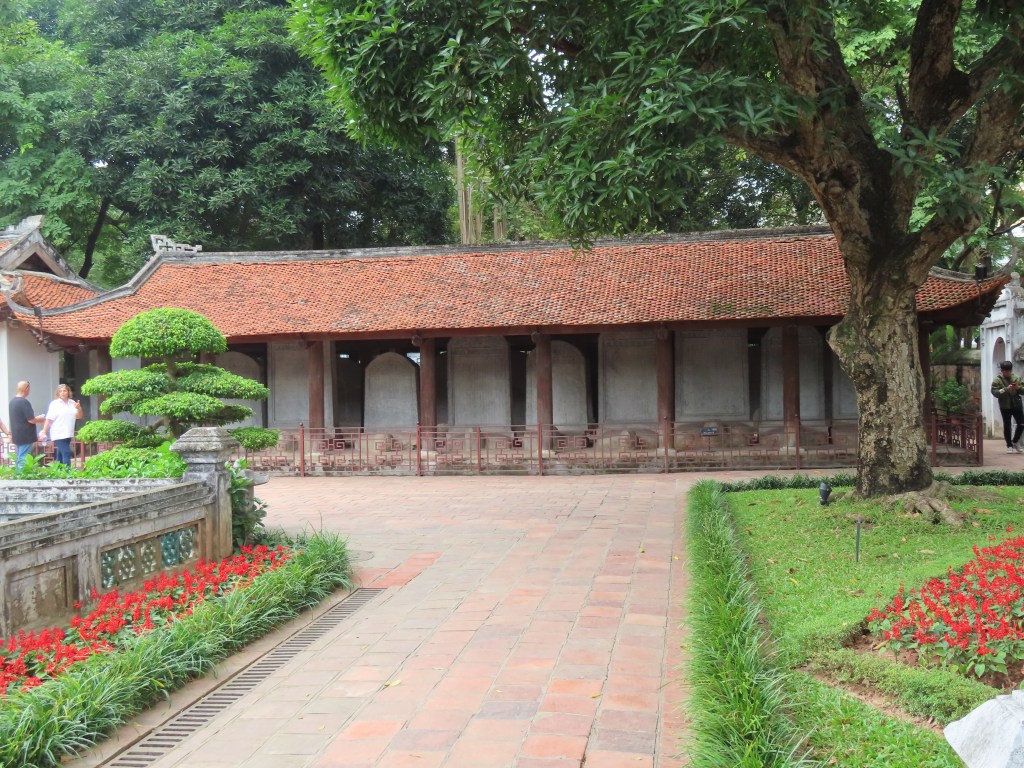
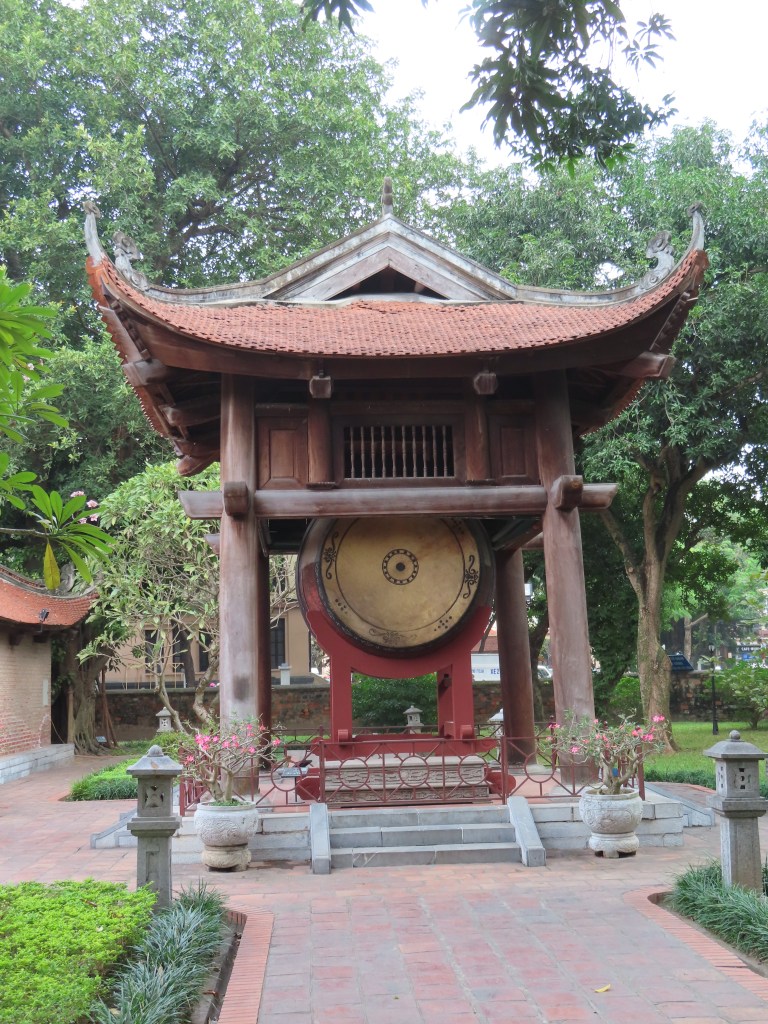
Temple of Literature, built in 1070 and dedicated to Confucius, sages, and scholars.





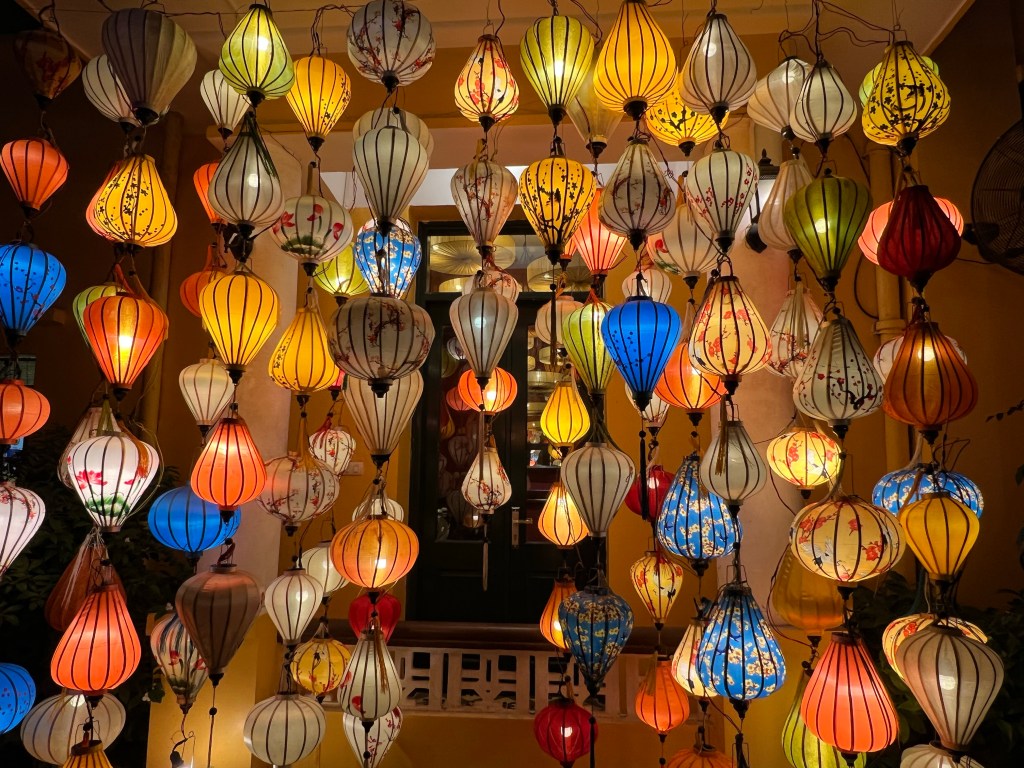
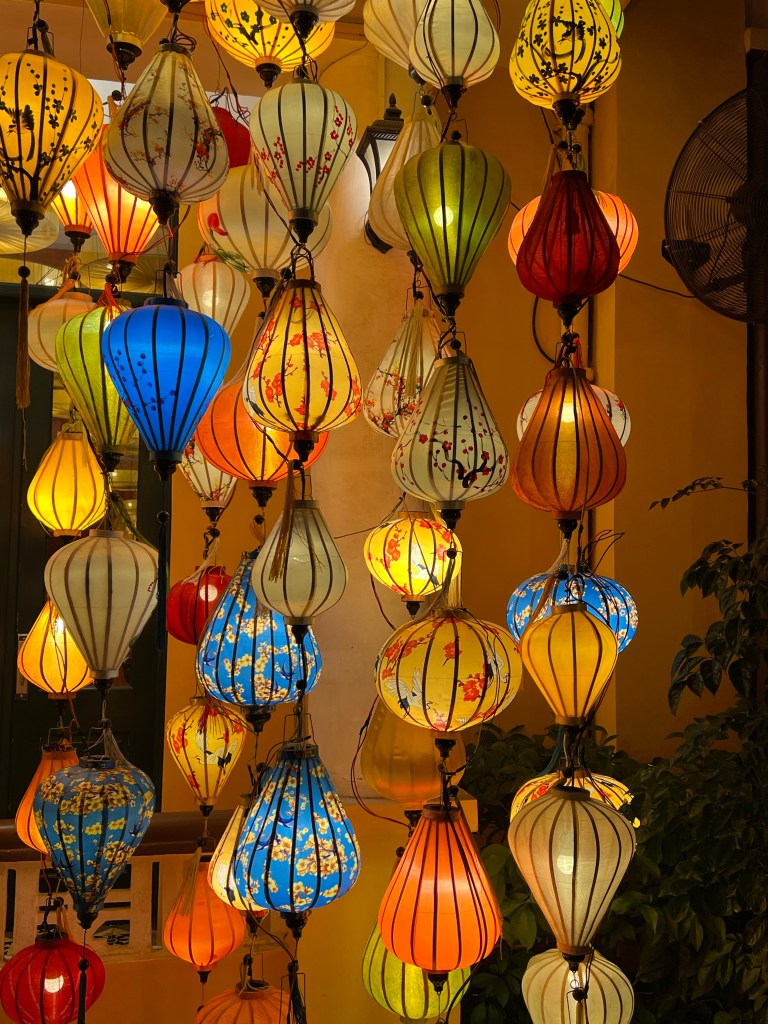
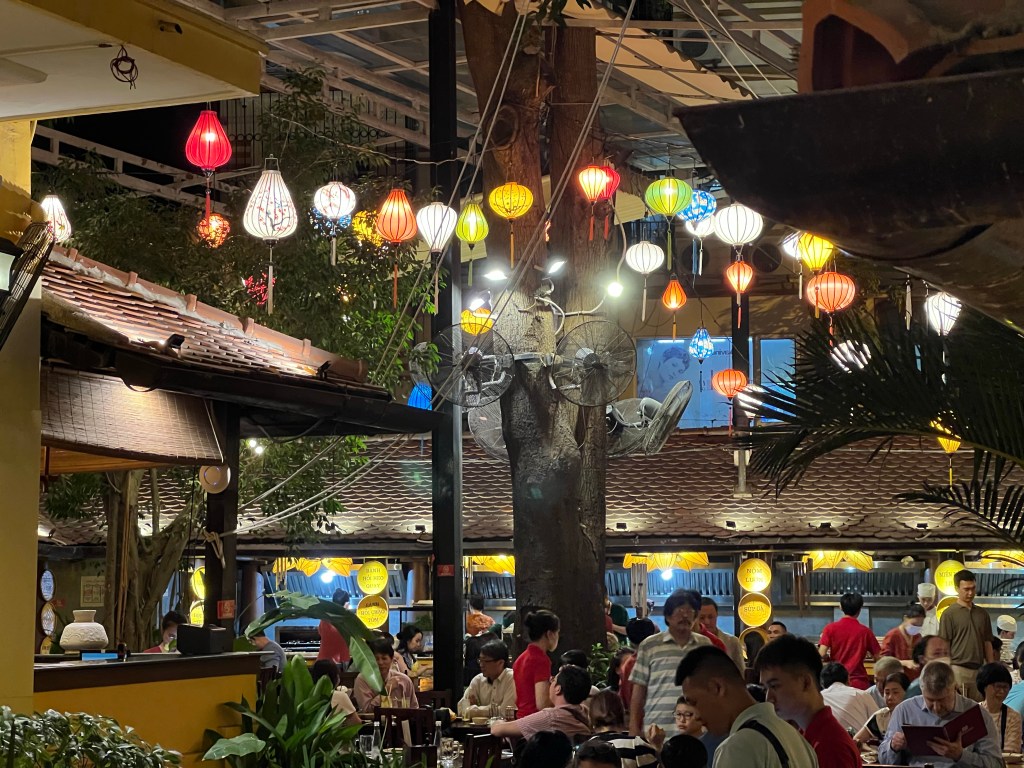
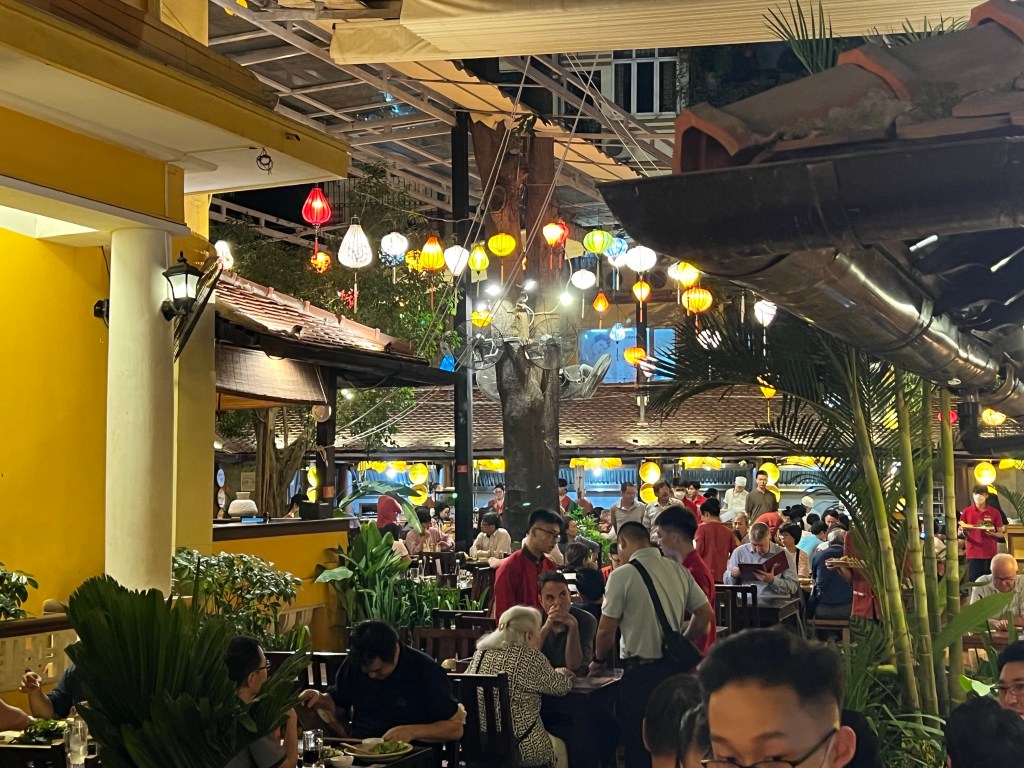
We were on our own for dinner tonight and we ate at a local restaurant .
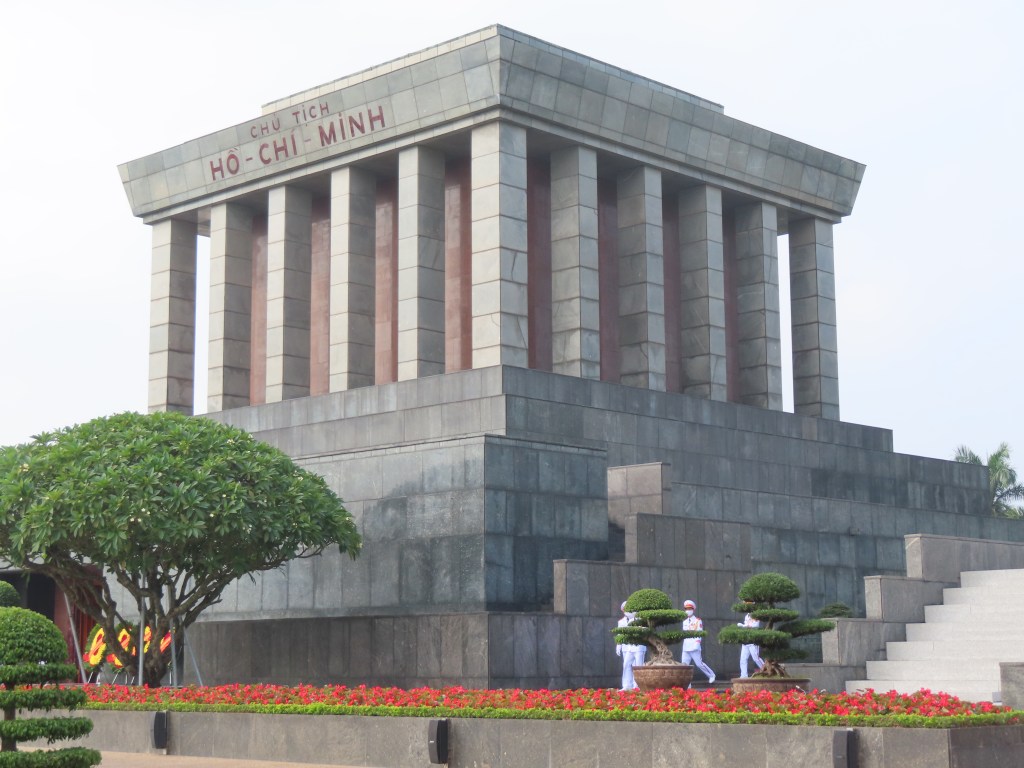
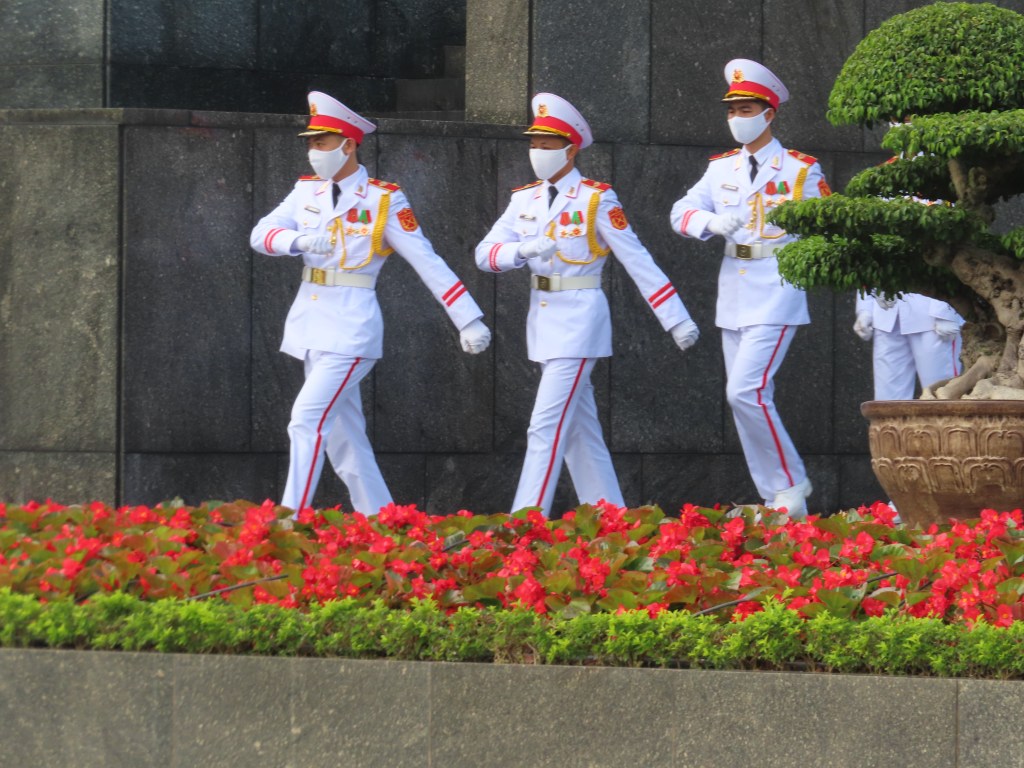
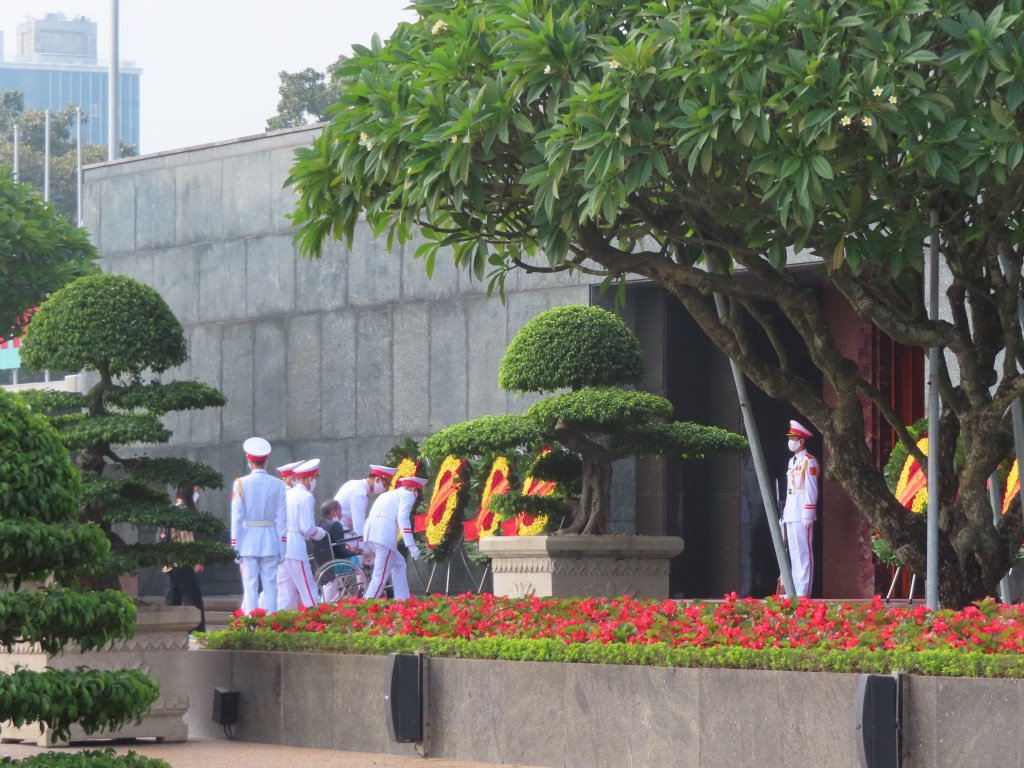
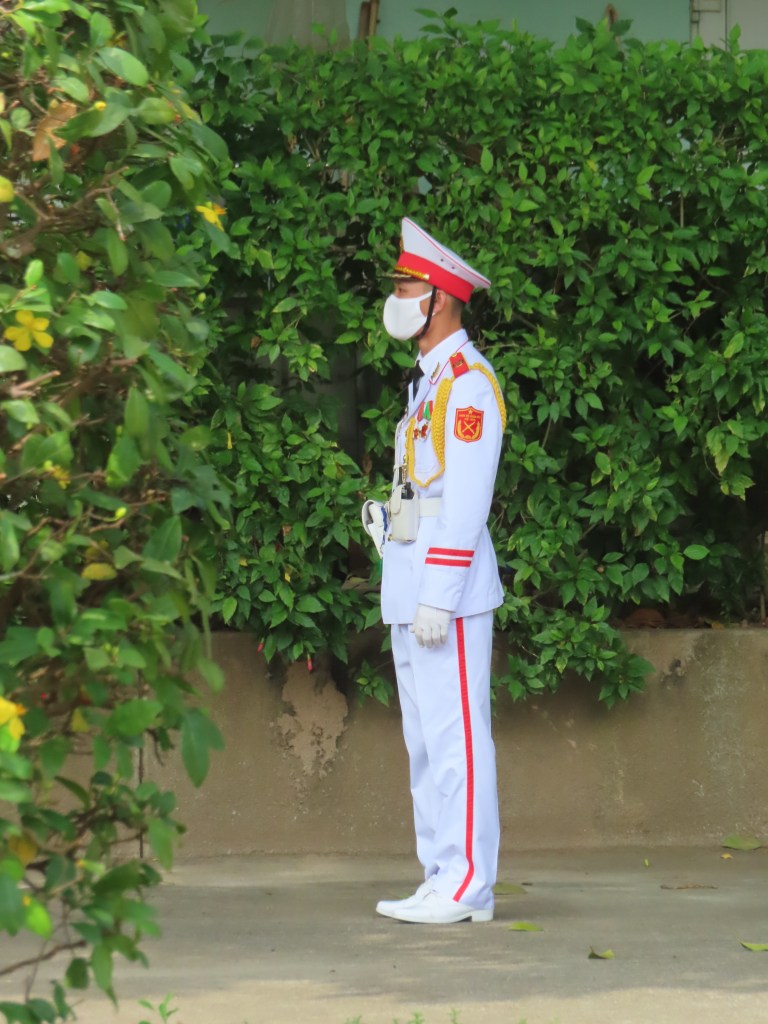
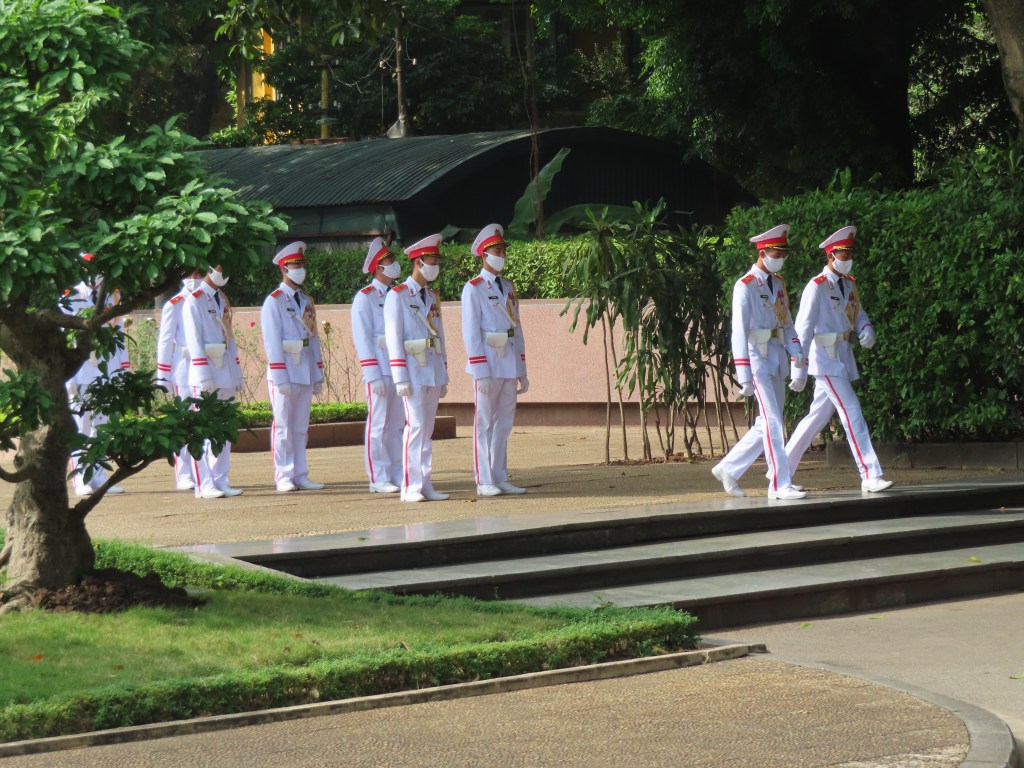
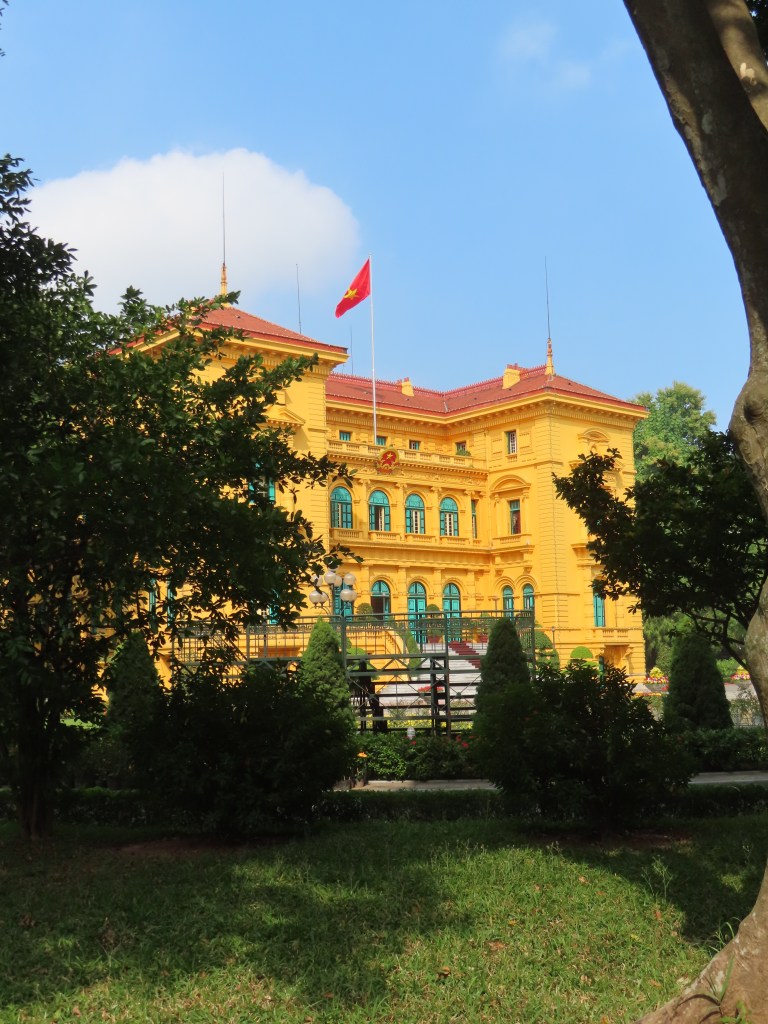
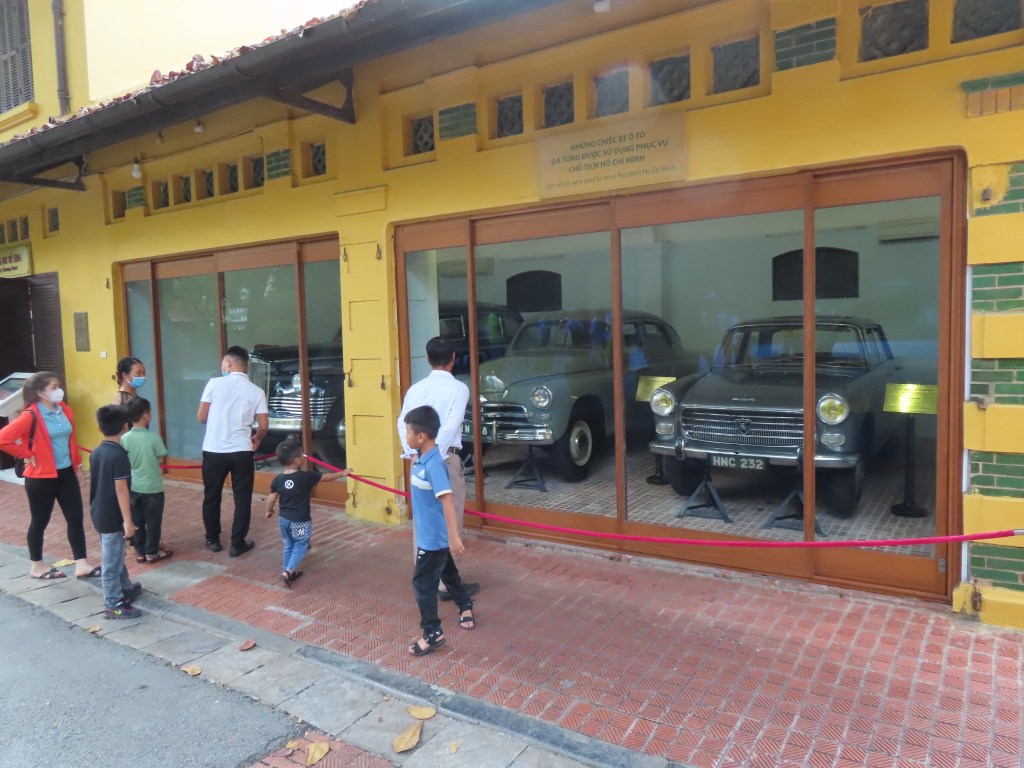
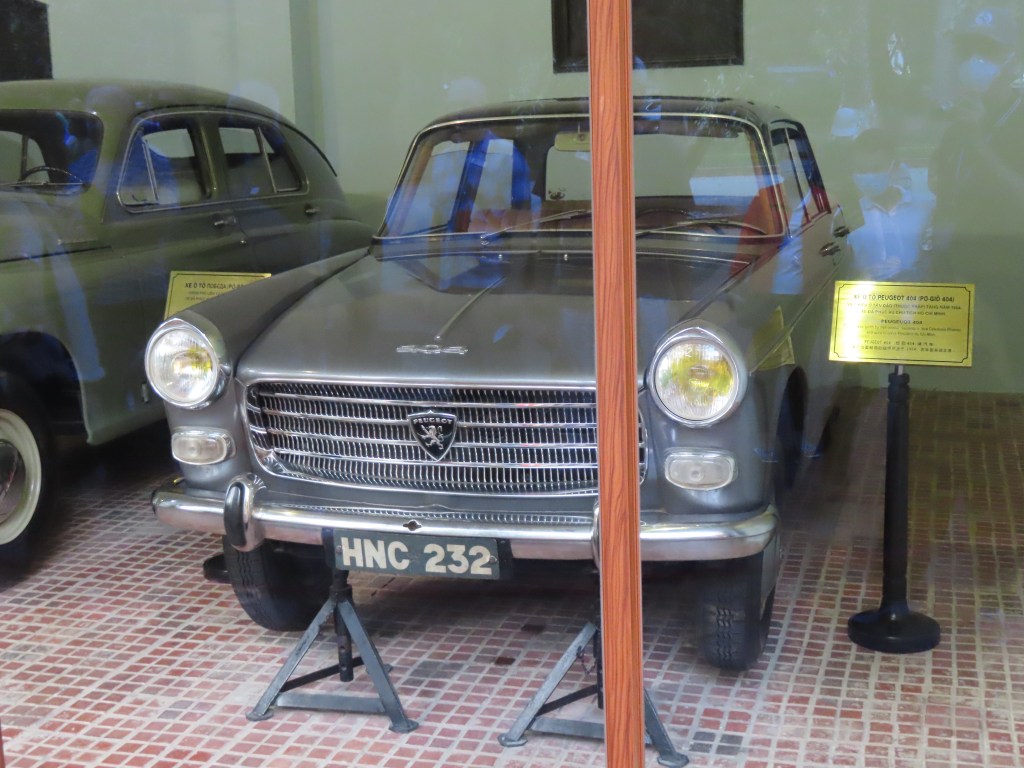
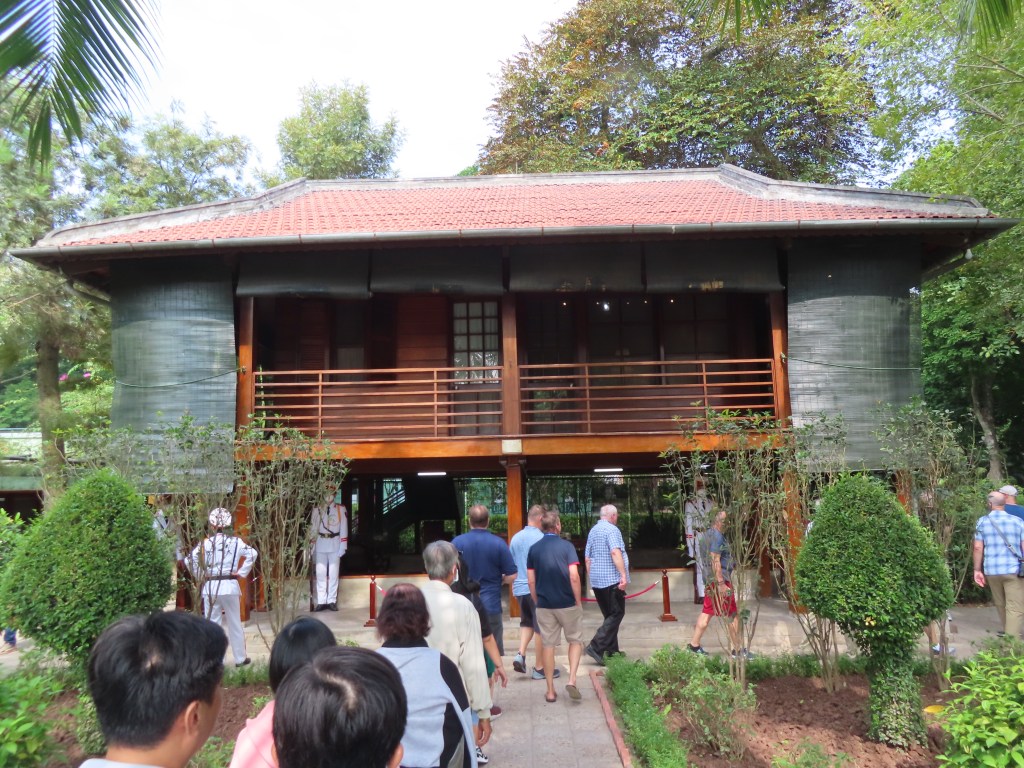
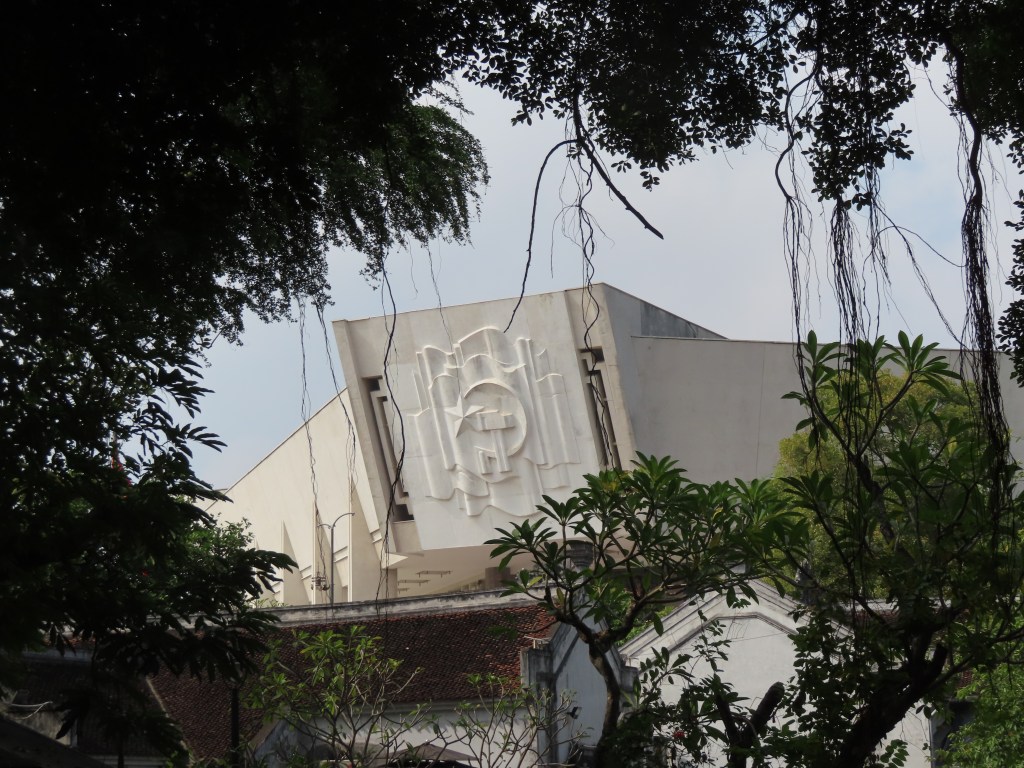
Today’s tour started with a trip to visit Ho Chi Minh’s tomb.
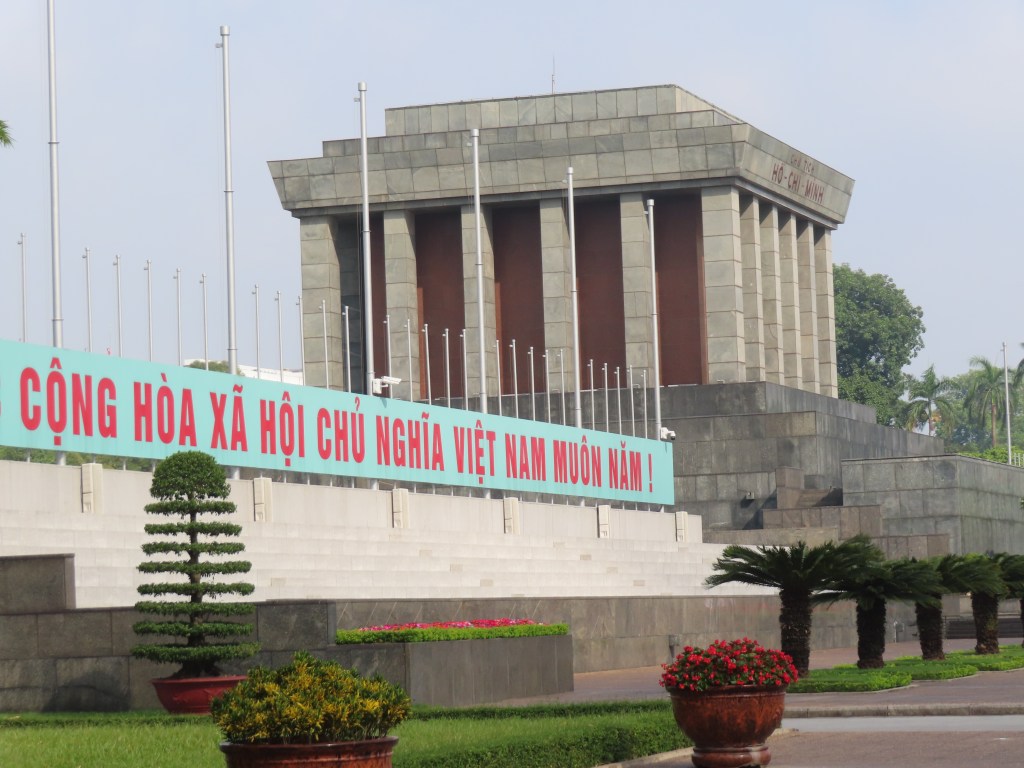

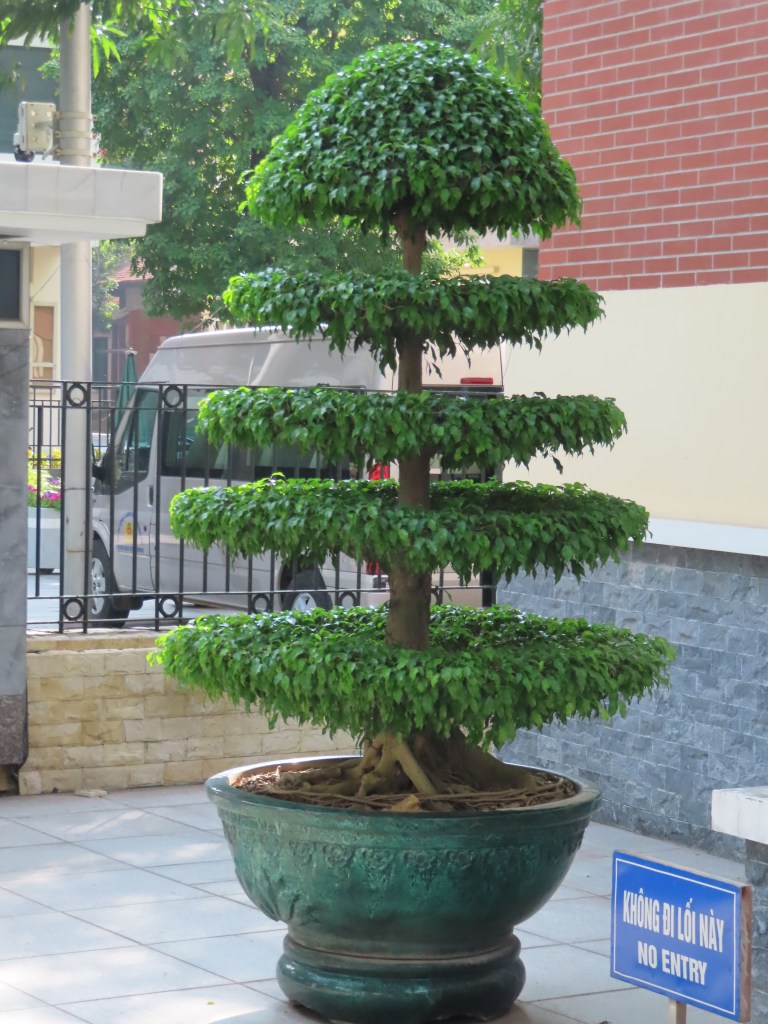
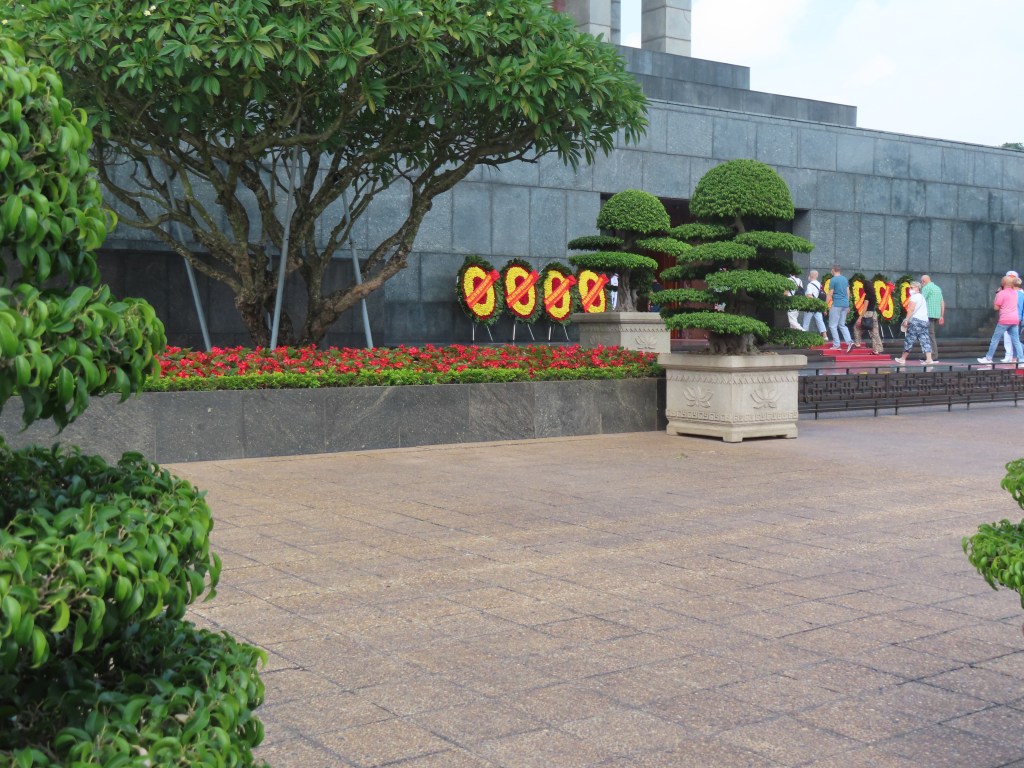
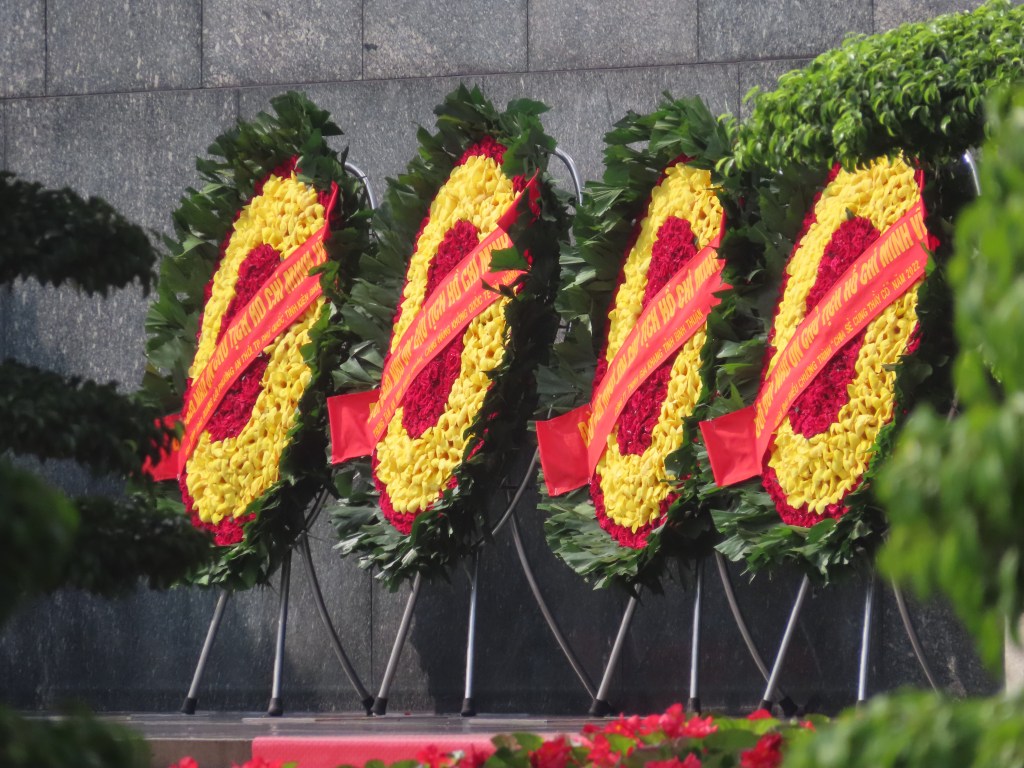









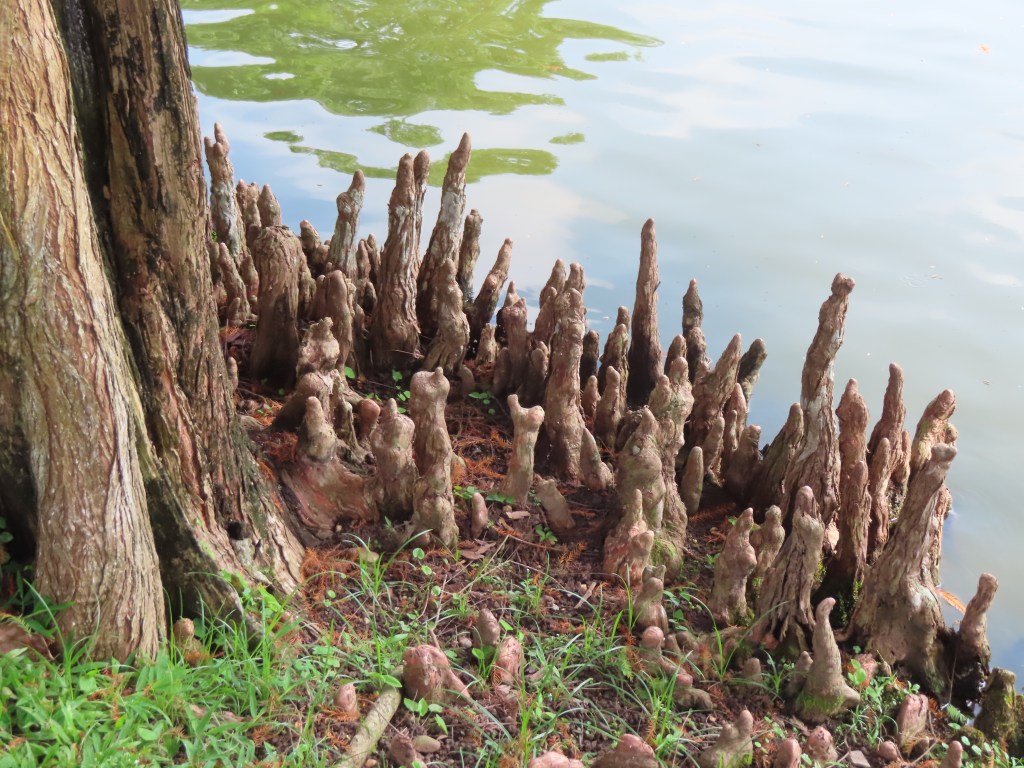



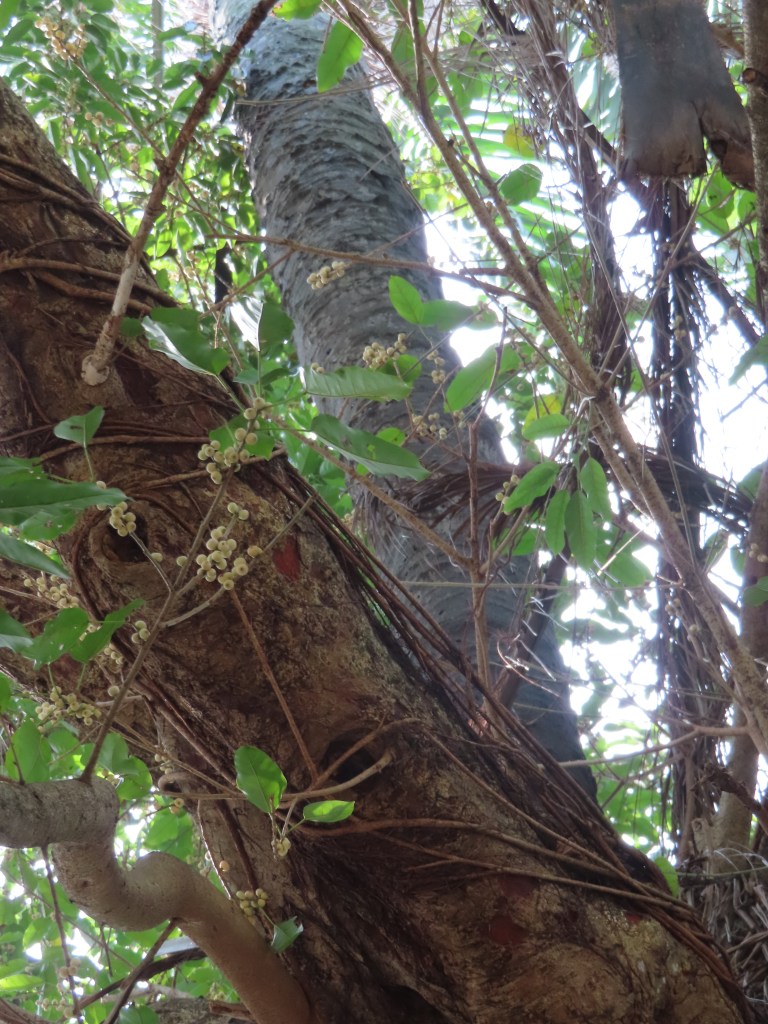
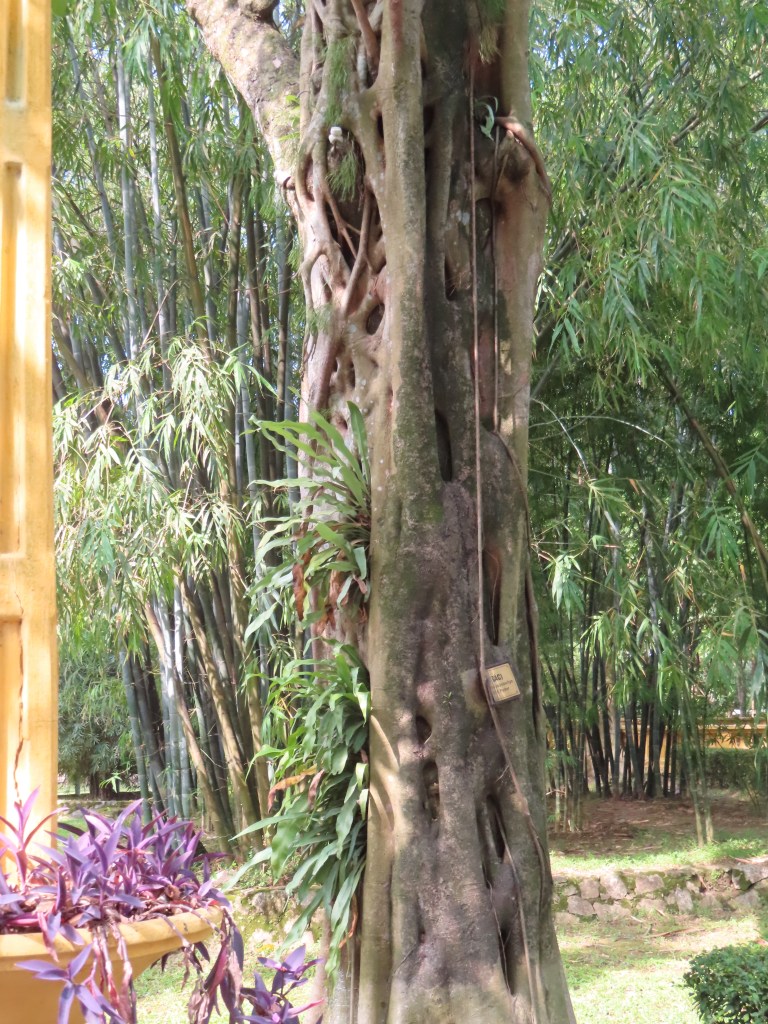
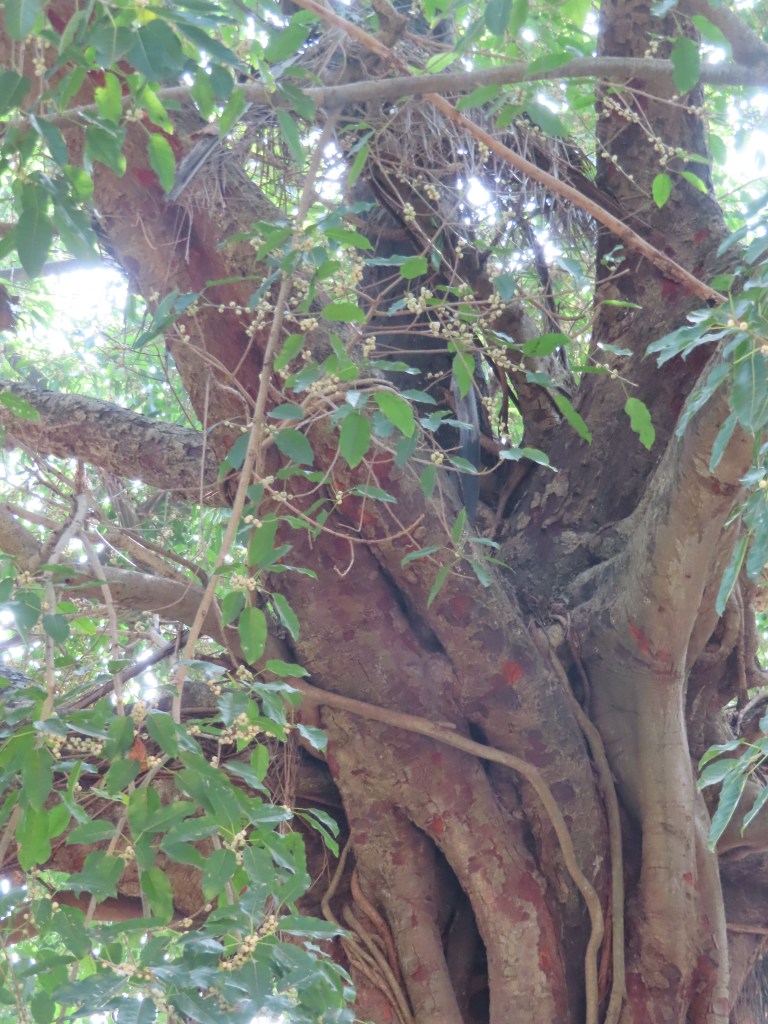
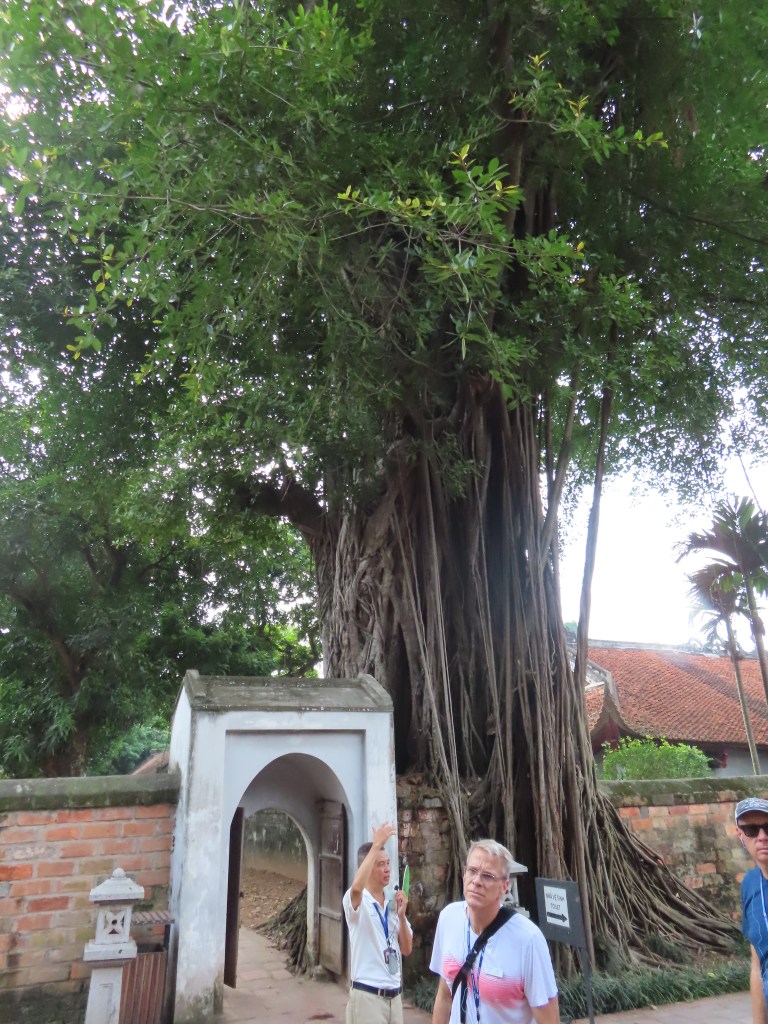
Strangler Fig is the generic name for an unrelated group of trees and vines that germinate in crevices of trees. As they grow toward the sun, their roots grow down surrounding the host tree. They get nourishment from the host tree that may eventually die.

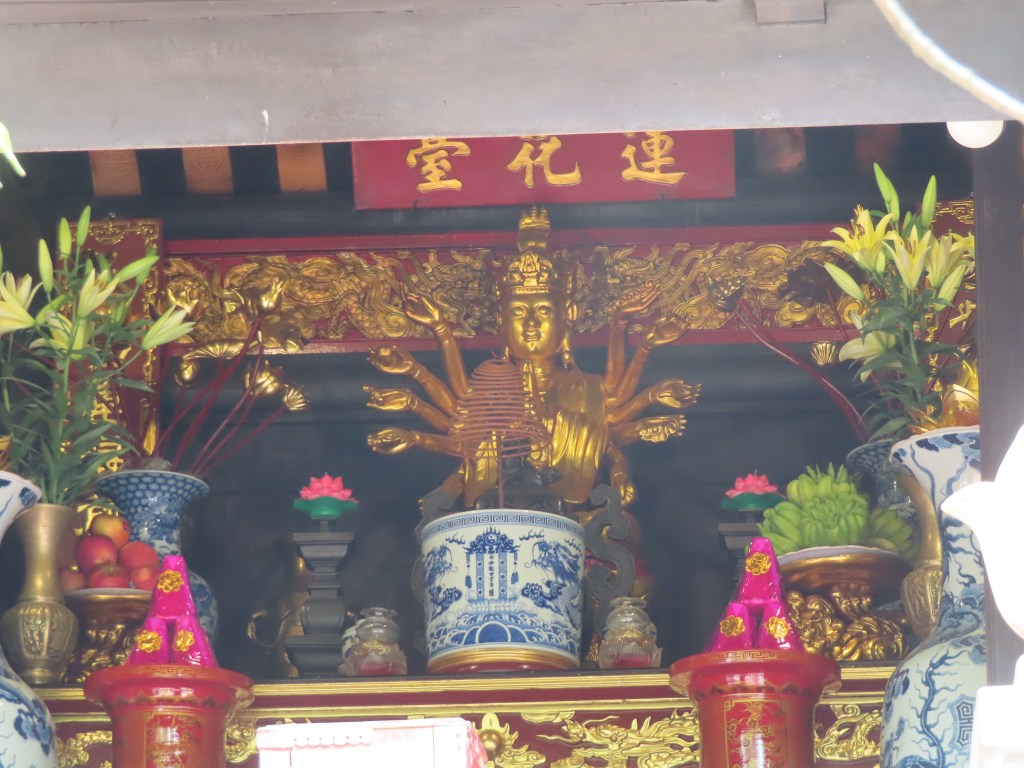
One Pillar Pagoda, completed in 1049. Emperor Lý Thái Tông dreamt that the bodhisattva Avalokiteshvara handed him a baby son while seated on a lotus flower, he married and had a son. He built the temple in gratitude. It became a temple of fertility. It was rebuilt in 1955 after being dynamited.



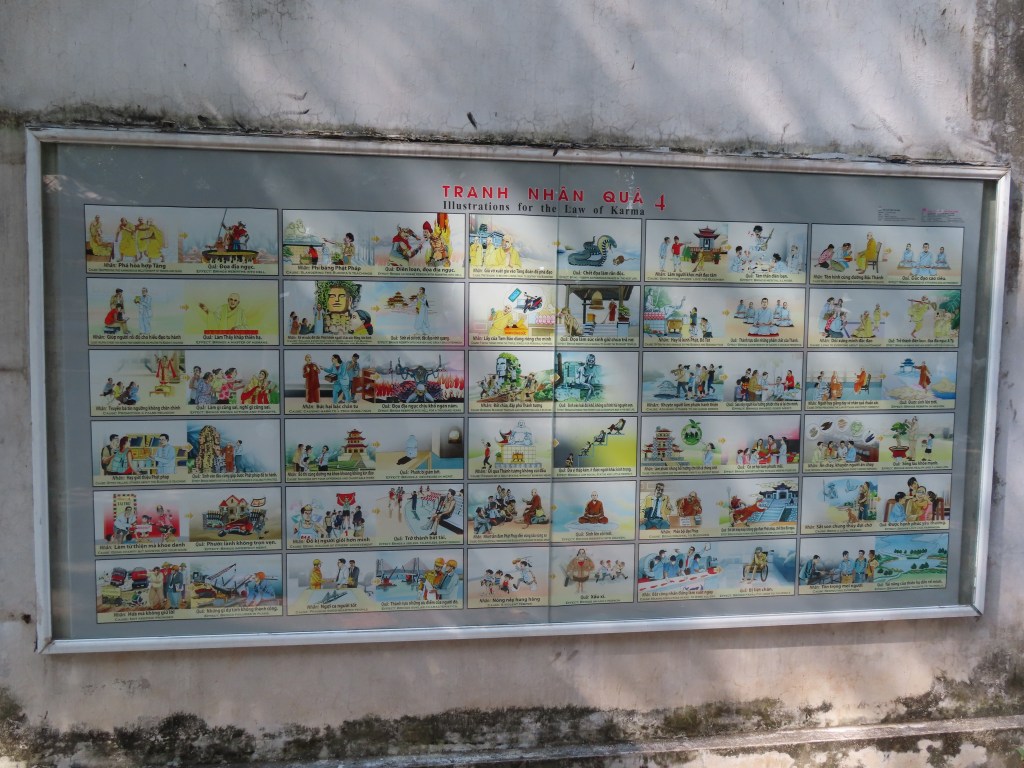

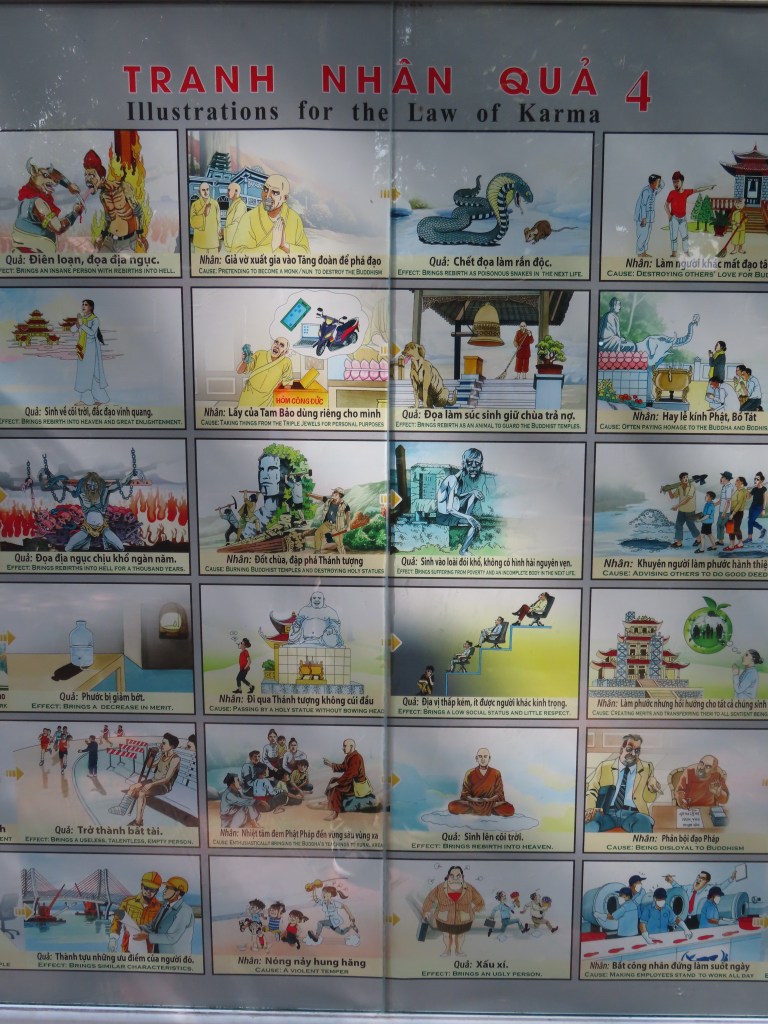
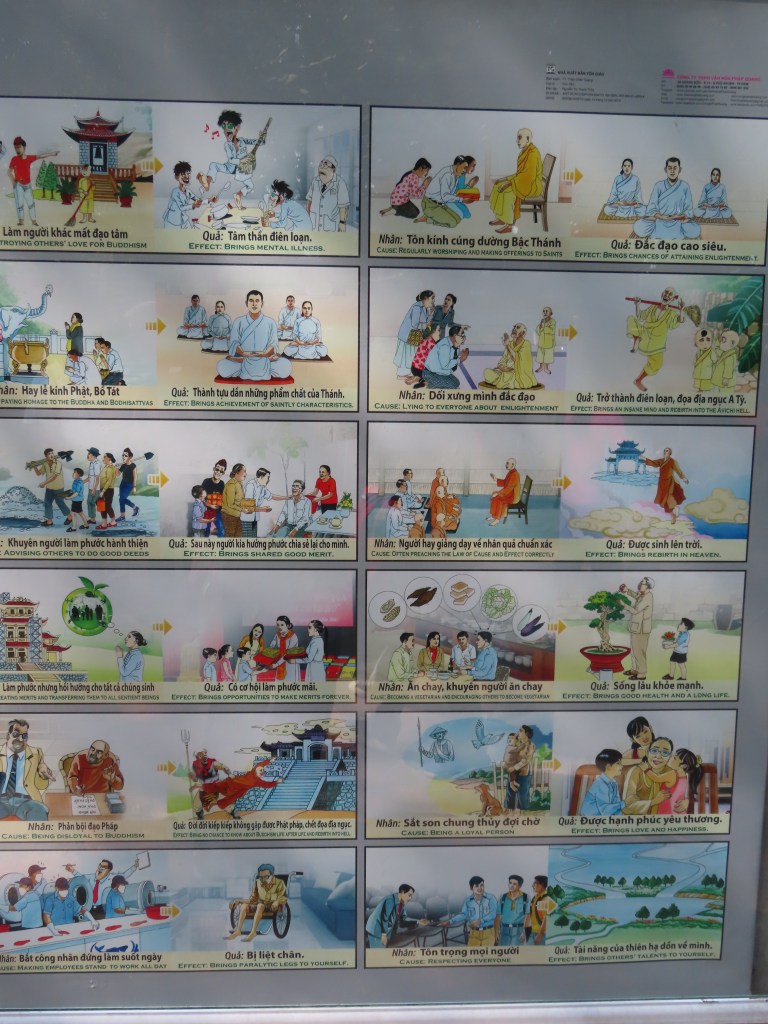
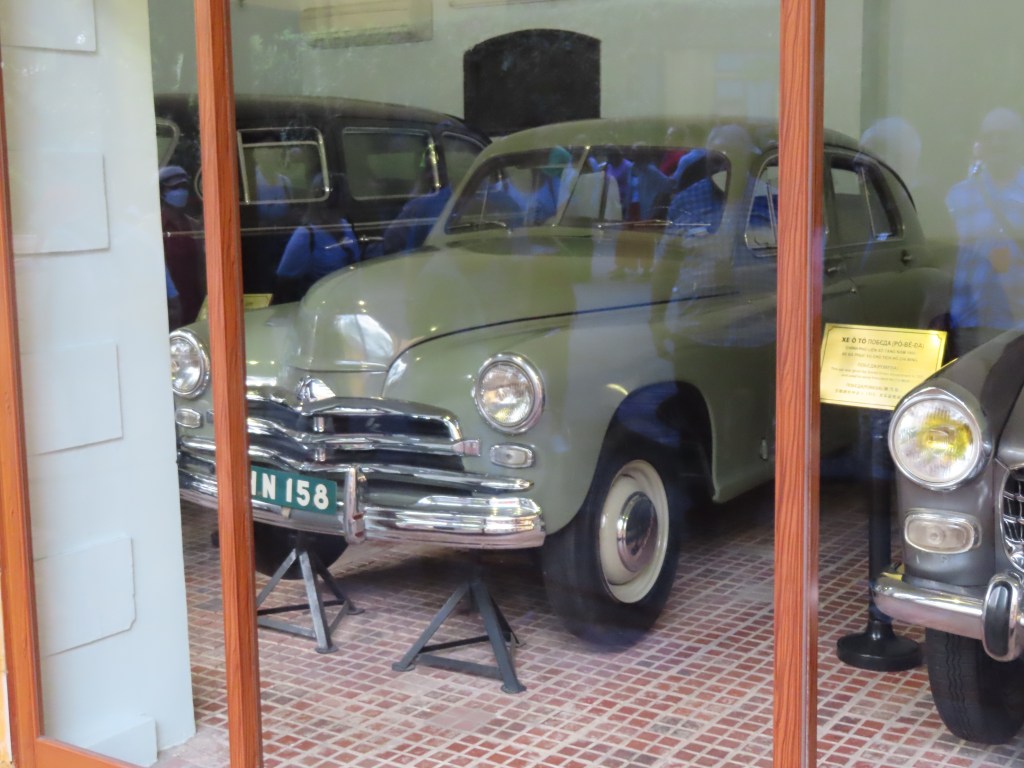
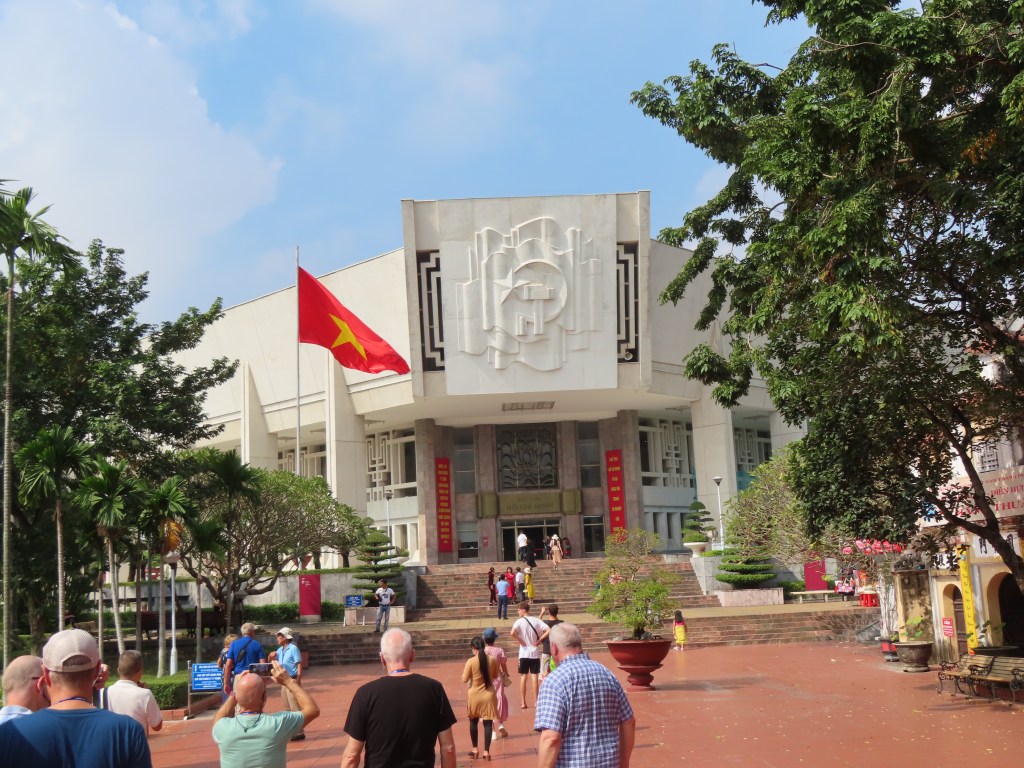
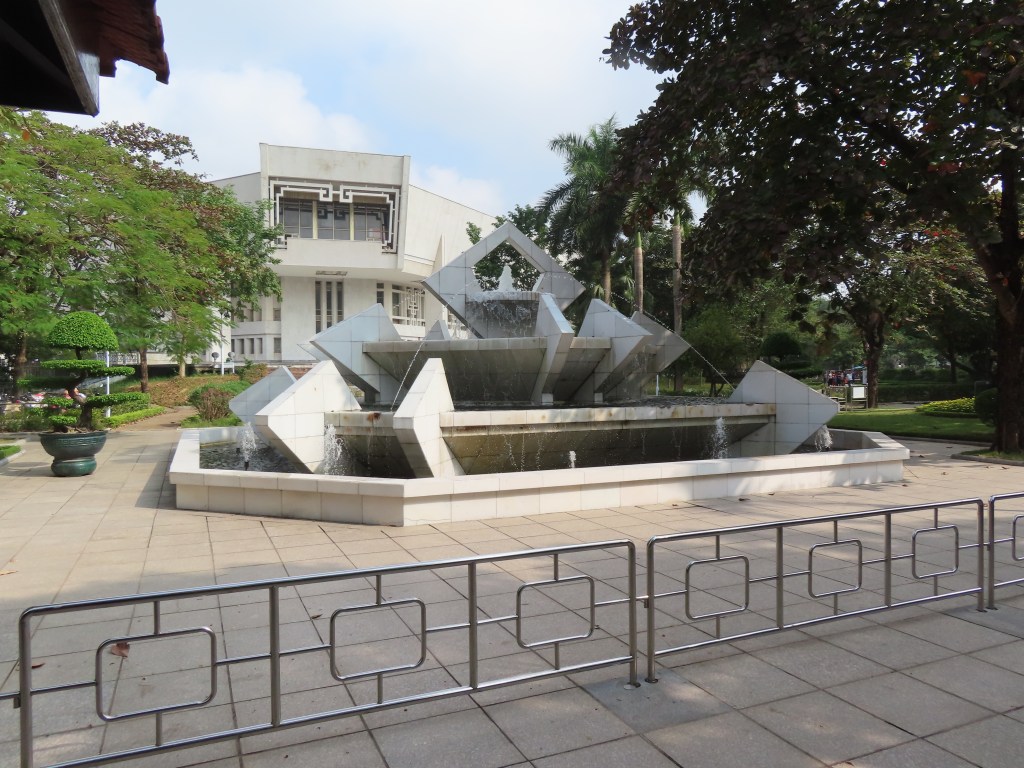
Ho Chi Minh Museum

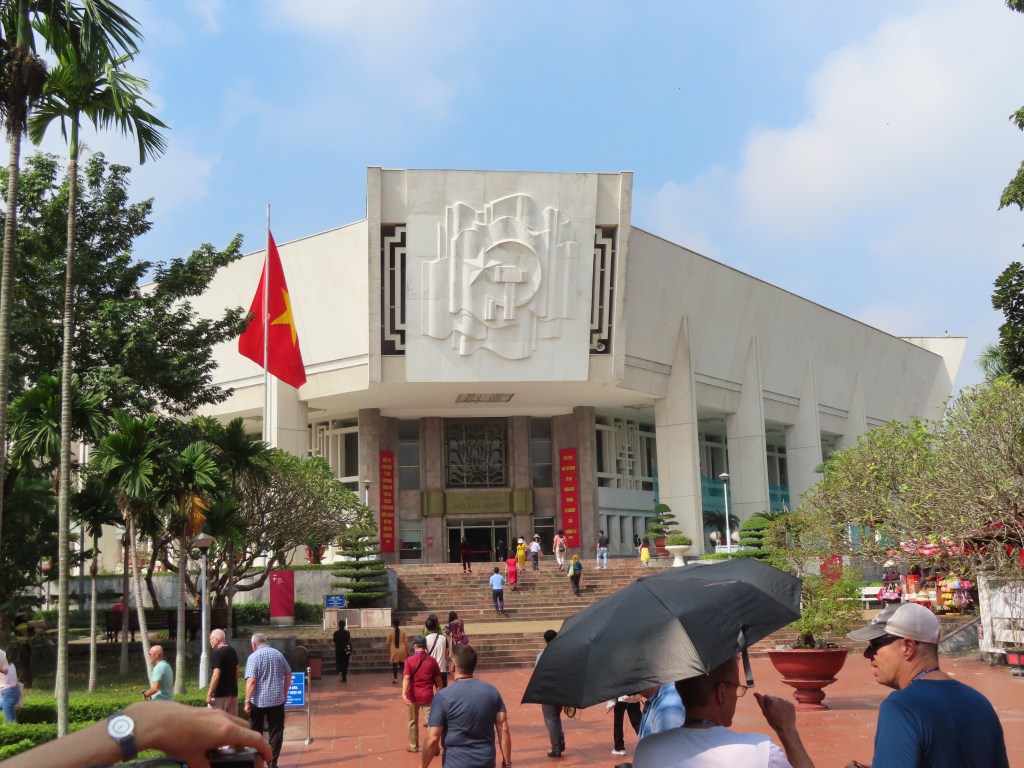
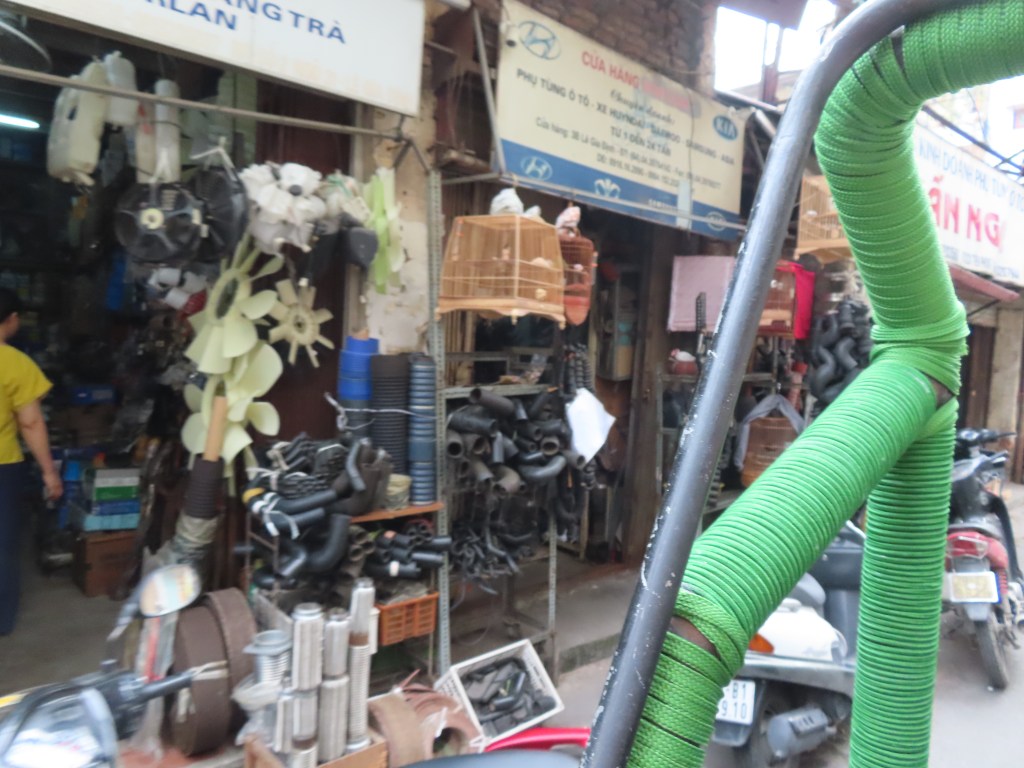
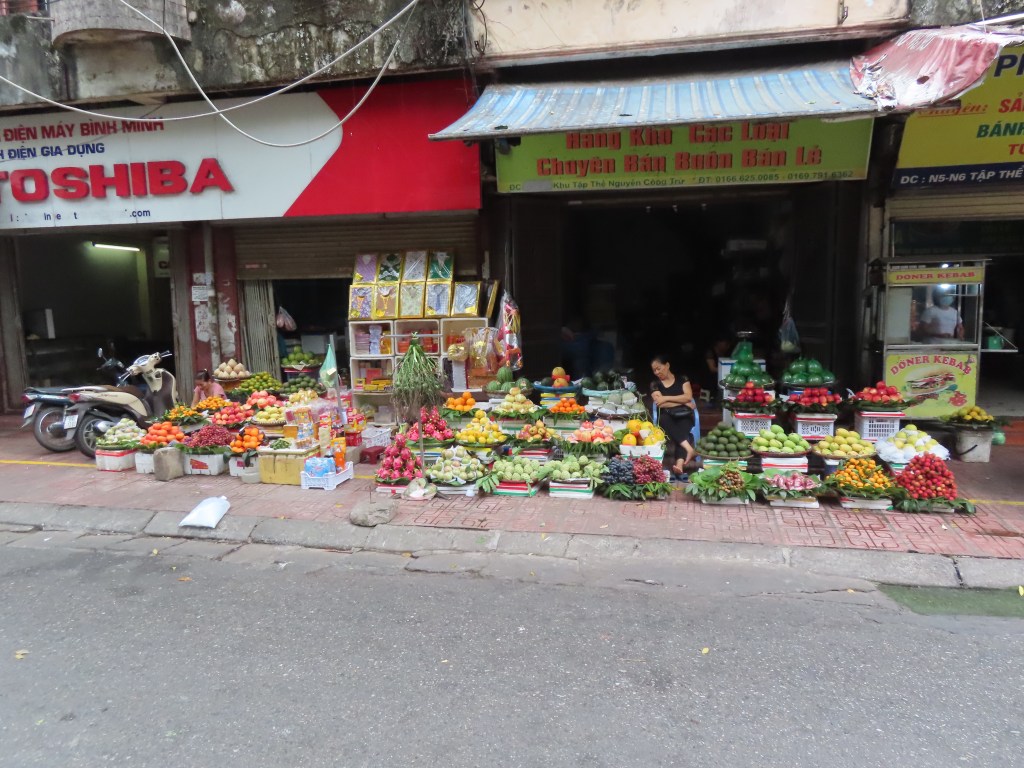
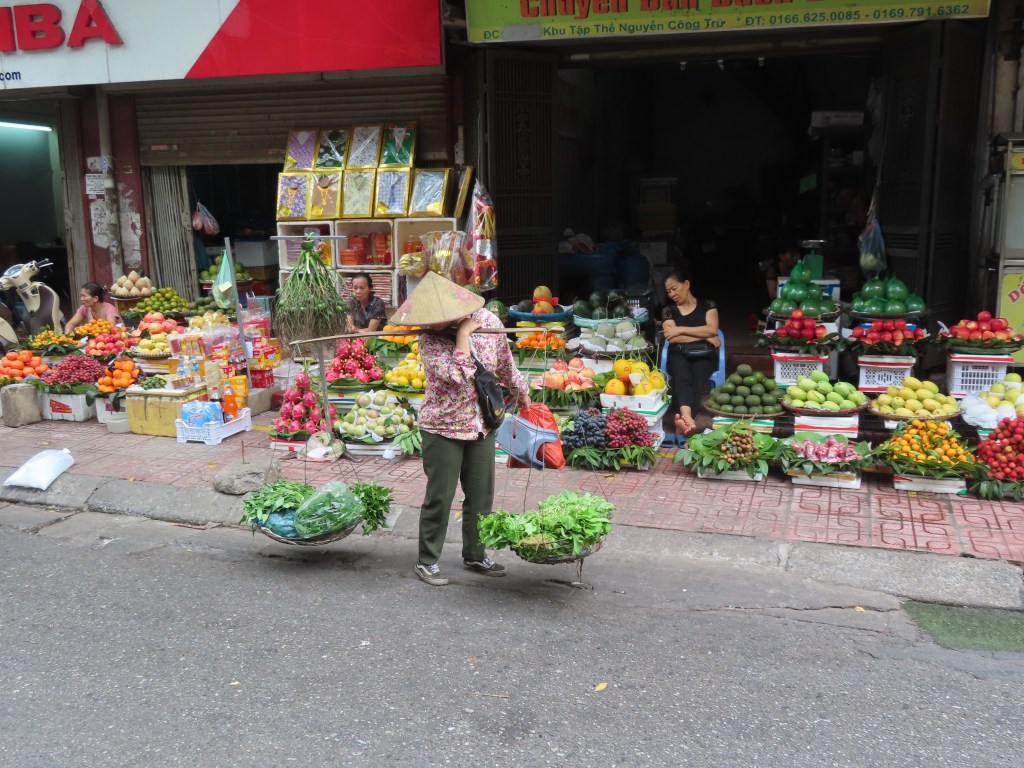
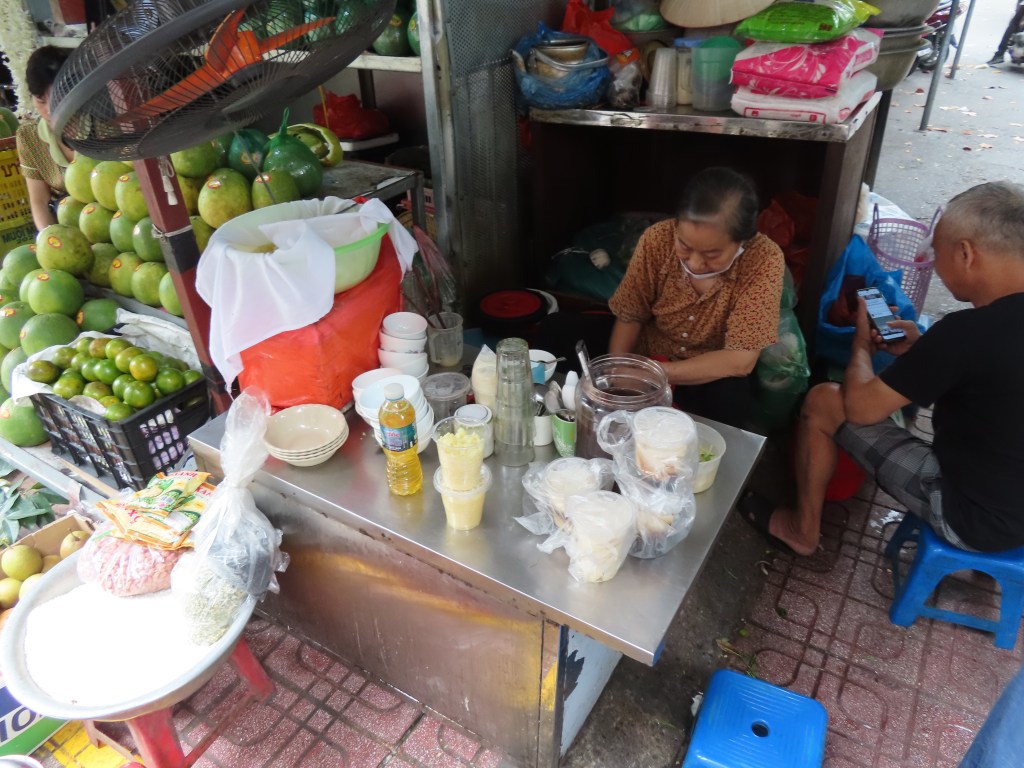
We had a free morning, so I took a tour of the city by Jeep. We drove through several areas of town.


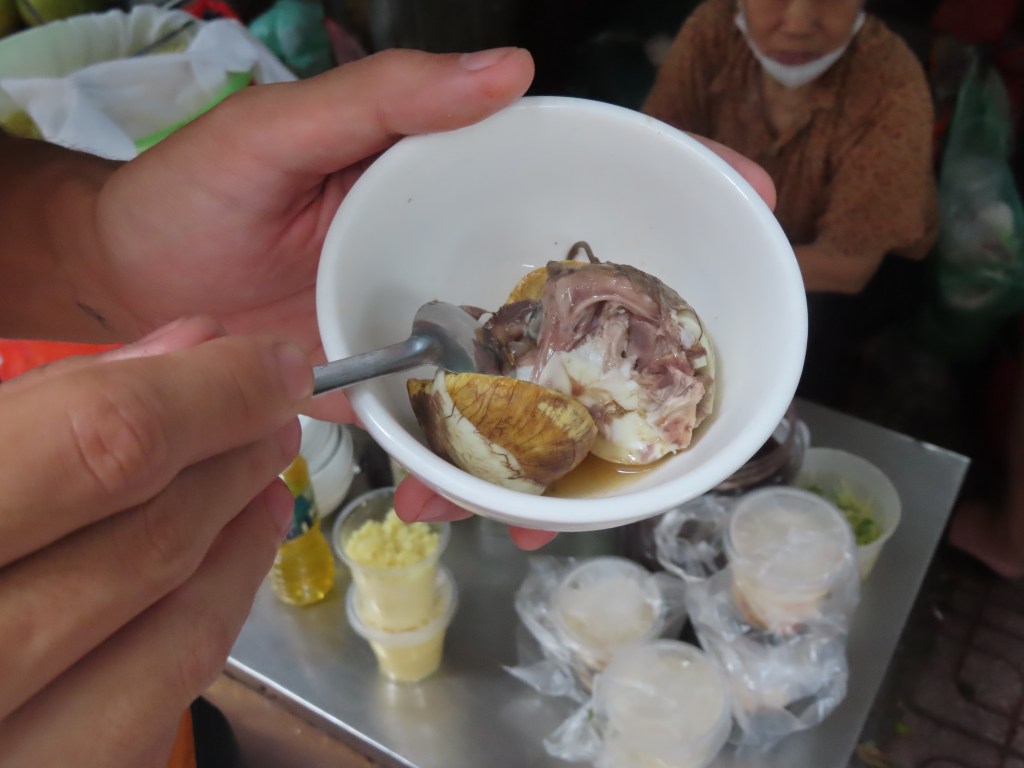
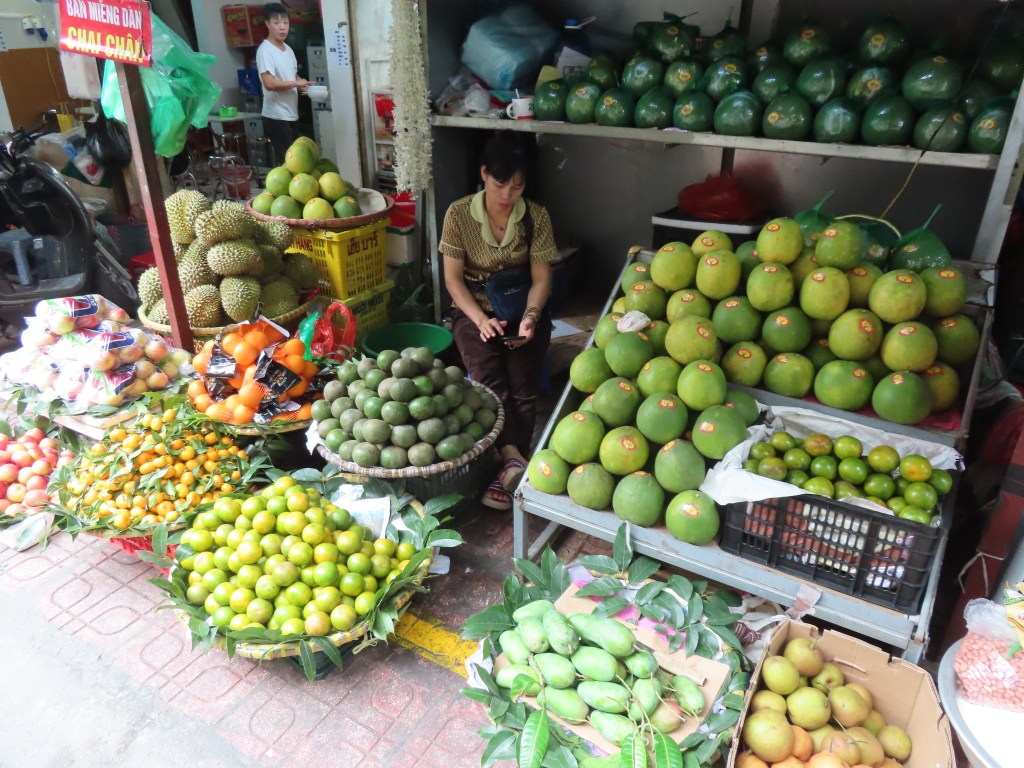
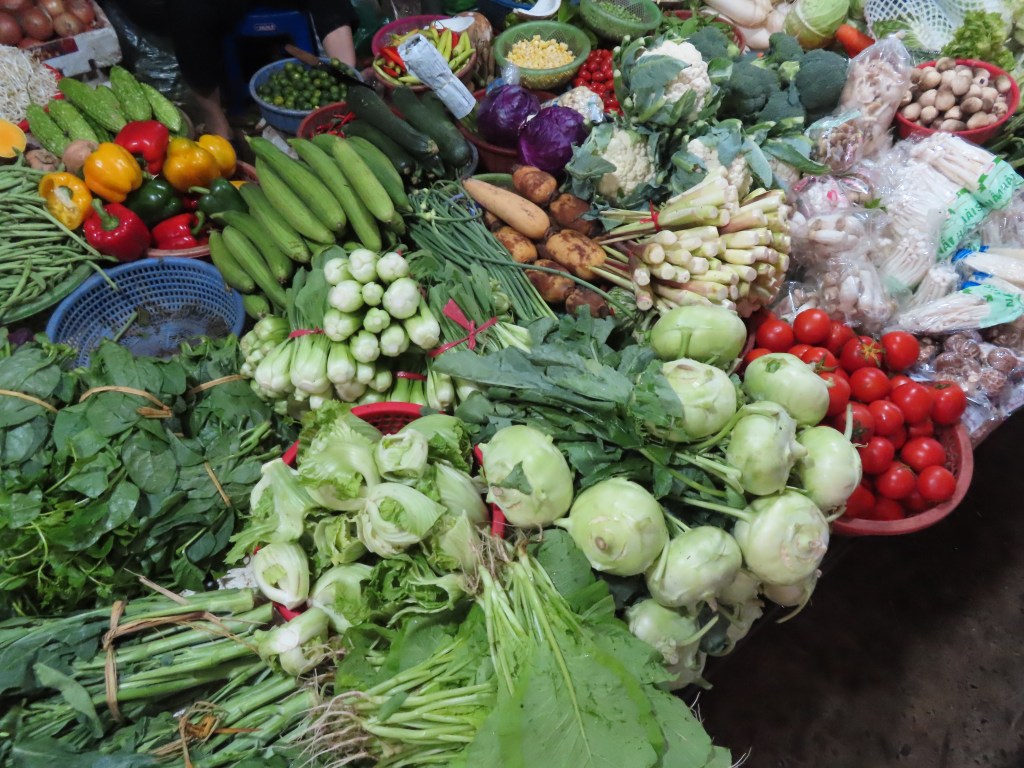
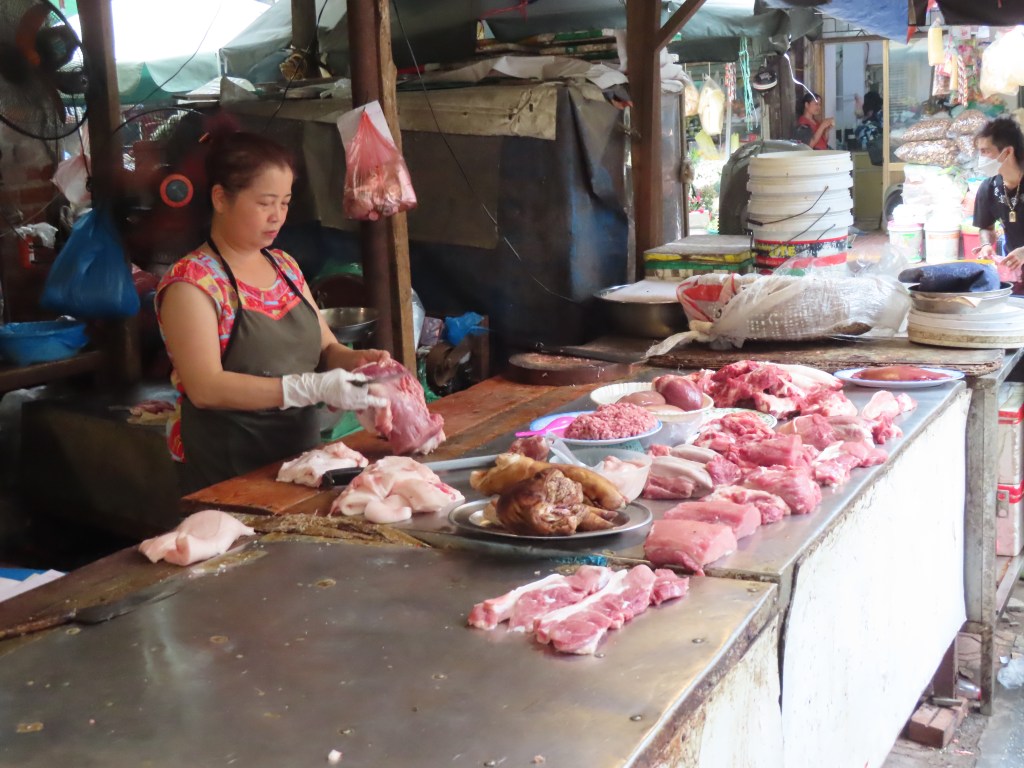
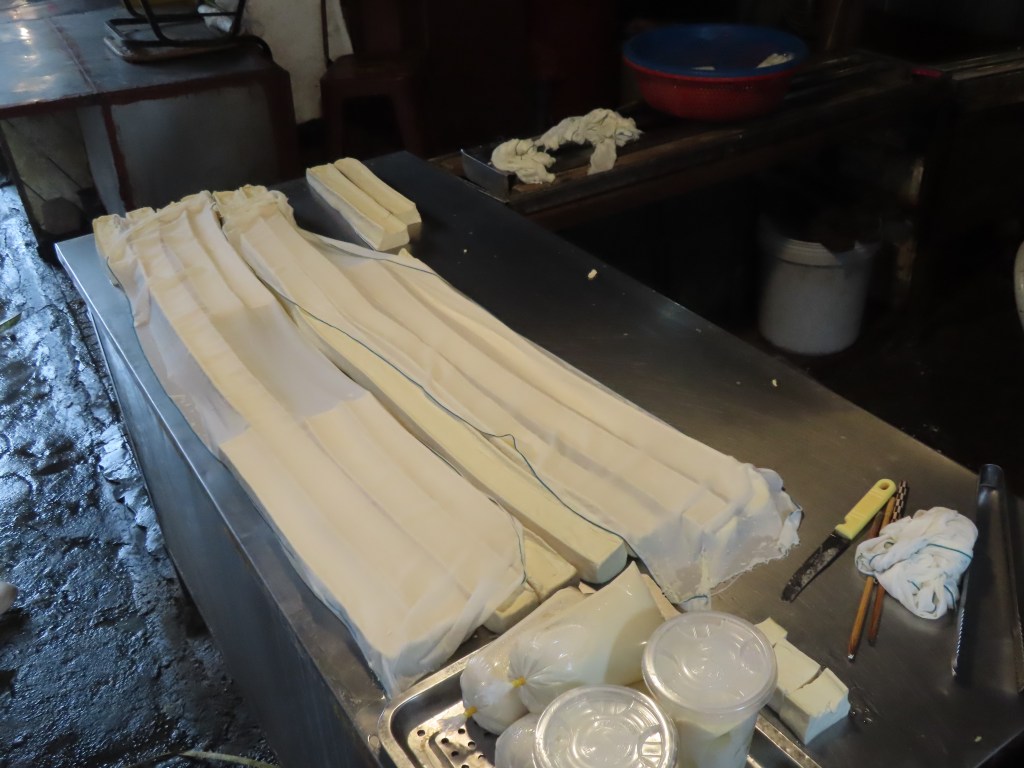
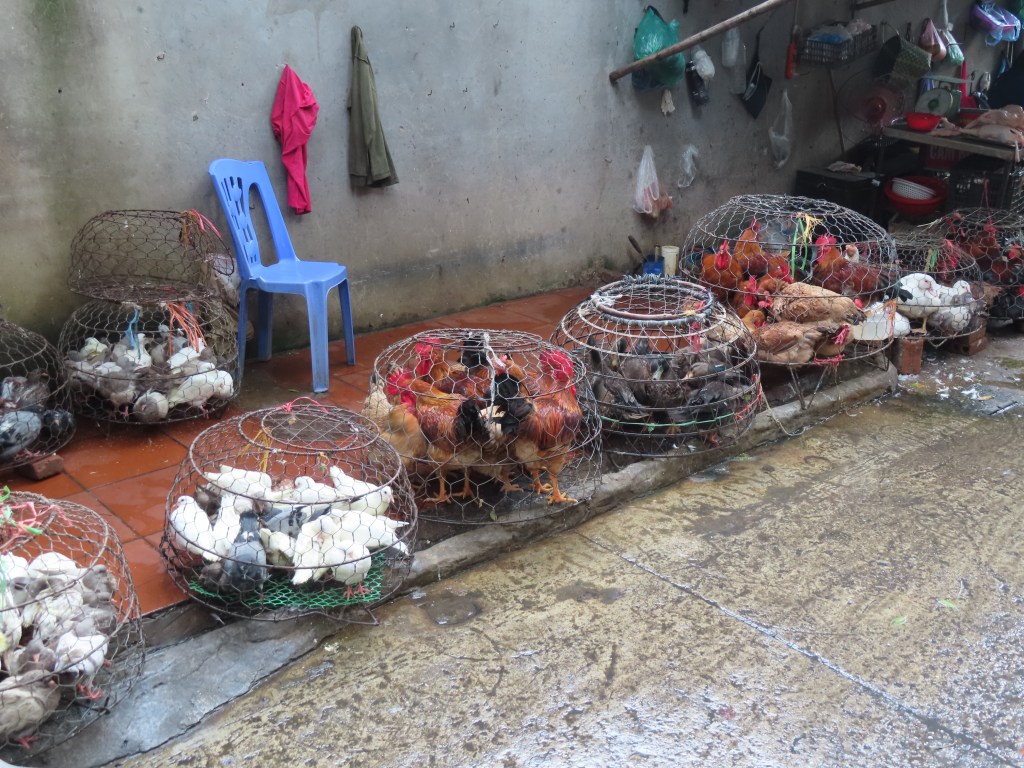
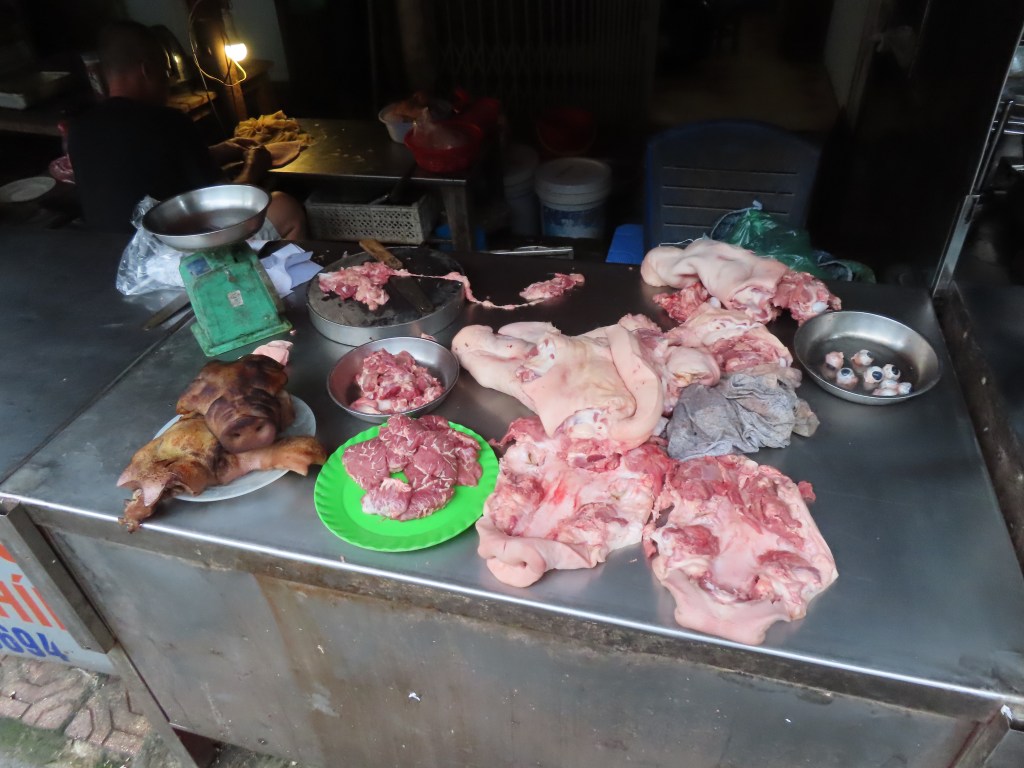
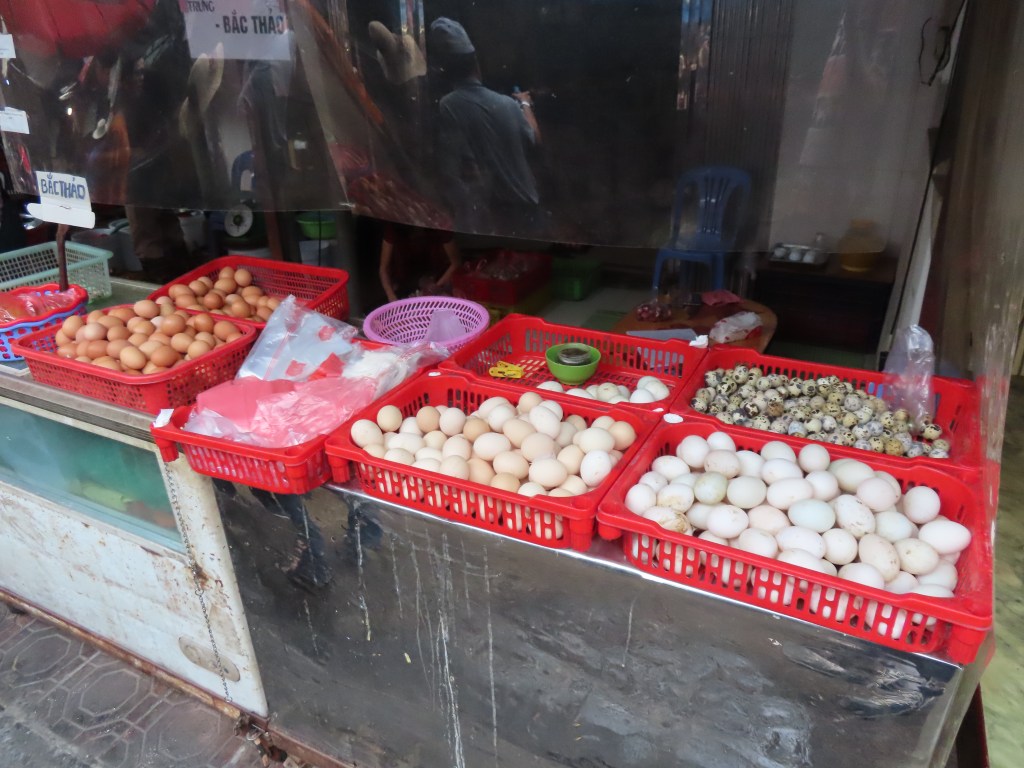
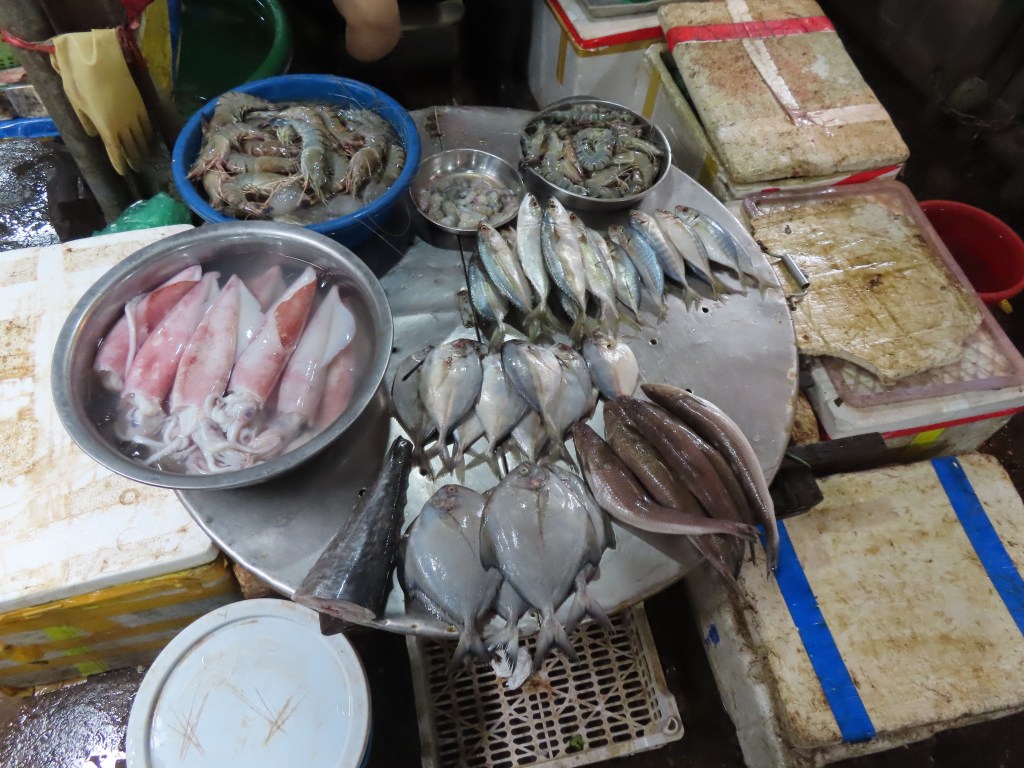
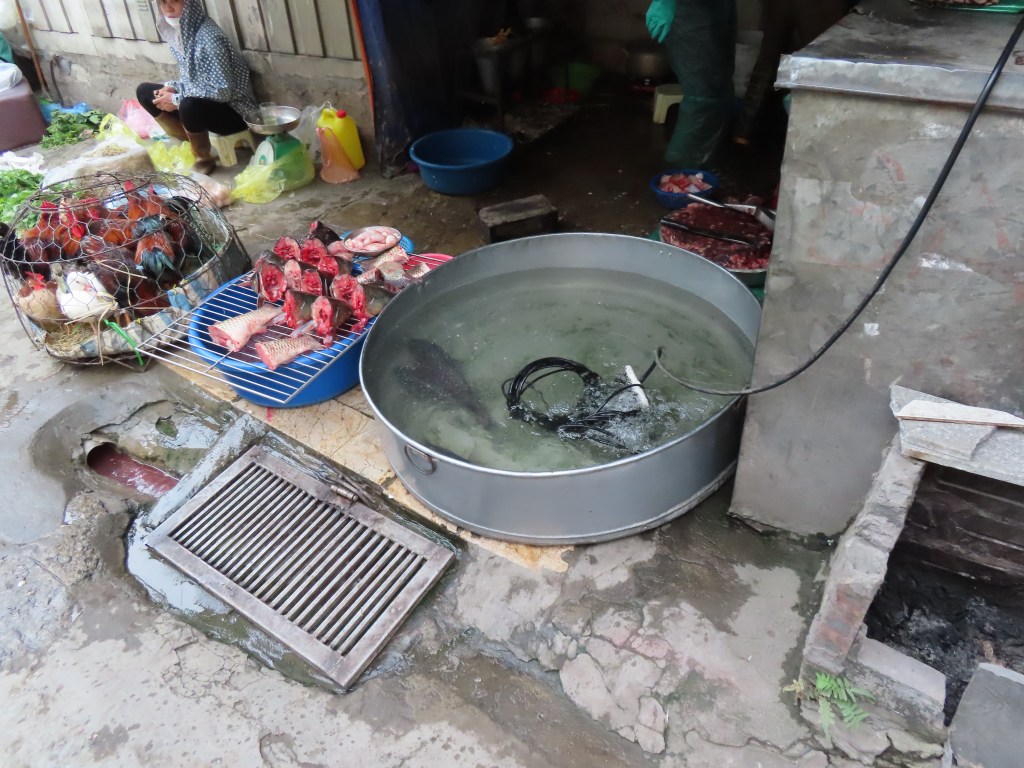
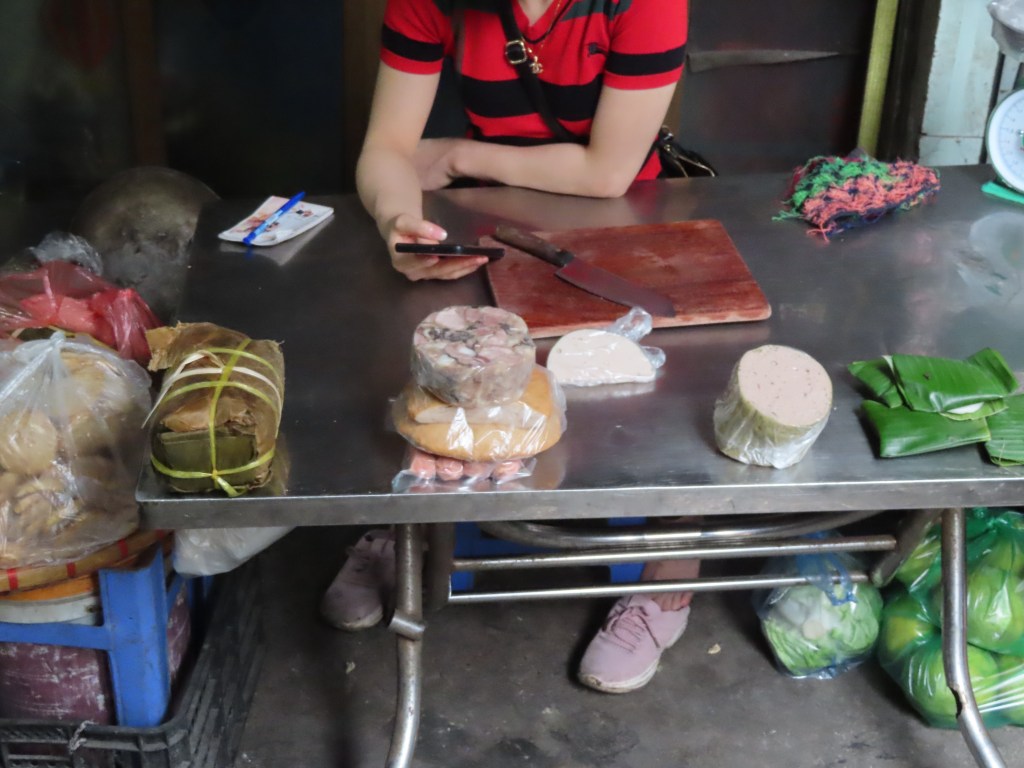
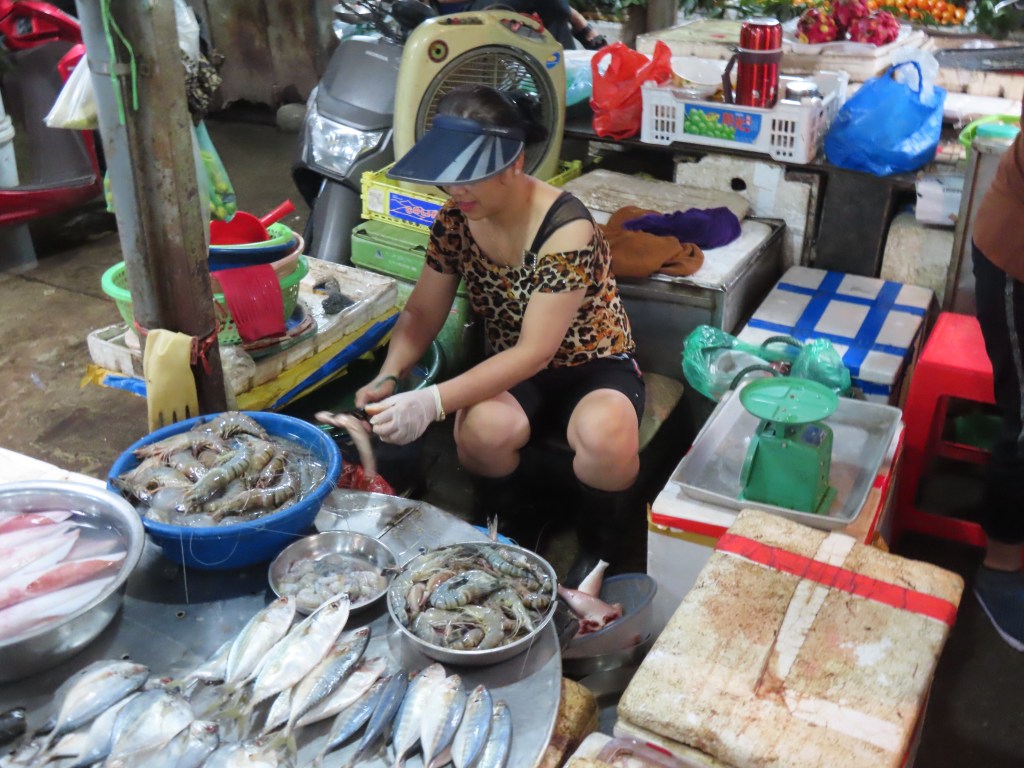
And walked through the second-hand parts (car/motorcycle) market and some food markets.
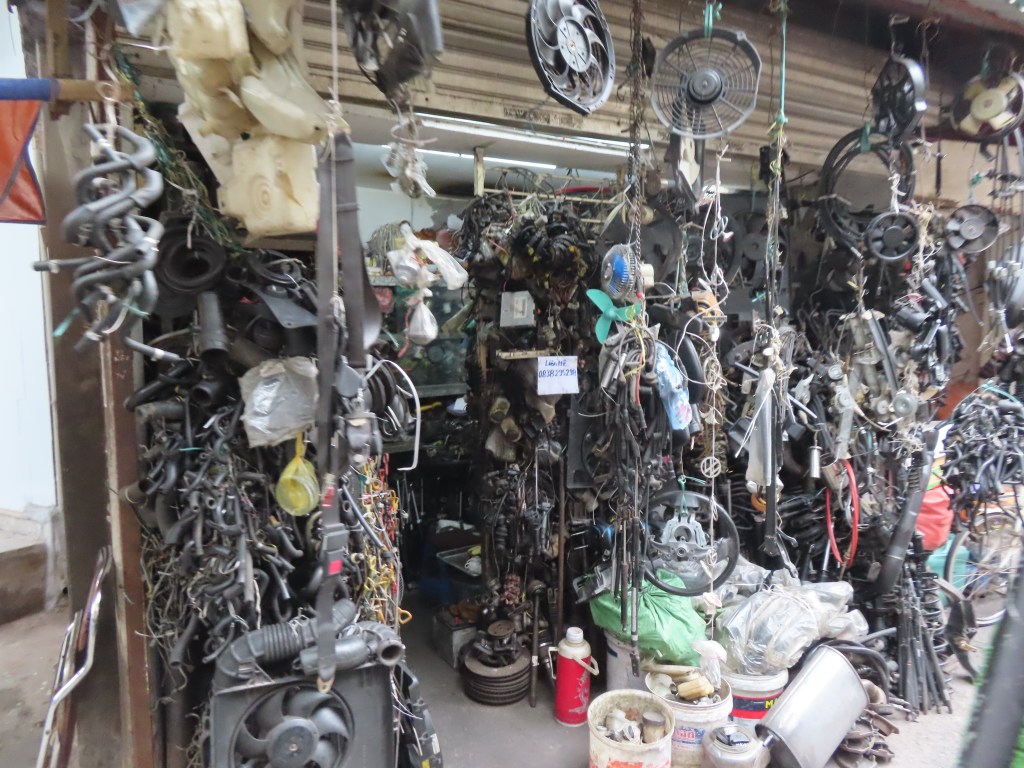
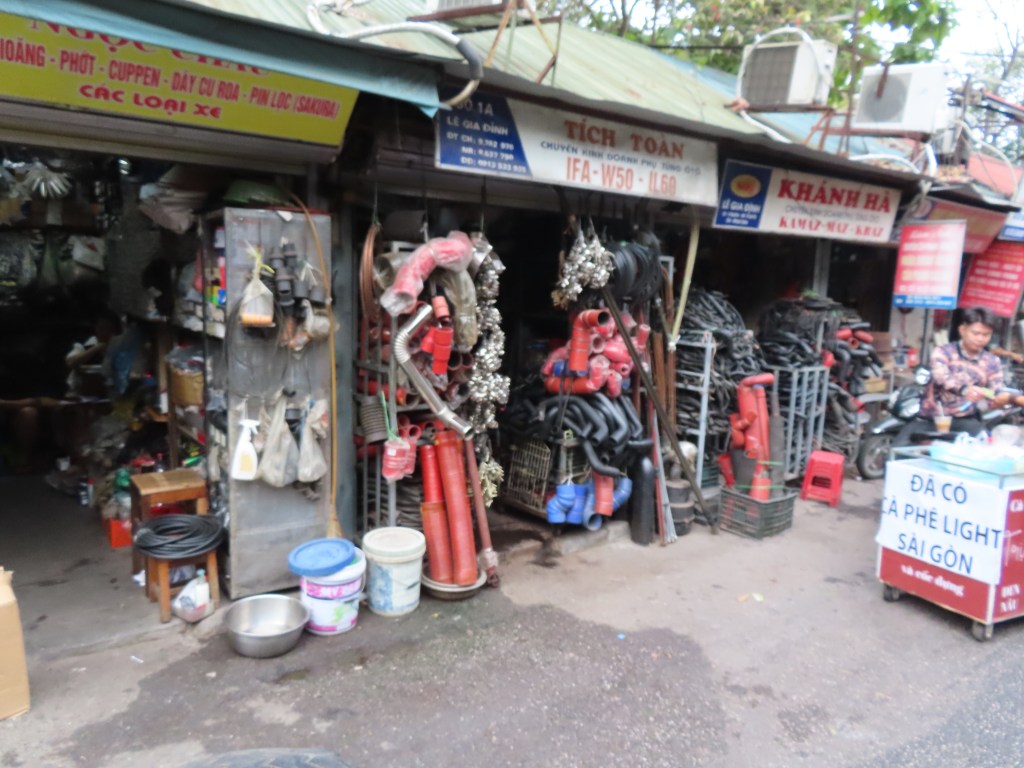
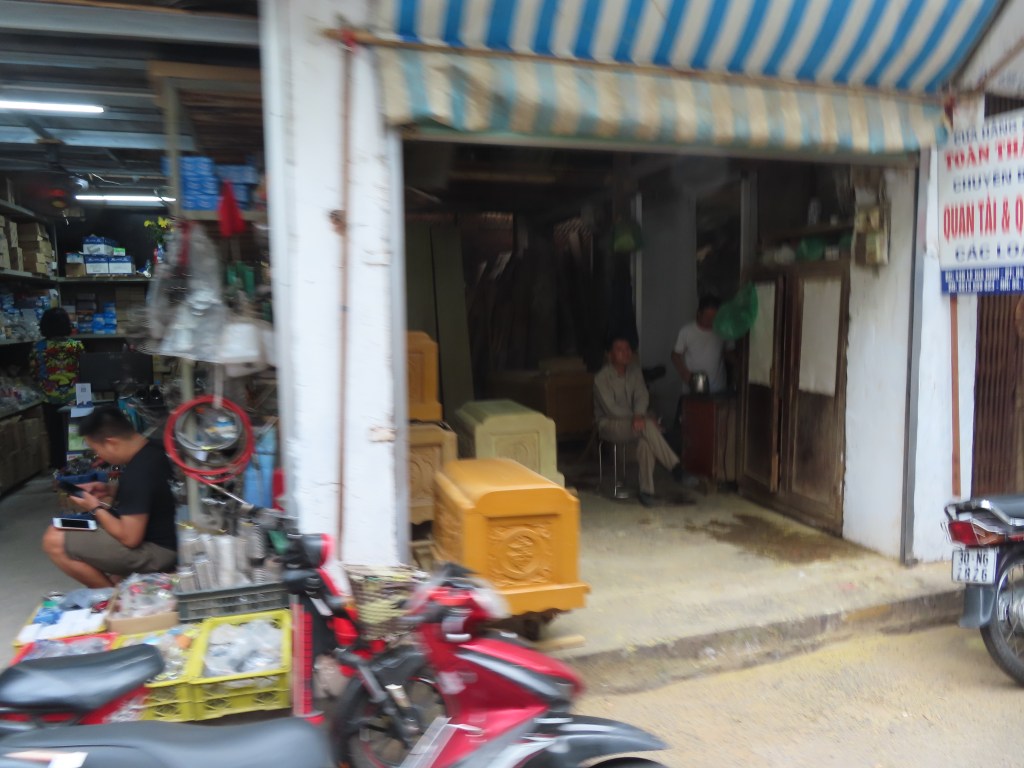
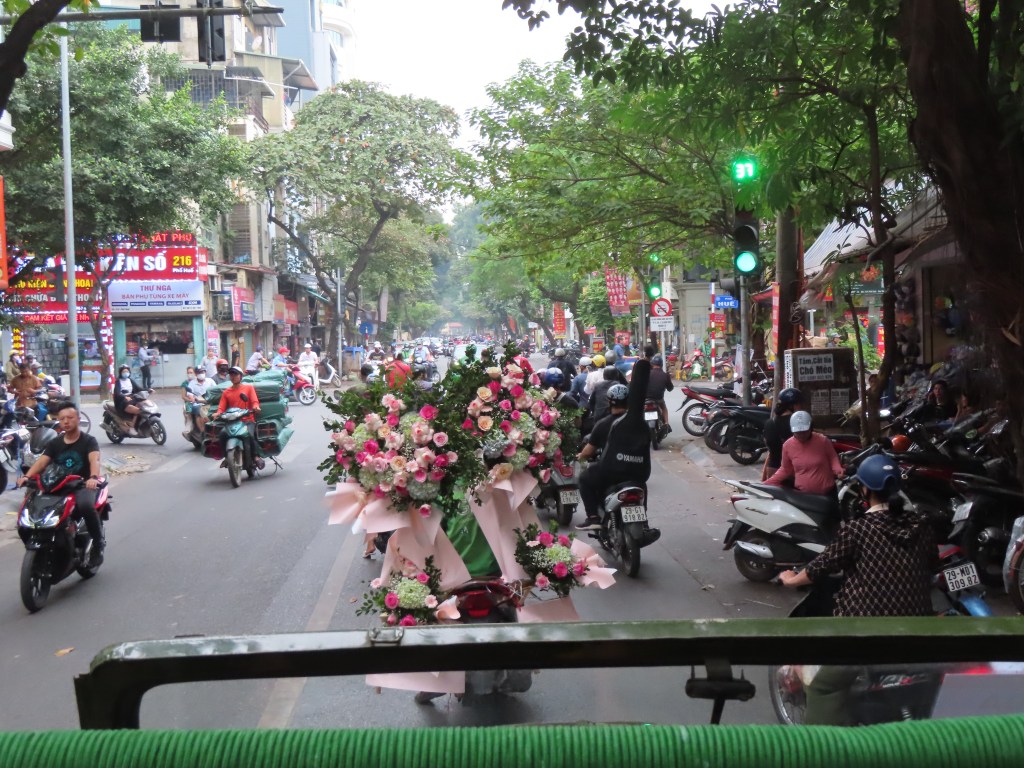
We stopped for coffee on railroad street.


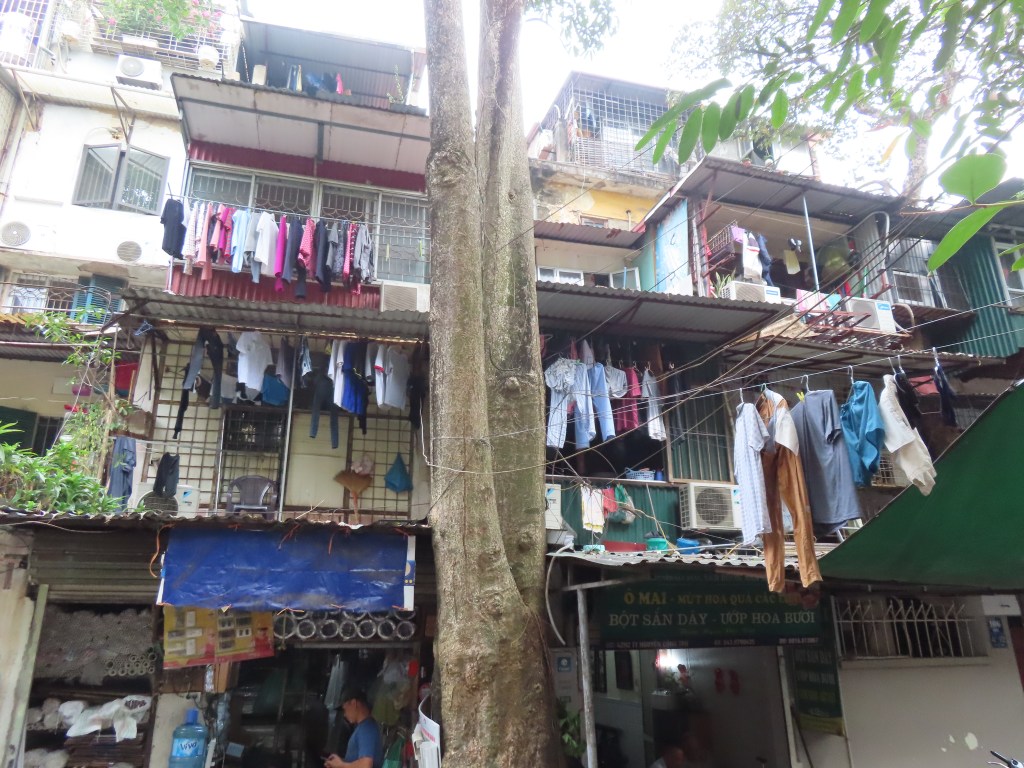
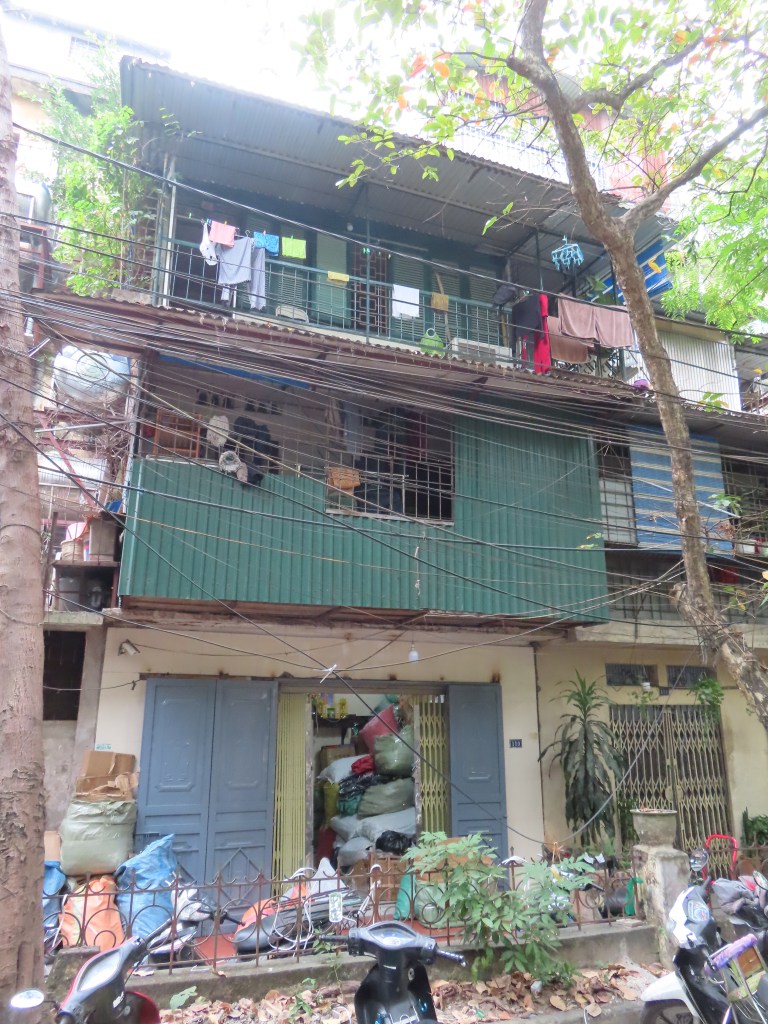
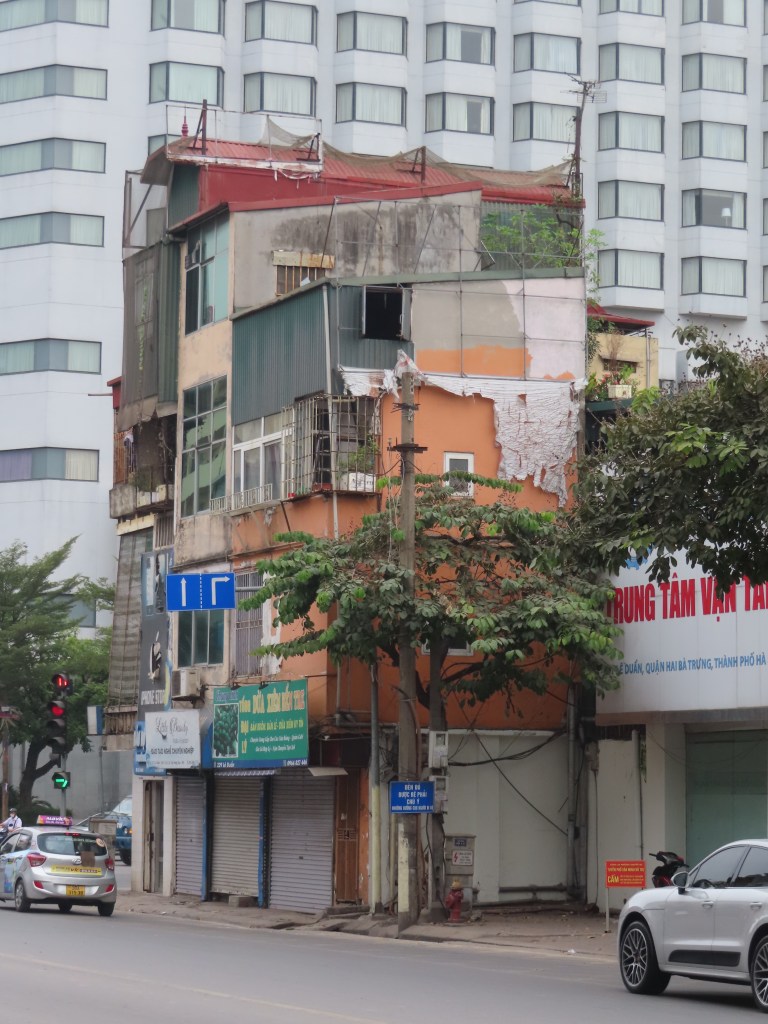
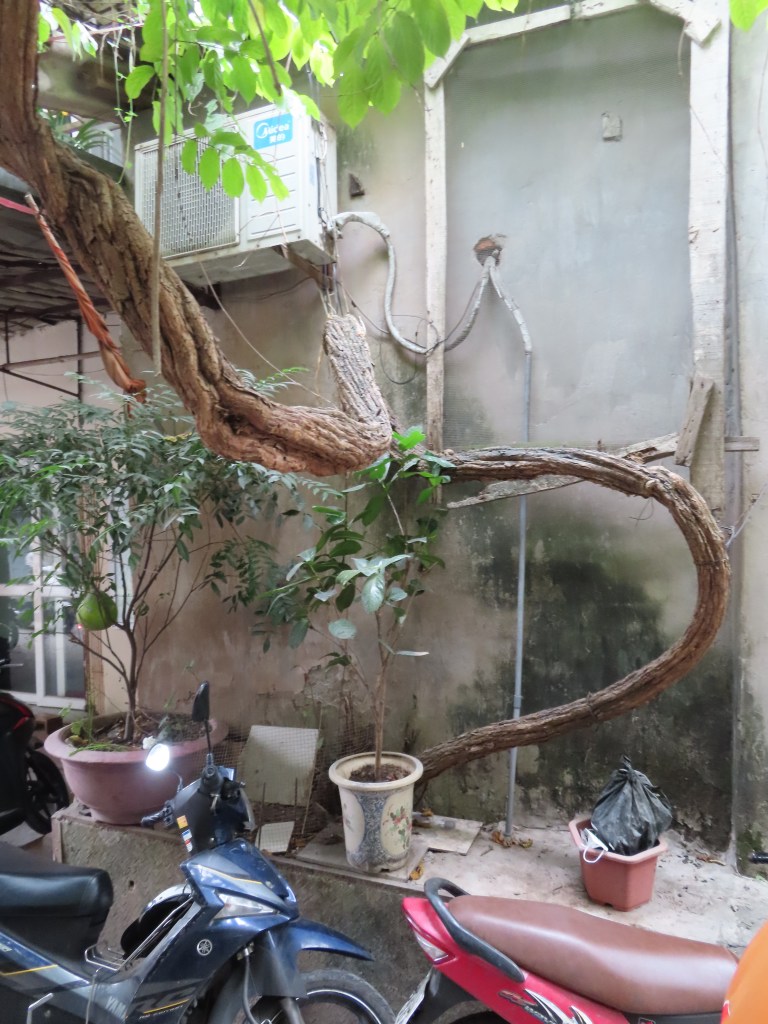
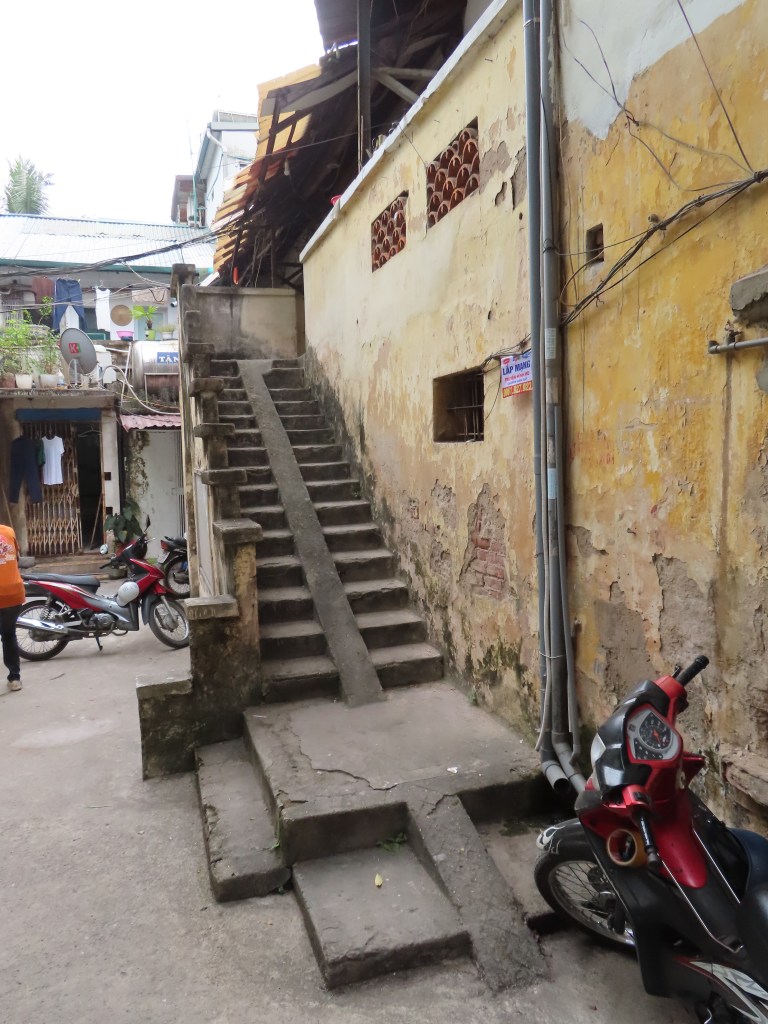
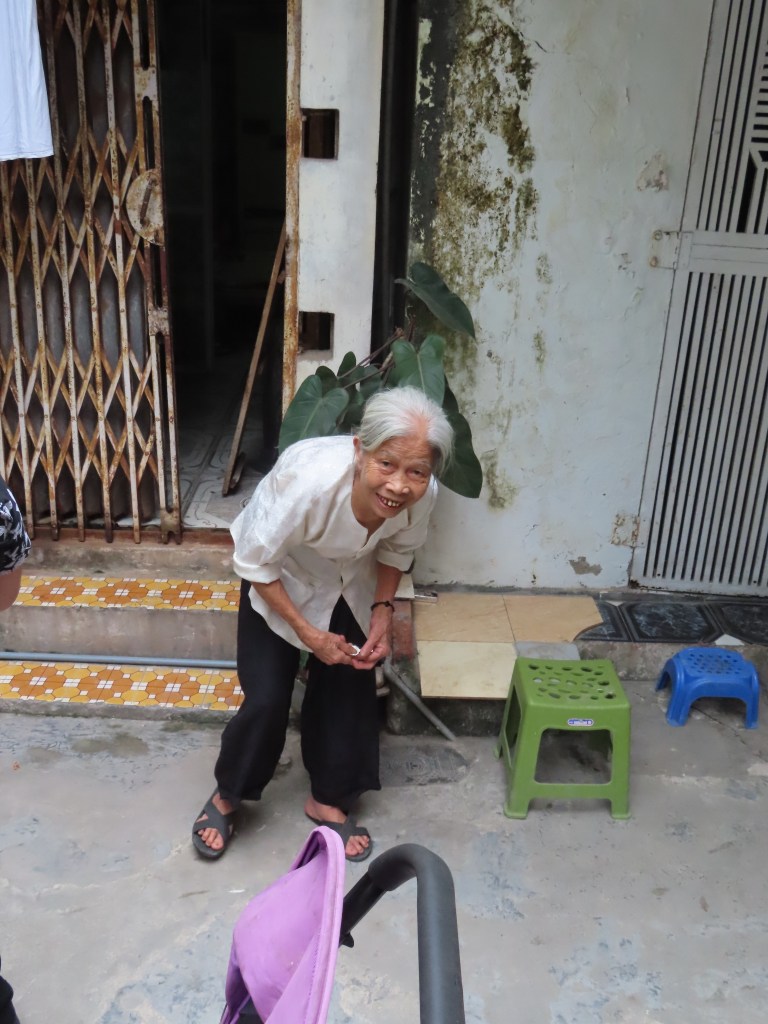
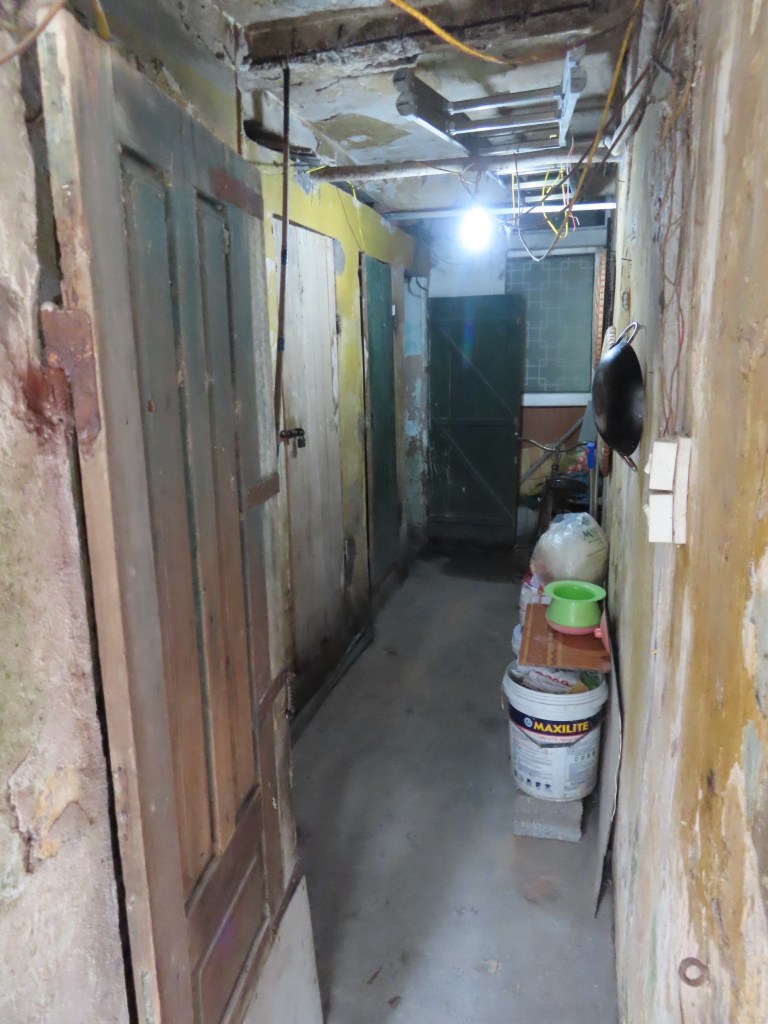
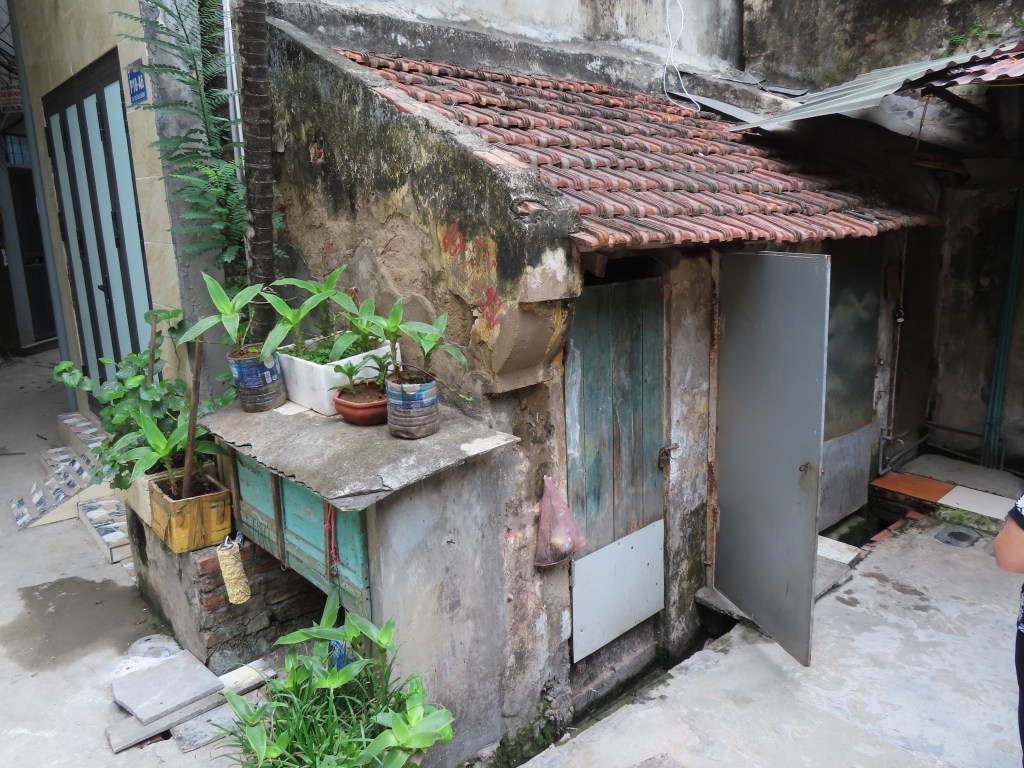
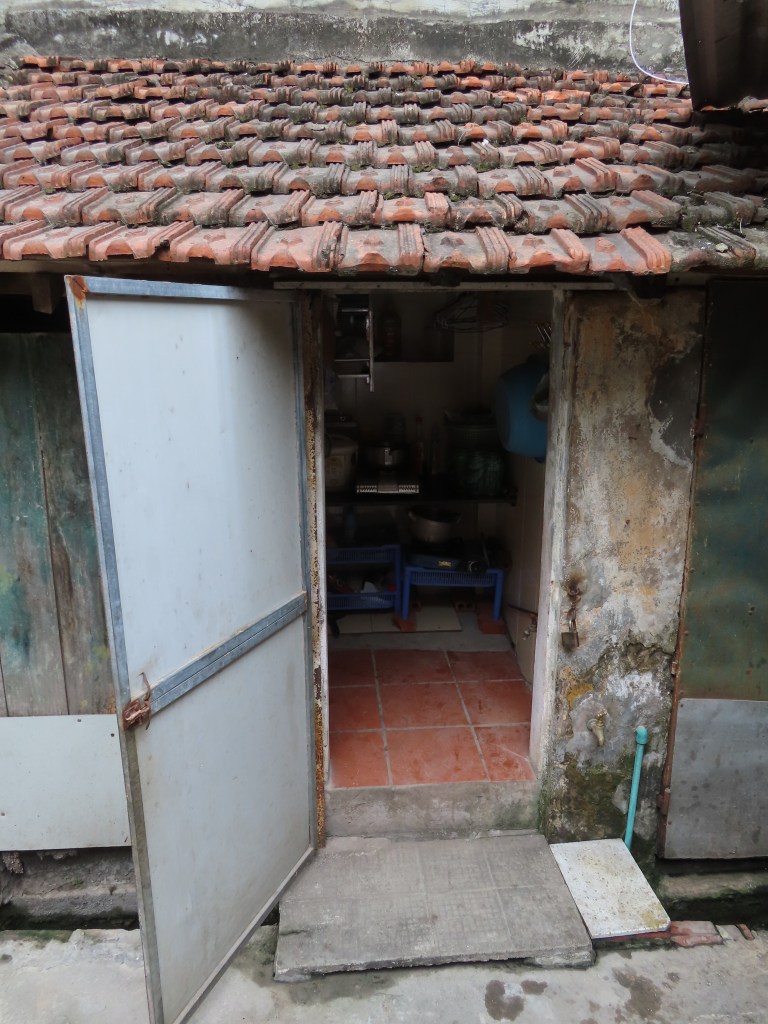
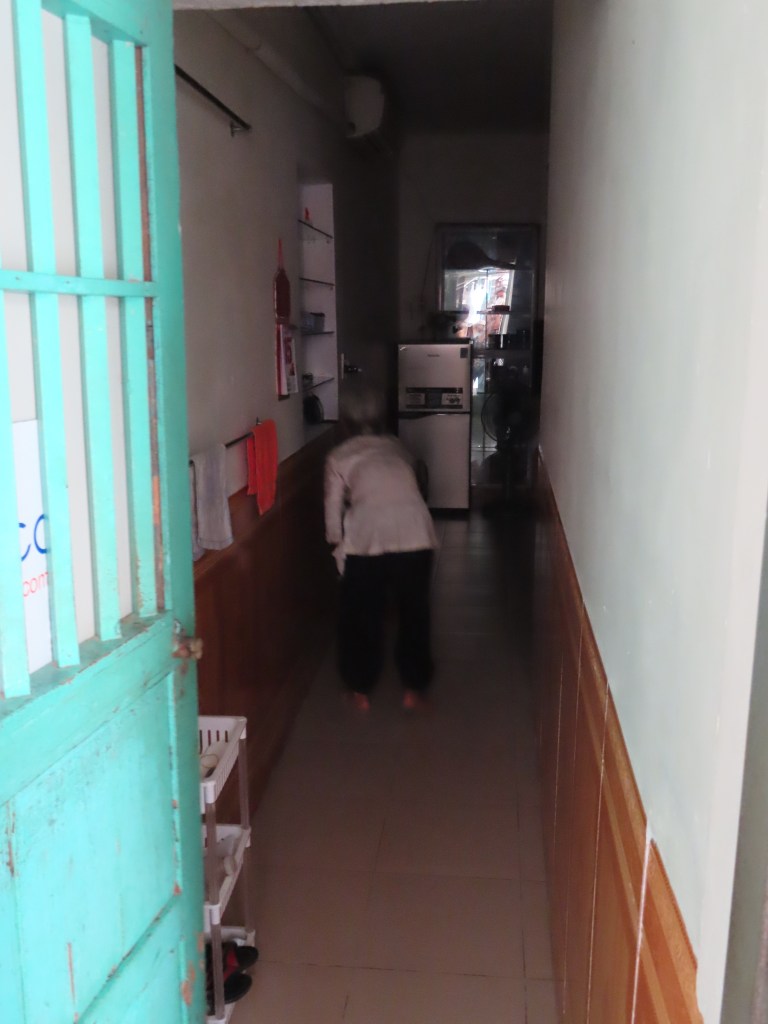
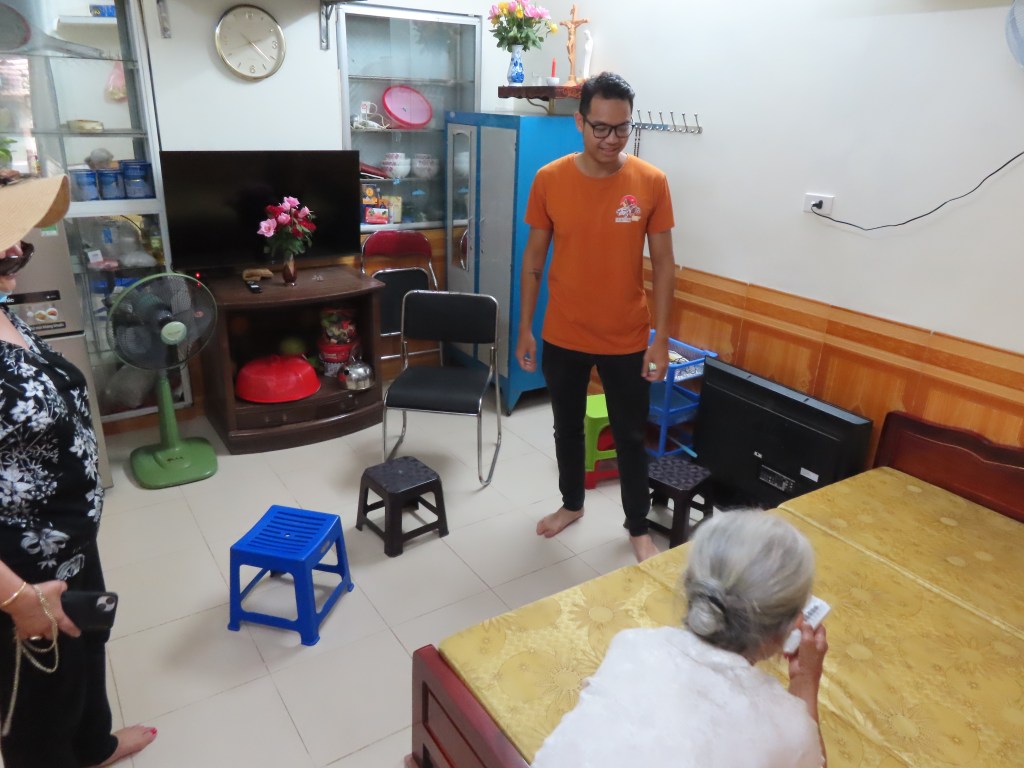
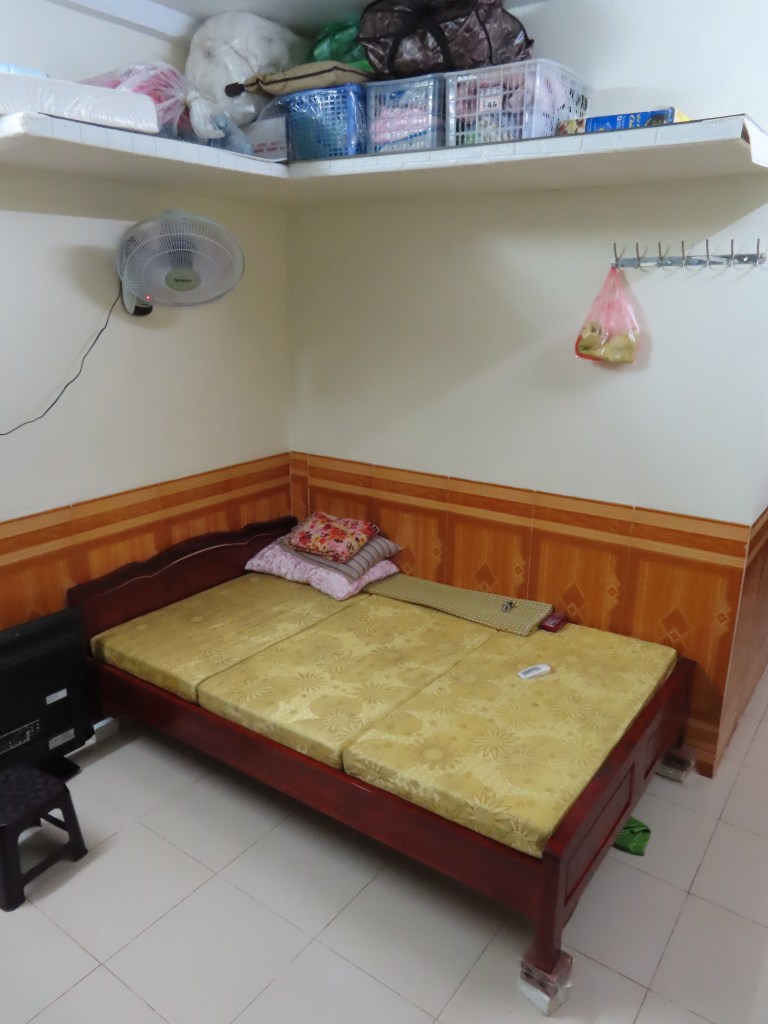
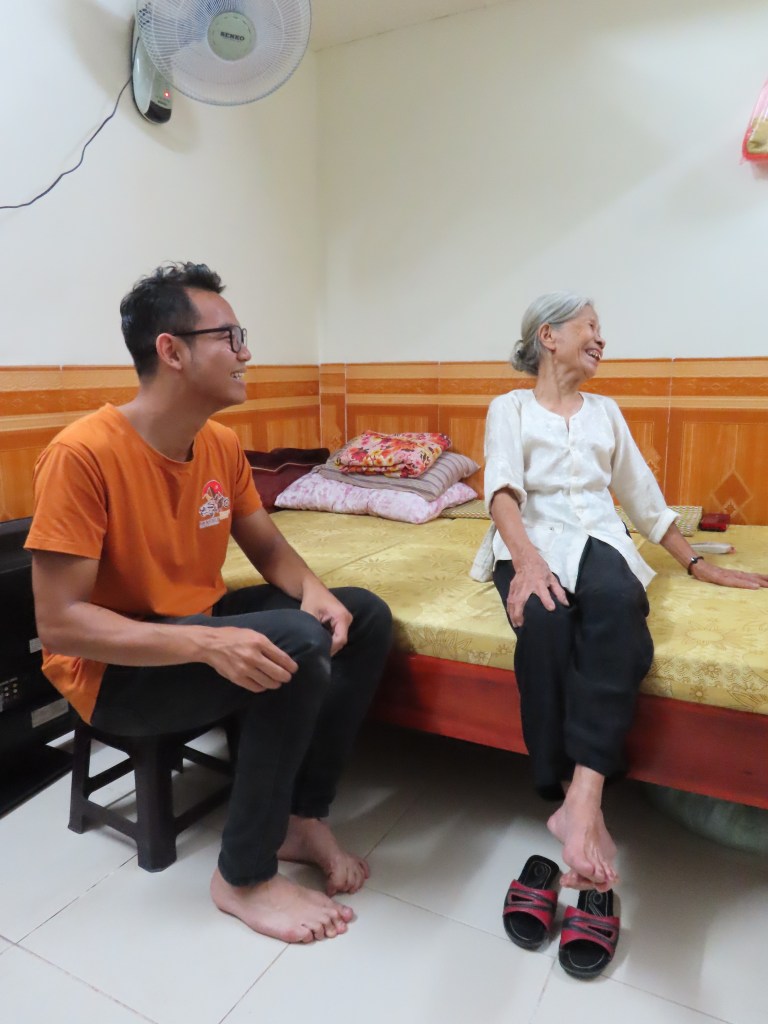
We walked through some residential areas. The water tanks are installed when they add indoor toilets. They call them “water bombs” because if you fill them too full they fall off and “explode.” Later, we were invited in to see an apartment – the kitchens and bathrooms are “private,” but not in the units.

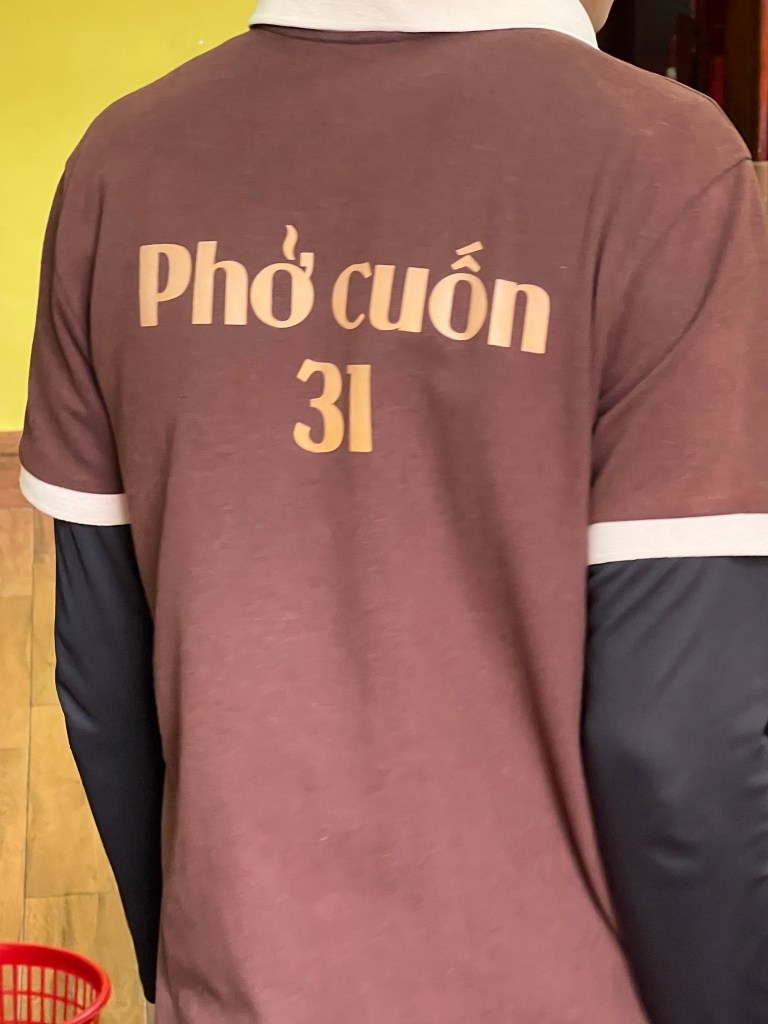
We had lunch in a local restaurant.


We ended the tour at the coffee shop that claims to be the home of the “ egg coffee, invented in 1946. Basically a cappuccino made with an egg yolk instead of milk.


After lunch we visited the Hanoi Hilton and the Red Bridge Temple.


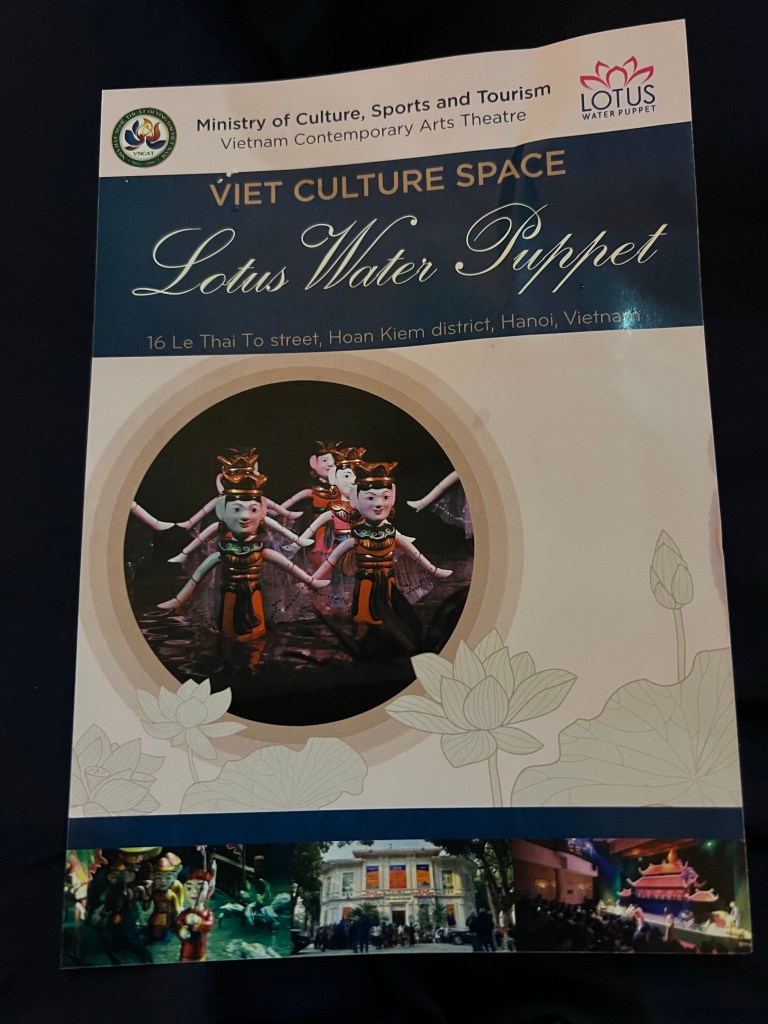
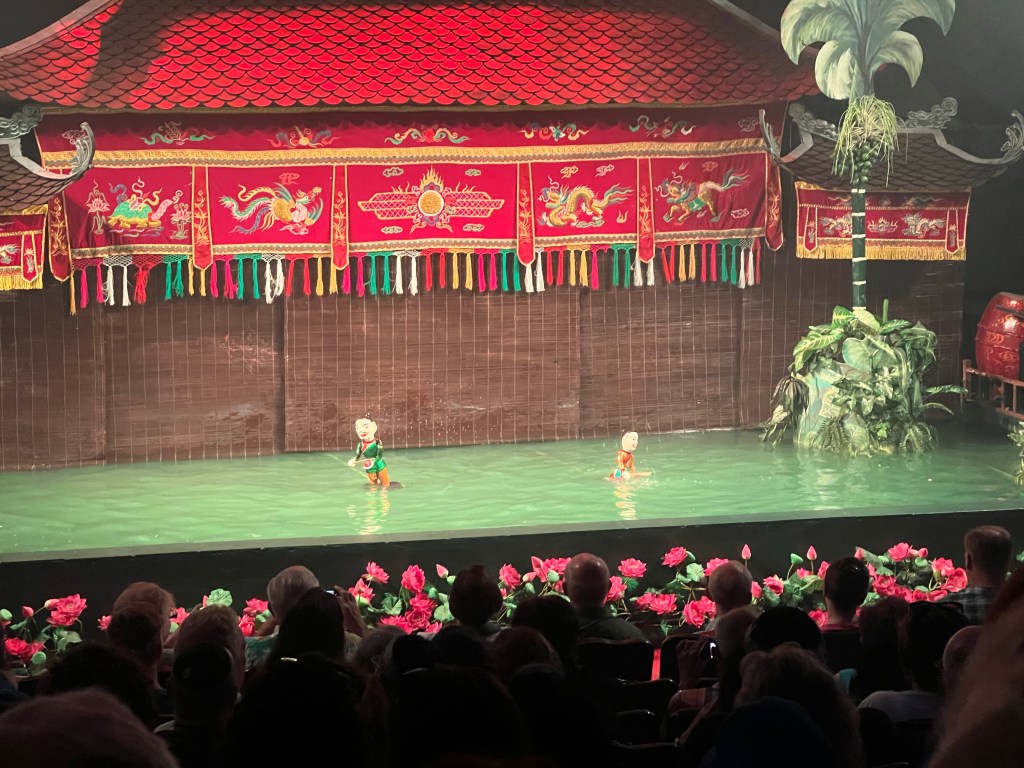
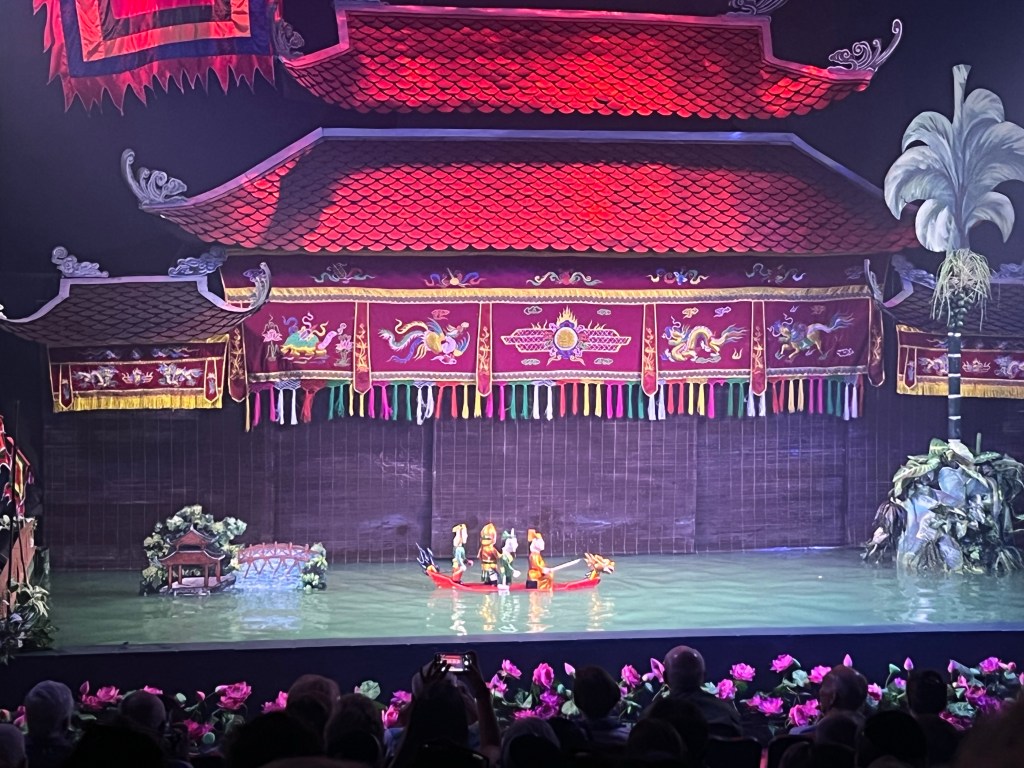
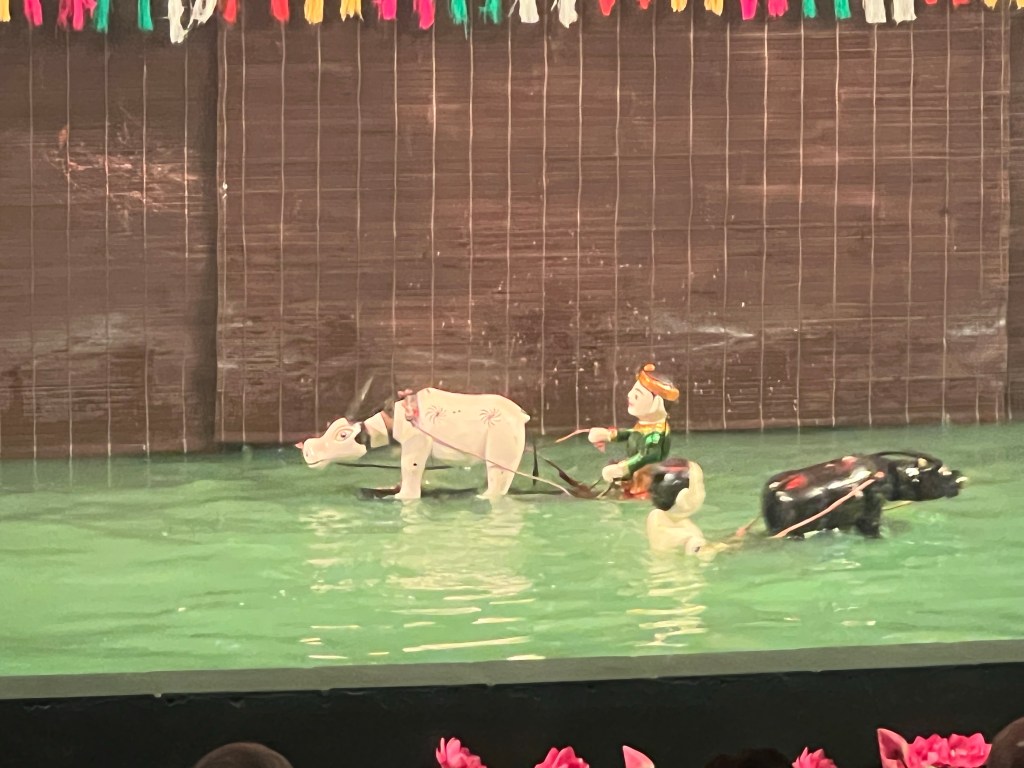
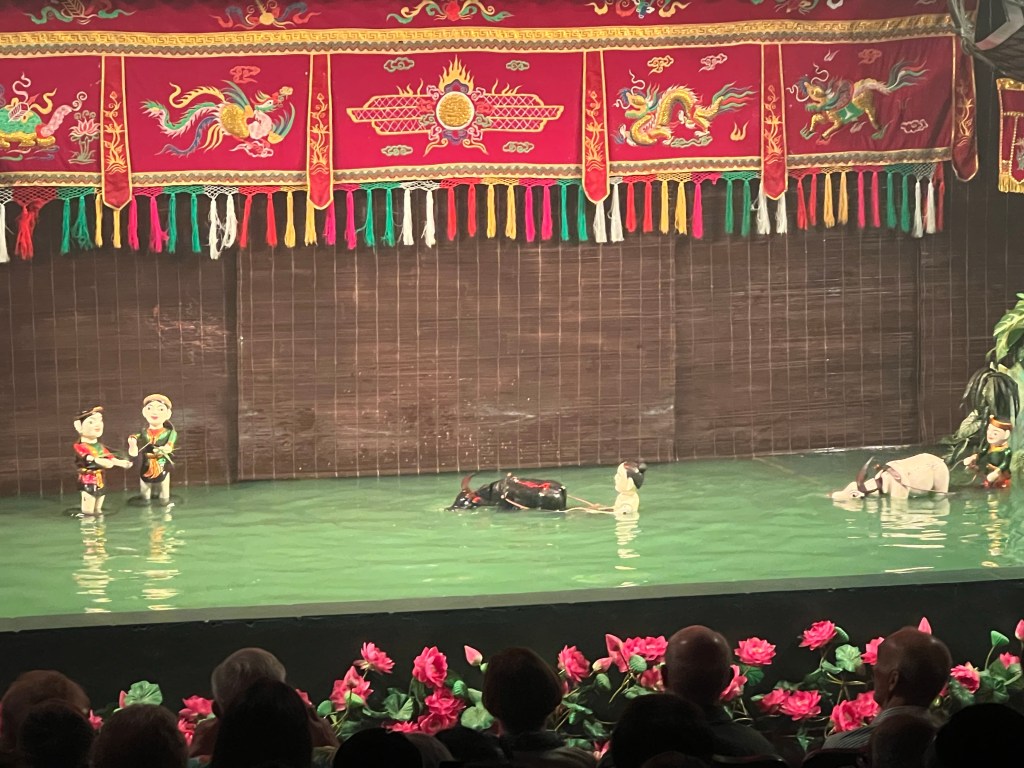
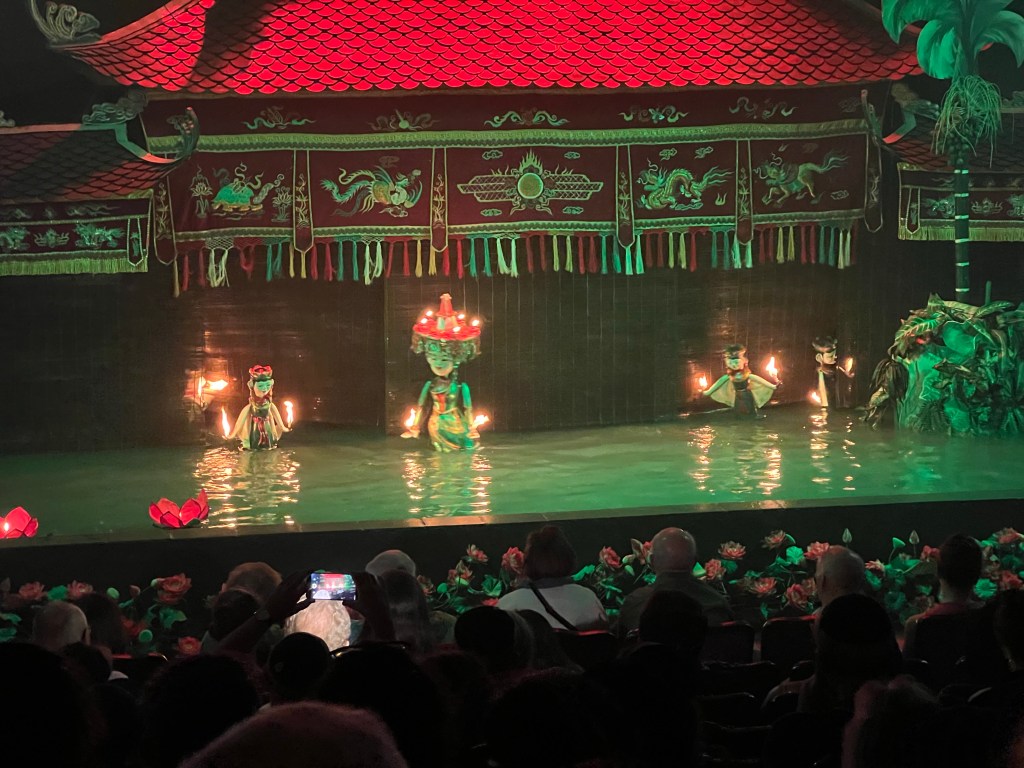
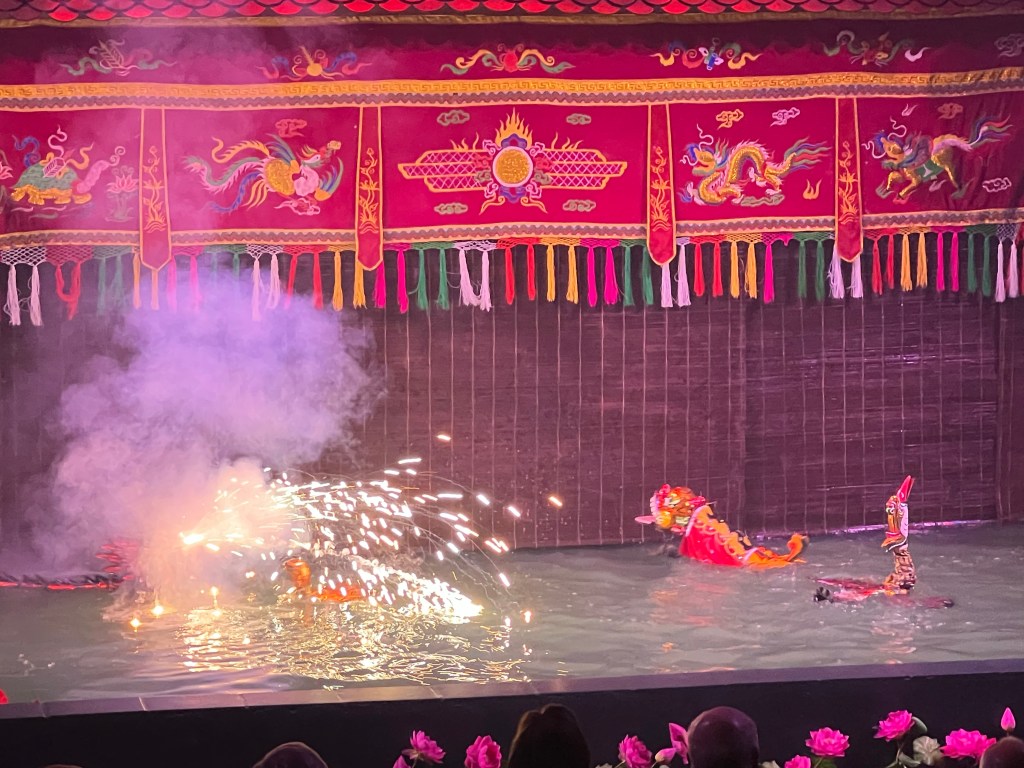
We finished the day at the Water Puppet show.

Bye-bye Bangkok
Bangkok was very different from Delhi. The roads were quieter – no horns. The traffic was less chaotic – not as many vehicles (although lanes are suggestions here, too). It seems a larger percentage of the people are “middle class.”
Early in the visit, Michael told me that vendors rub their merchandise with the money from the first sale for good luck. One night I bought some yoga pants from a street vendor and got to experience that first-hand.
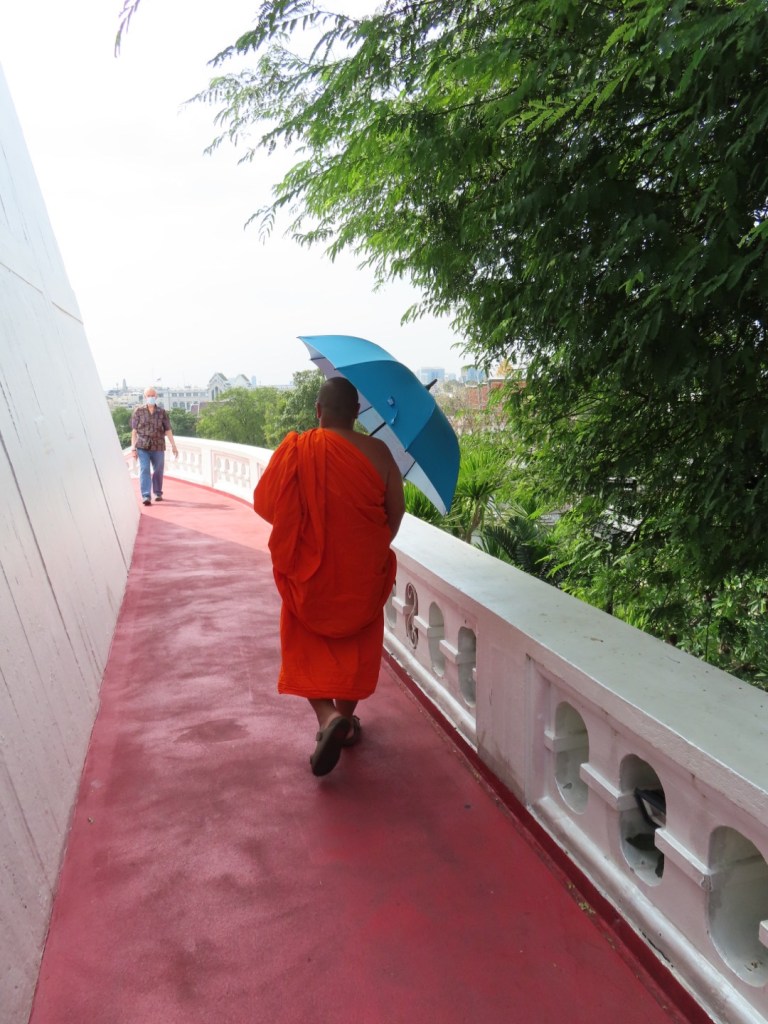
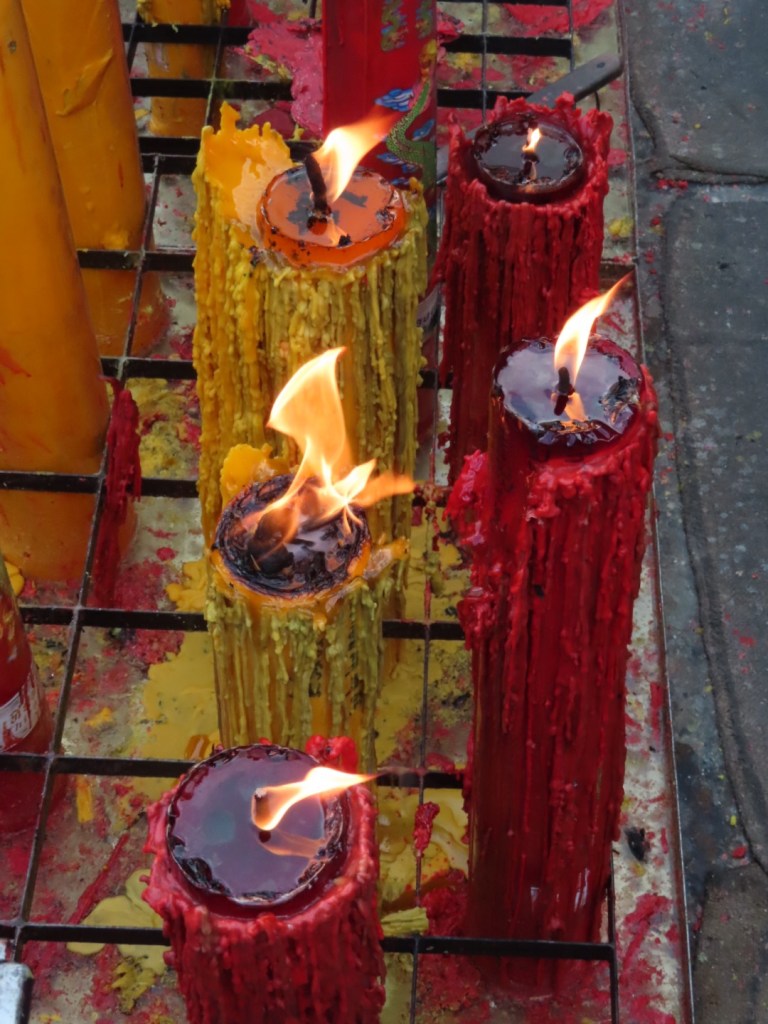
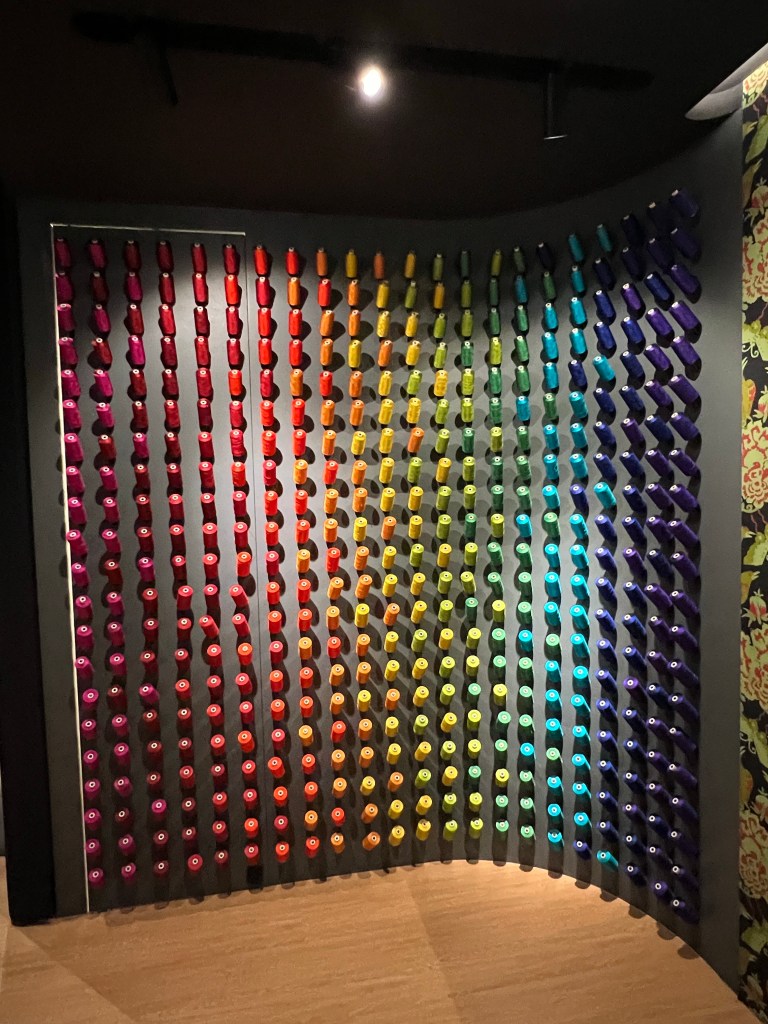
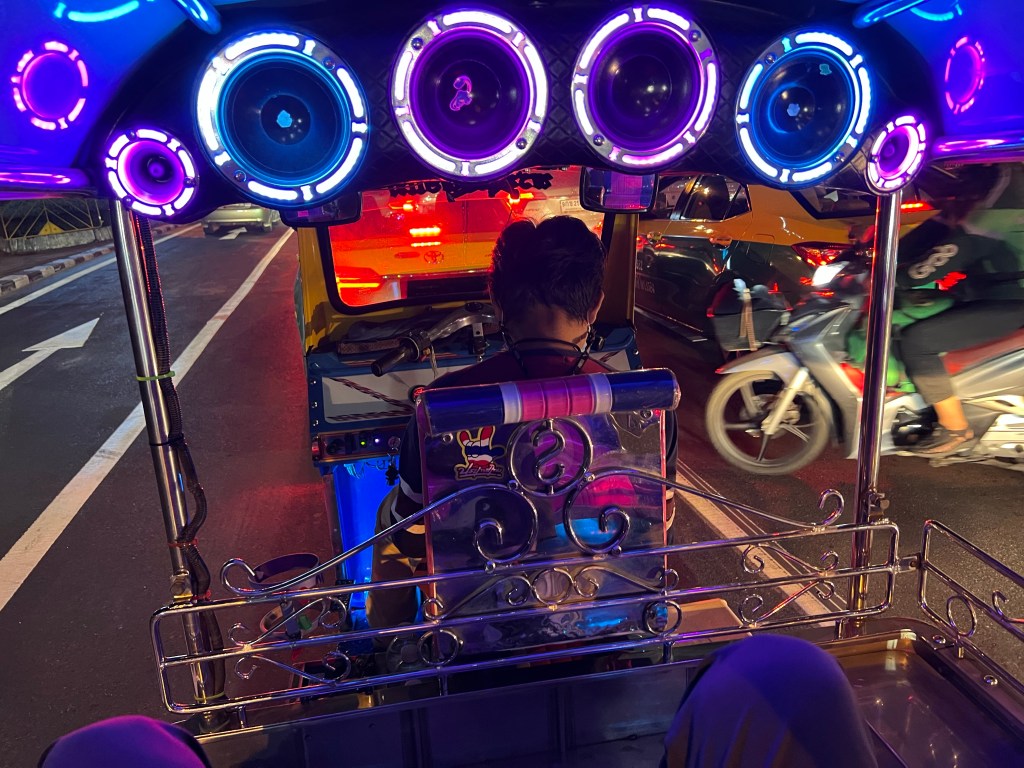
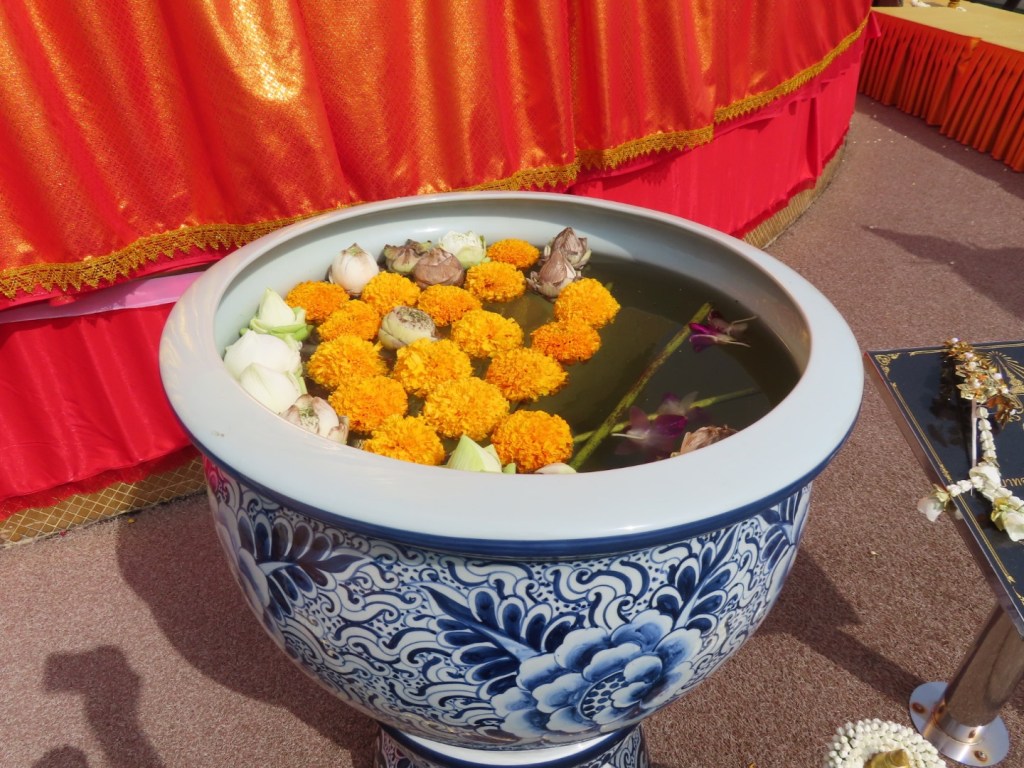
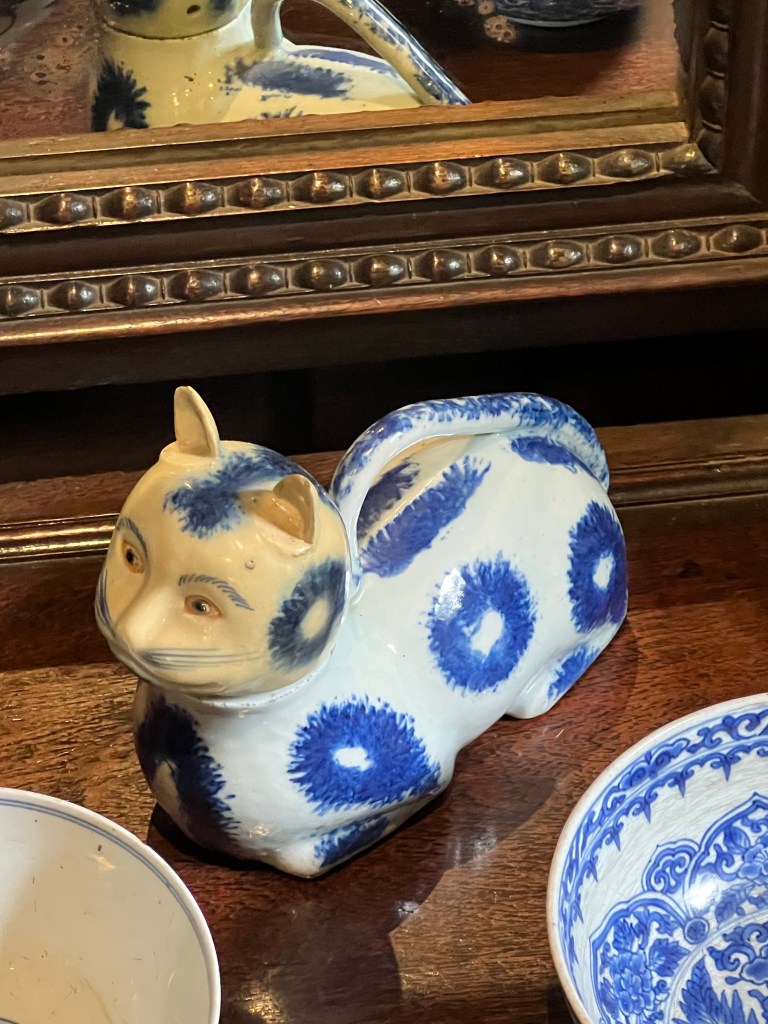
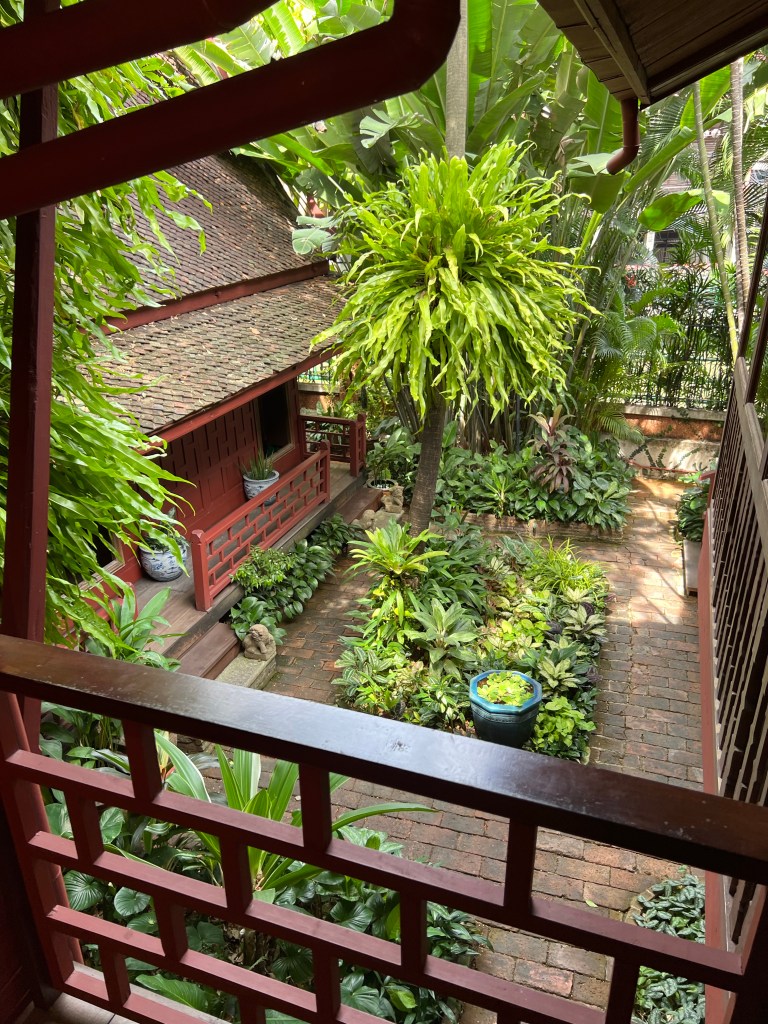
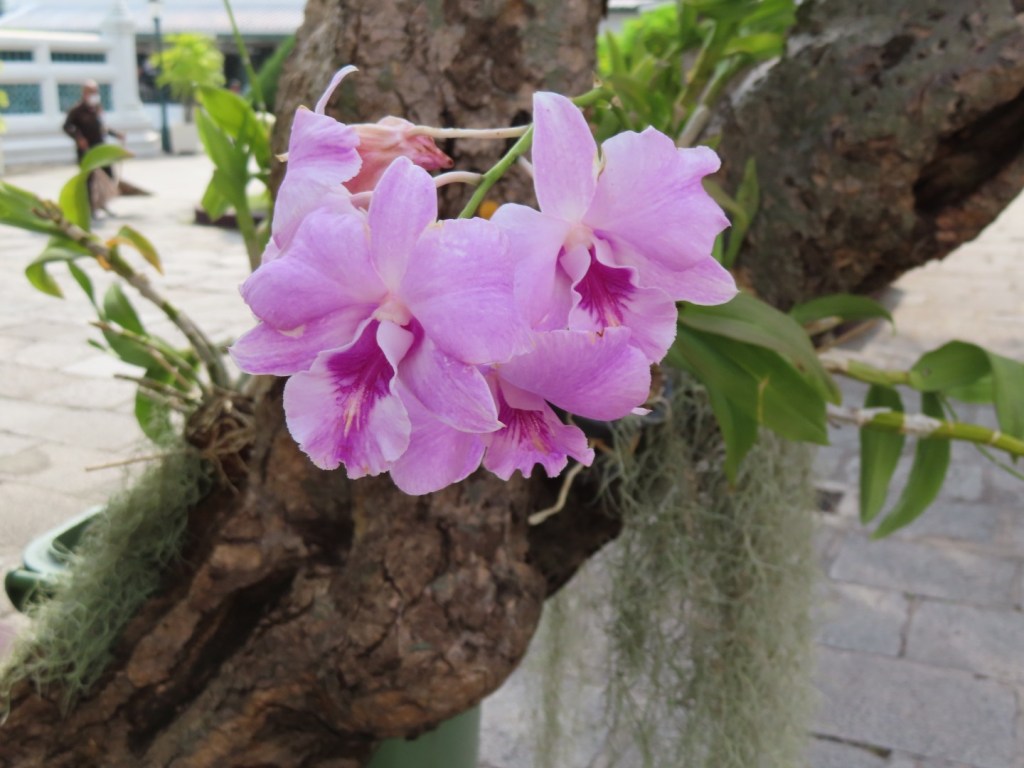
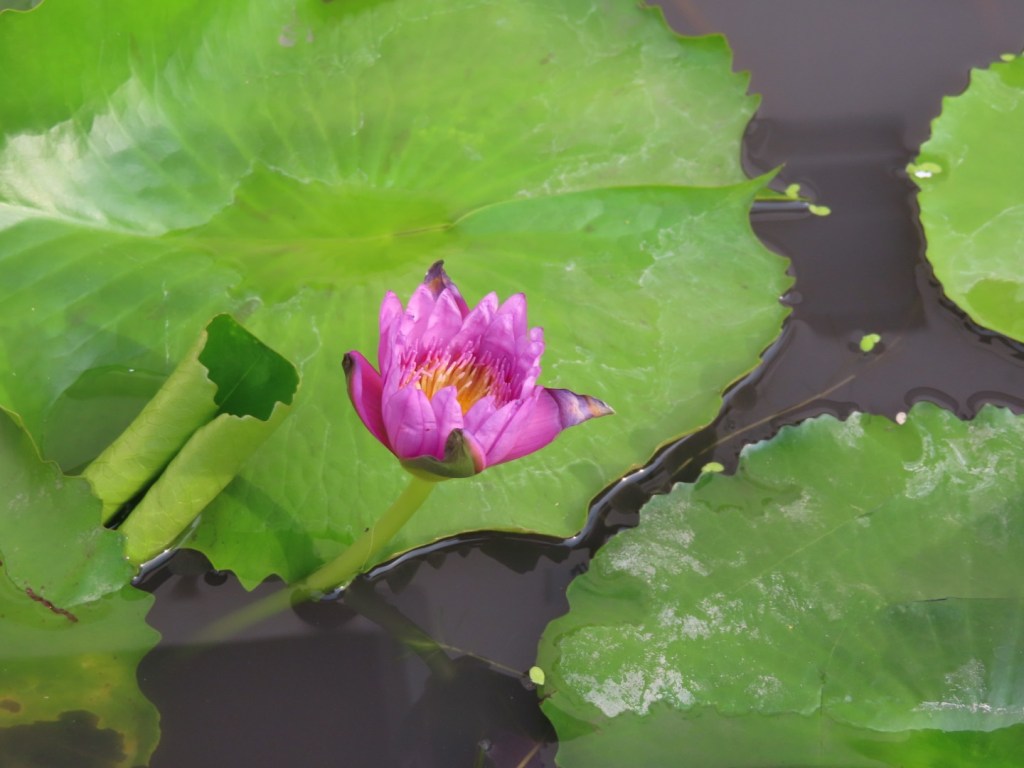
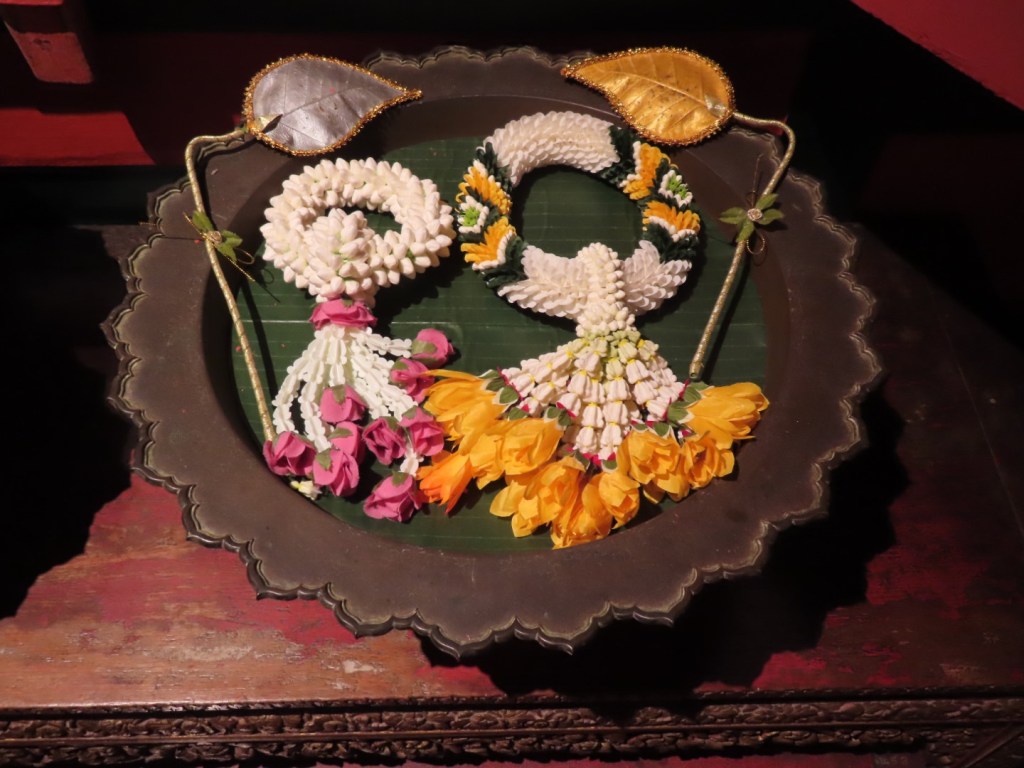
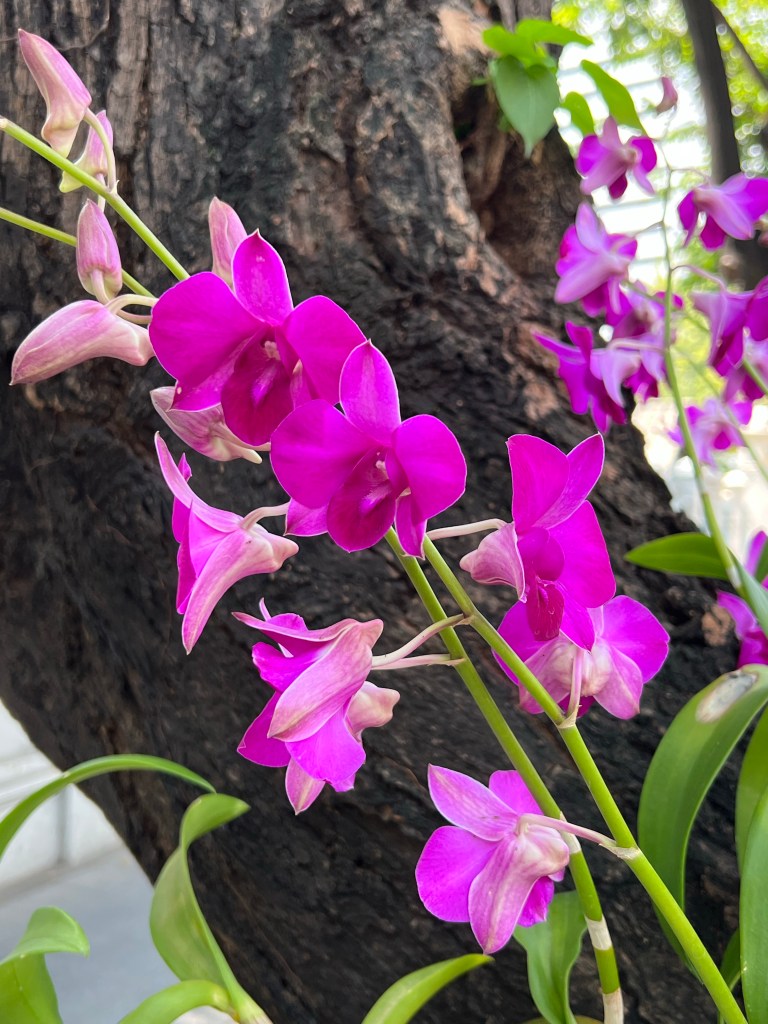
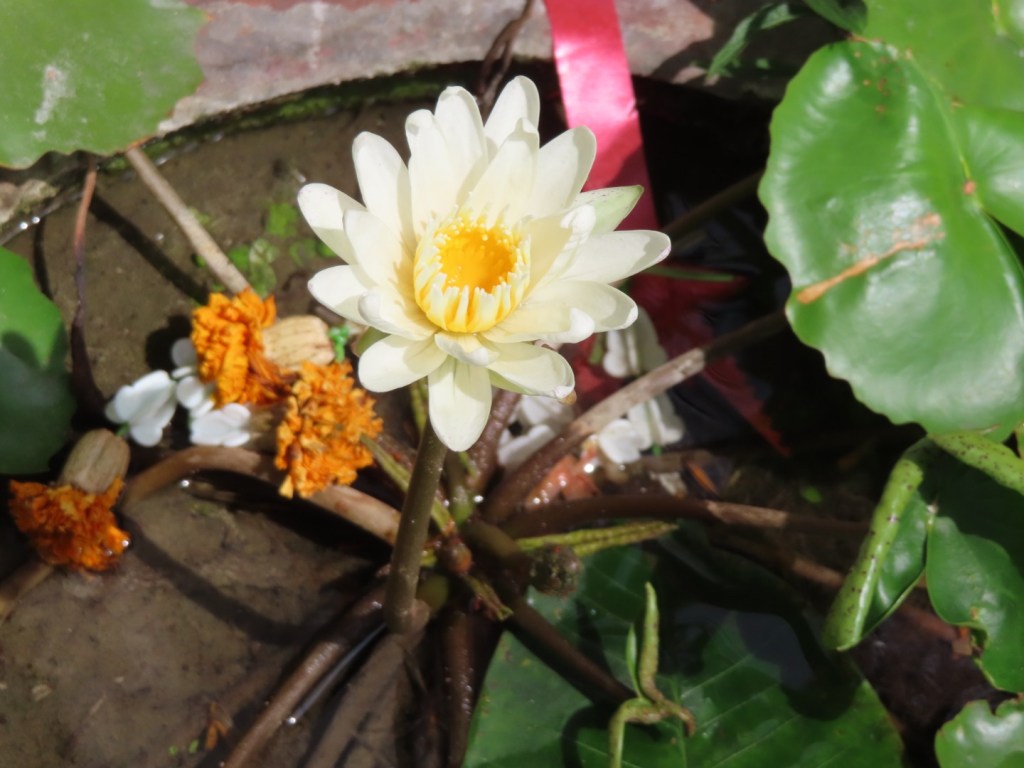
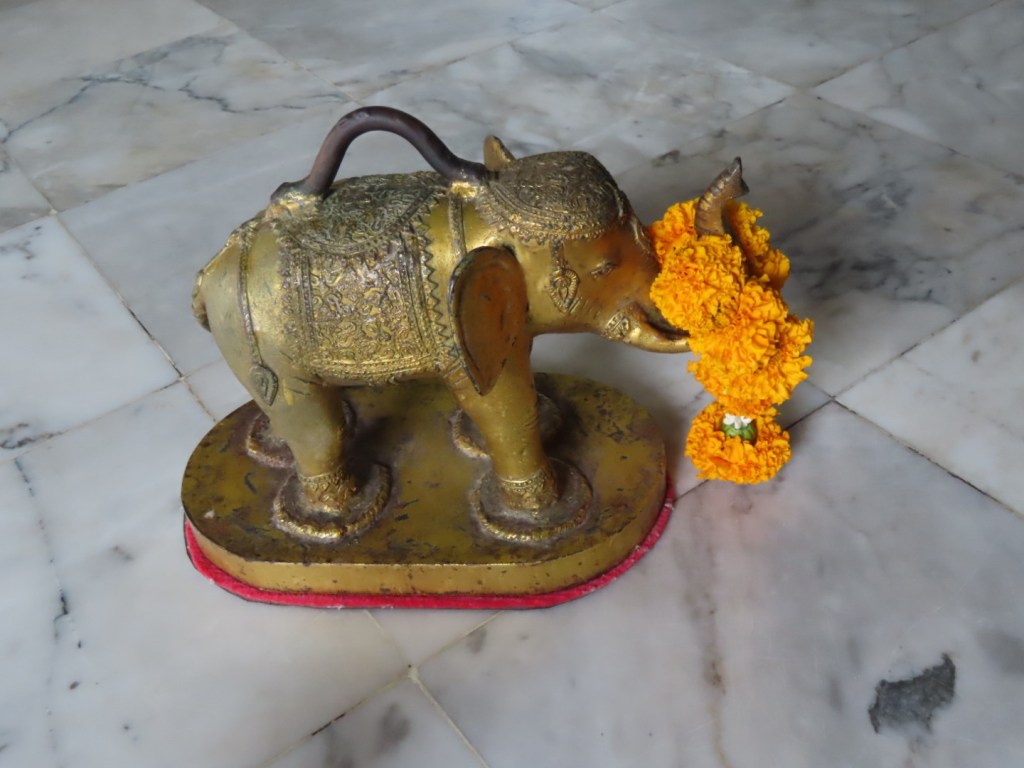
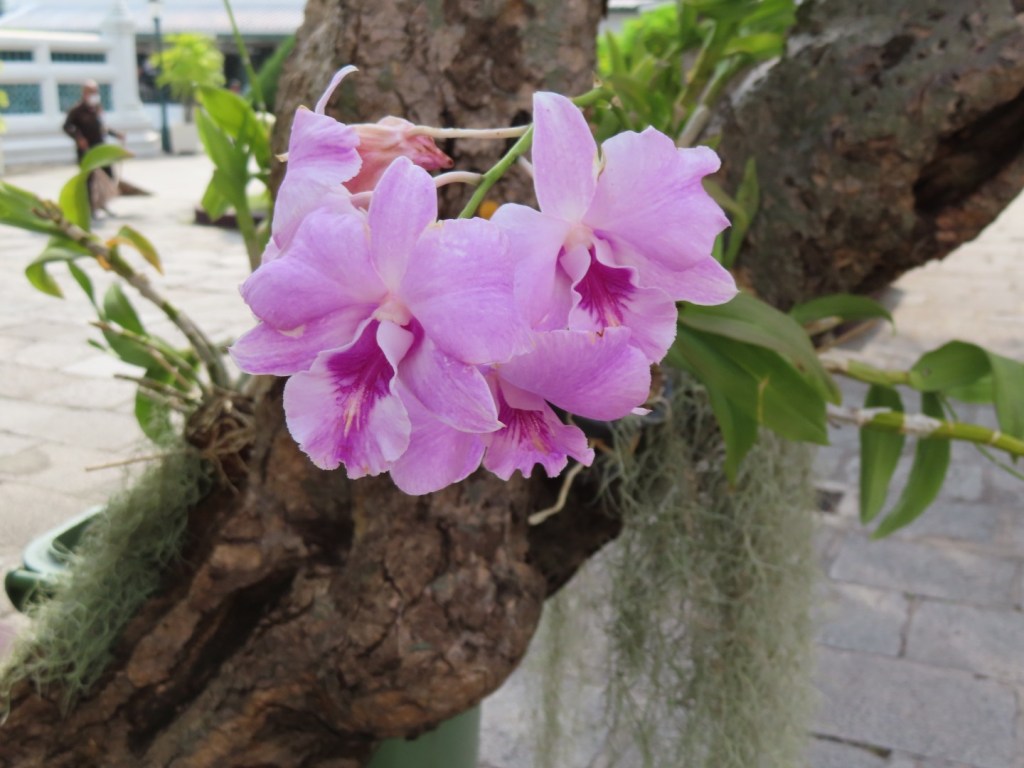
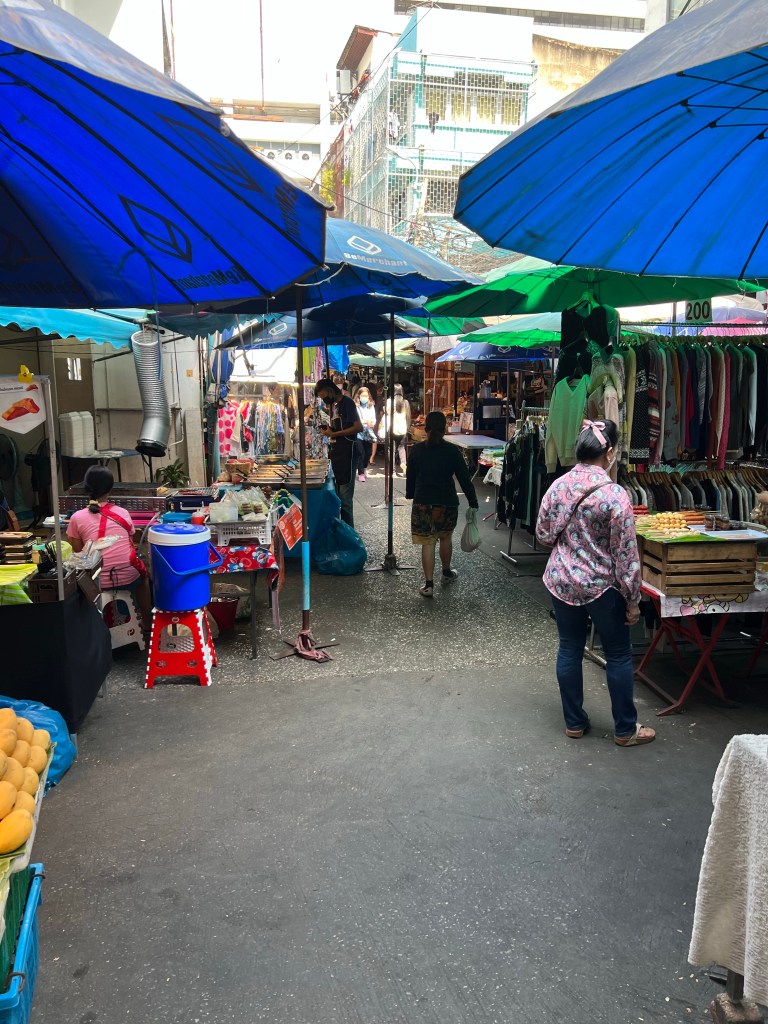
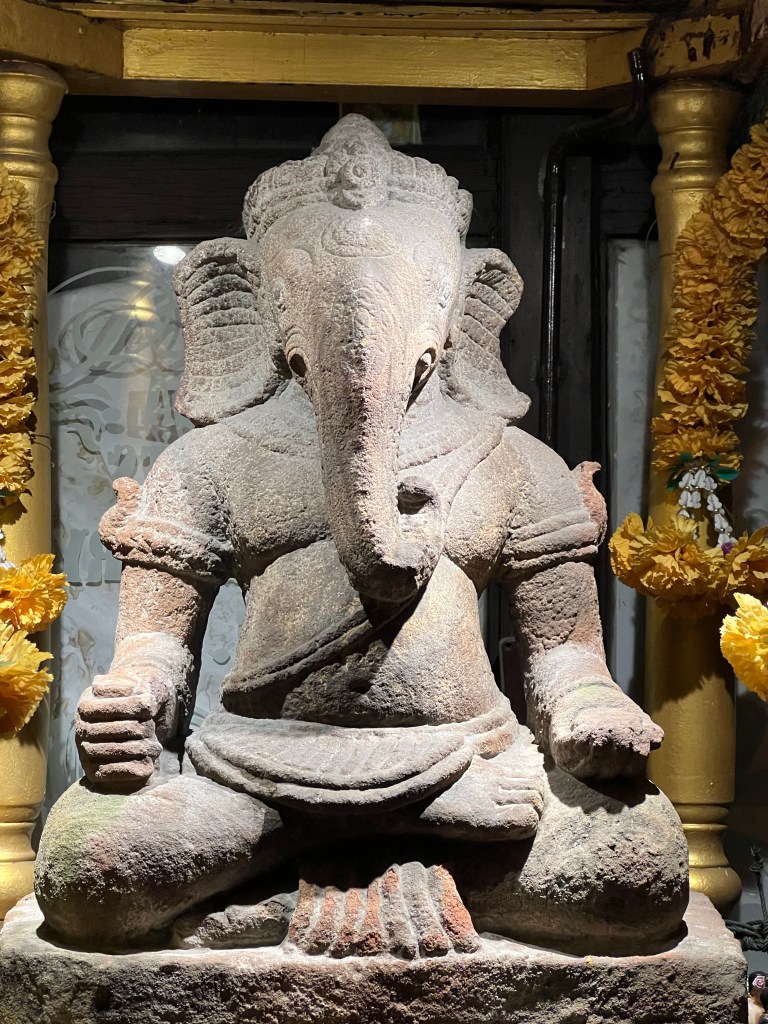
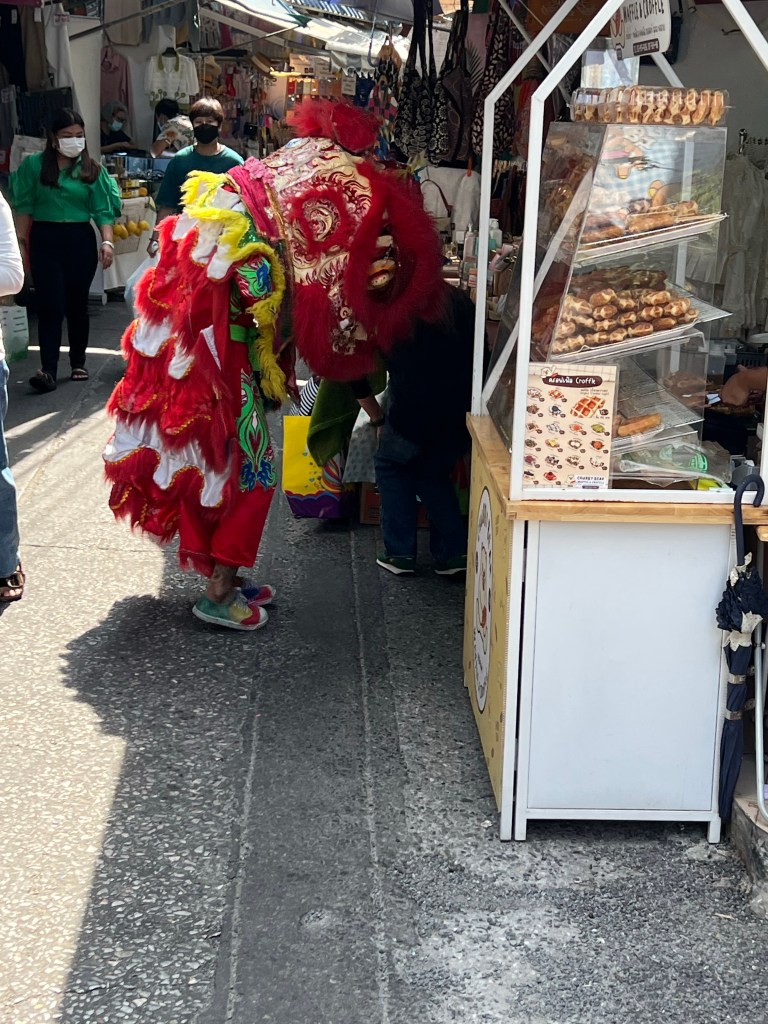
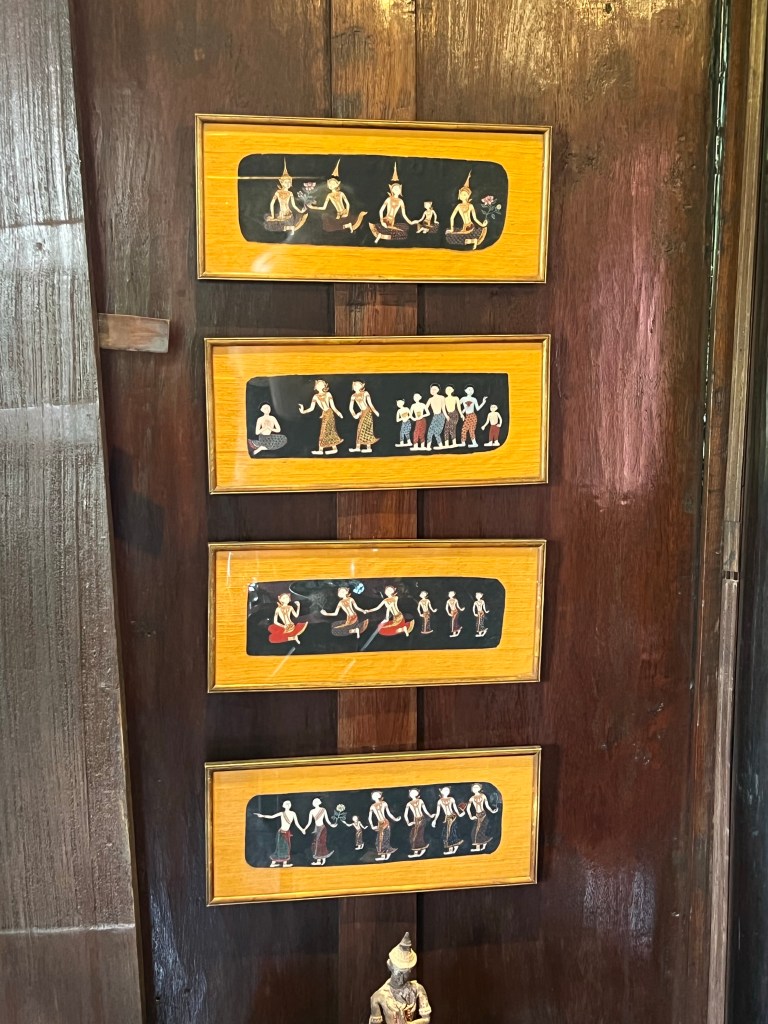
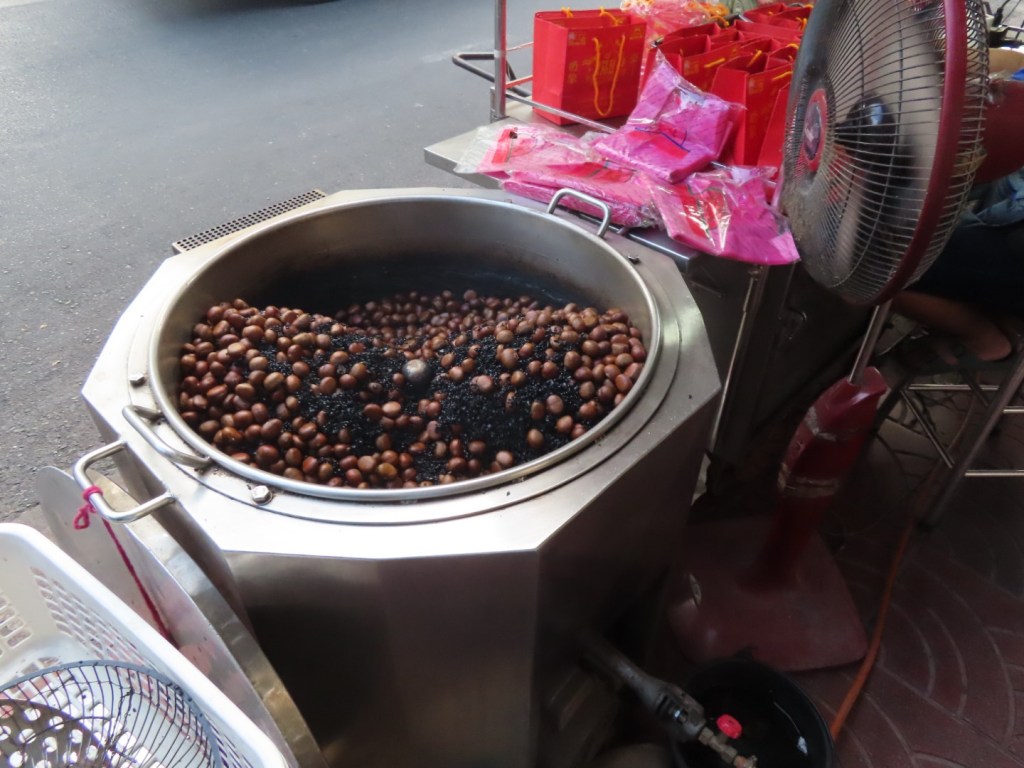
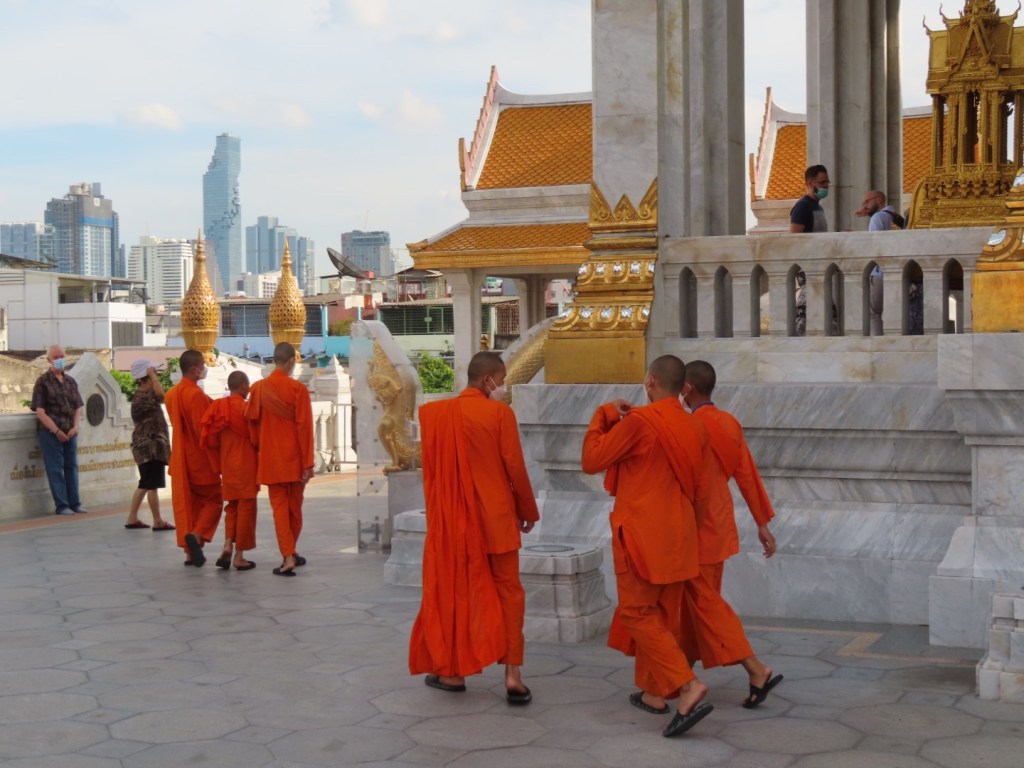
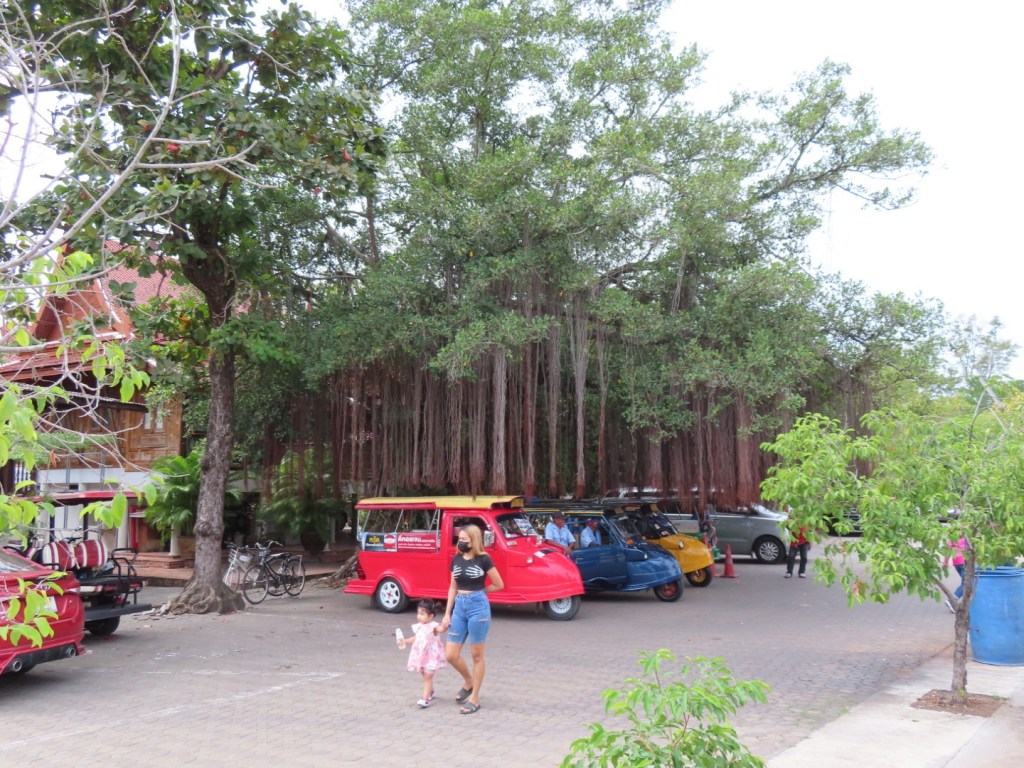
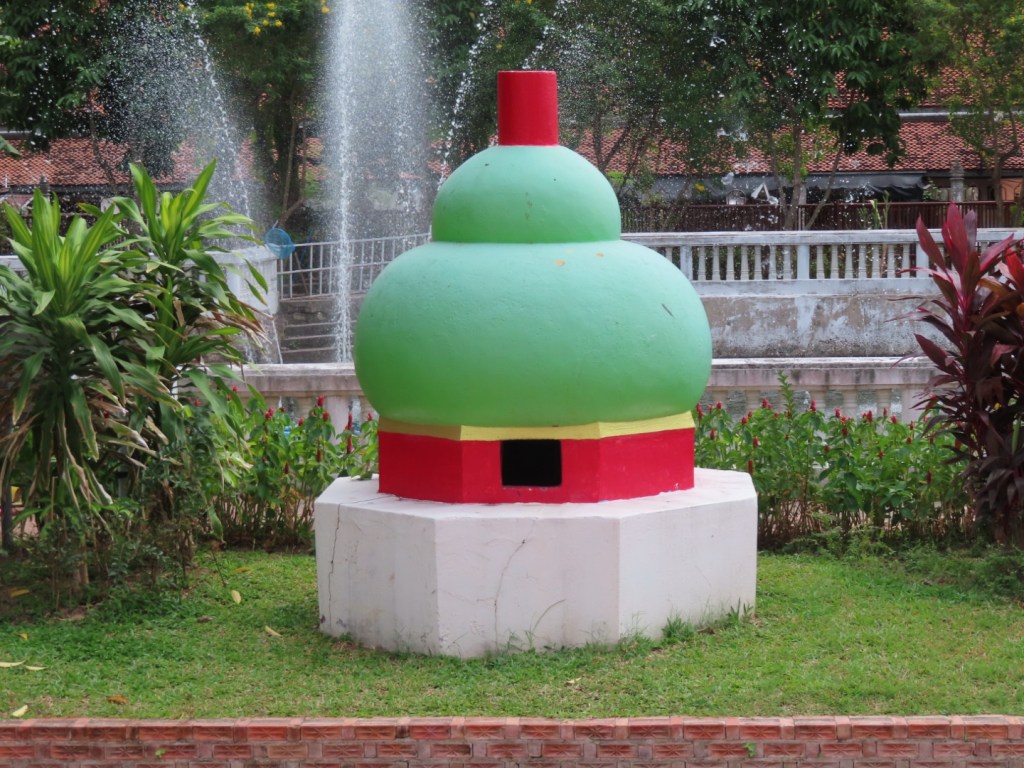
These are just some pictures I like that might have been left out:




Hello Hanoi
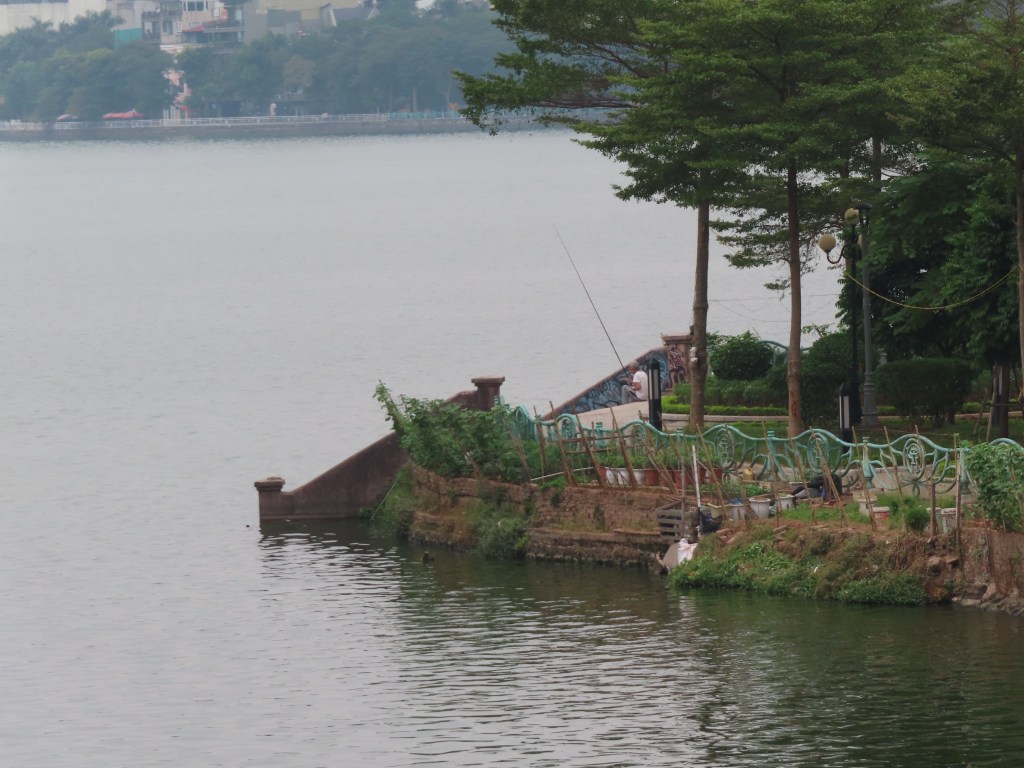
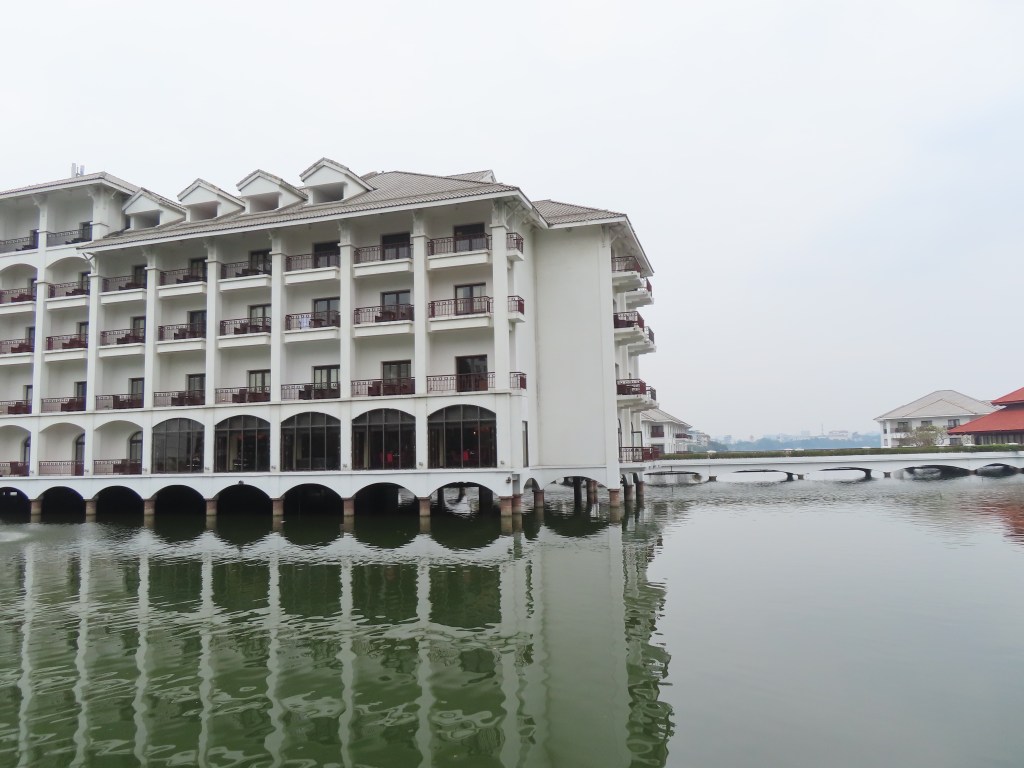
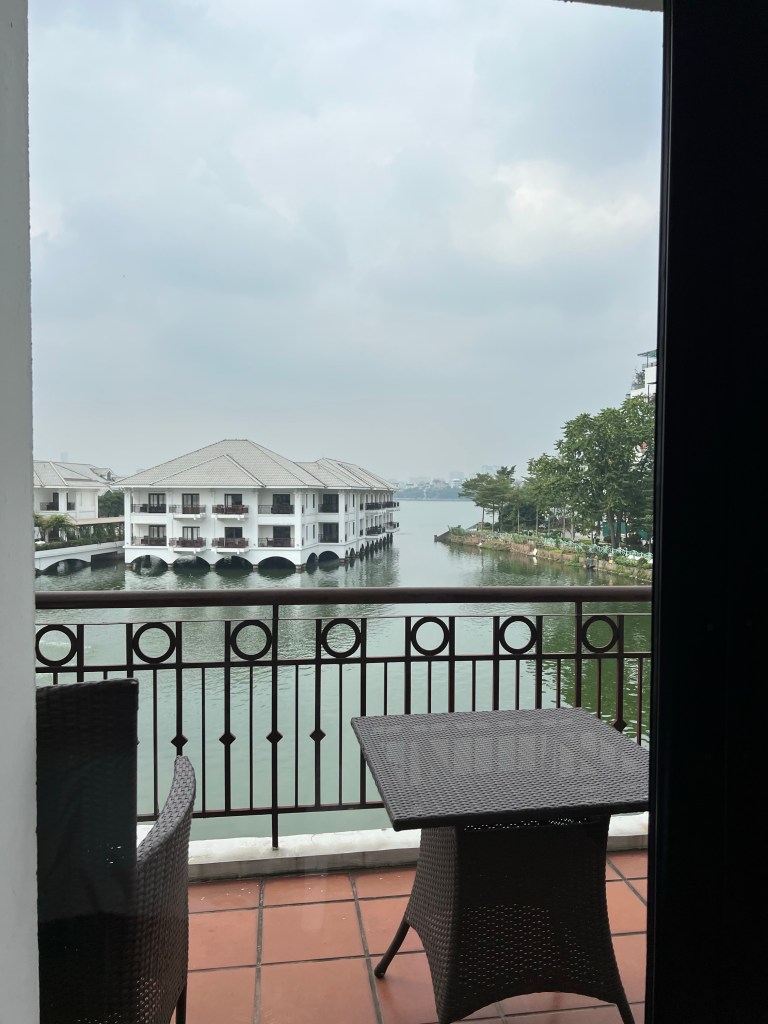
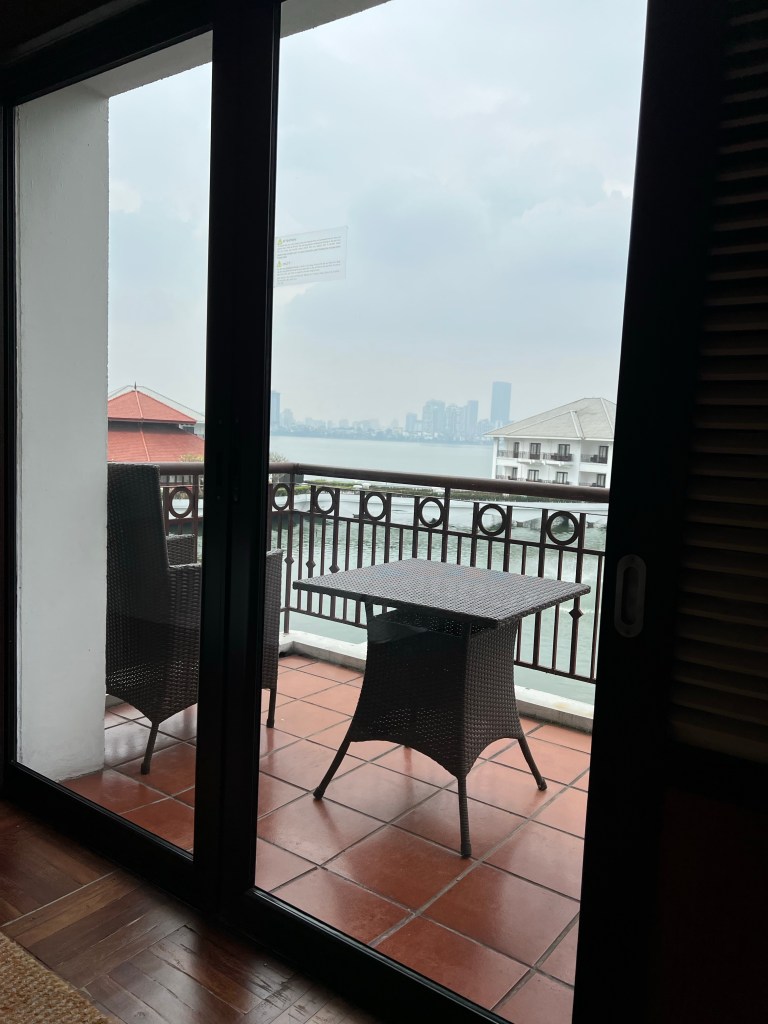
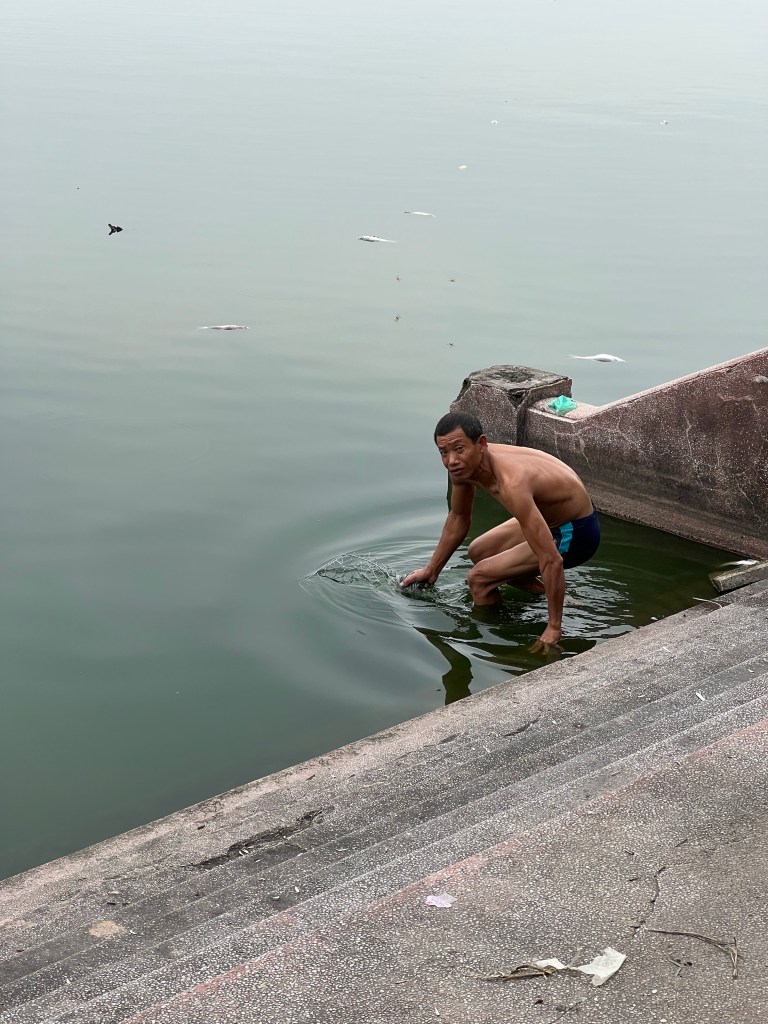
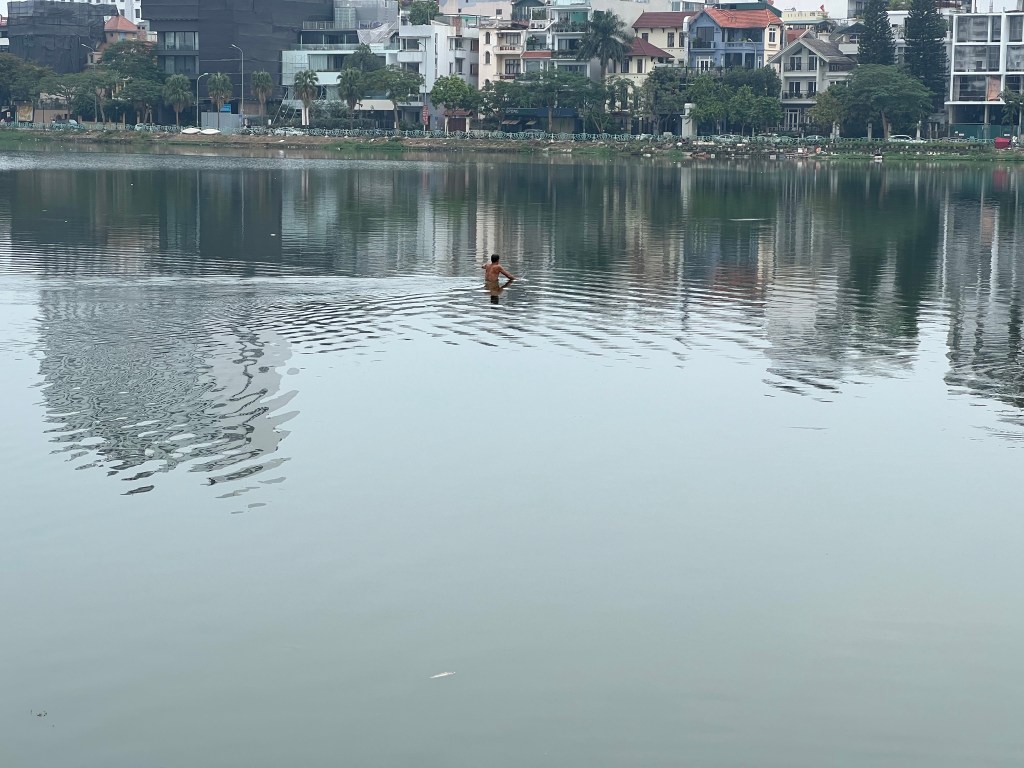
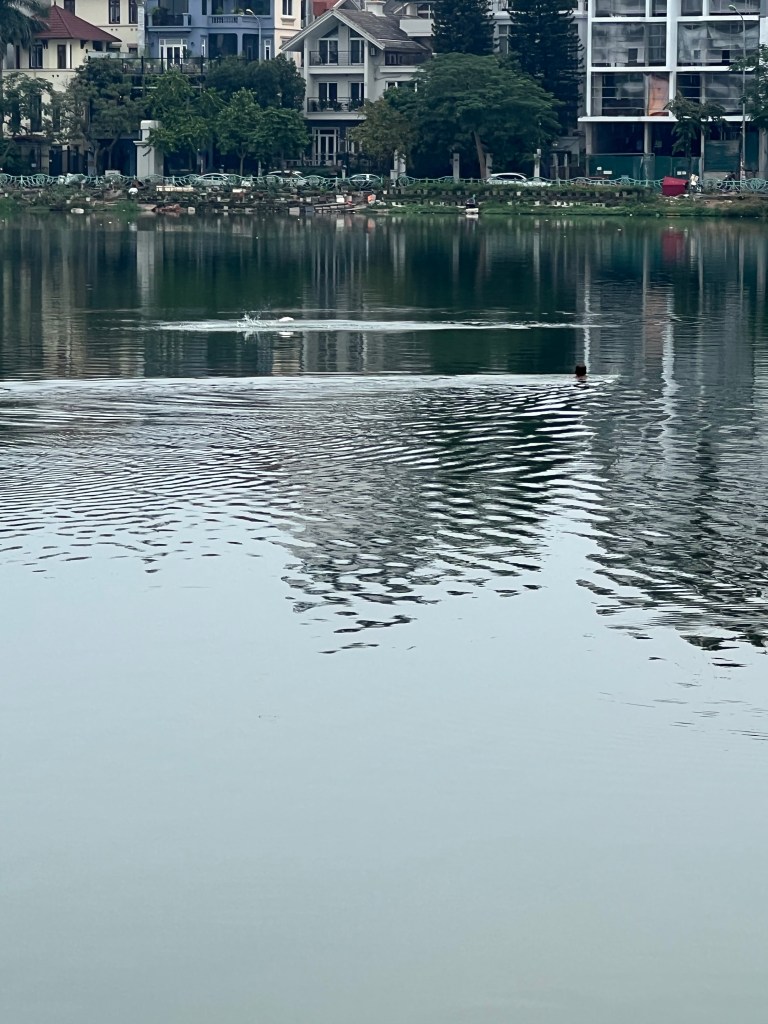
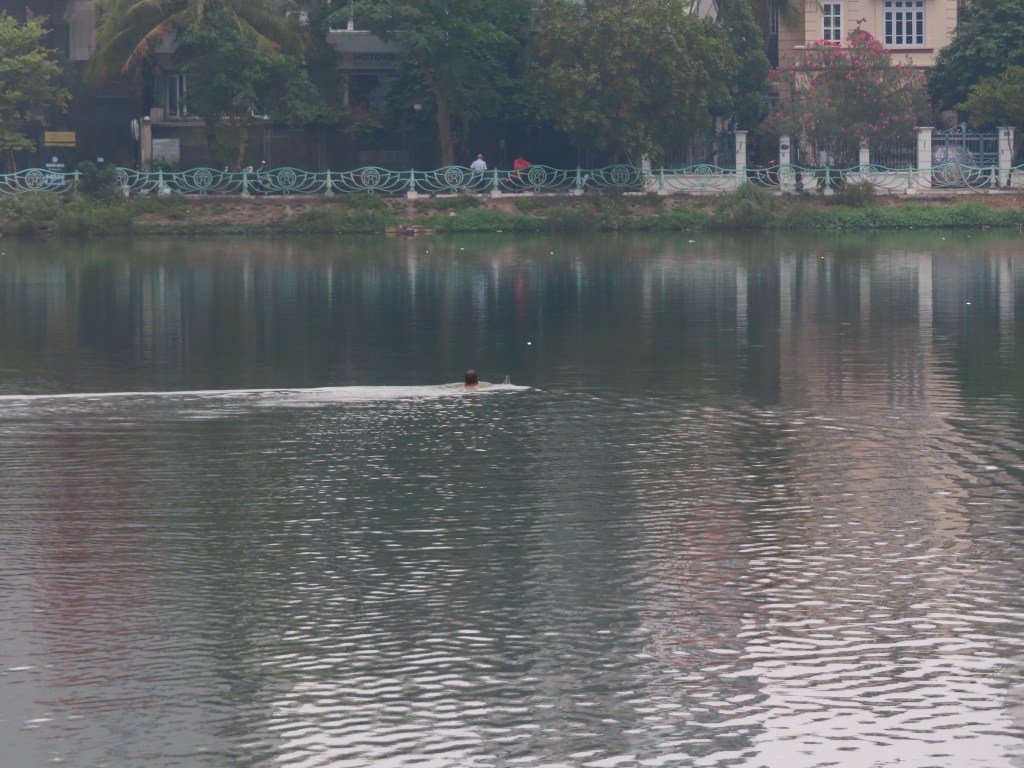
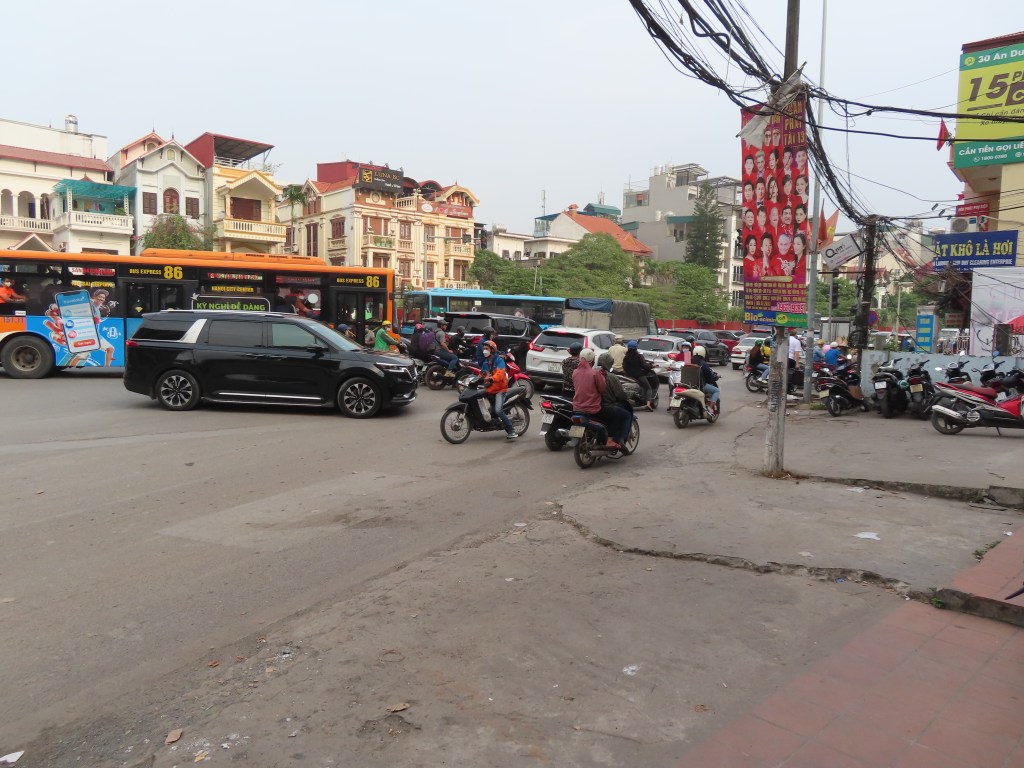
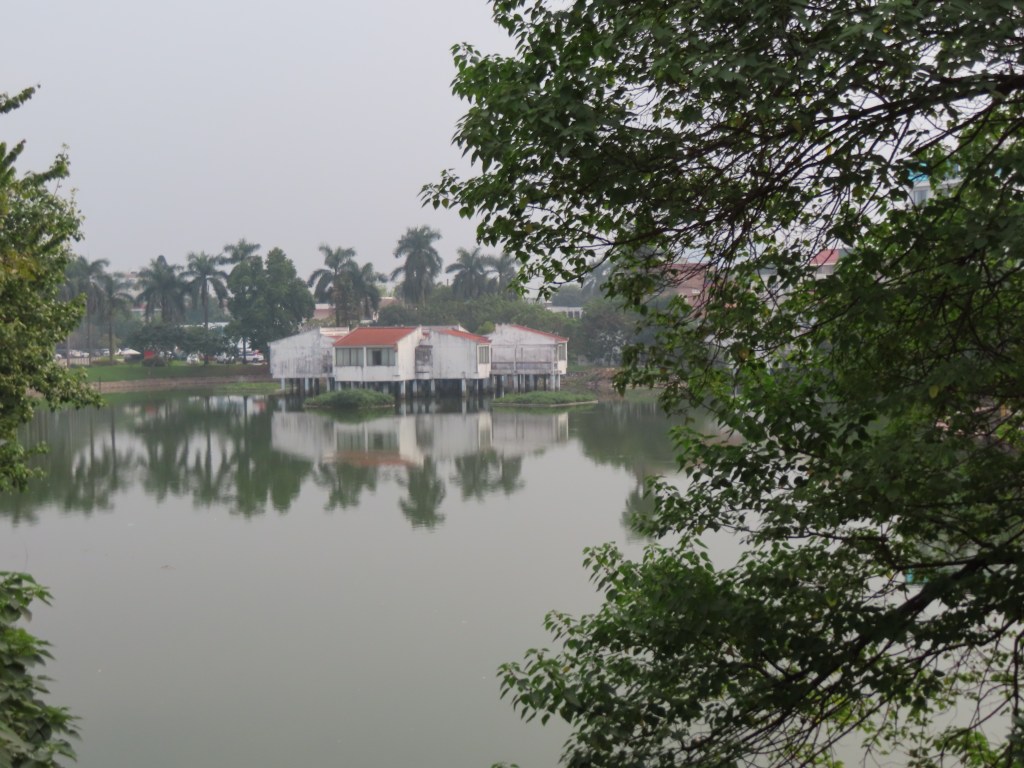
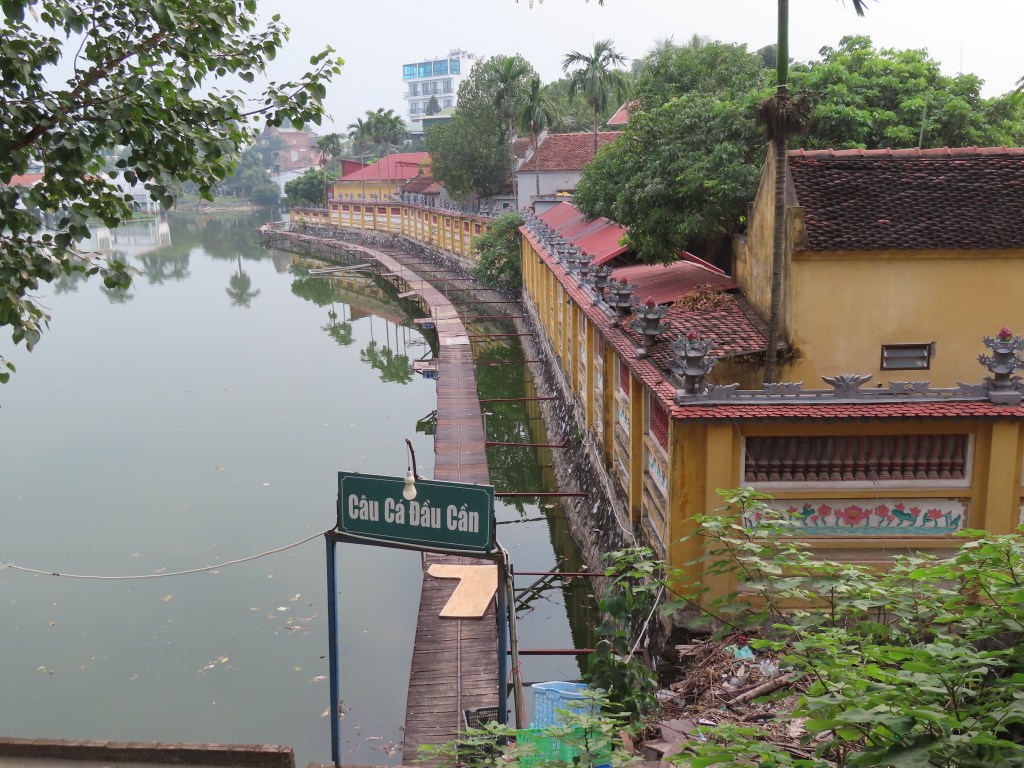
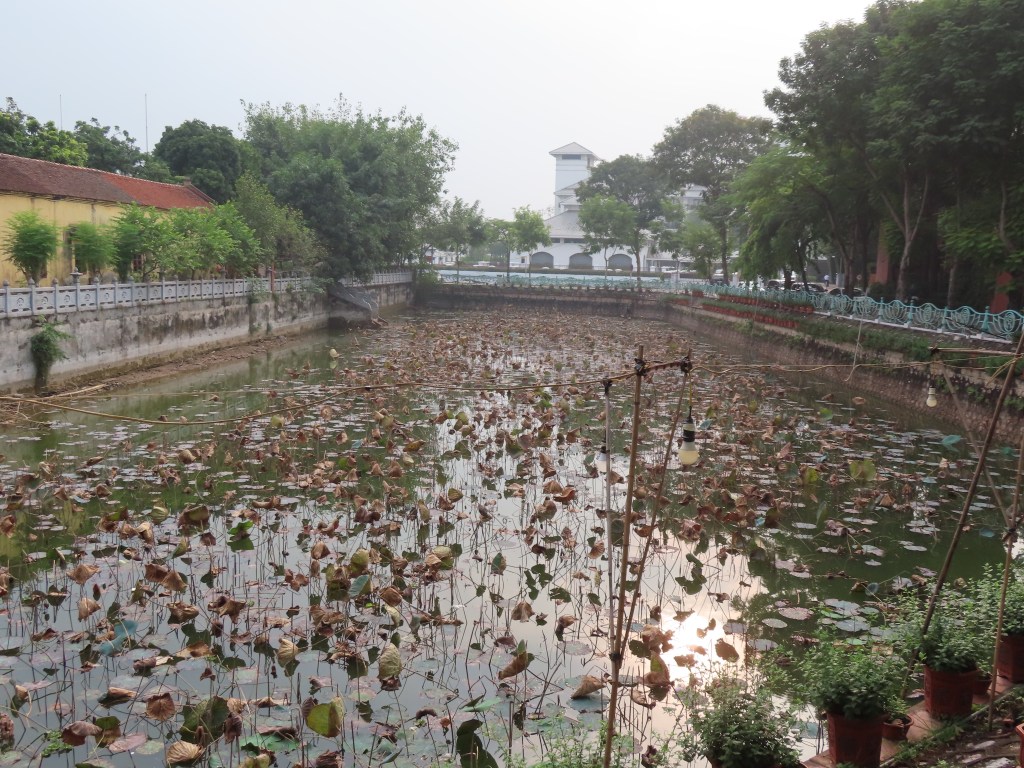
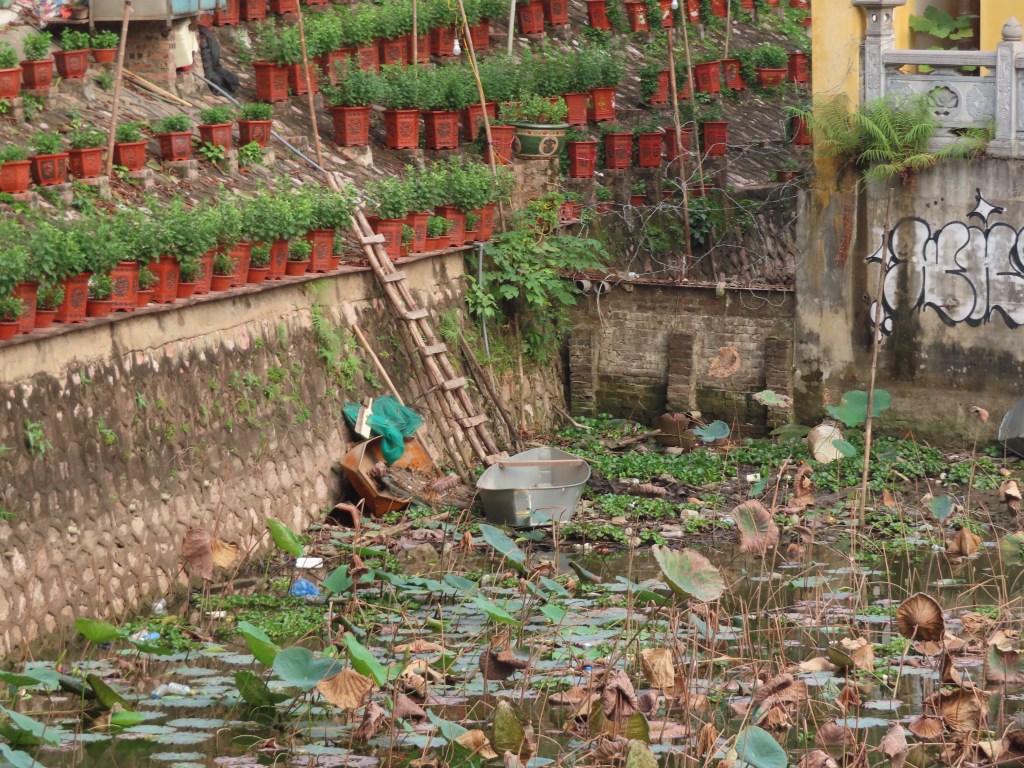
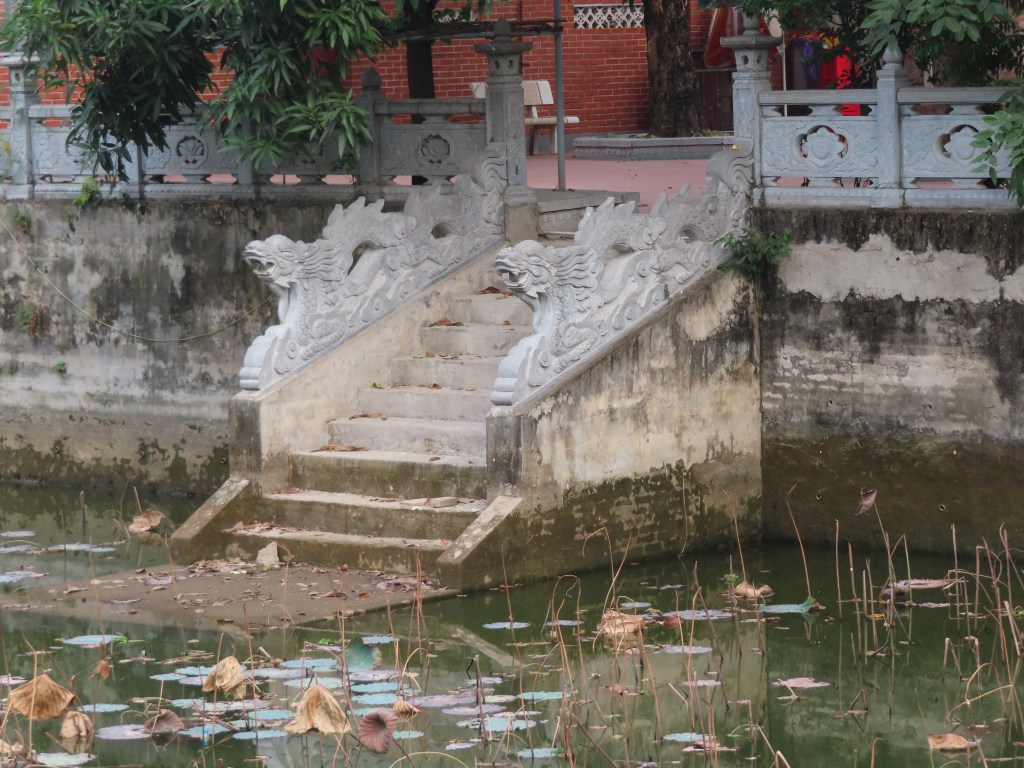
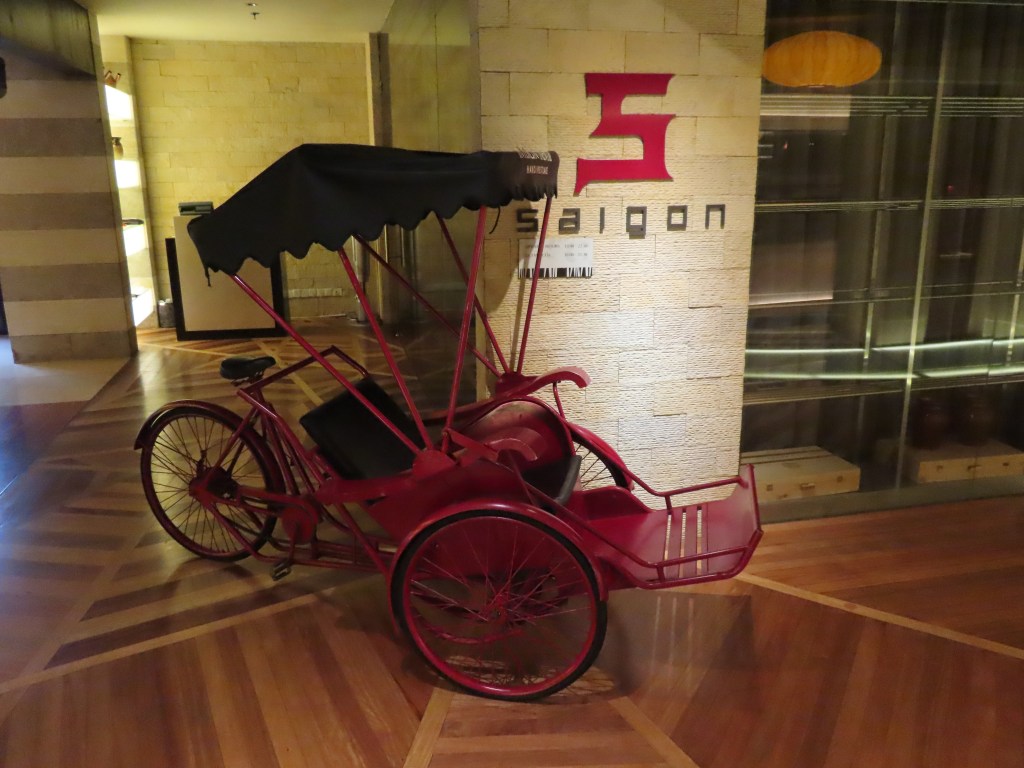
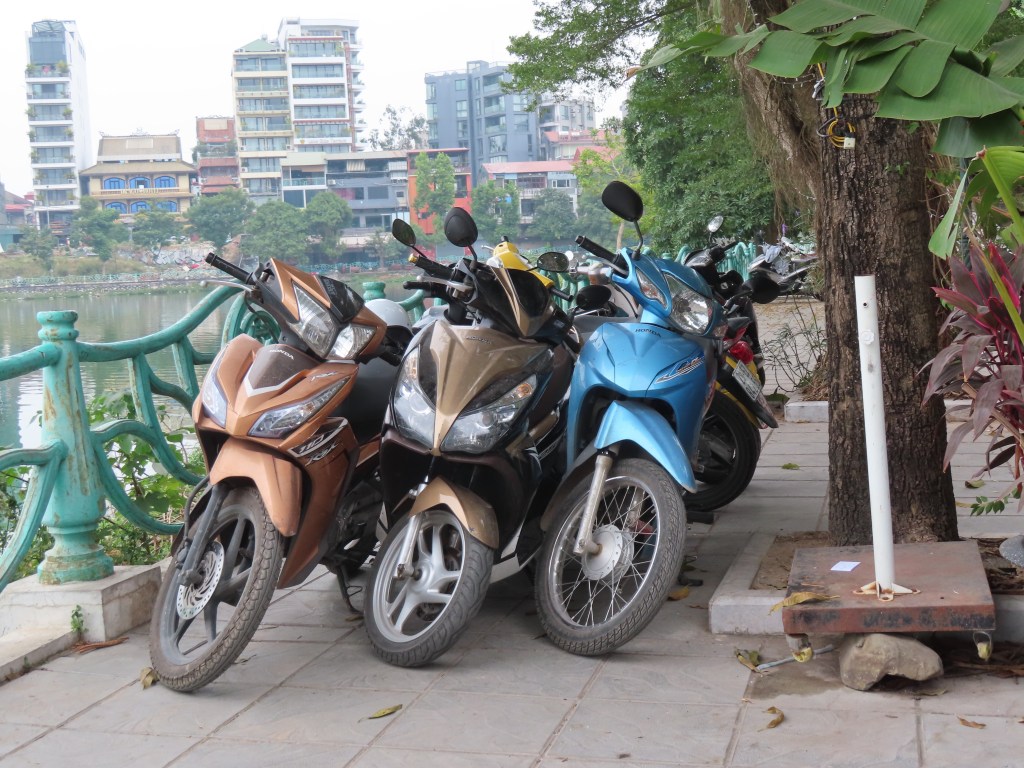
Our hotel is on Westlake. I walked to Fat Pig – a barbecue restaurant for lunch. So far, Hanoi is more like India, not Thailand.


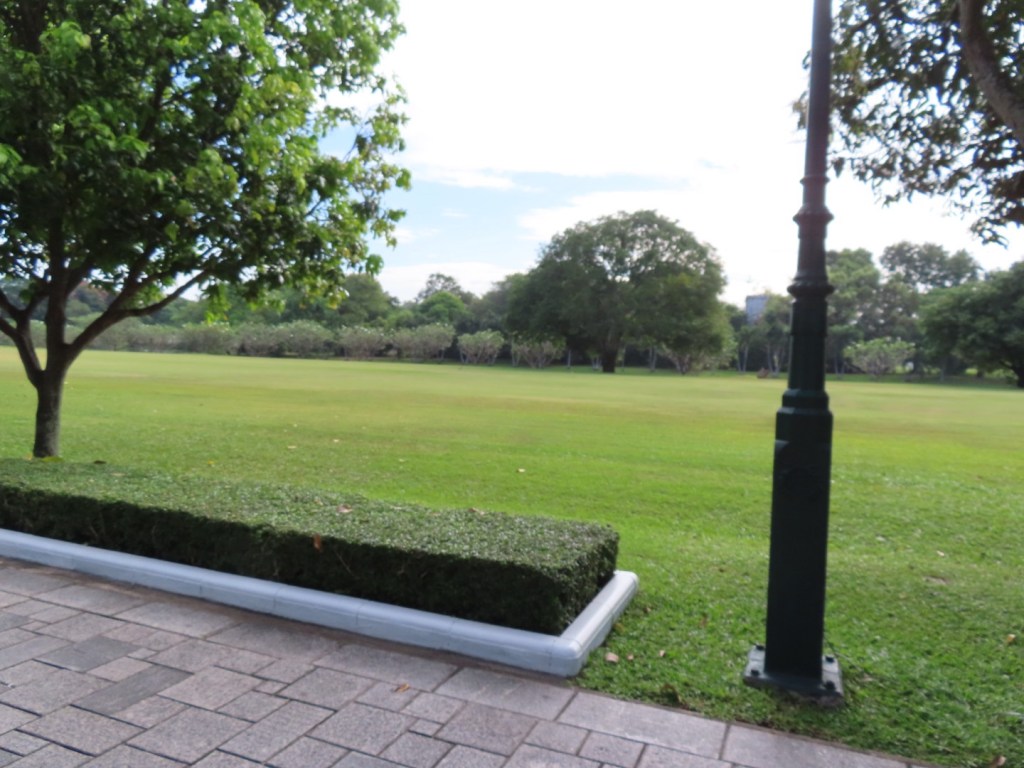
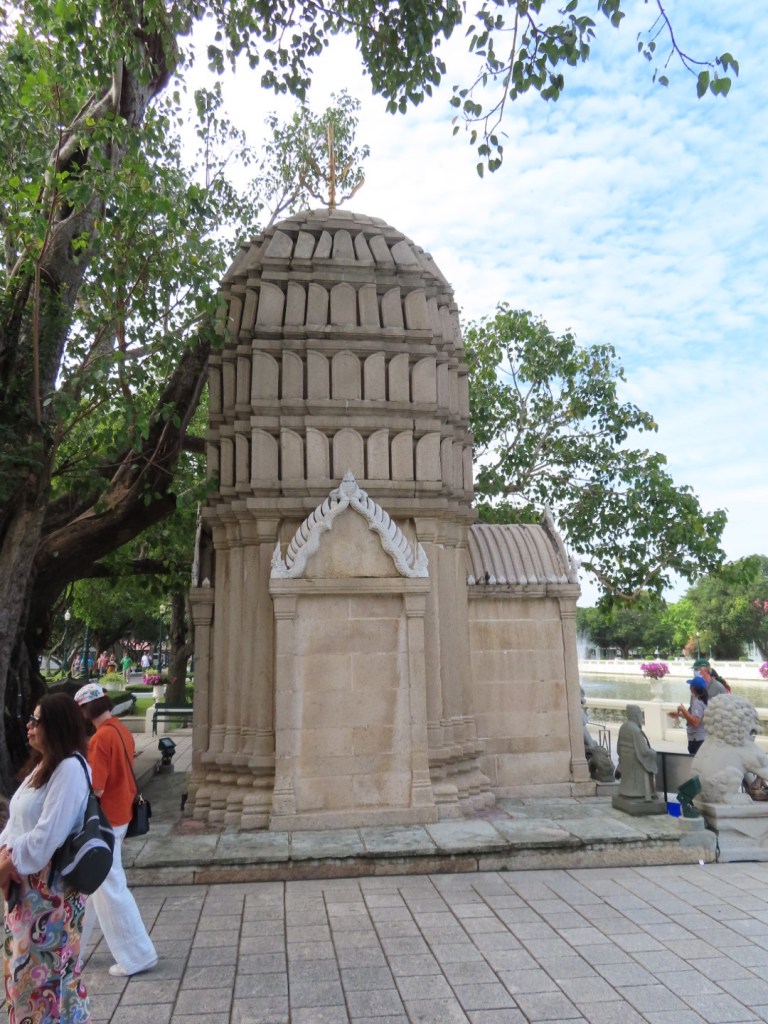
Today I took a day-tour. Our first stop was Bang Pa In Royal Palace, the king’s summer palace.
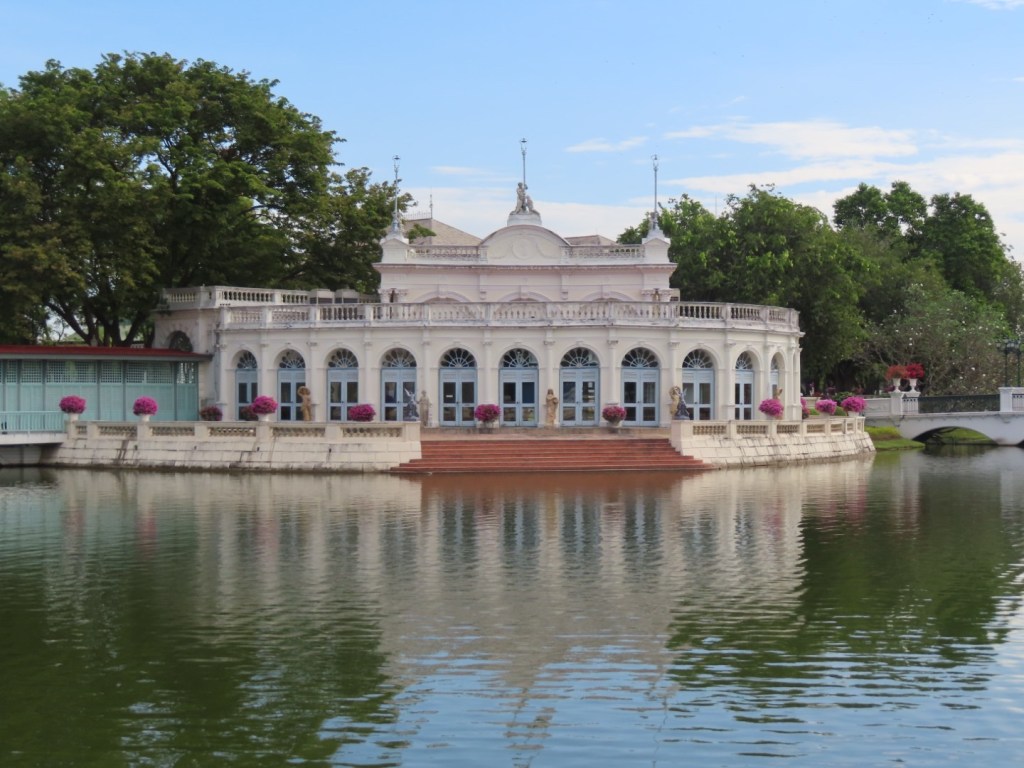
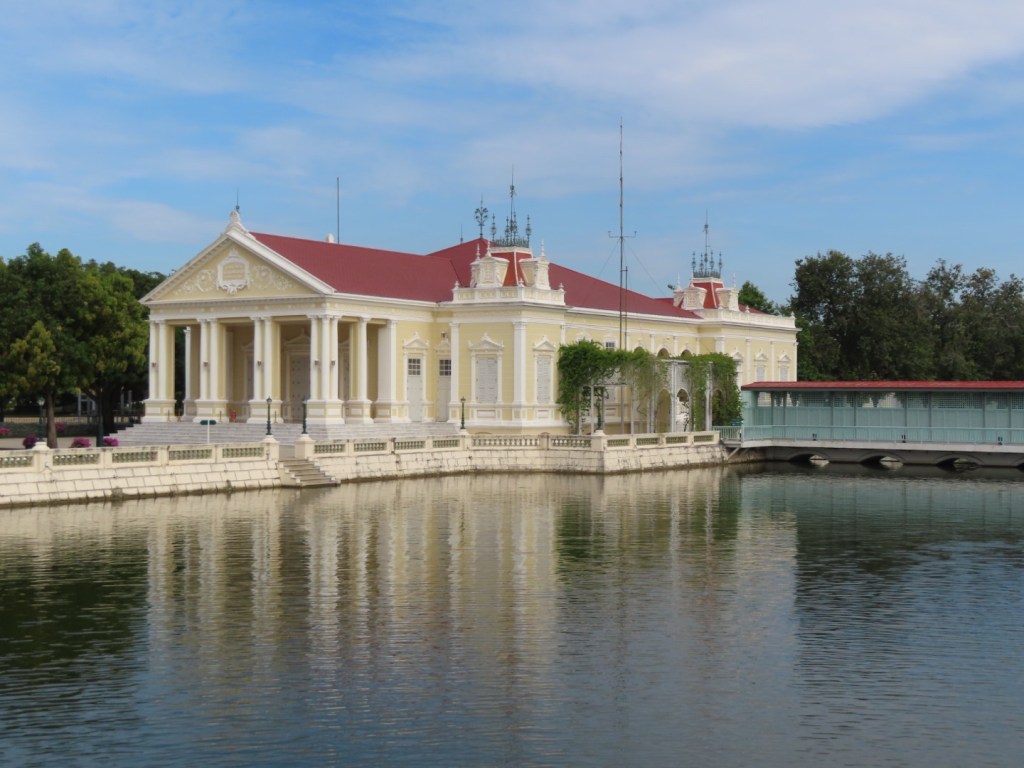

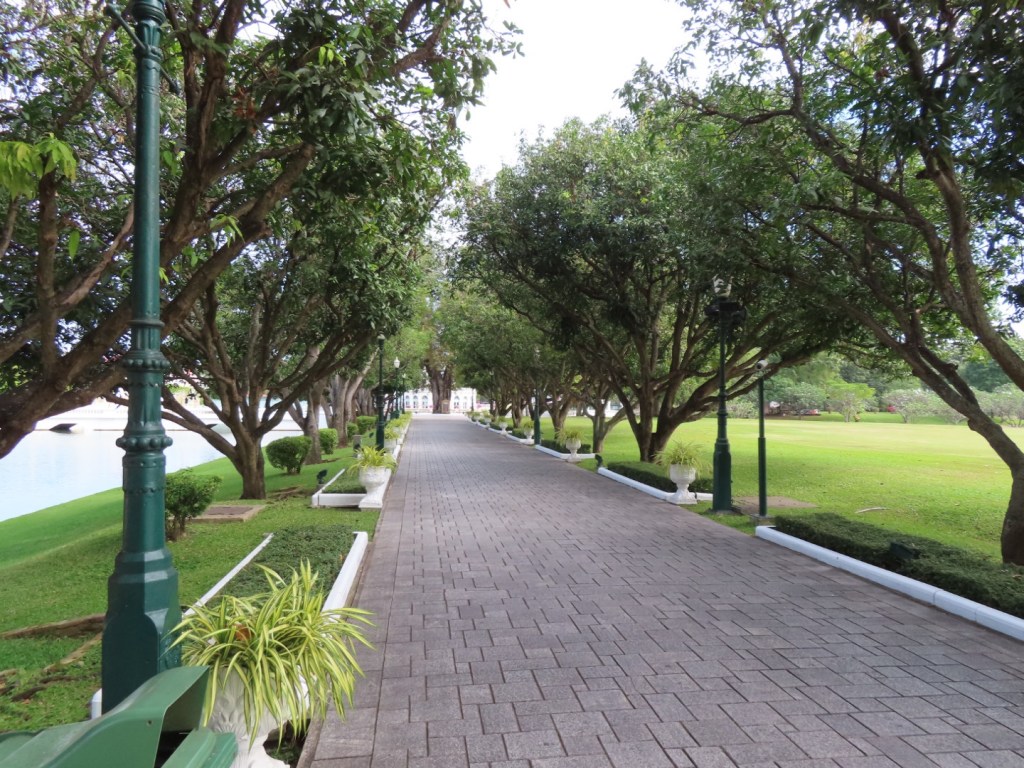
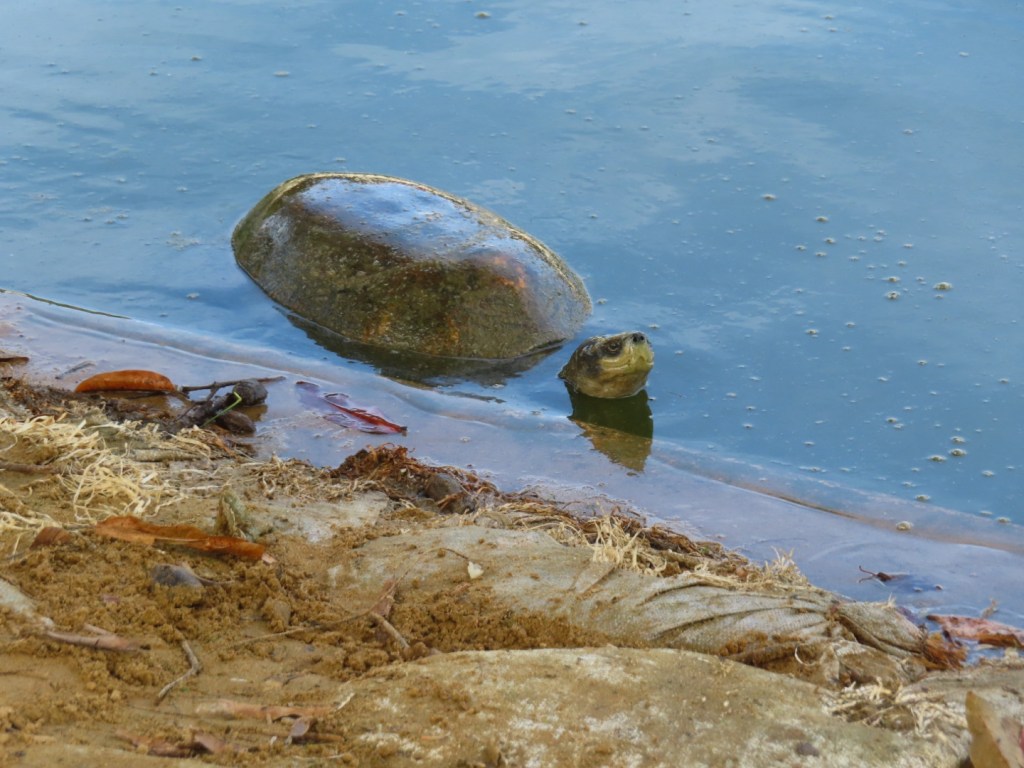
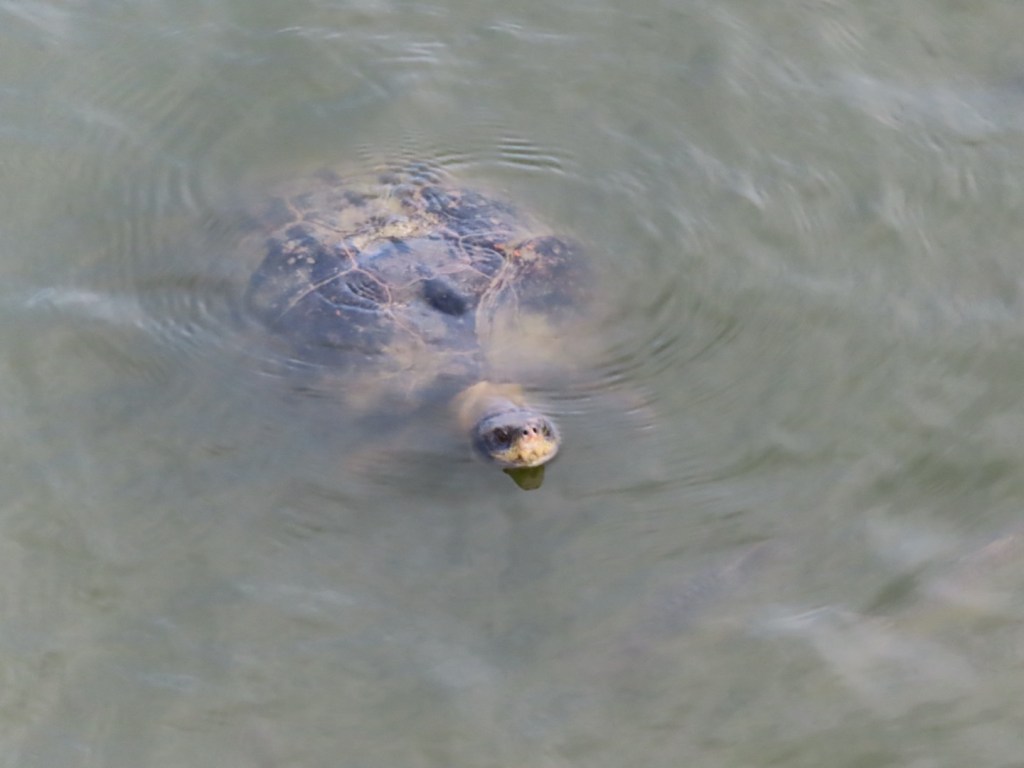
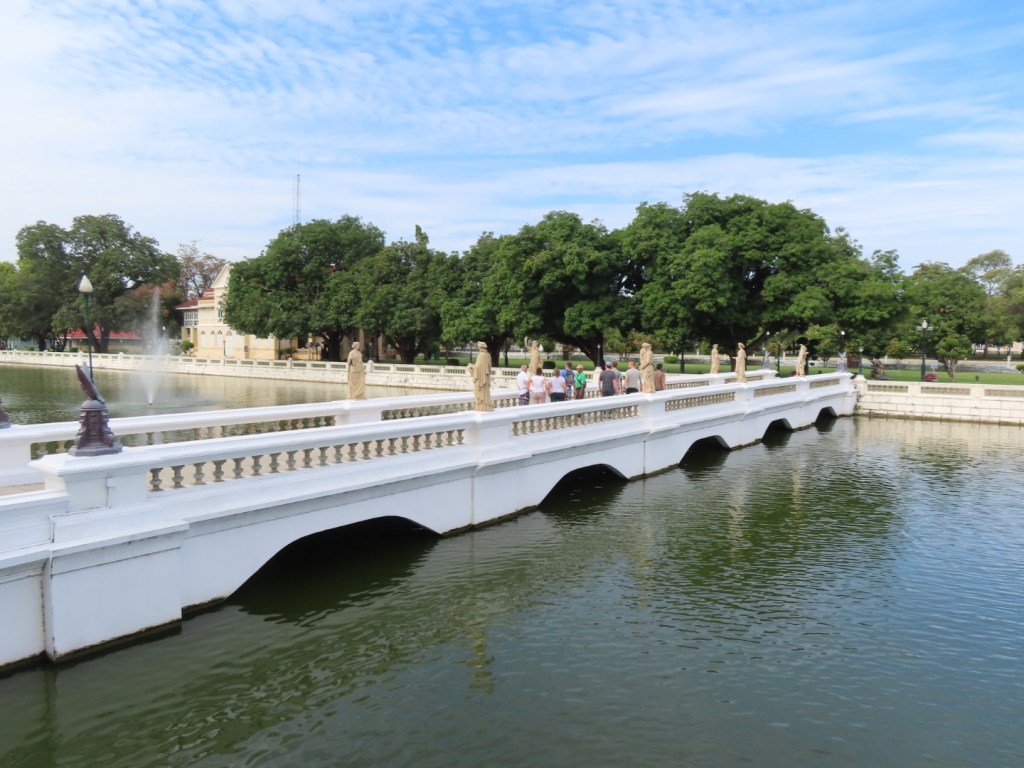
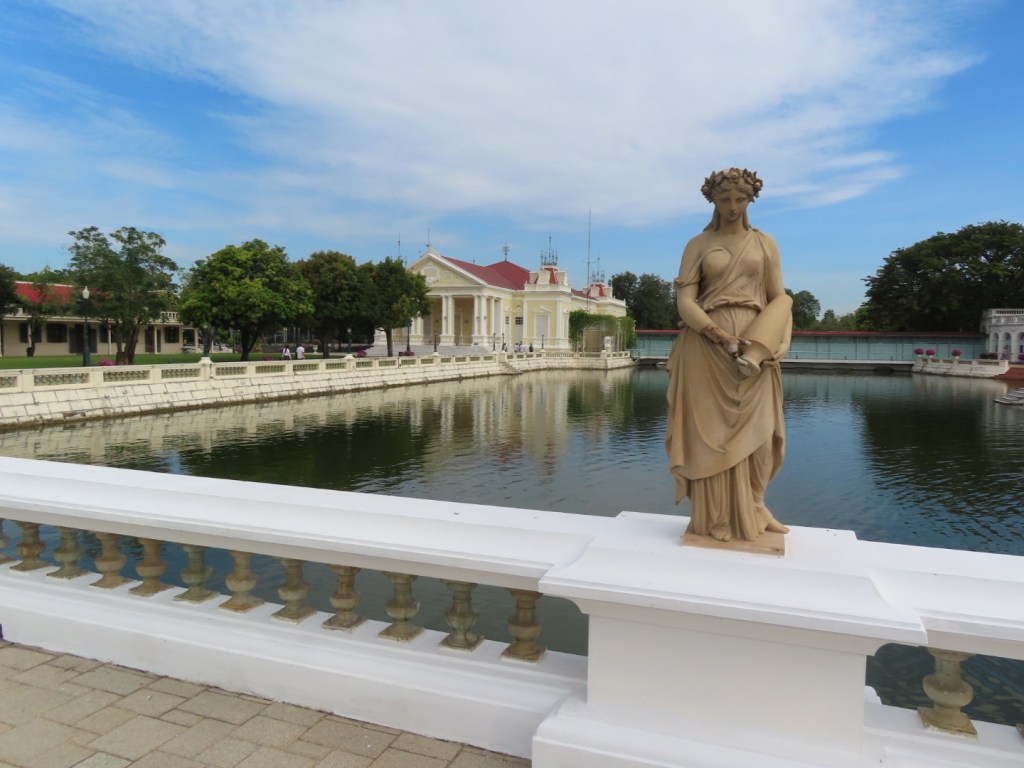
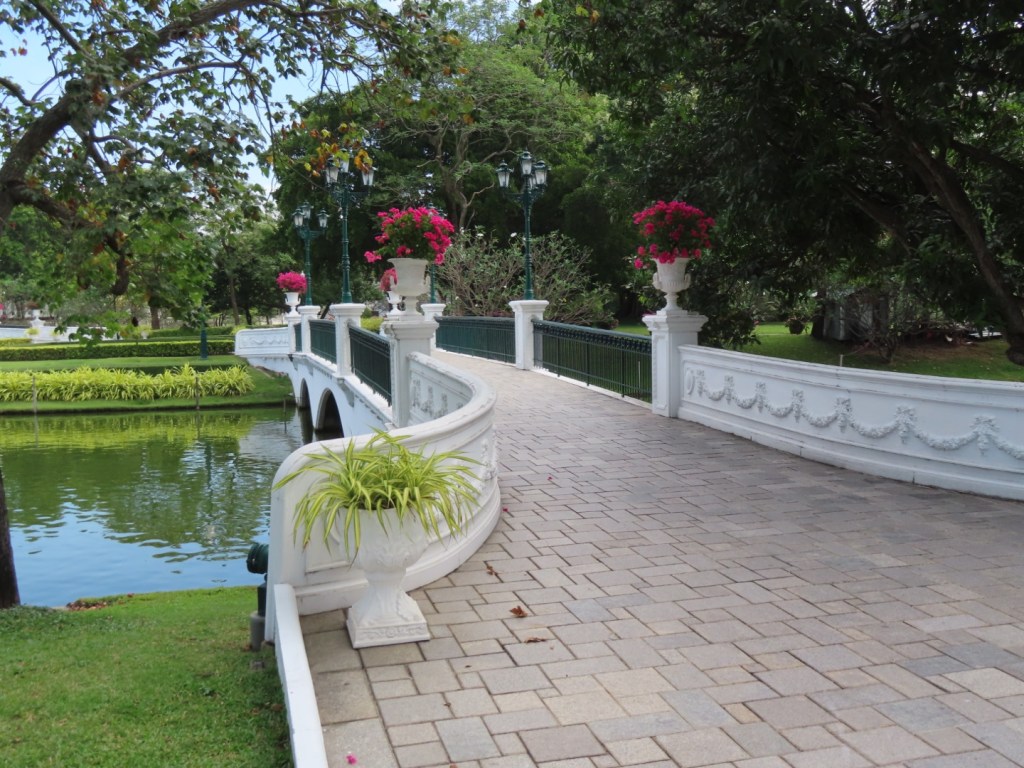
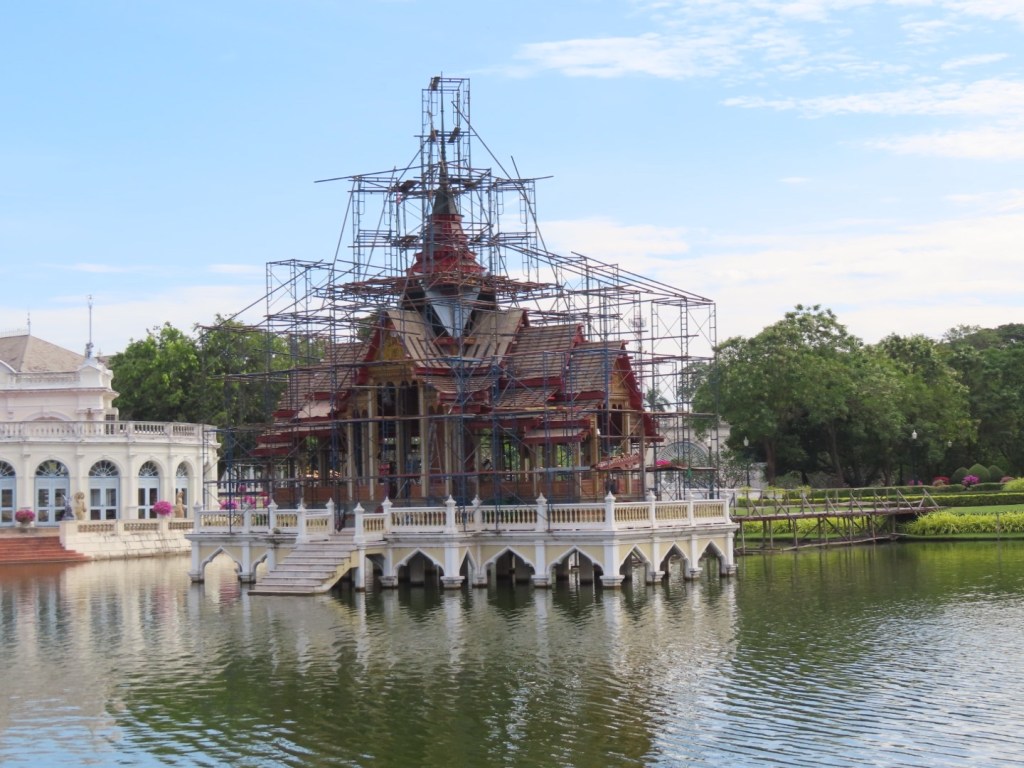

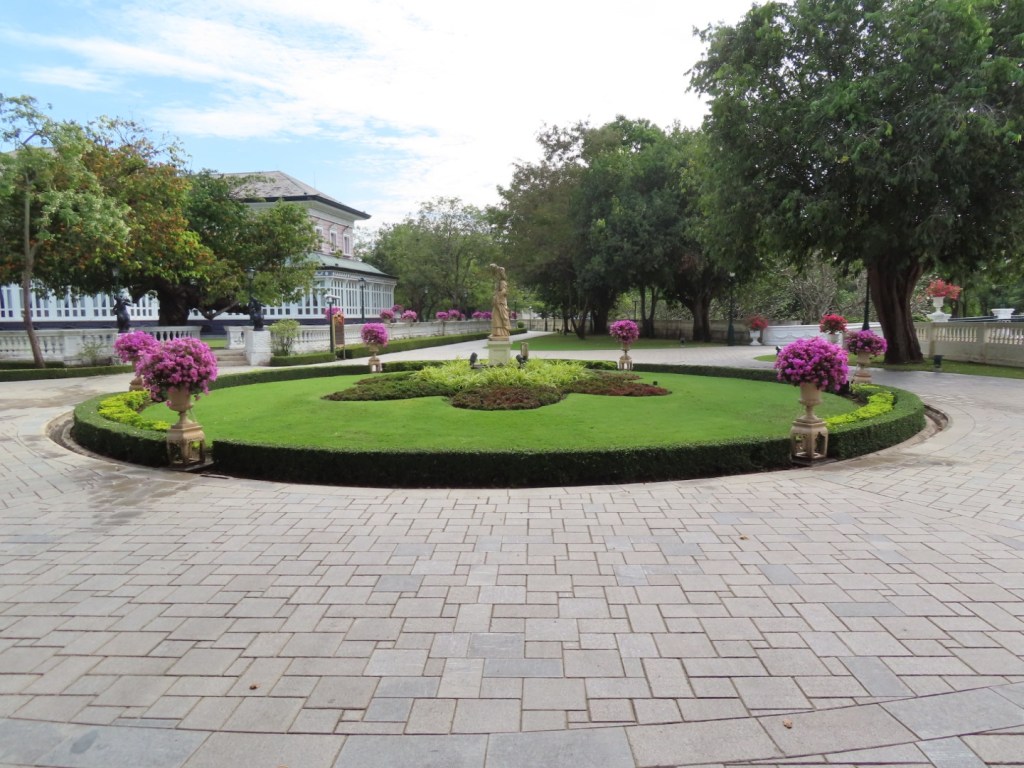
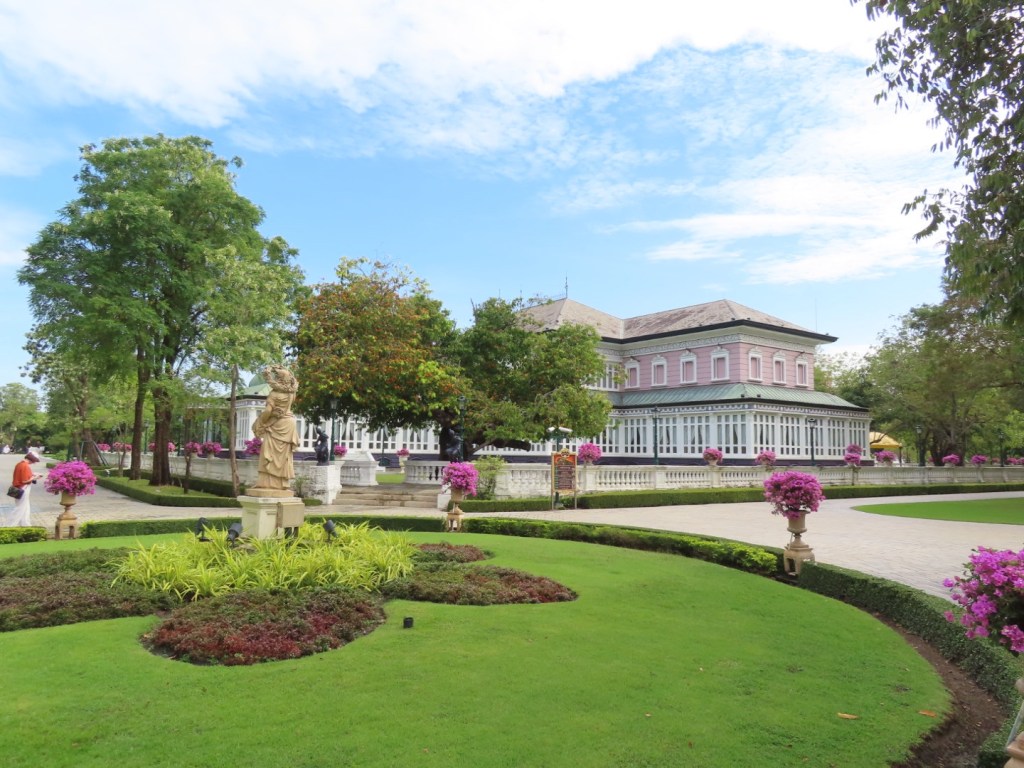
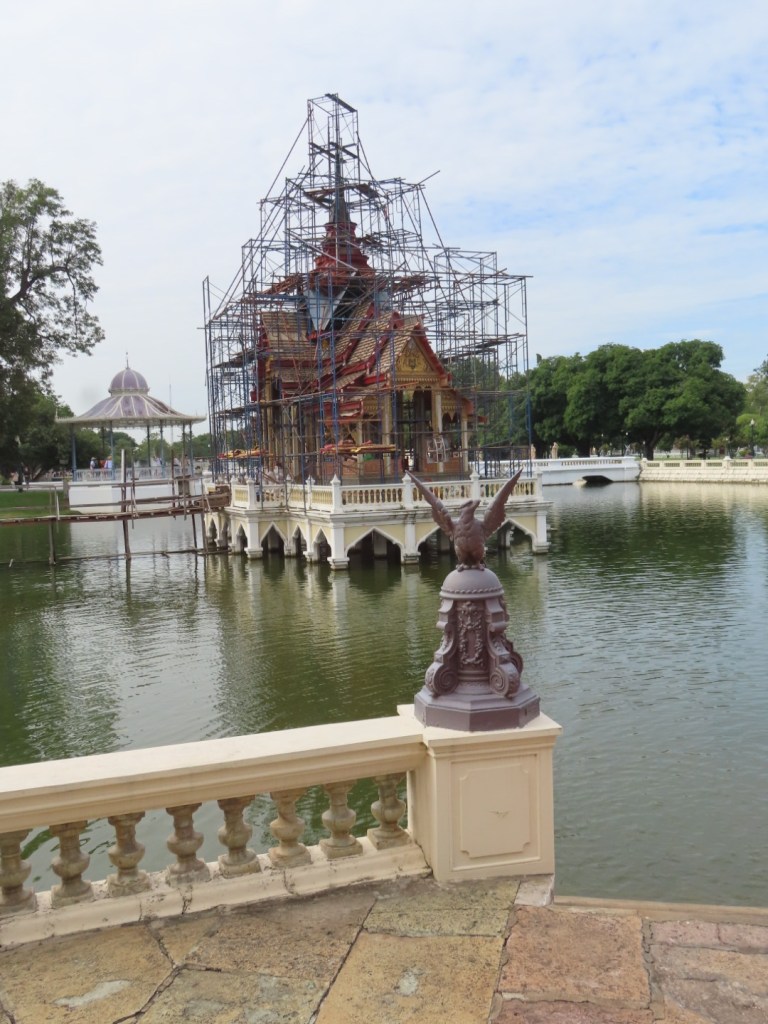
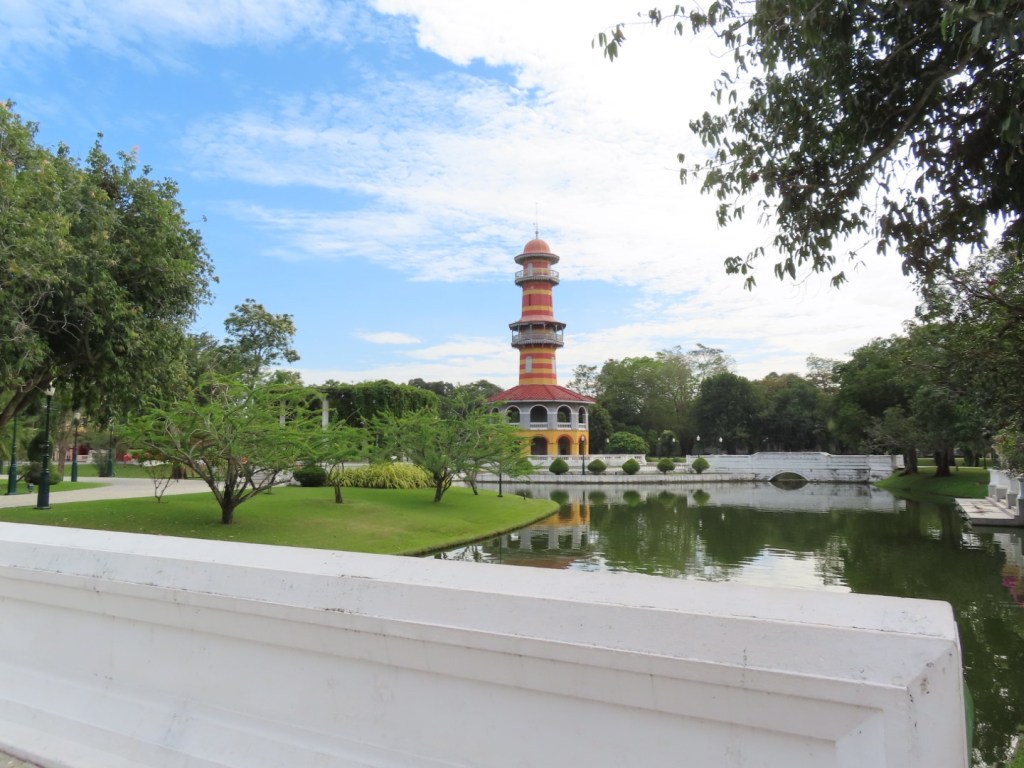
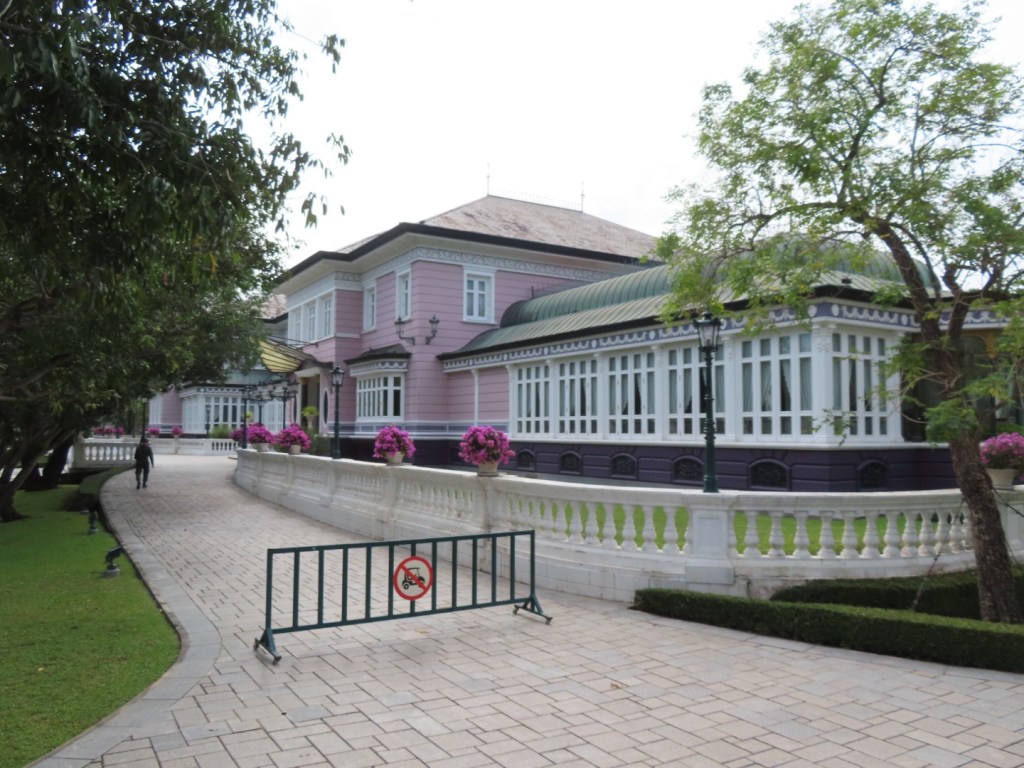
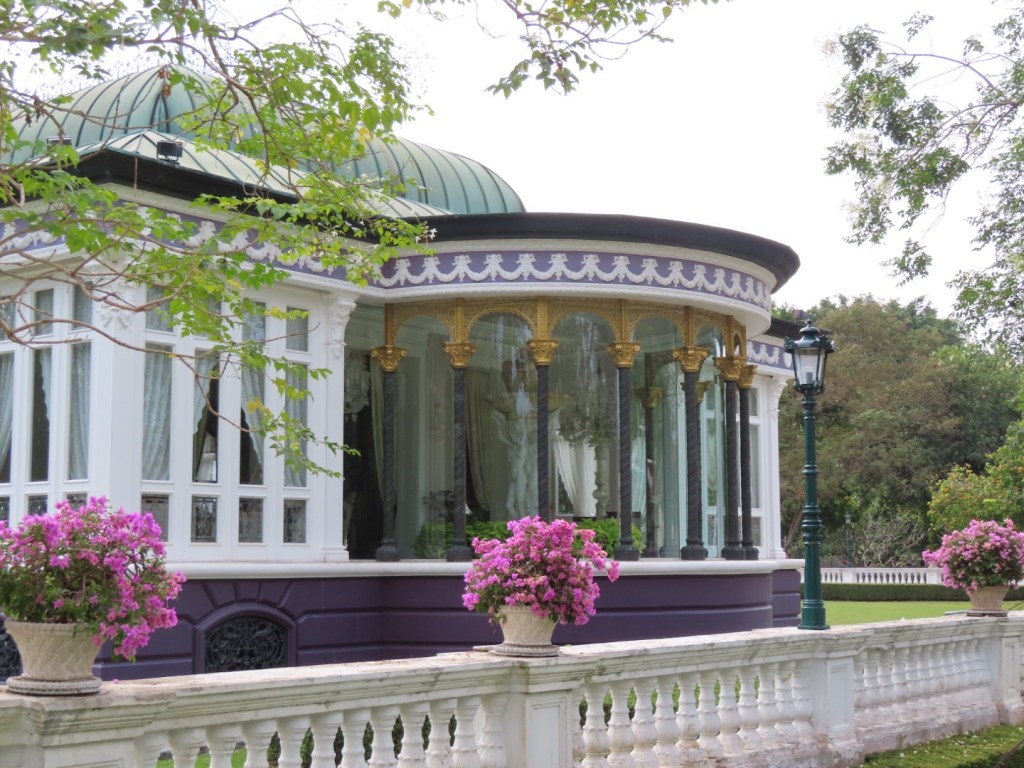
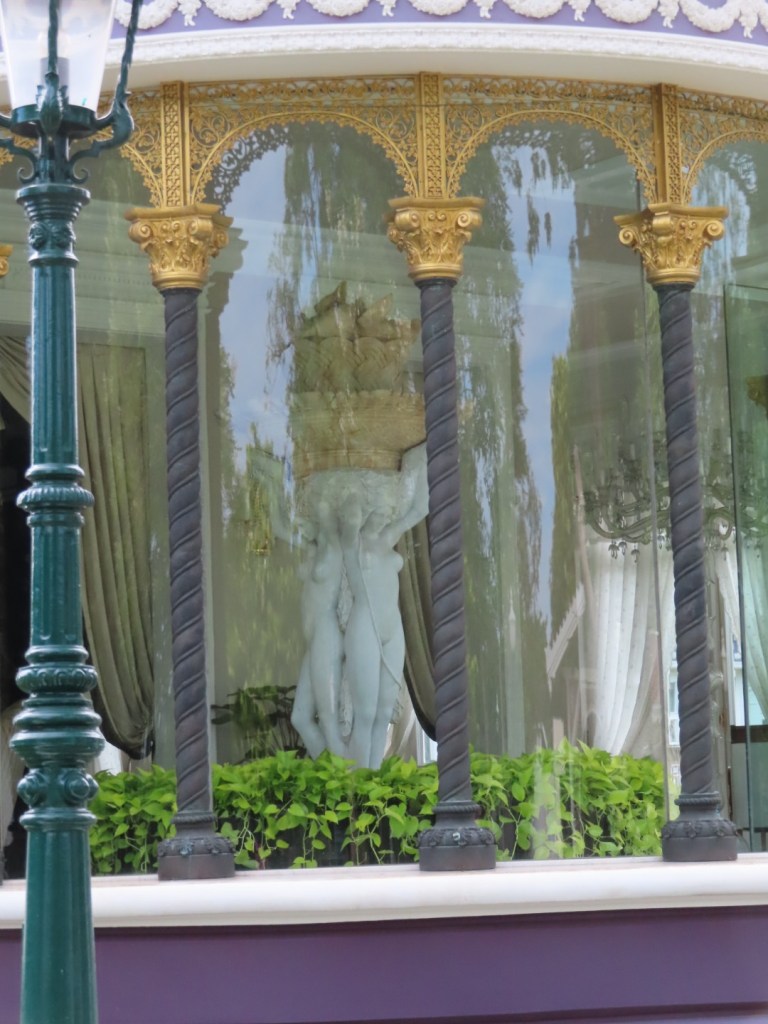
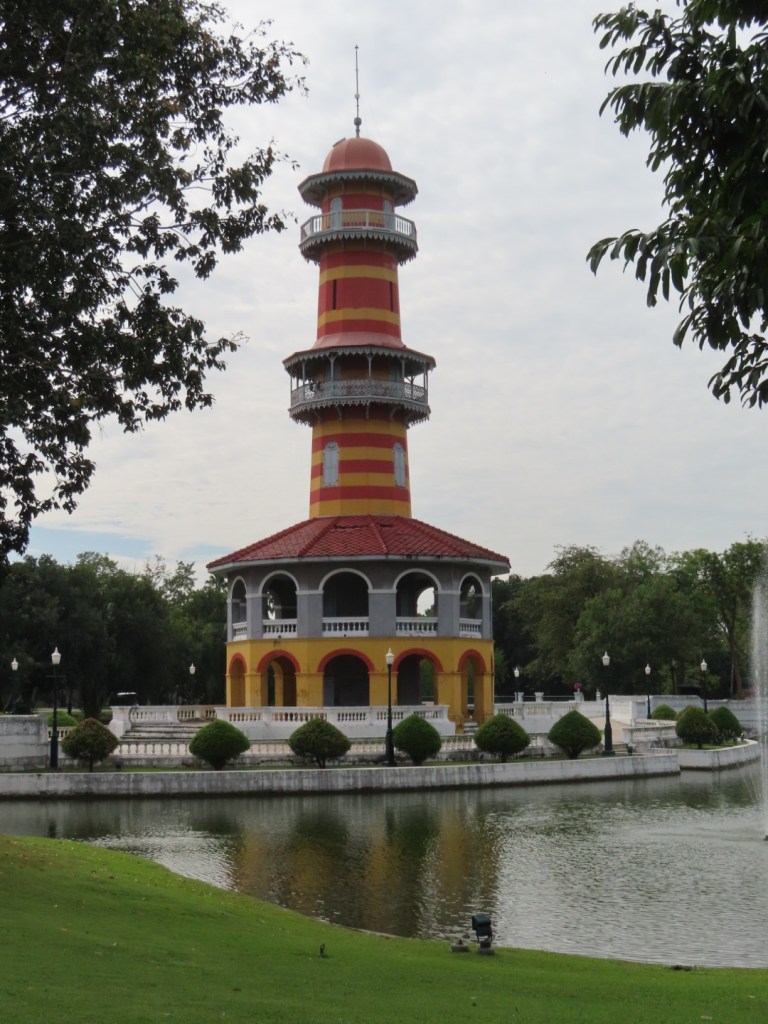
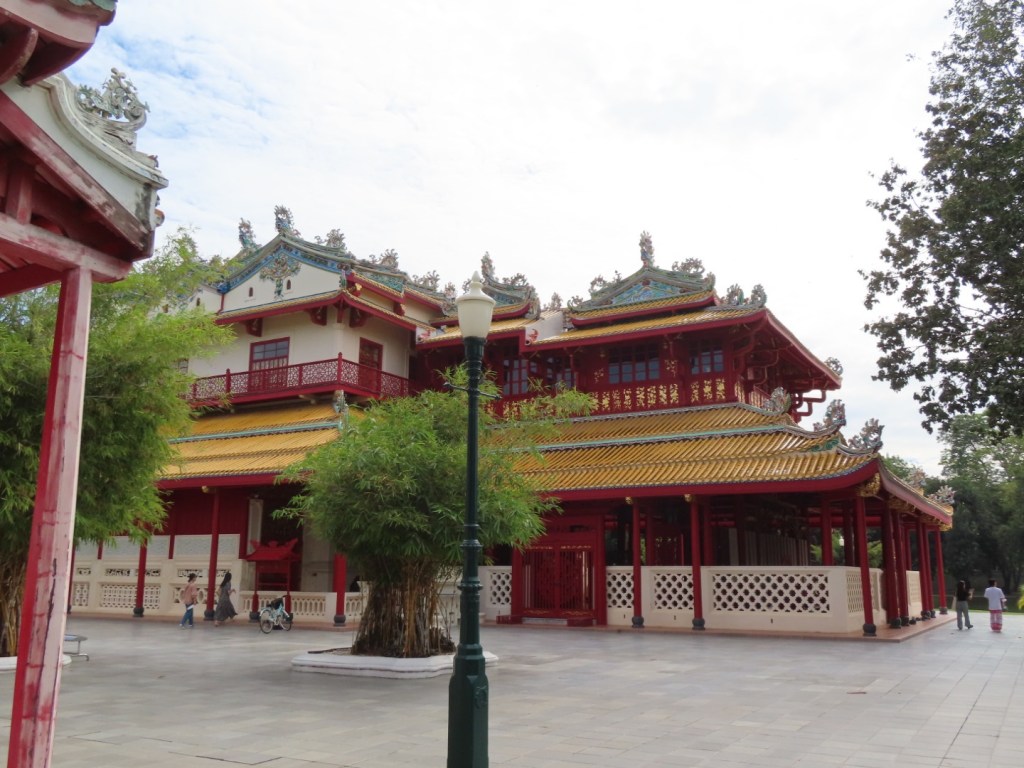
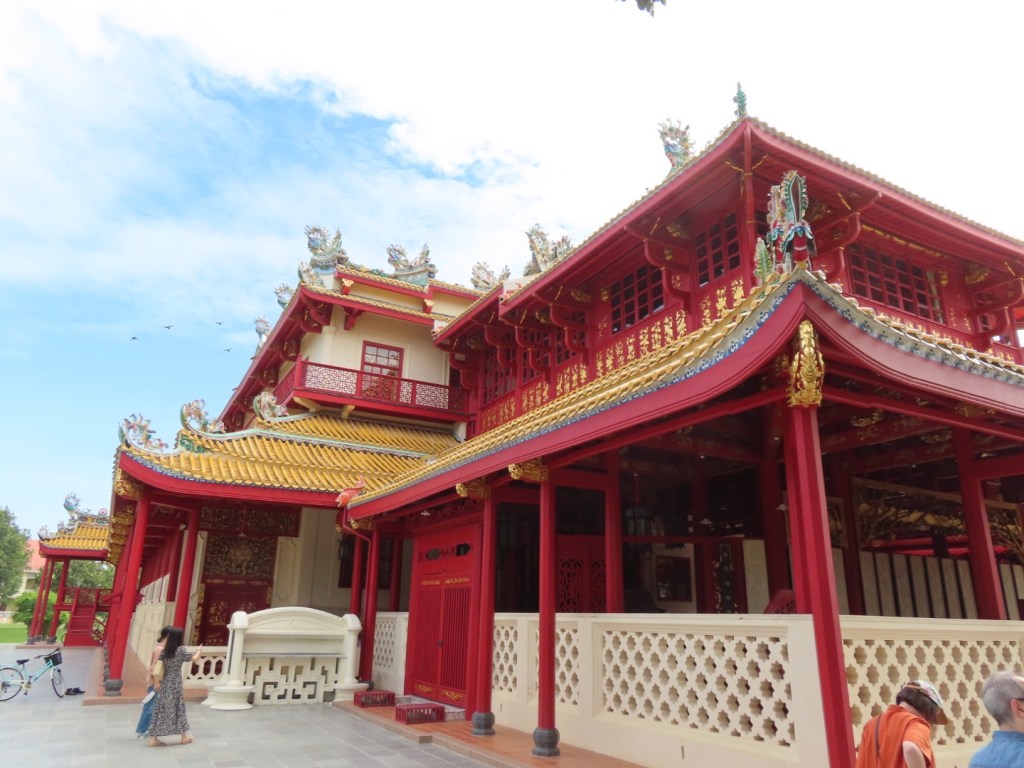
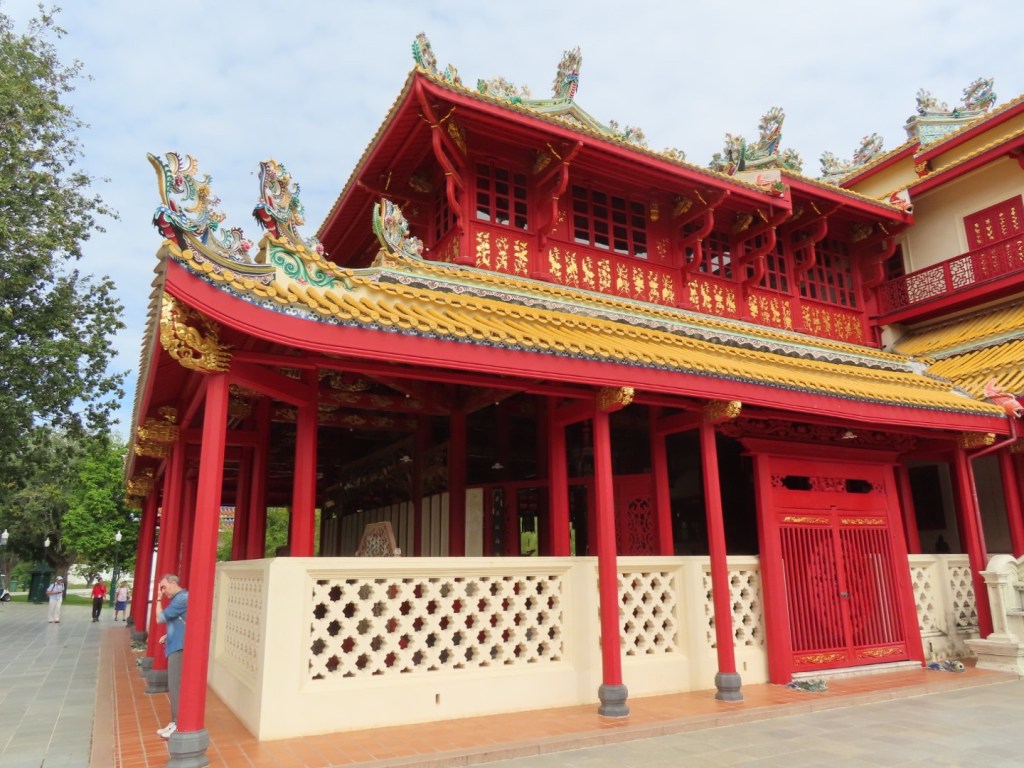
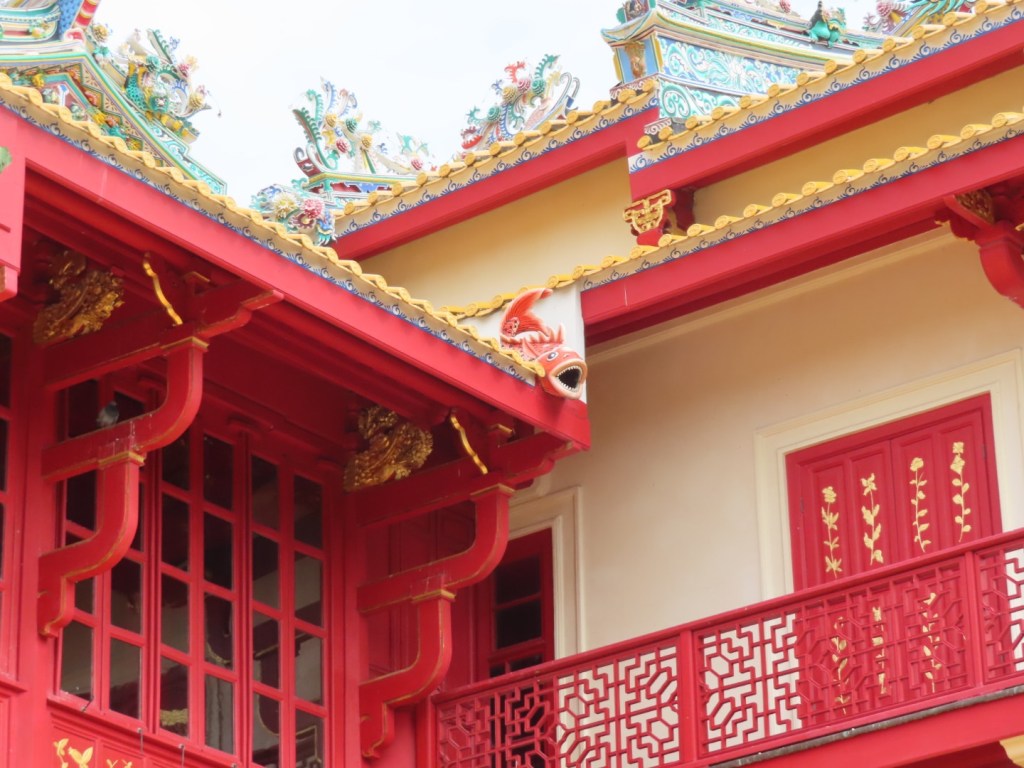
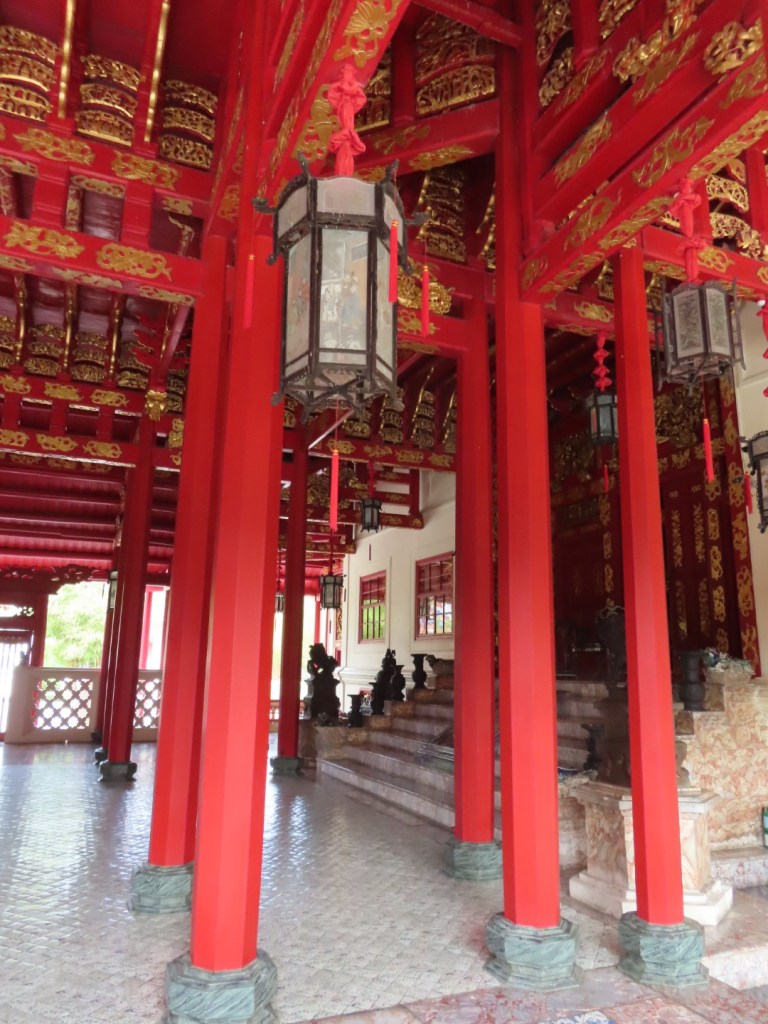
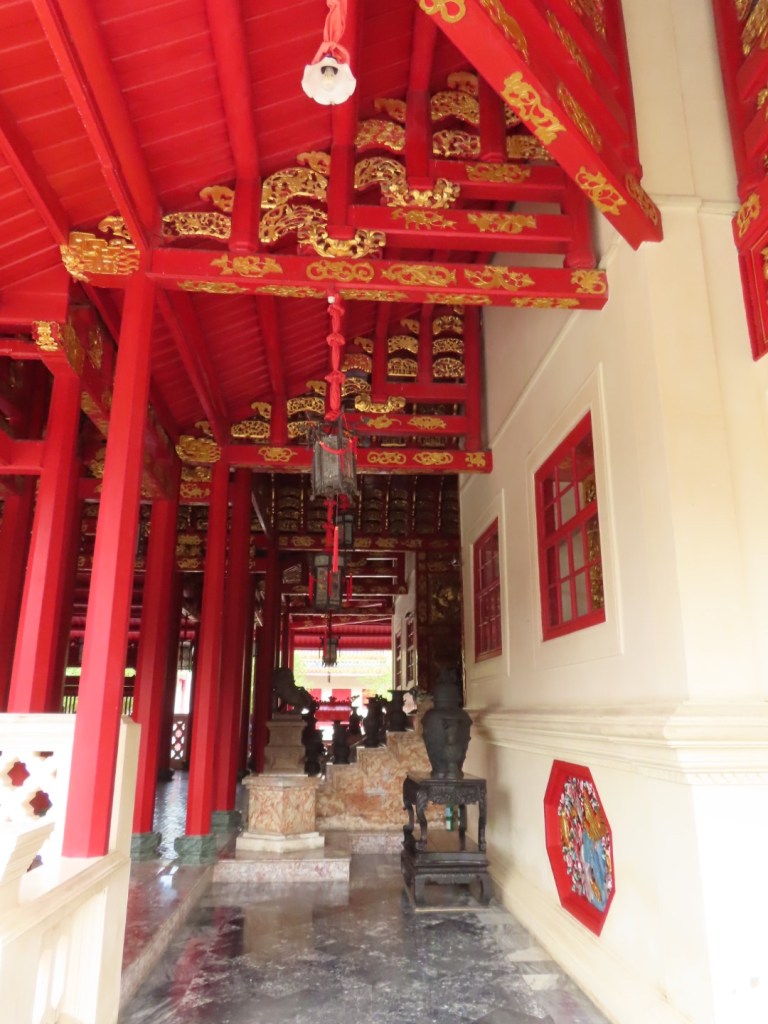
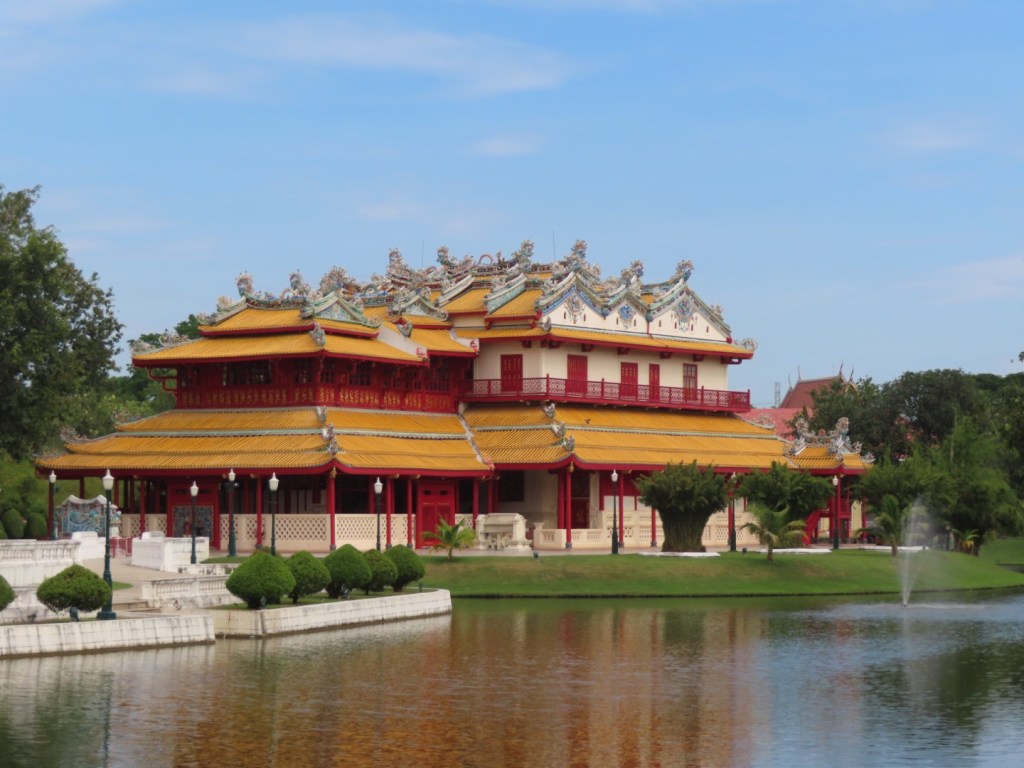
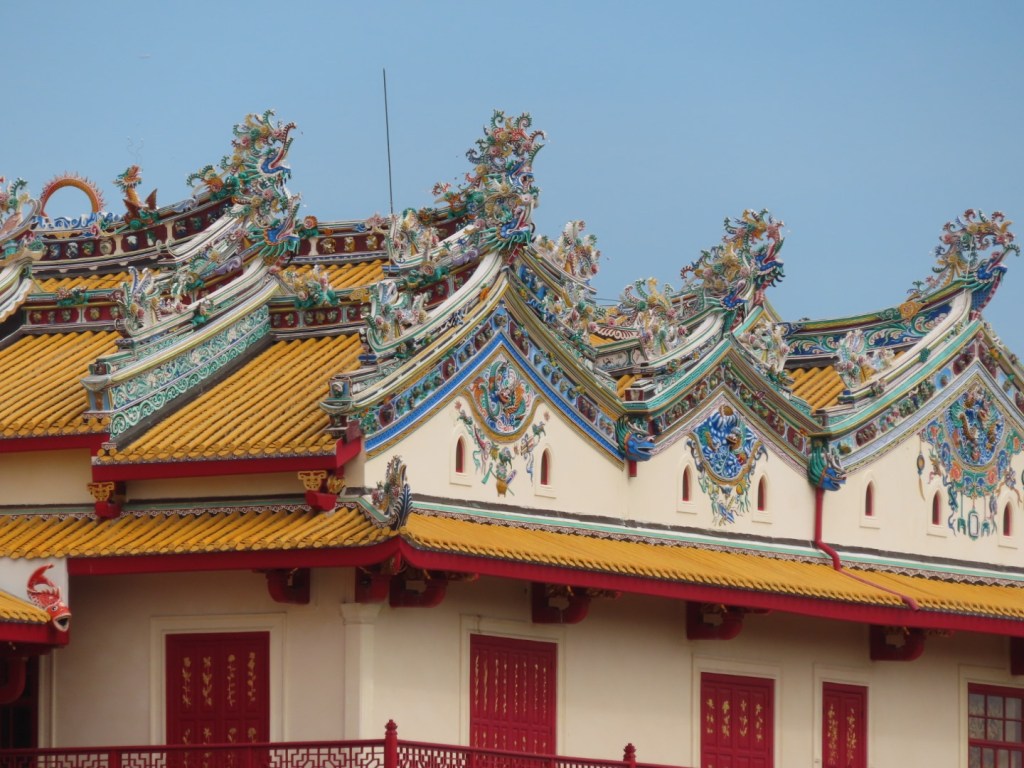
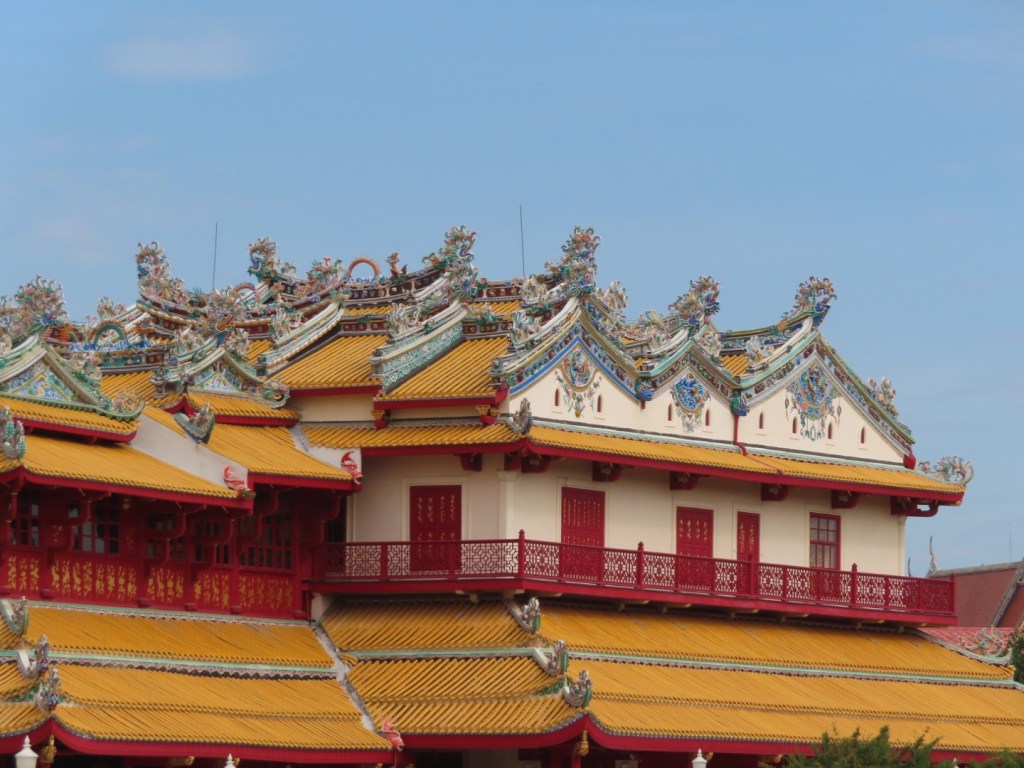

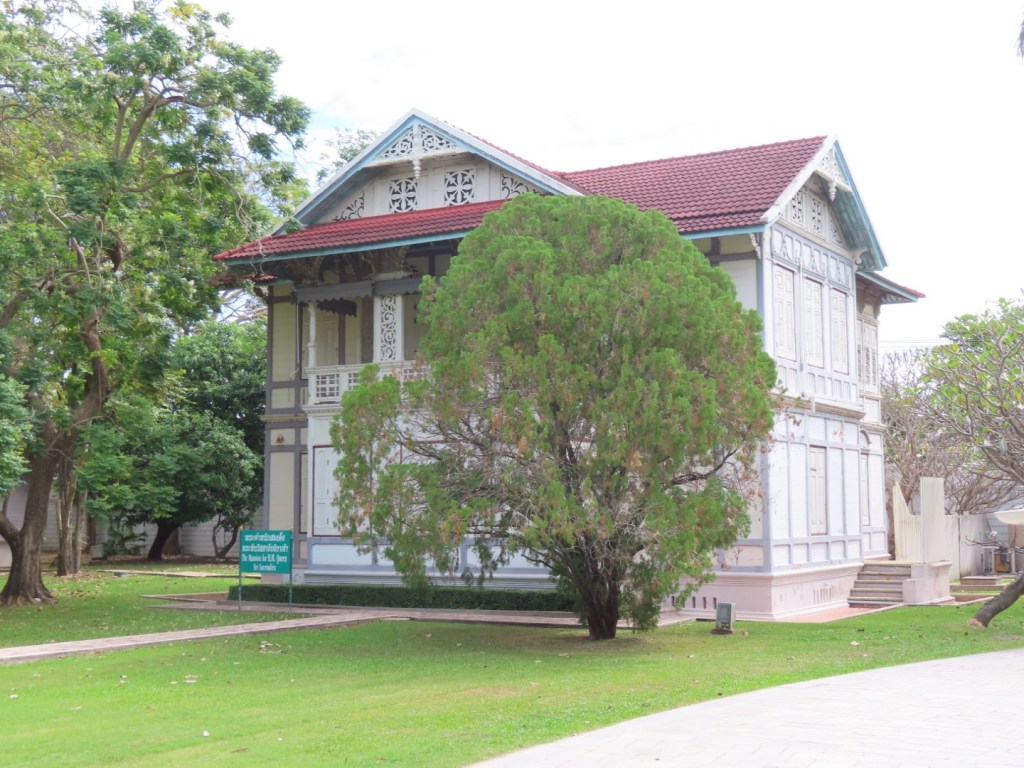
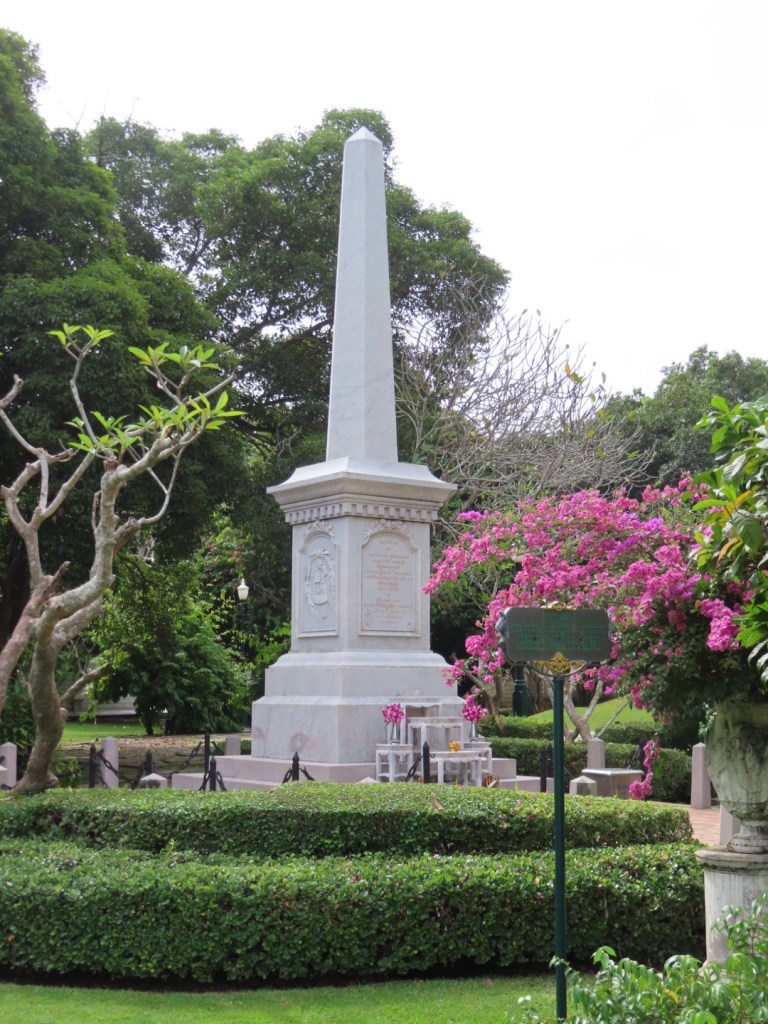
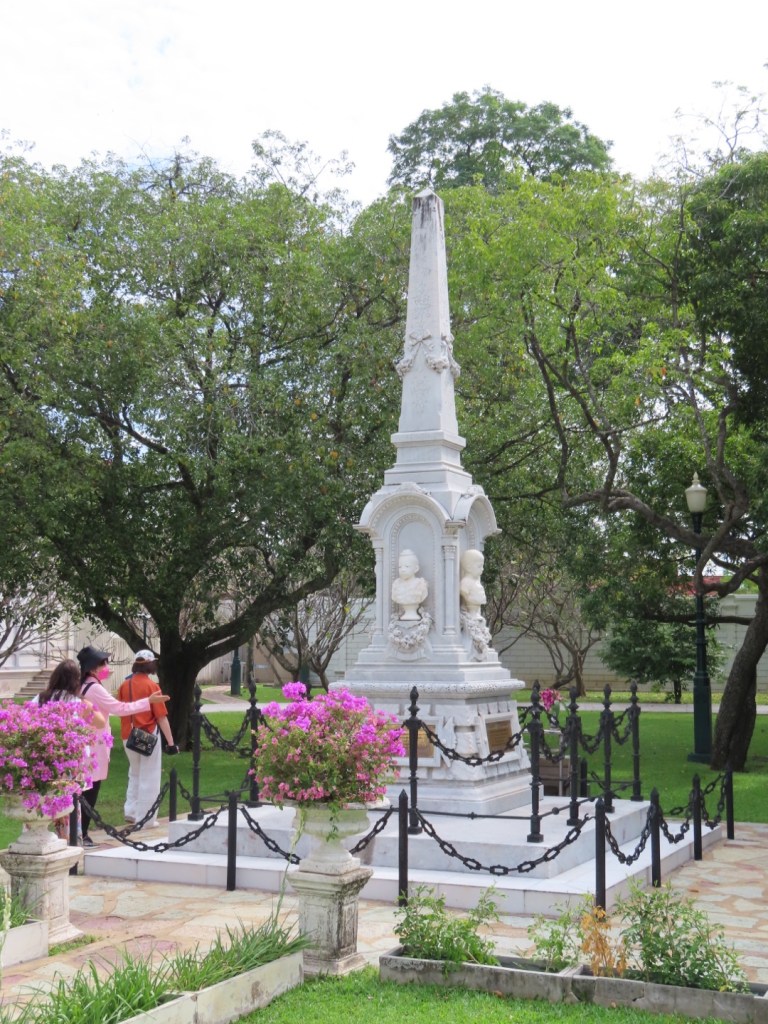
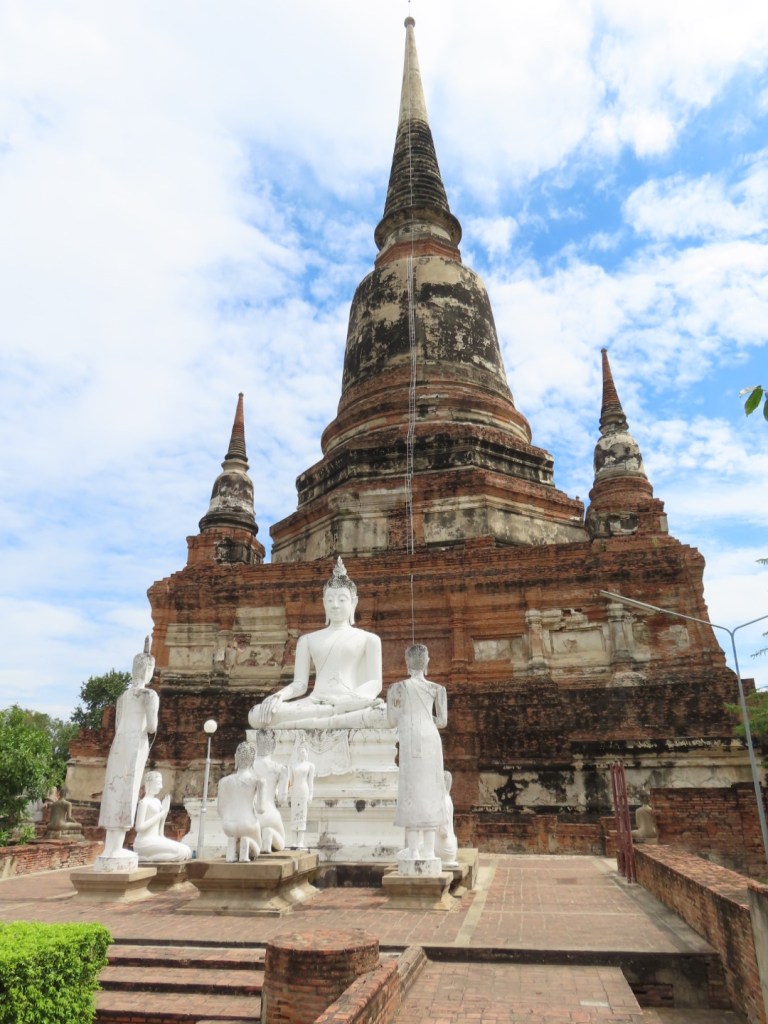
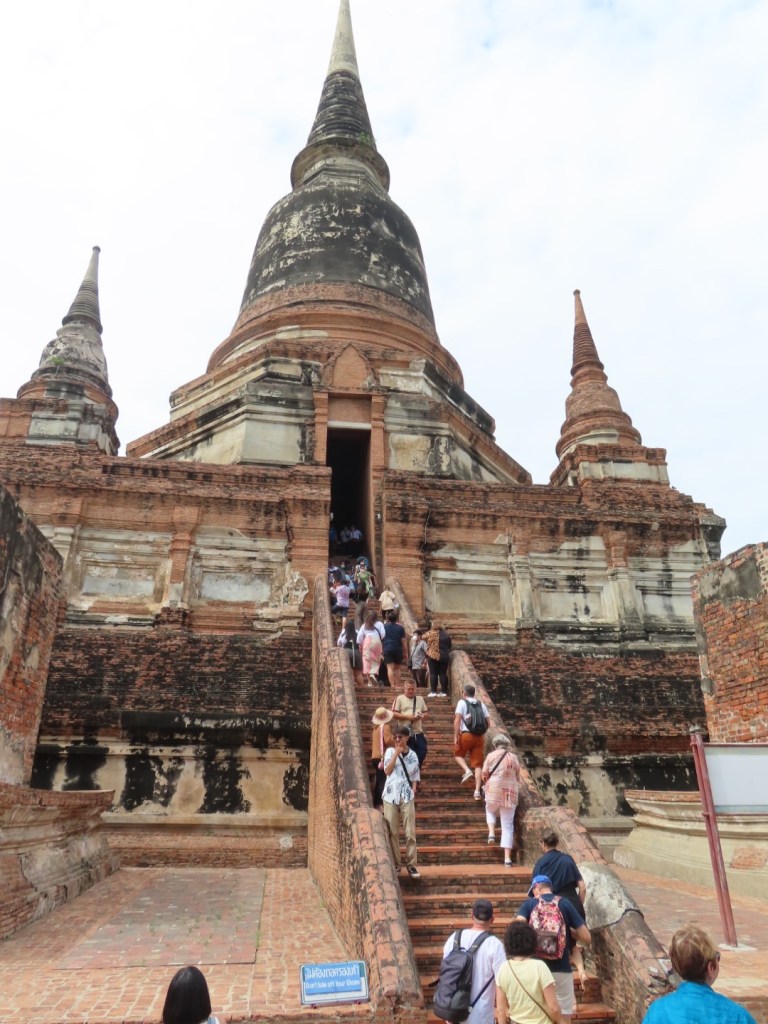
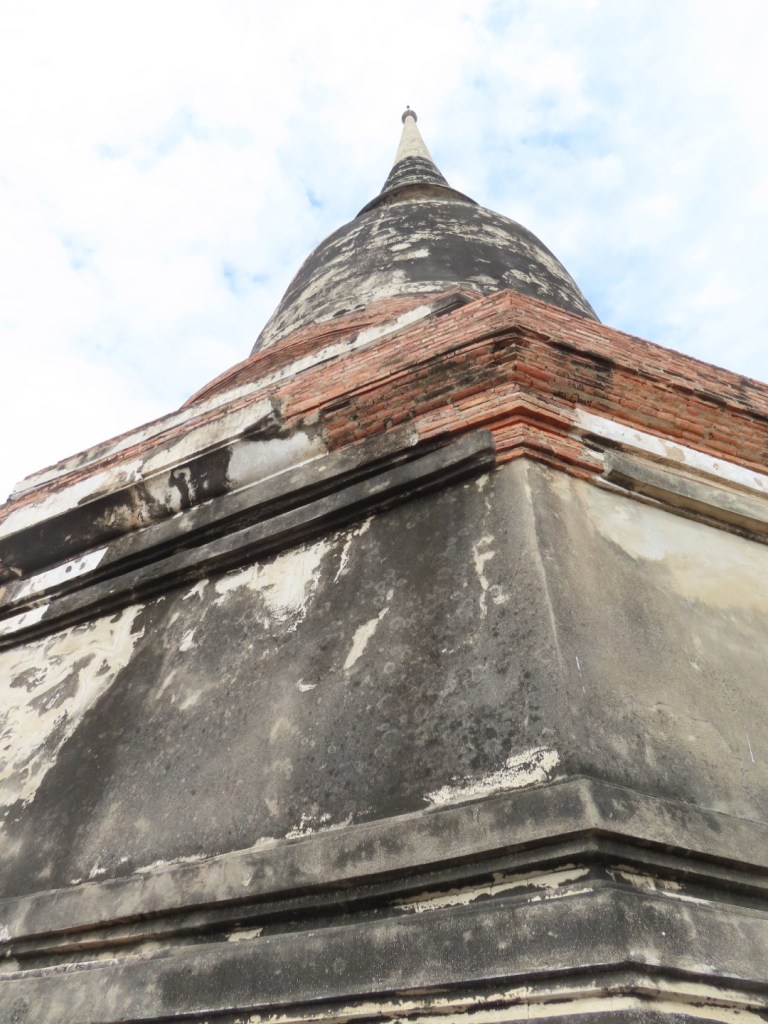
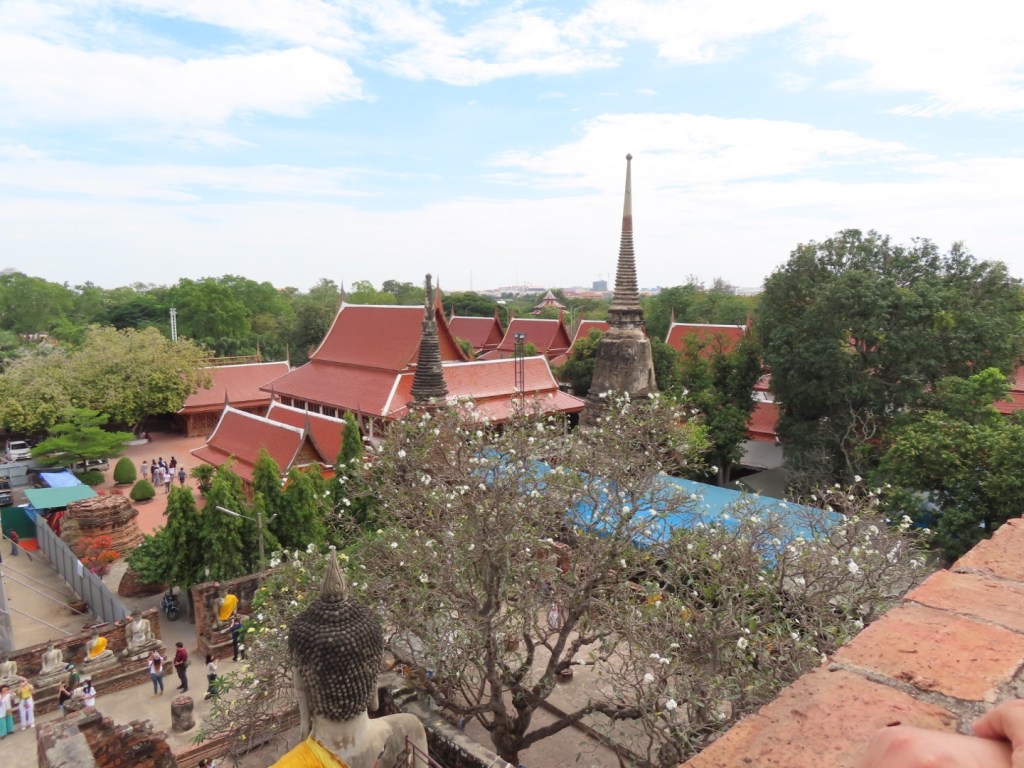
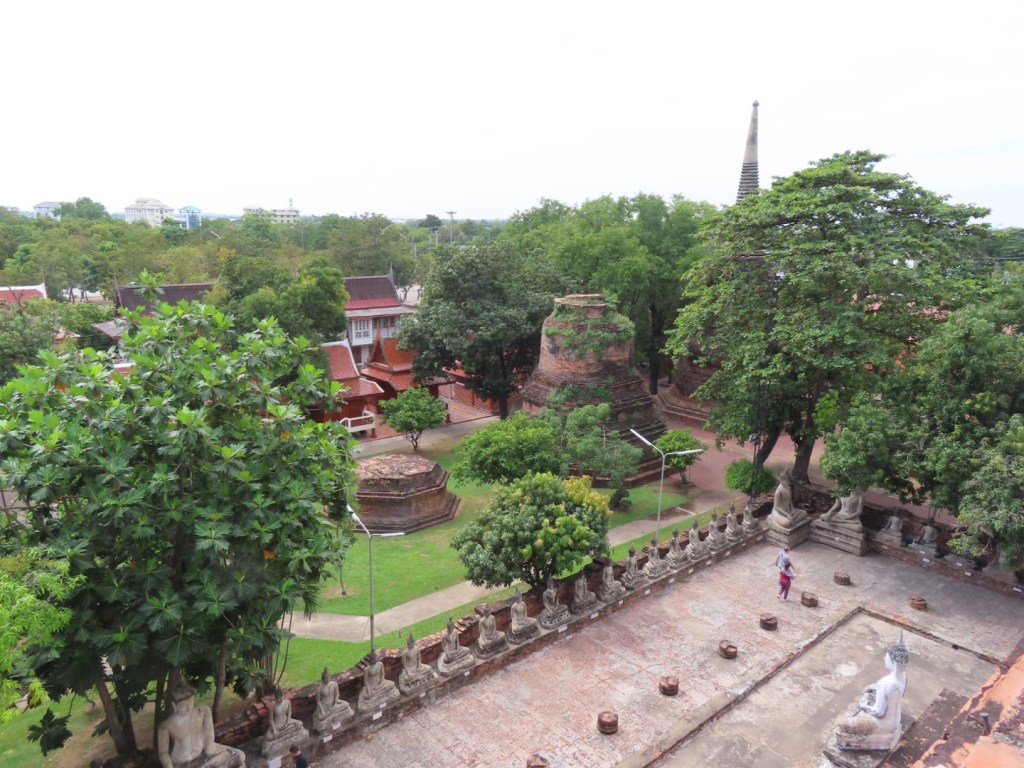
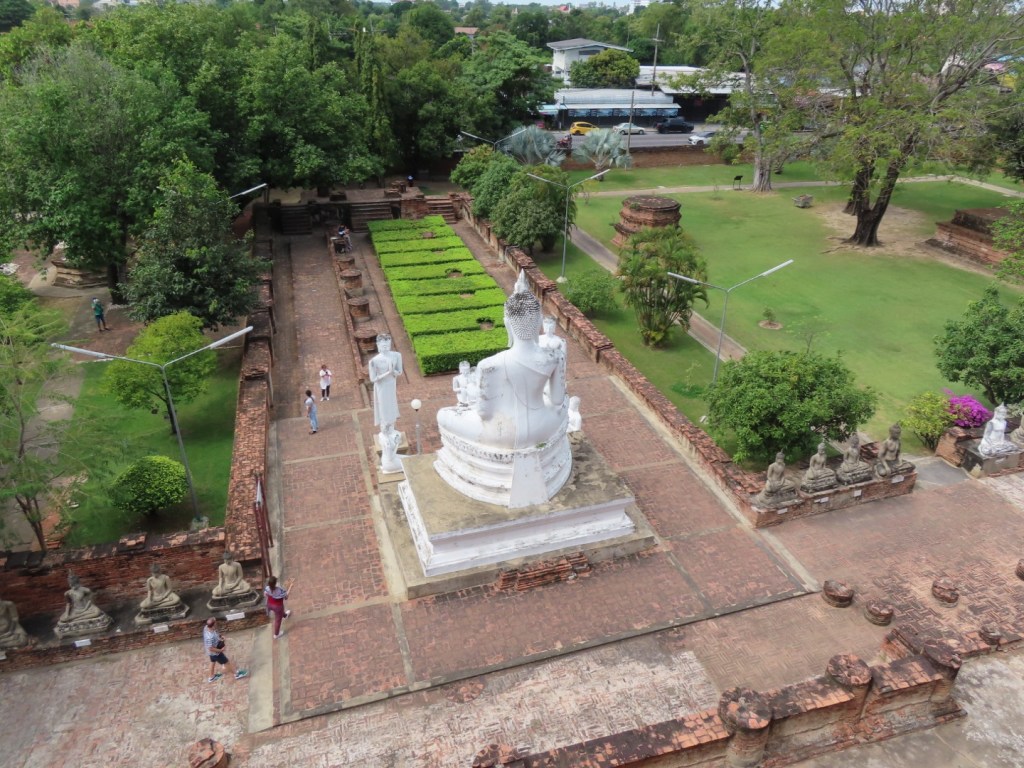
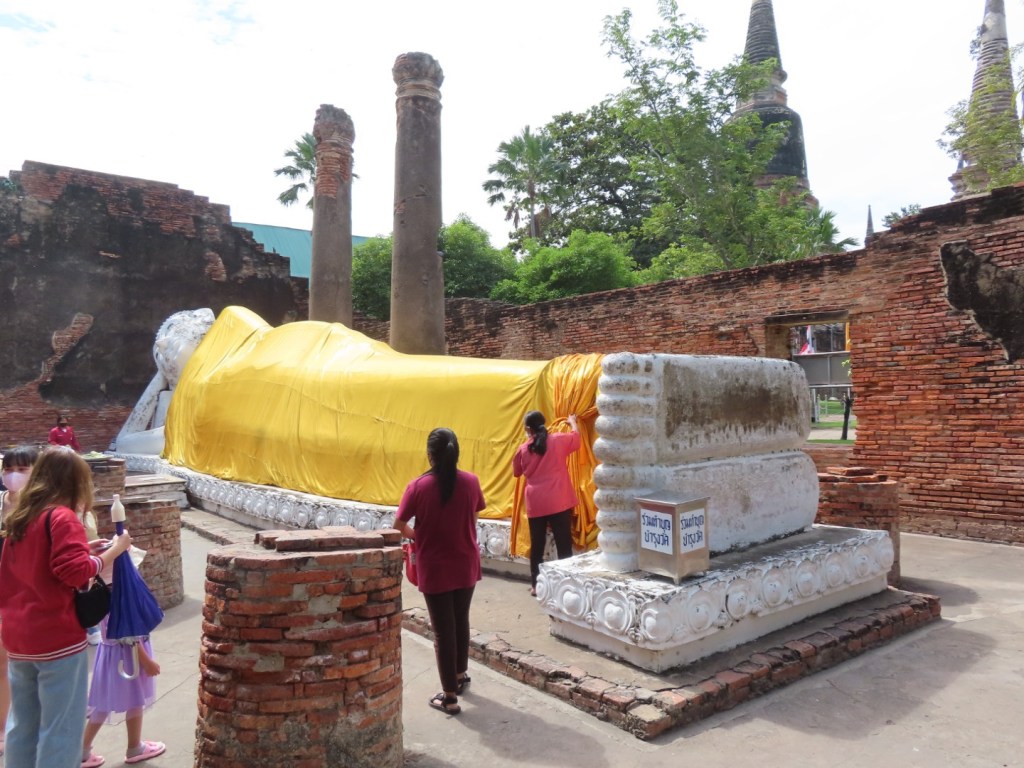
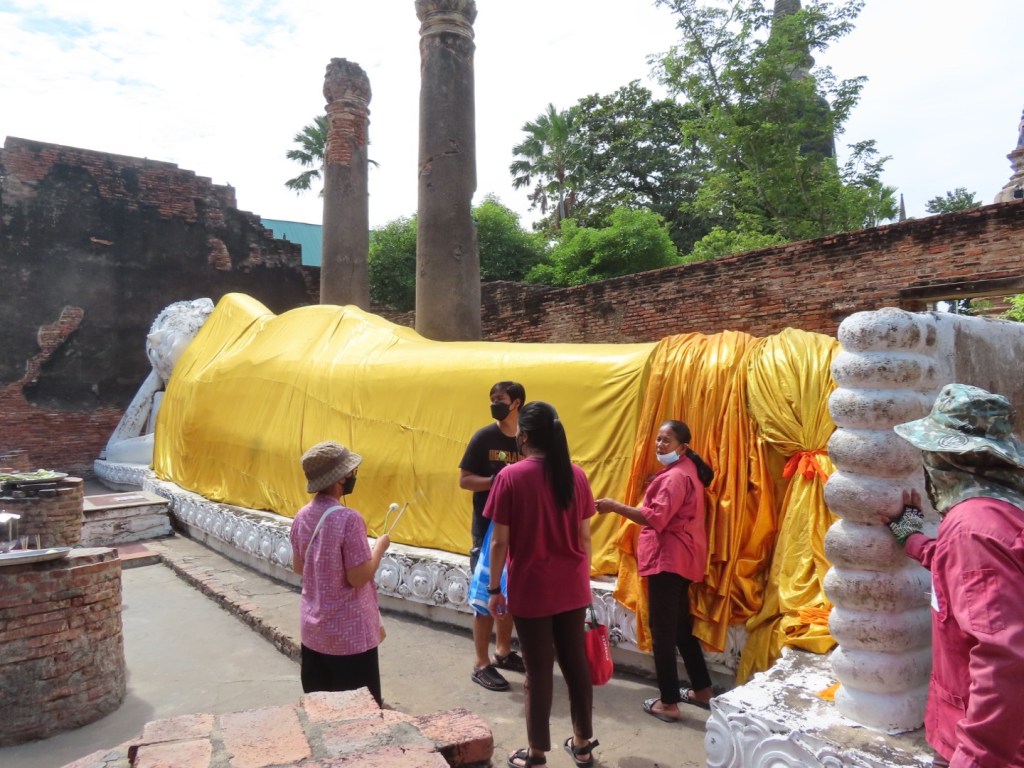
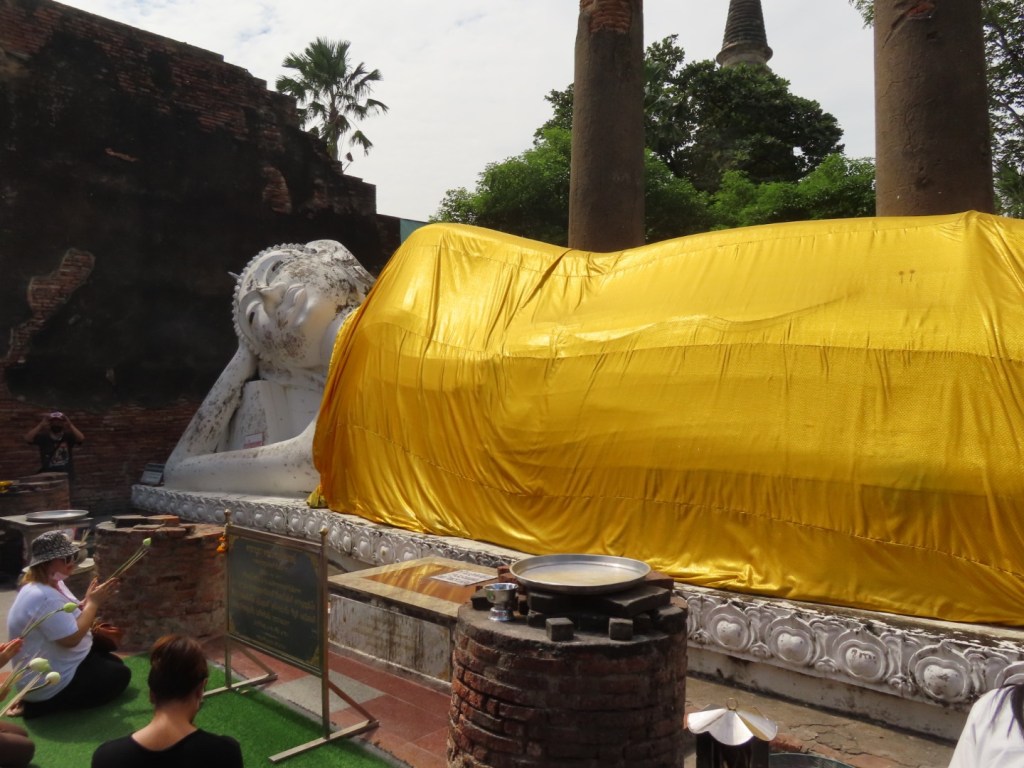
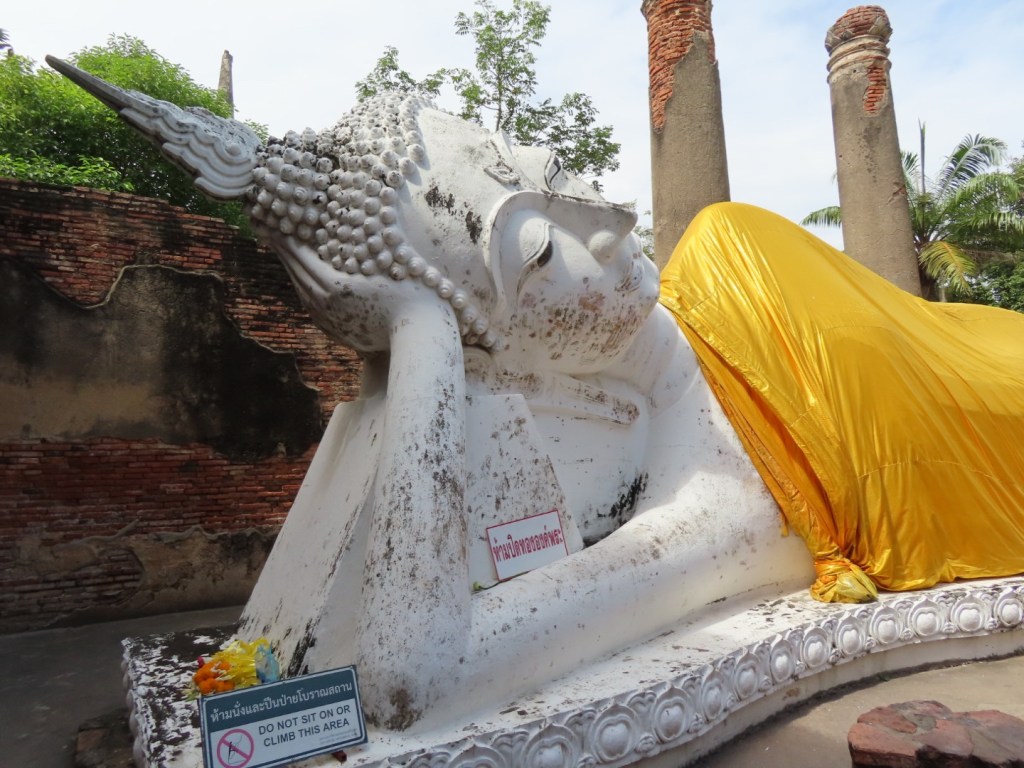
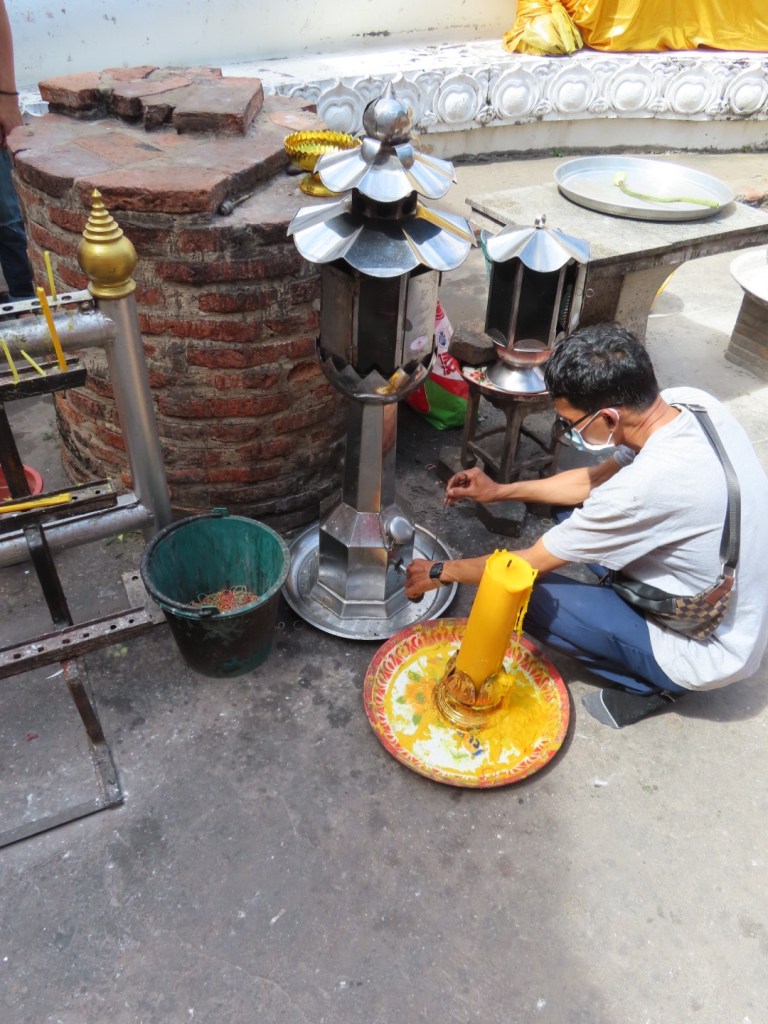
Our second stop was in Ayutthaya at the Wat Yai Chai Mongkol temple and monastery.

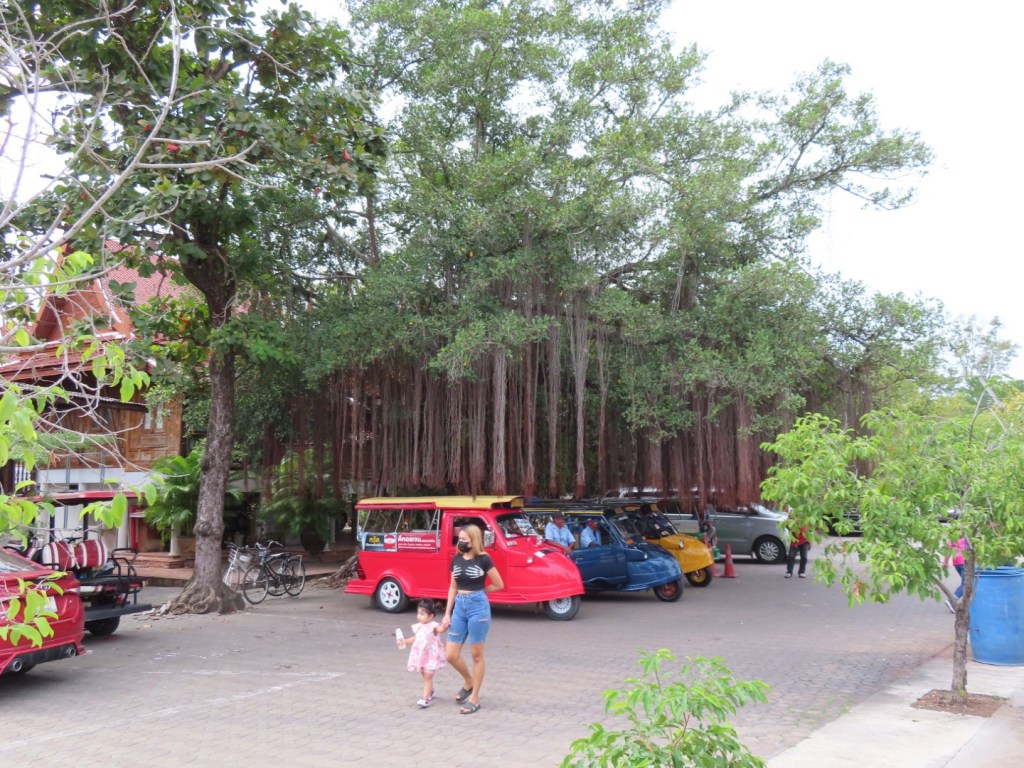
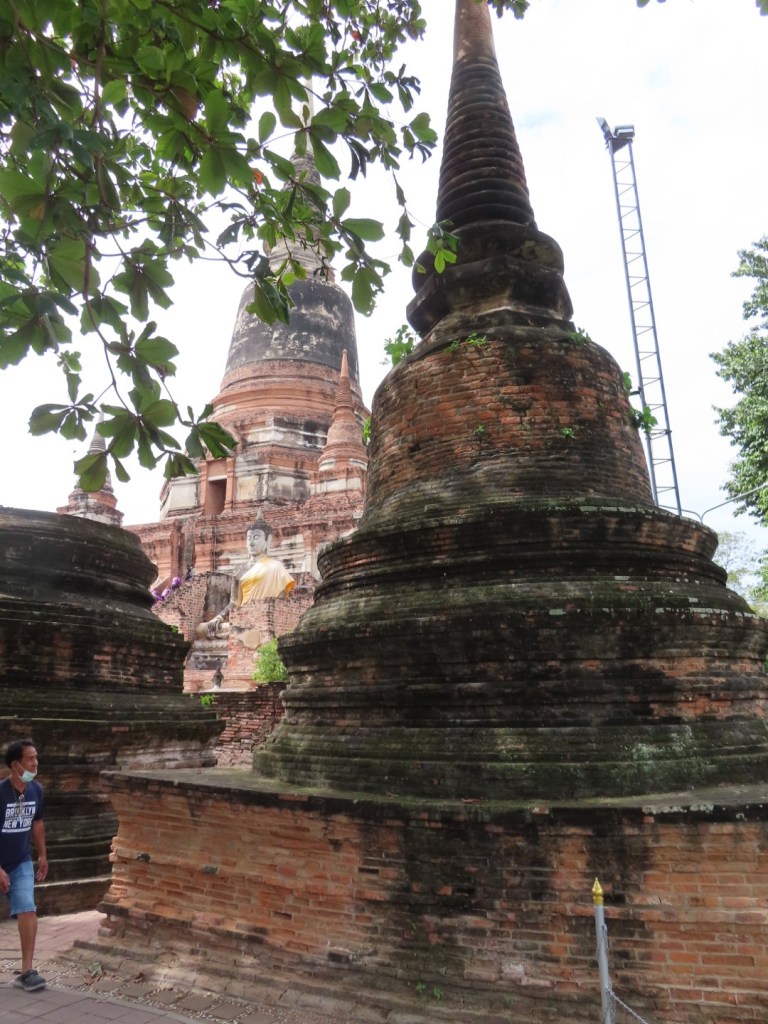
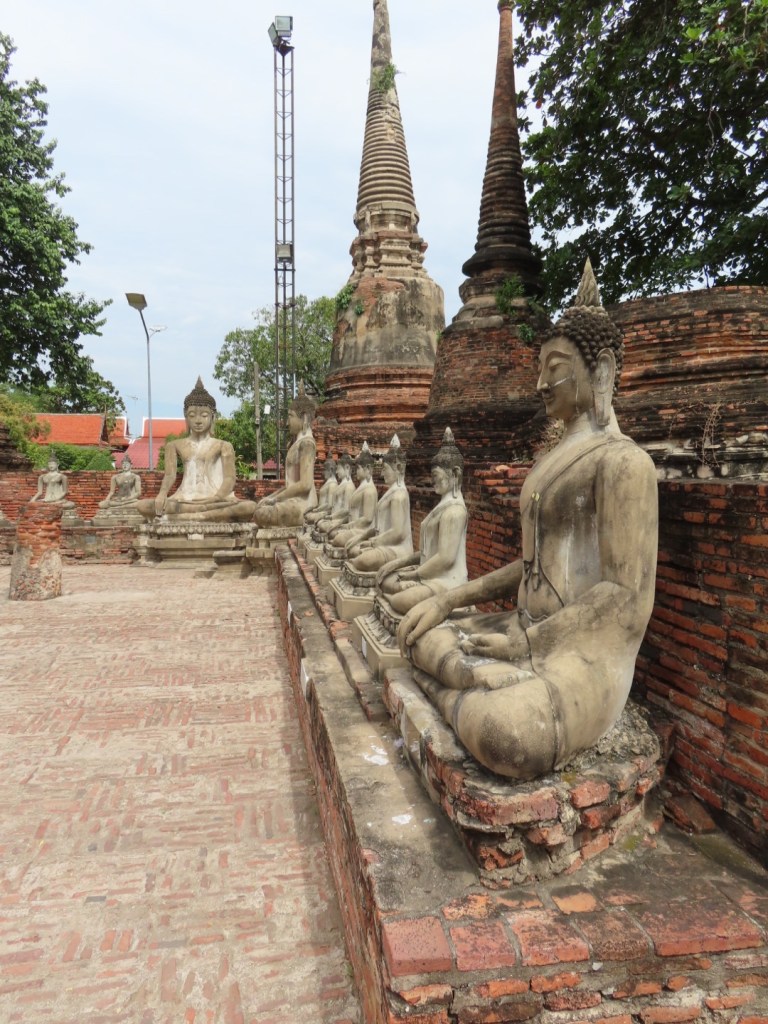

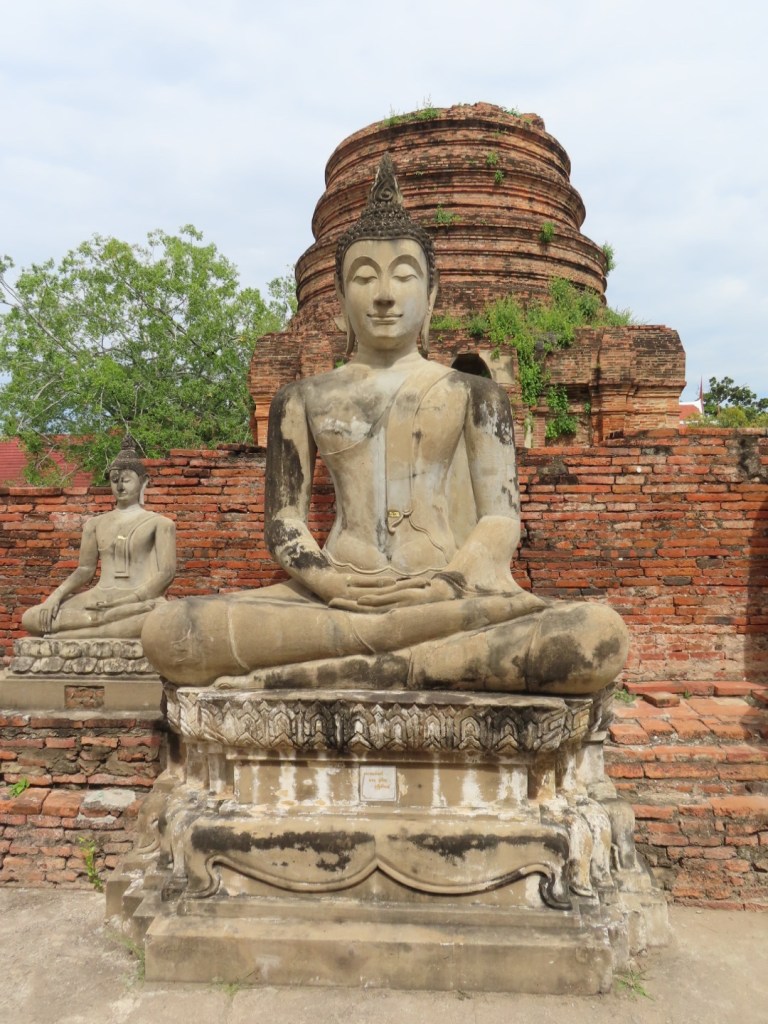
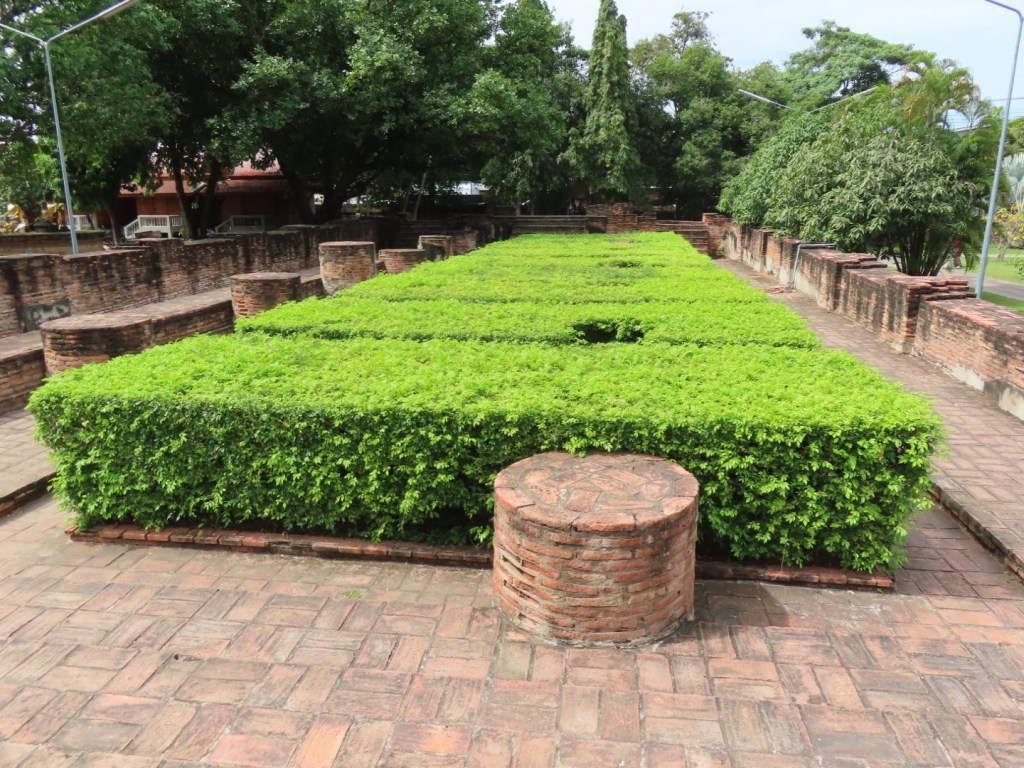
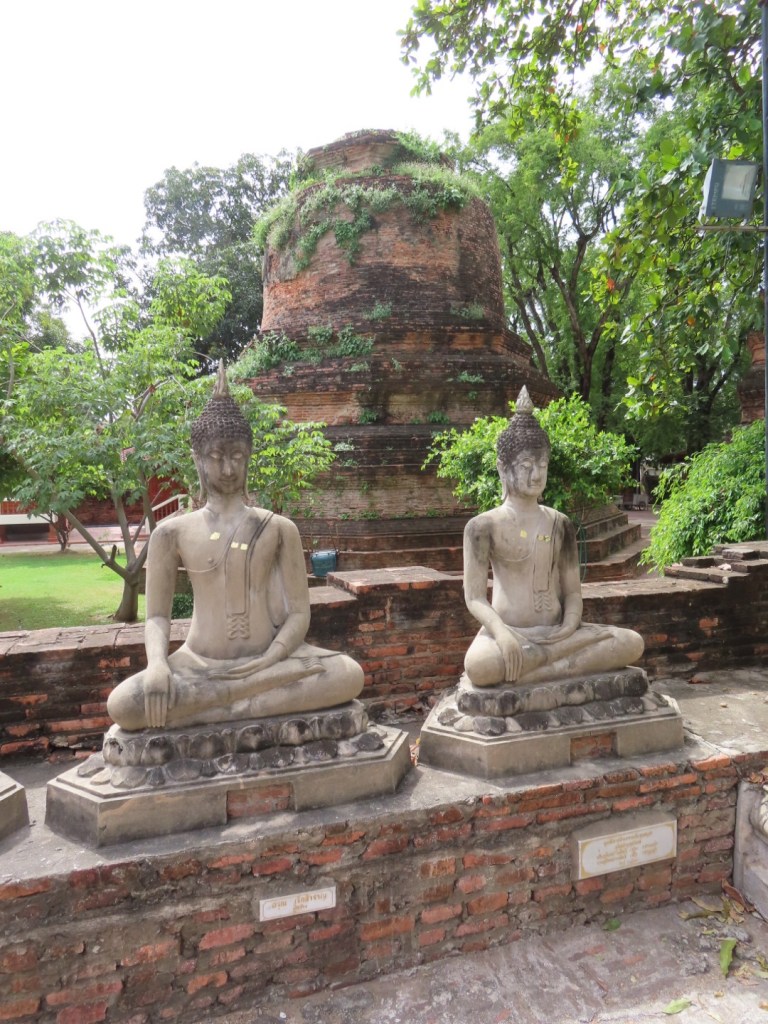
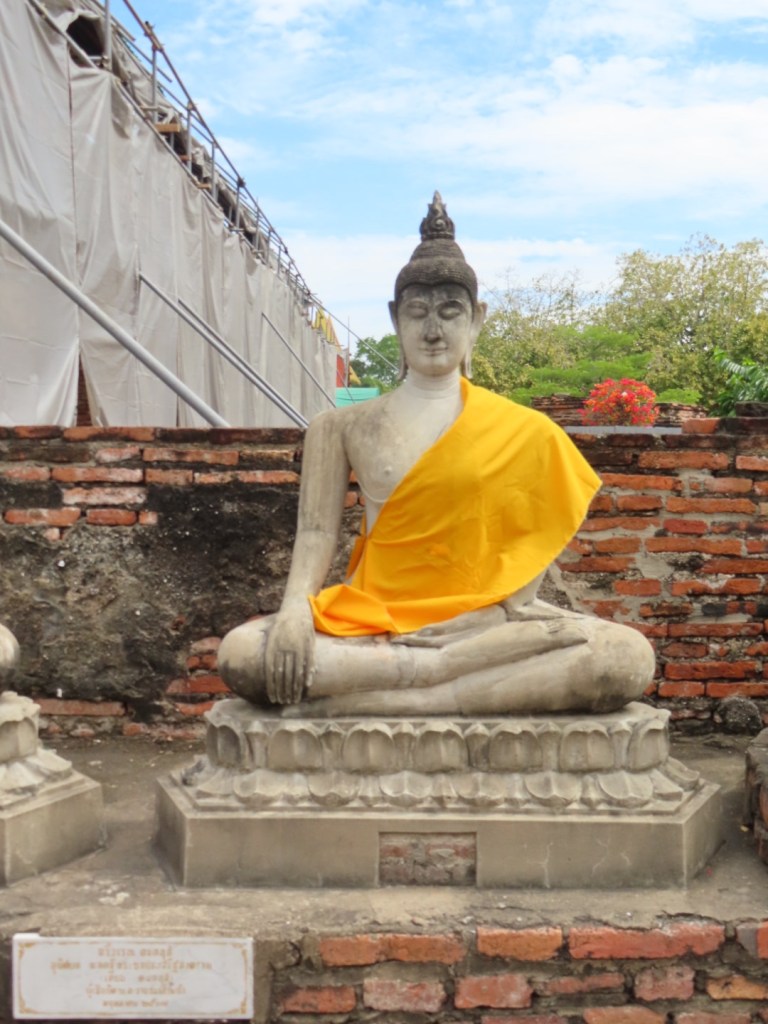
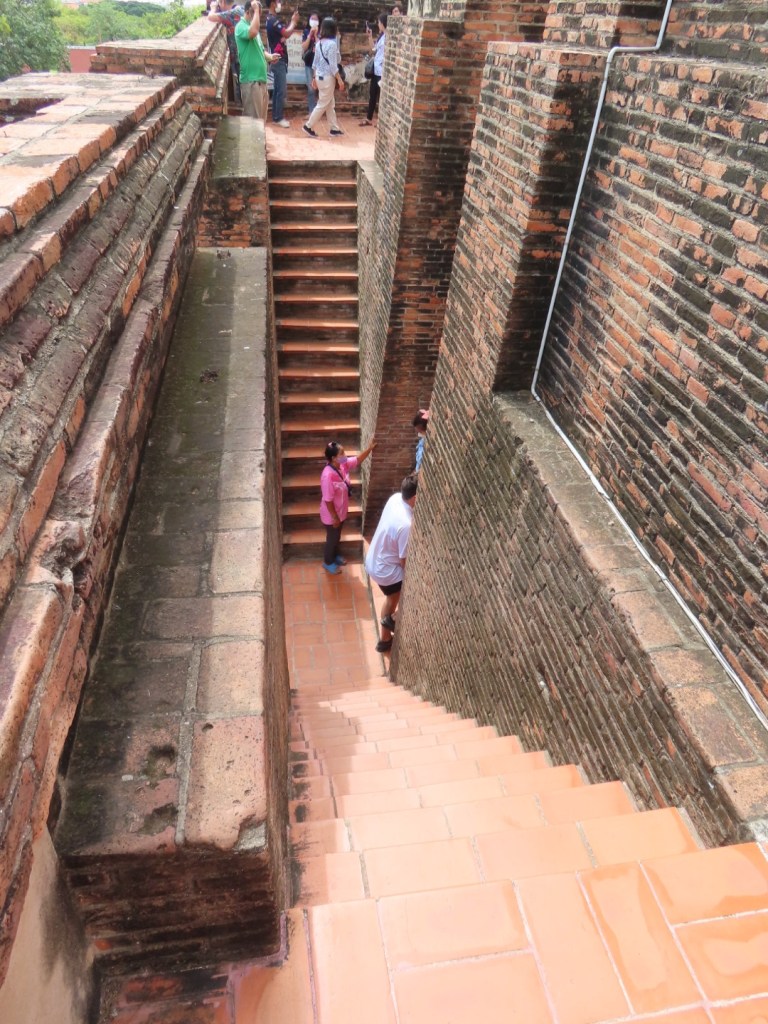
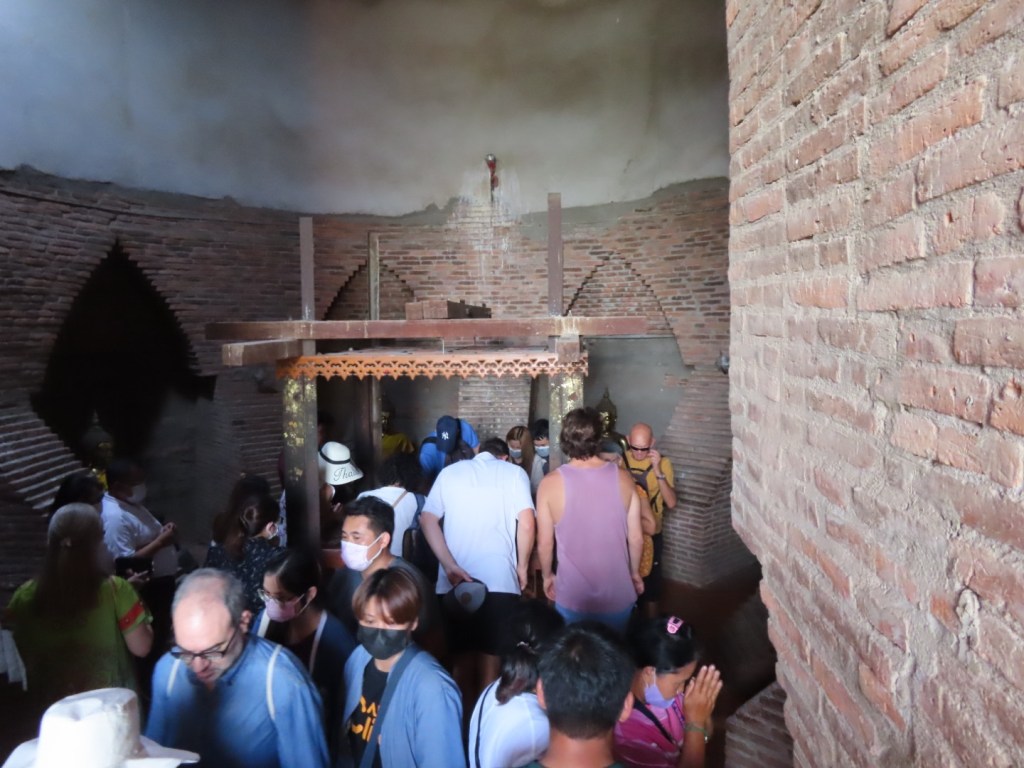
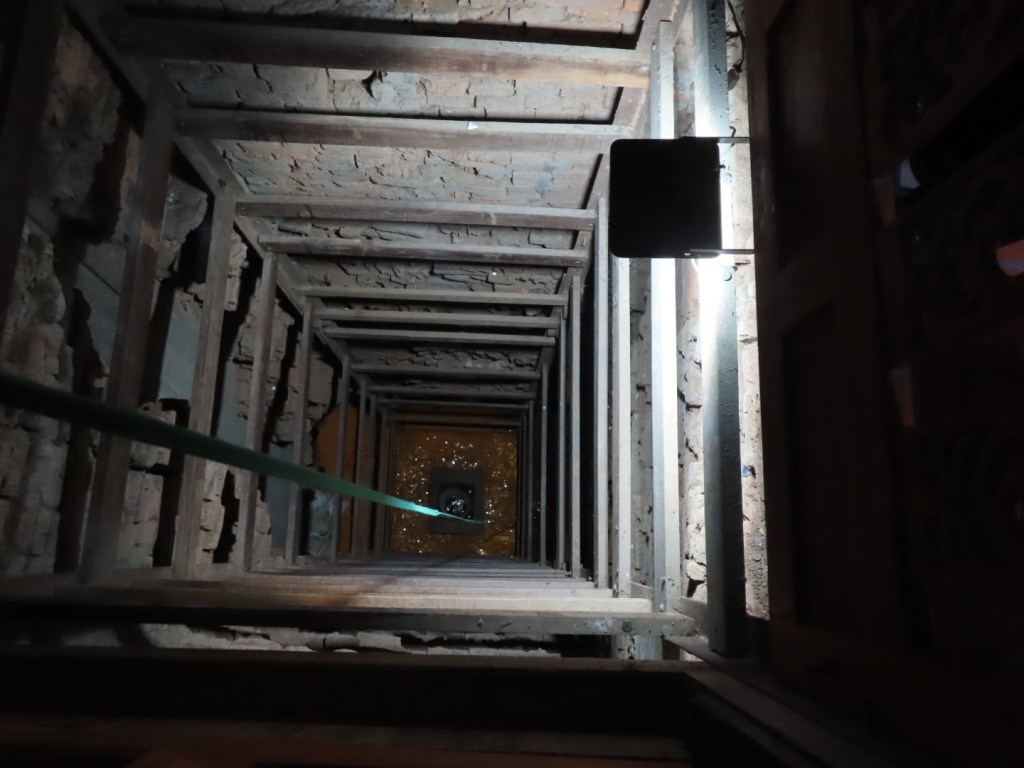
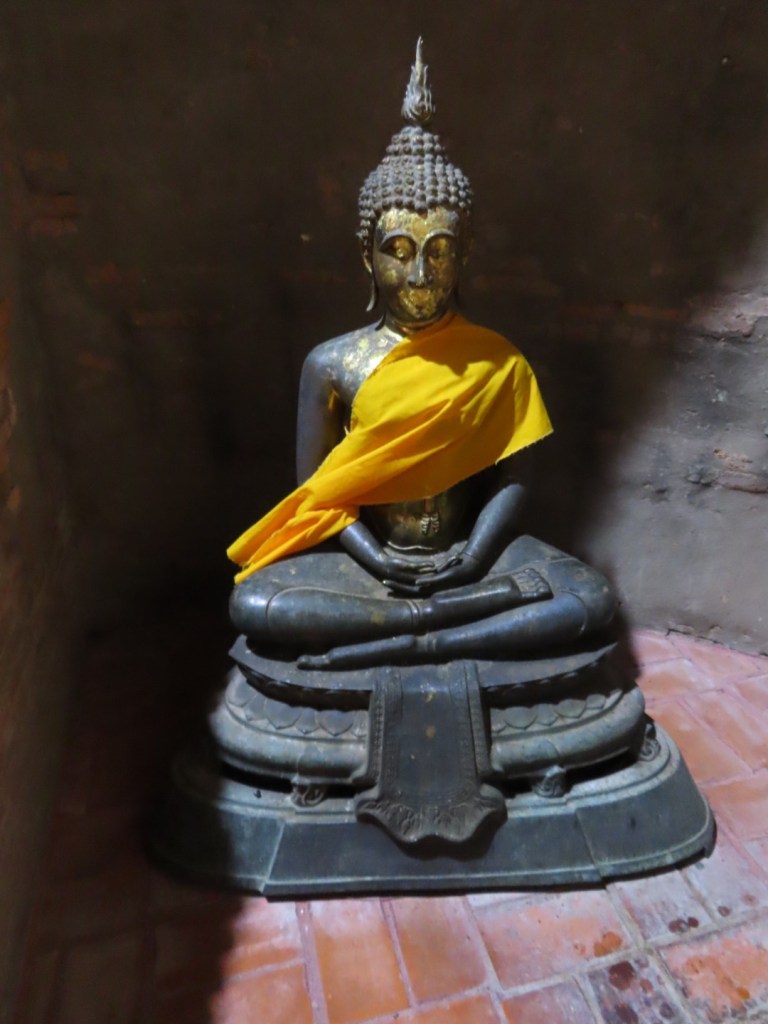
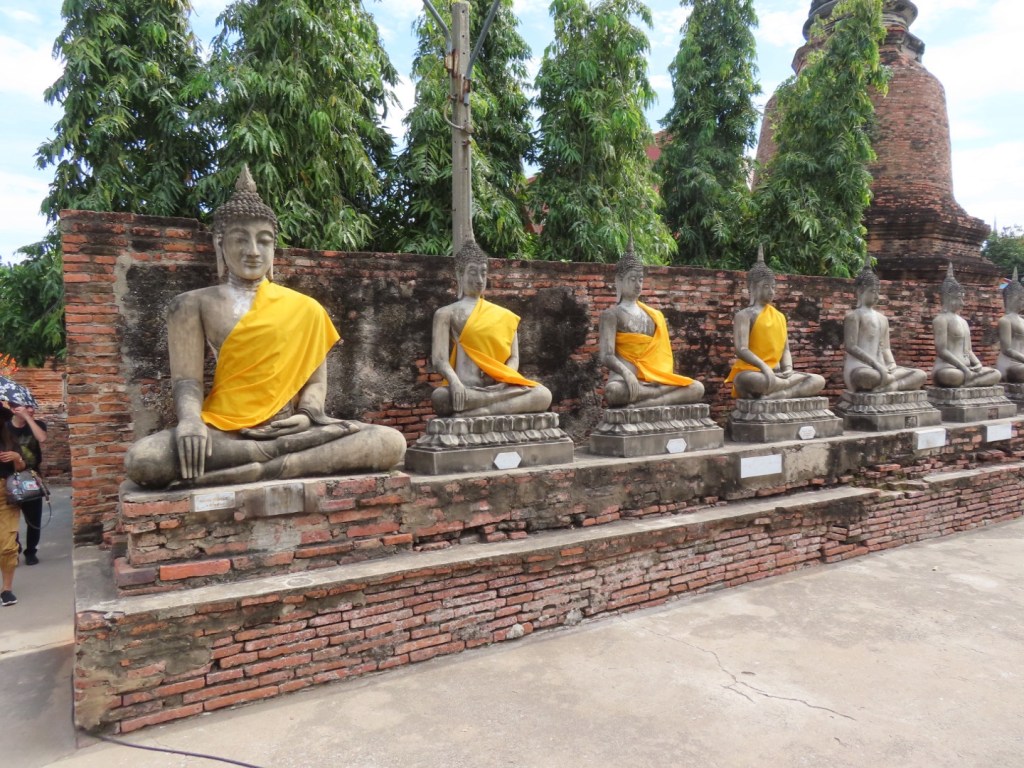
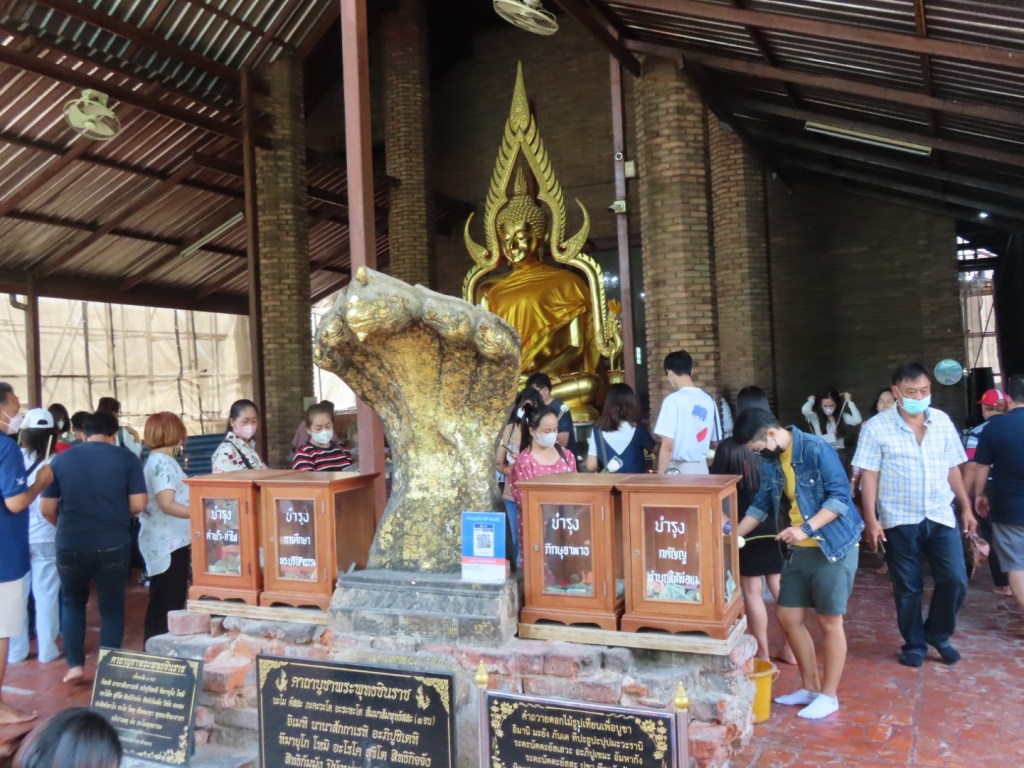
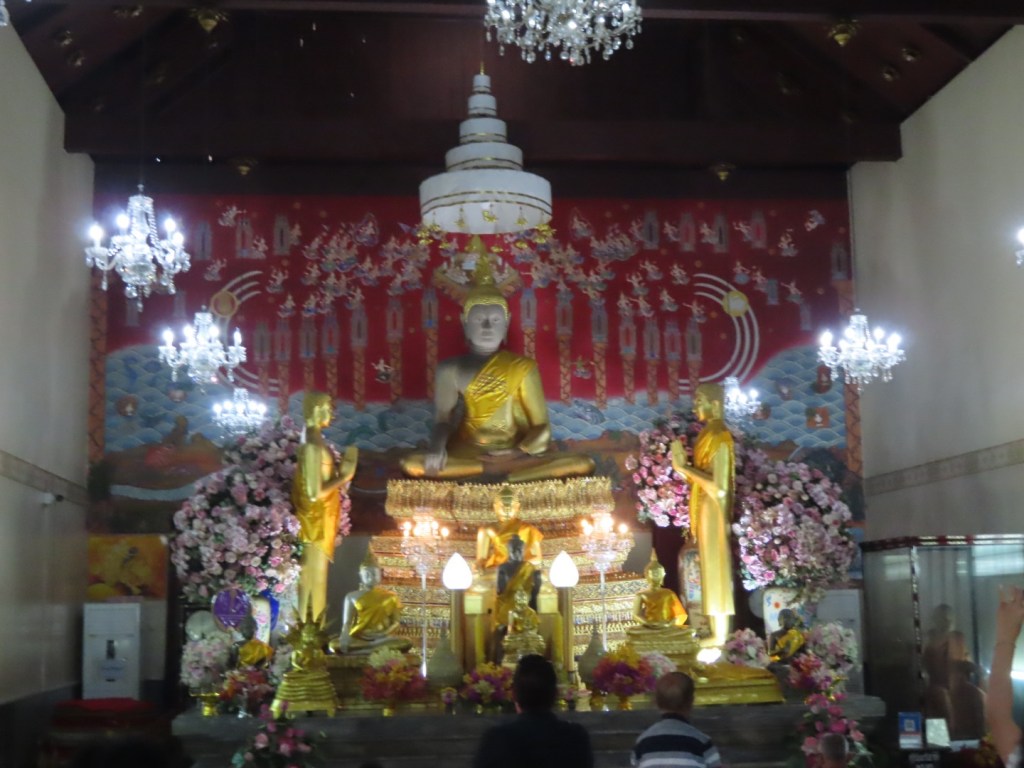
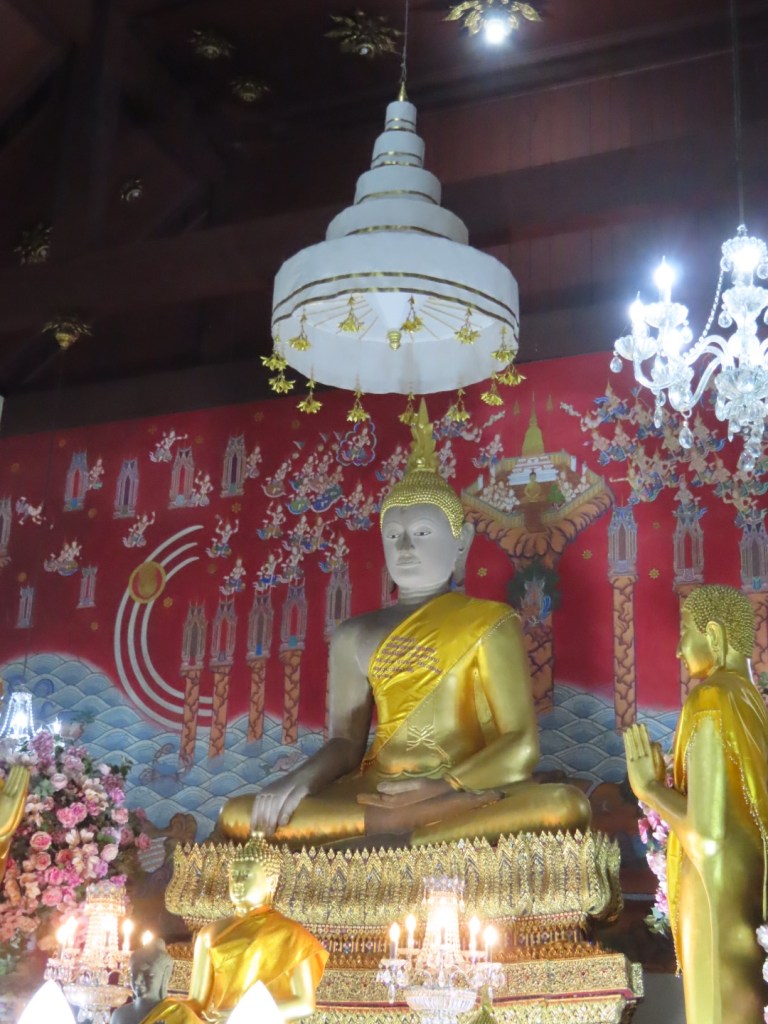
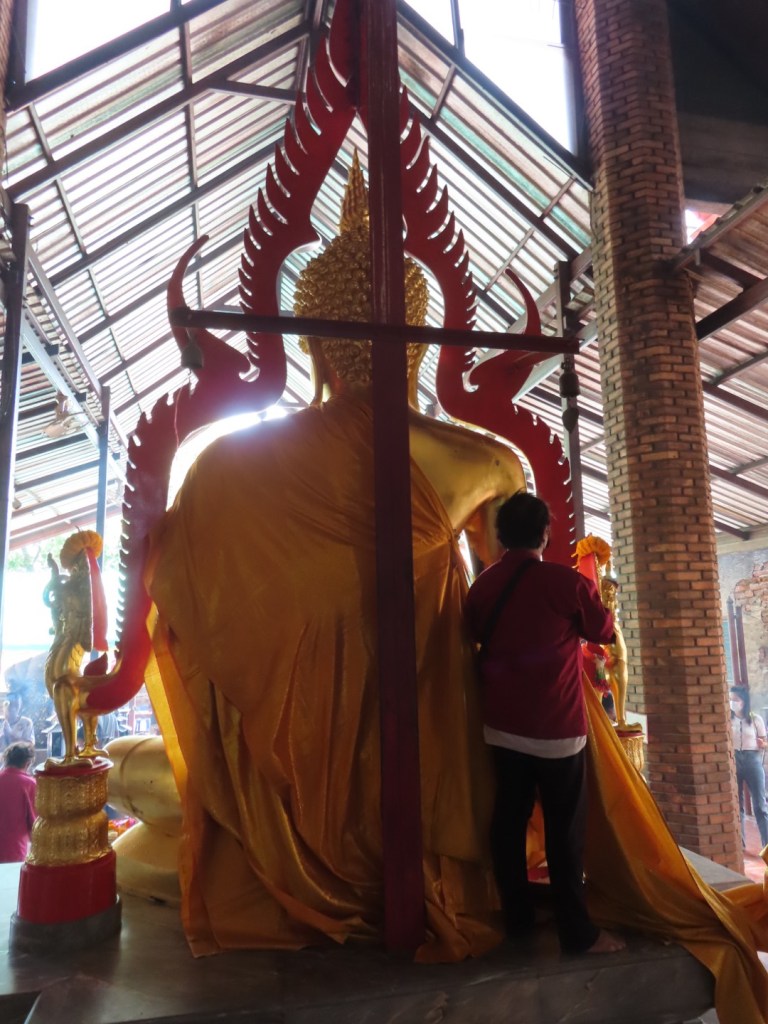
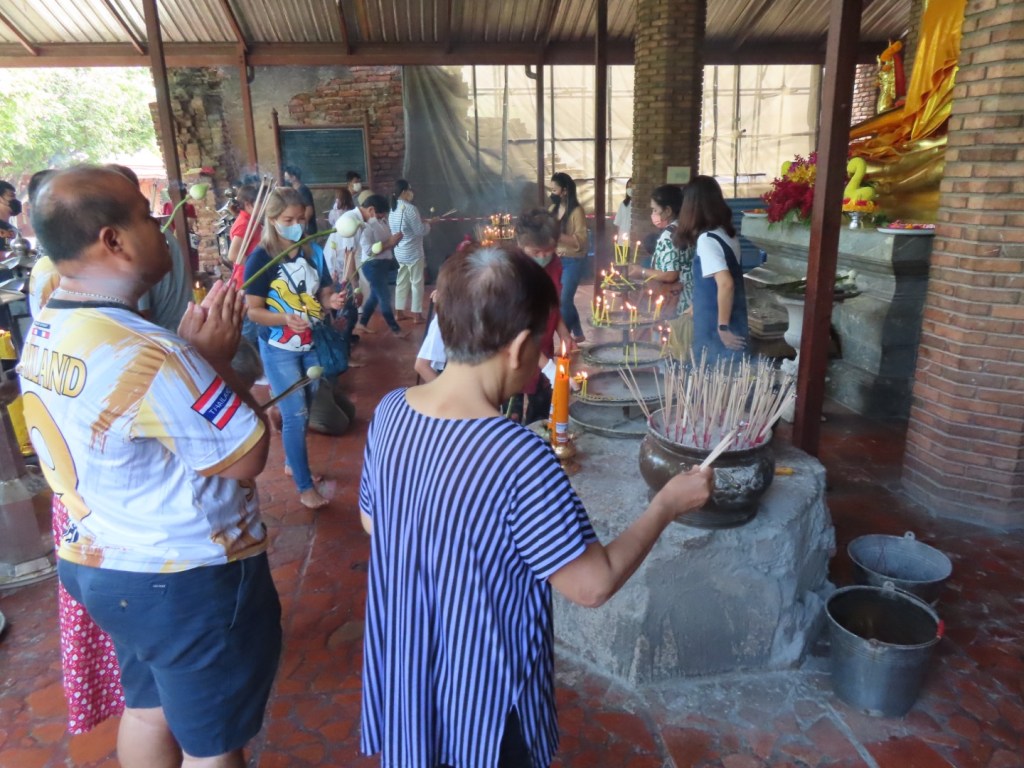

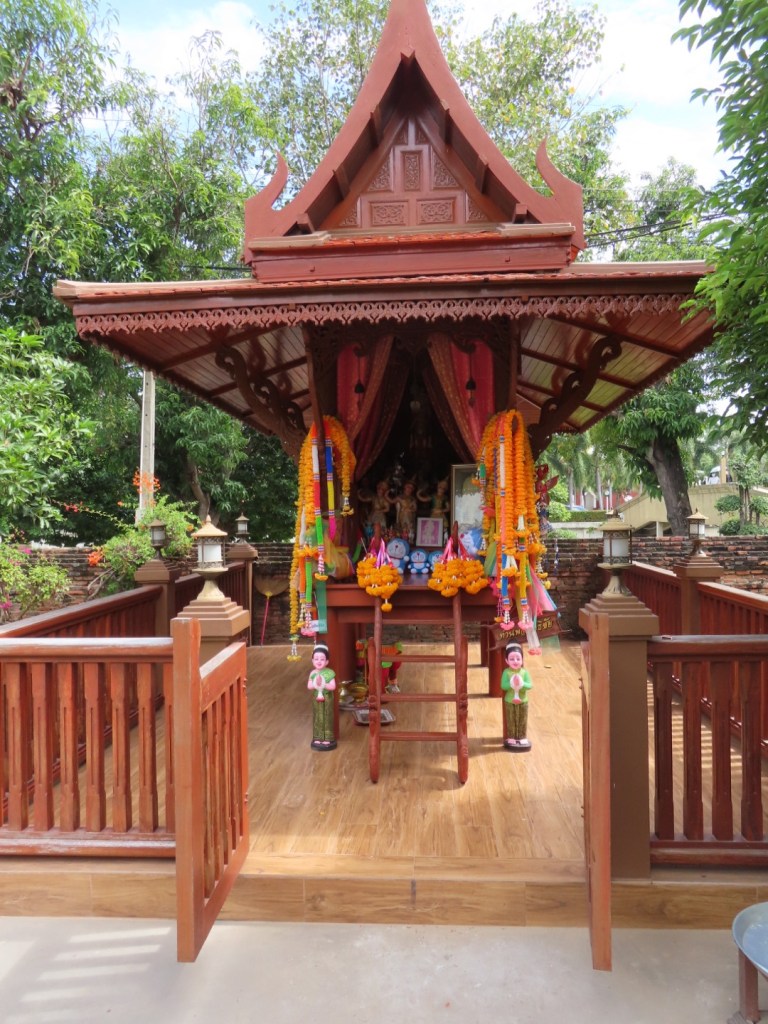
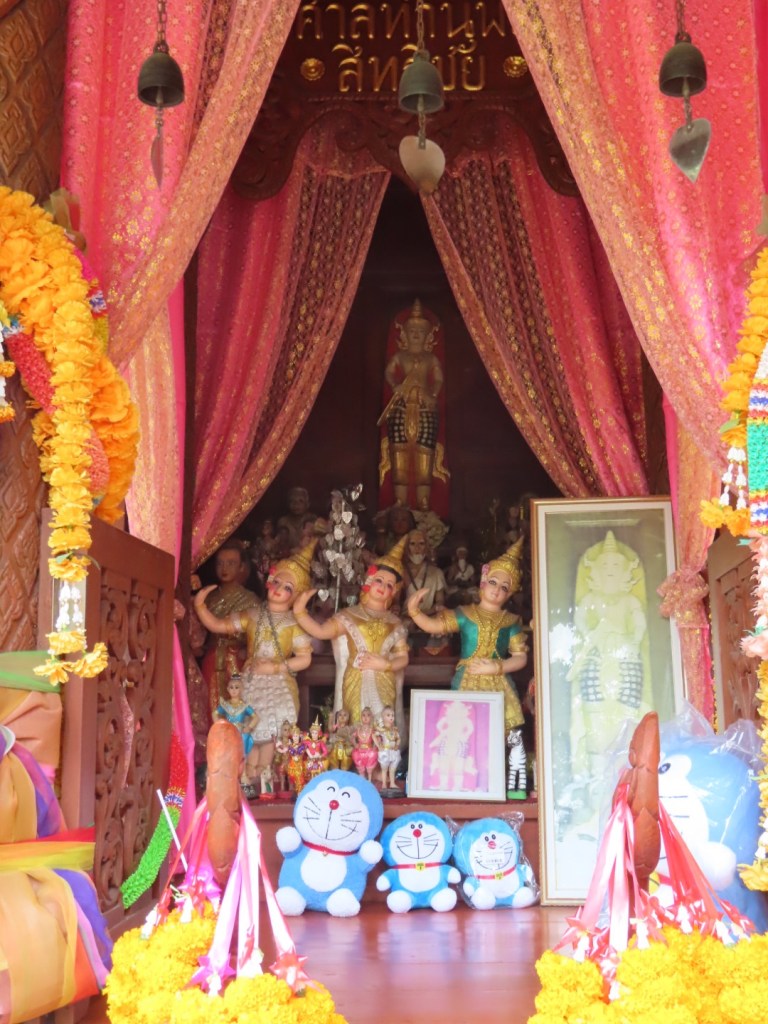

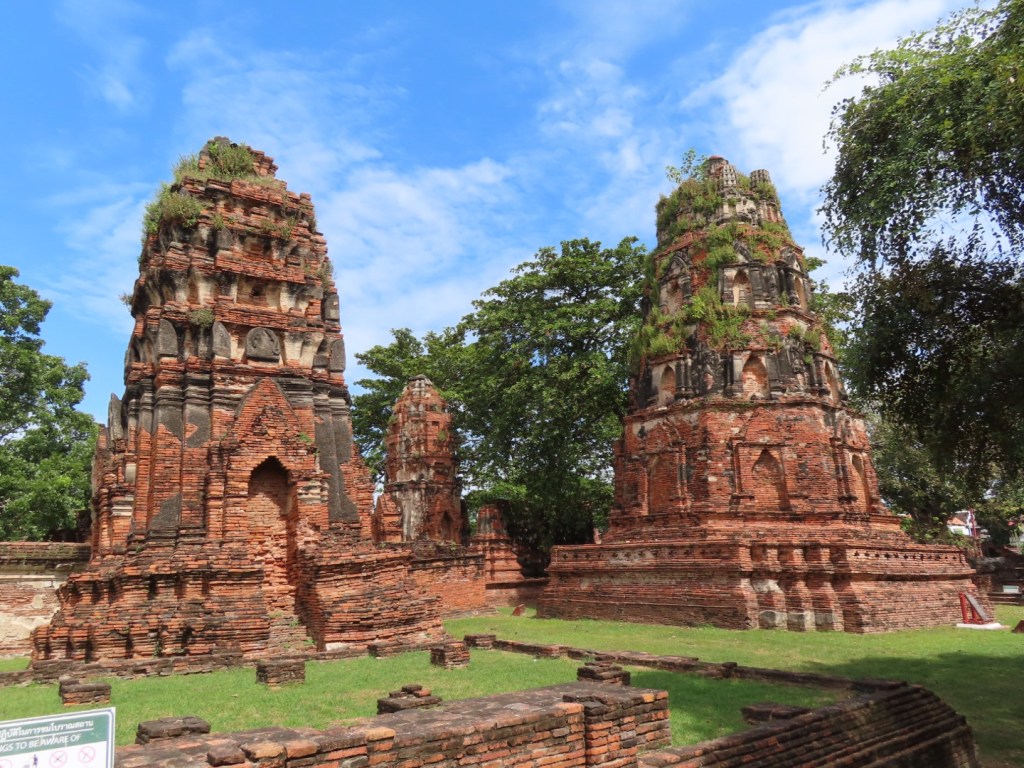
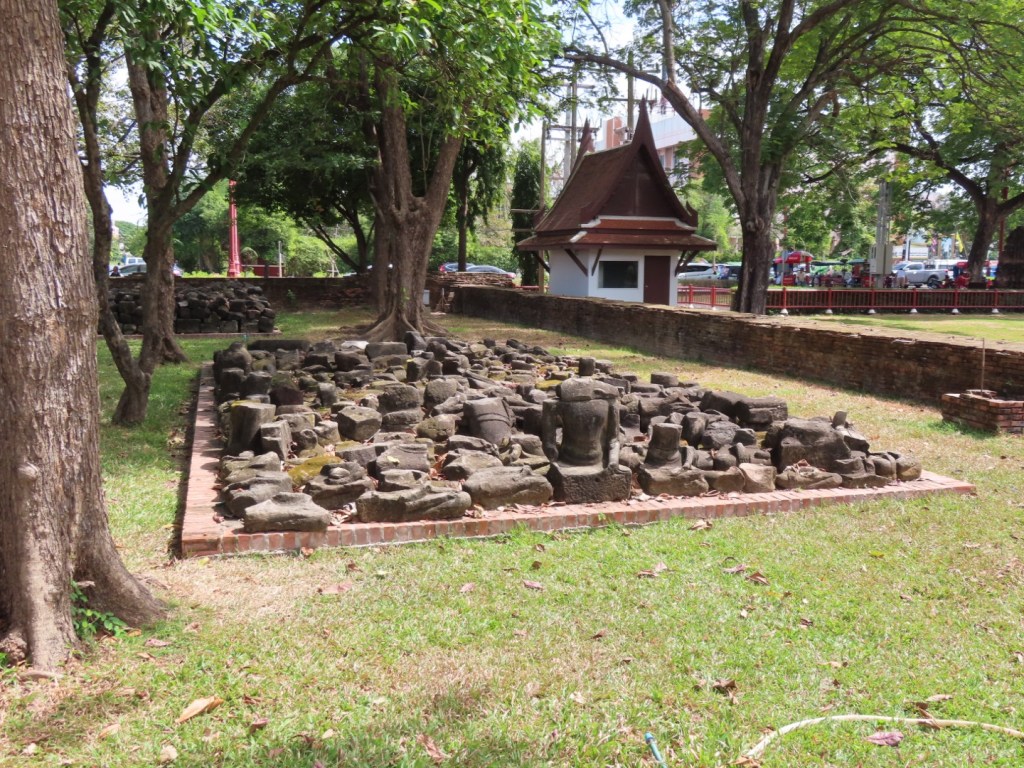
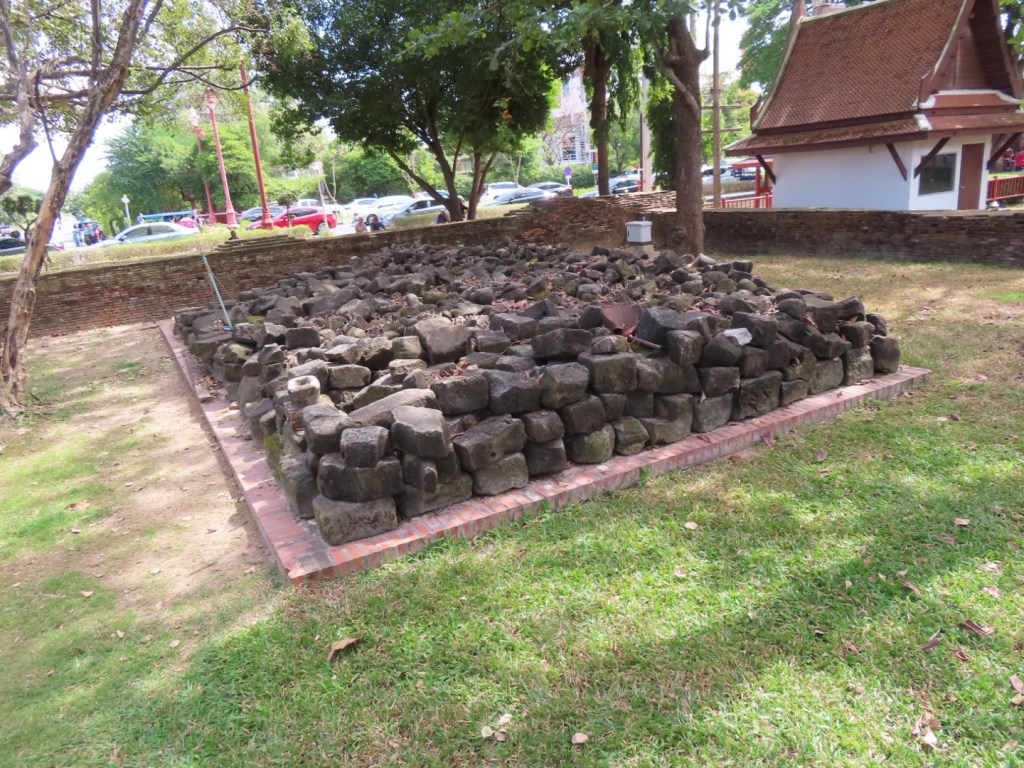
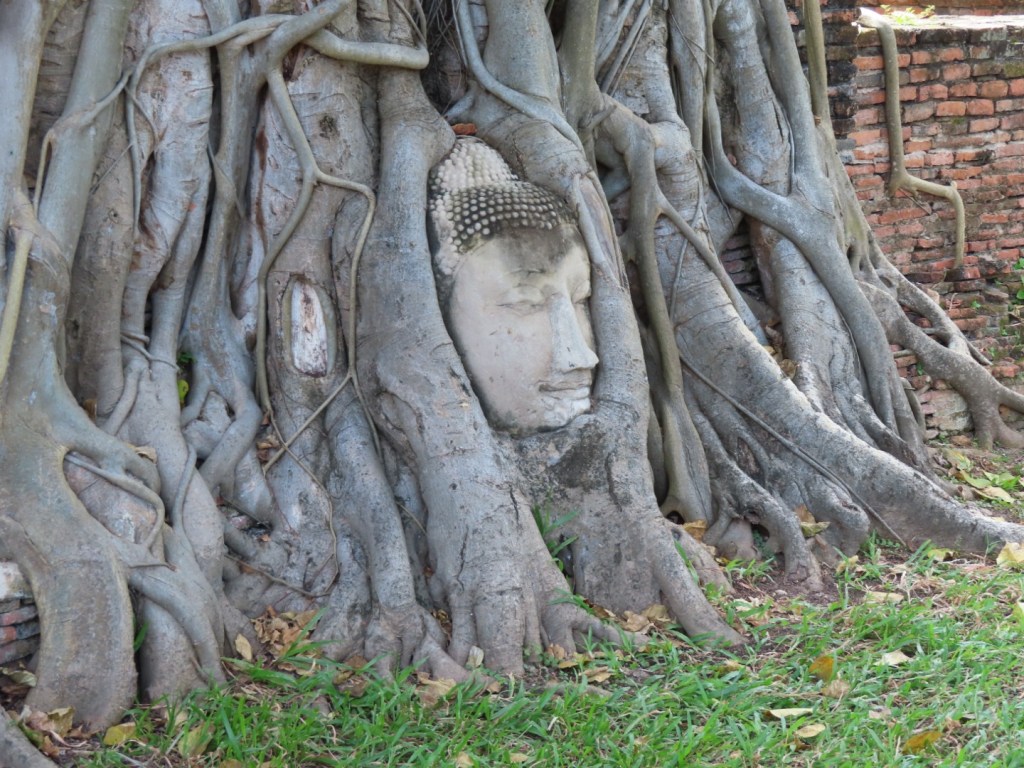
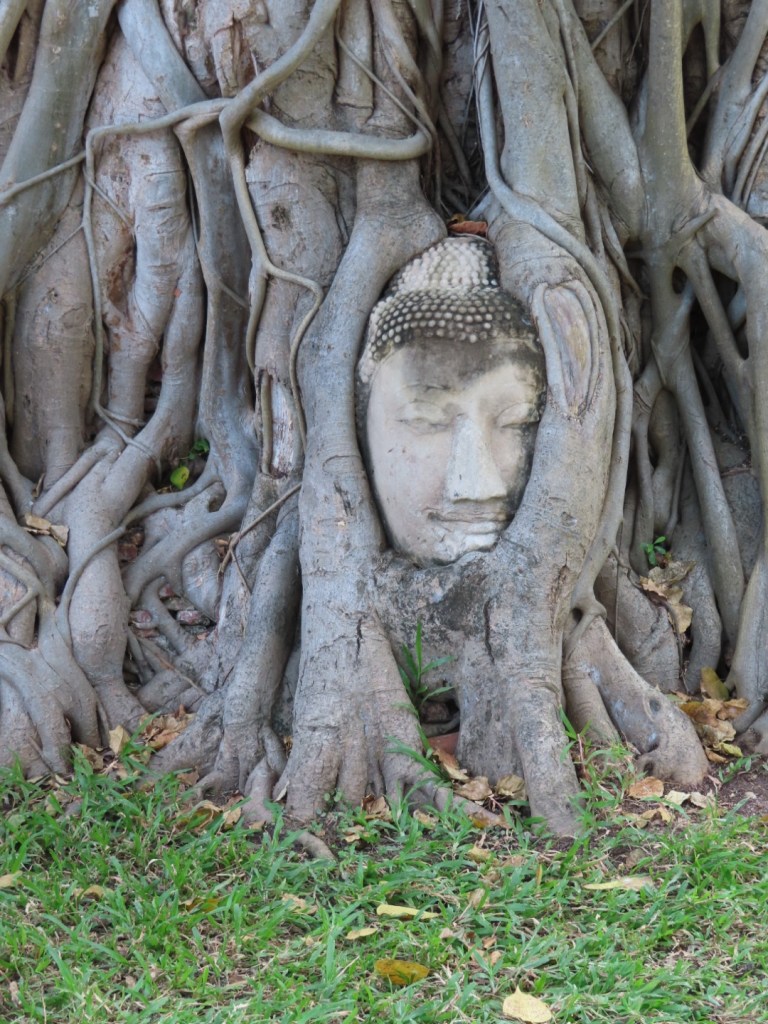
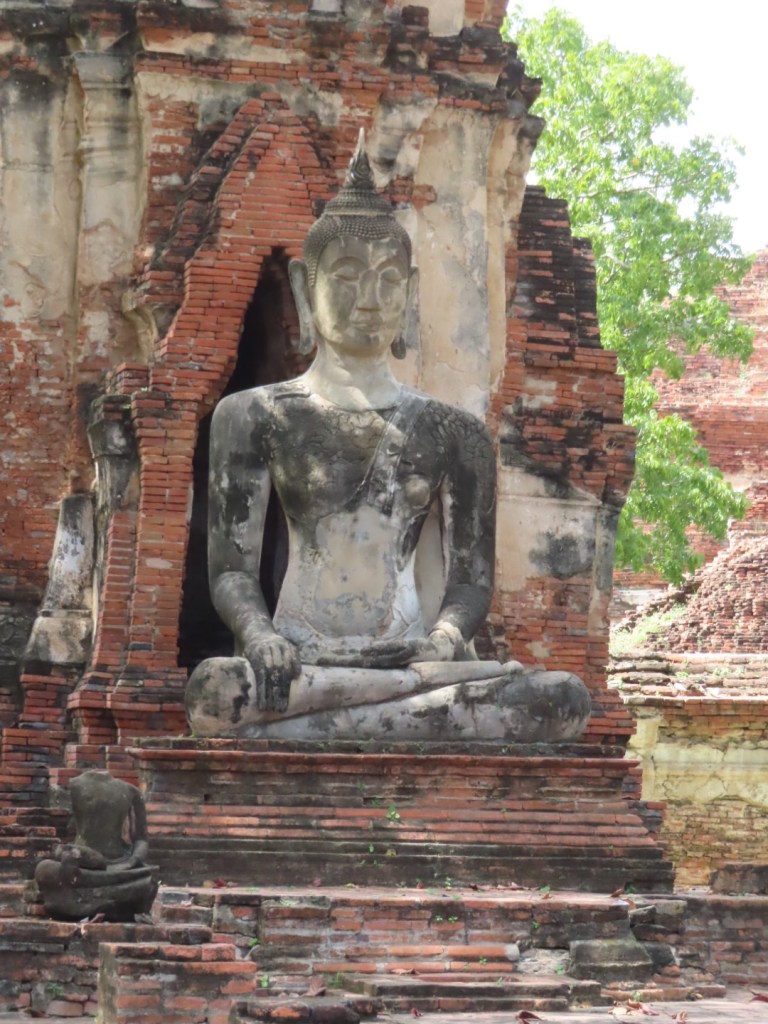
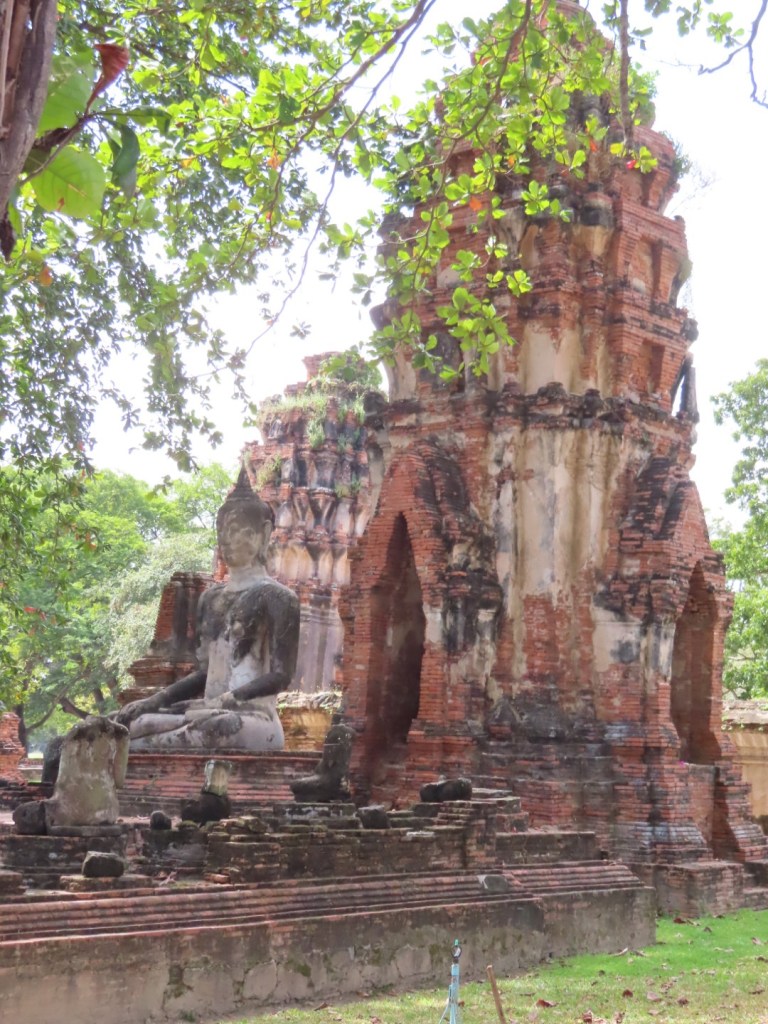
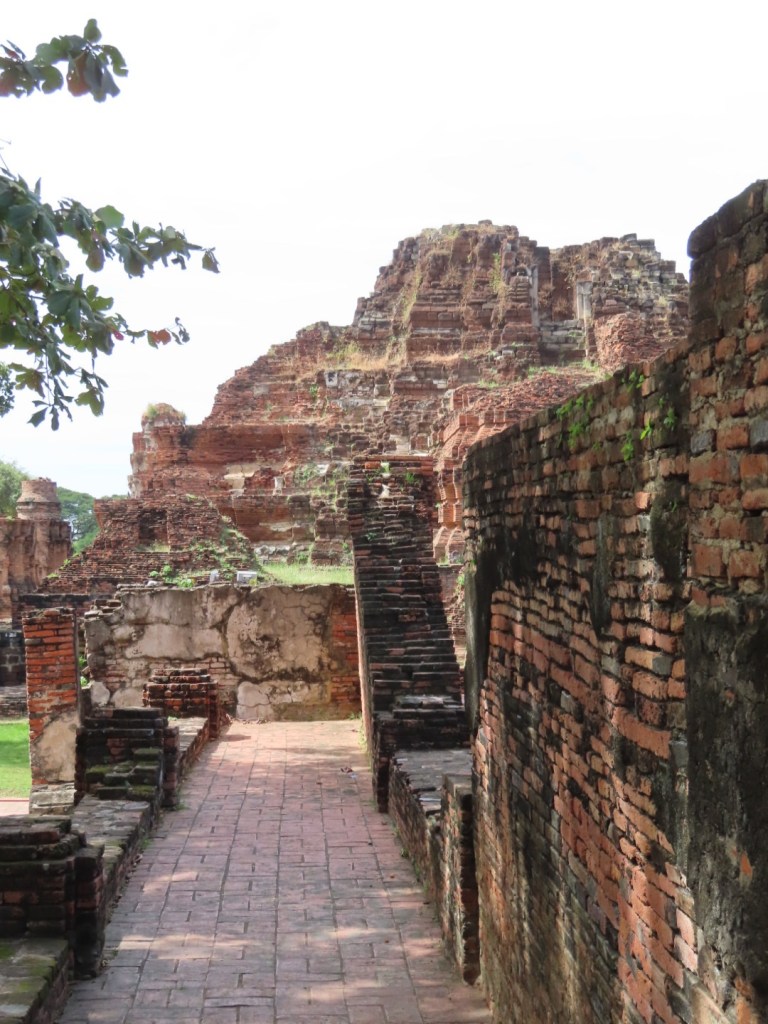
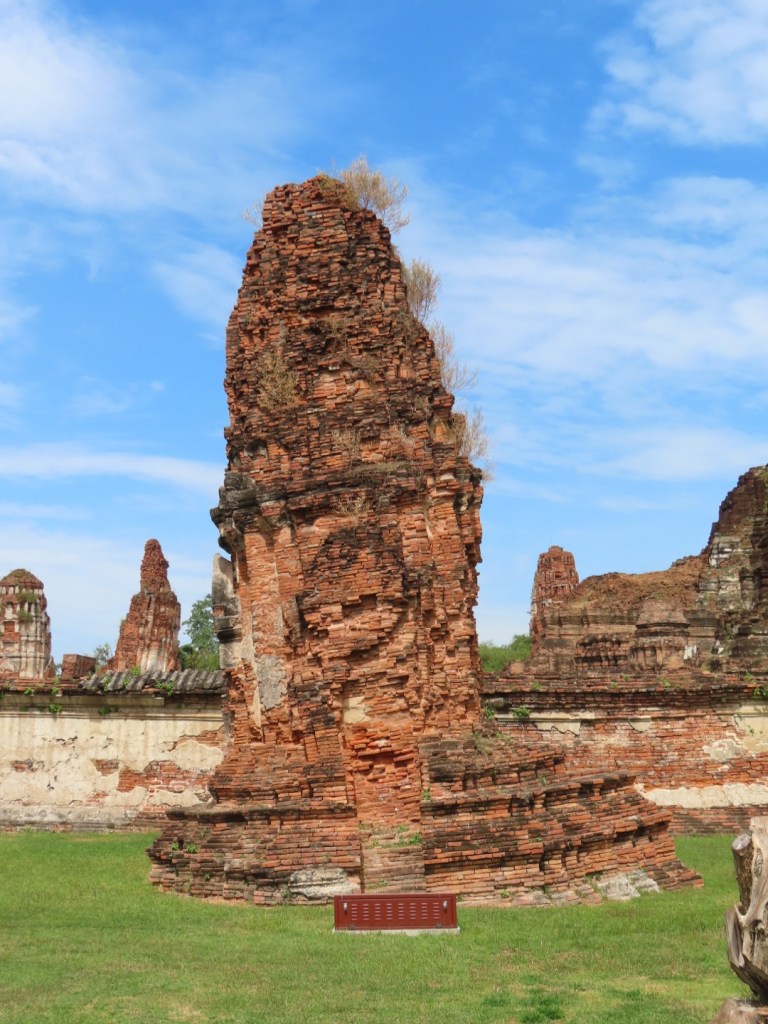
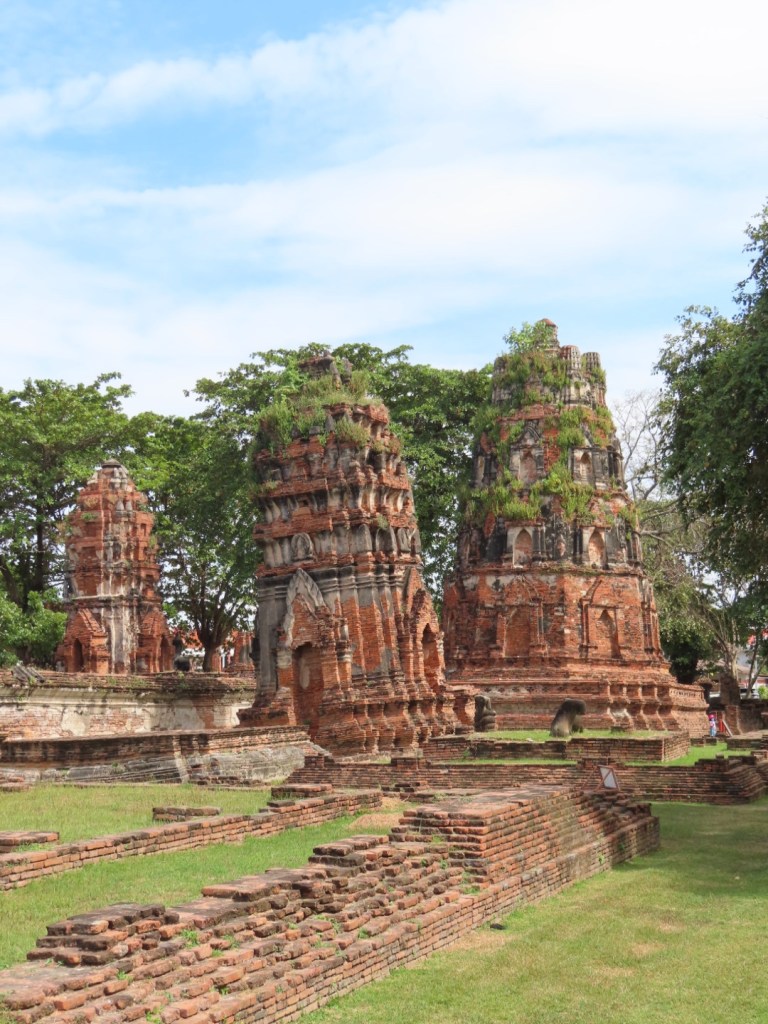
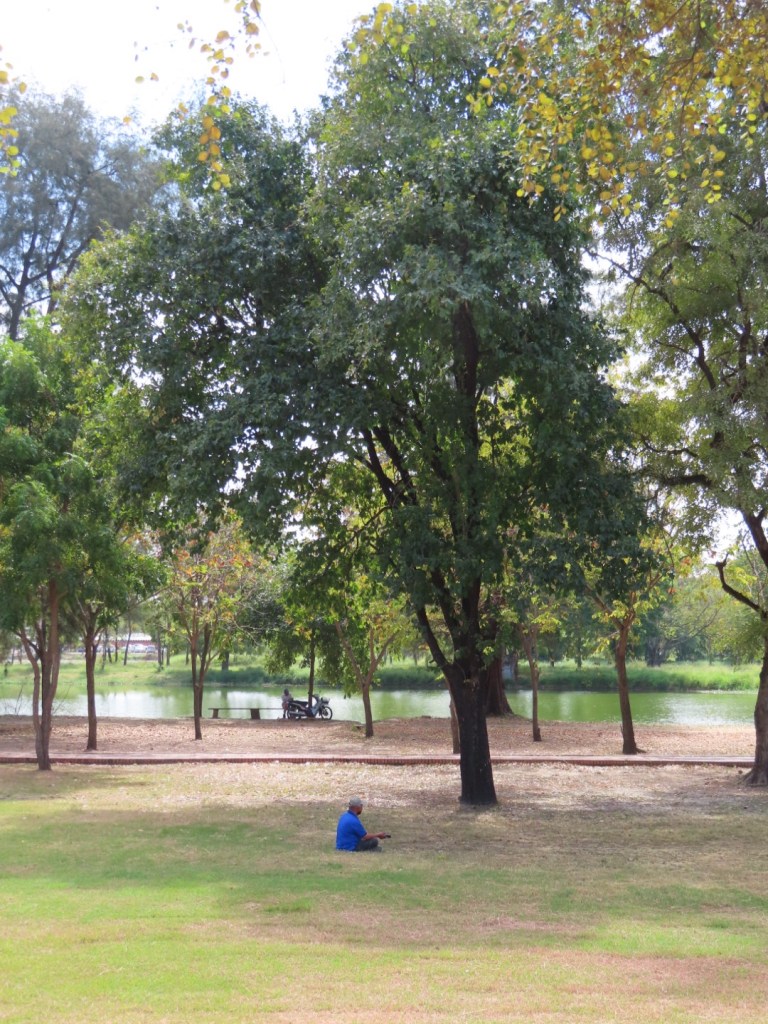
Then we drove to “old Ayutthaya” and visited Wat Mahathat, know for the Buddha head in the tree.
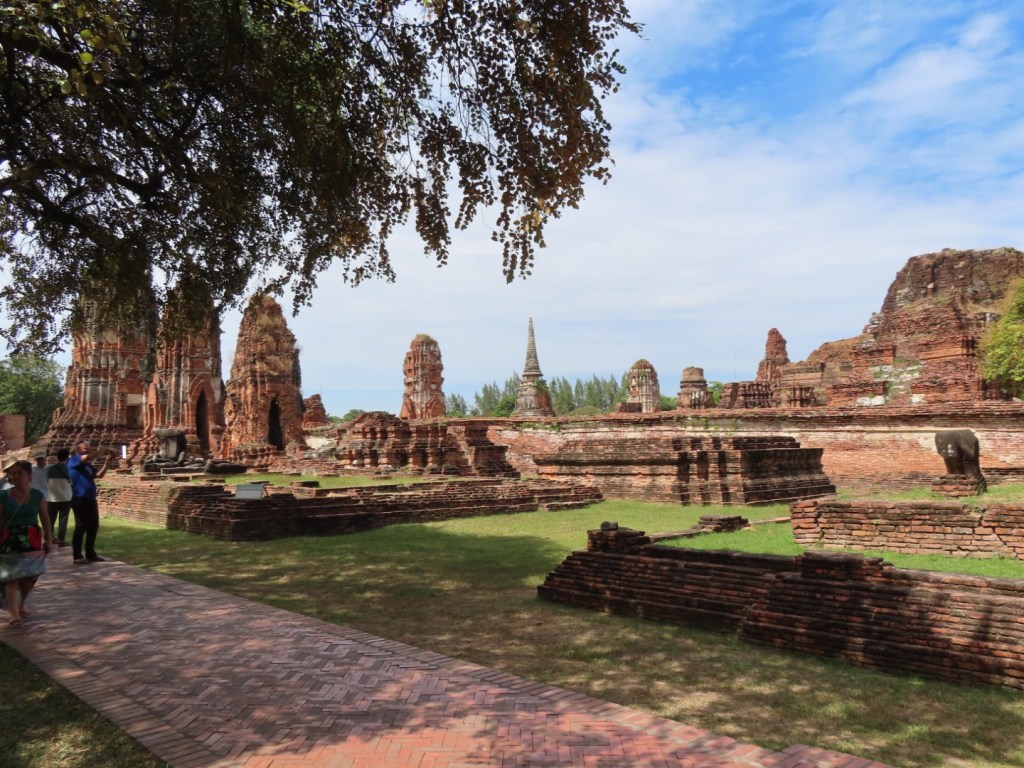
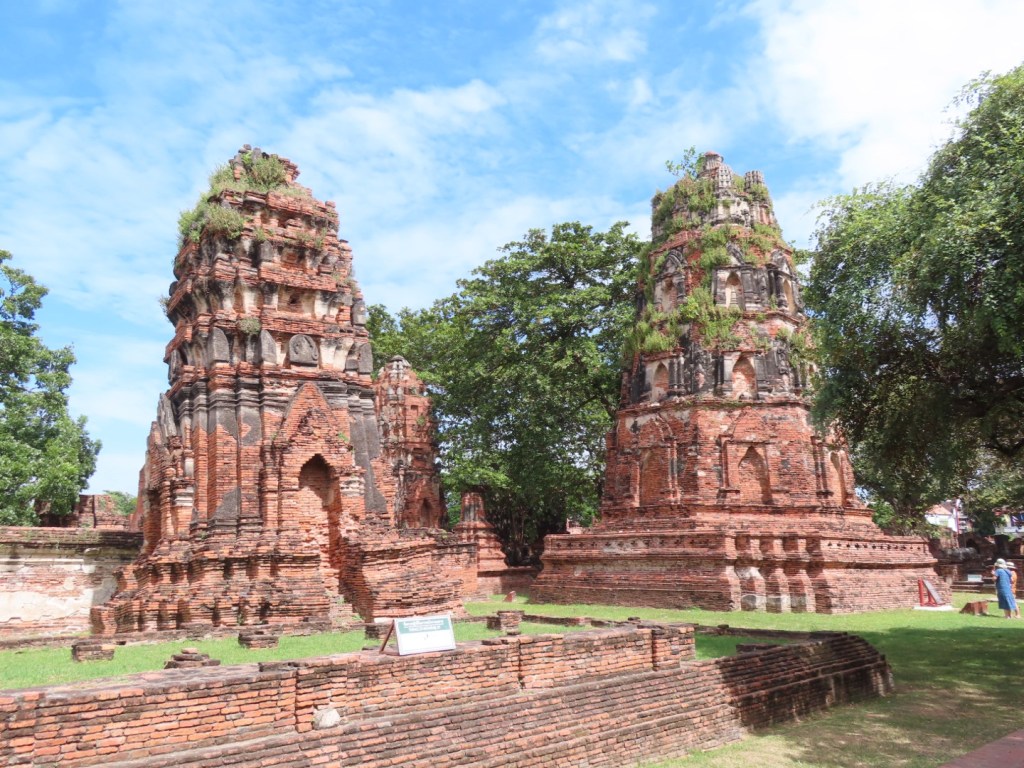
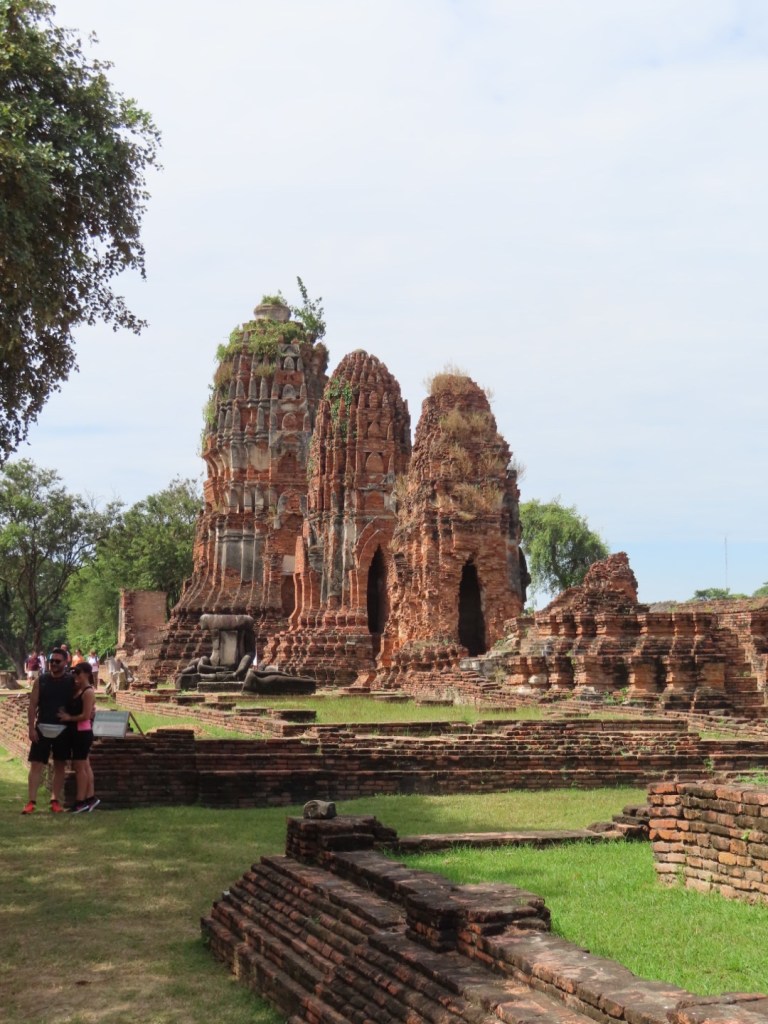
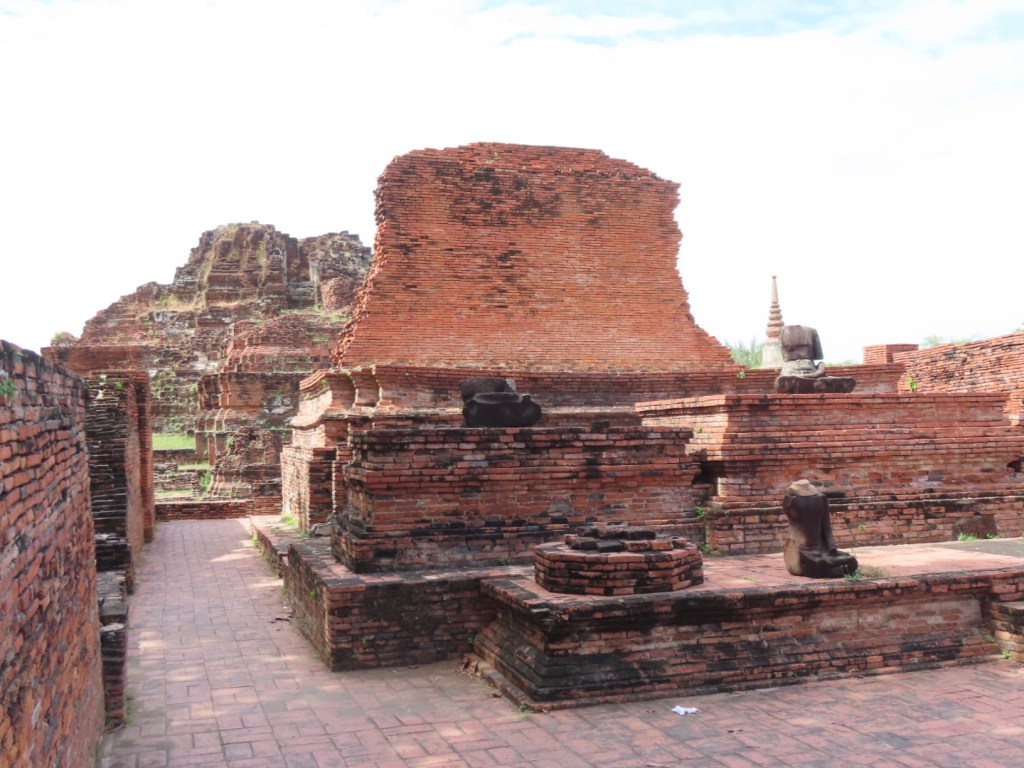
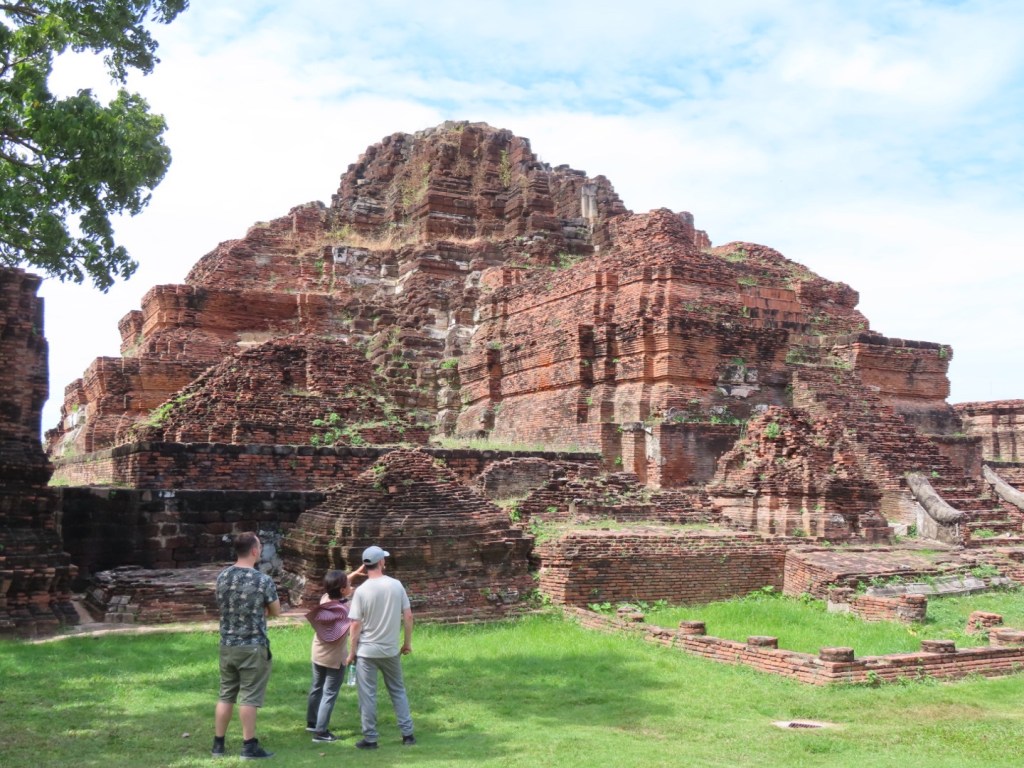
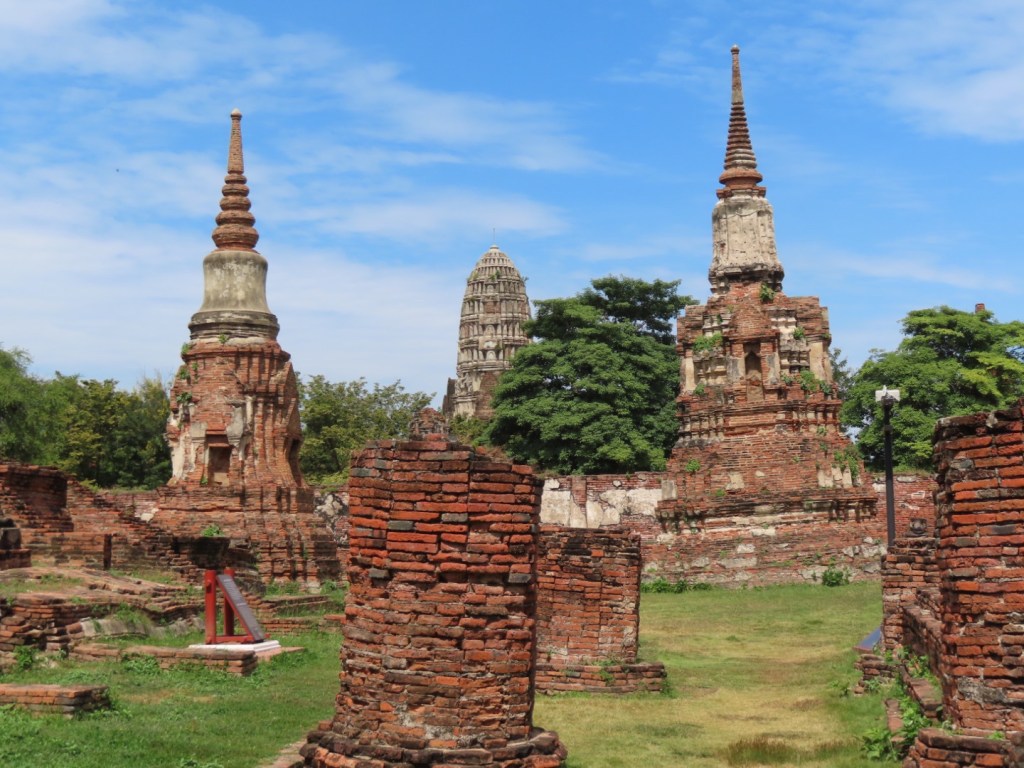
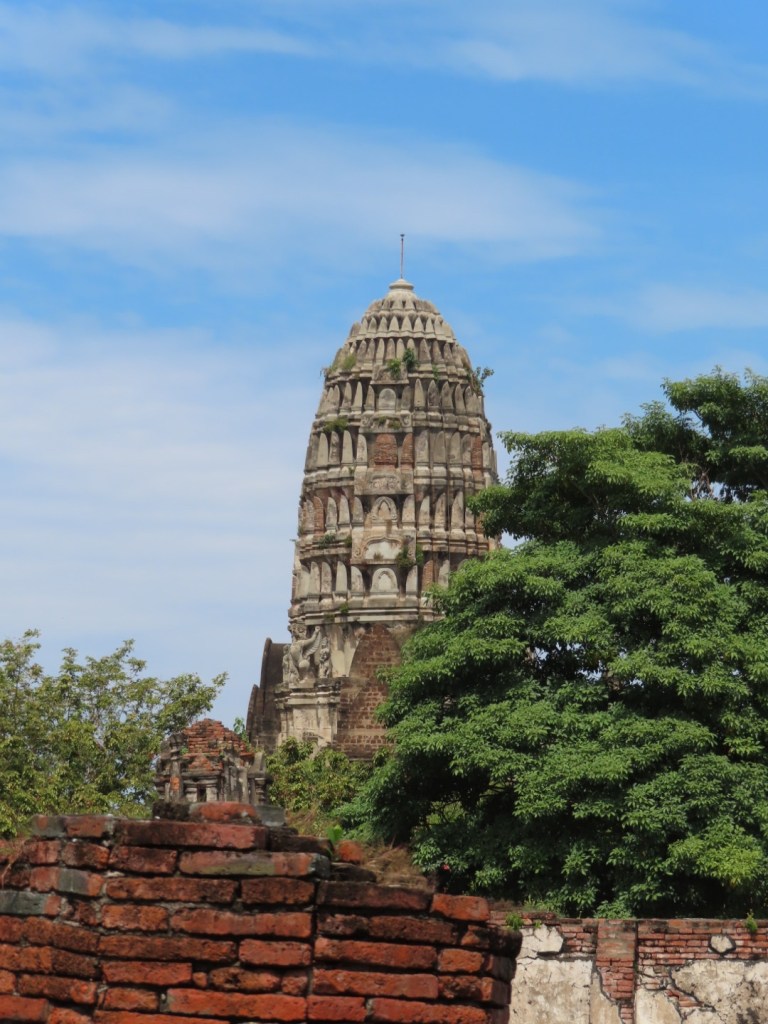
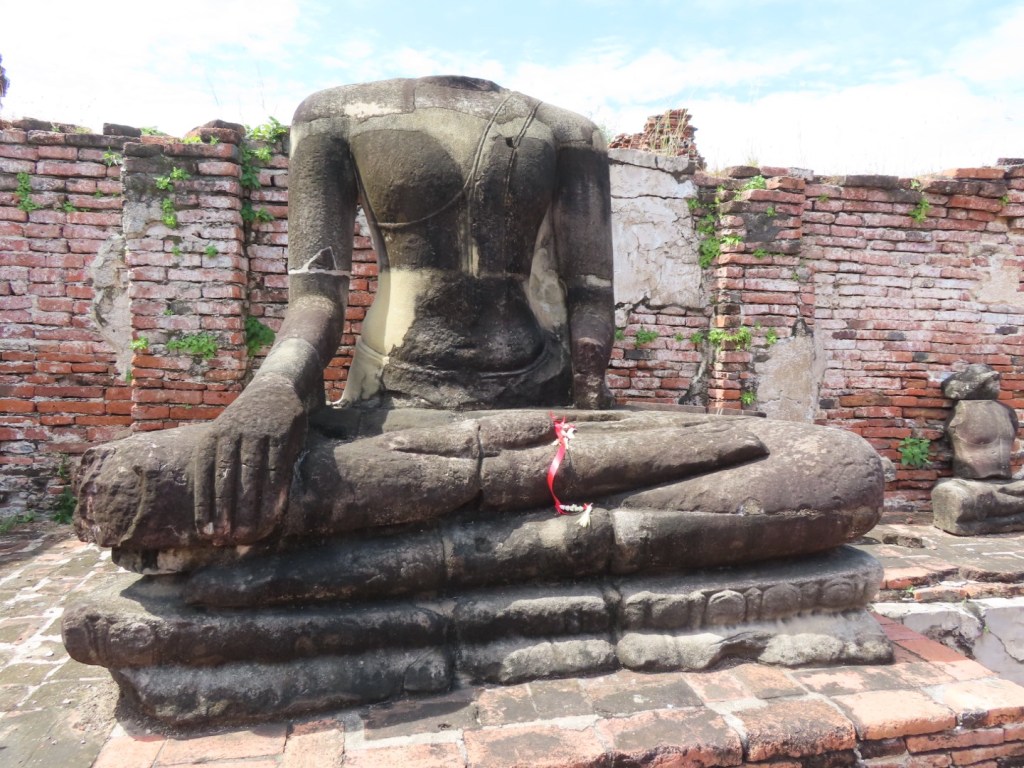
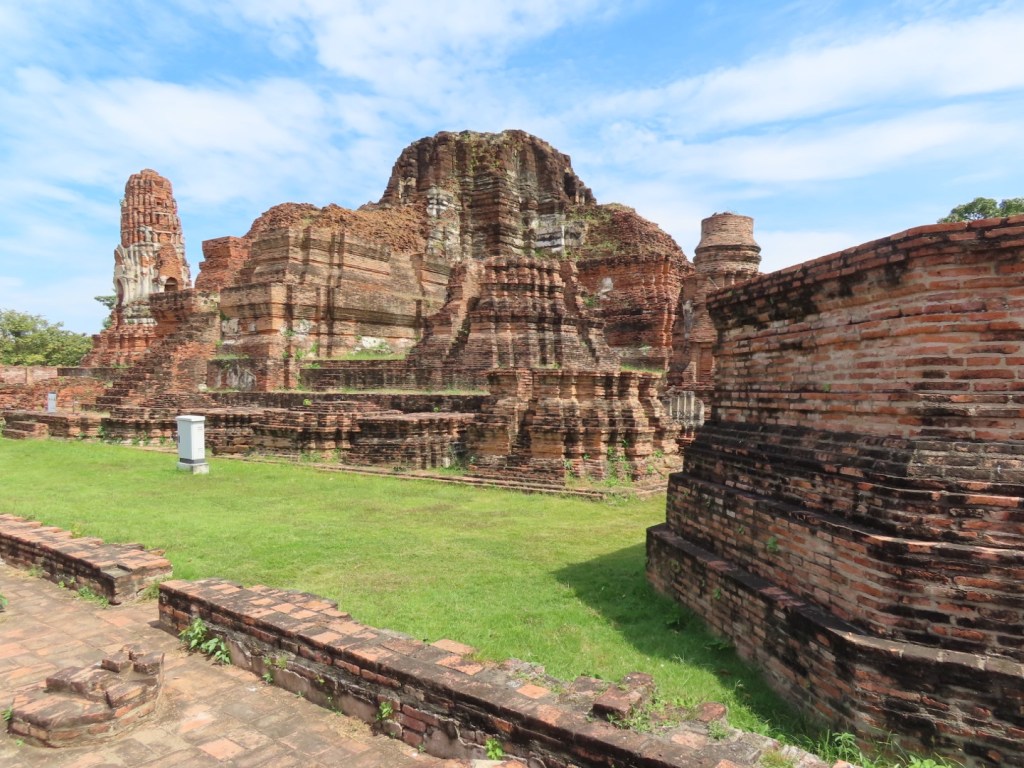
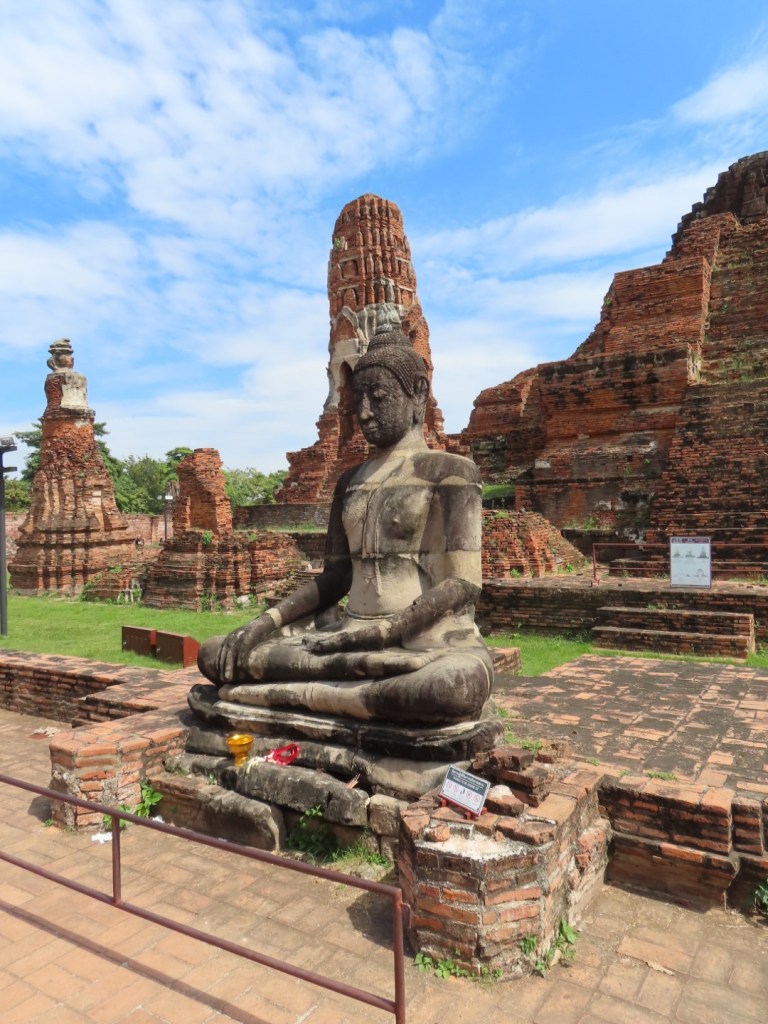
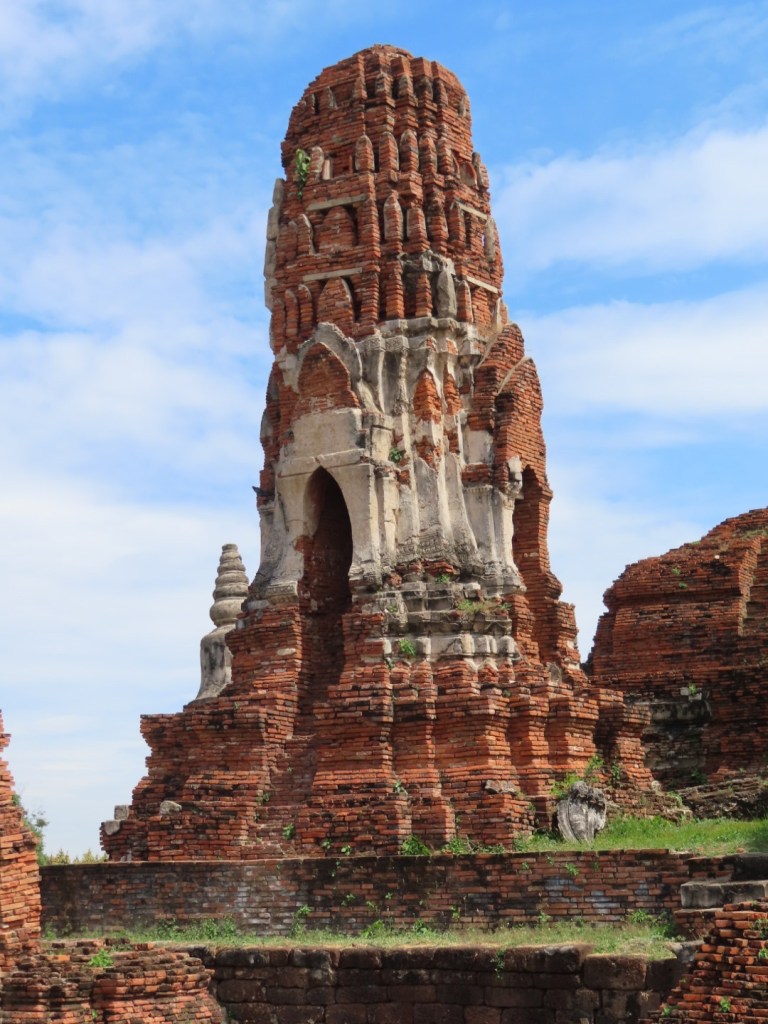
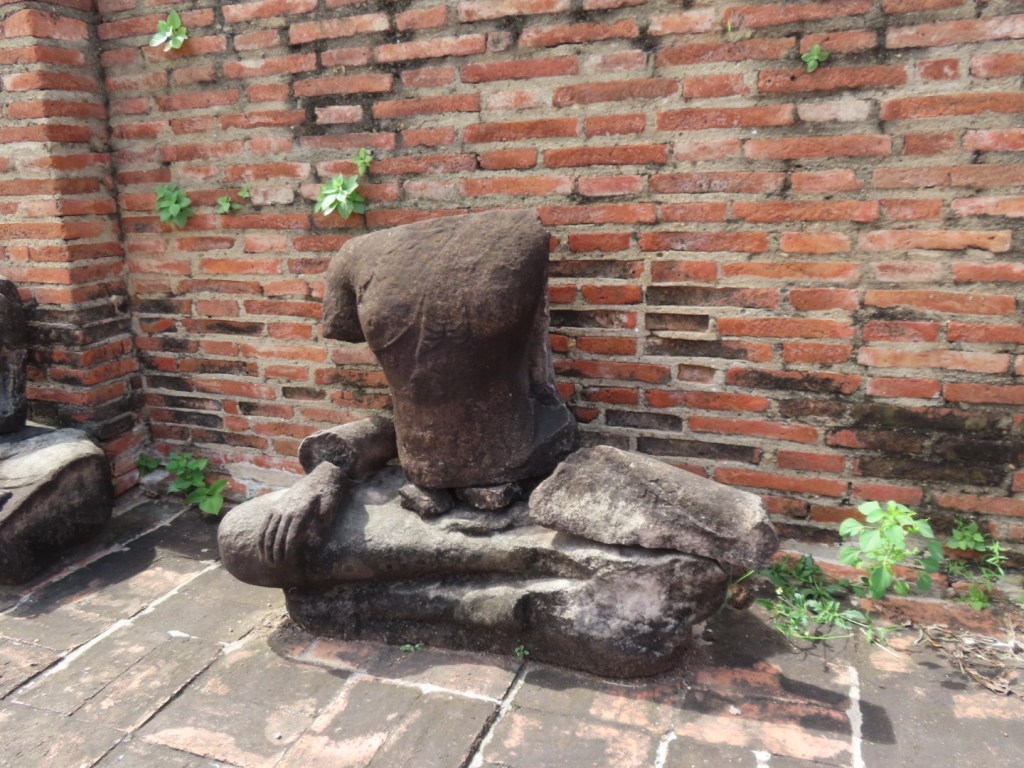
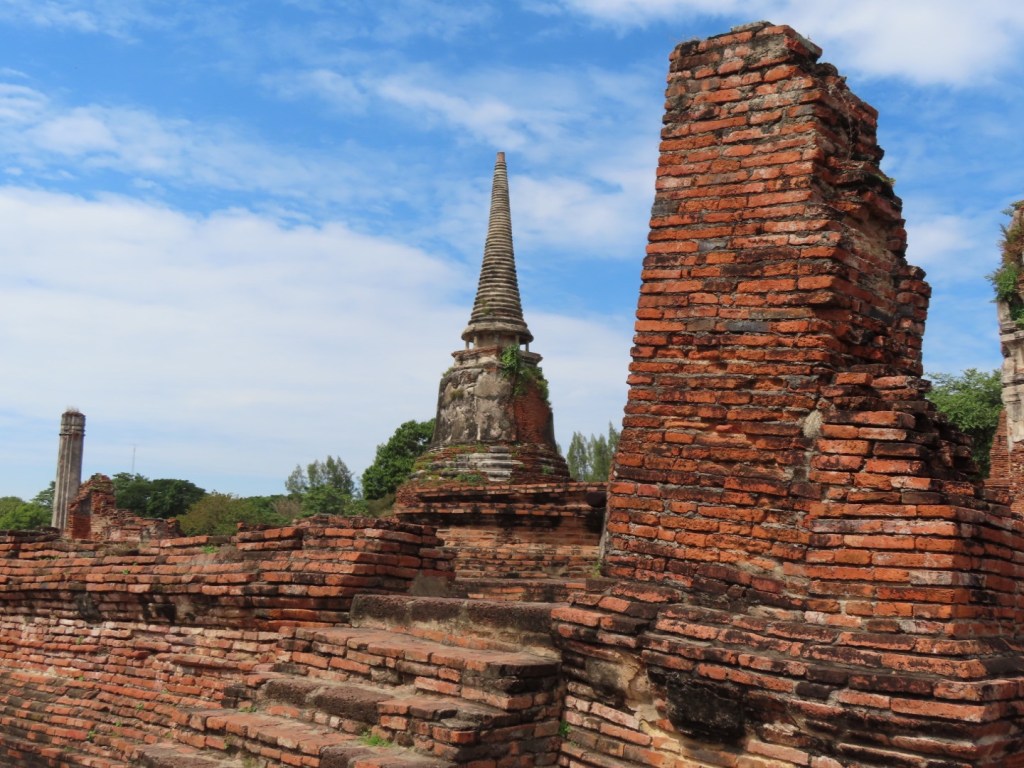
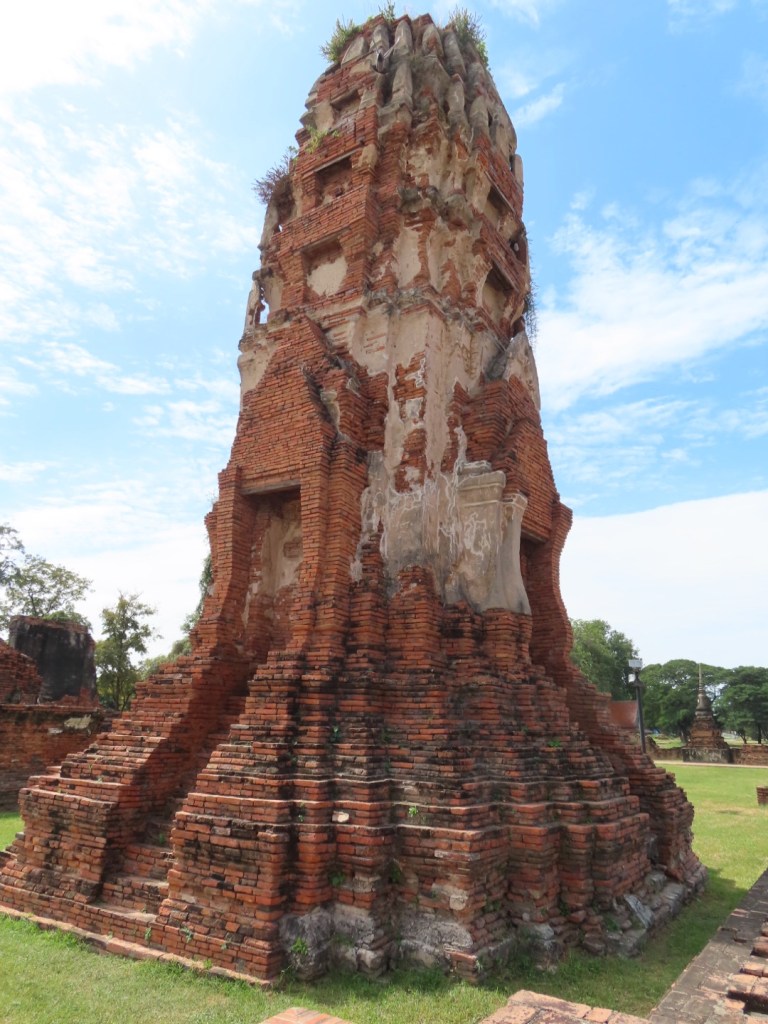
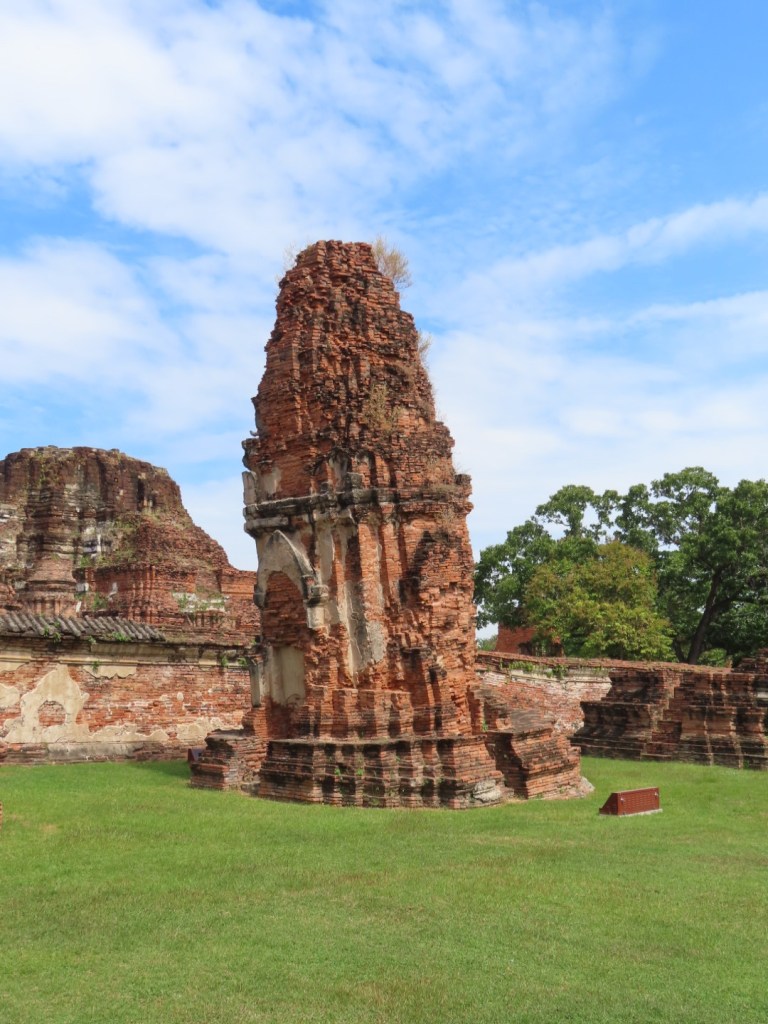
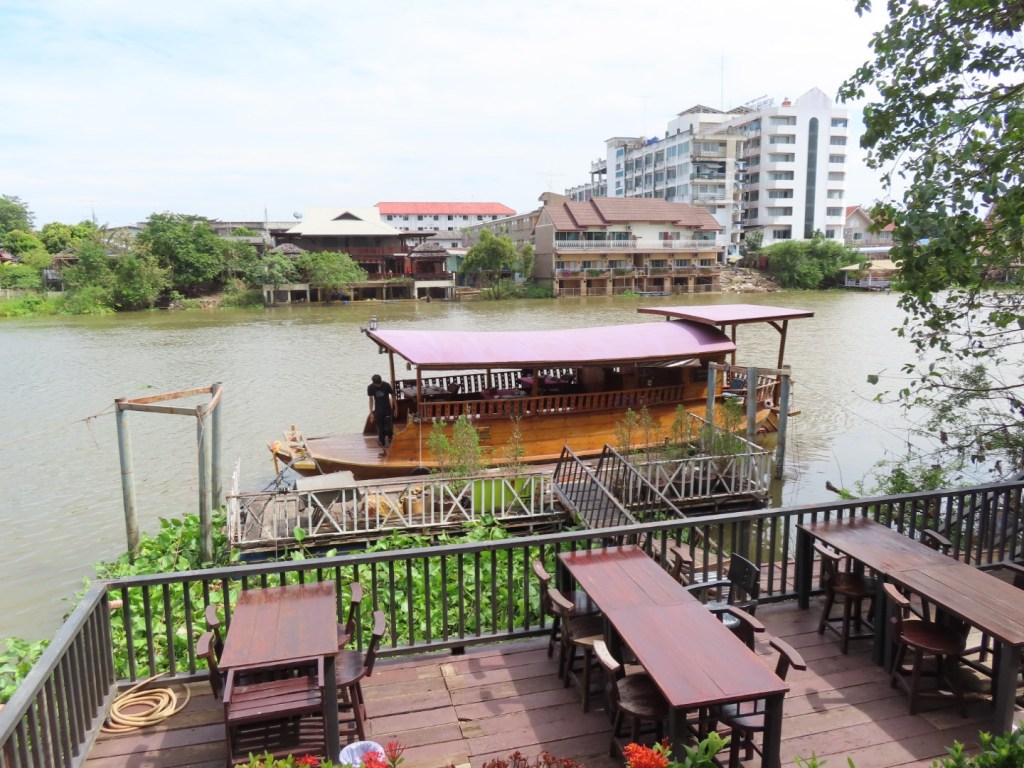
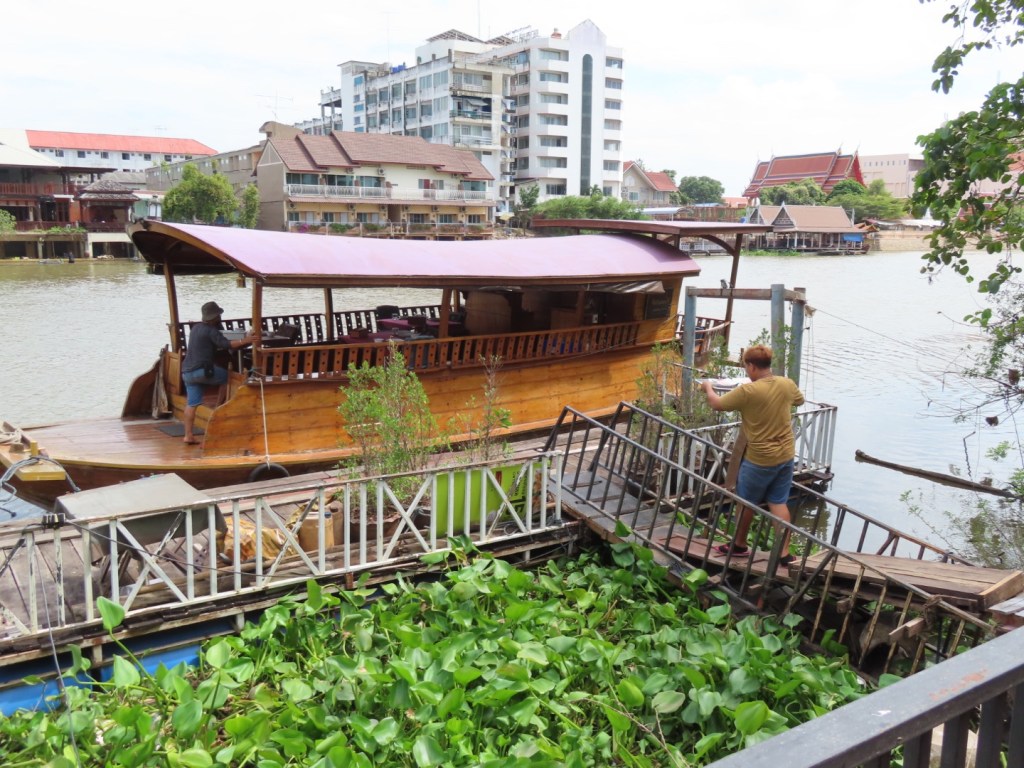
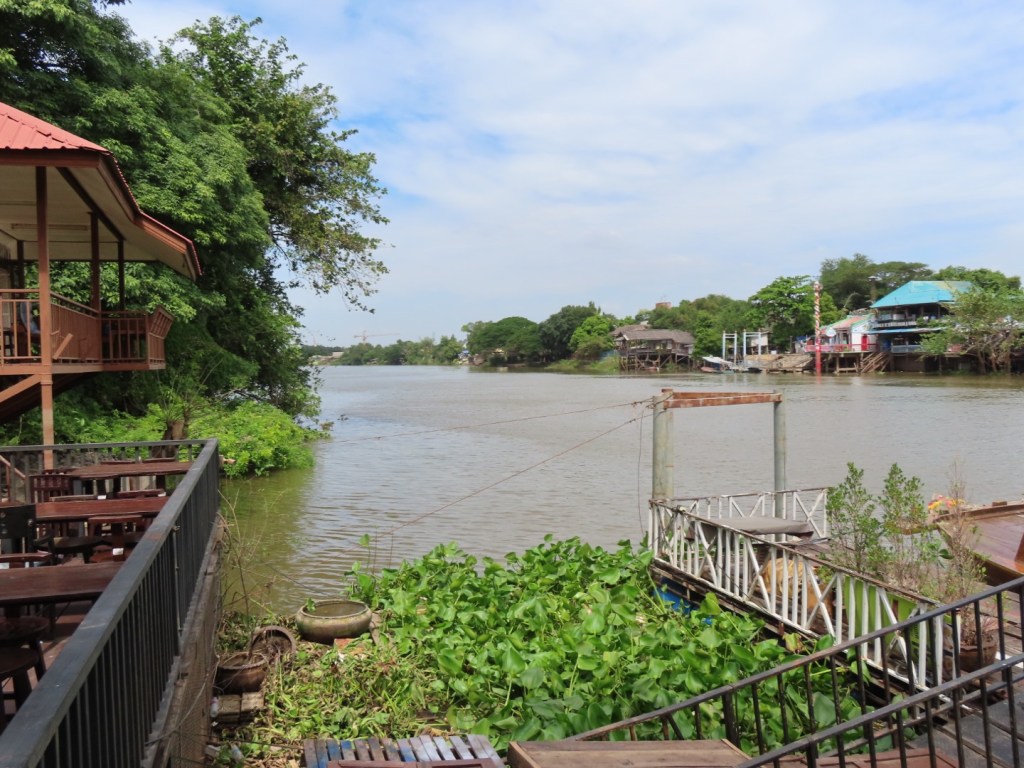
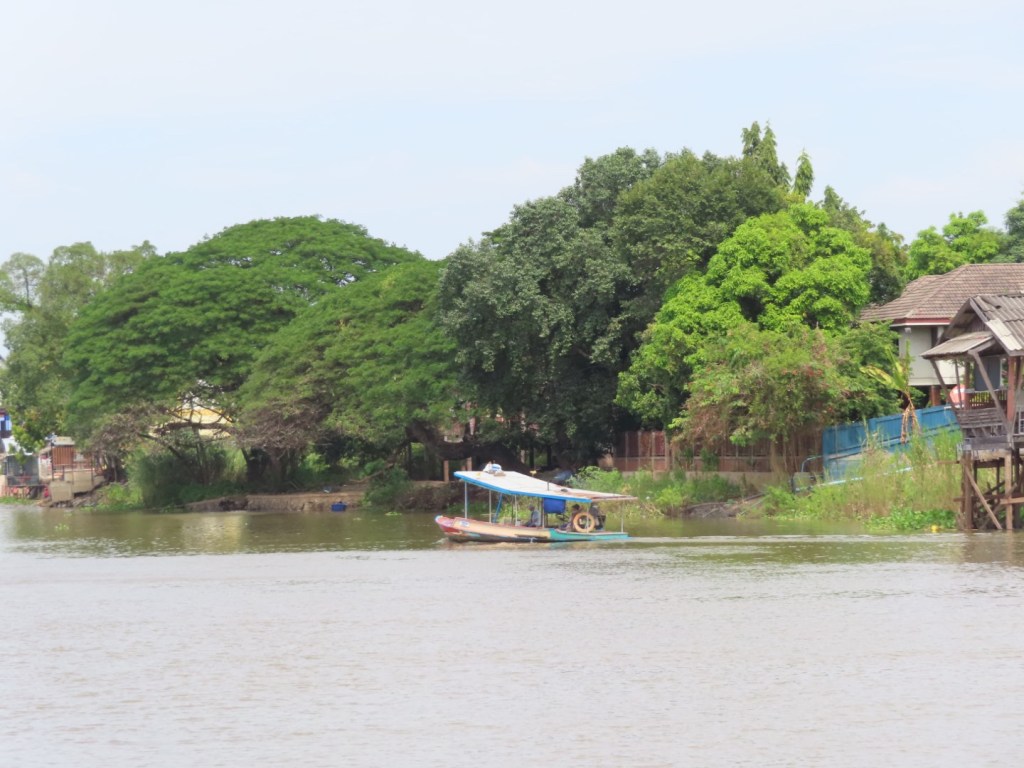
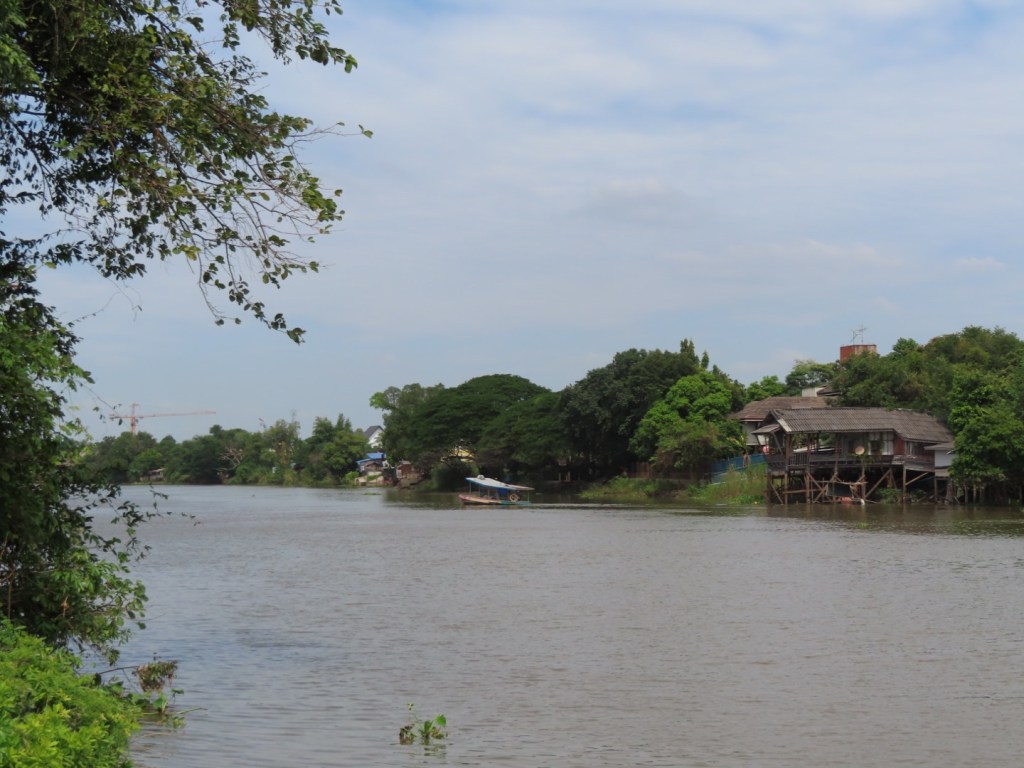
We stopped for lunch at a local restaurant on the river.
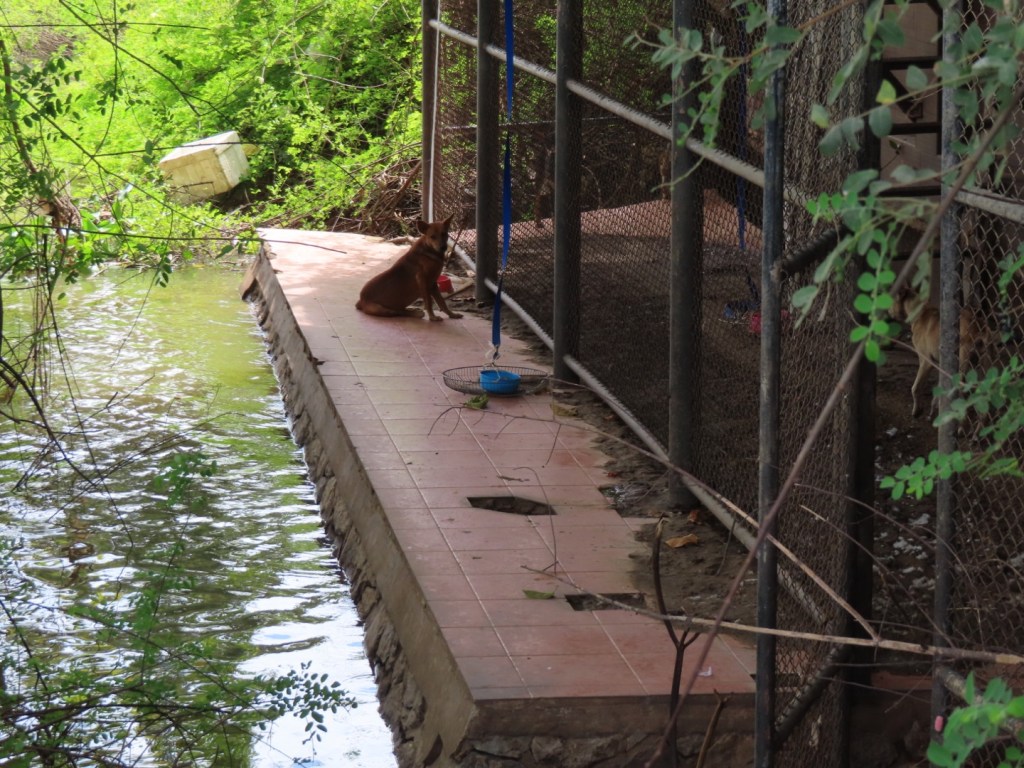

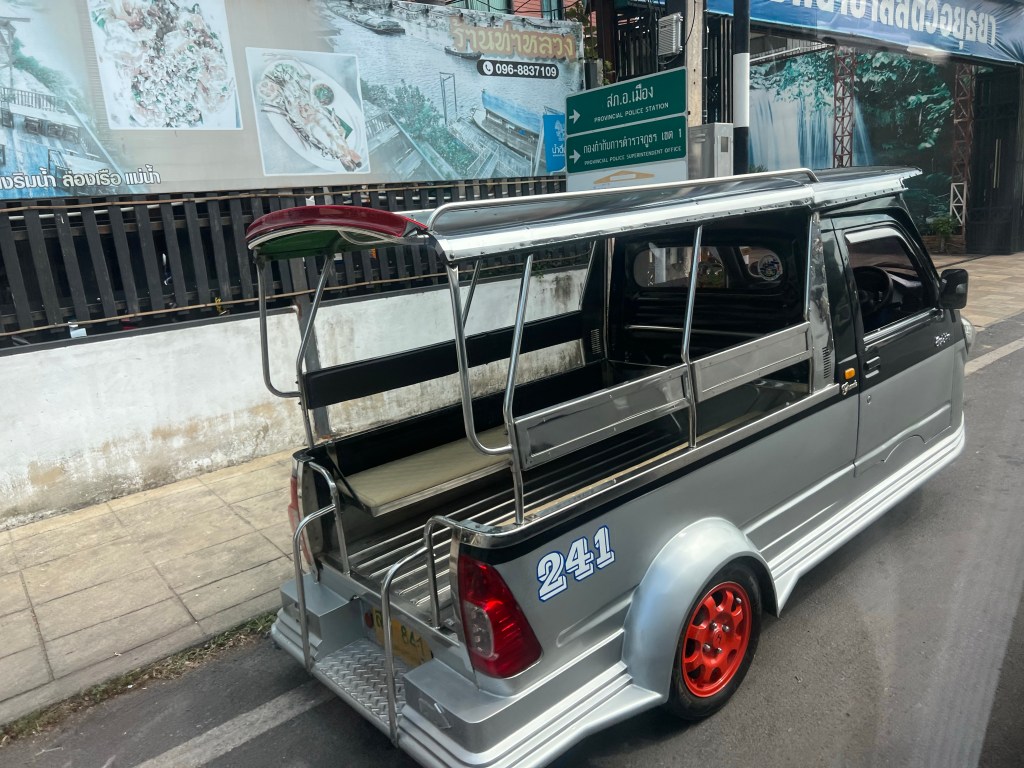
Then, we visited Wat Phra Si Sanphet and Wihan Phra Monghkon Bophit.
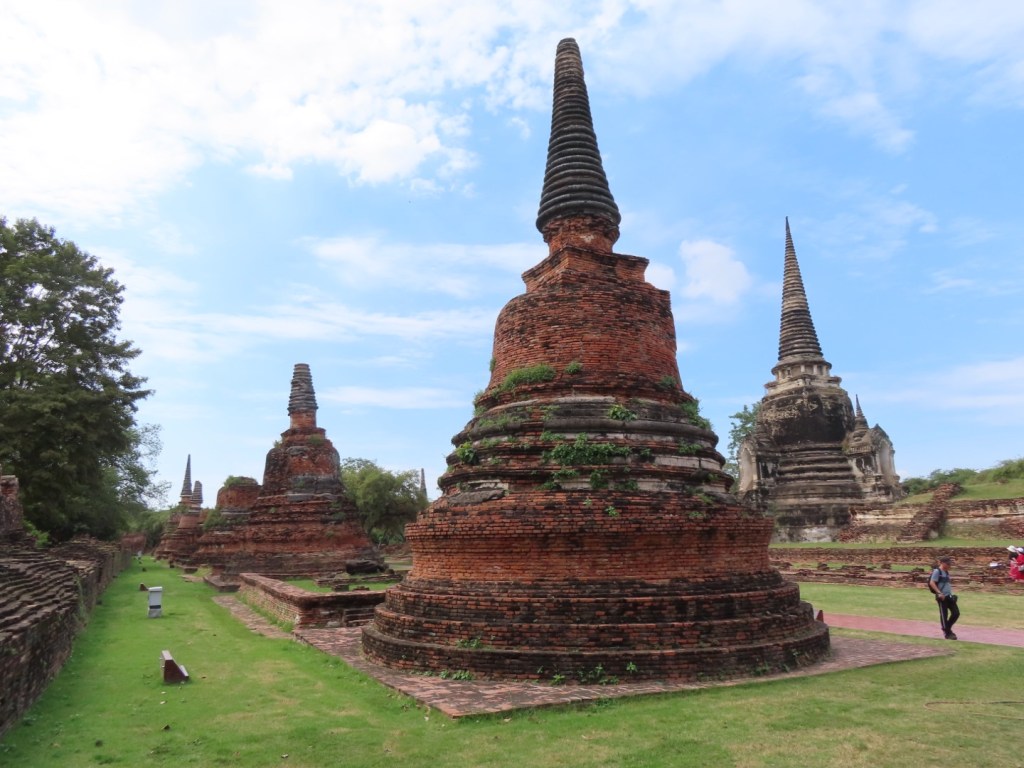

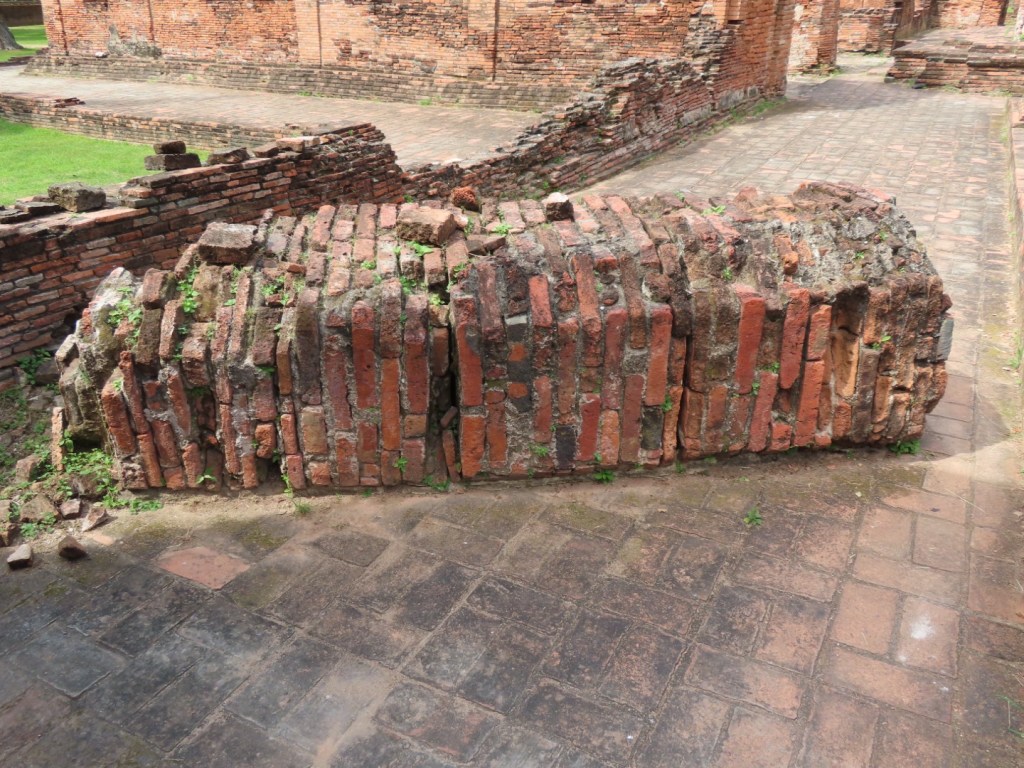
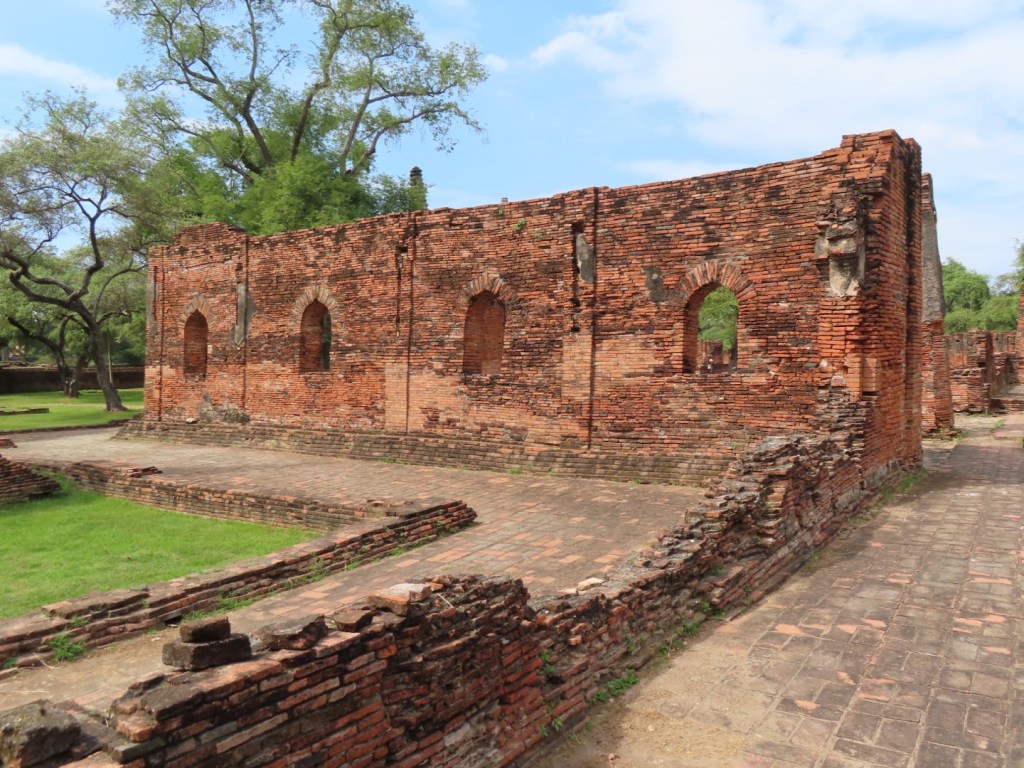
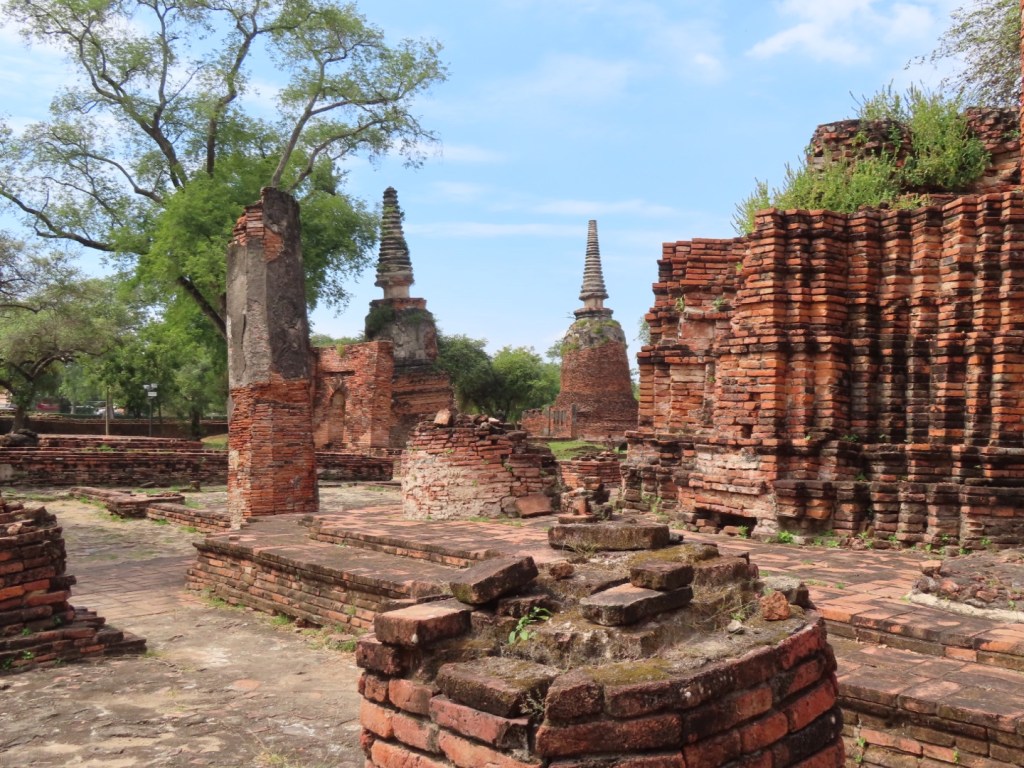
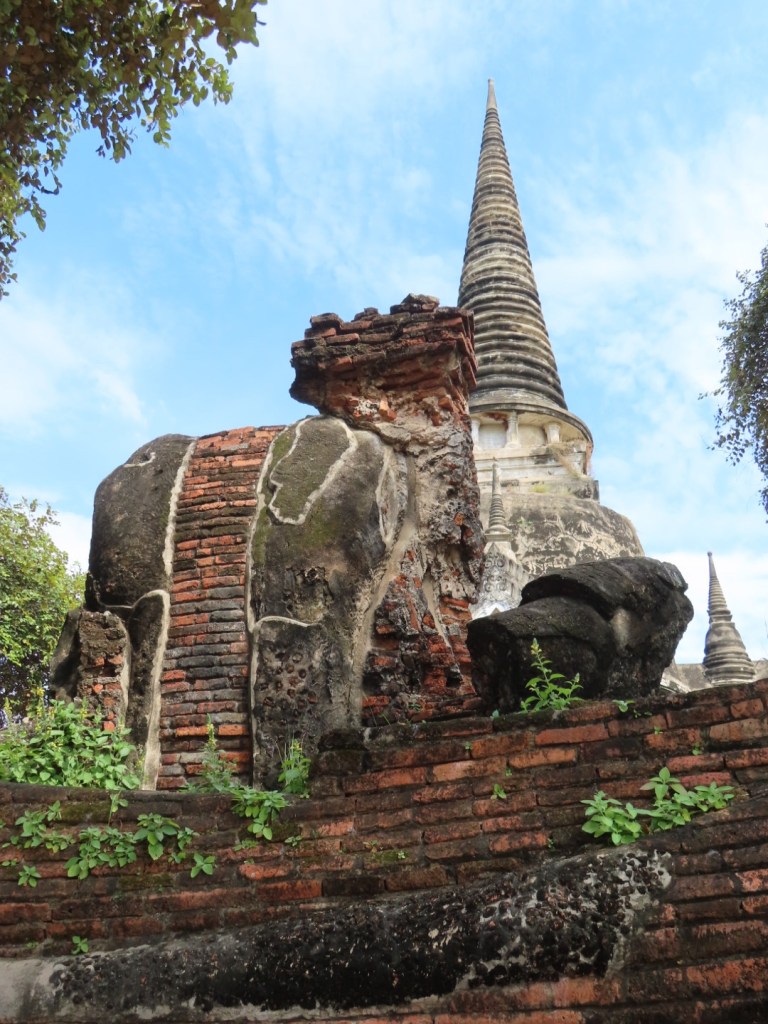
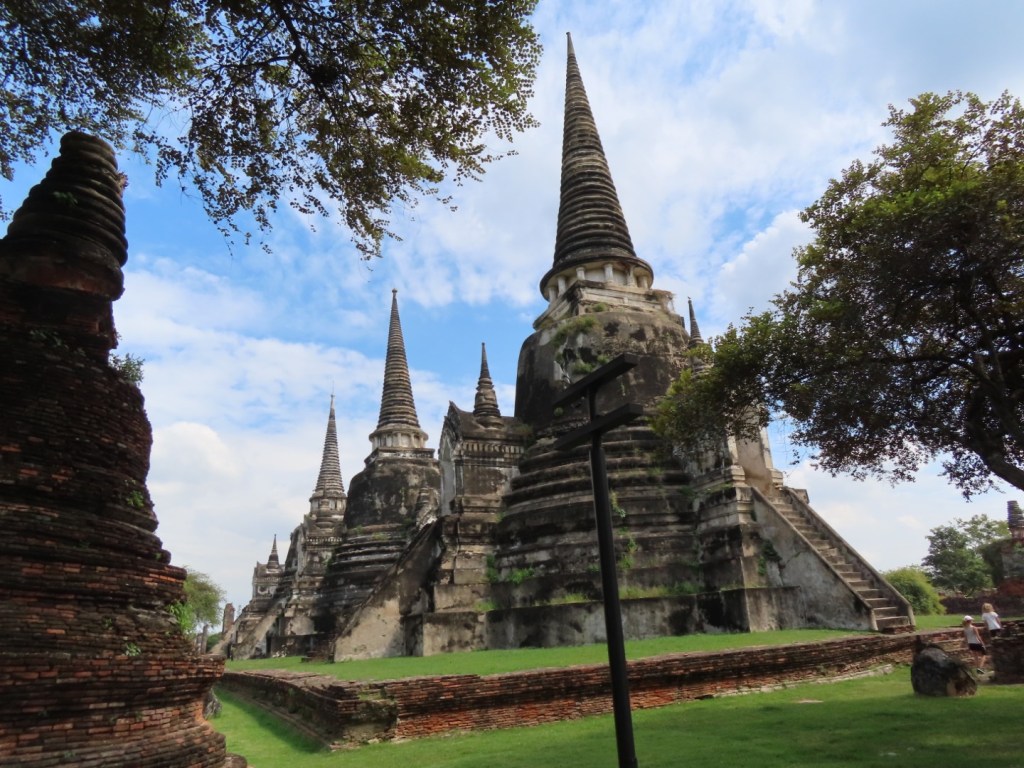
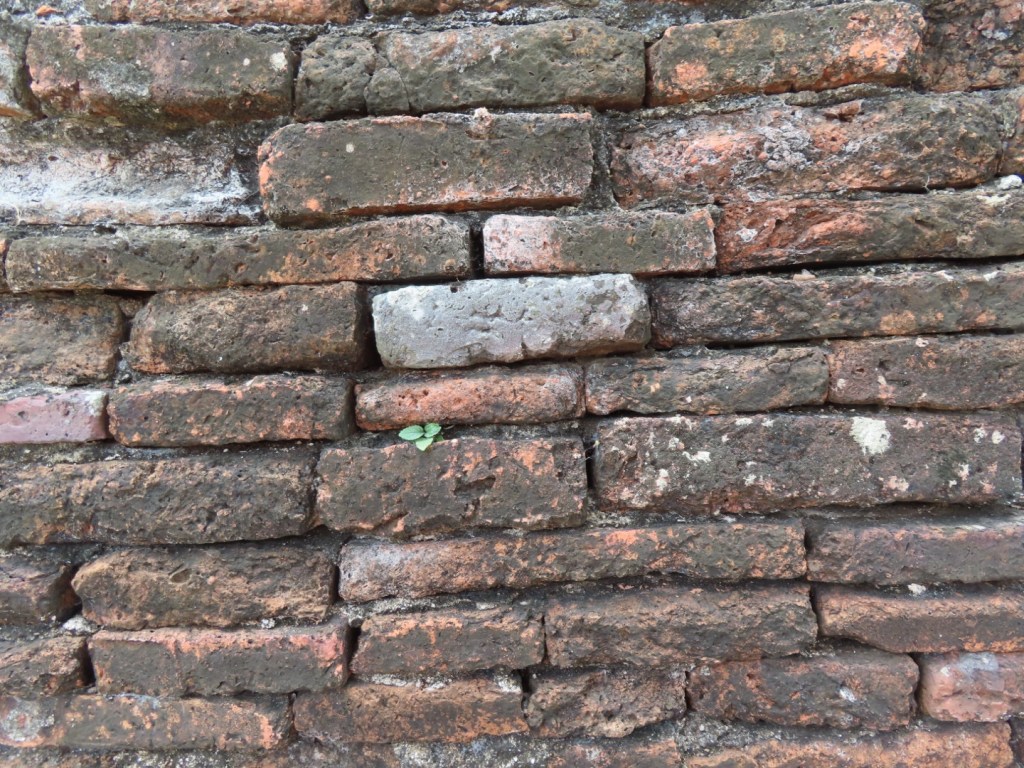
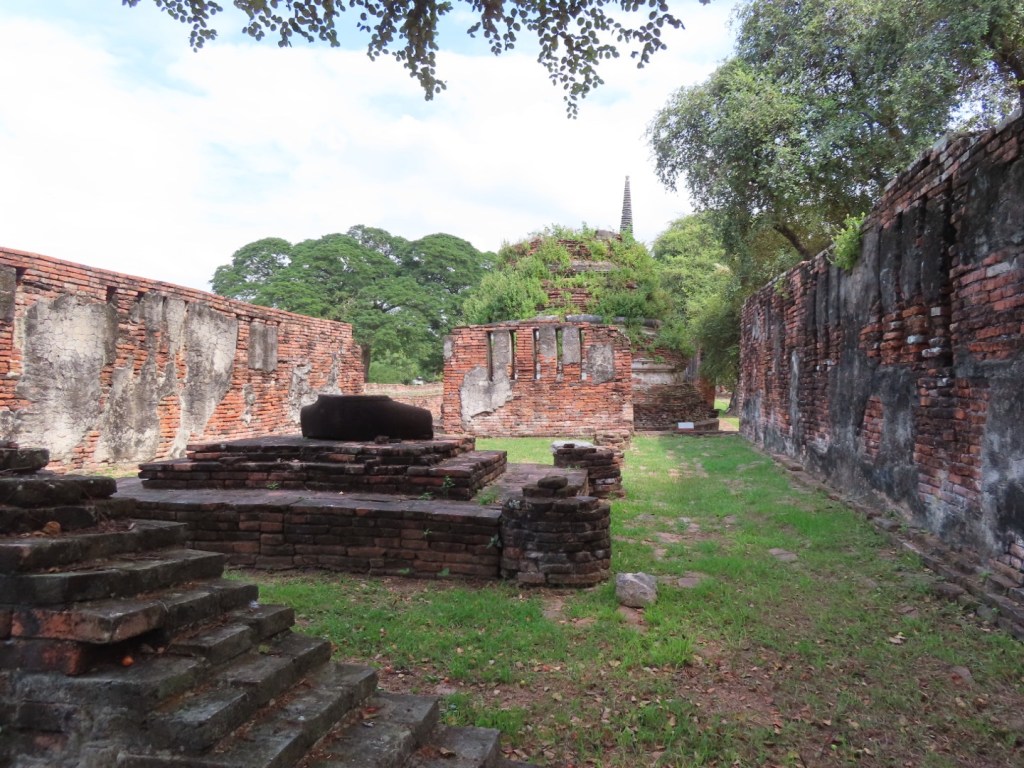
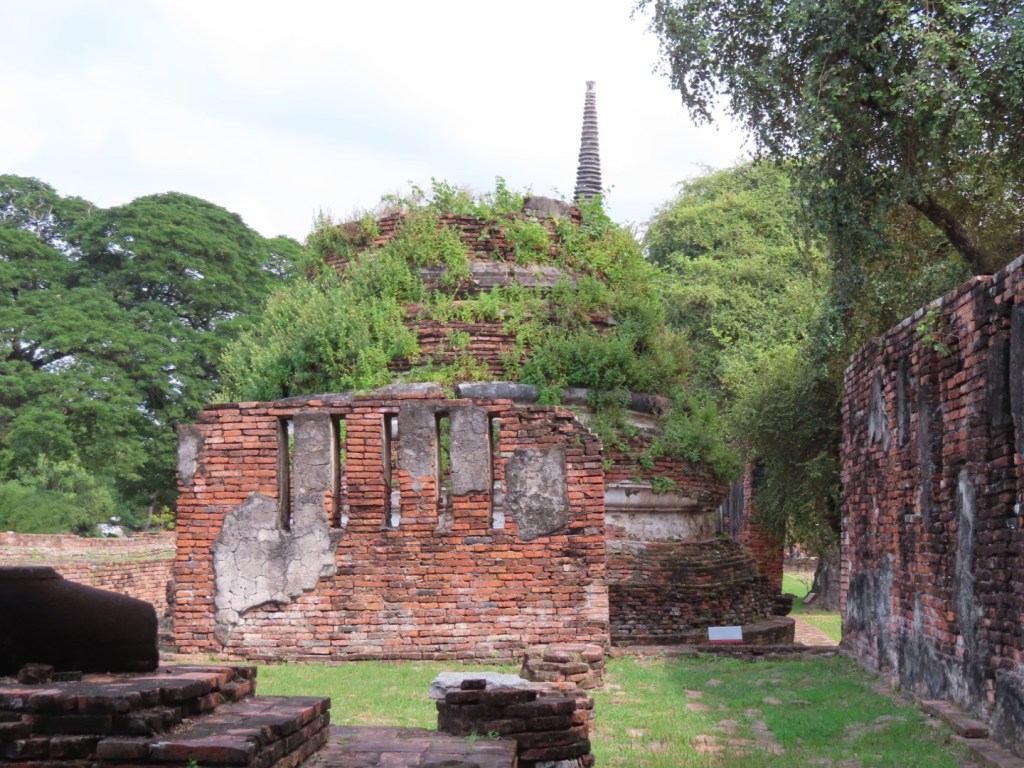
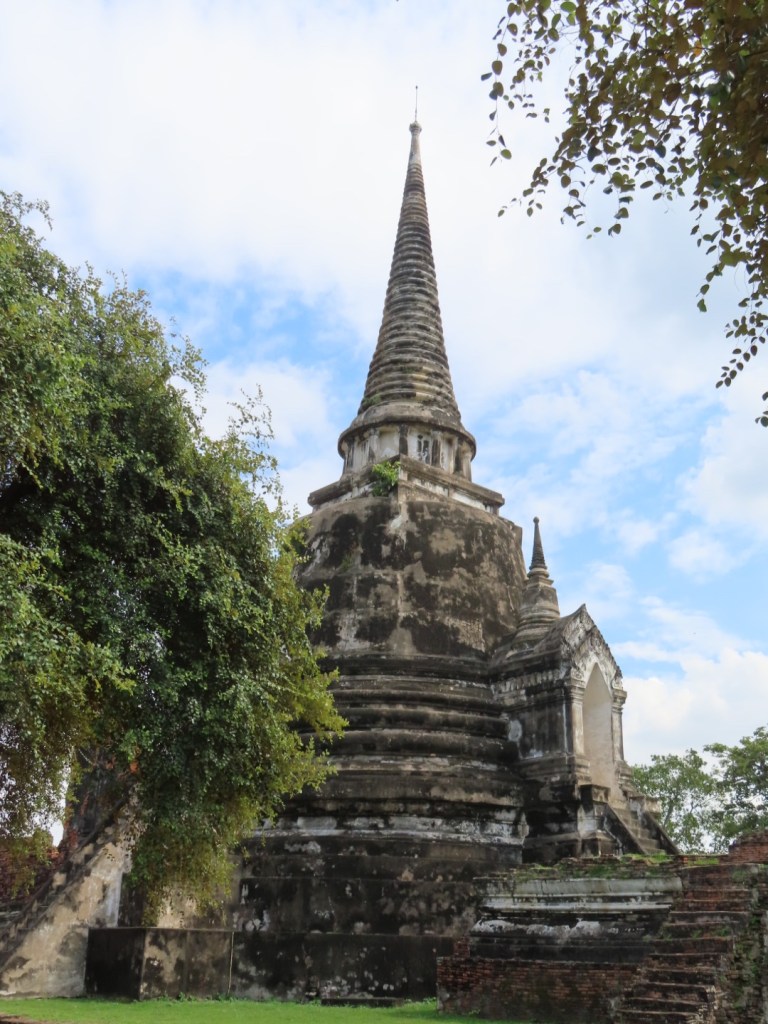
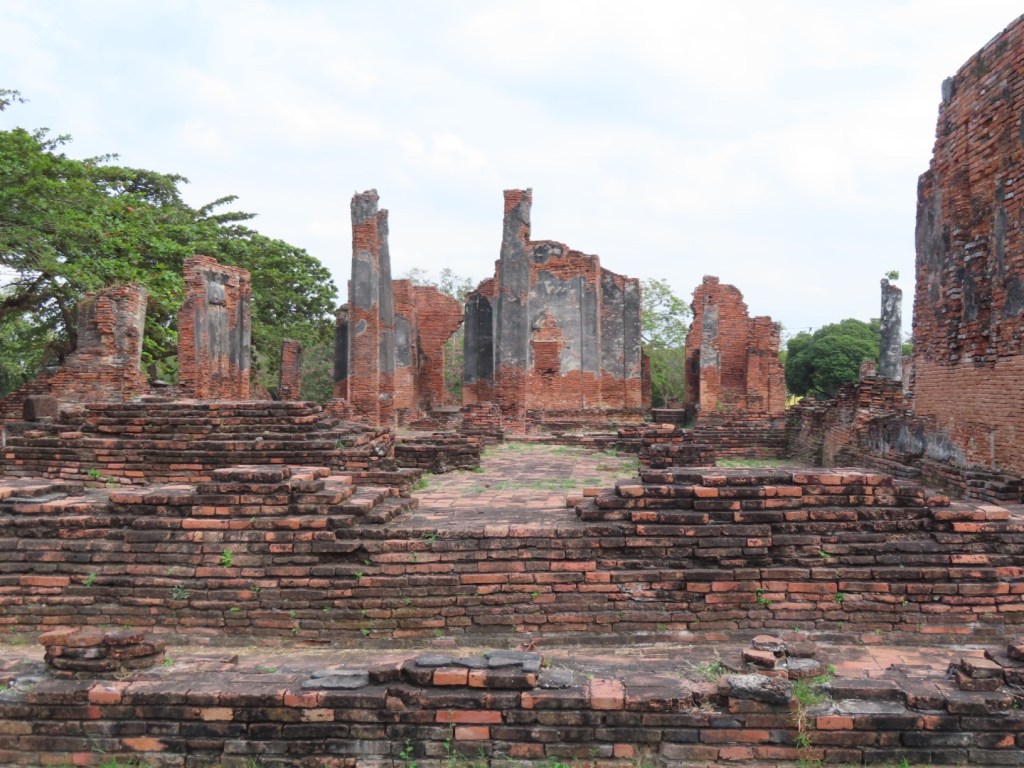
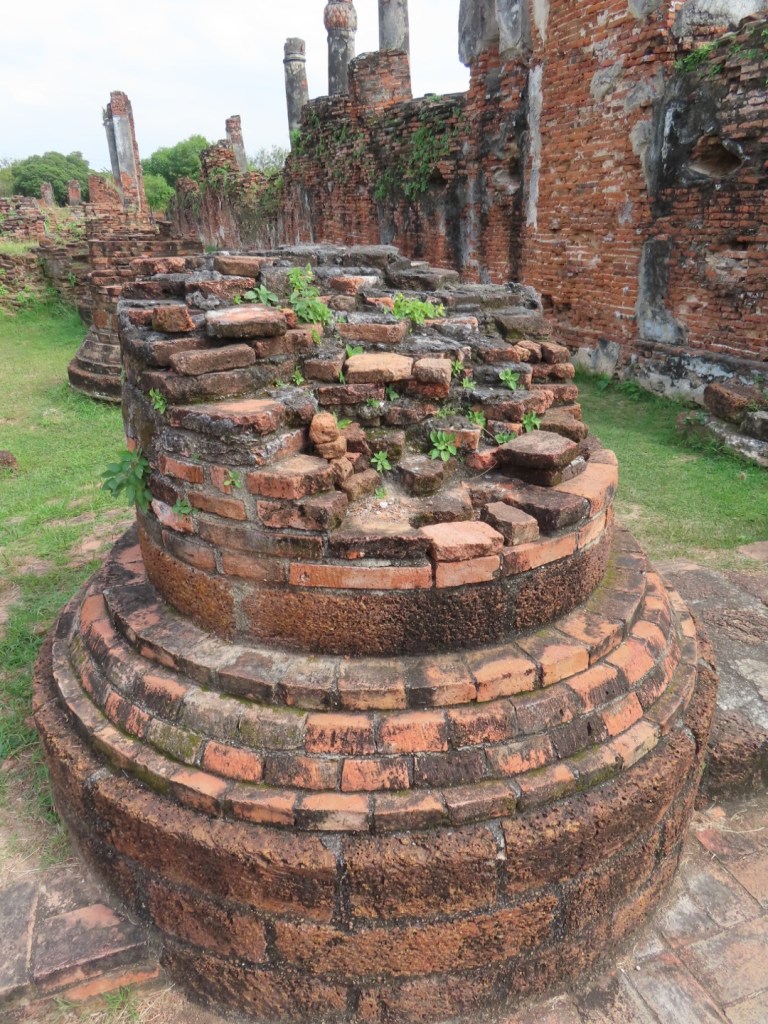
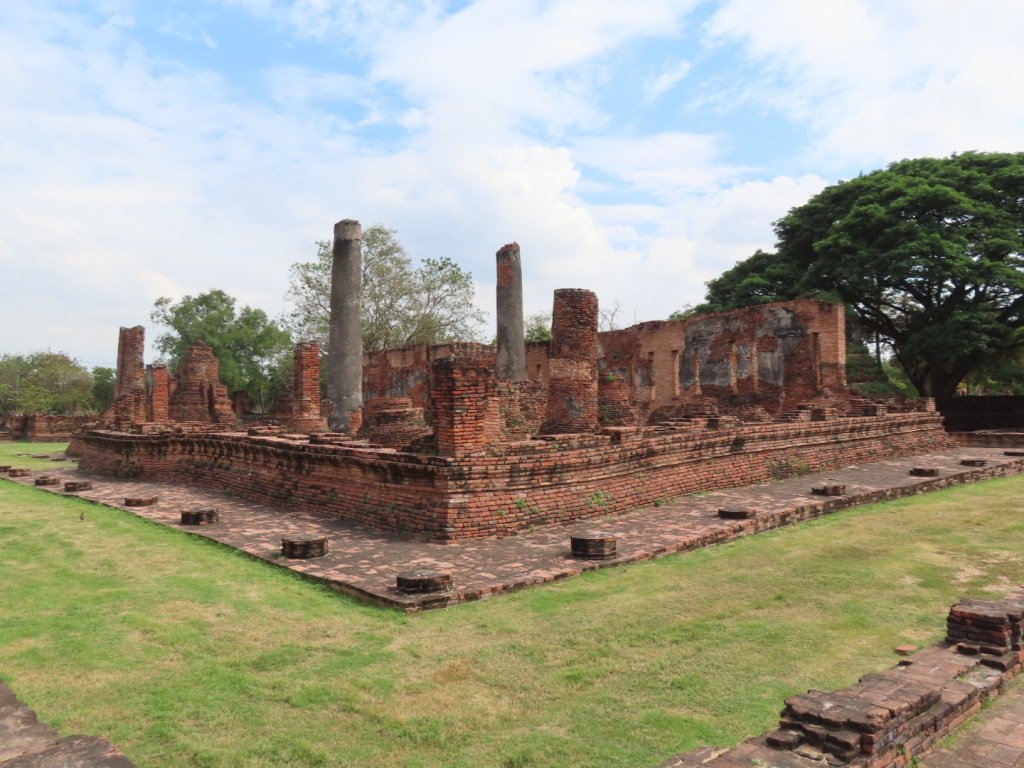

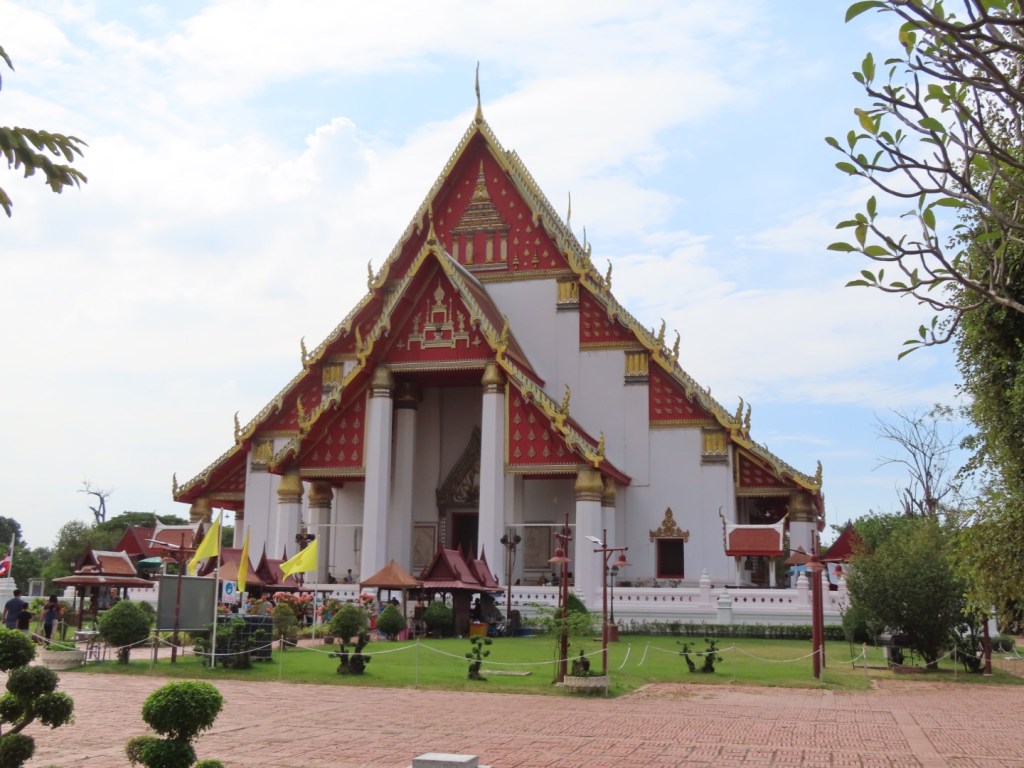
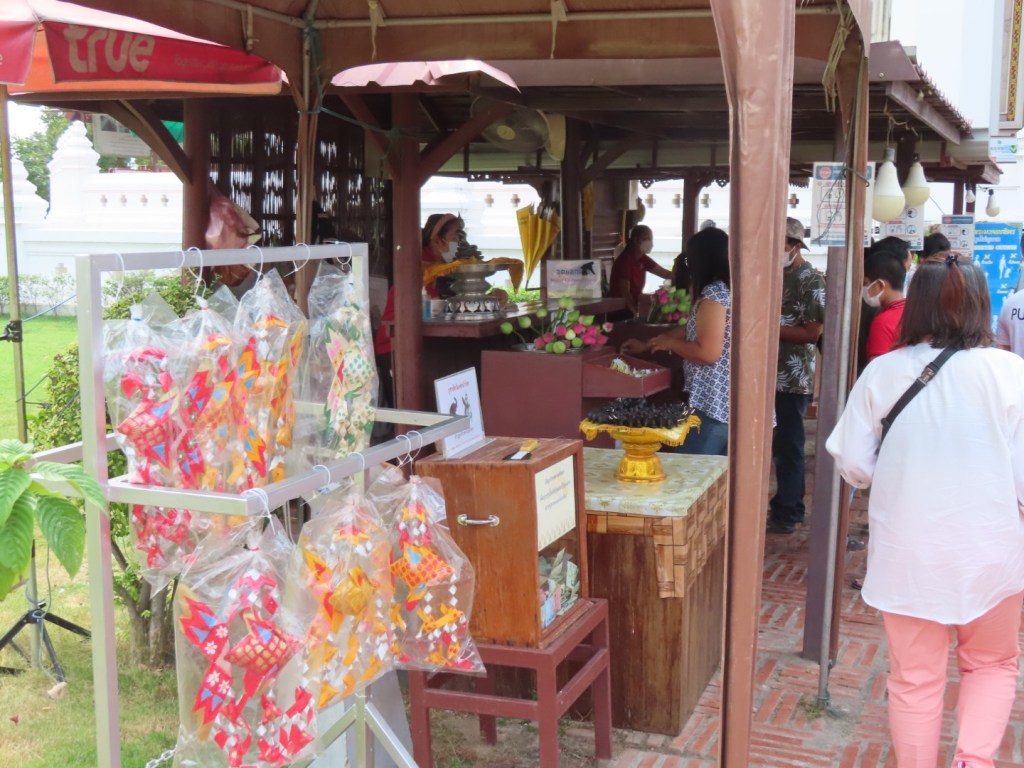
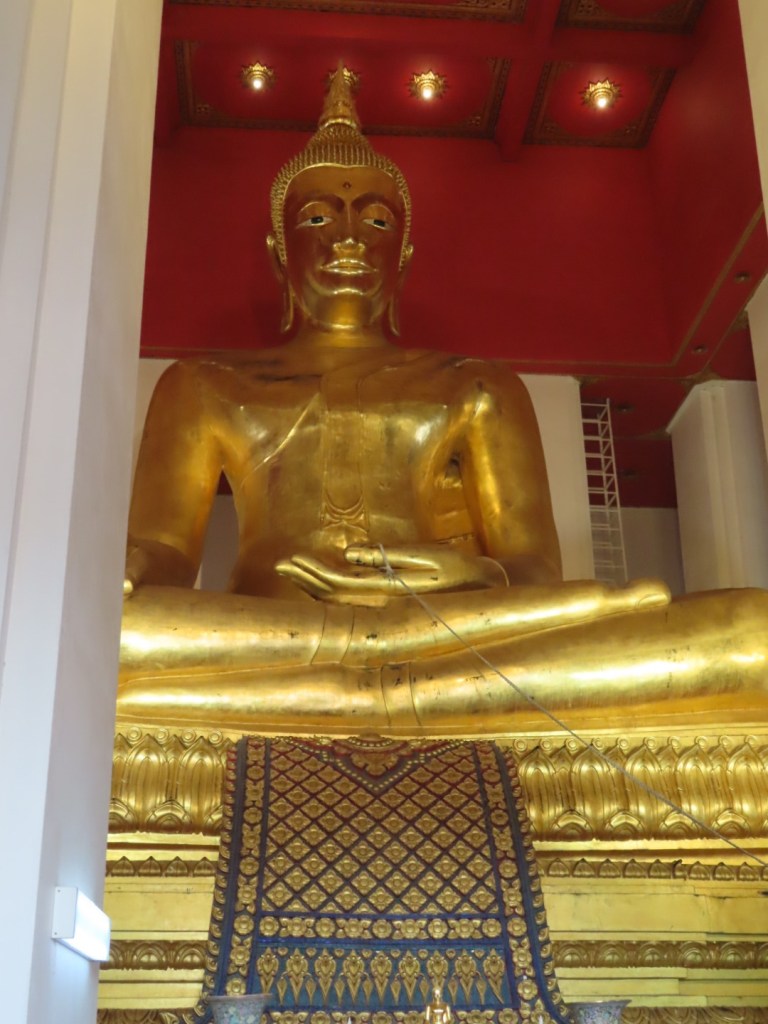
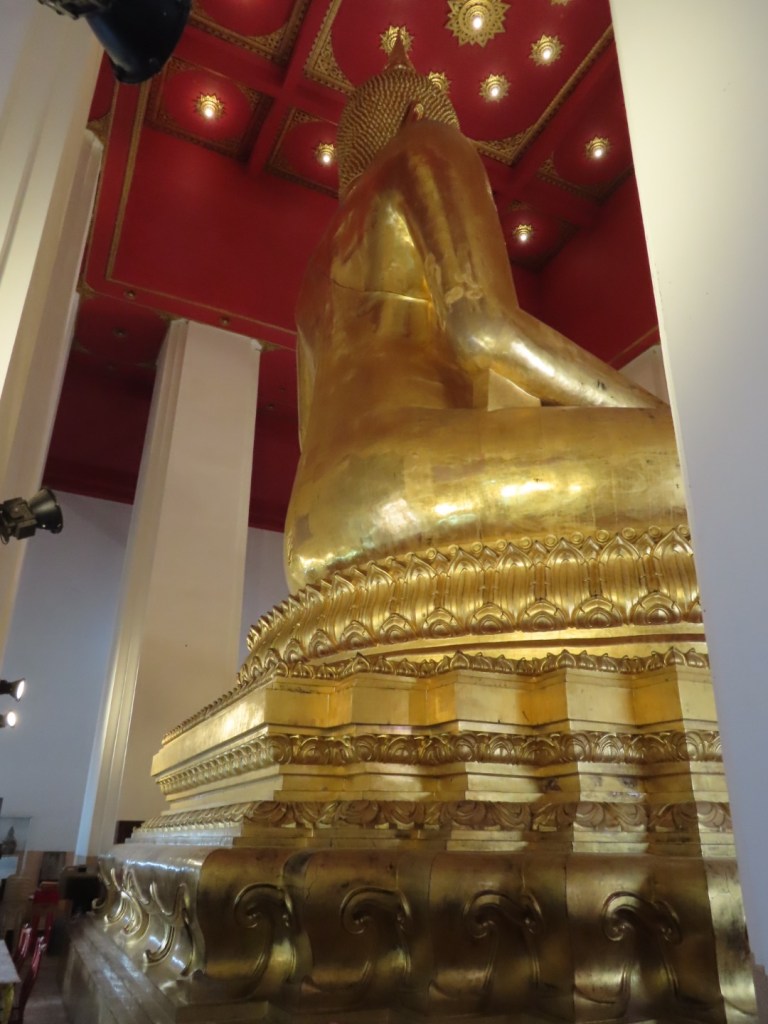
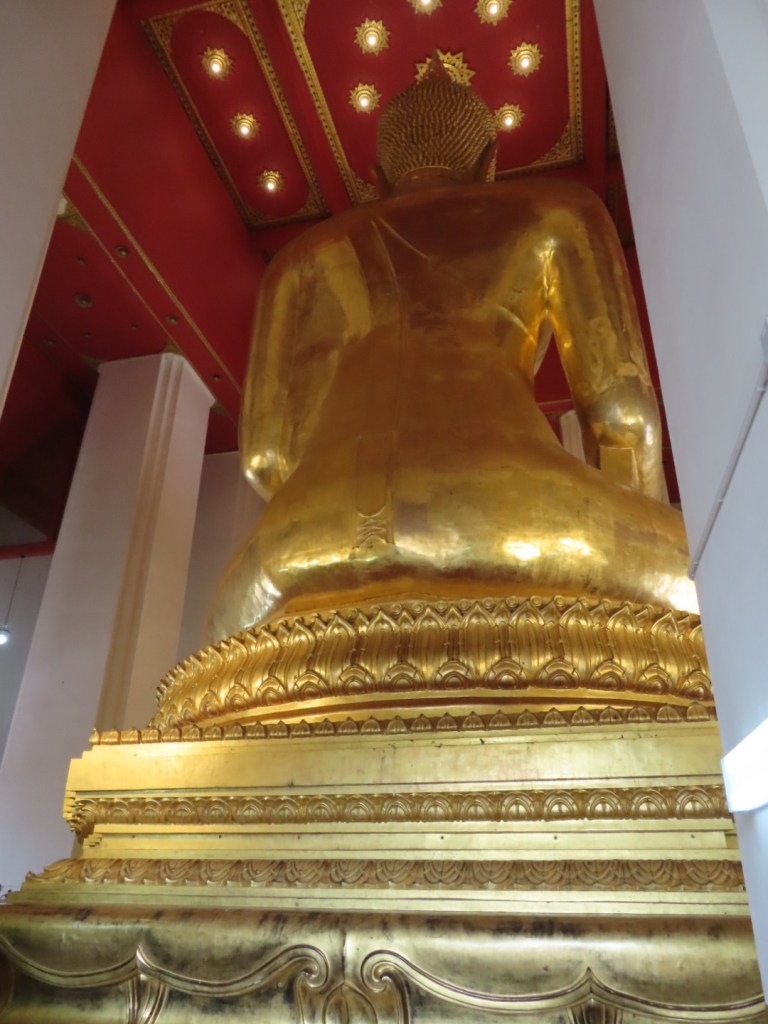
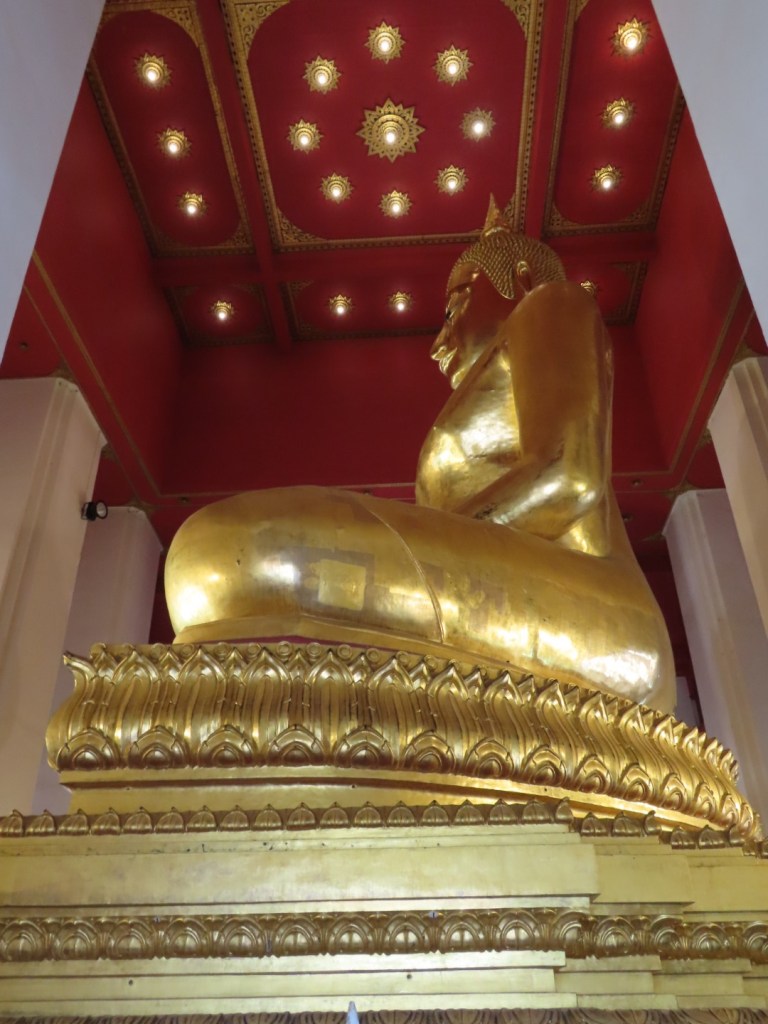
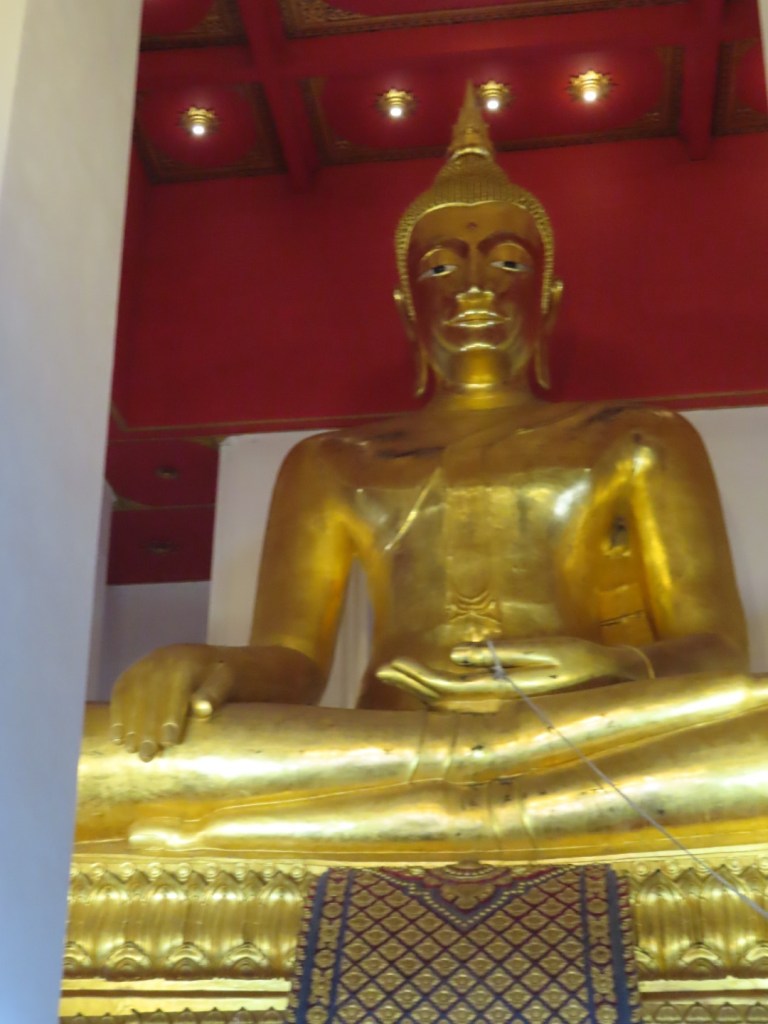
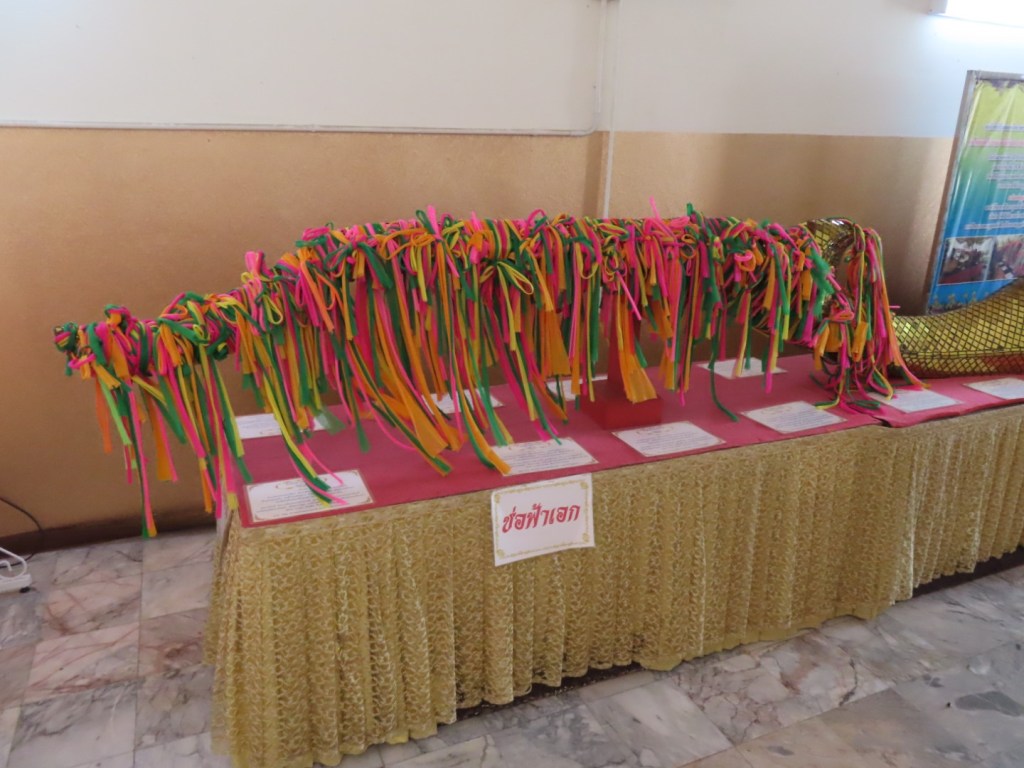
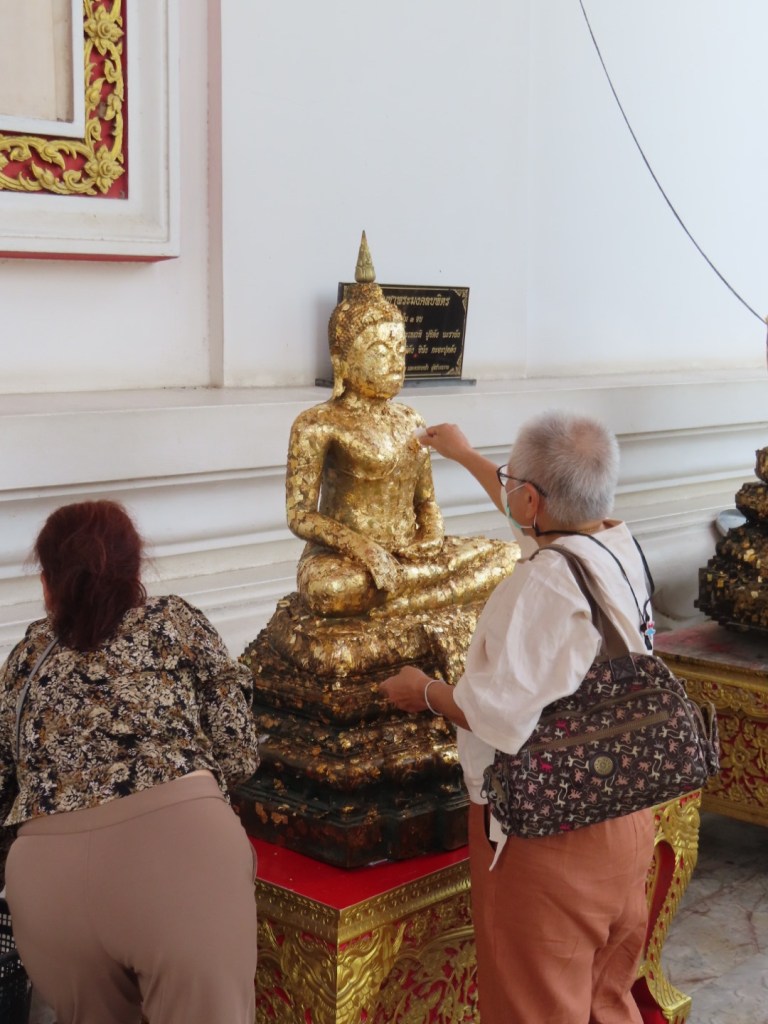
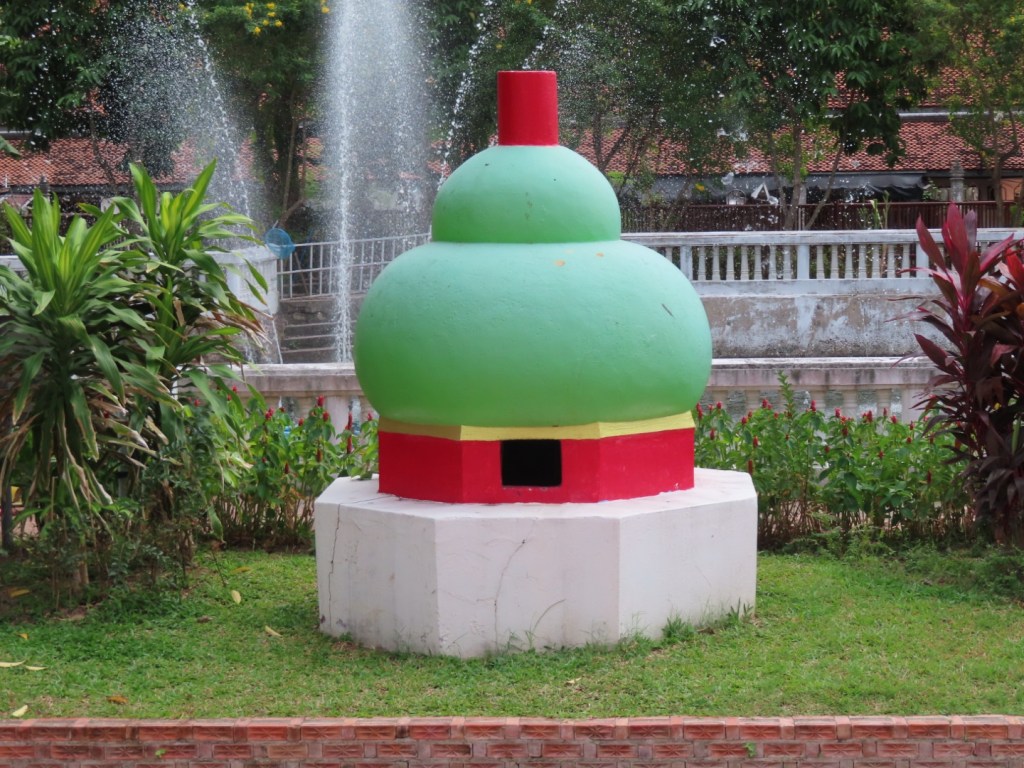
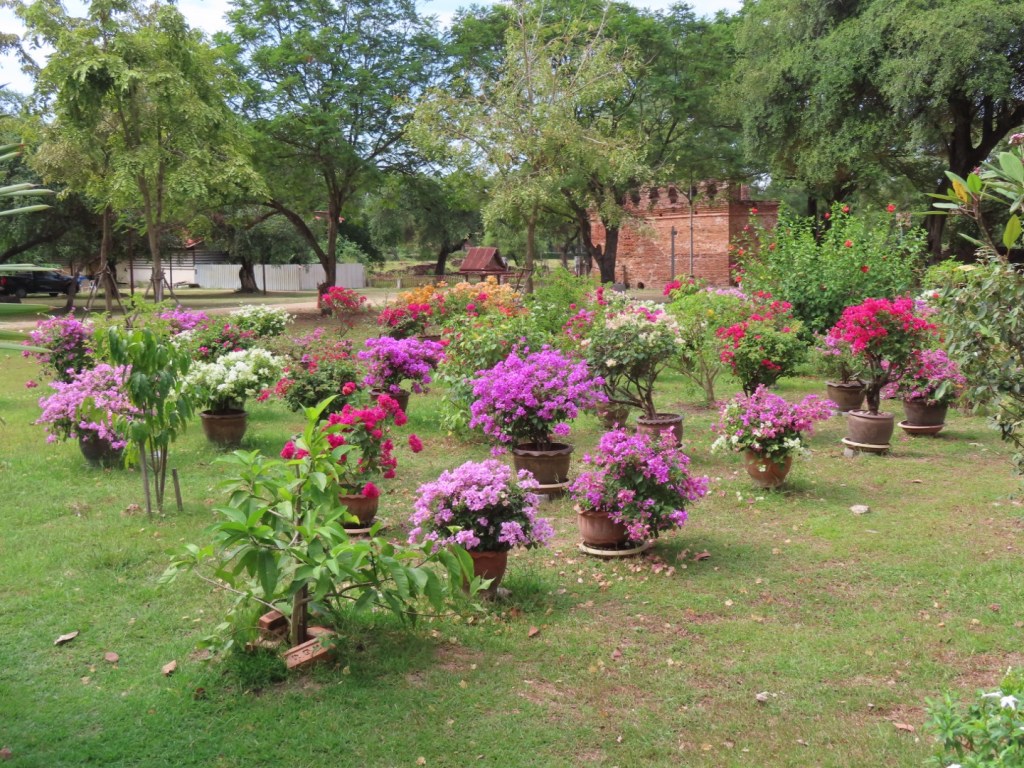
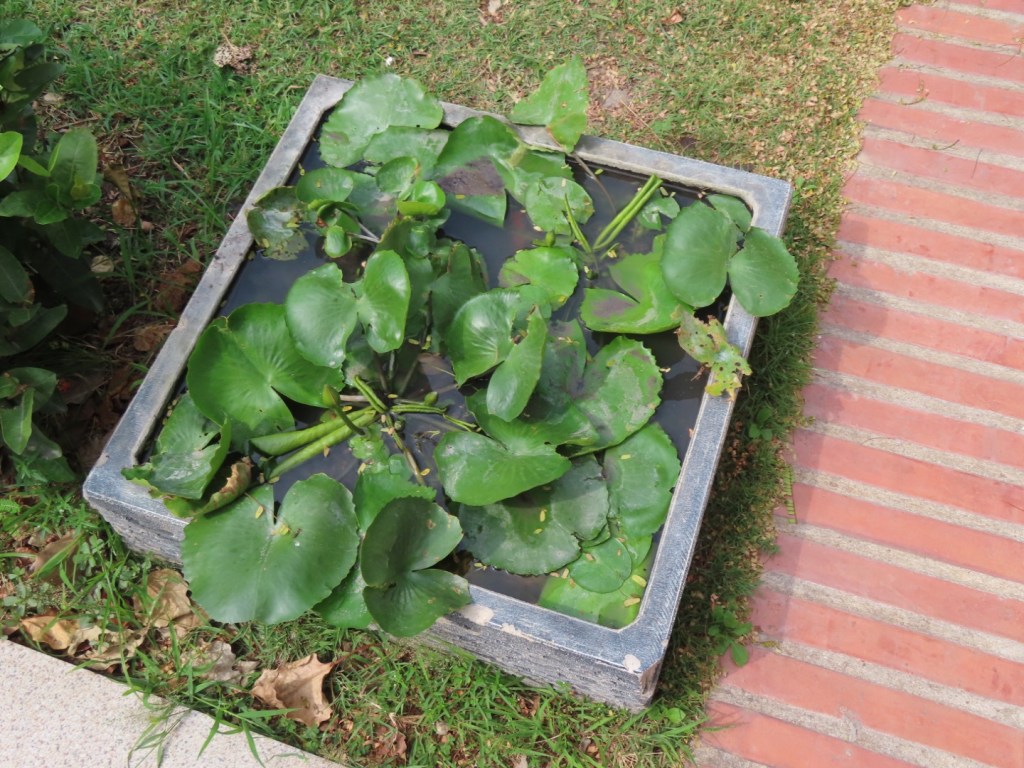
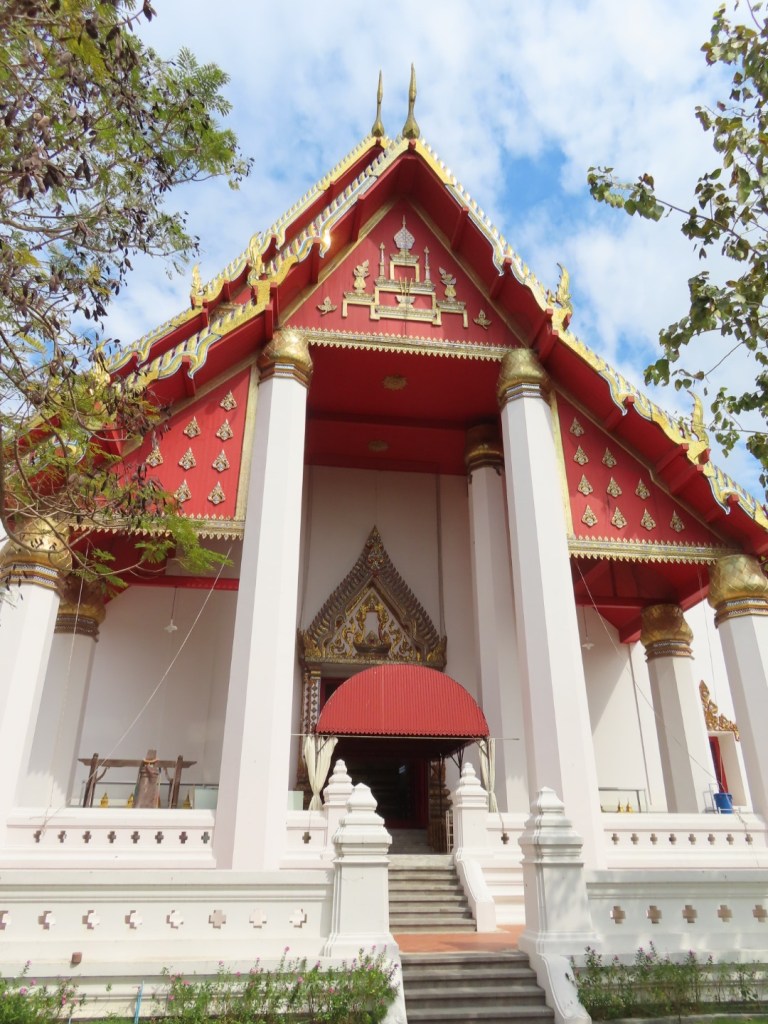

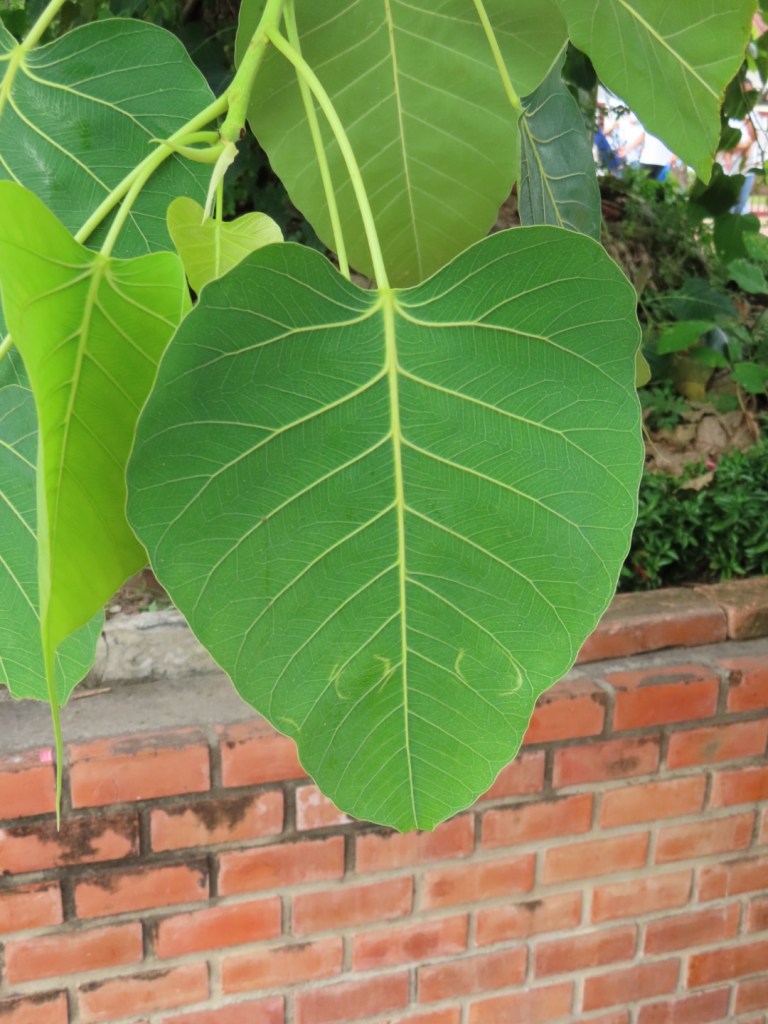
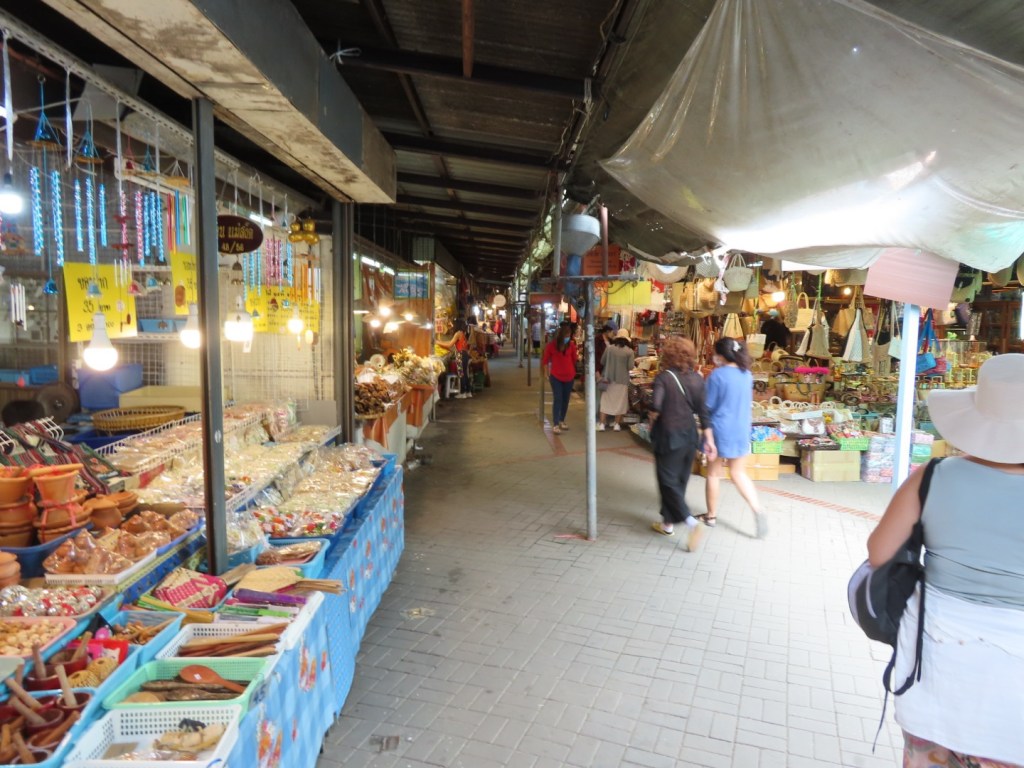

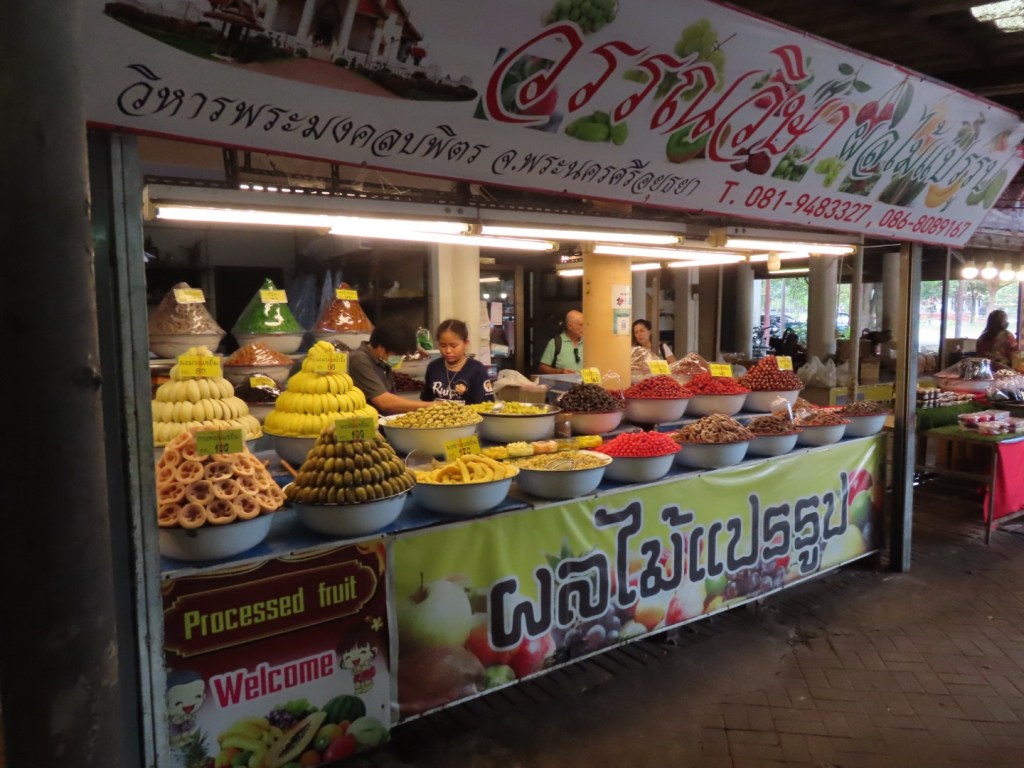
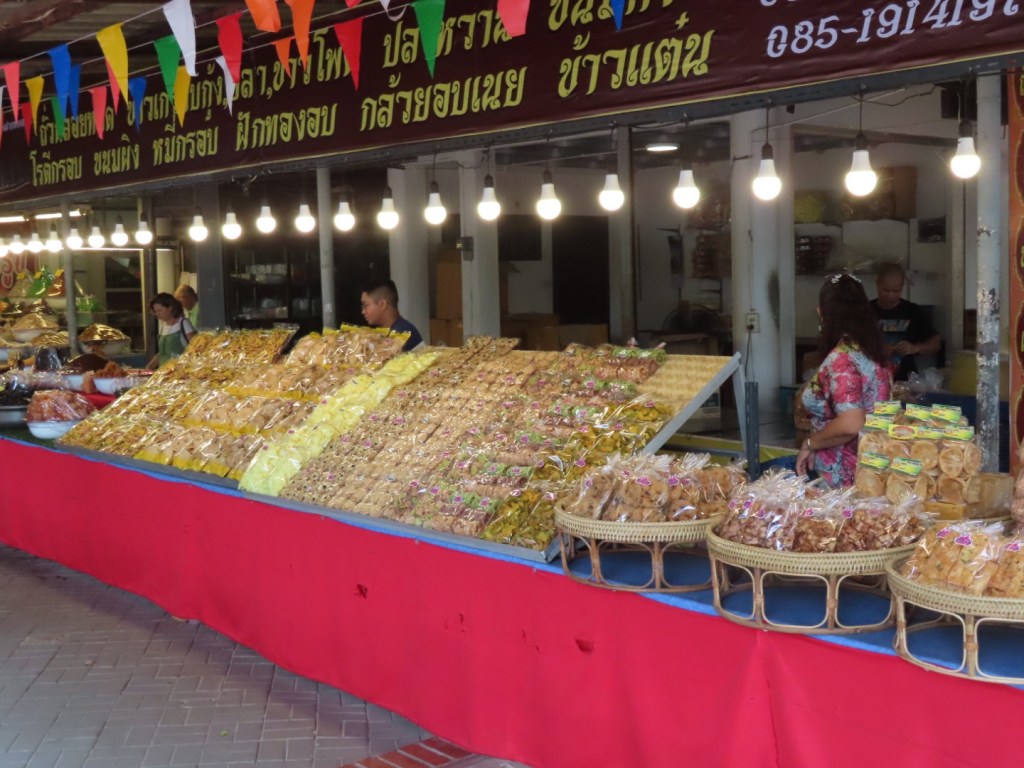
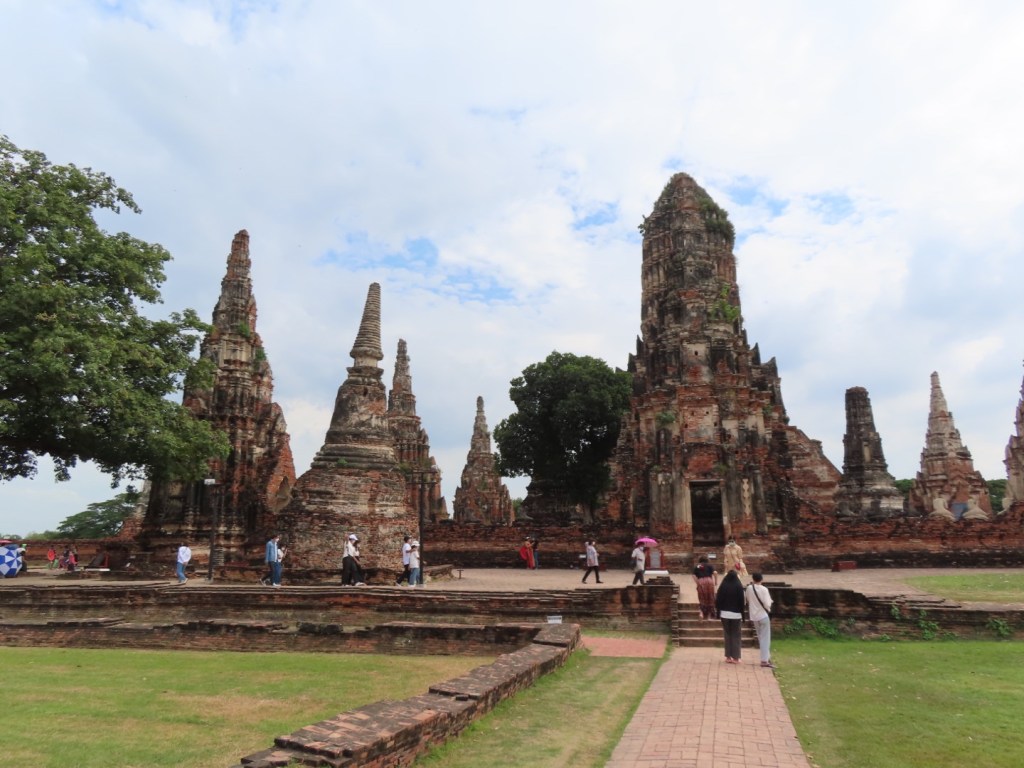
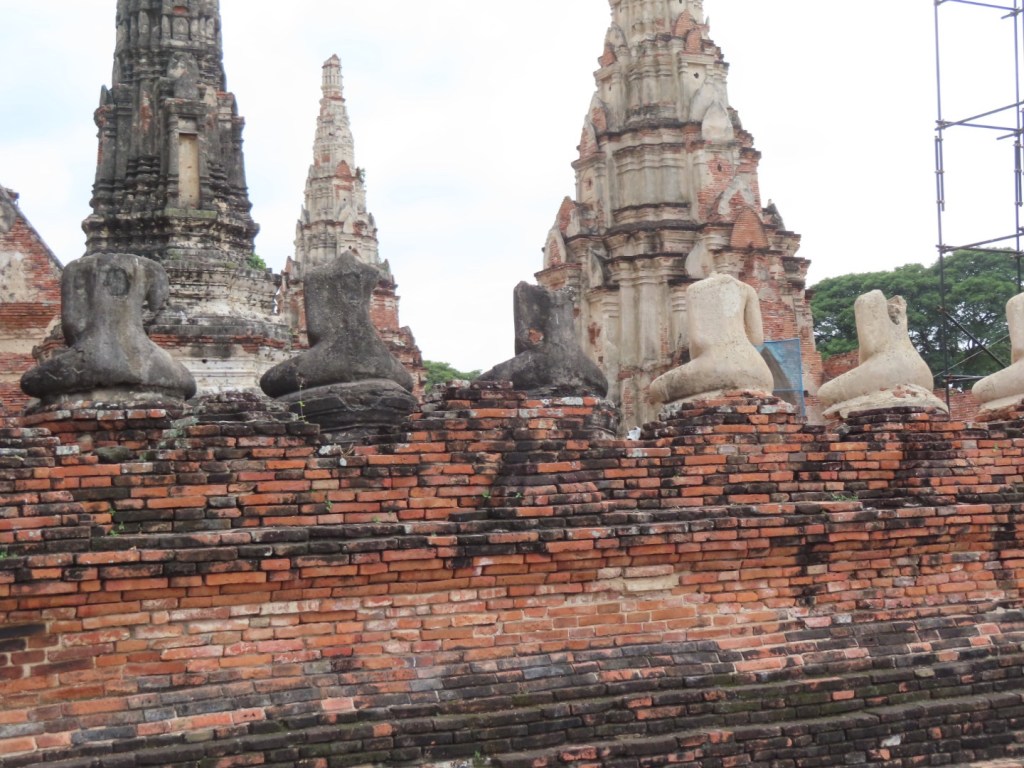
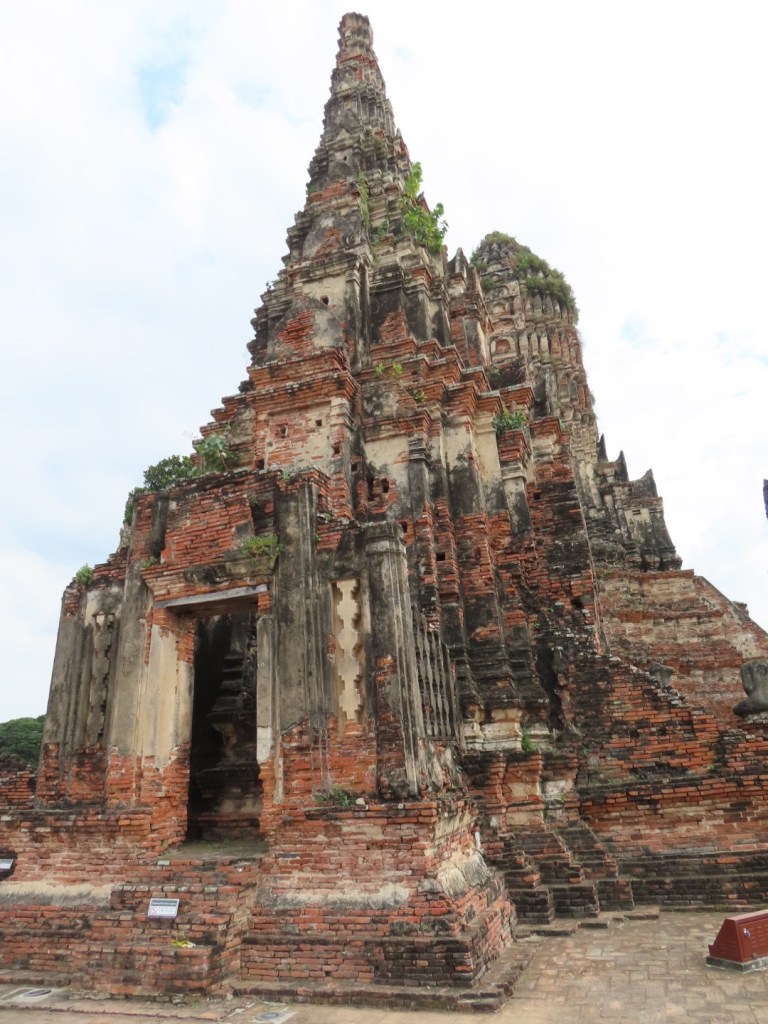
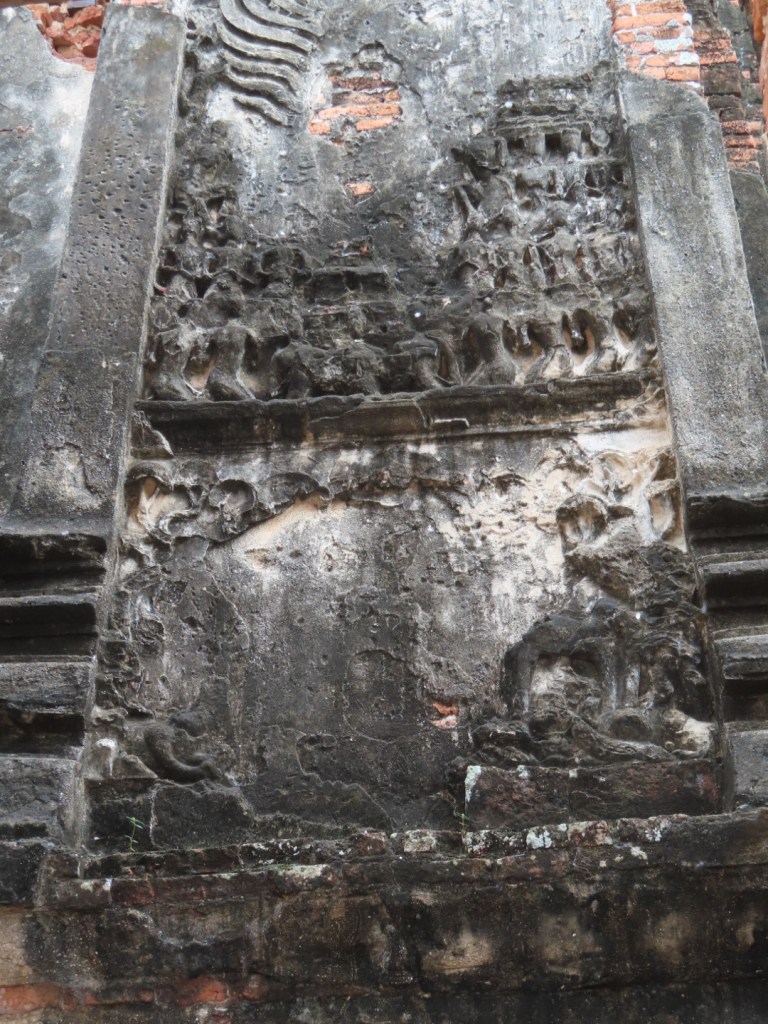
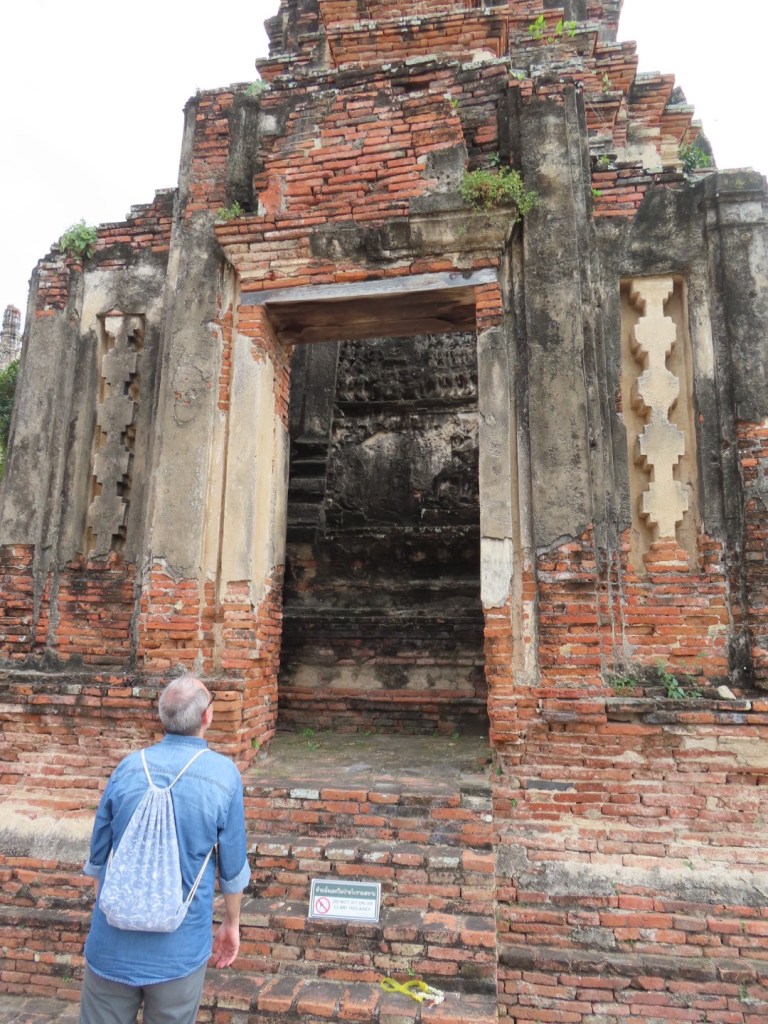
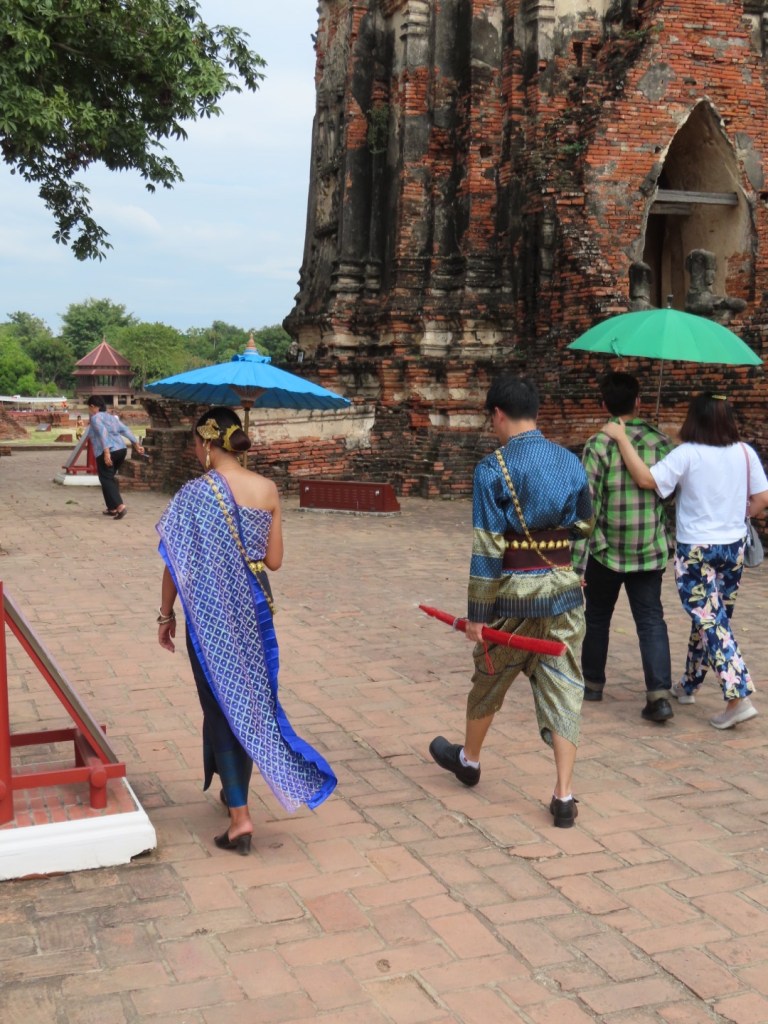
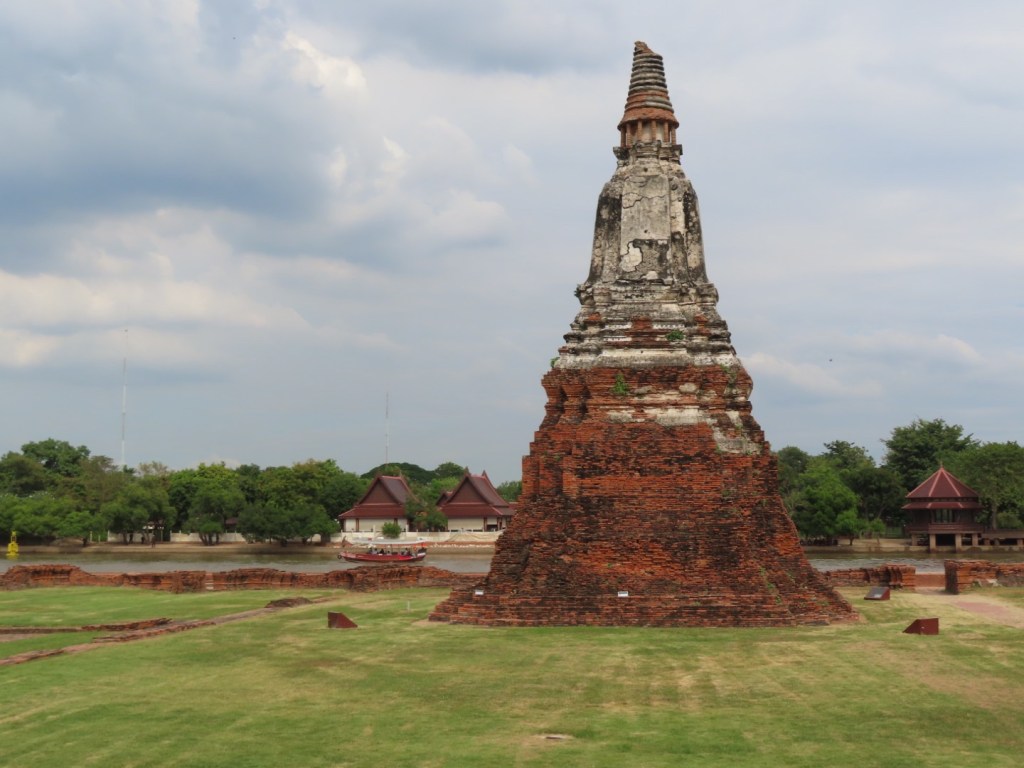
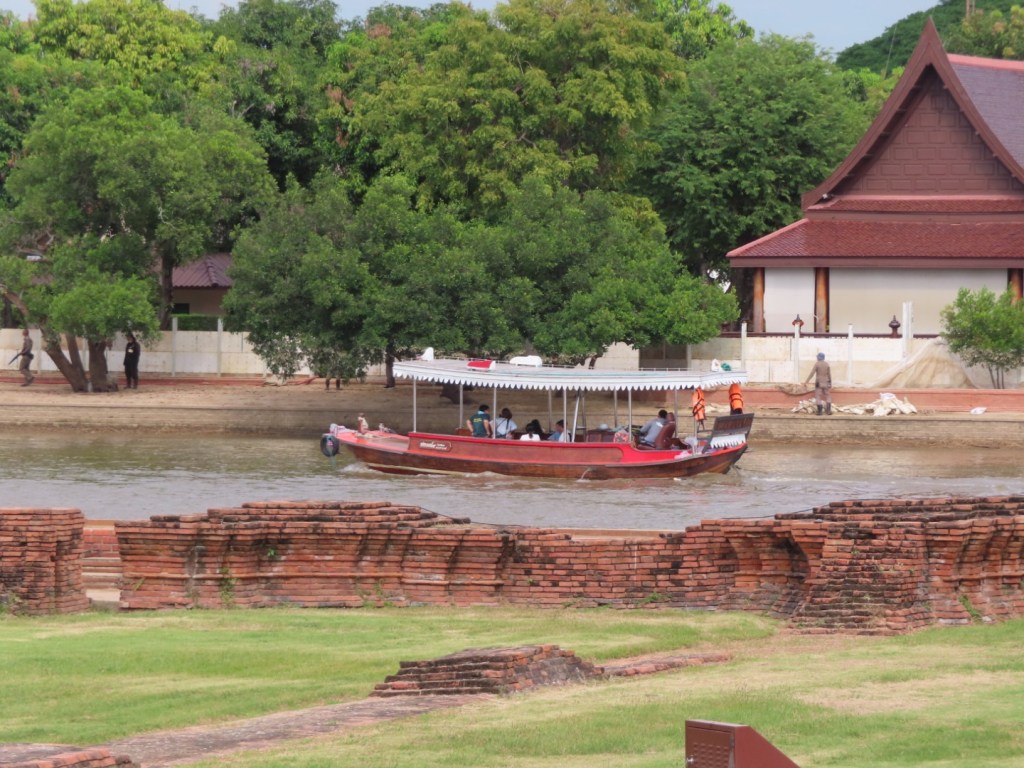
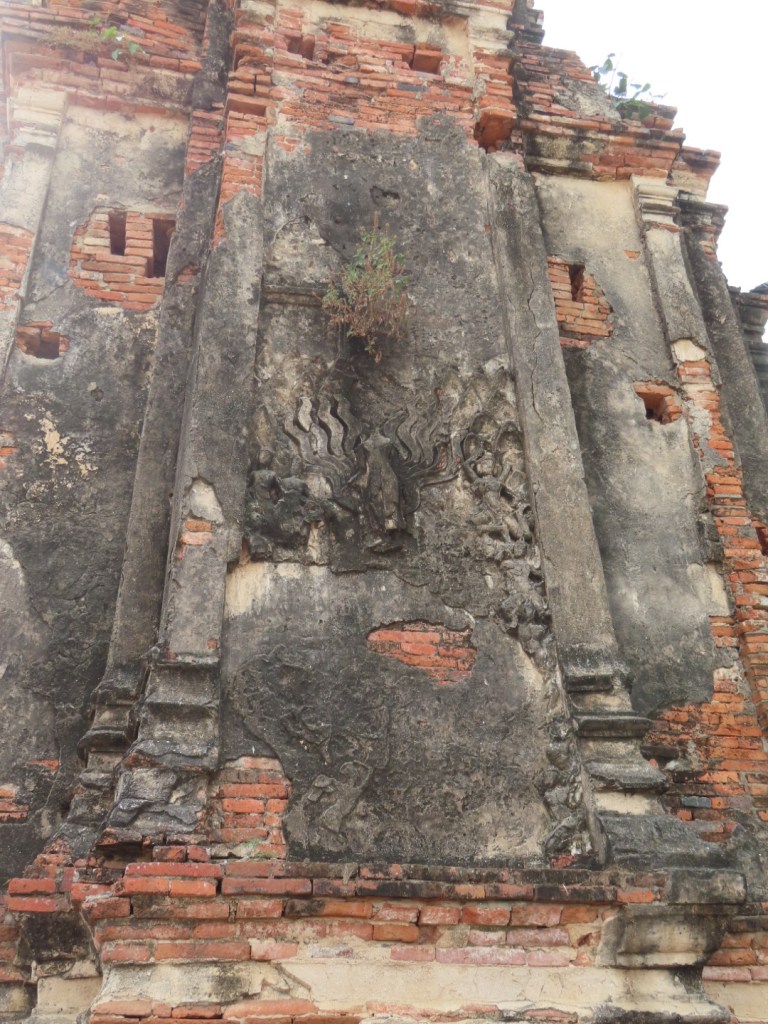
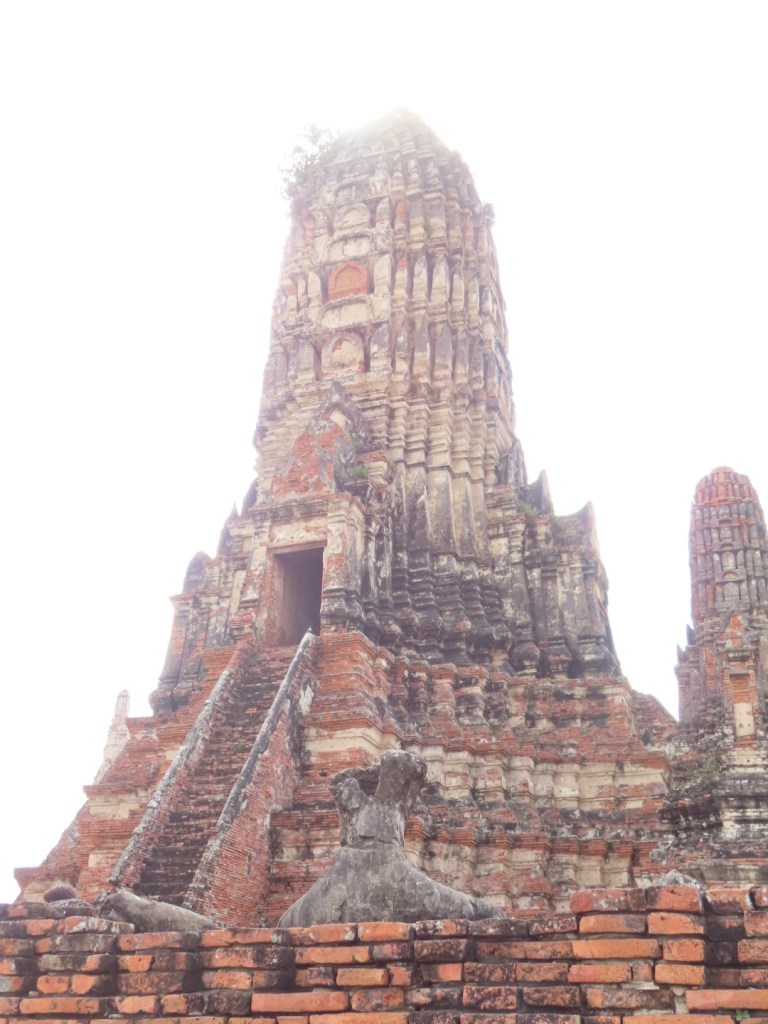
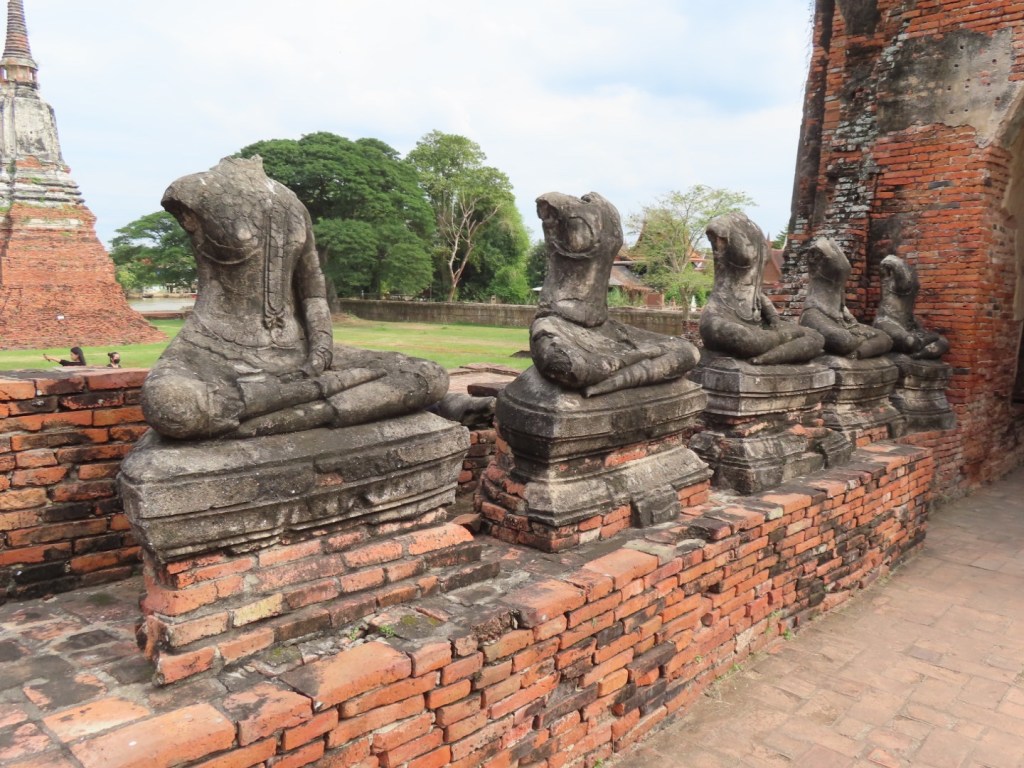
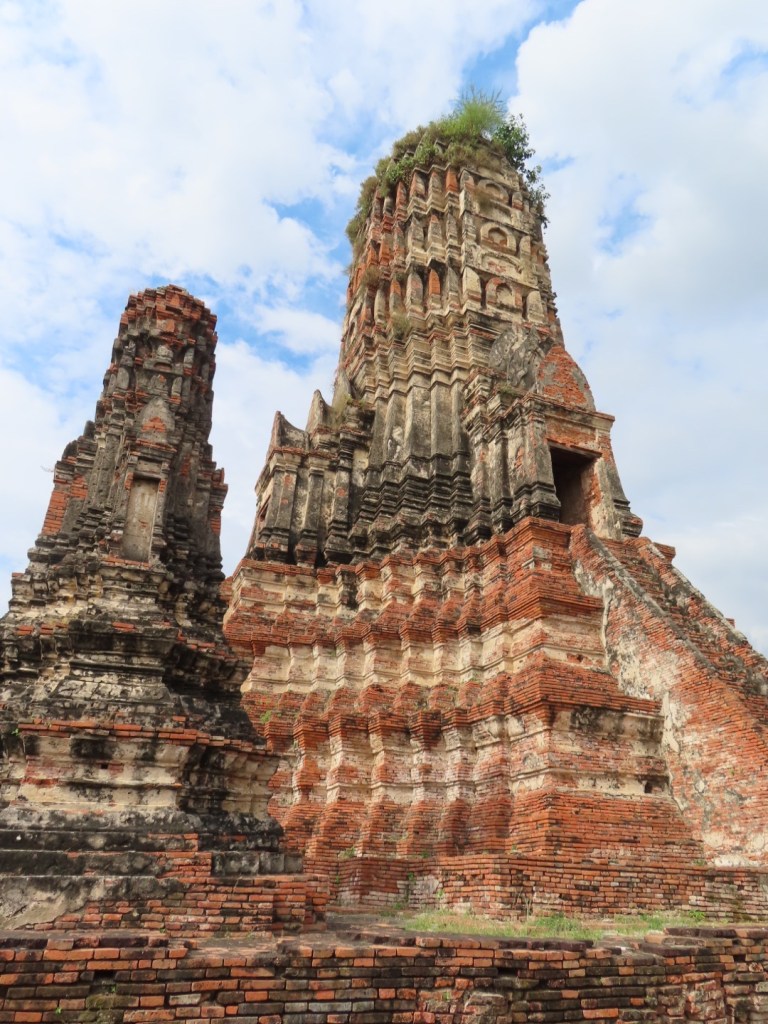
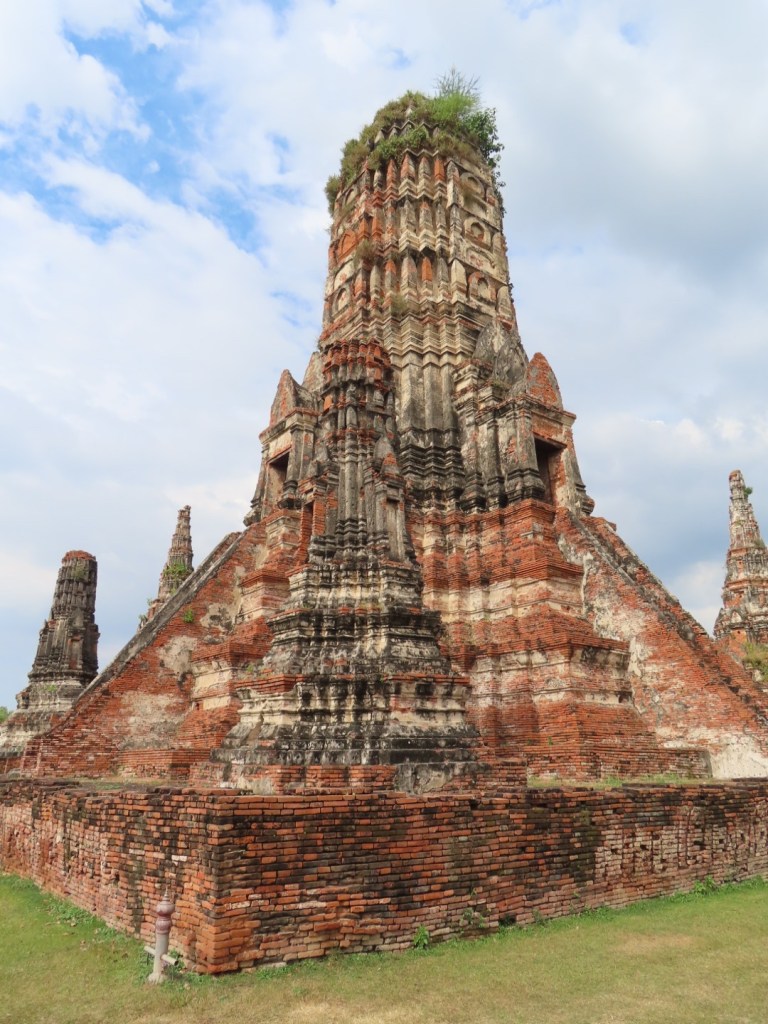
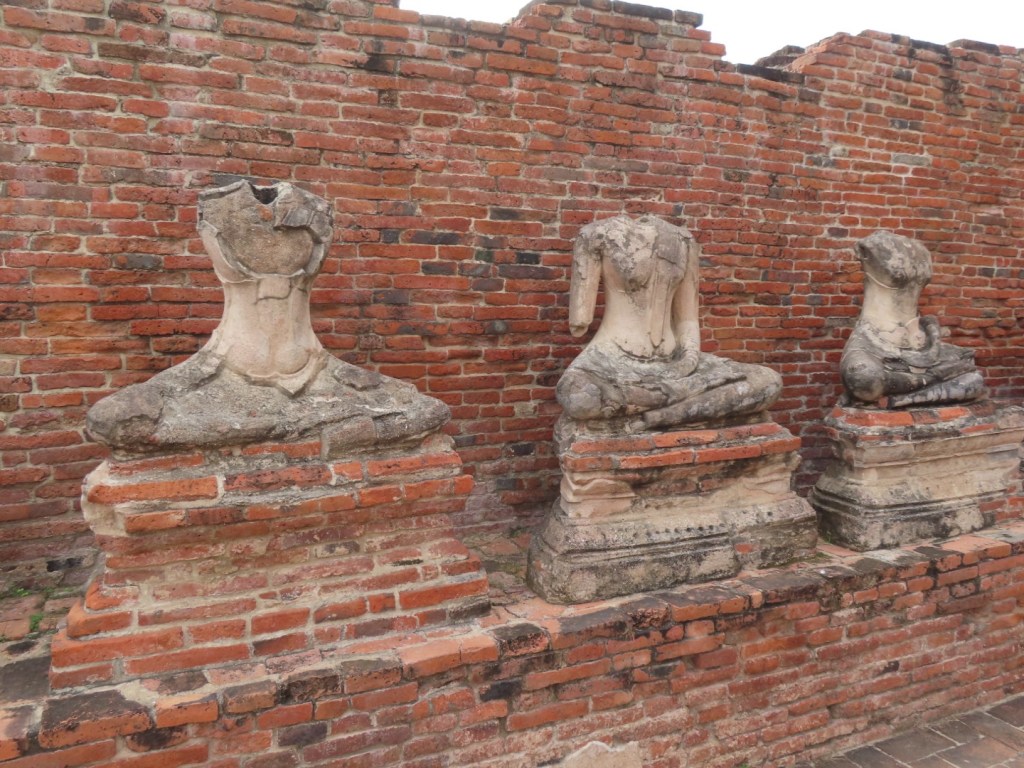
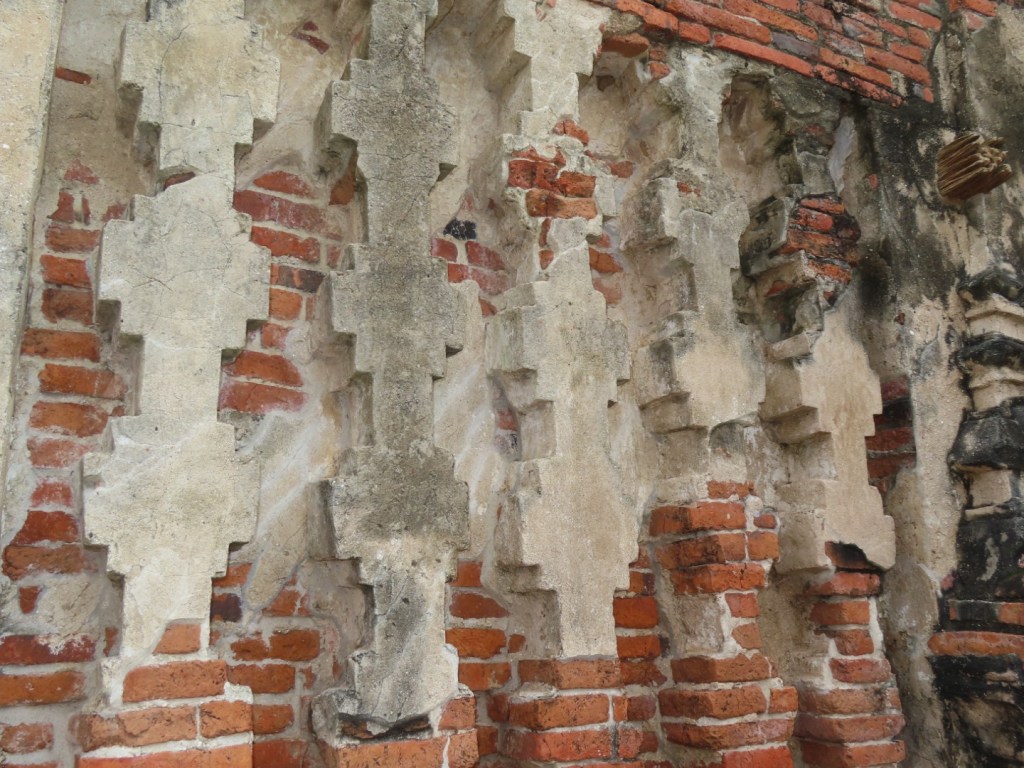
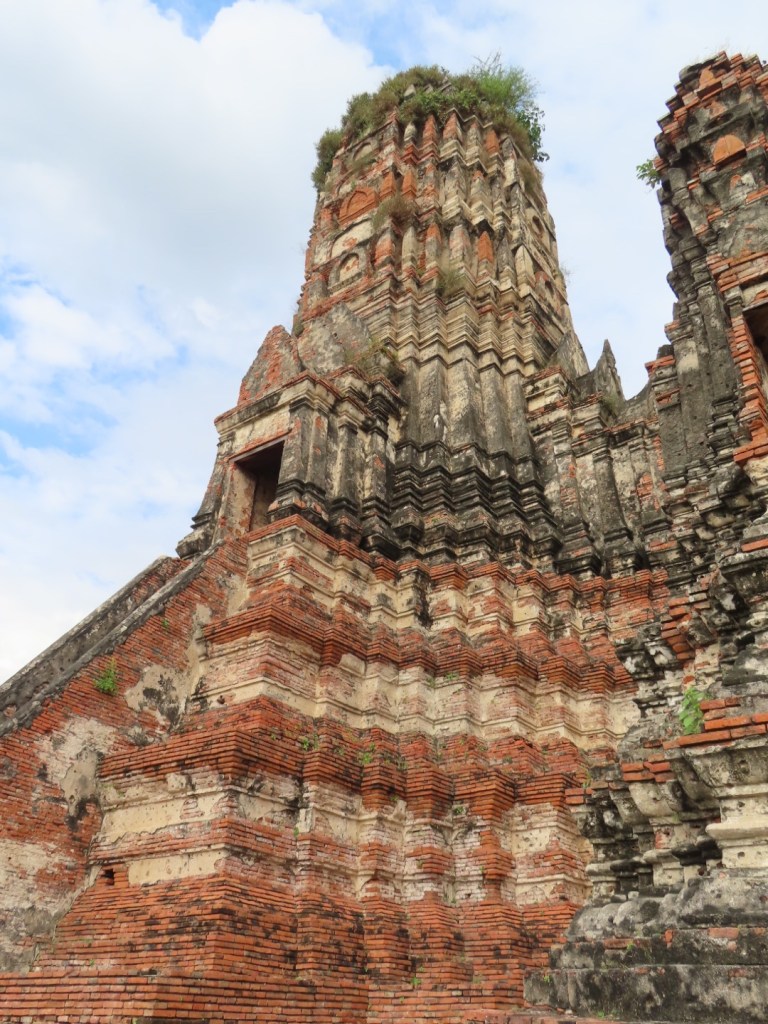
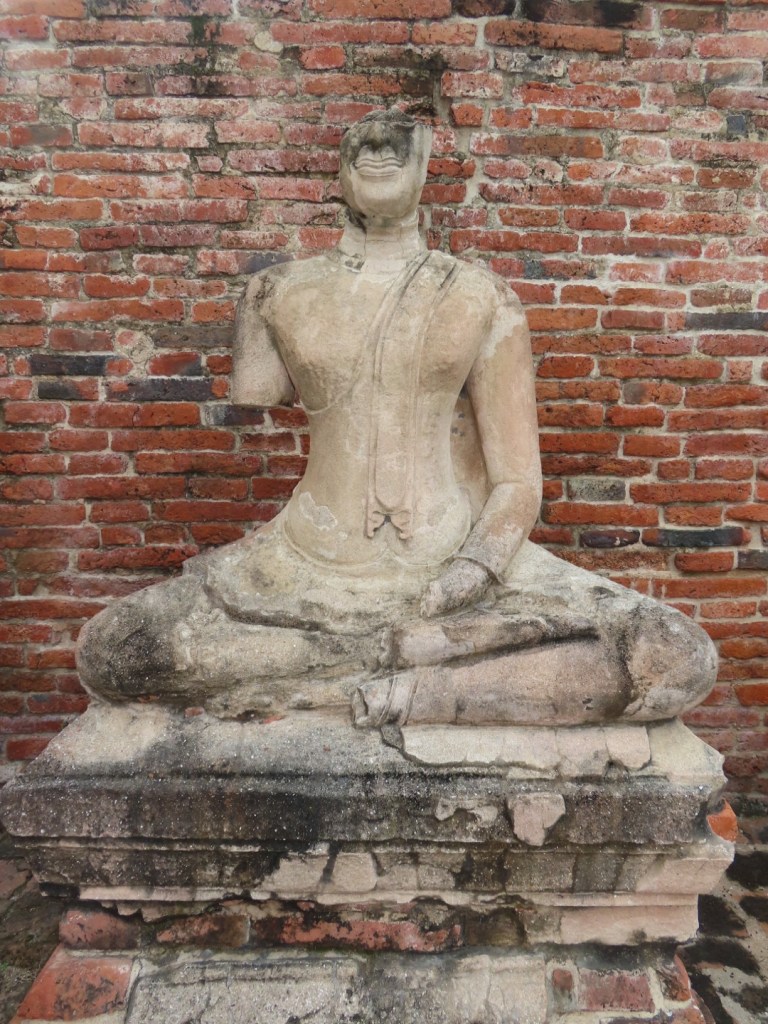
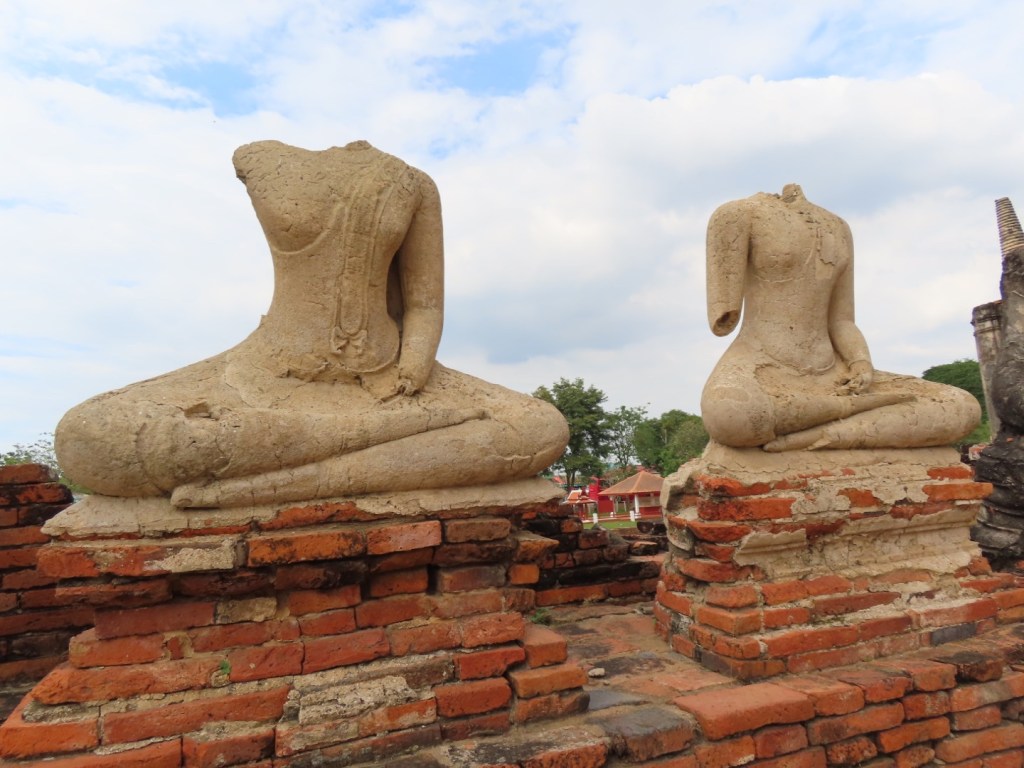
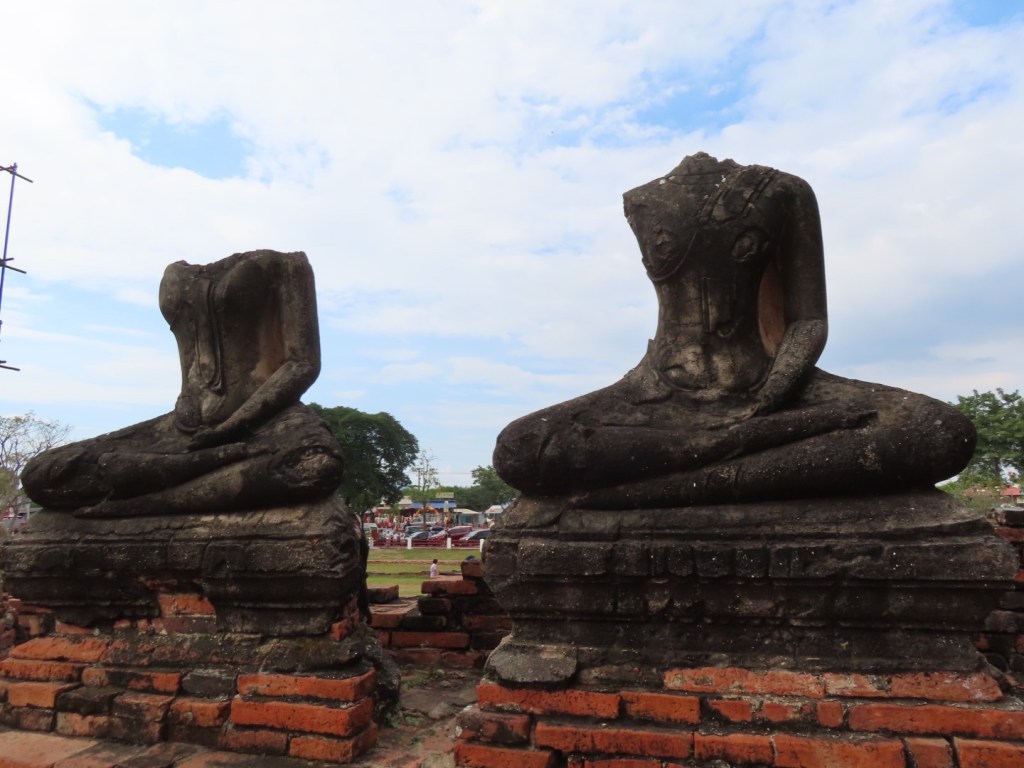
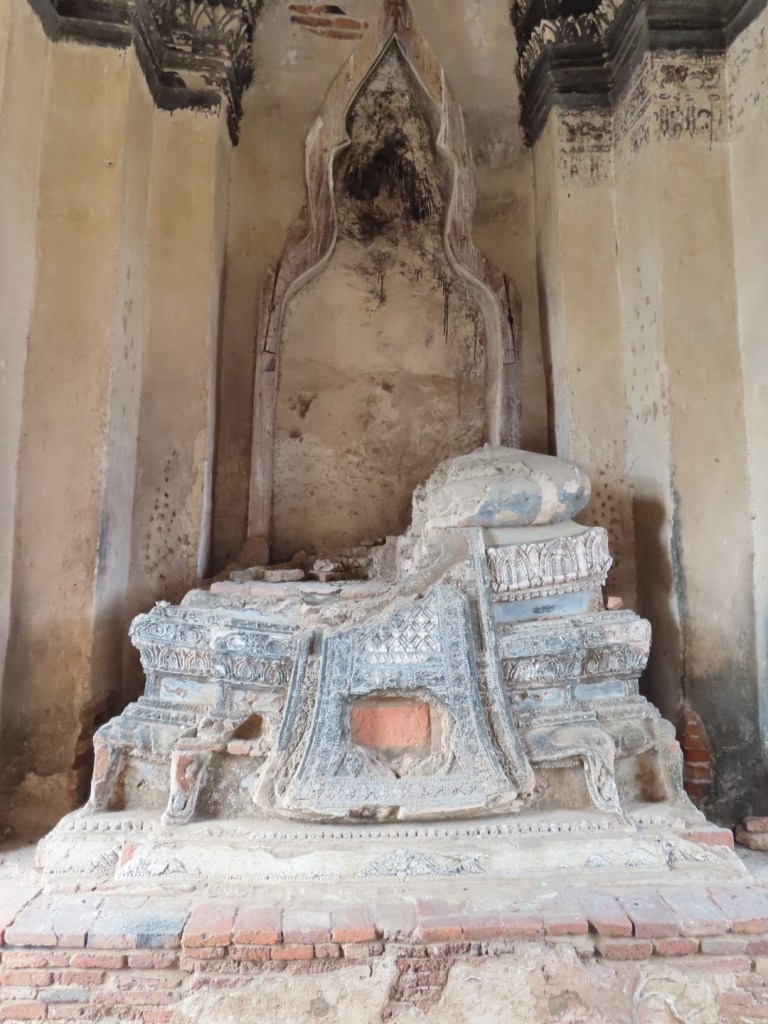
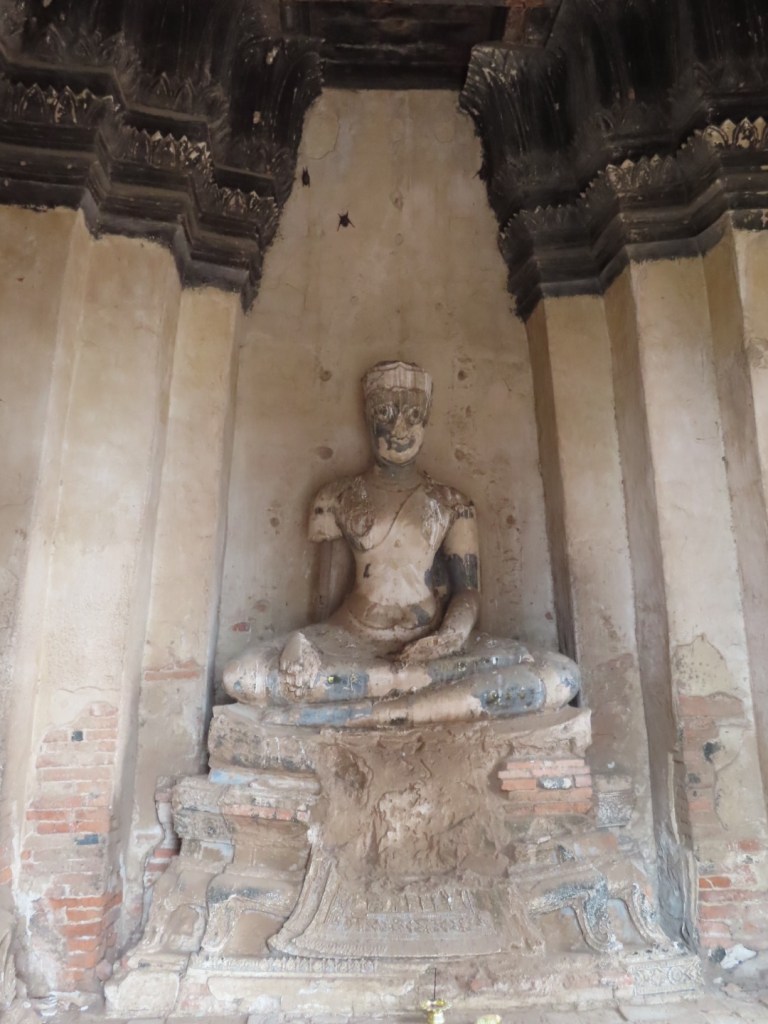
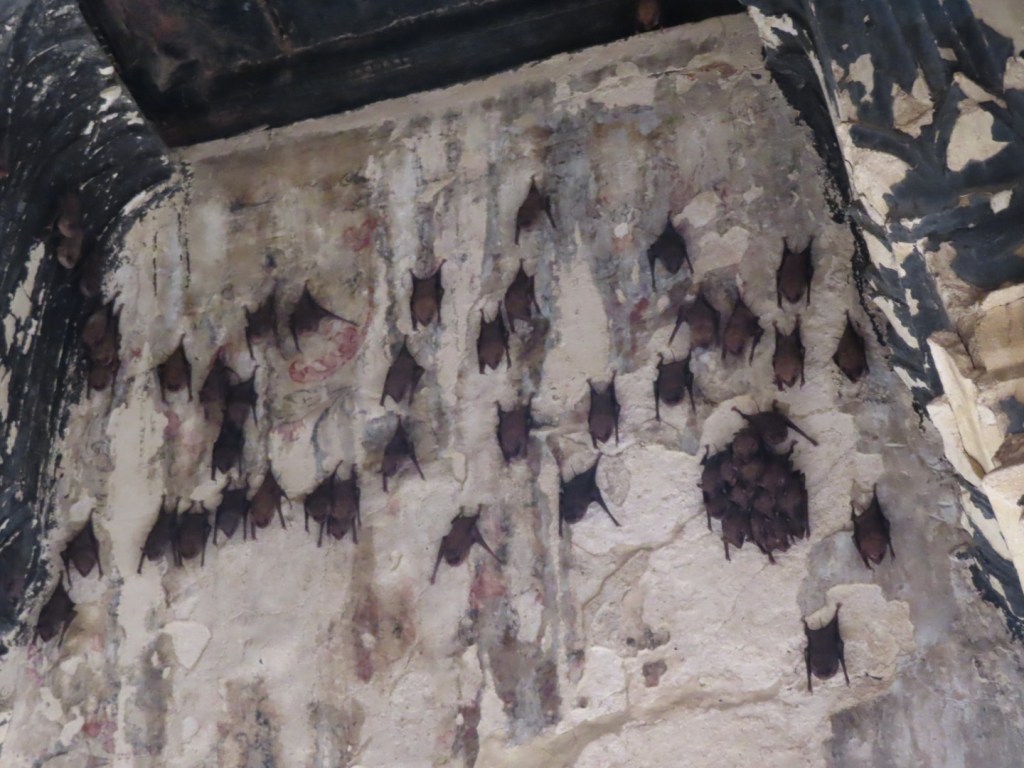
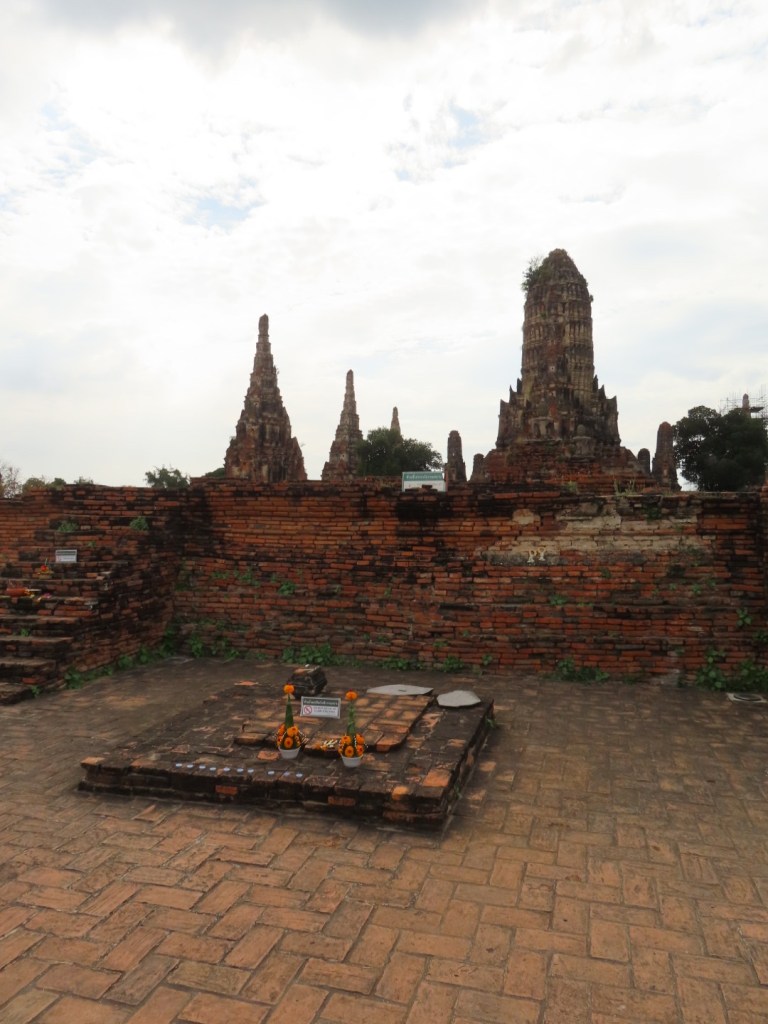
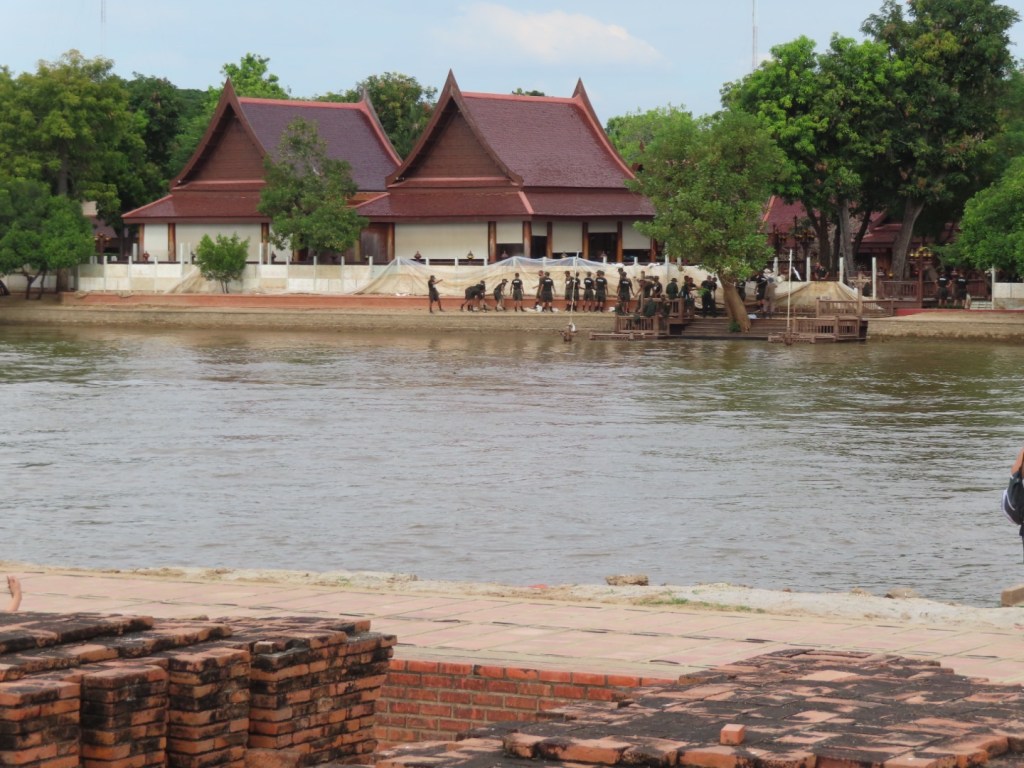
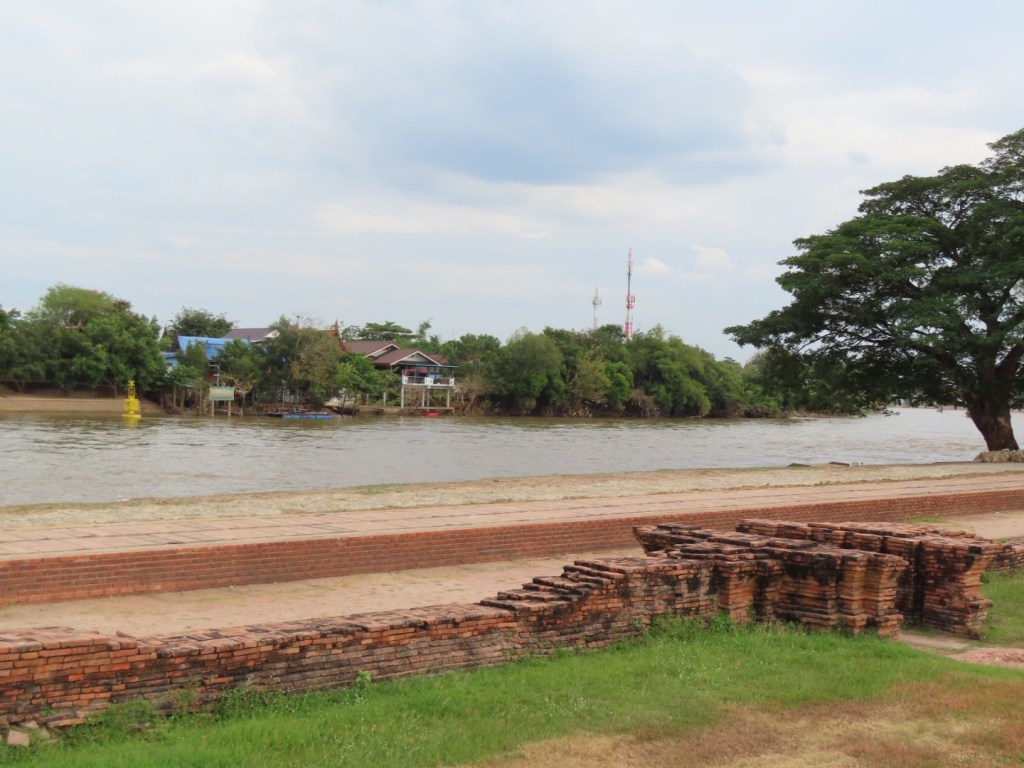
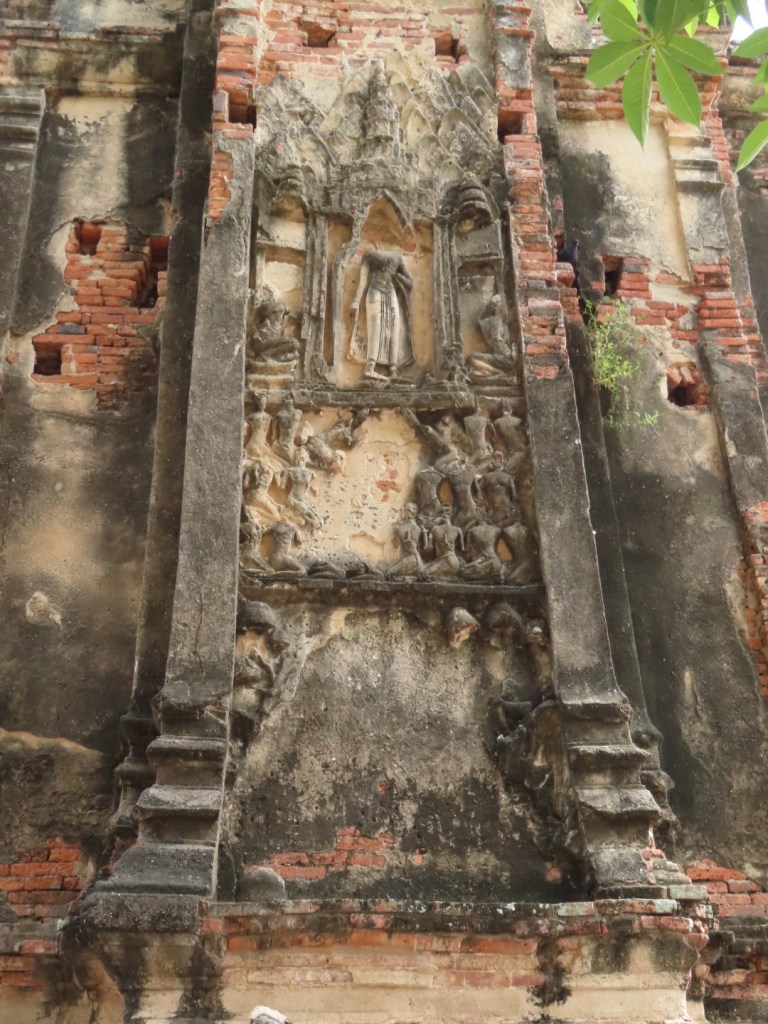
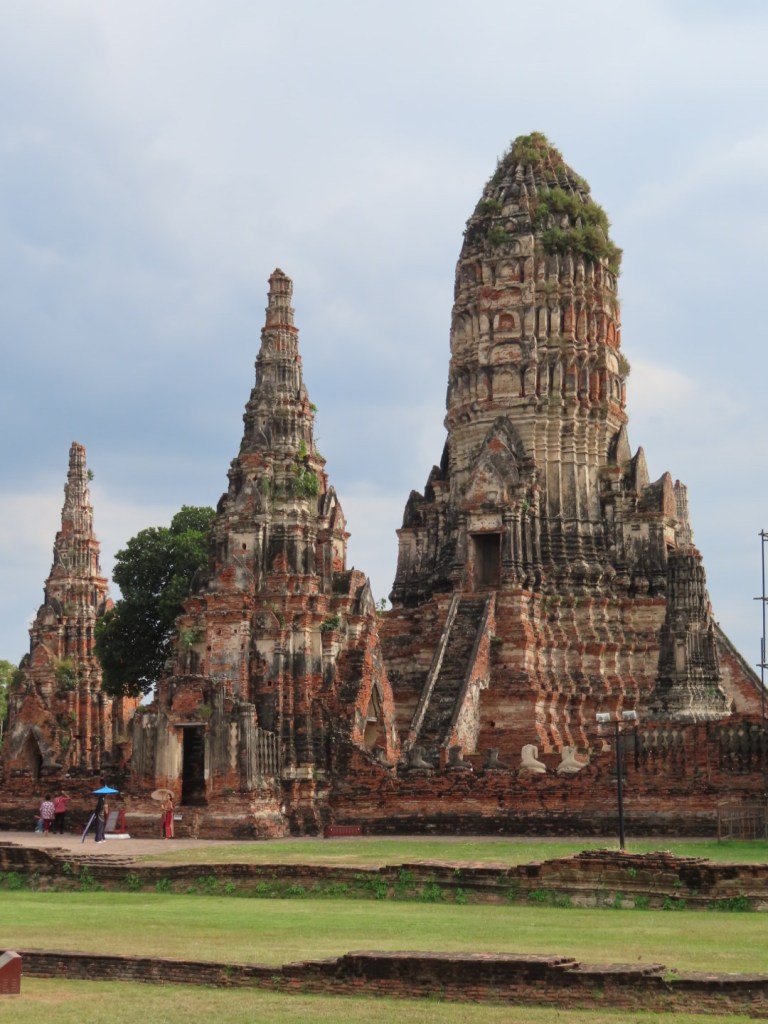
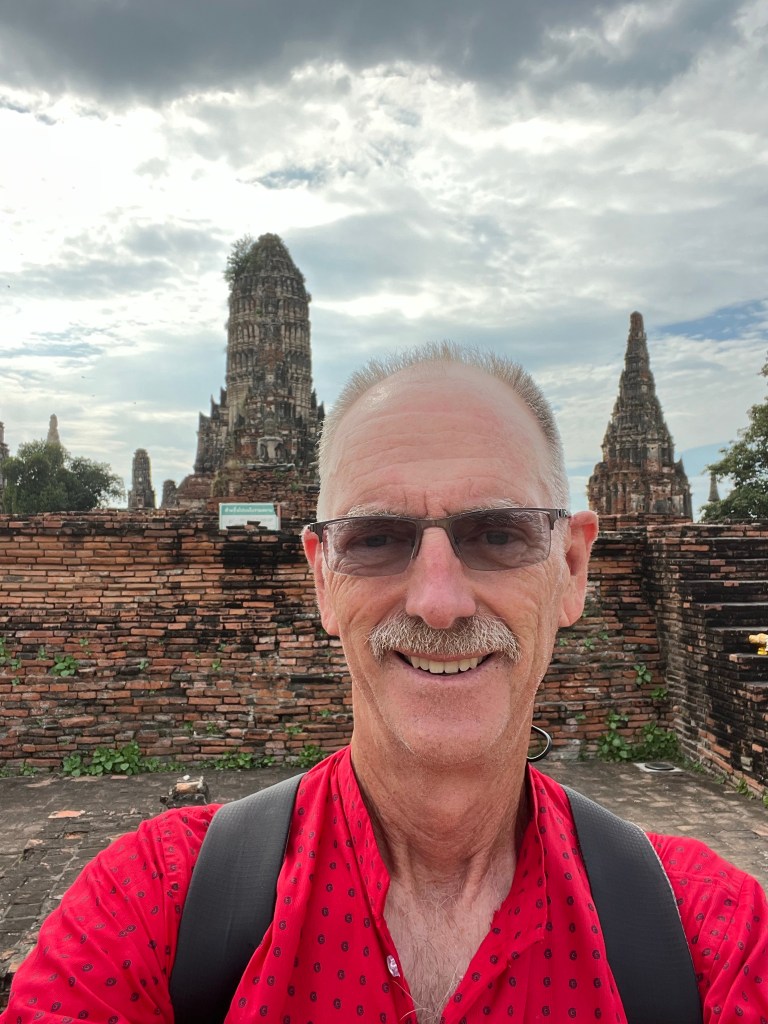
We finished our tour at Wat Chaiwatthanaram.


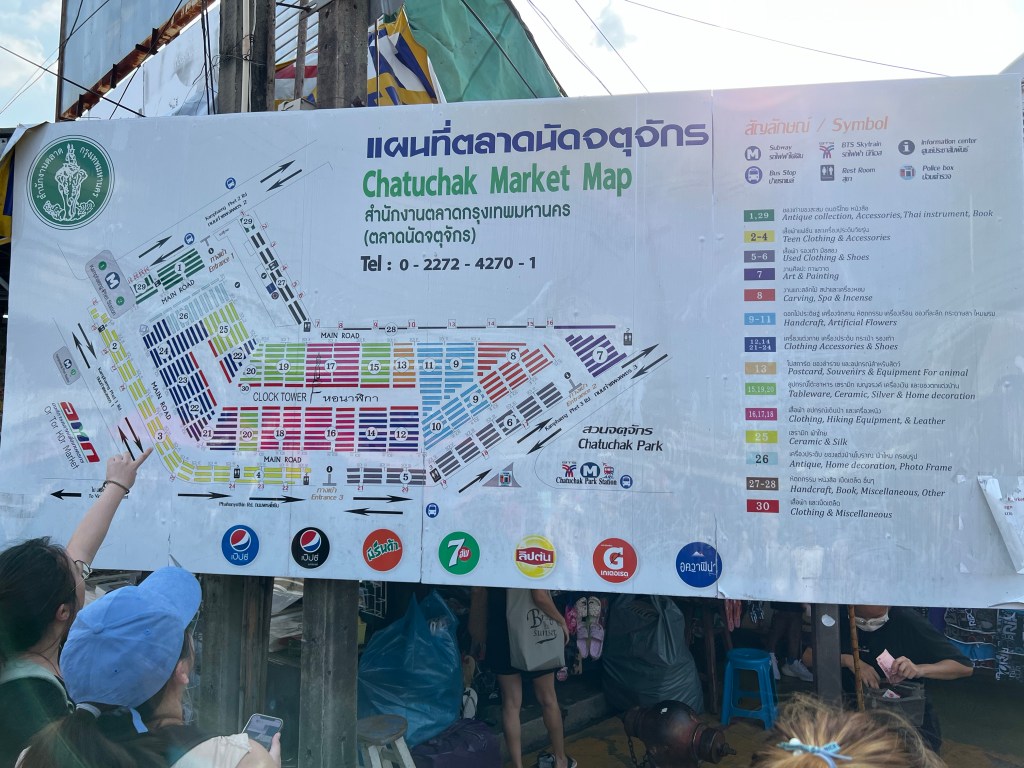
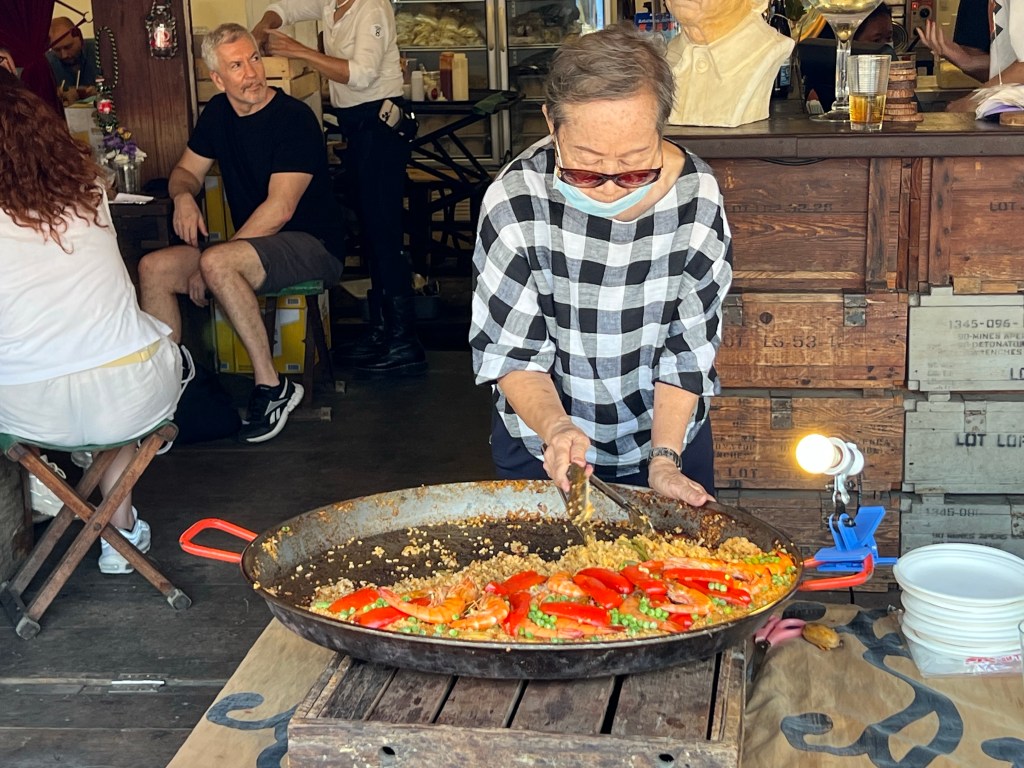
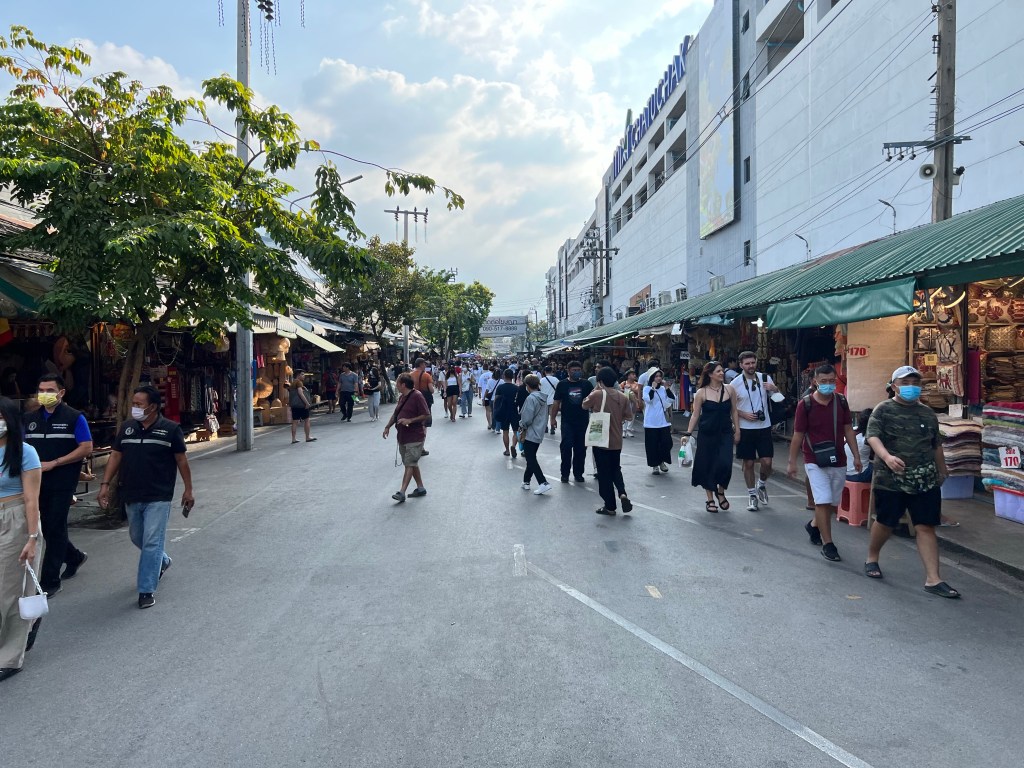
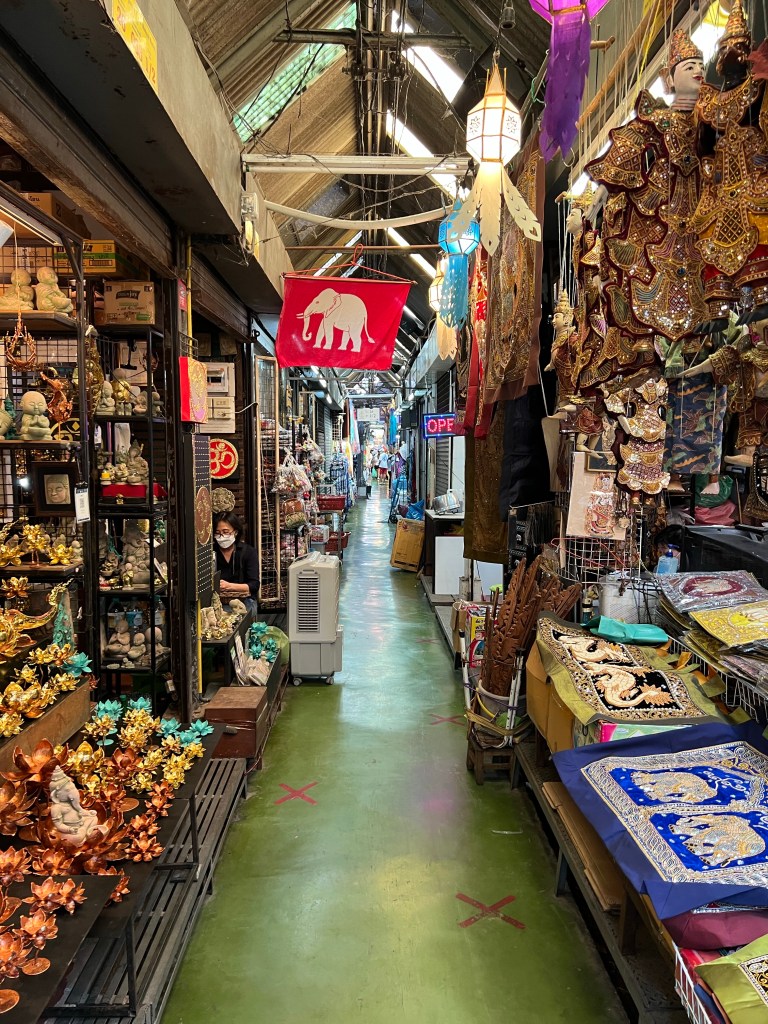
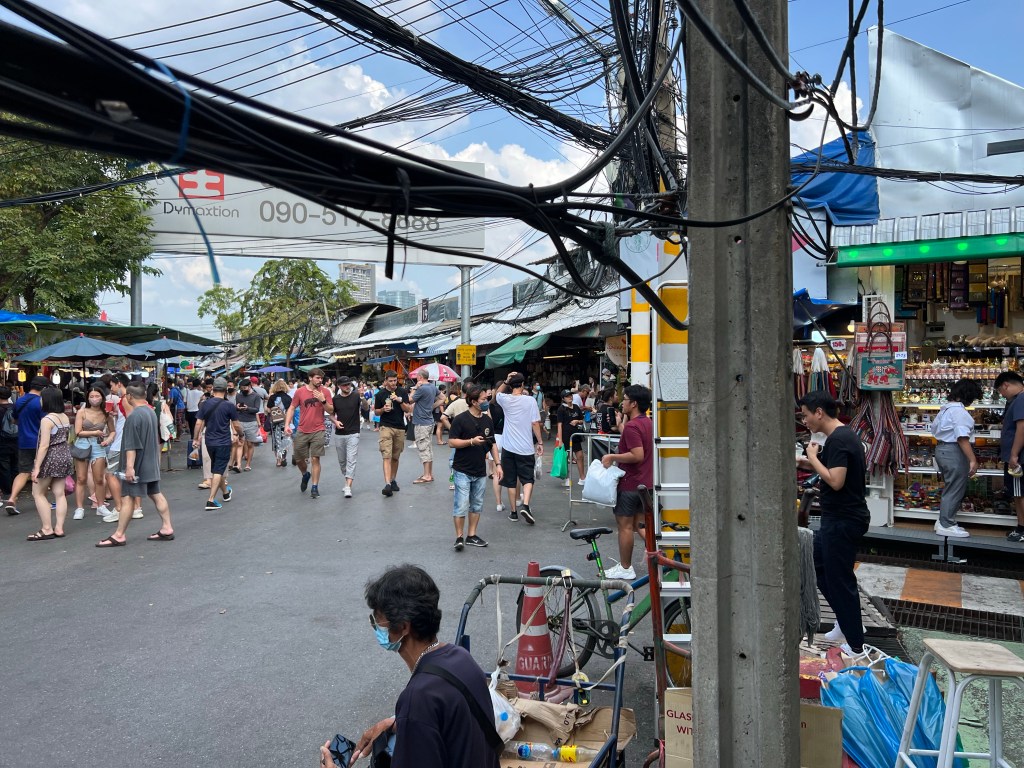
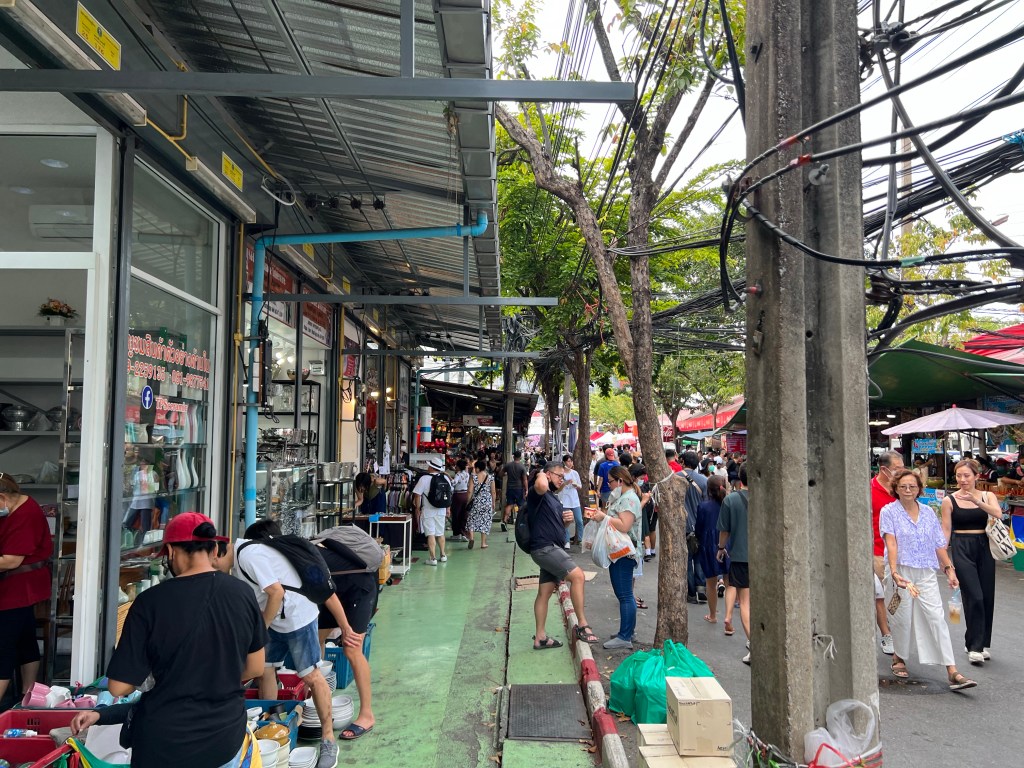
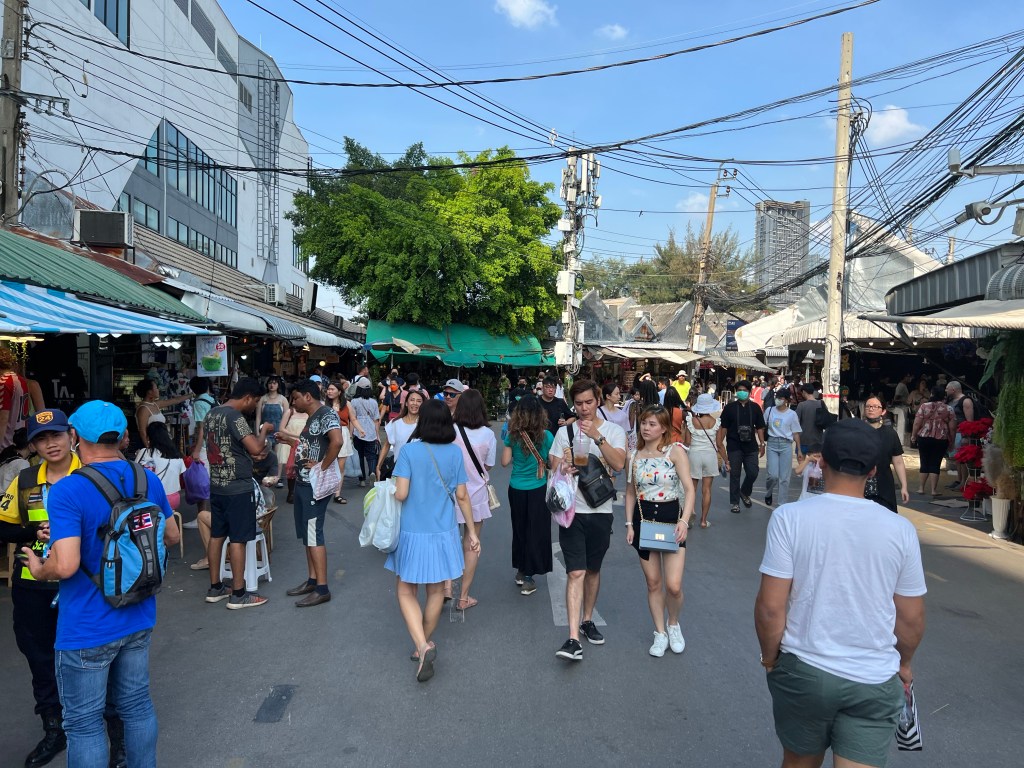
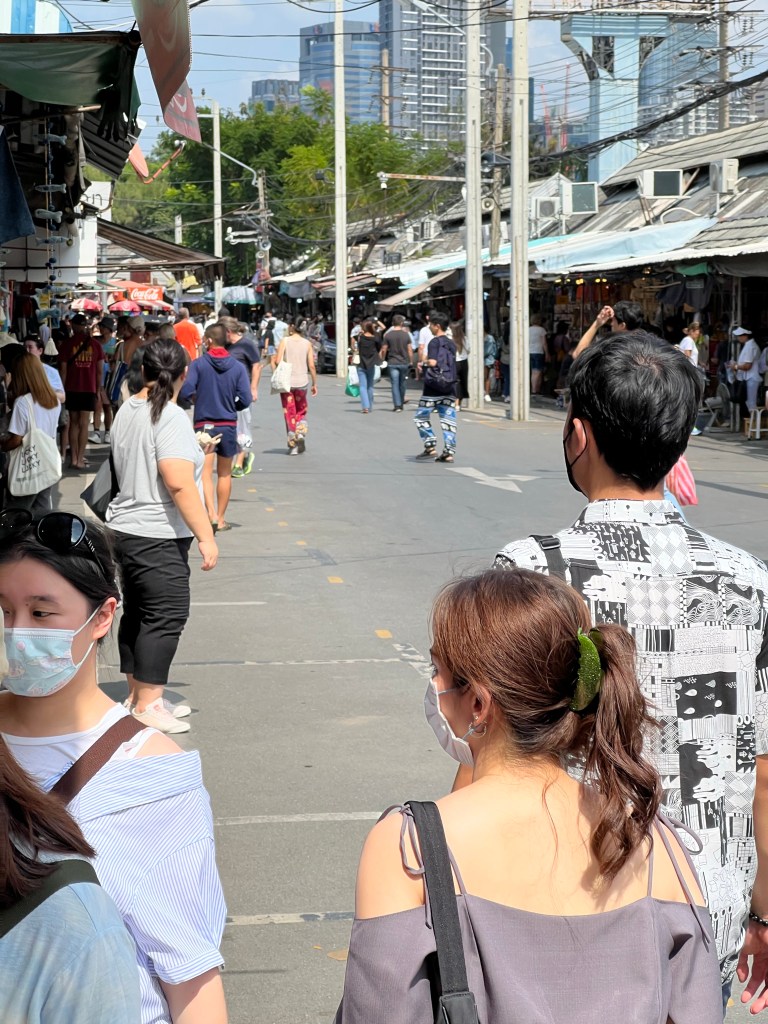
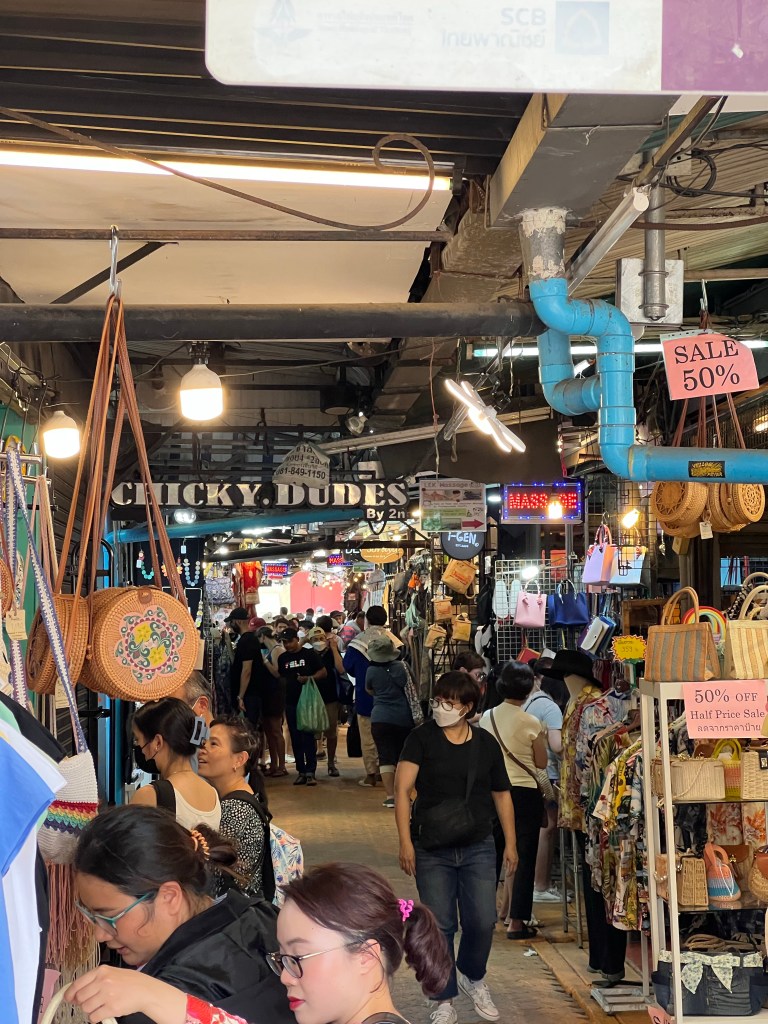
Michael came by after breakfast and we took the sky train to the Chatuchak Saturday market. Groceries, shoes, clothes, household items for sale in private stalls.
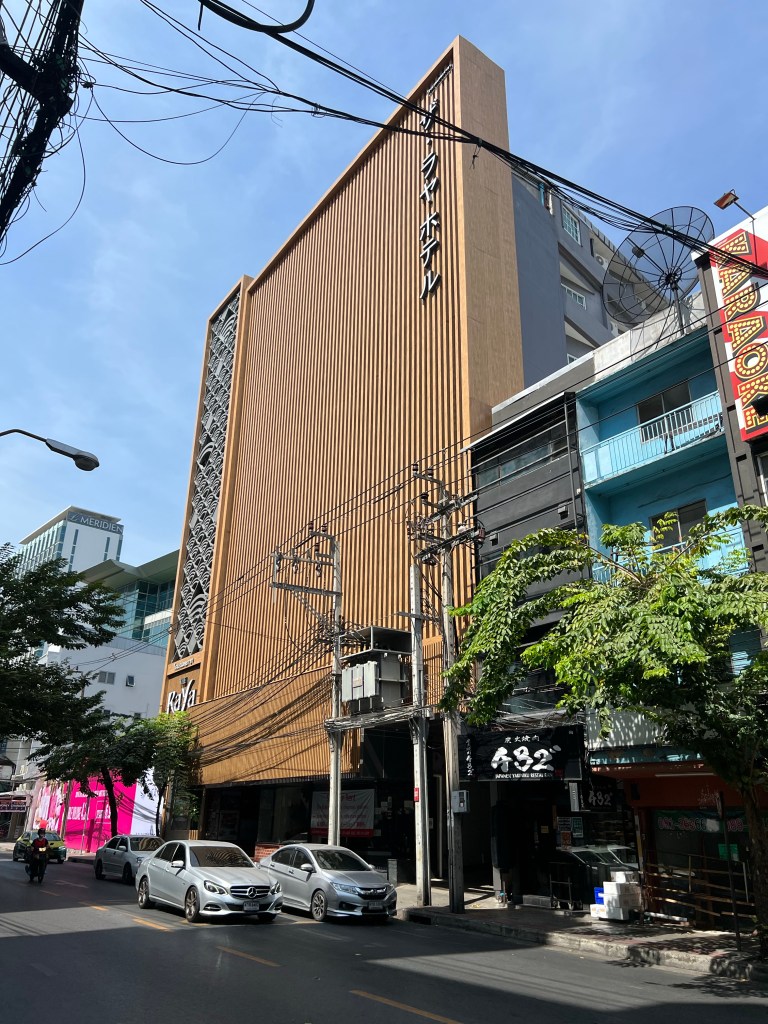
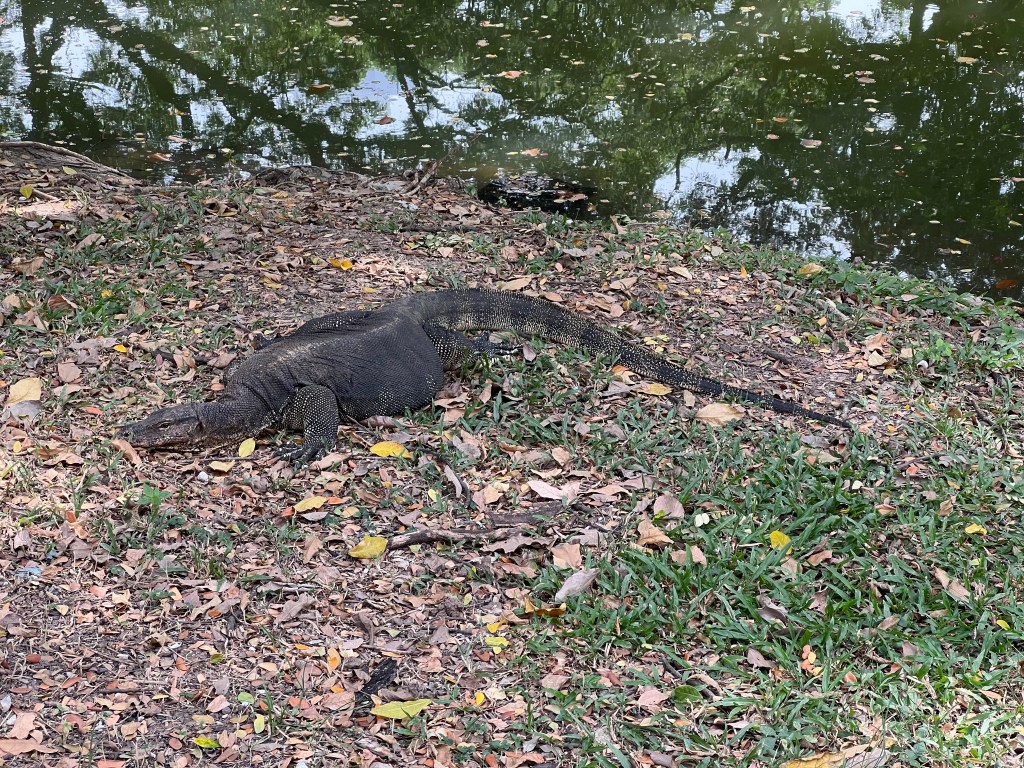
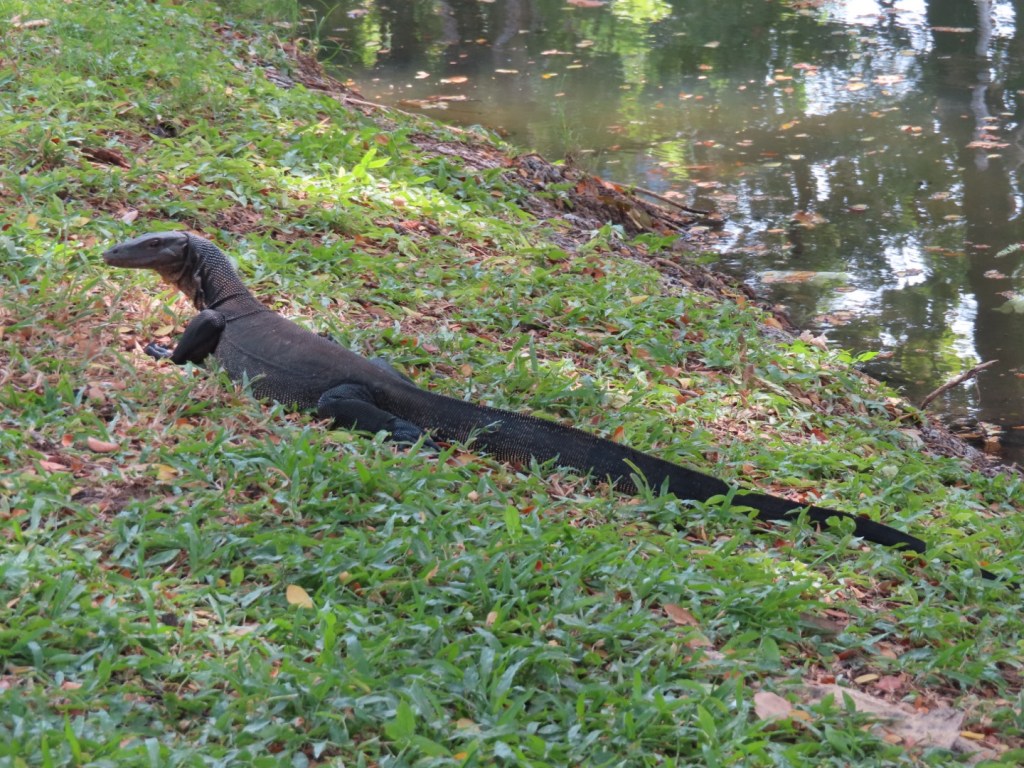
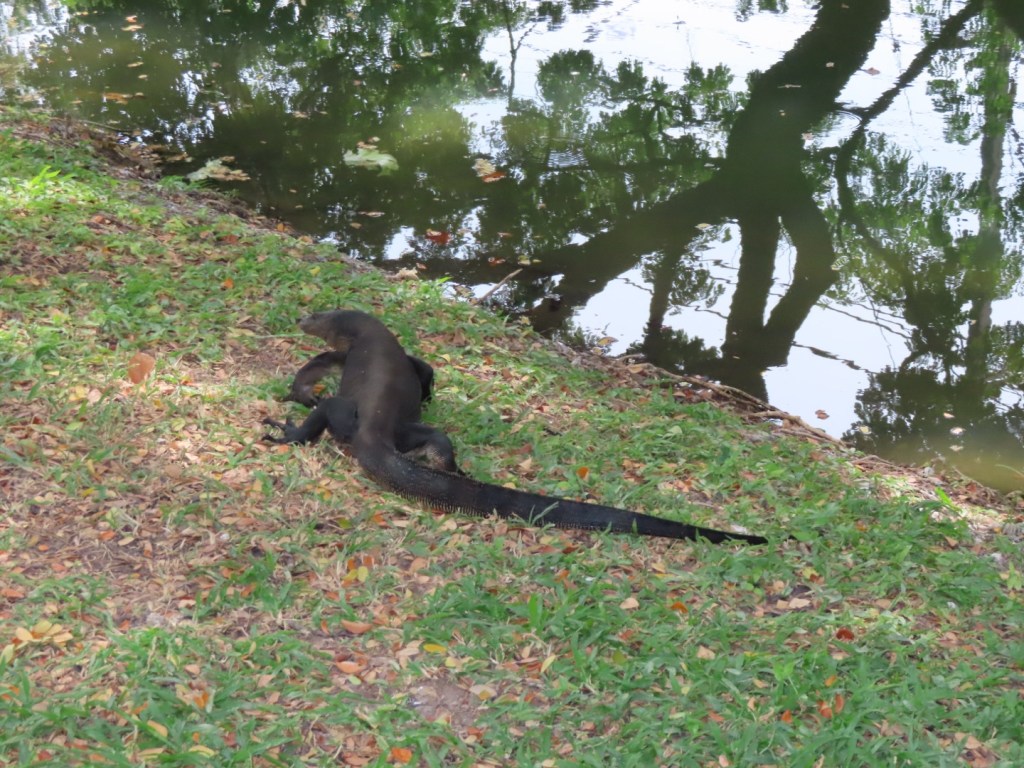
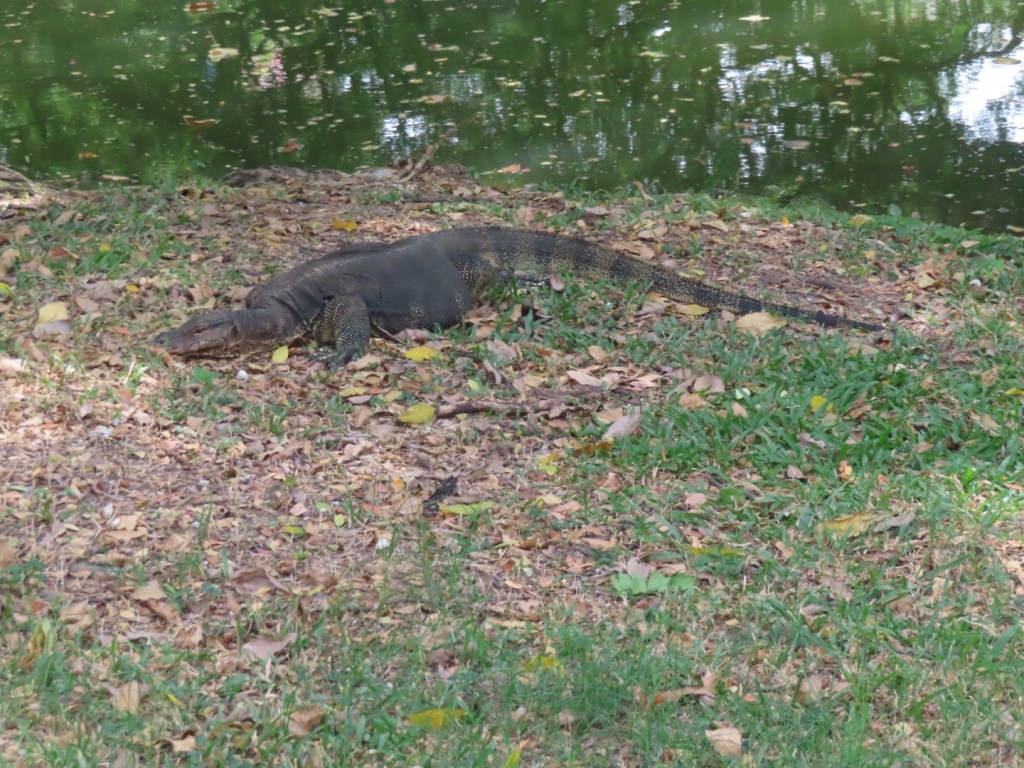
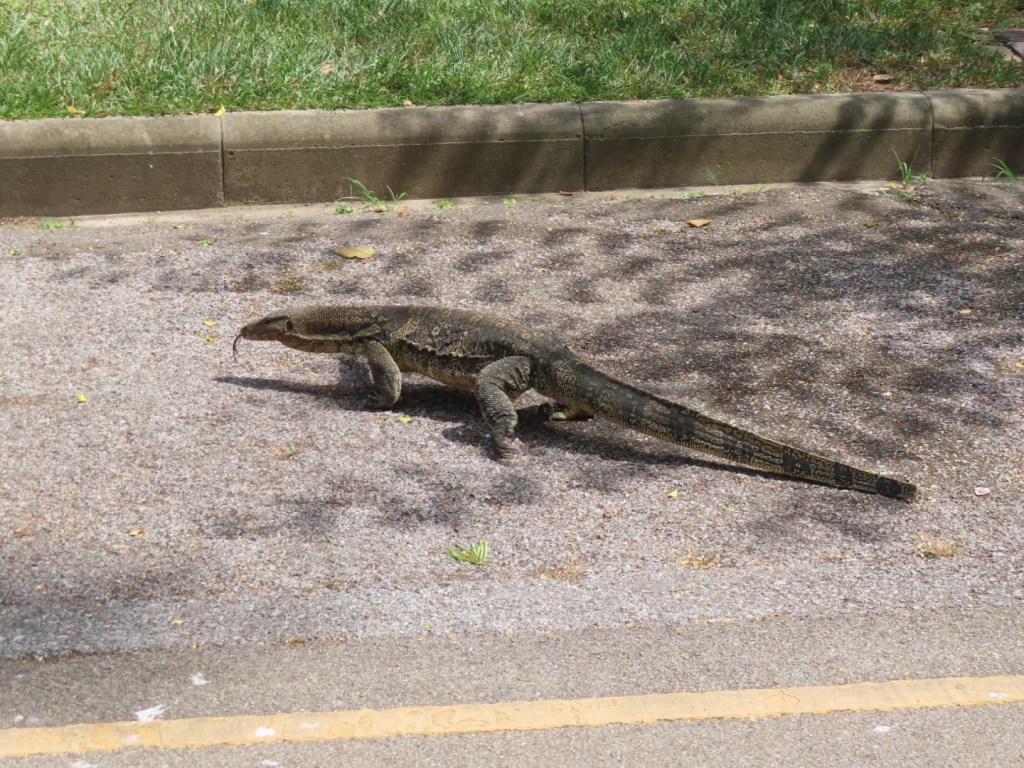
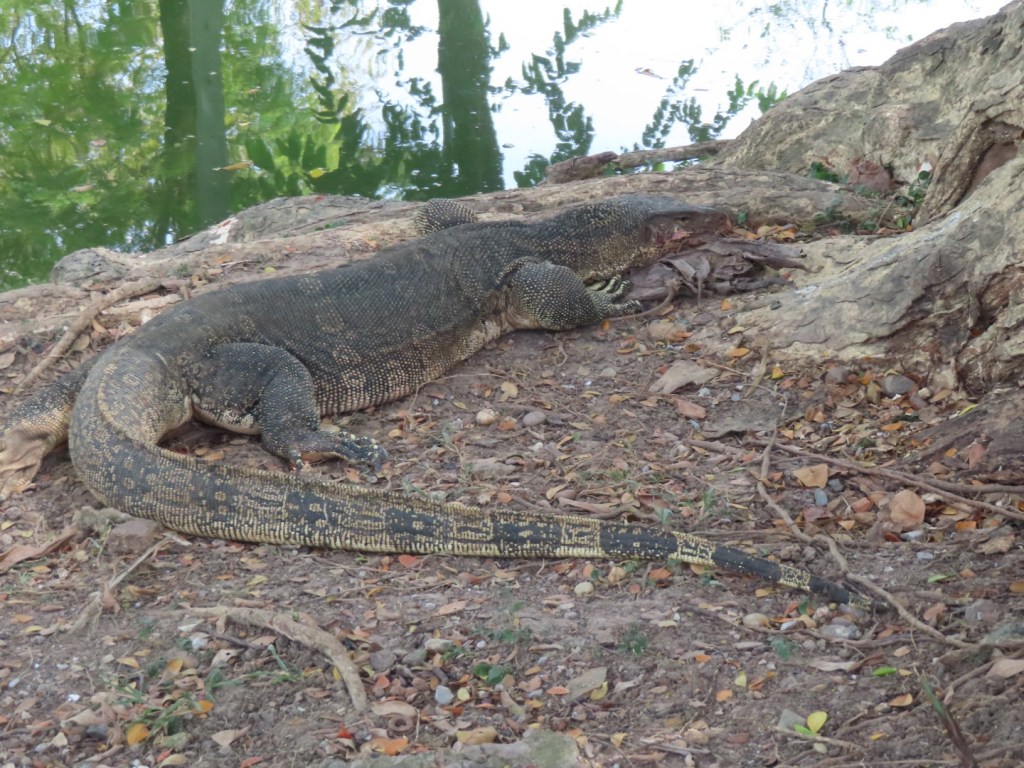
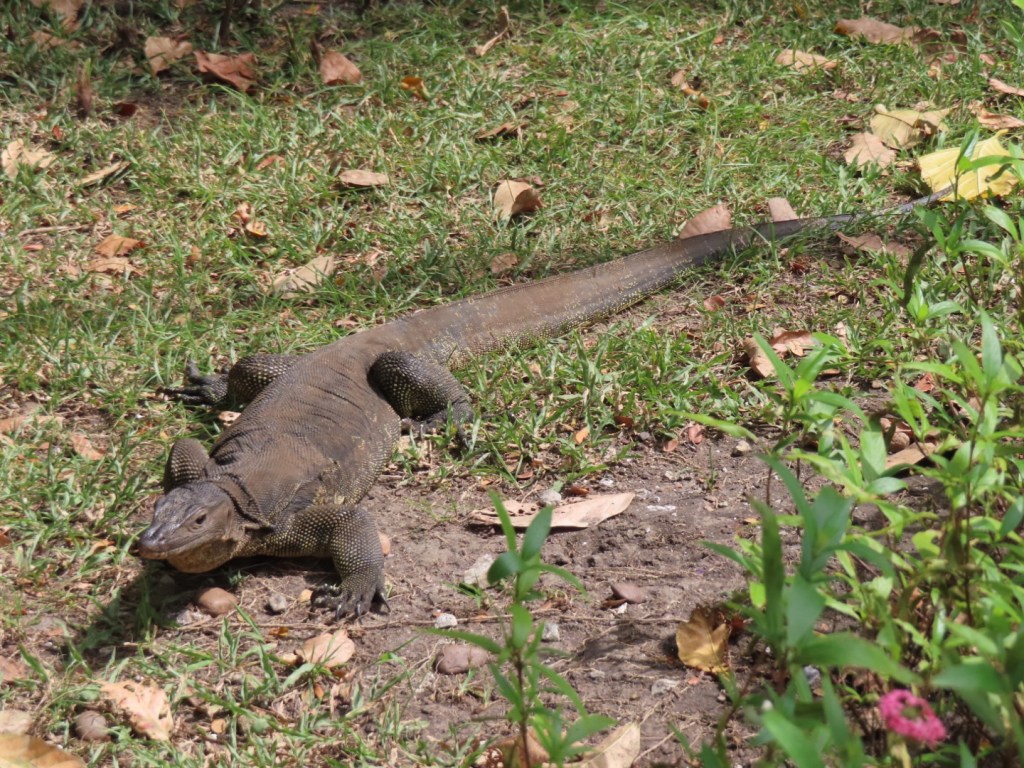
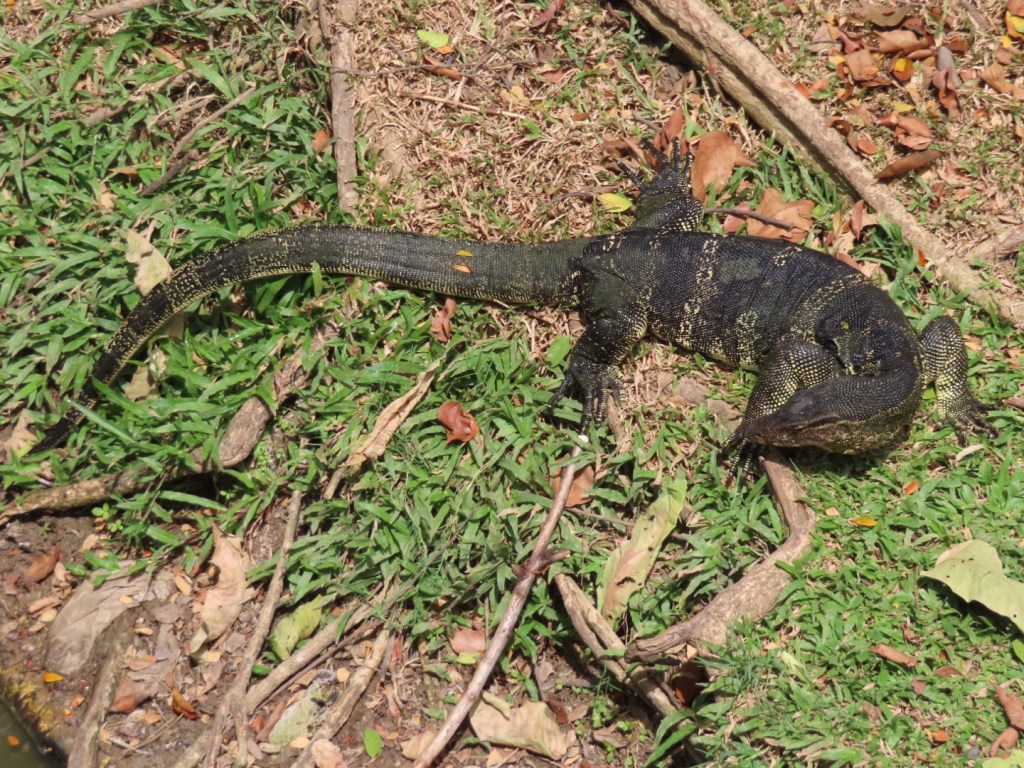
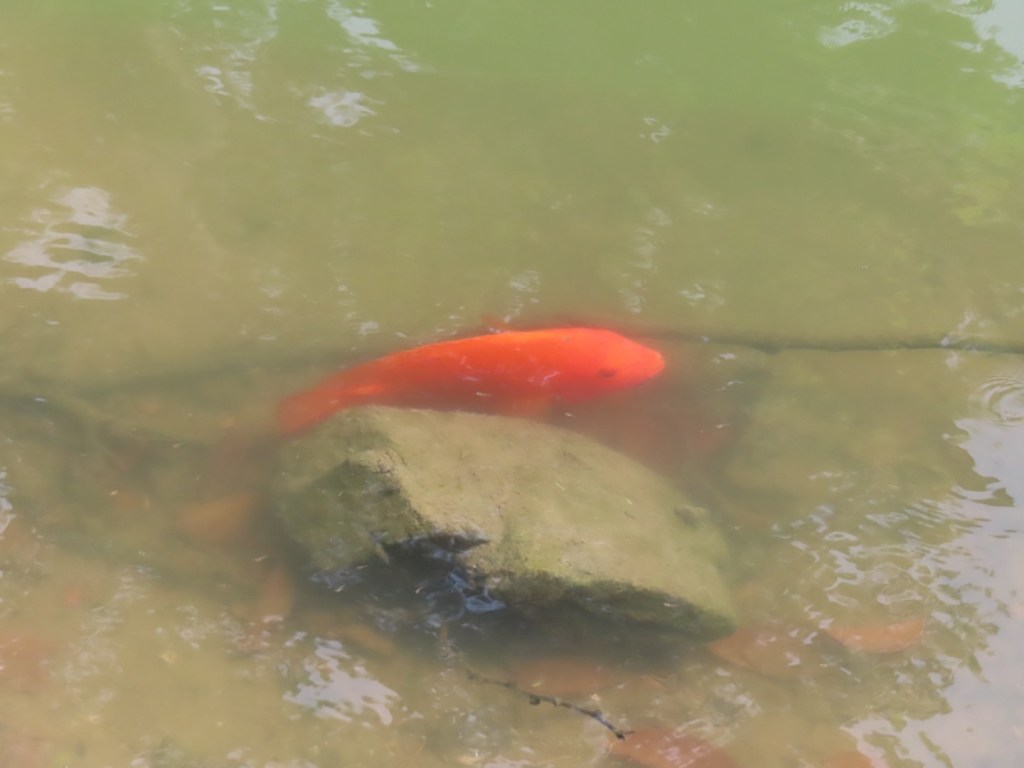
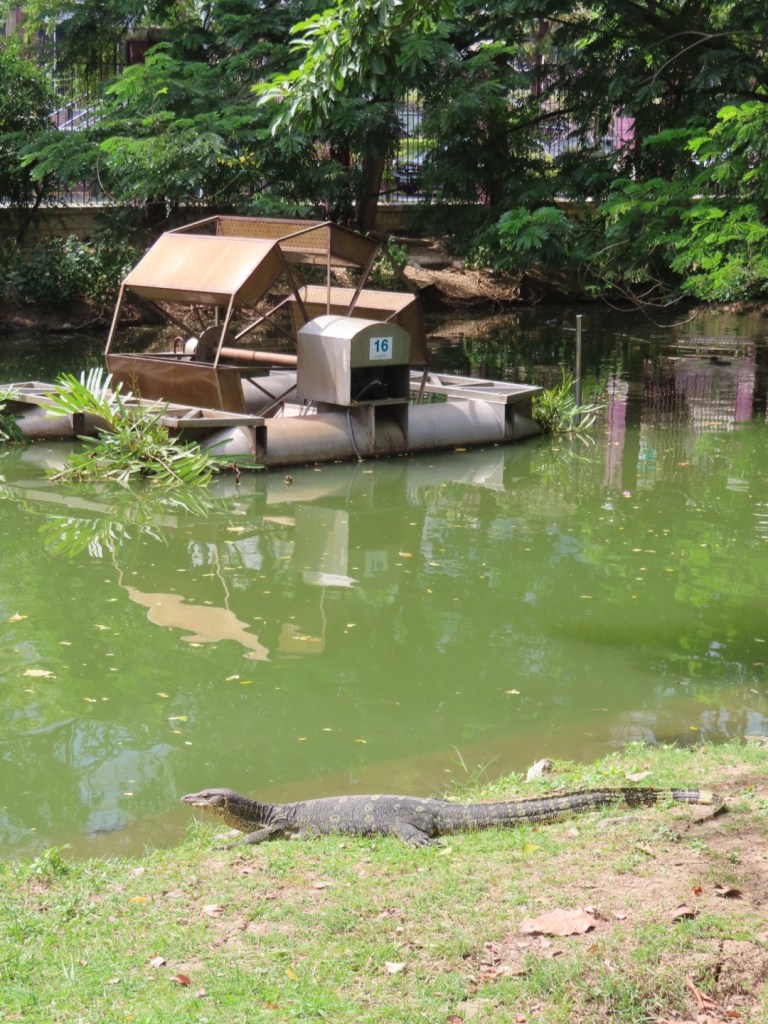
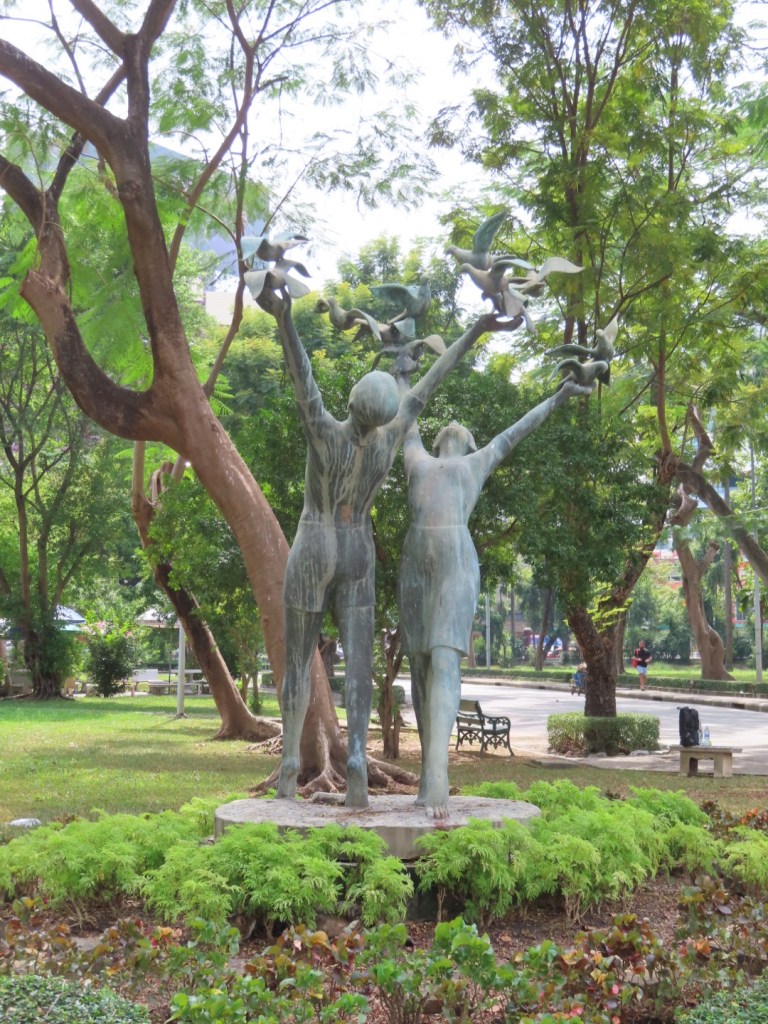
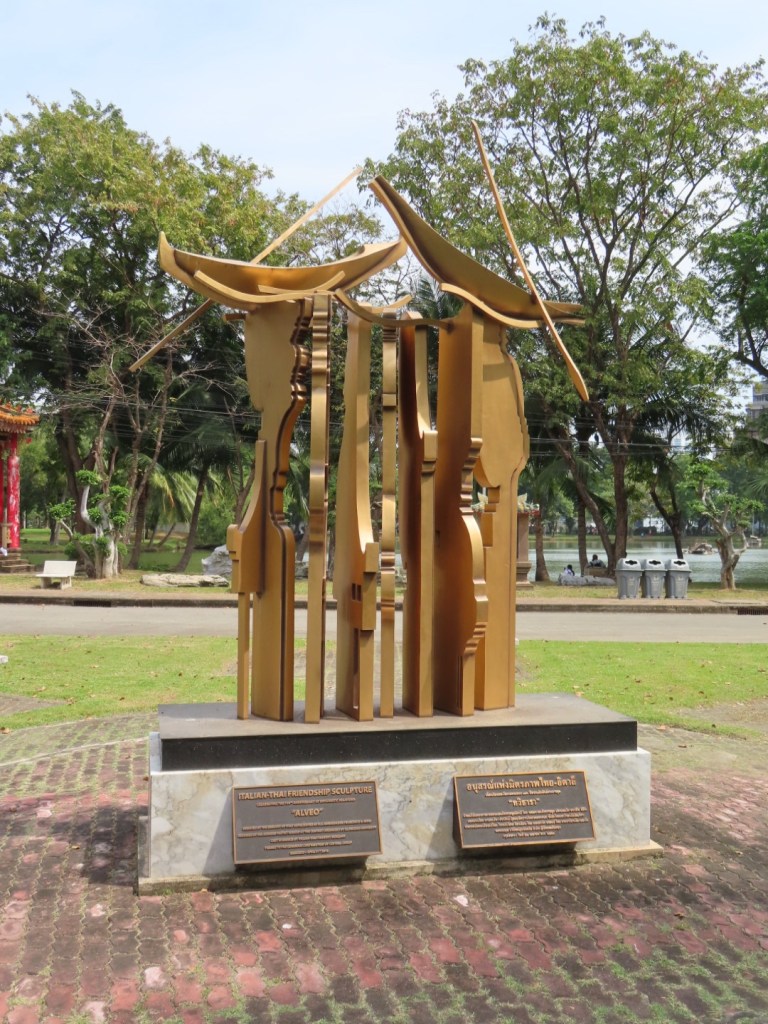
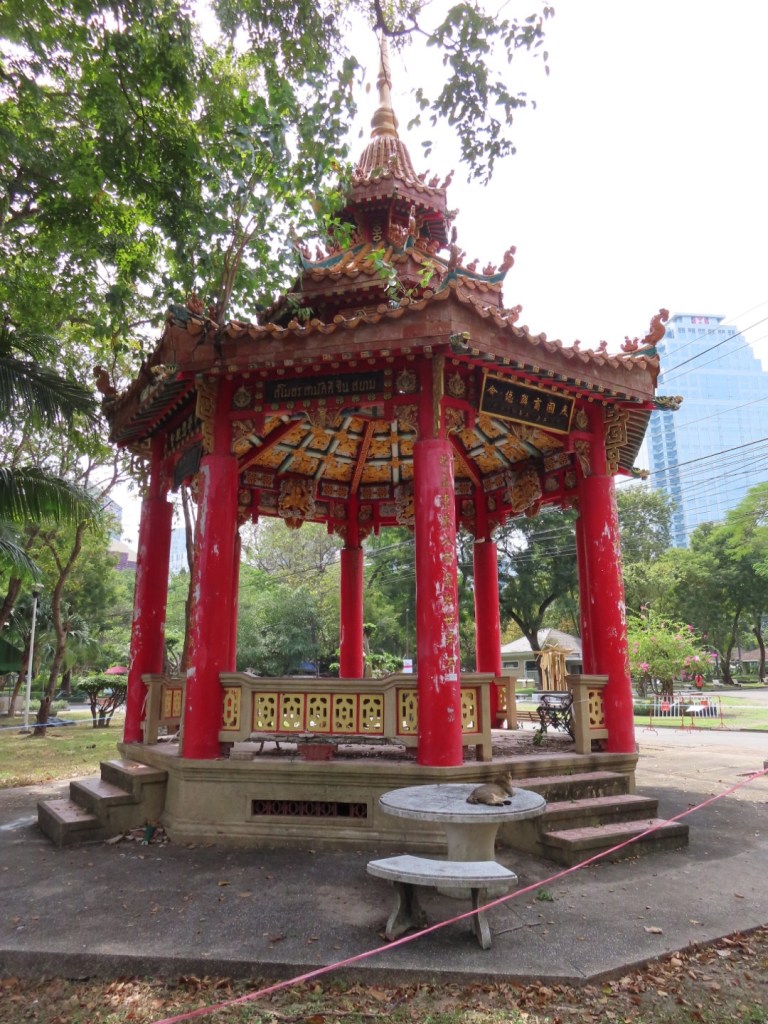
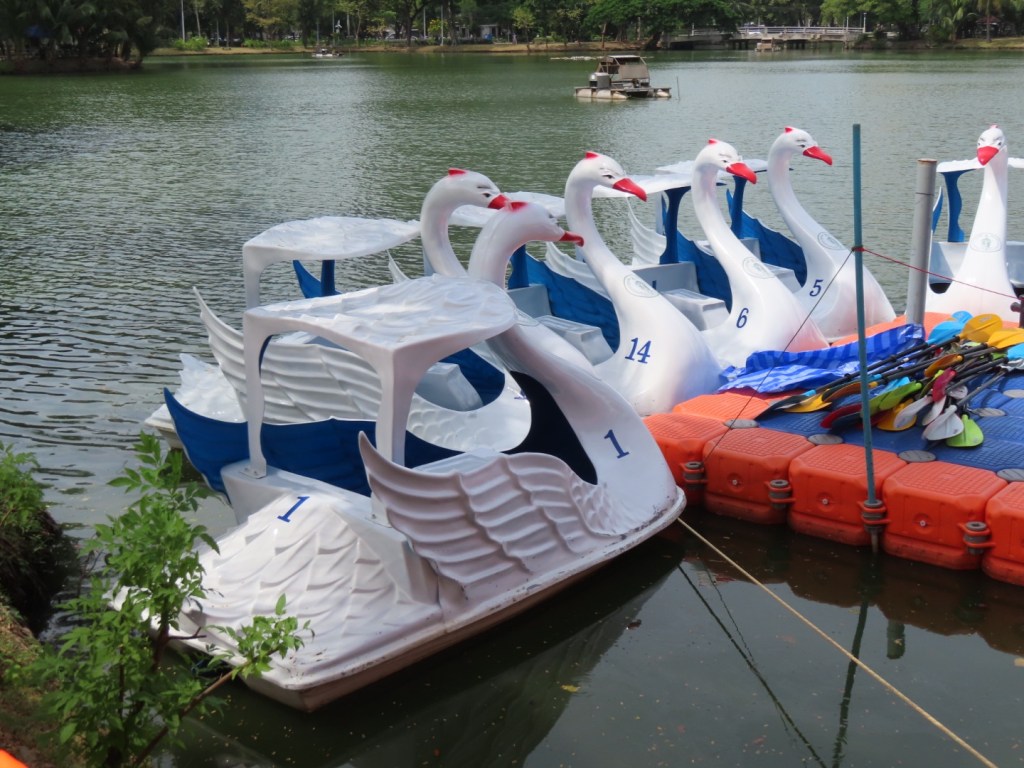
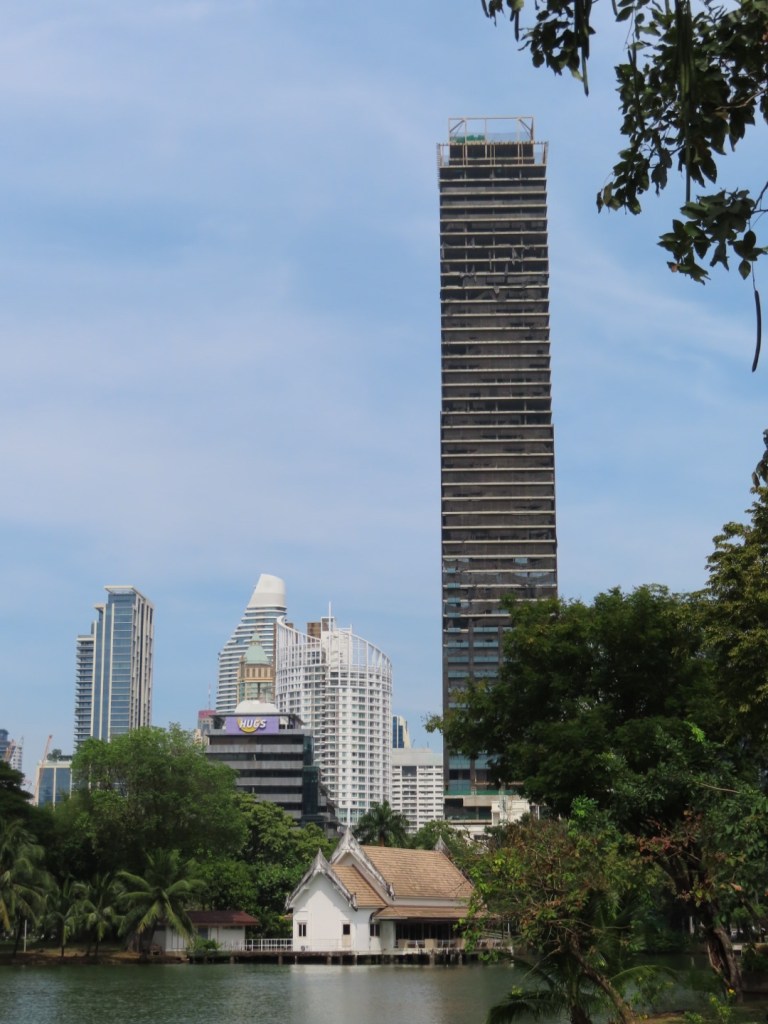
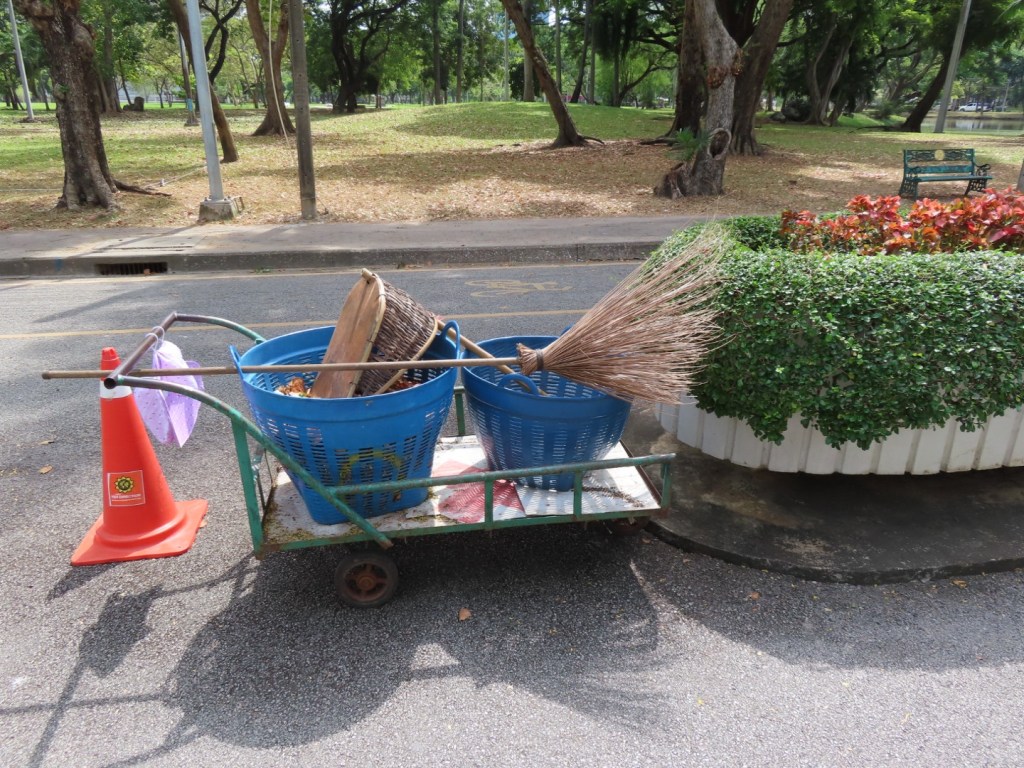
I was on my own again this morning and went for a walk in Lumphini Park, known for its Monitor Lizards.

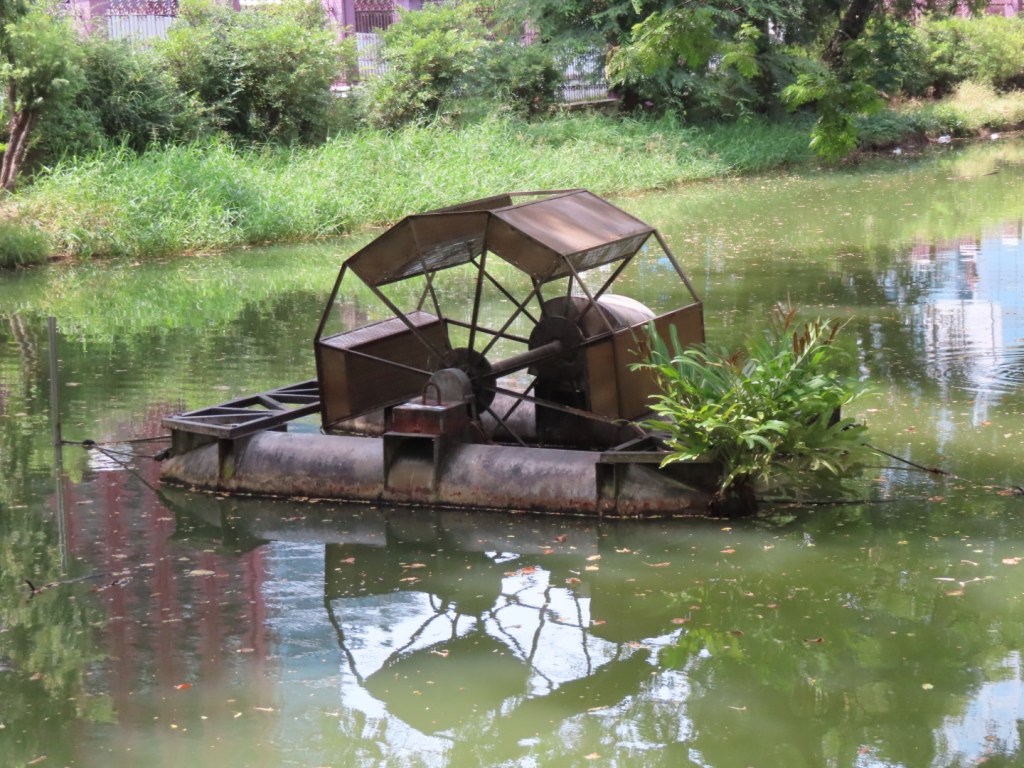

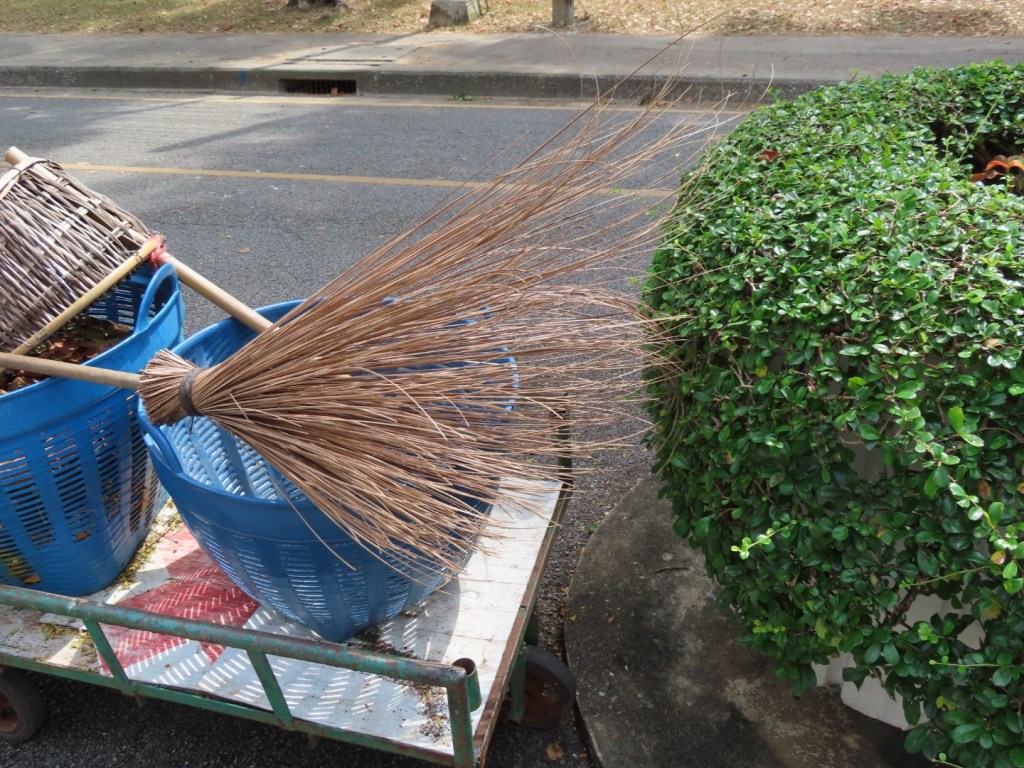
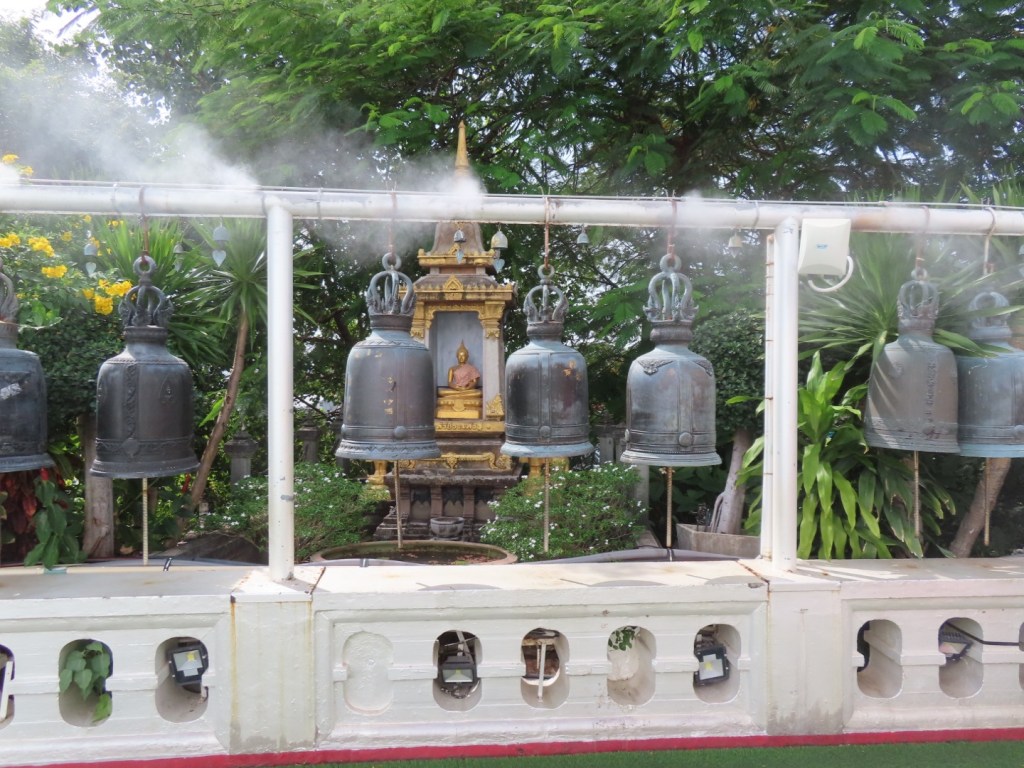
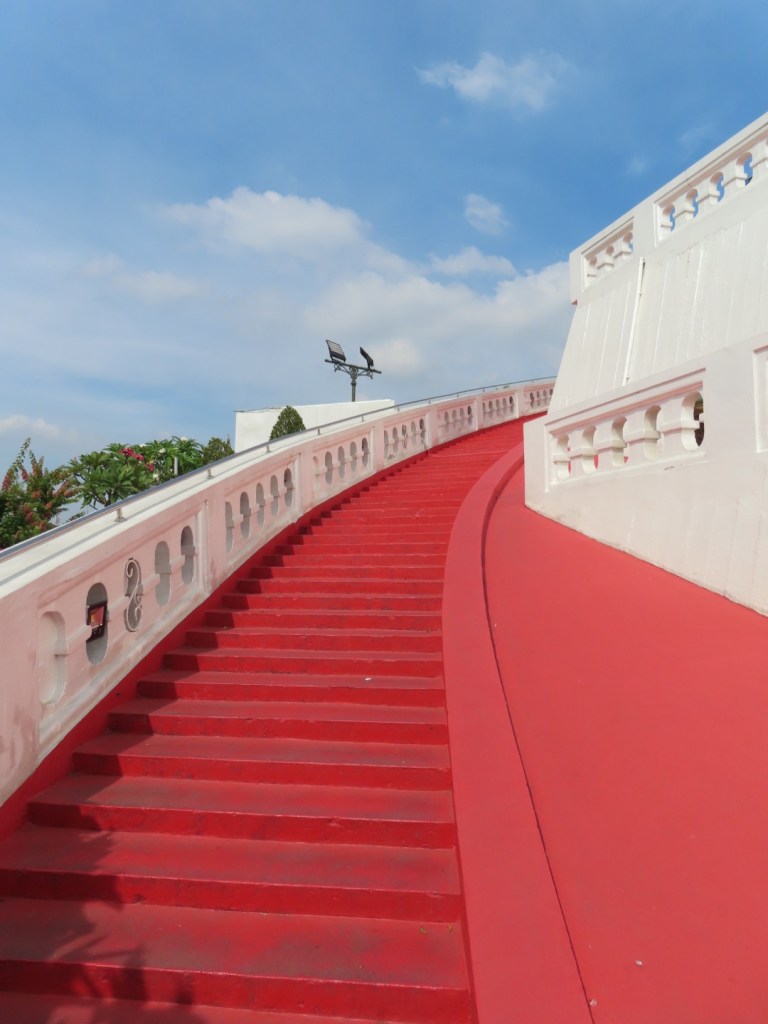
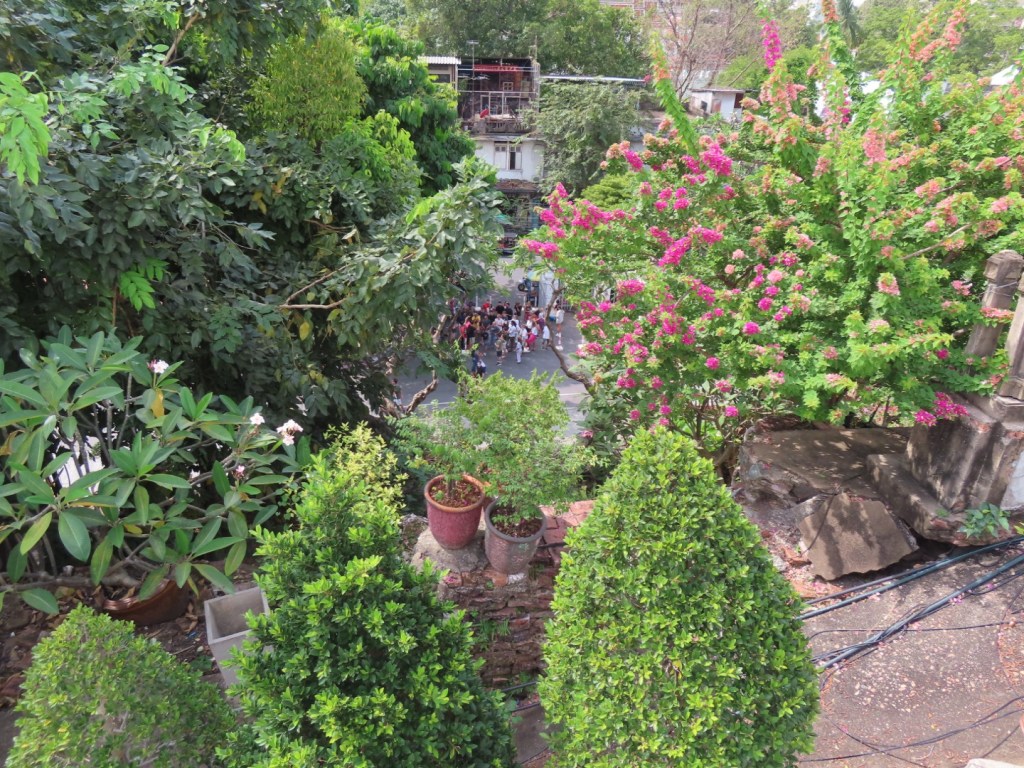
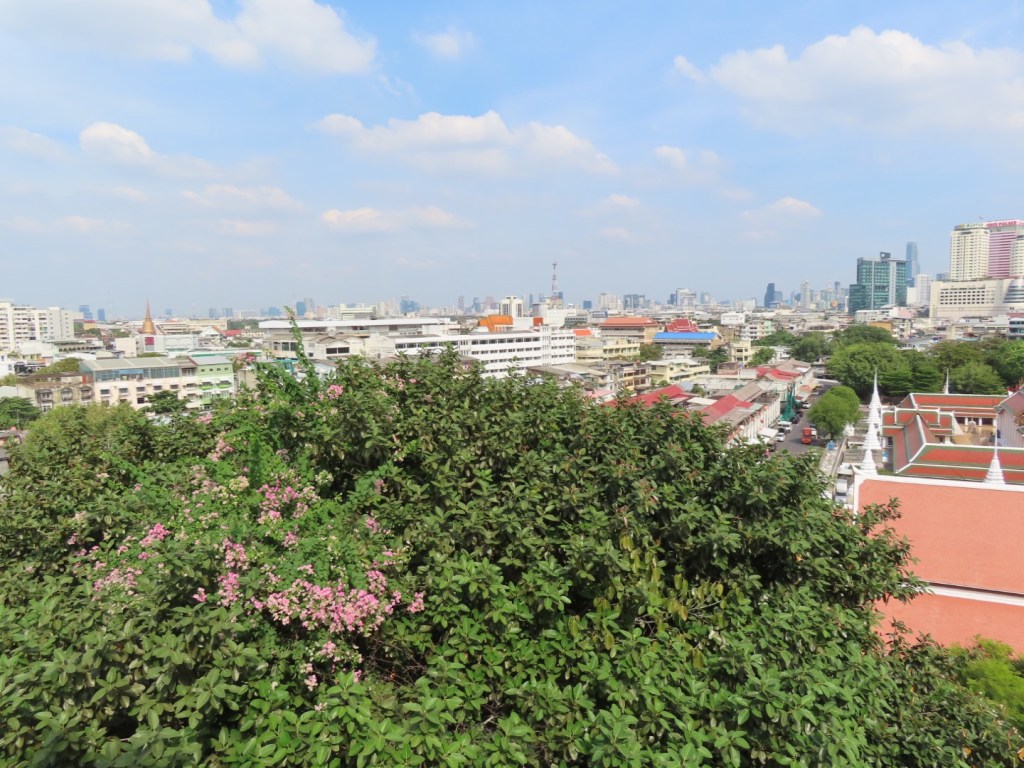
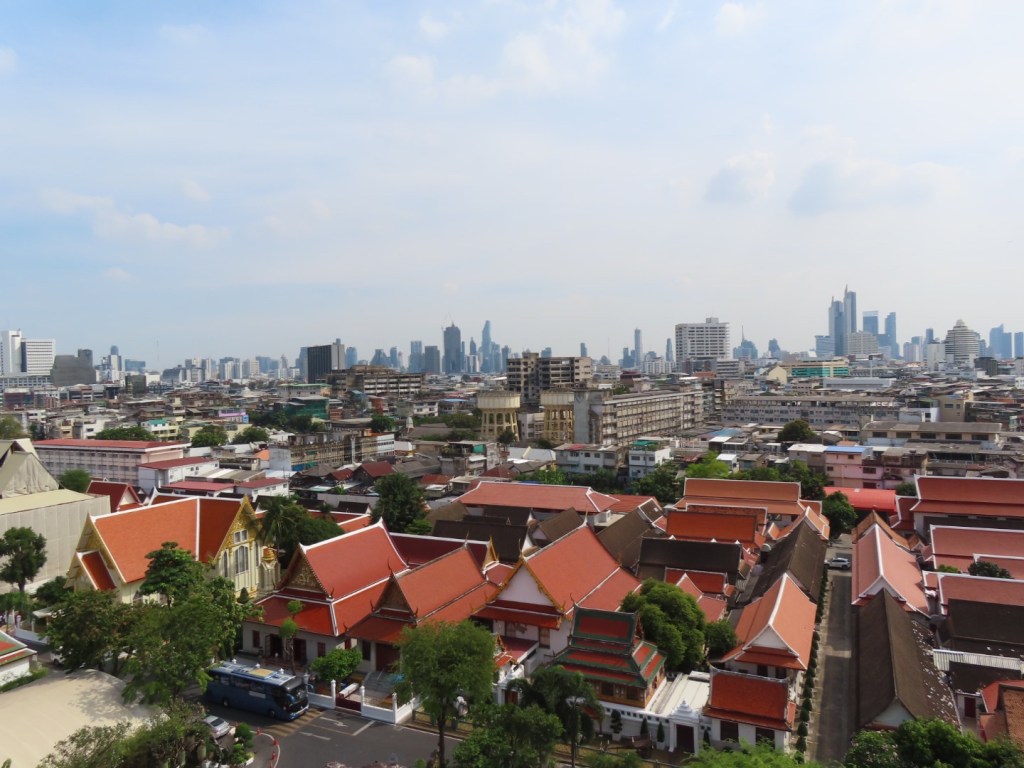
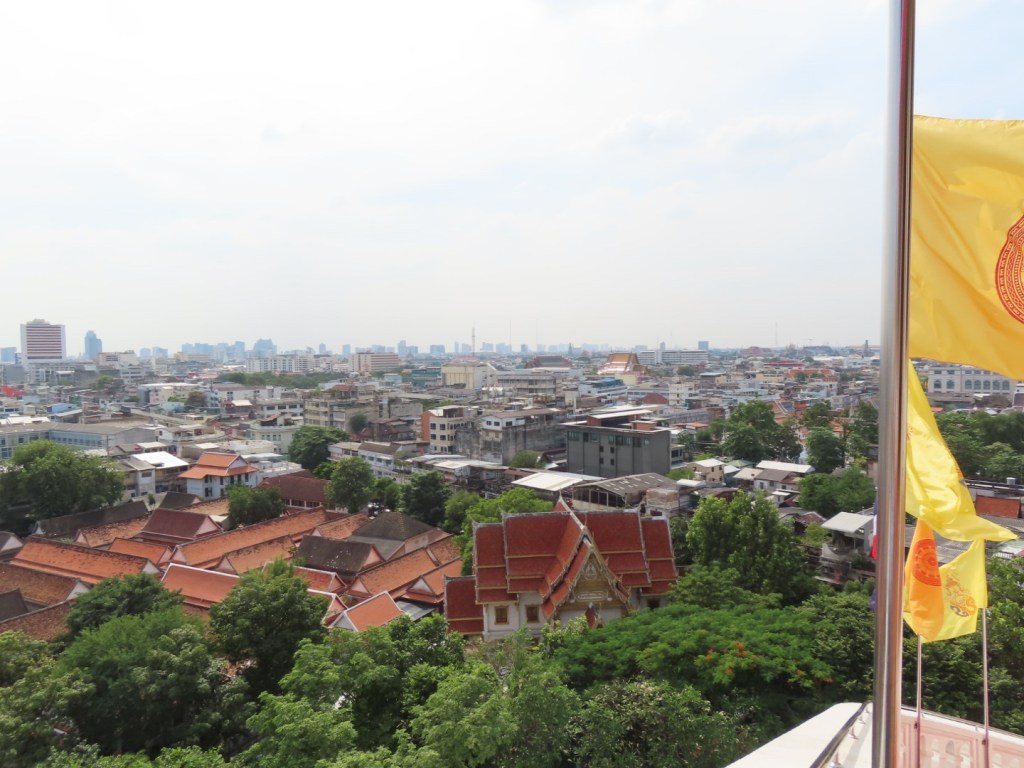
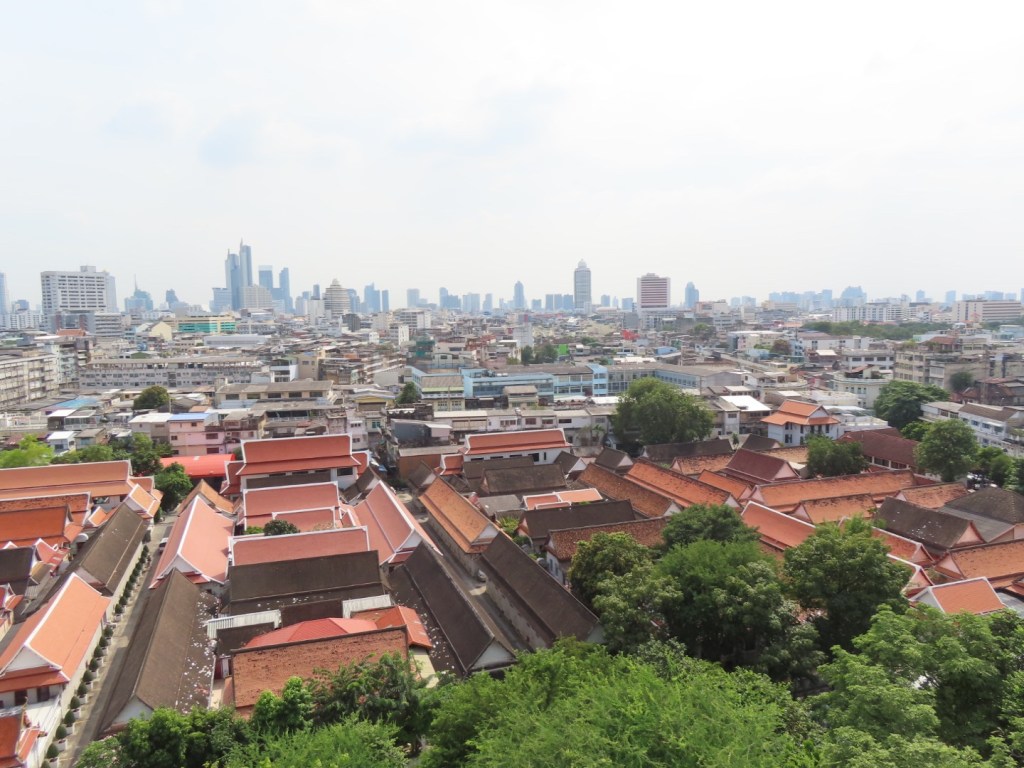
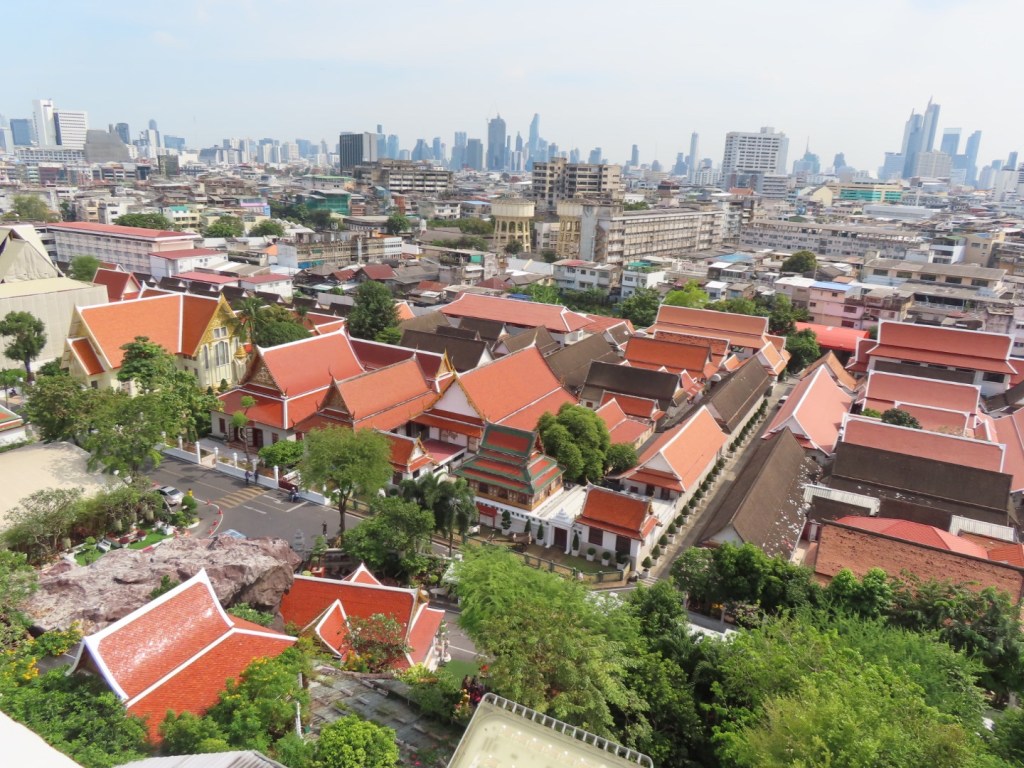
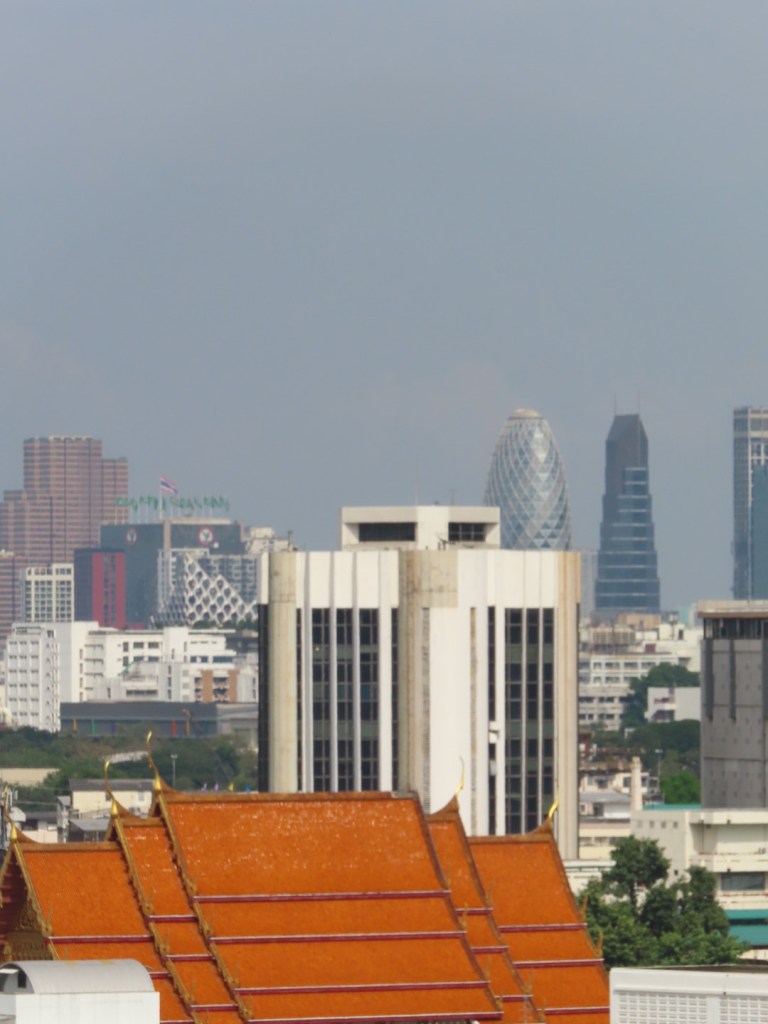
Michael and I went to Gold Mount – a man-made mountain that was the highest point in Bangkok for many years. It still has wonderful panoramic views.

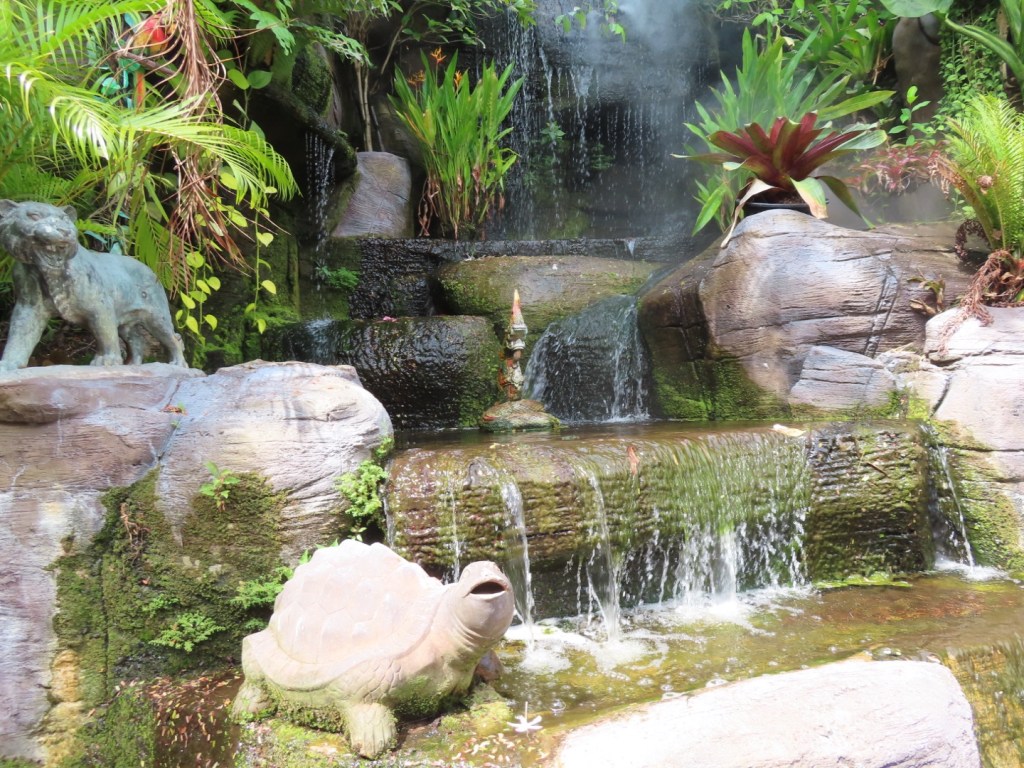
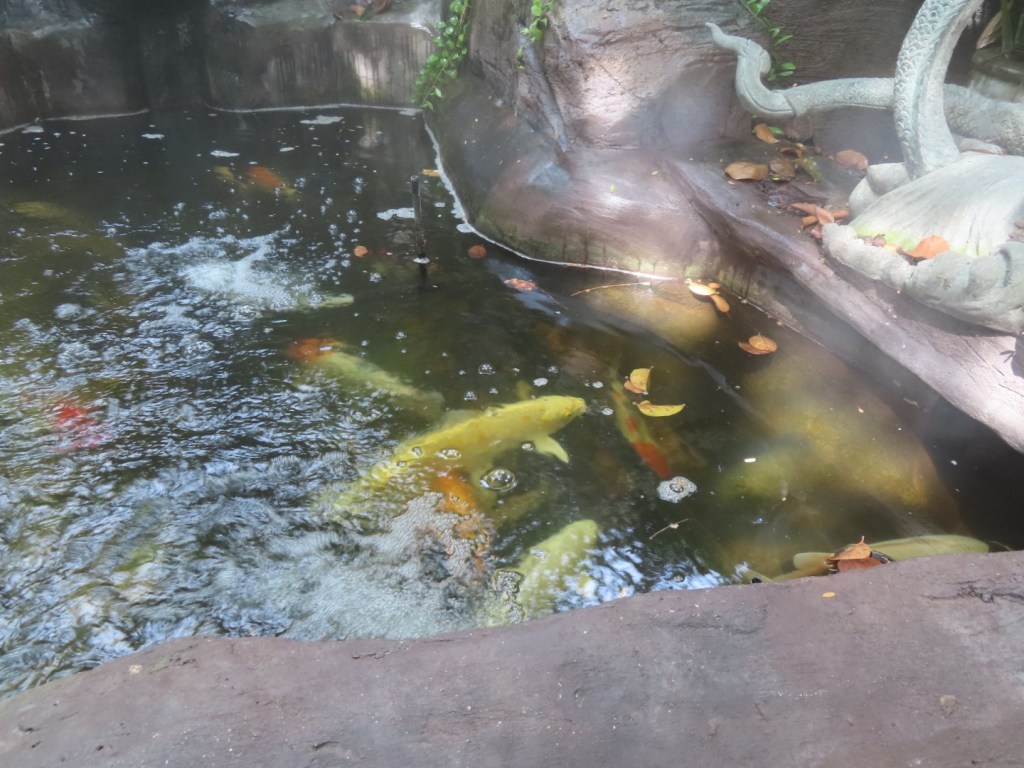
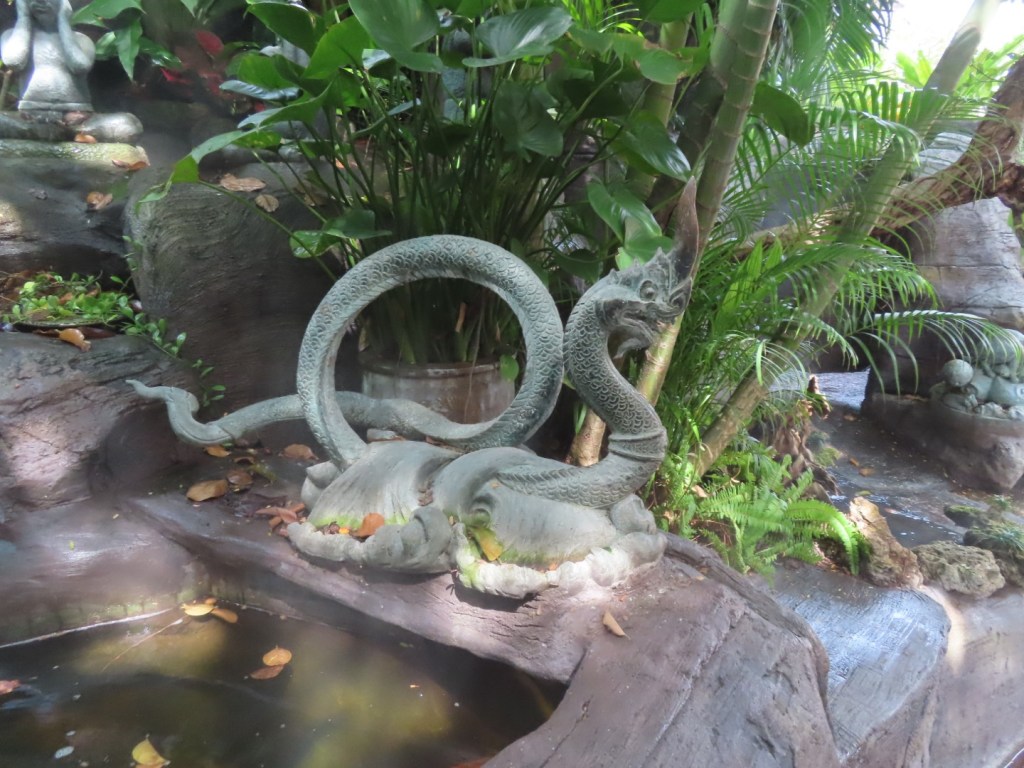
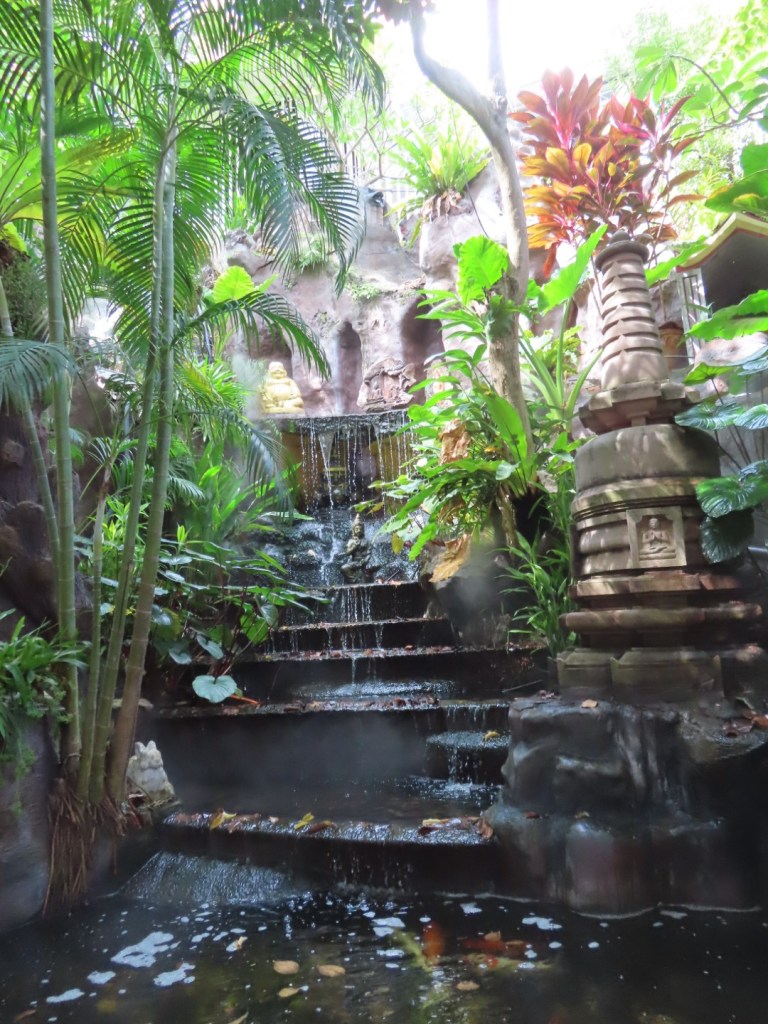
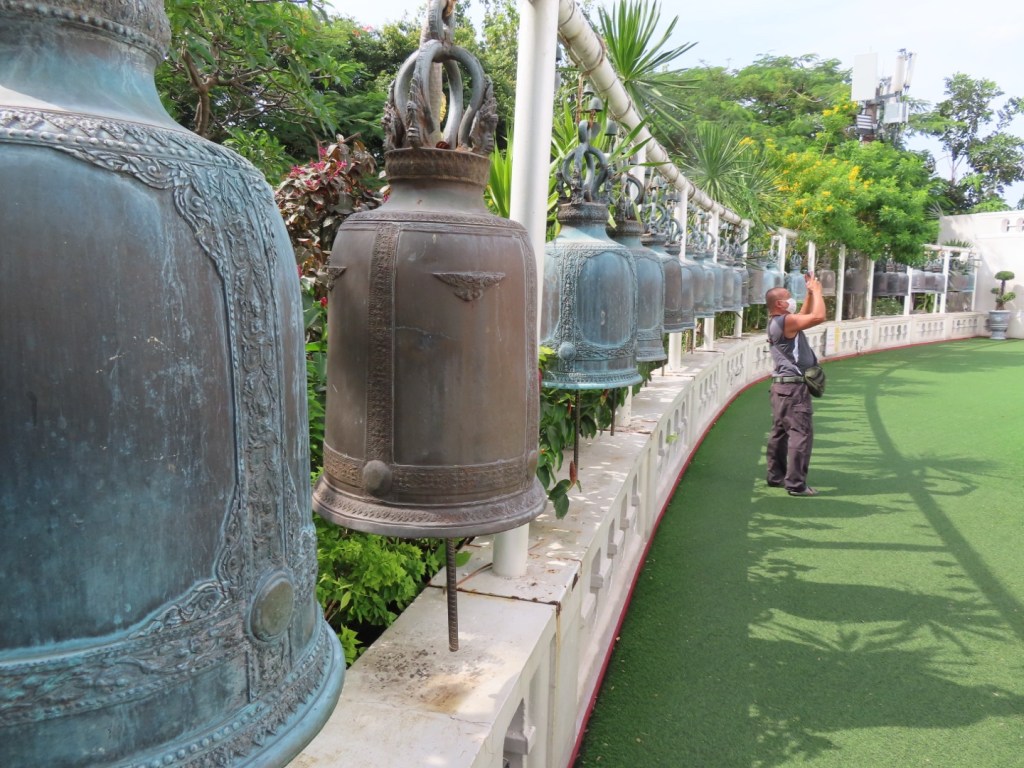

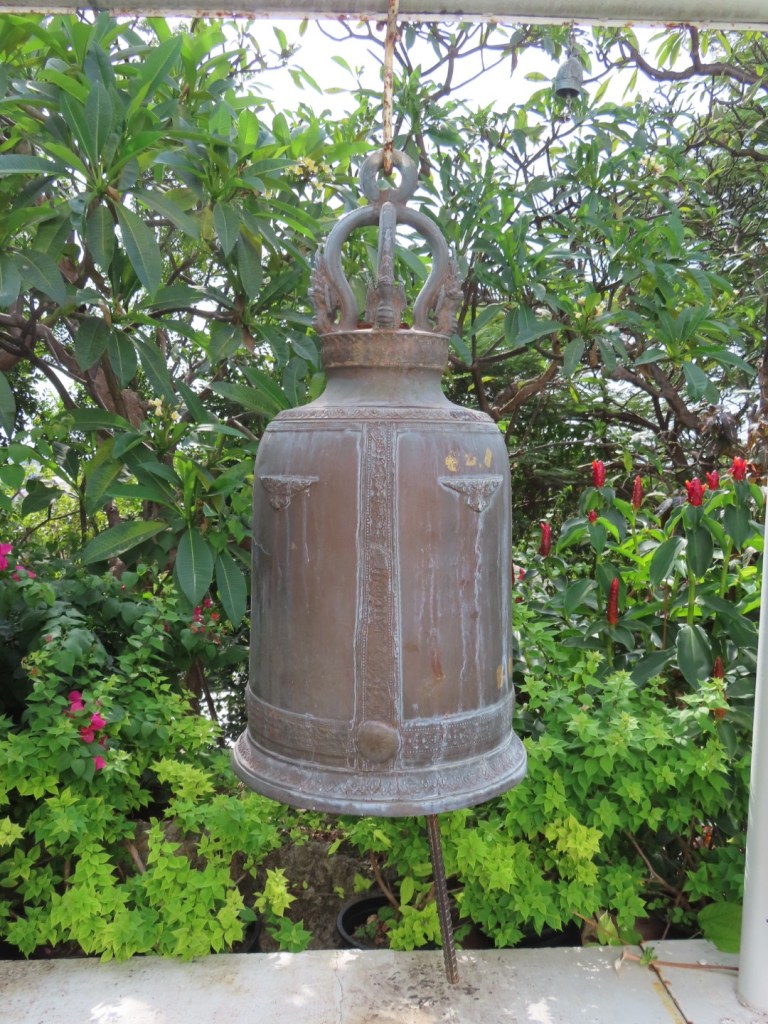
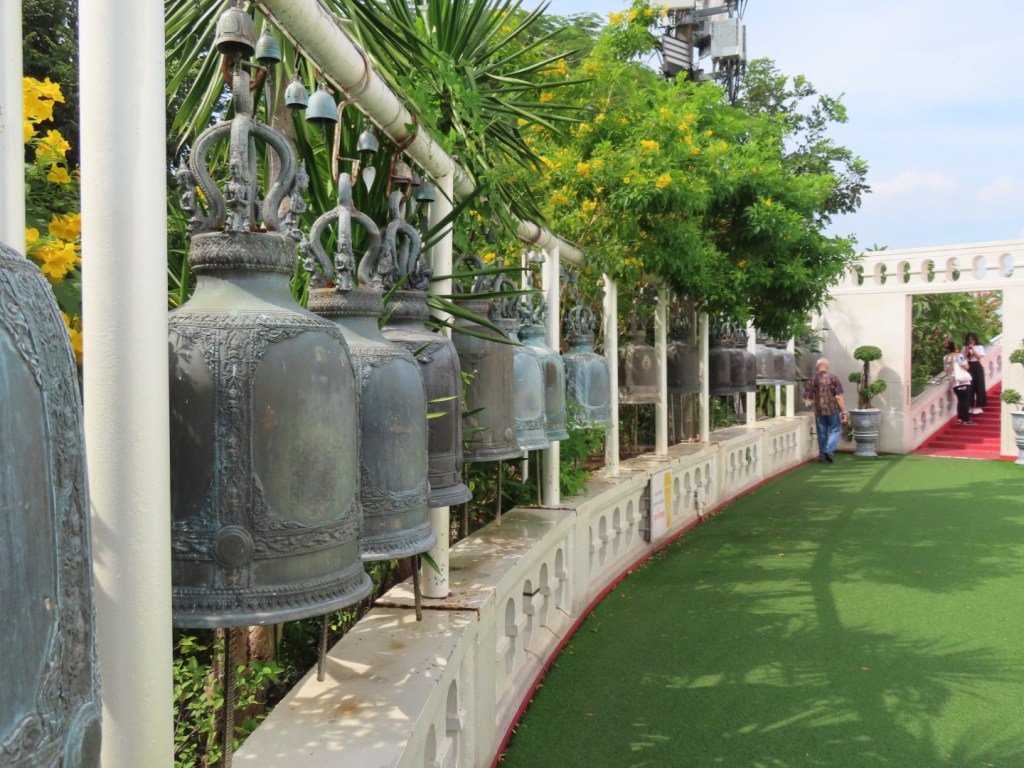


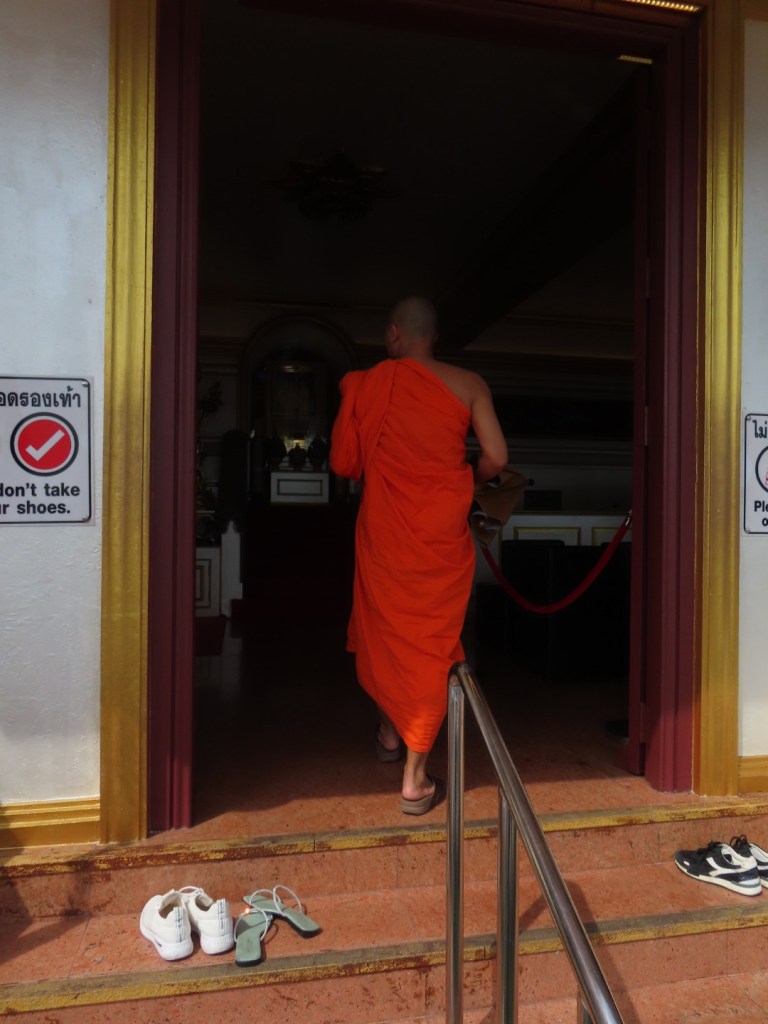
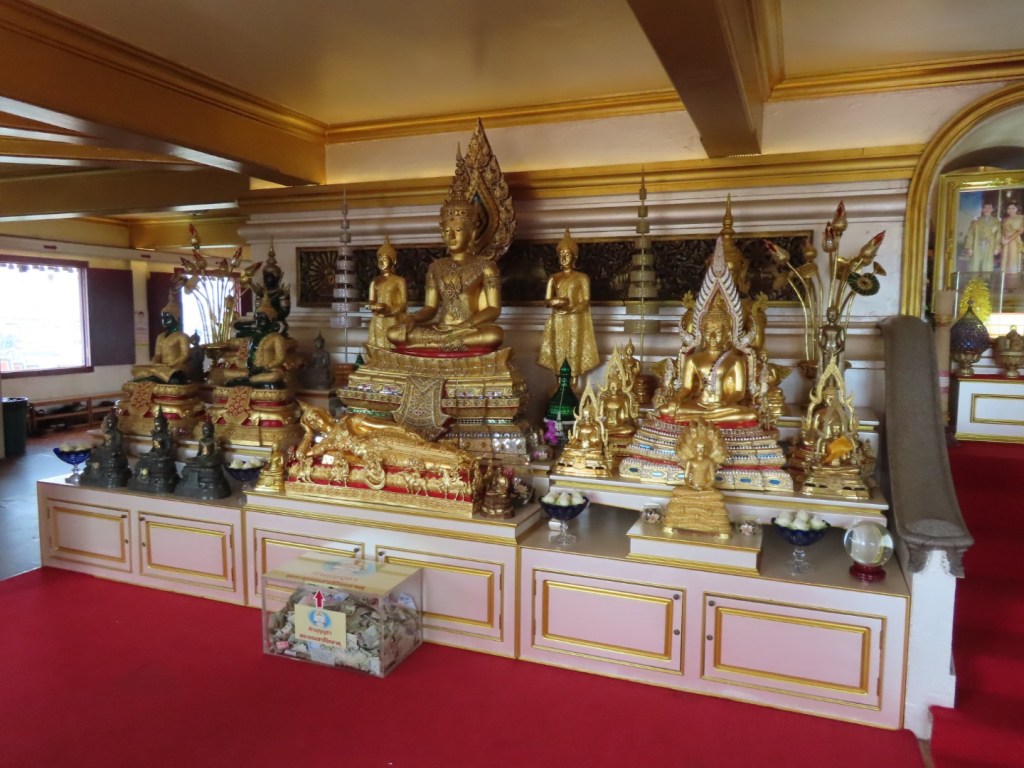
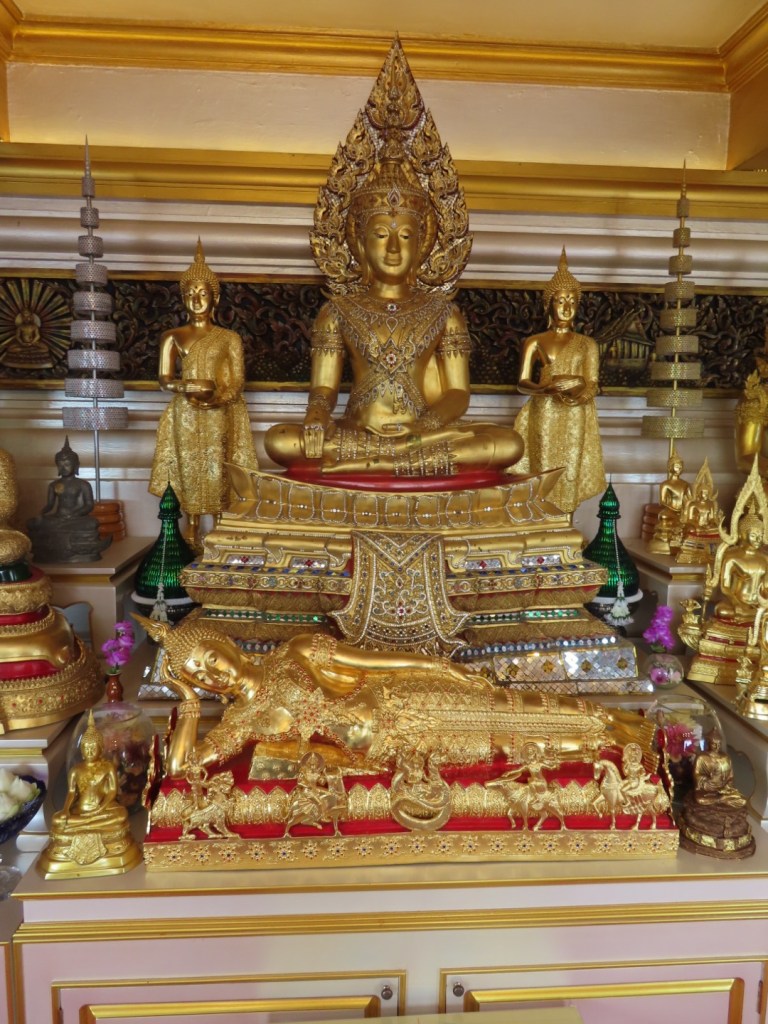
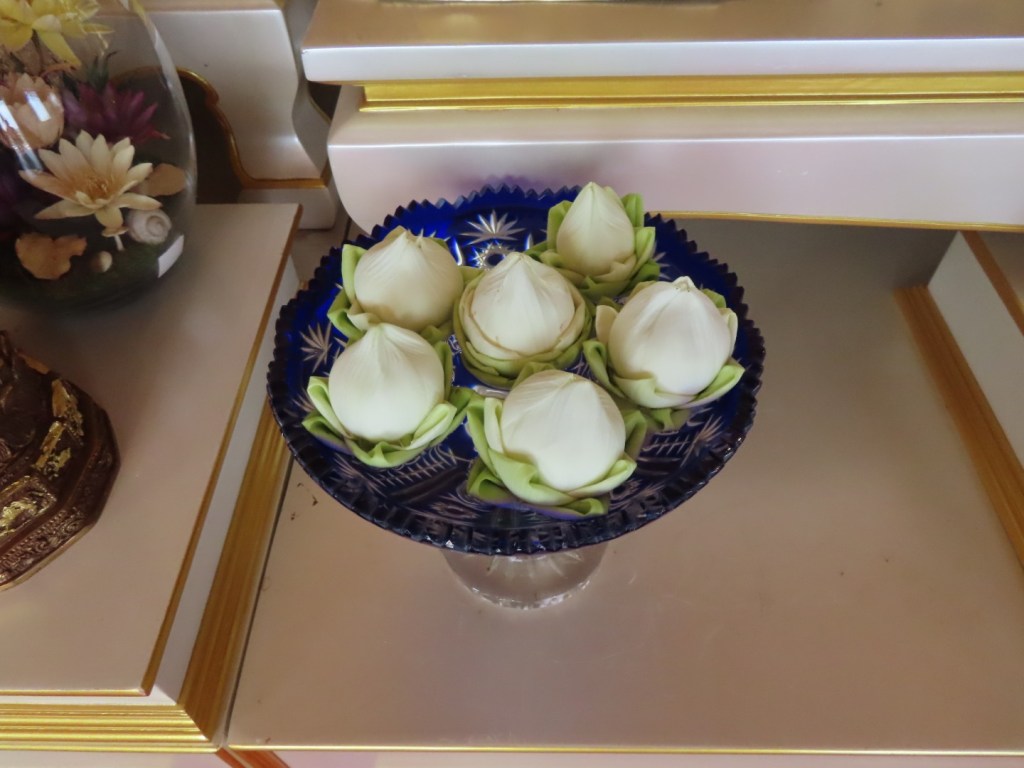
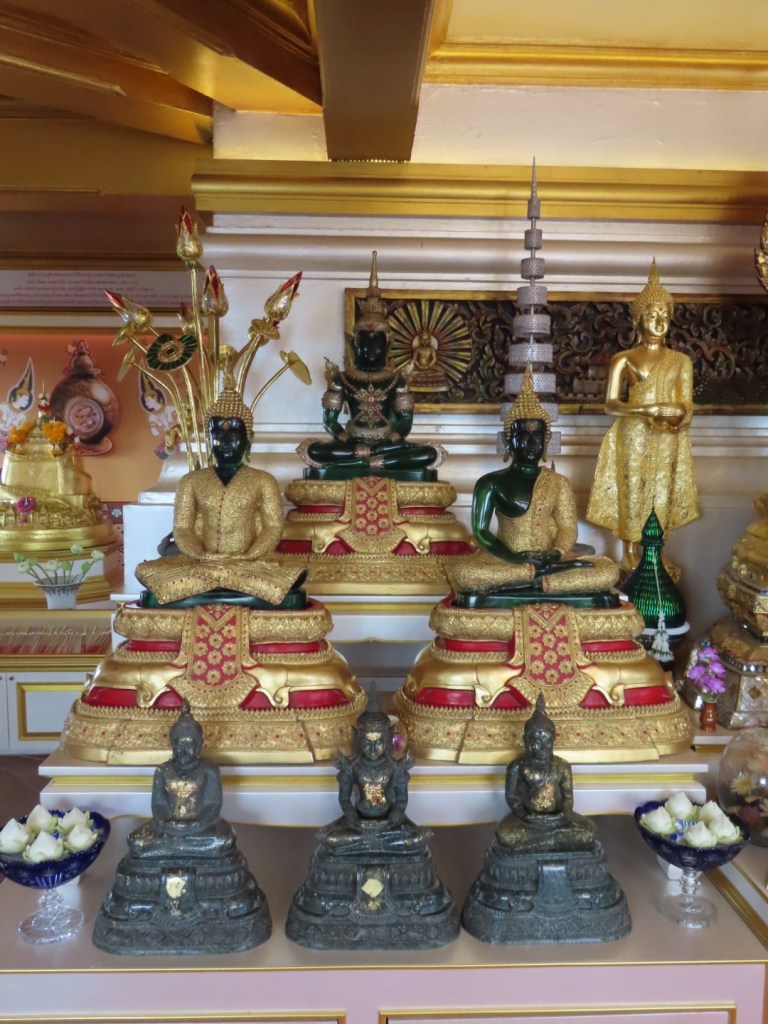
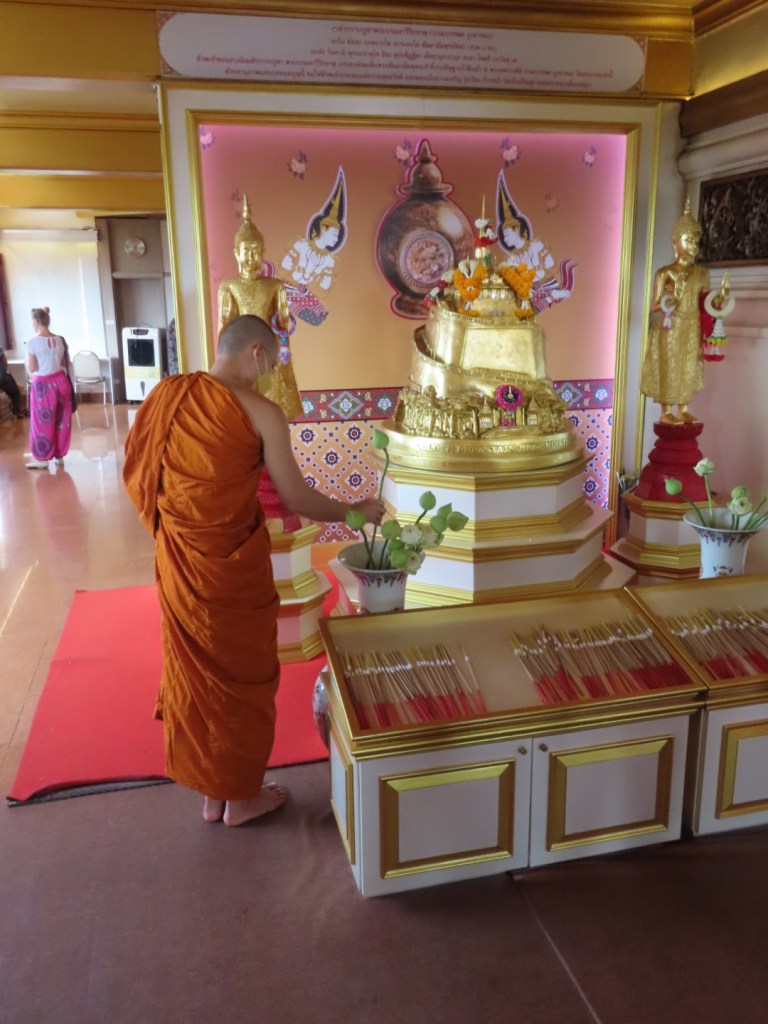
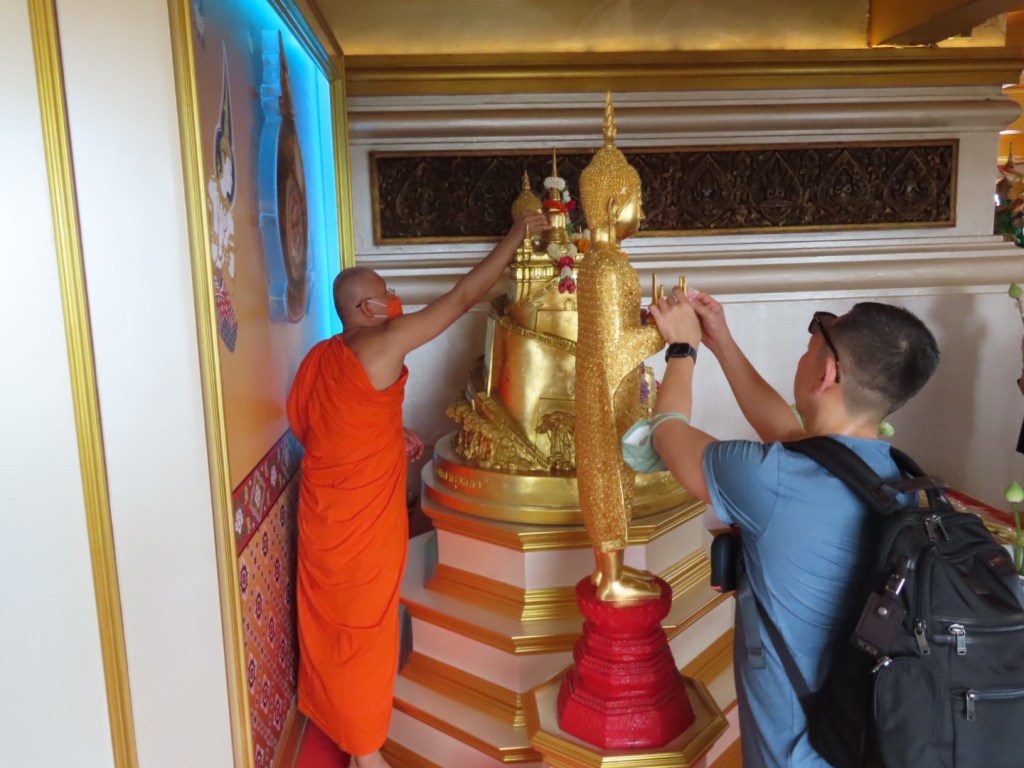

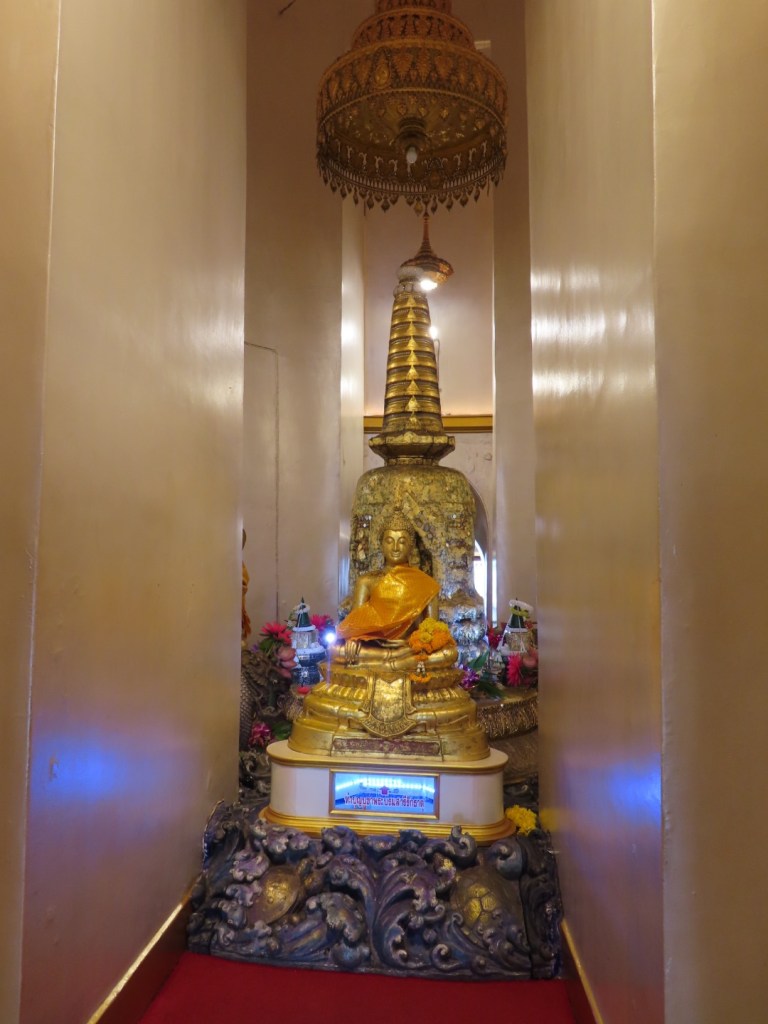
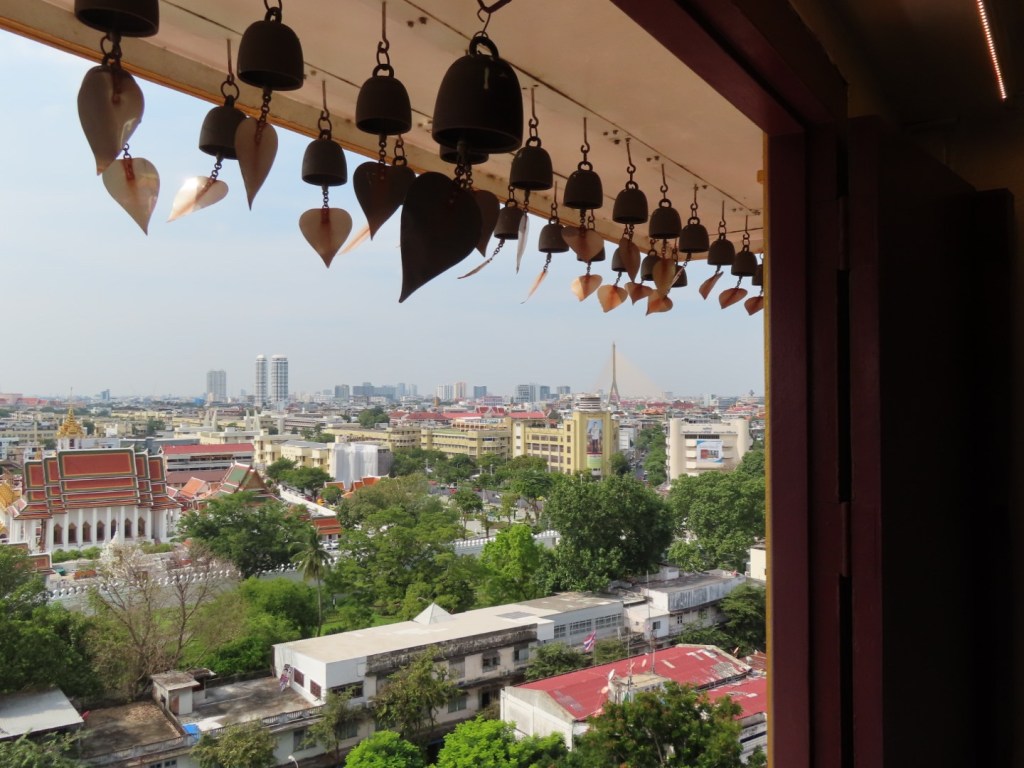
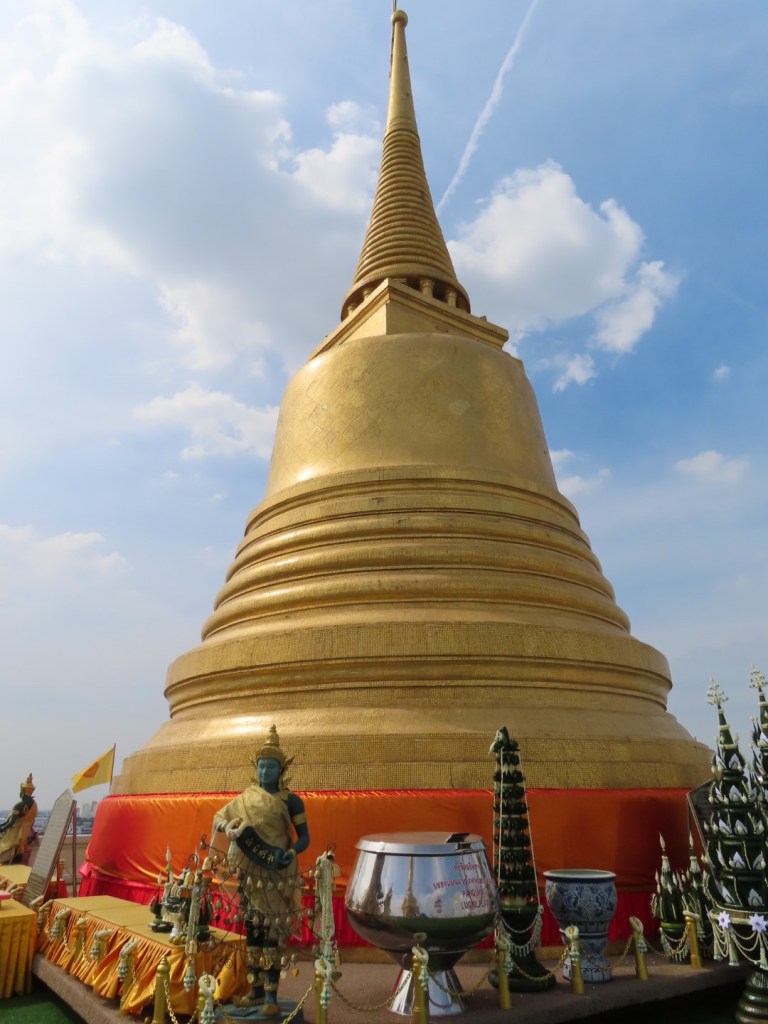
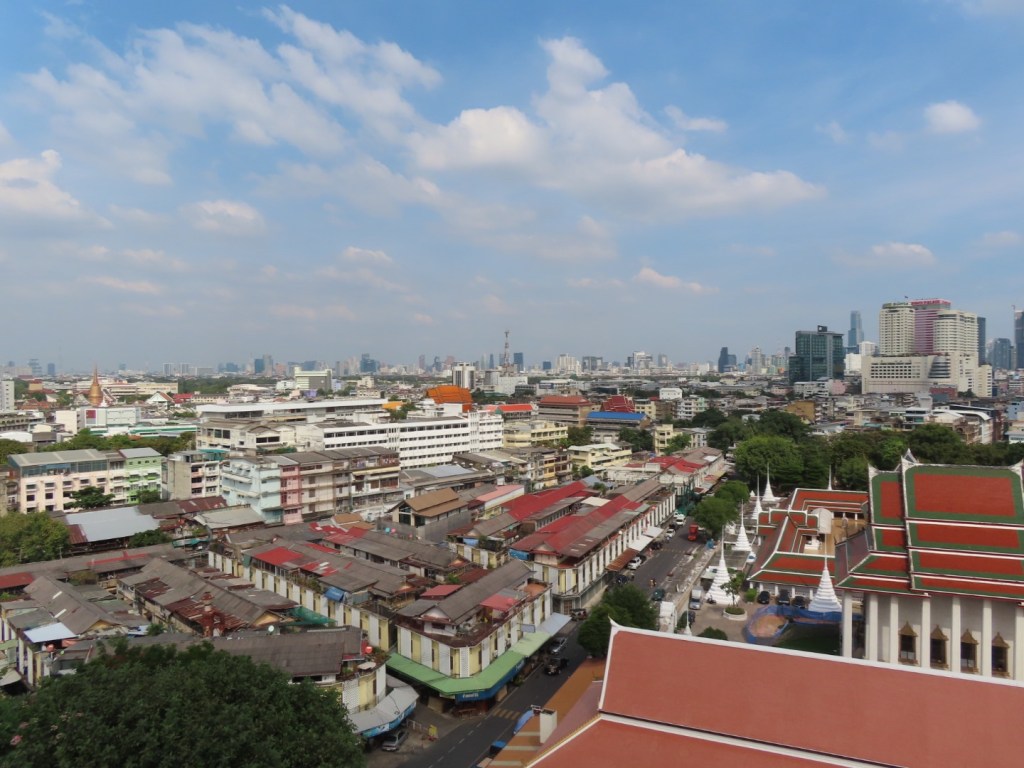
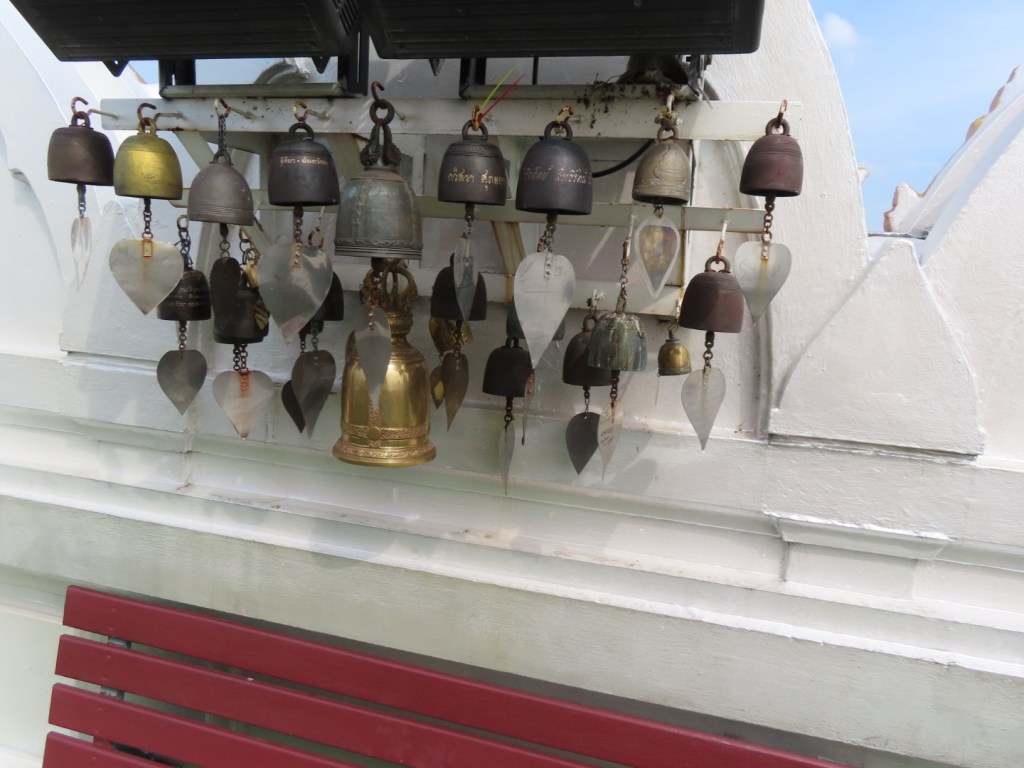
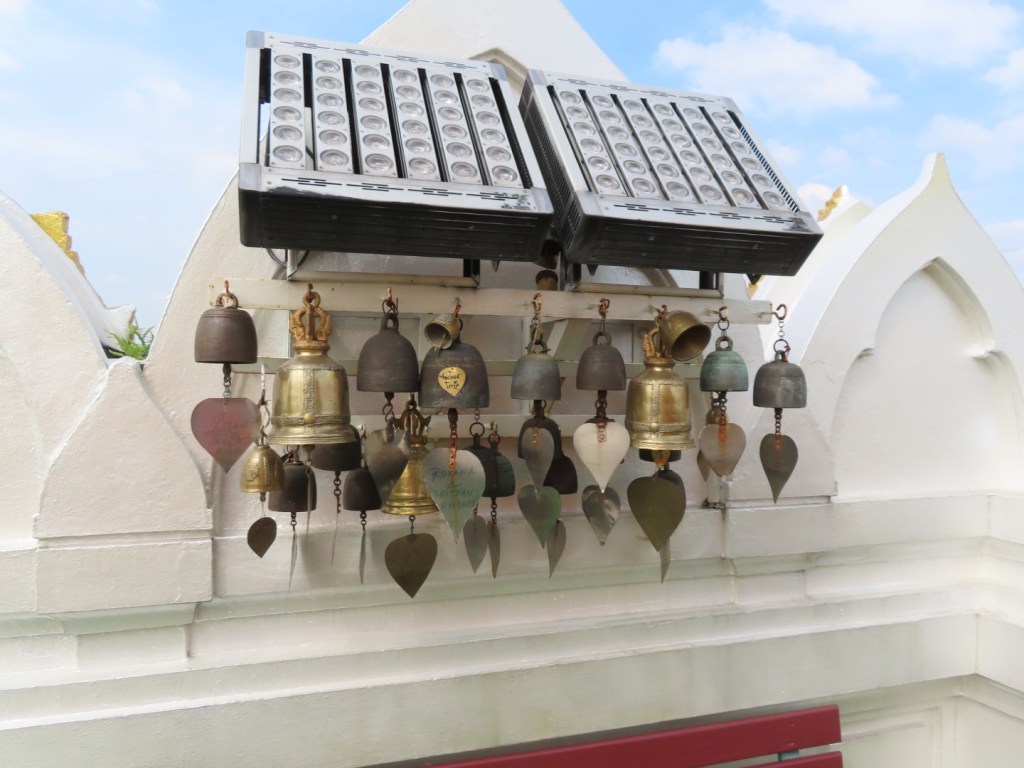
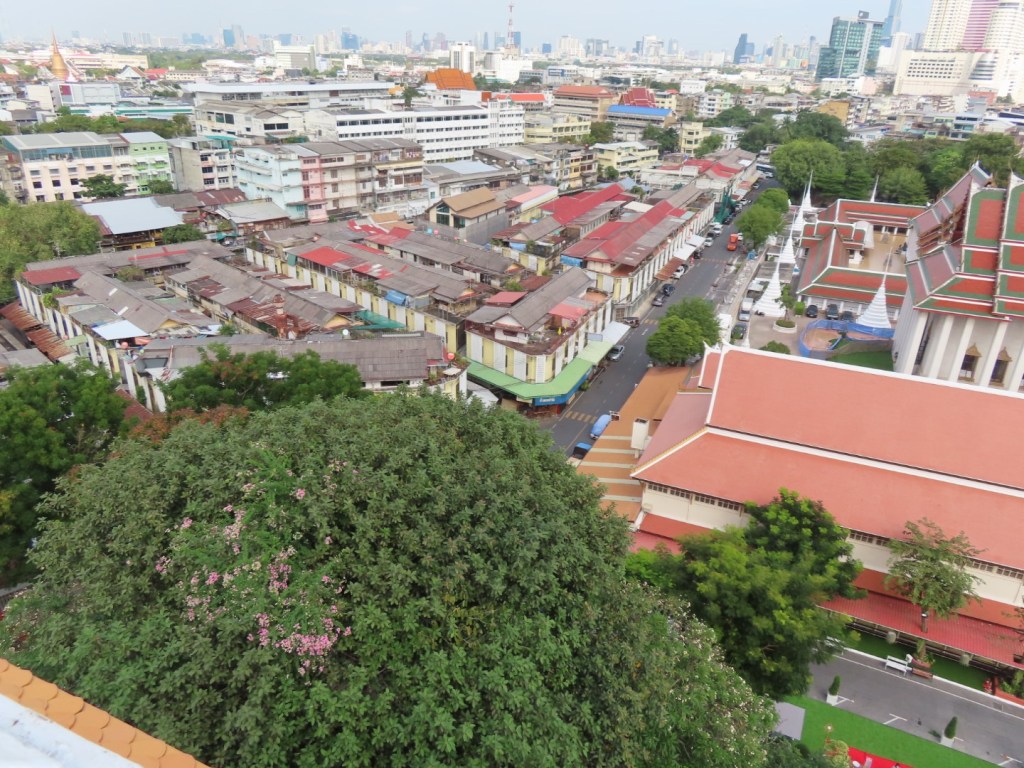
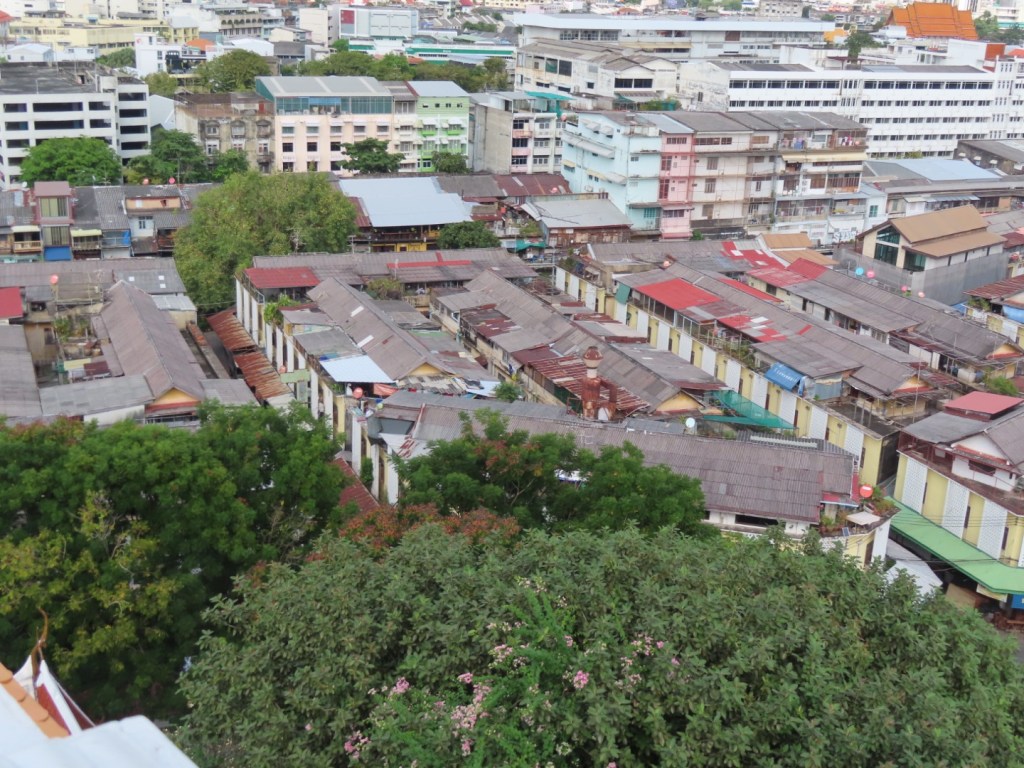
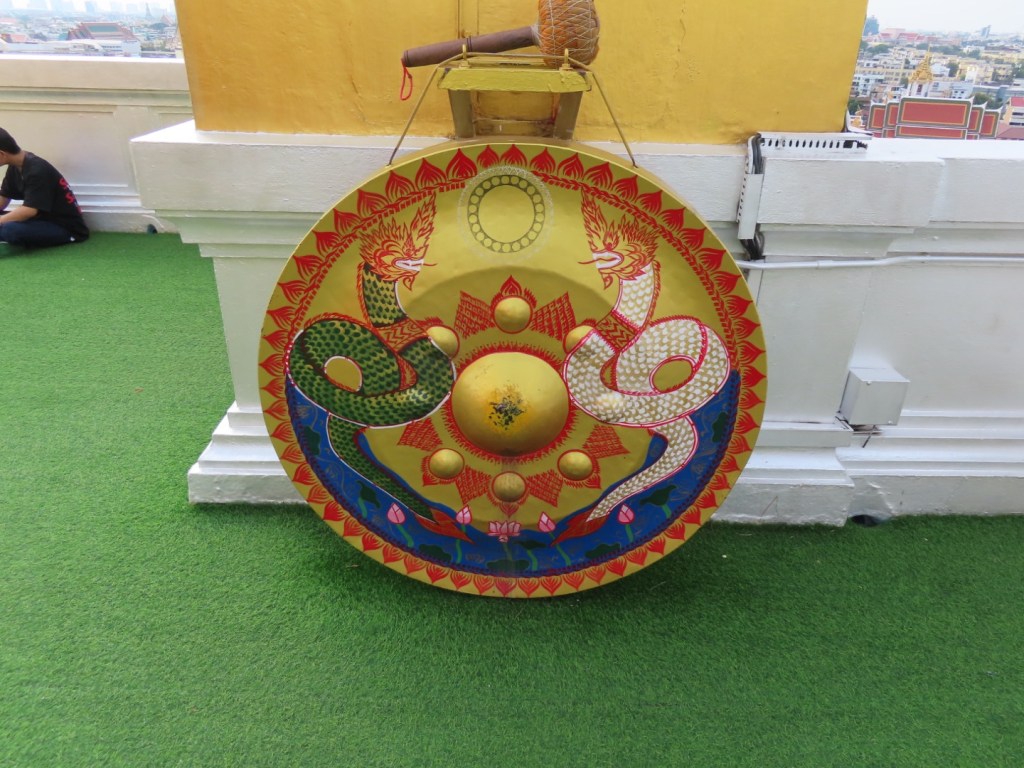
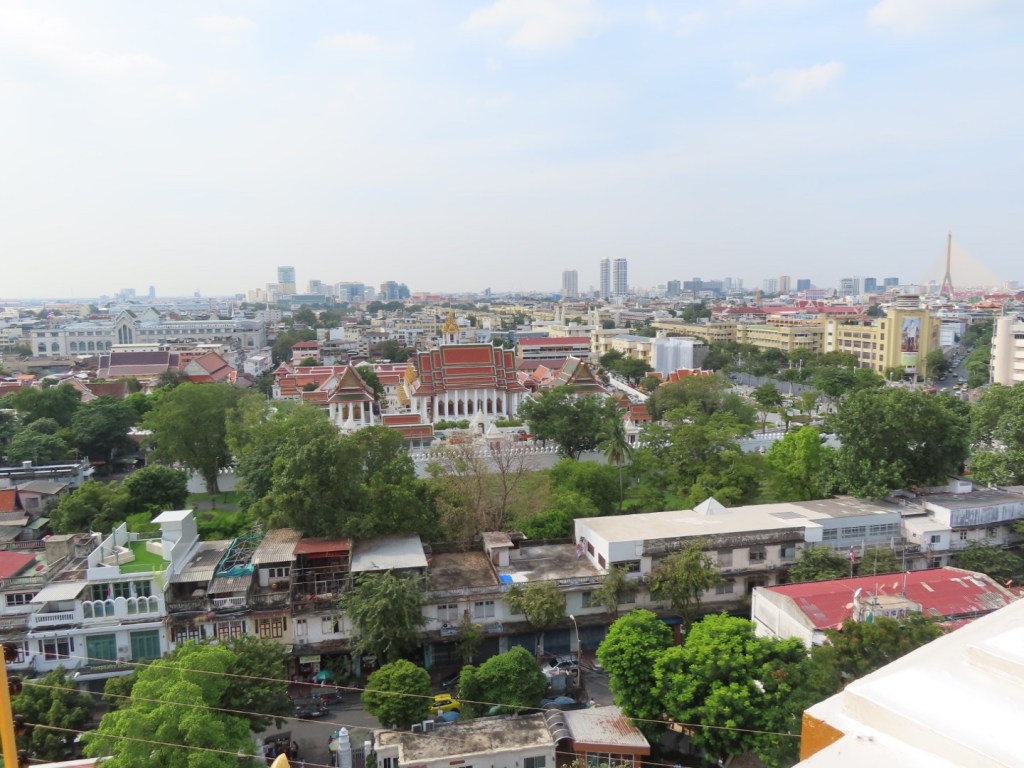
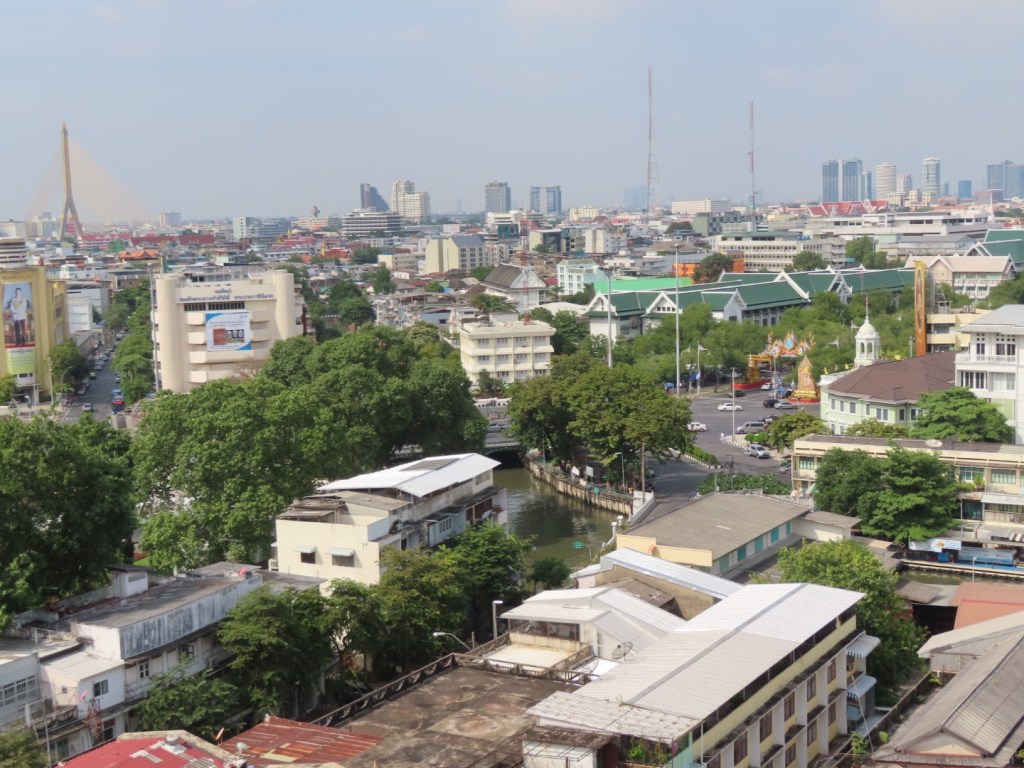
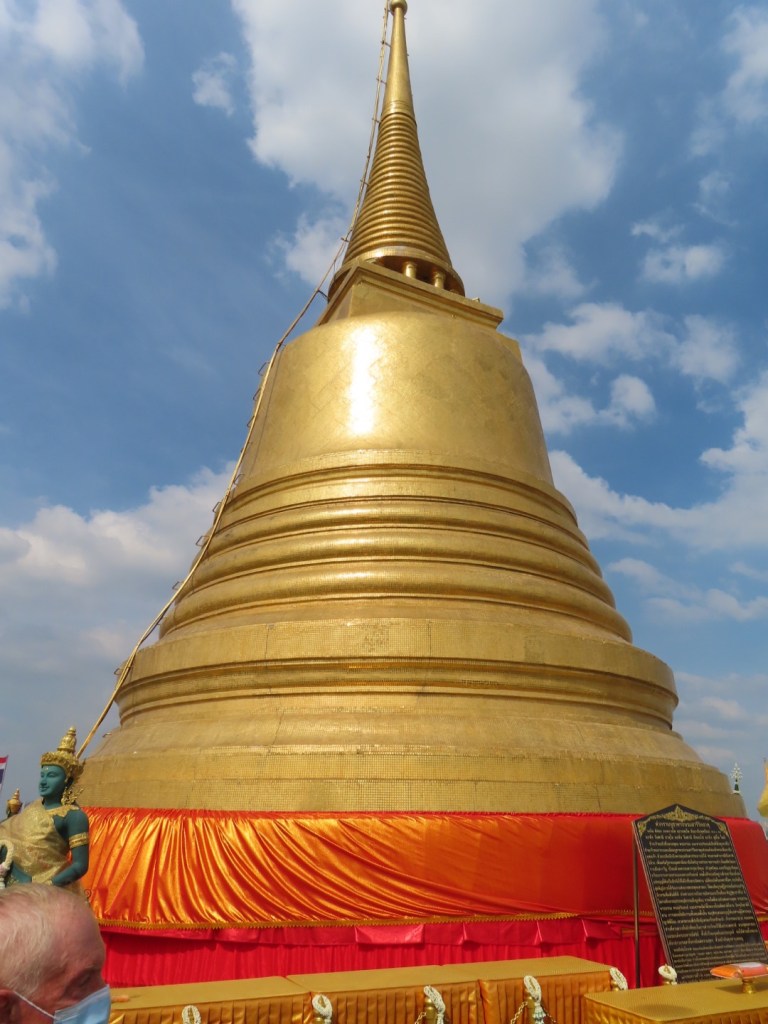
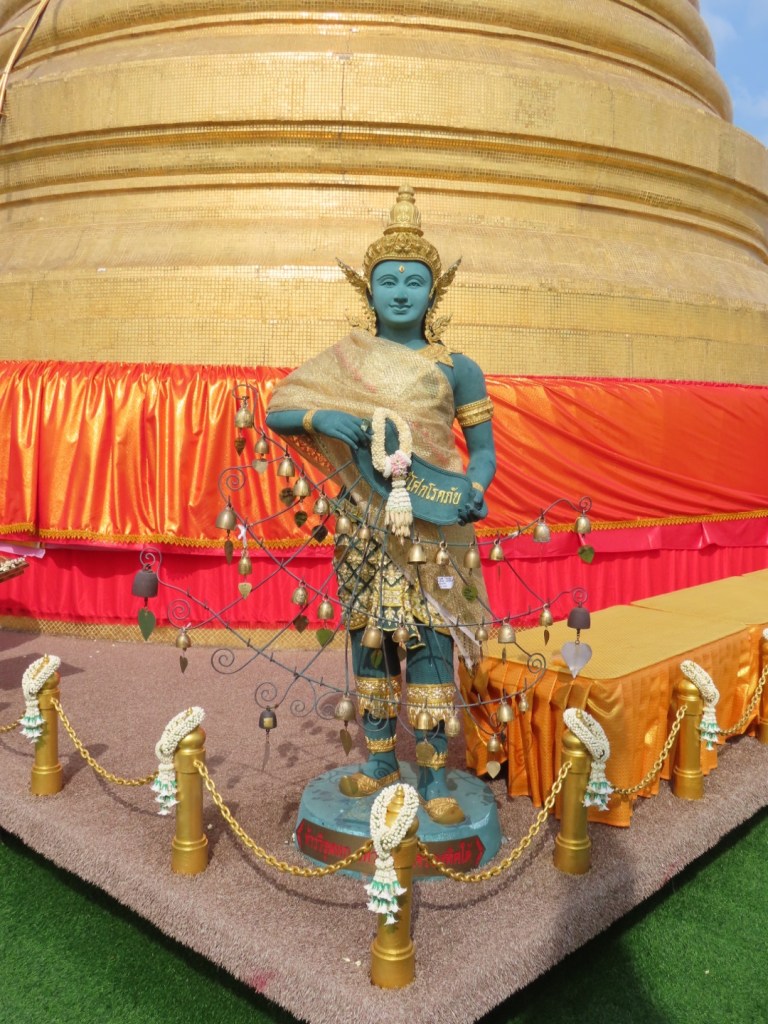
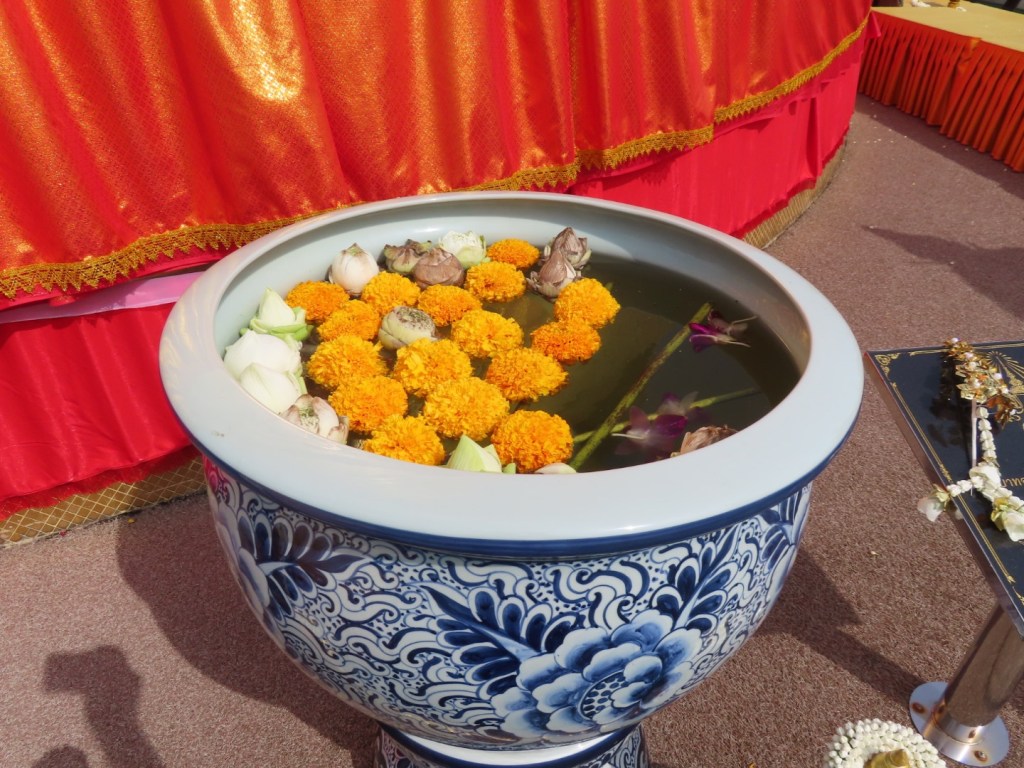
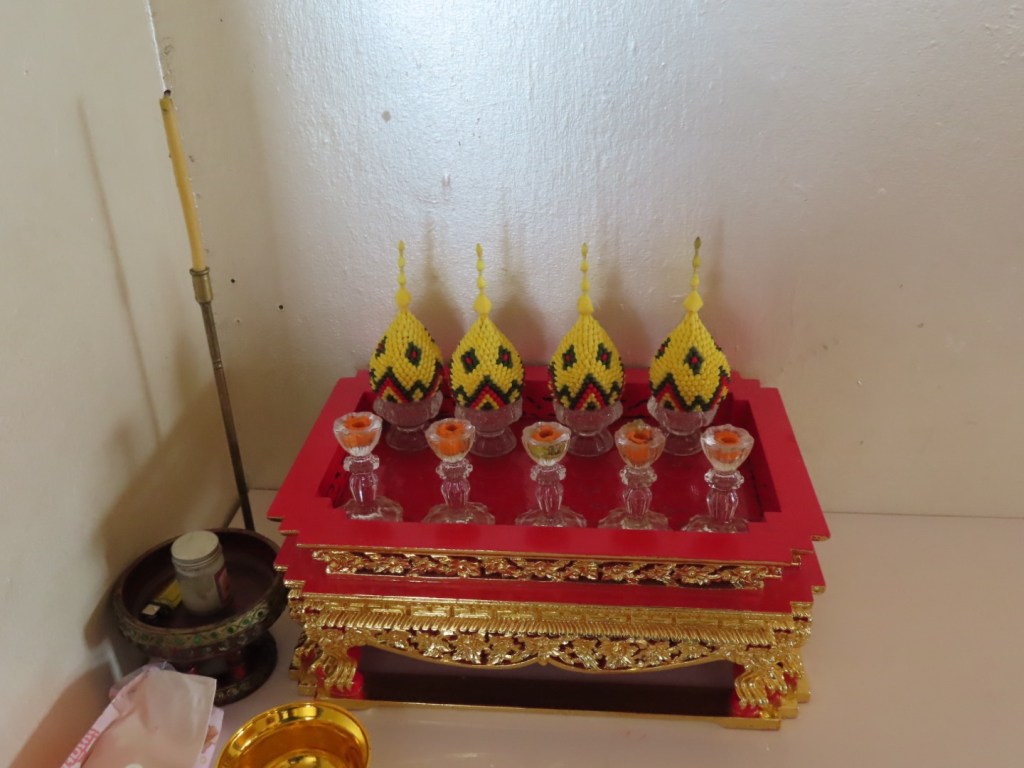

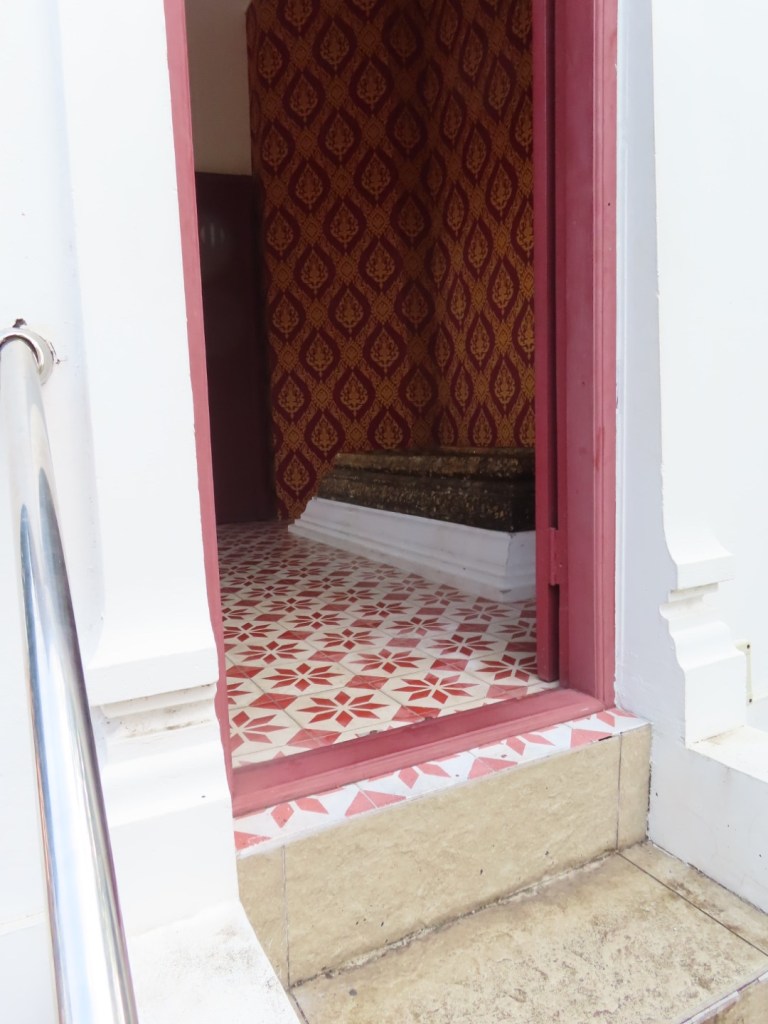
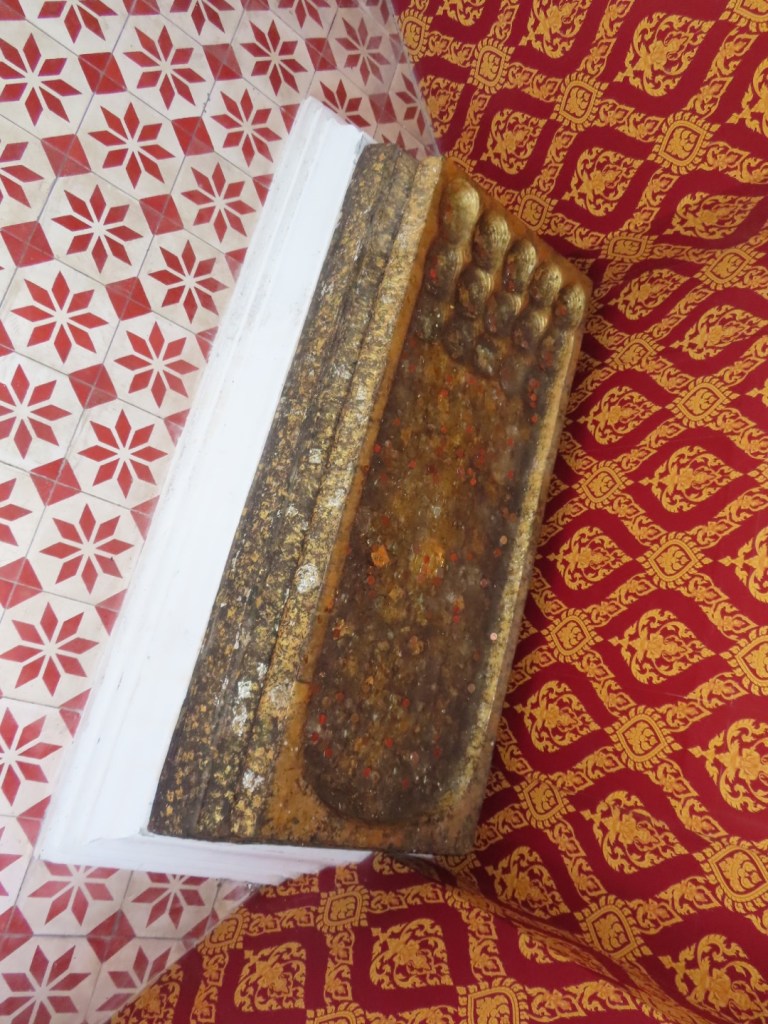

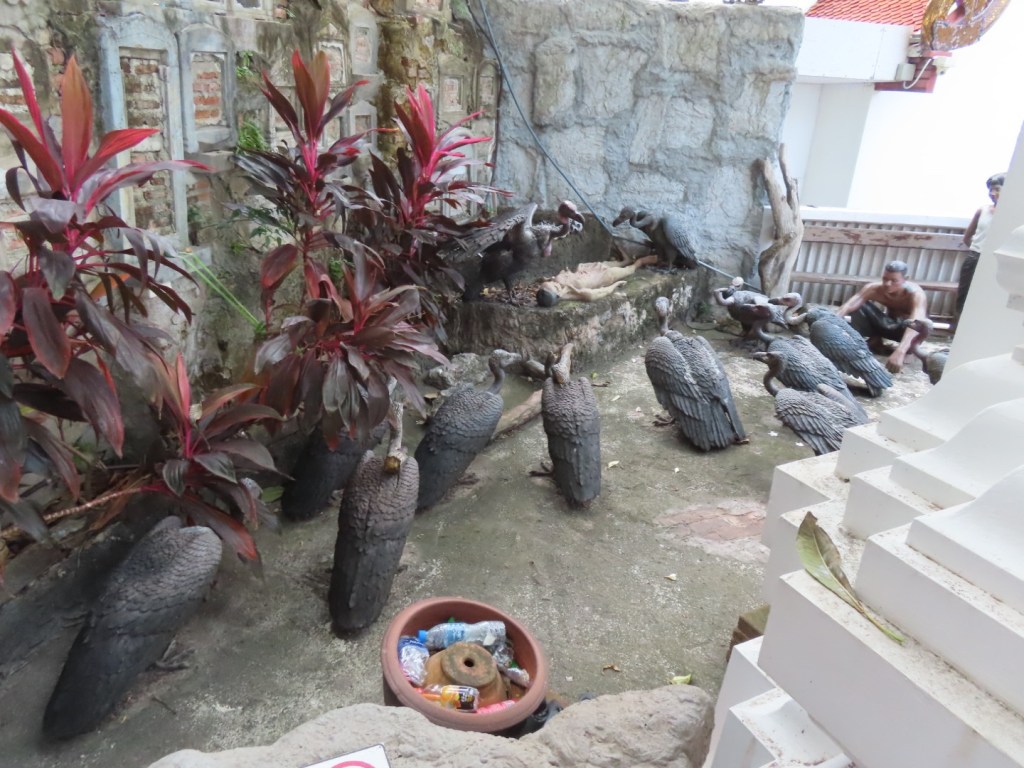
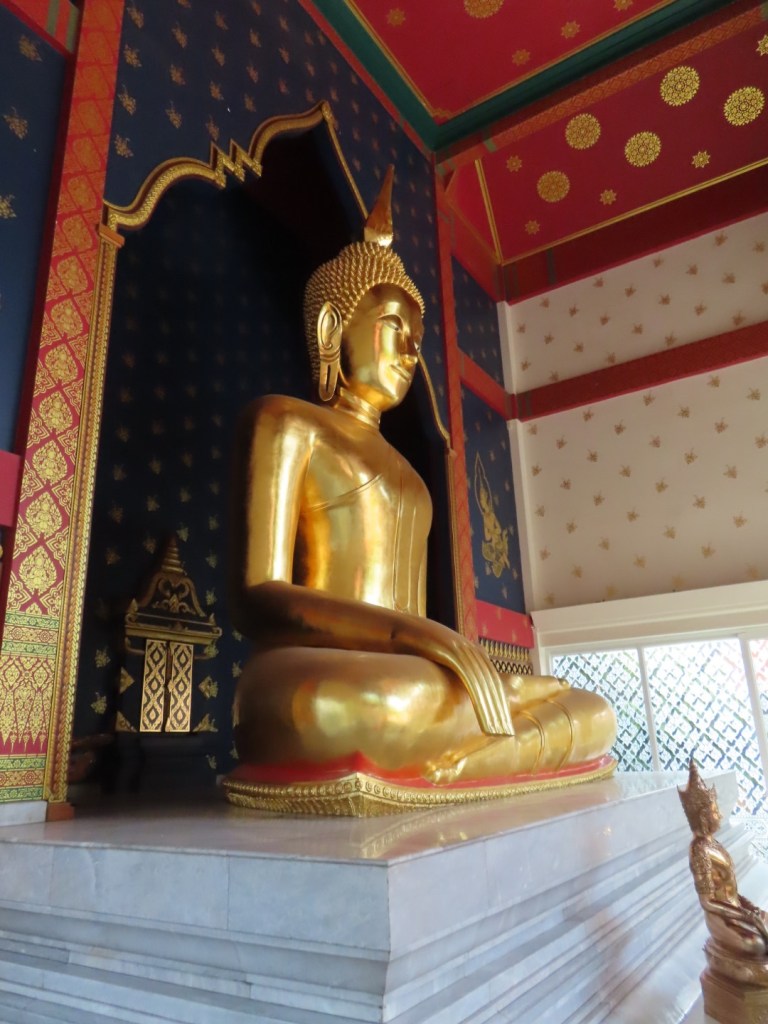
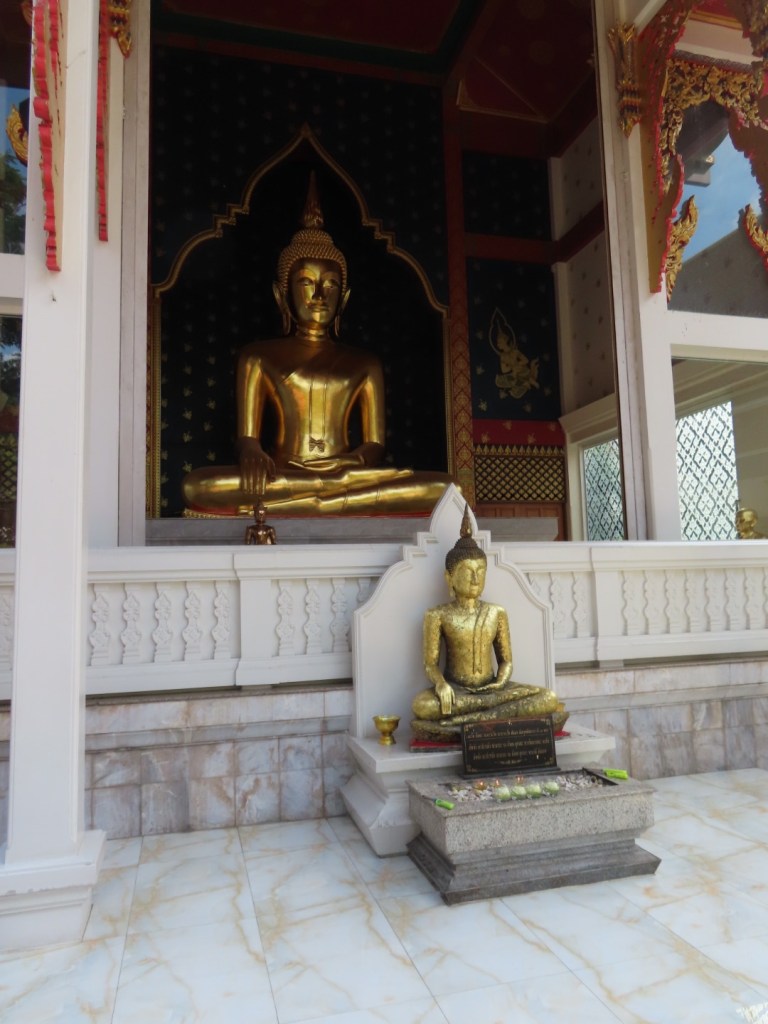
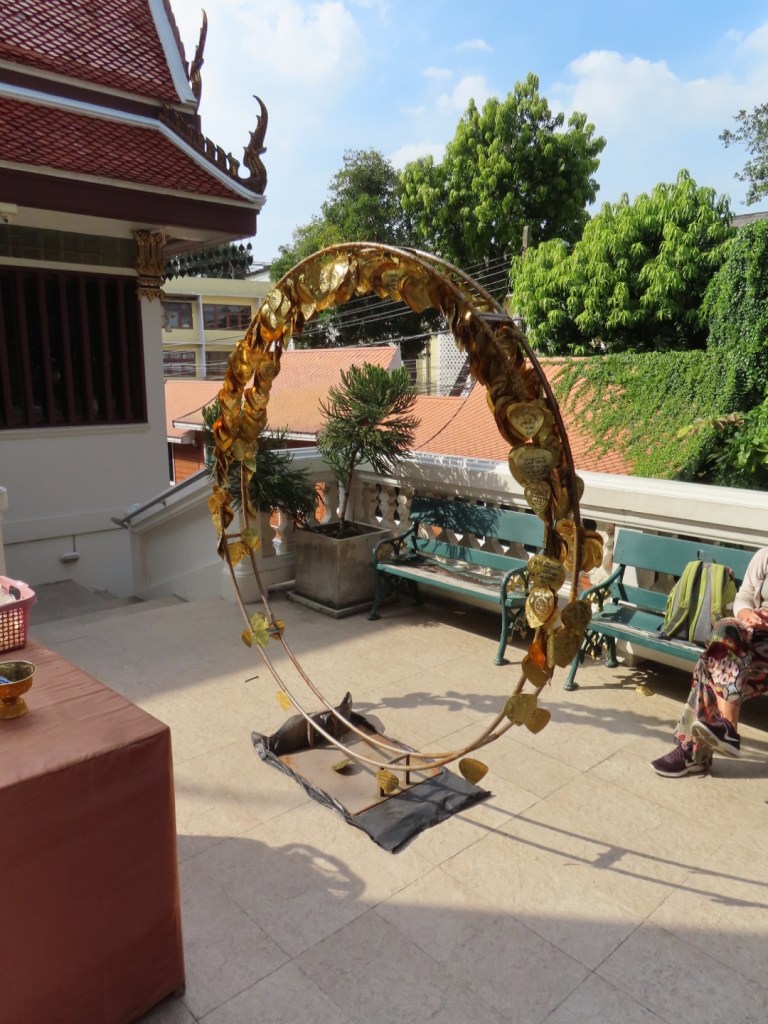
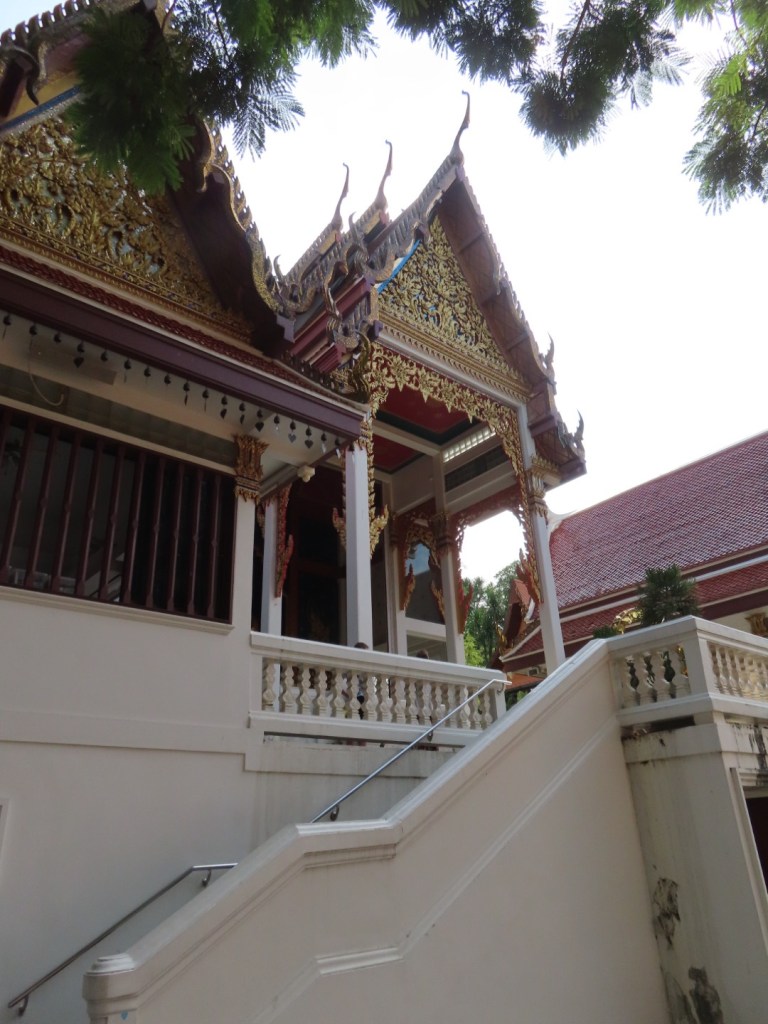
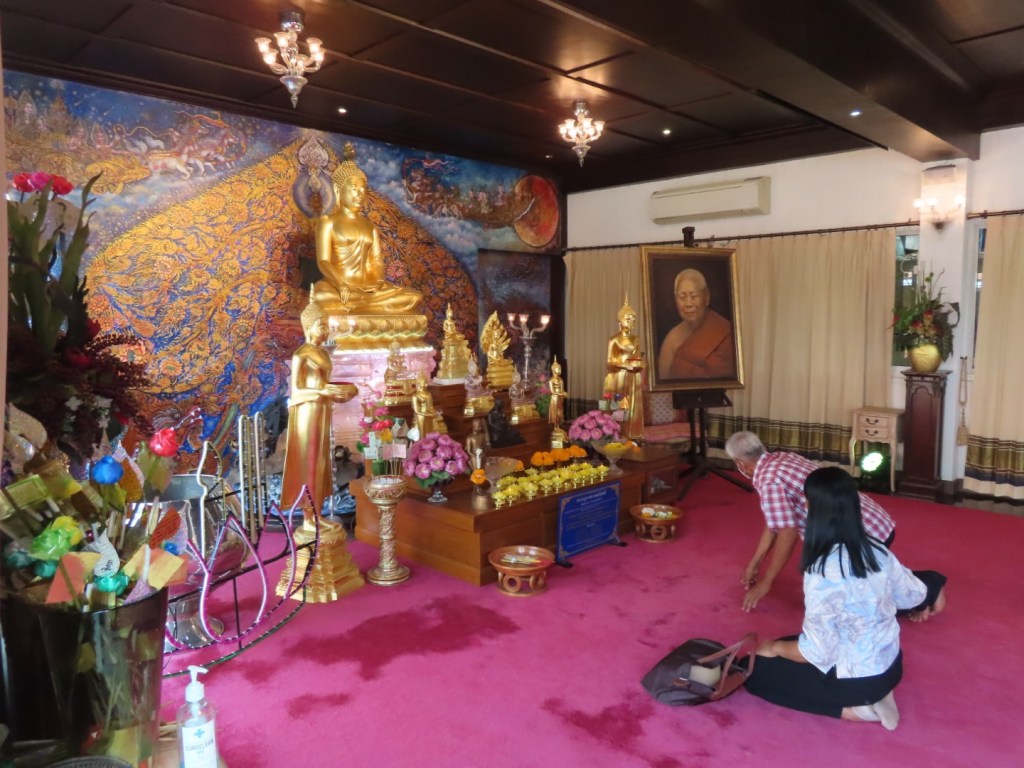
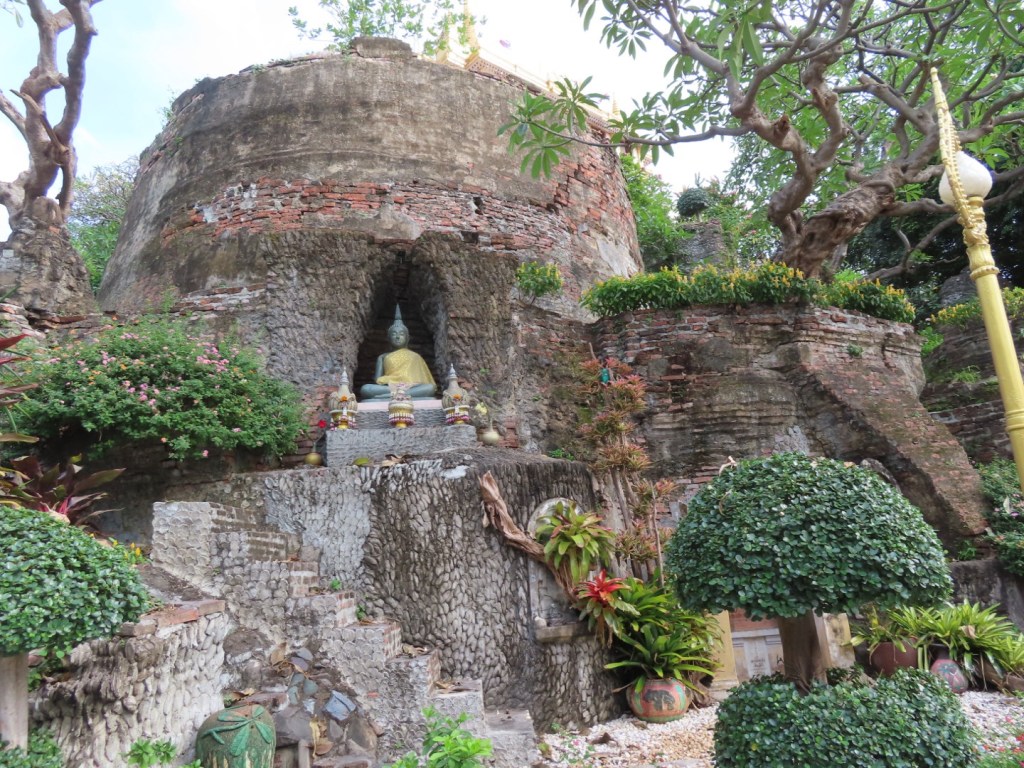
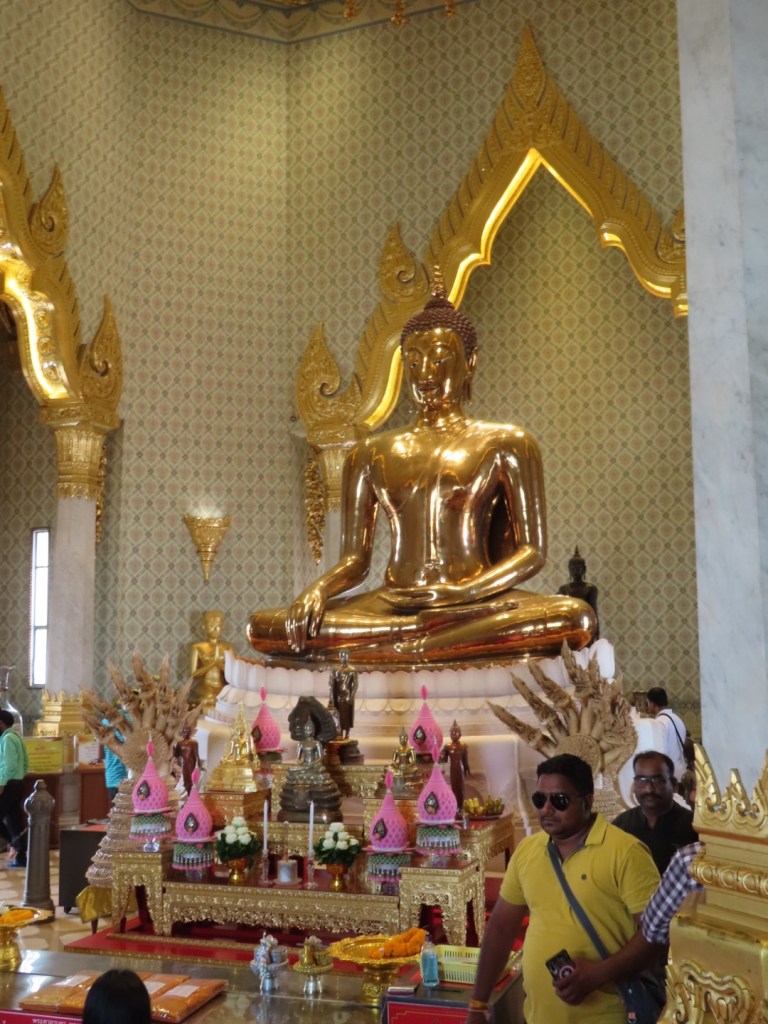
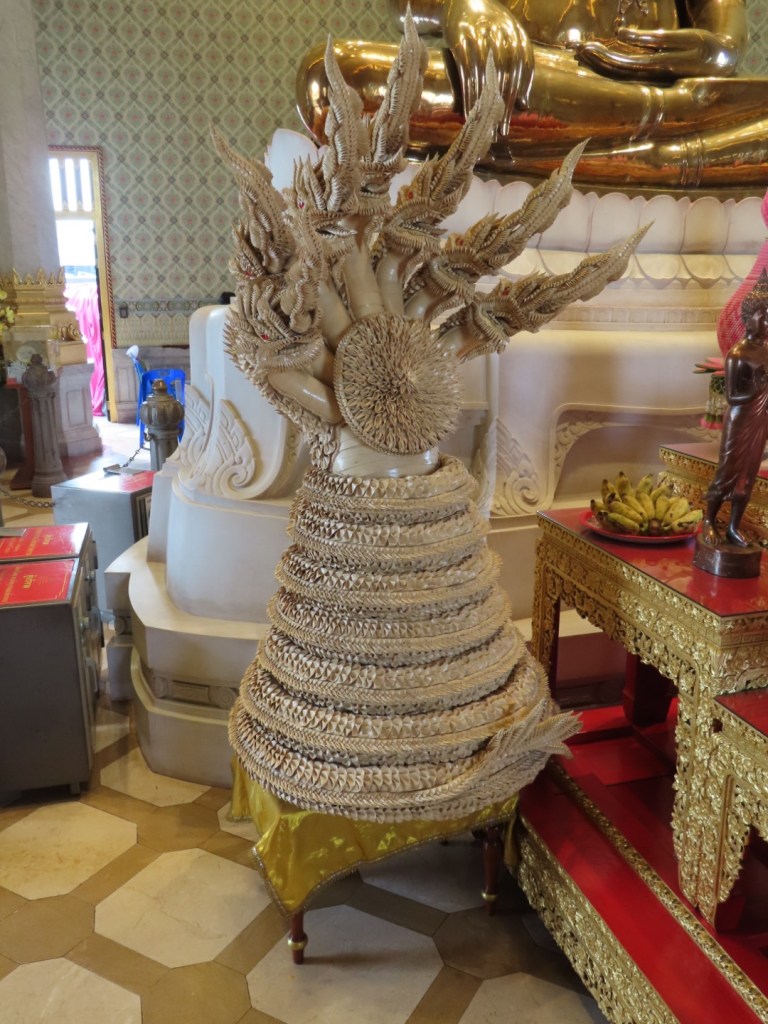
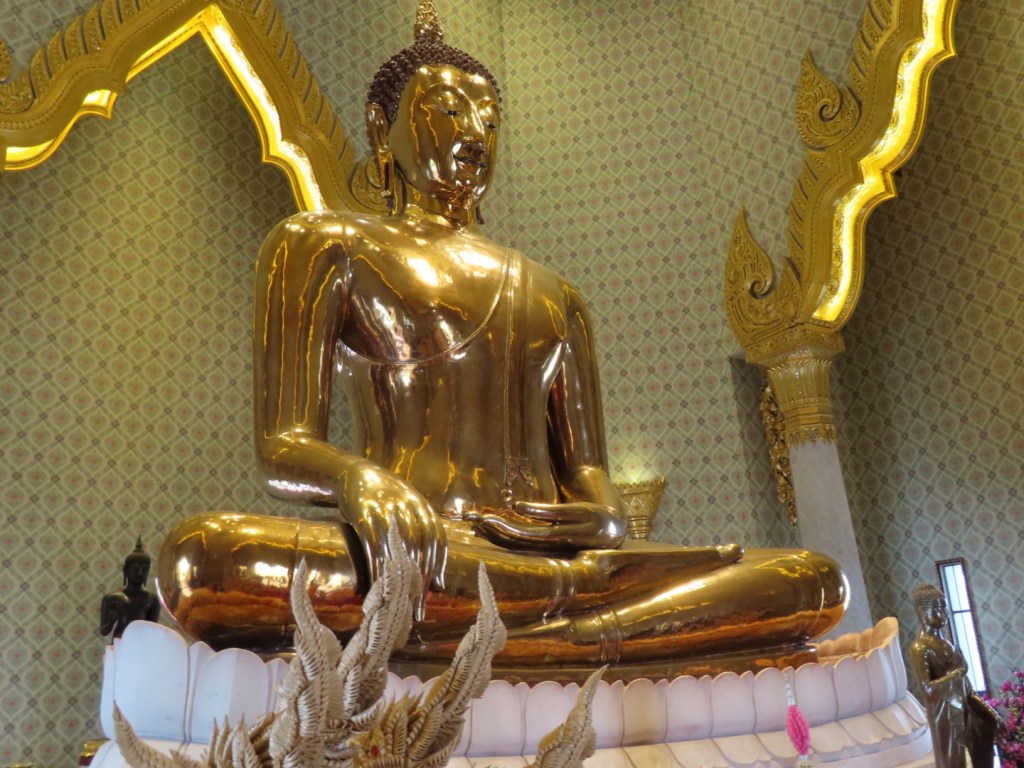
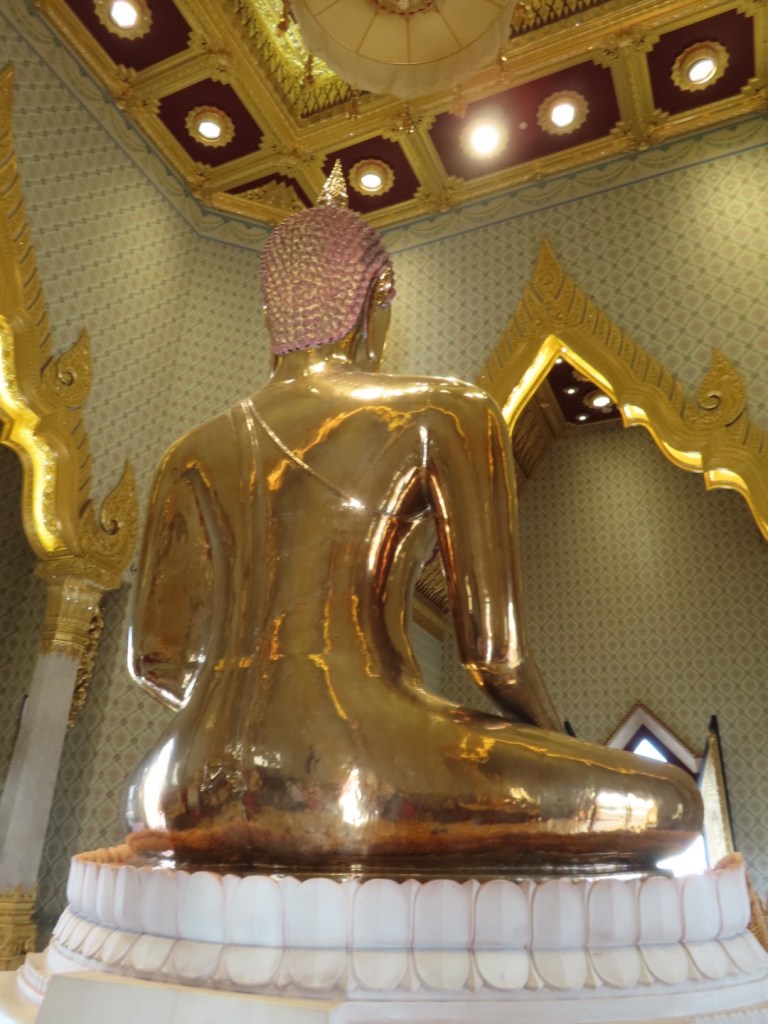
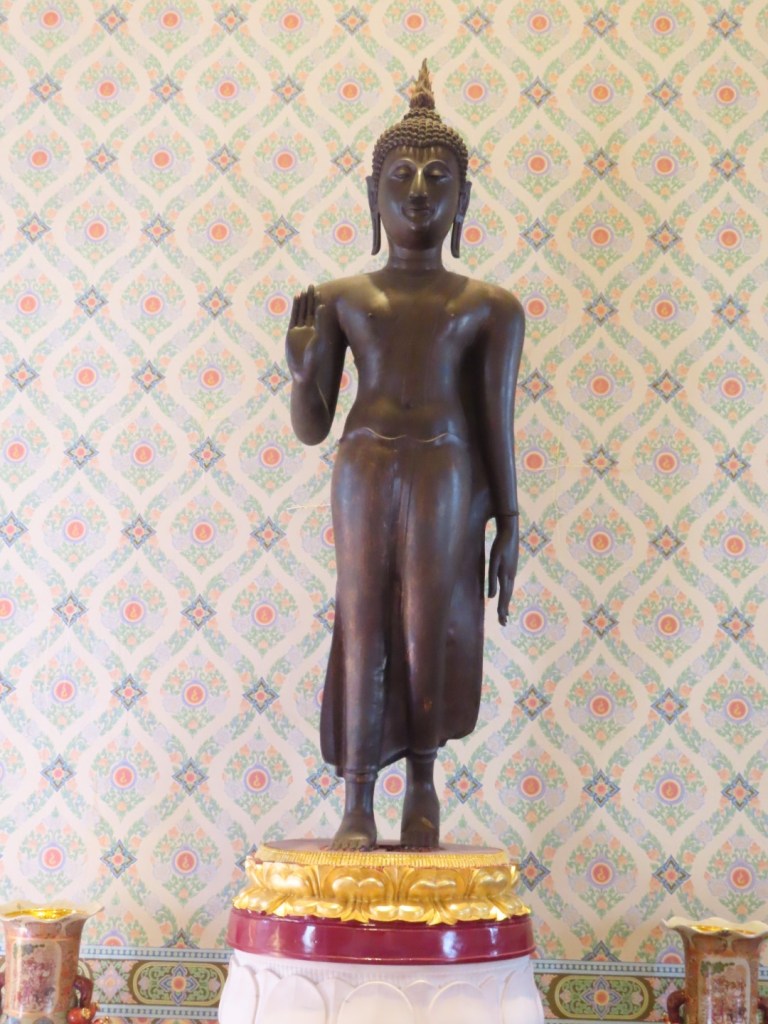
Next we went to see the golden Buddha – a 5.5 ton, solid gold statue that was covered in clay to hide its value from invaders. It was rediscovered many years later when the outer clay was damaged during a move.
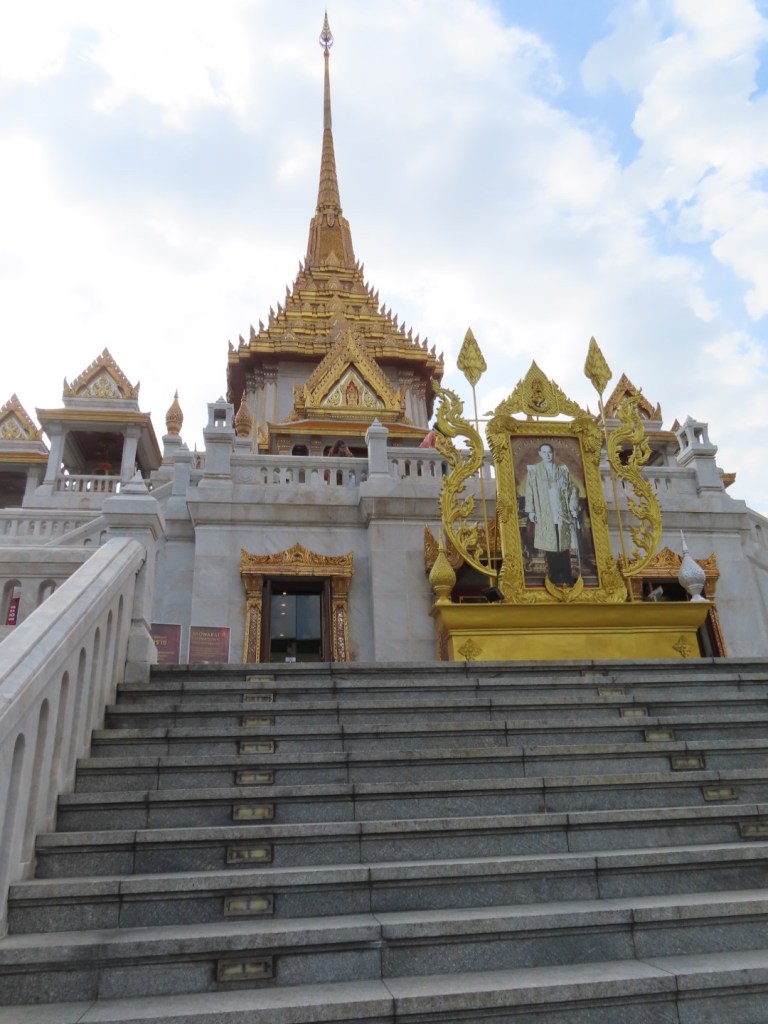
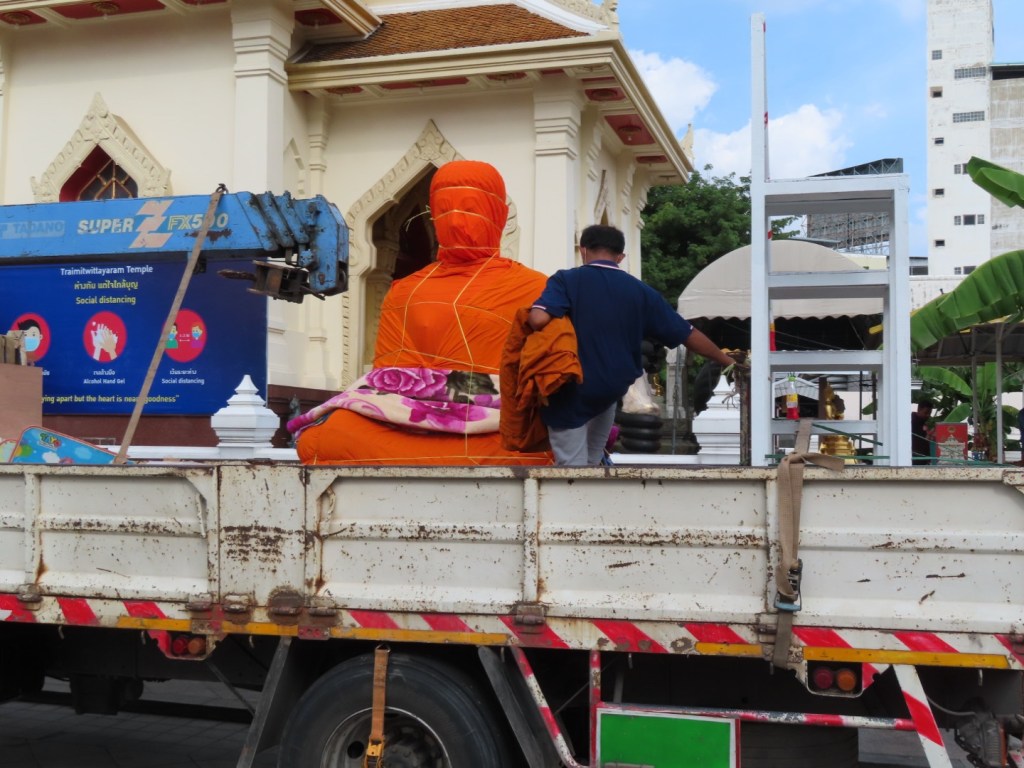
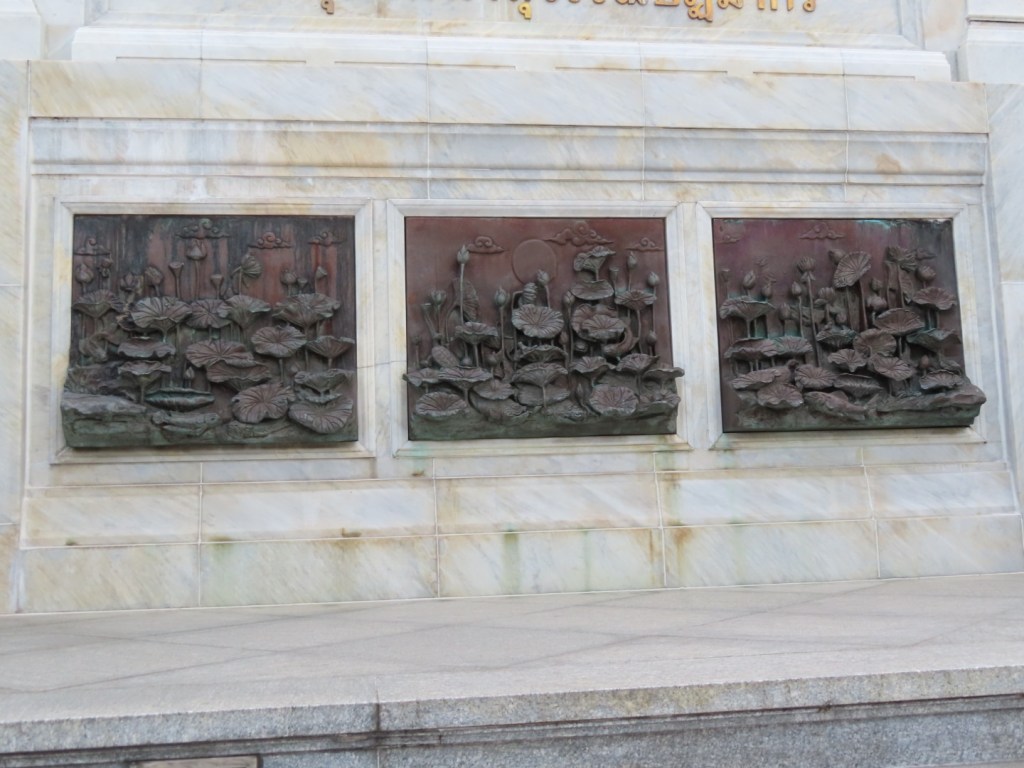
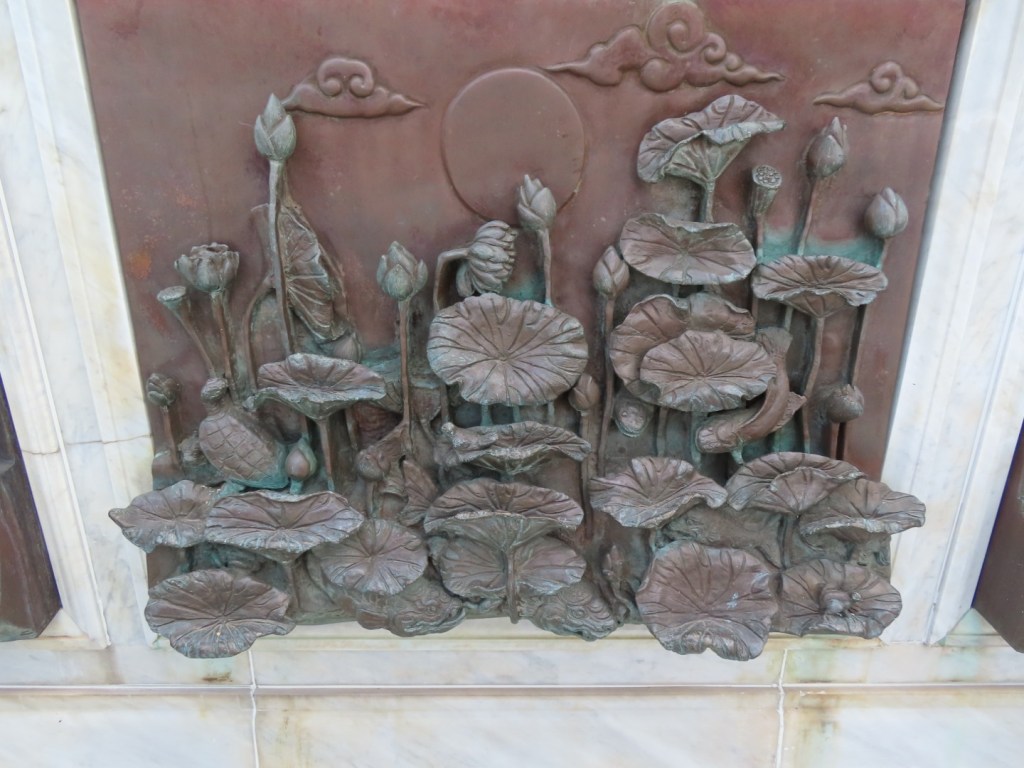
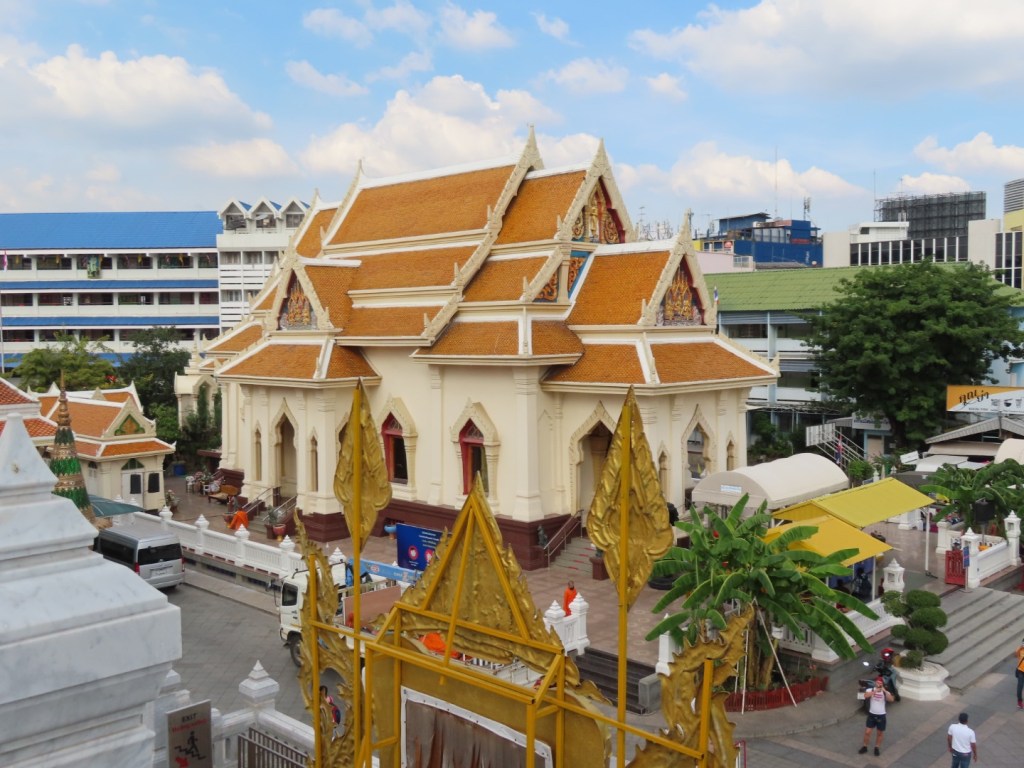


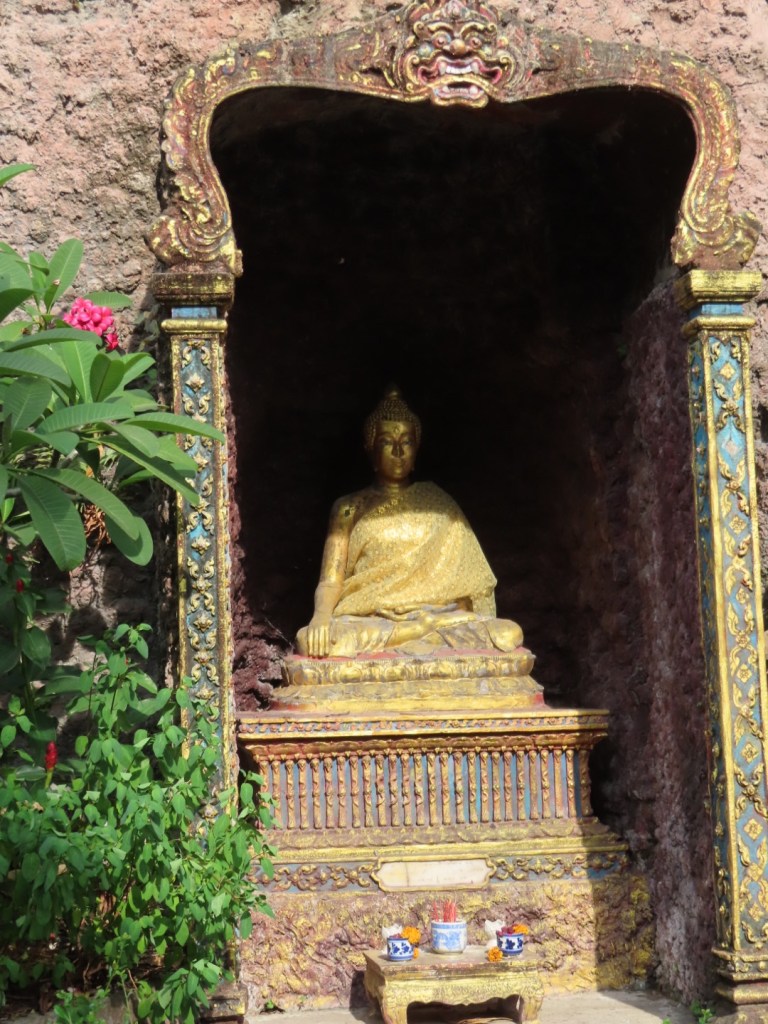
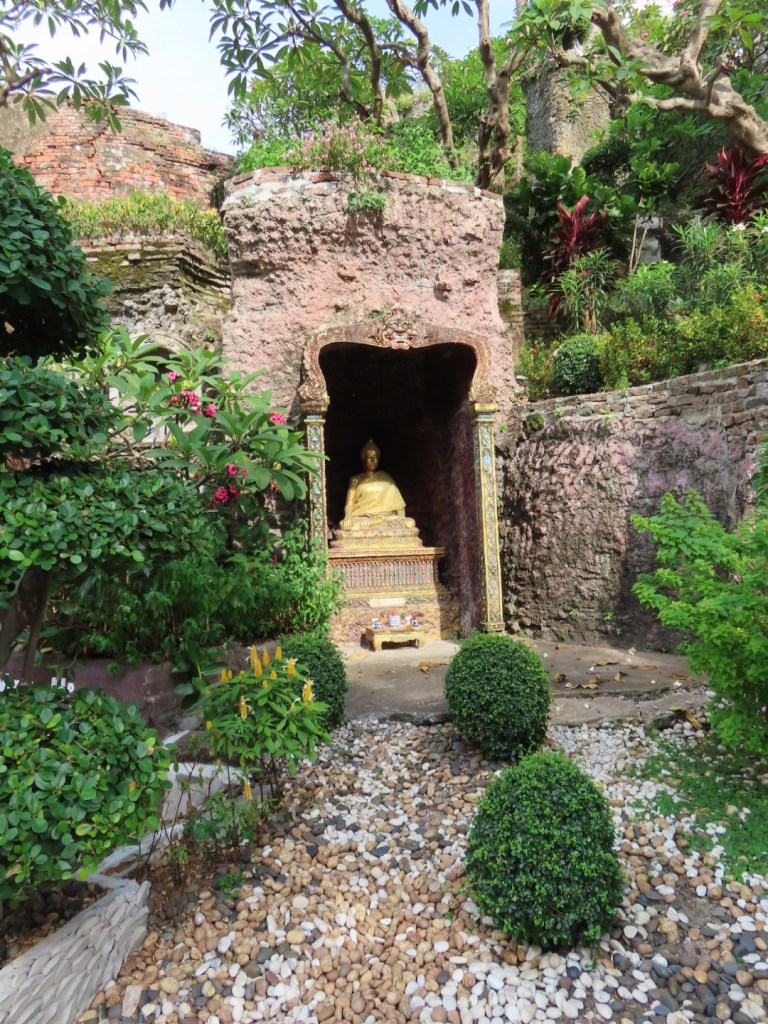


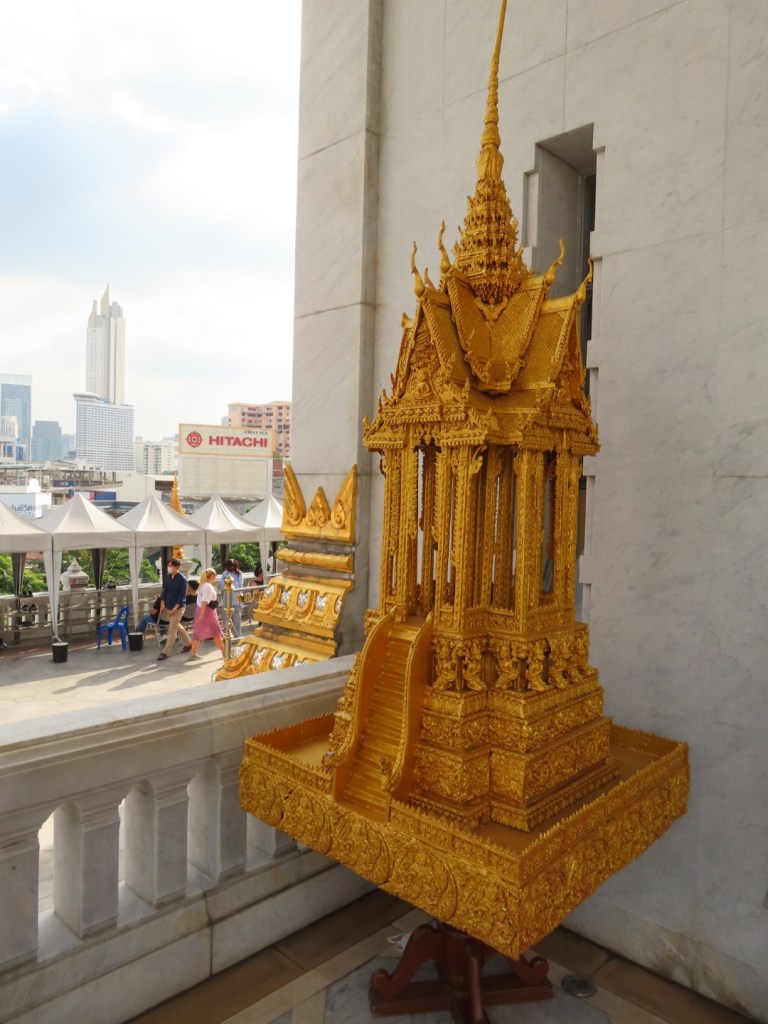
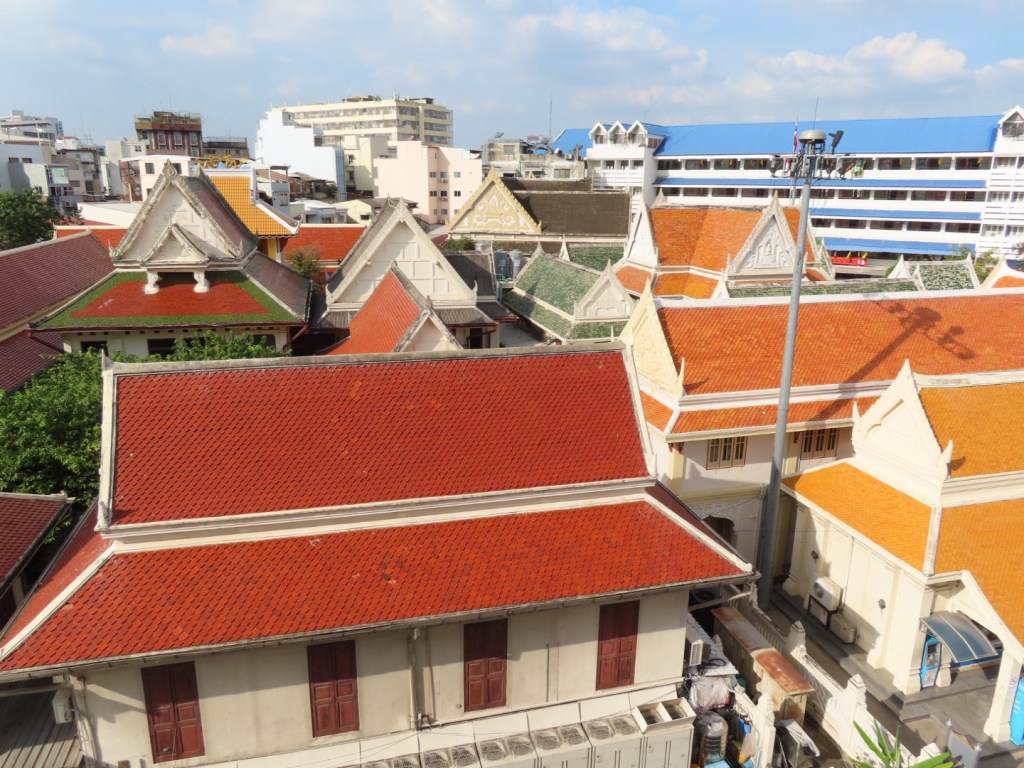
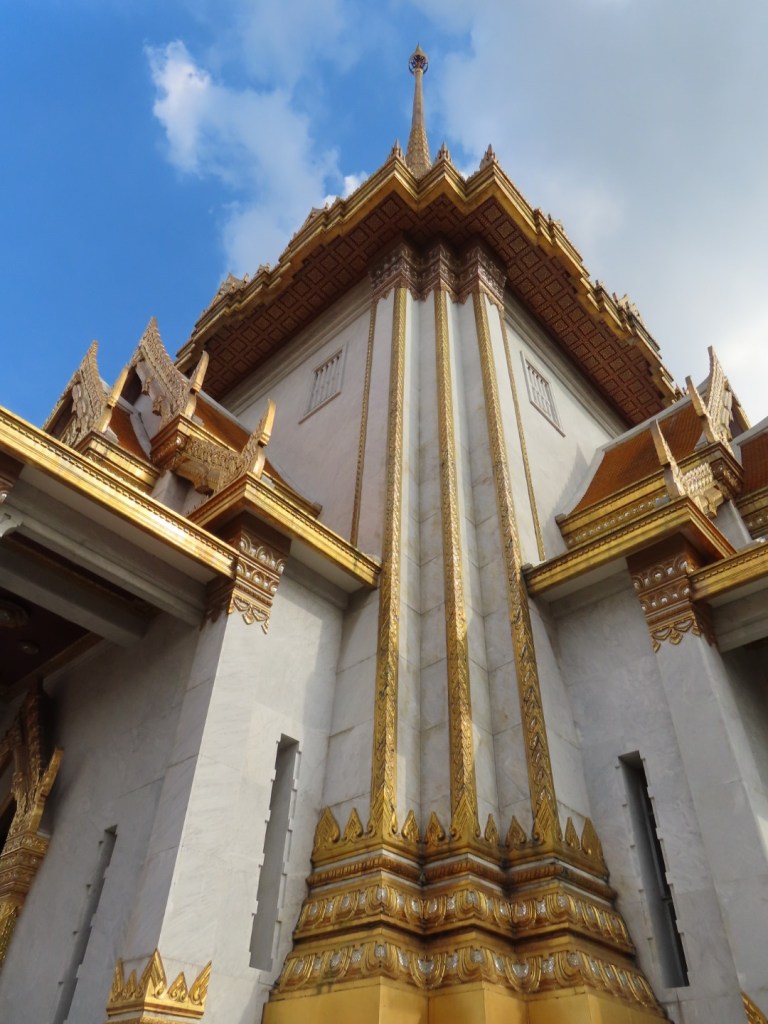

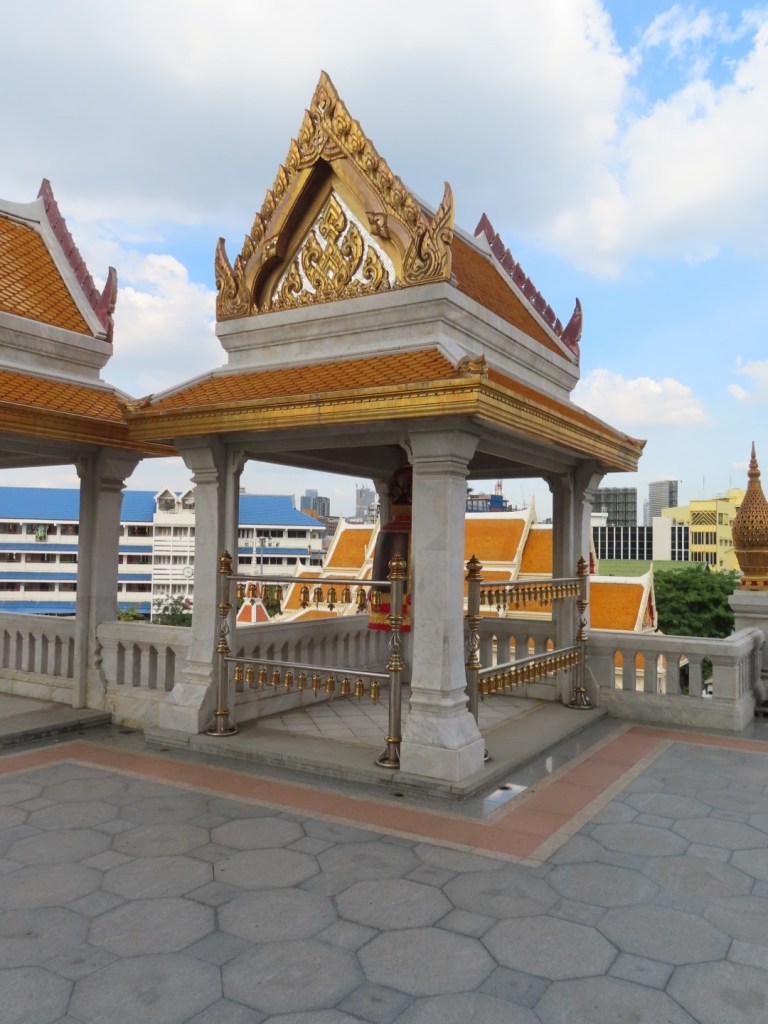
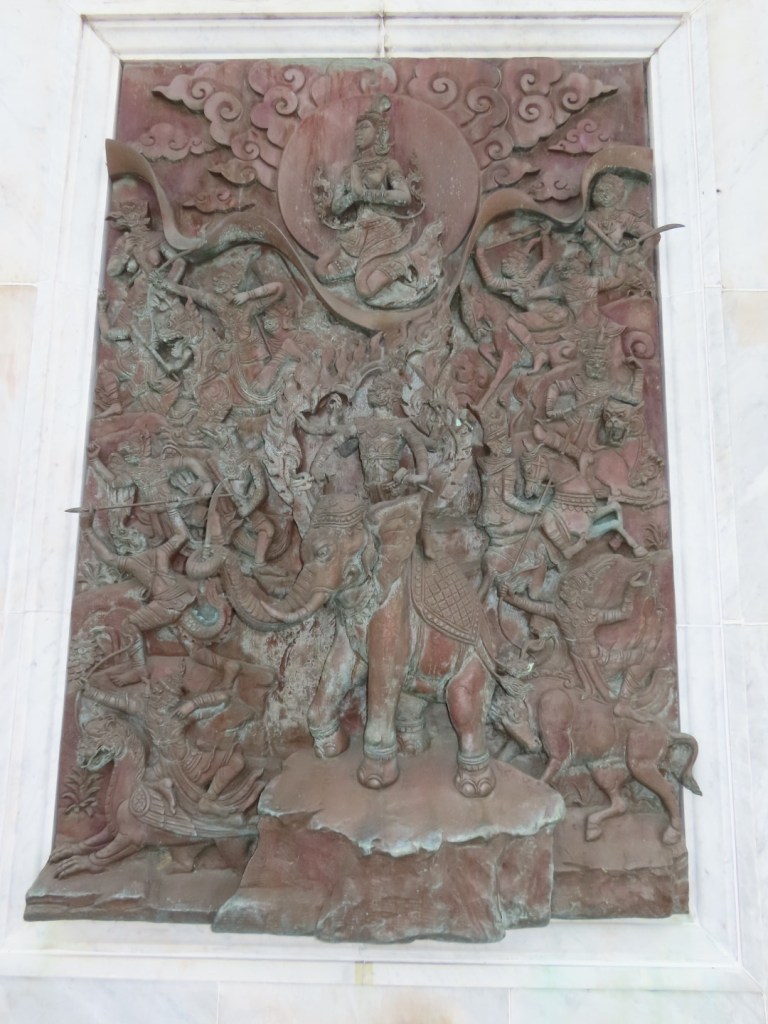
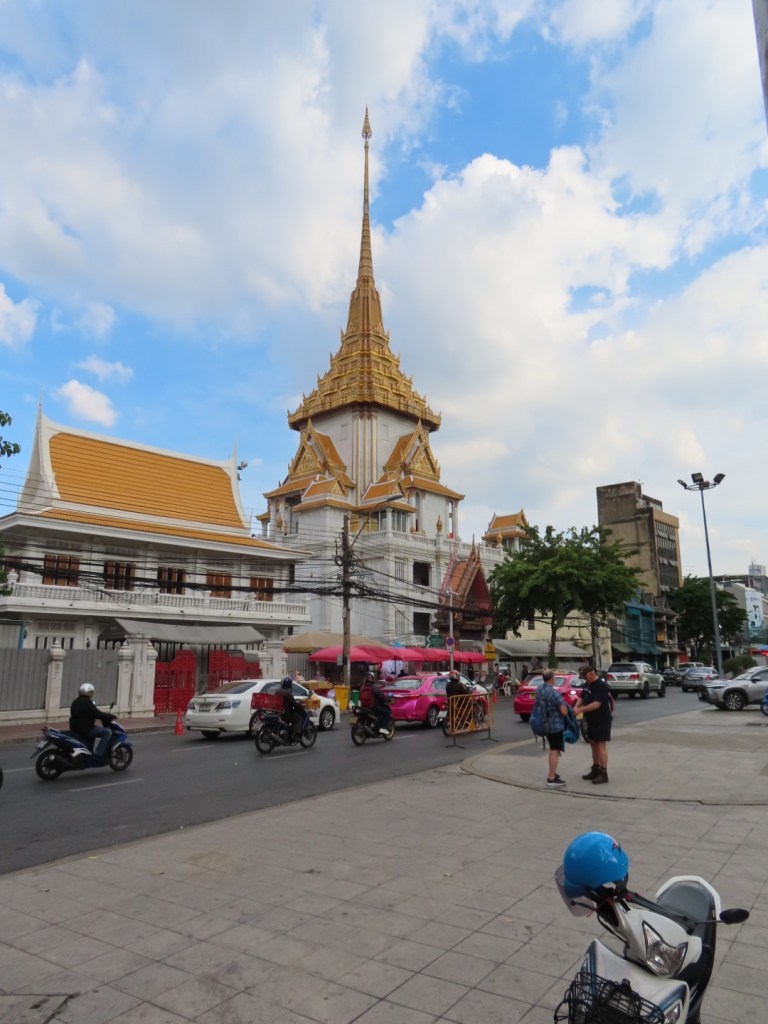
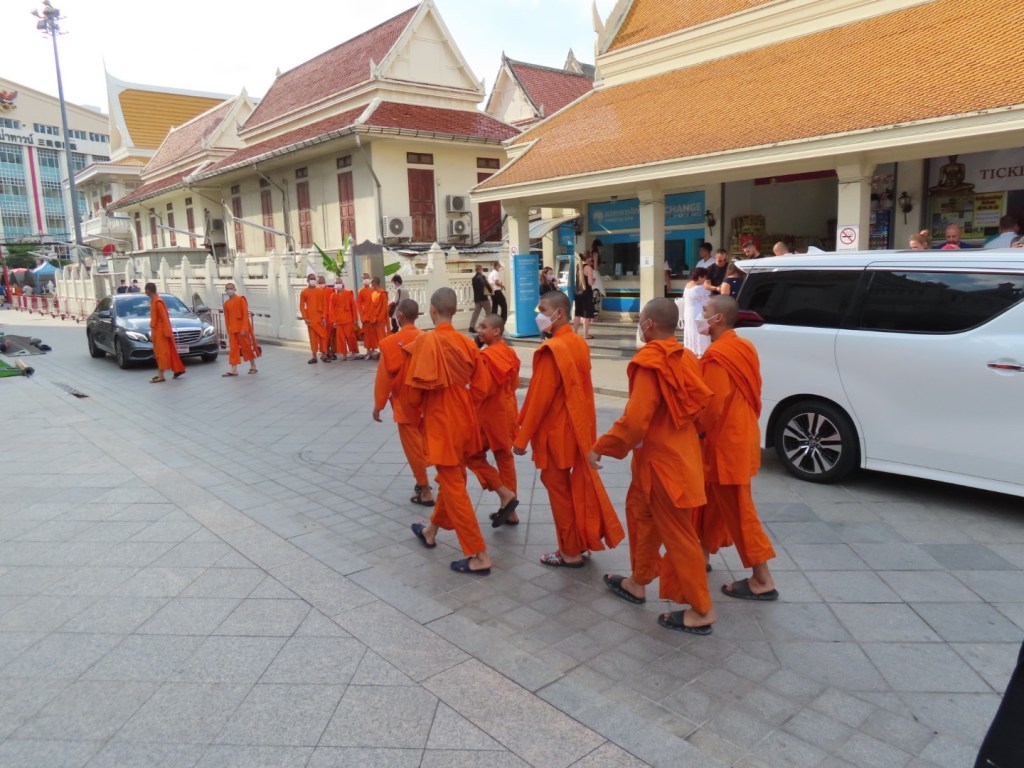
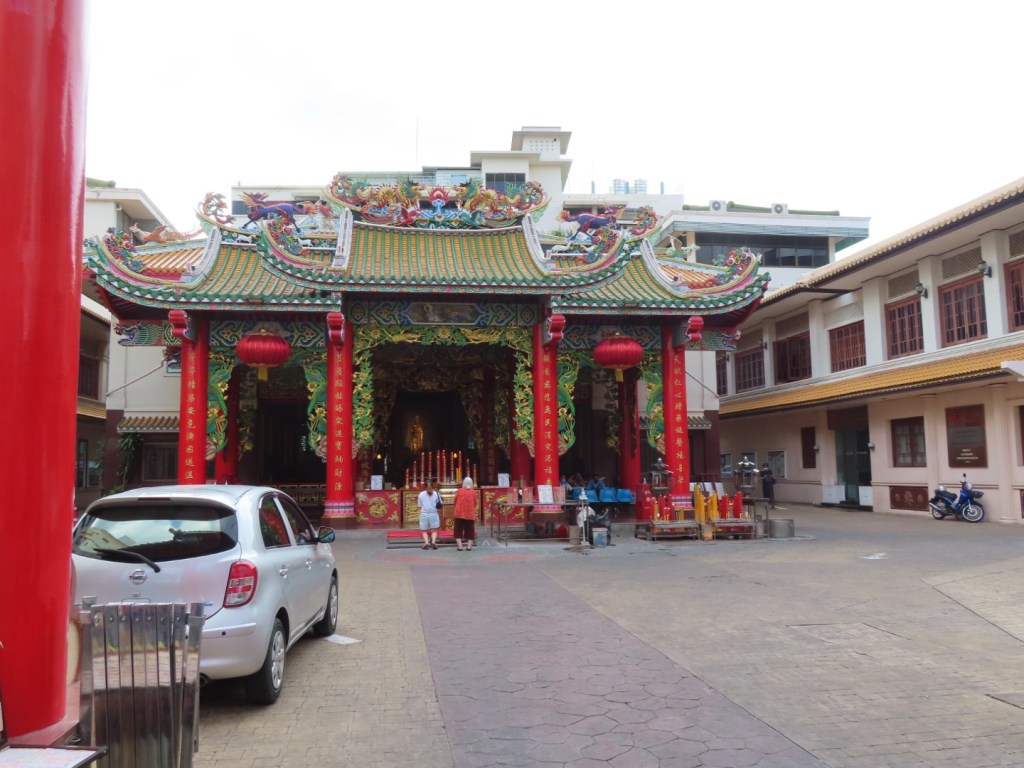
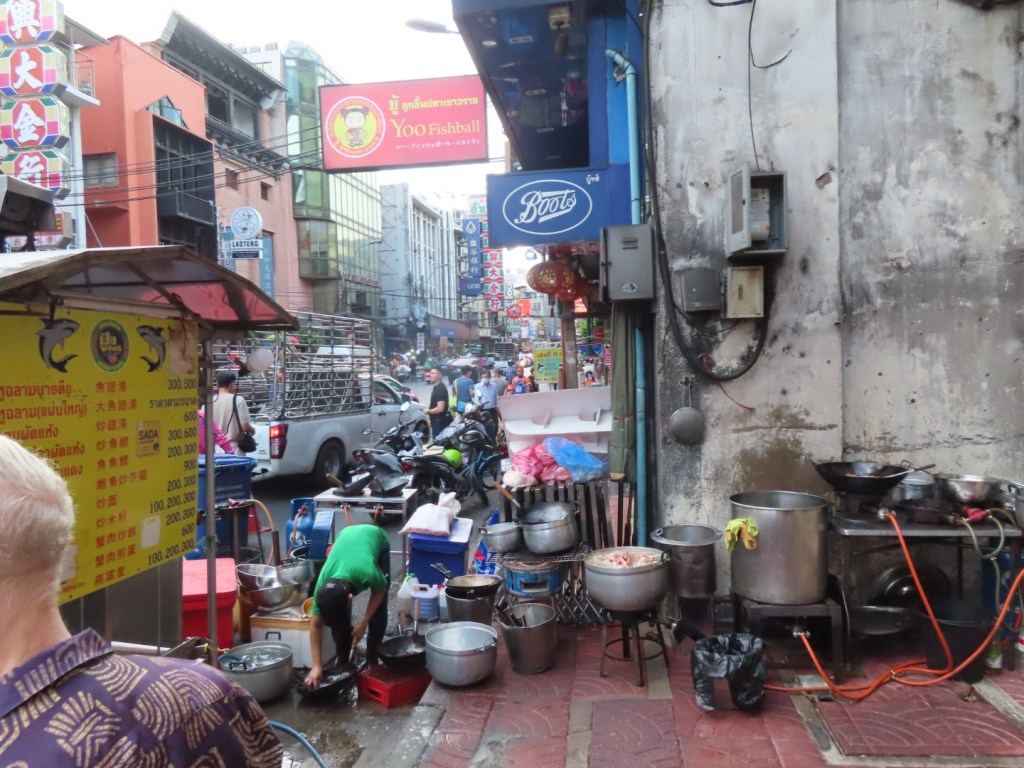
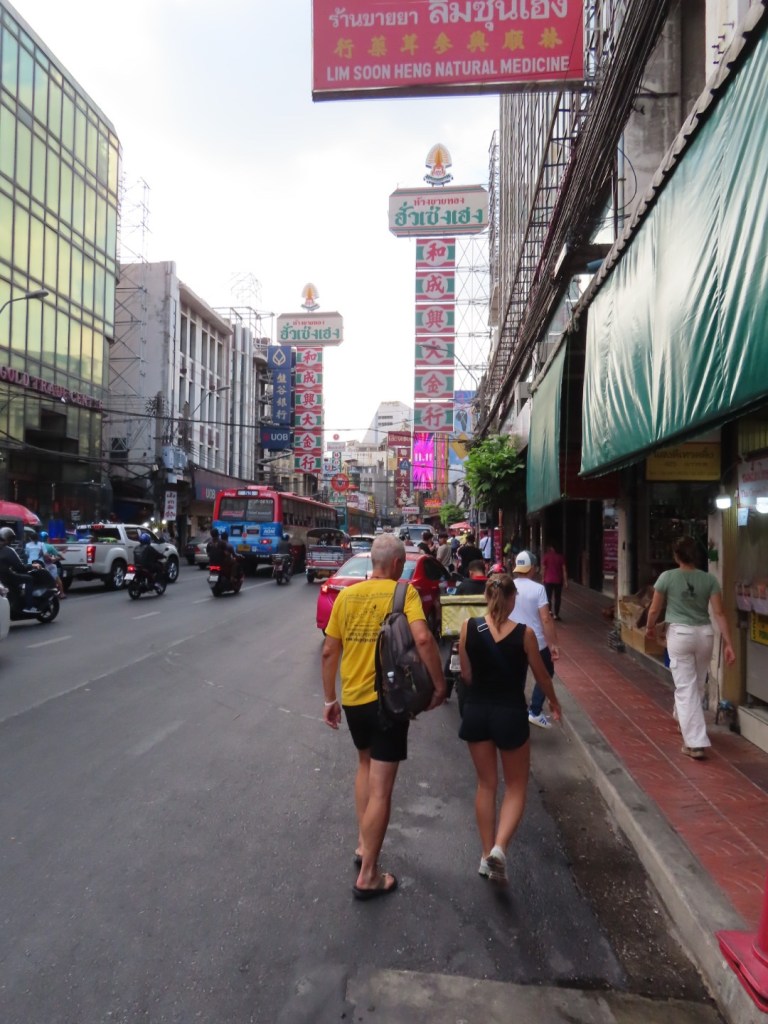
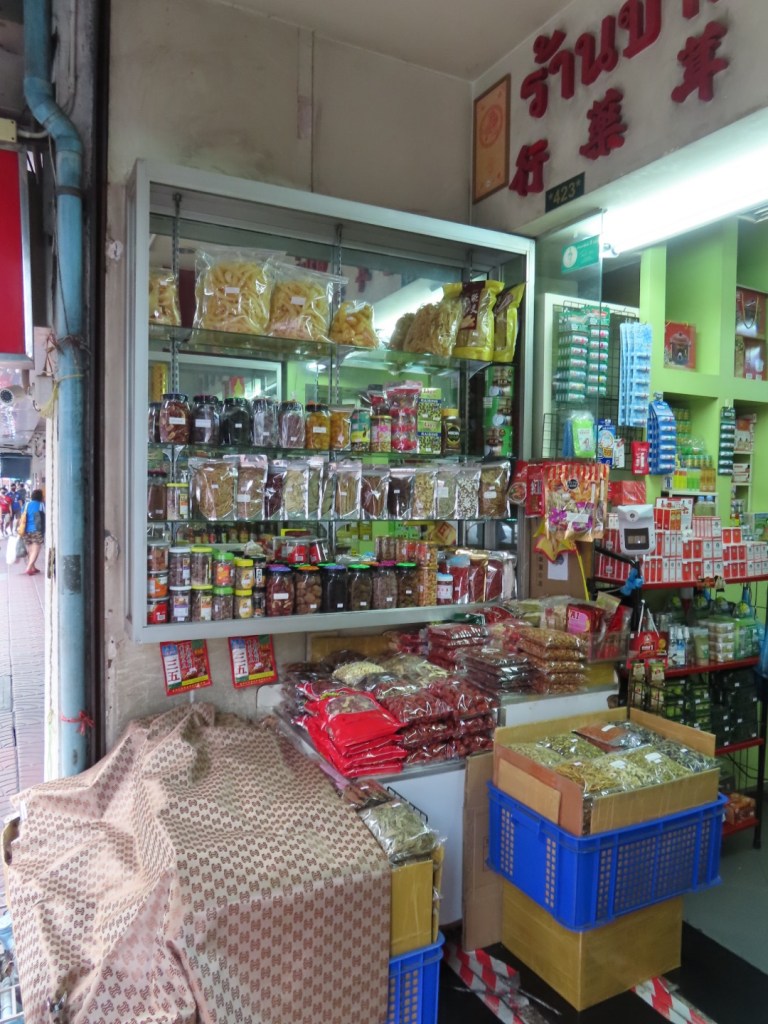
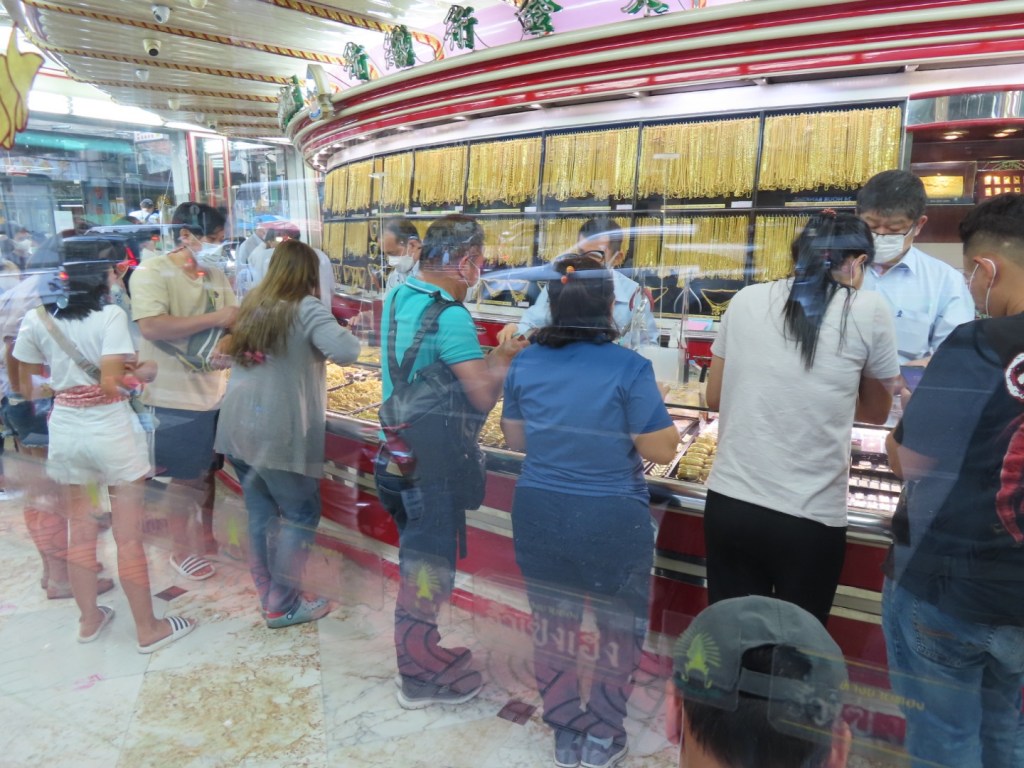
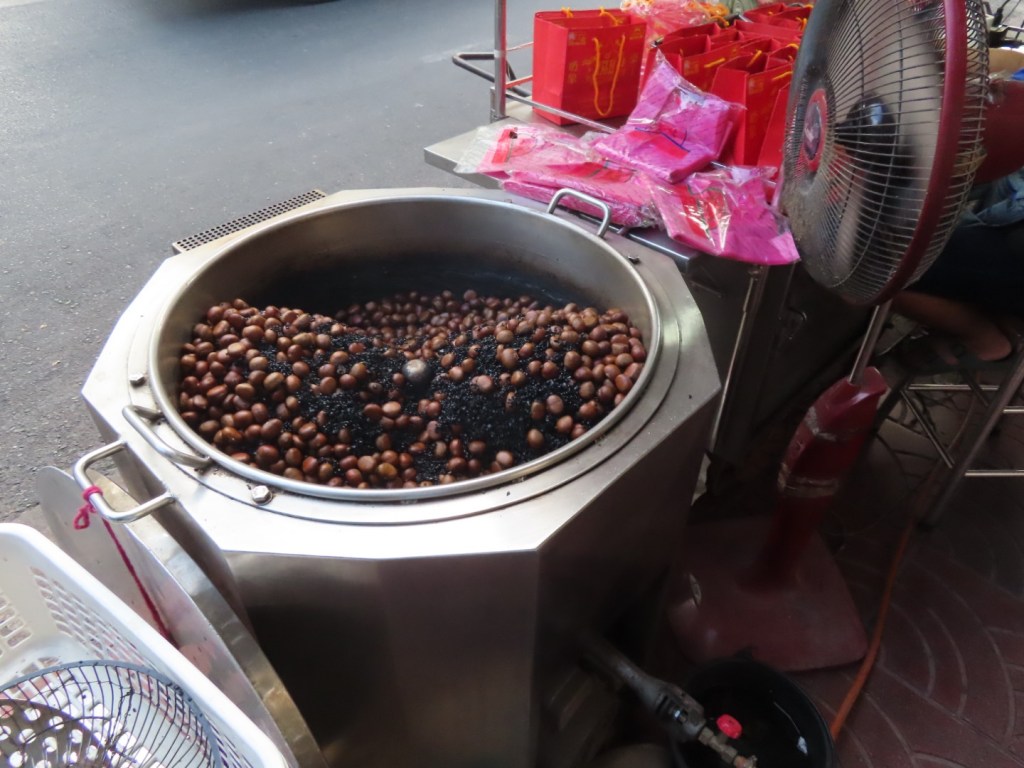
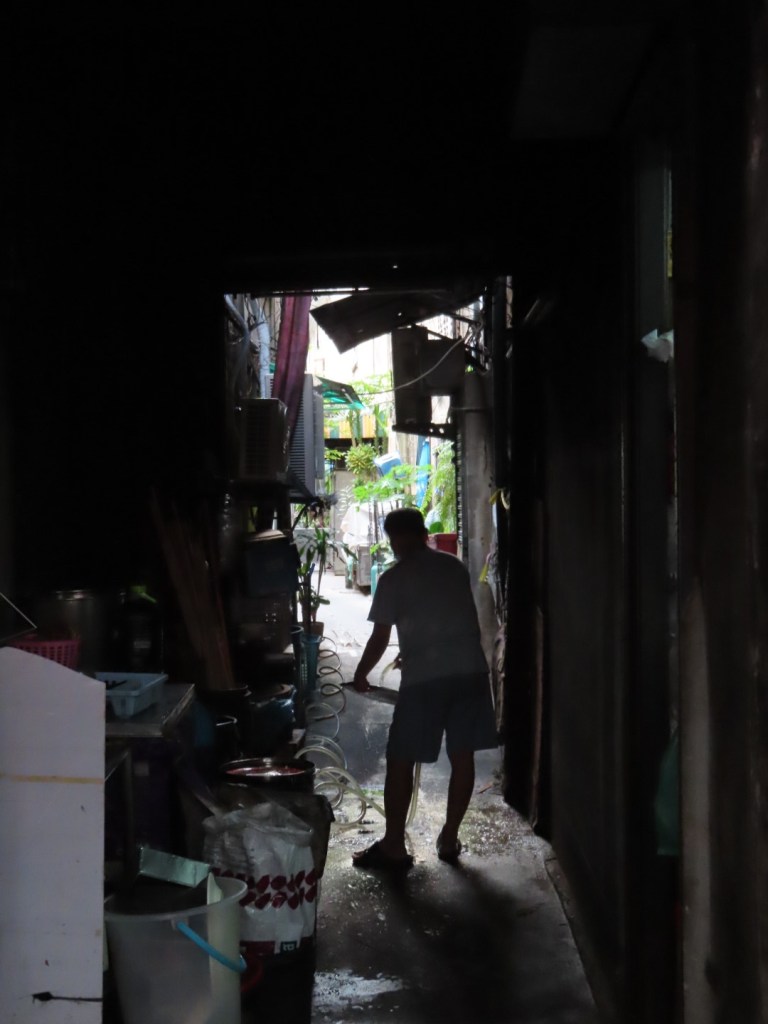
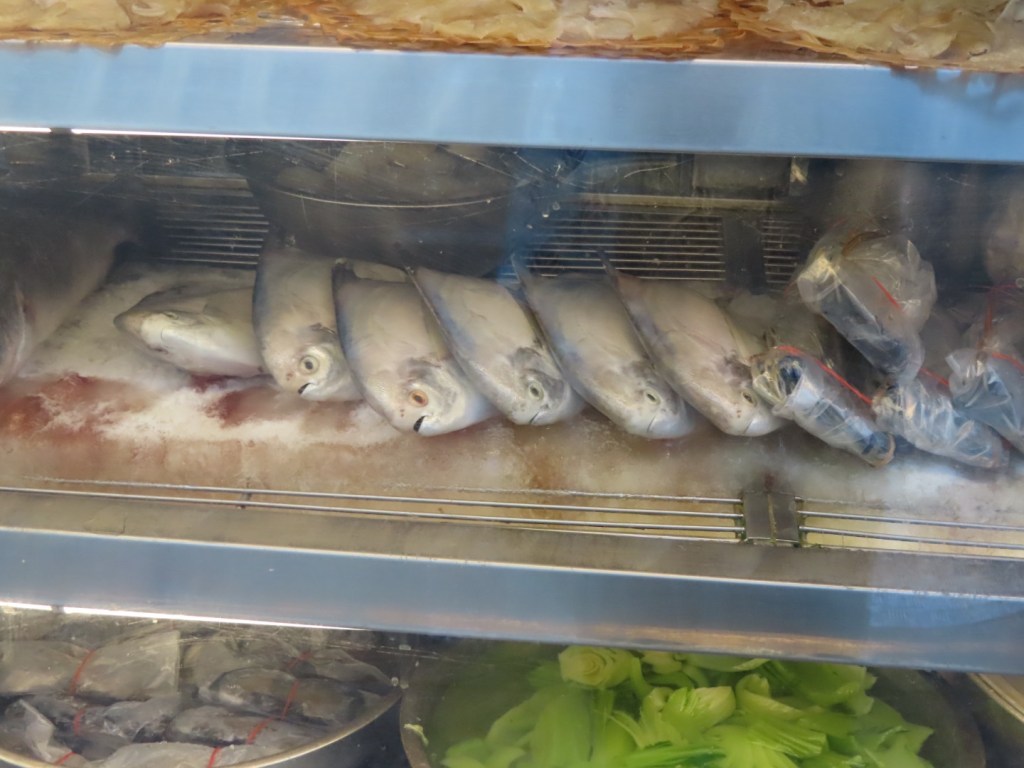
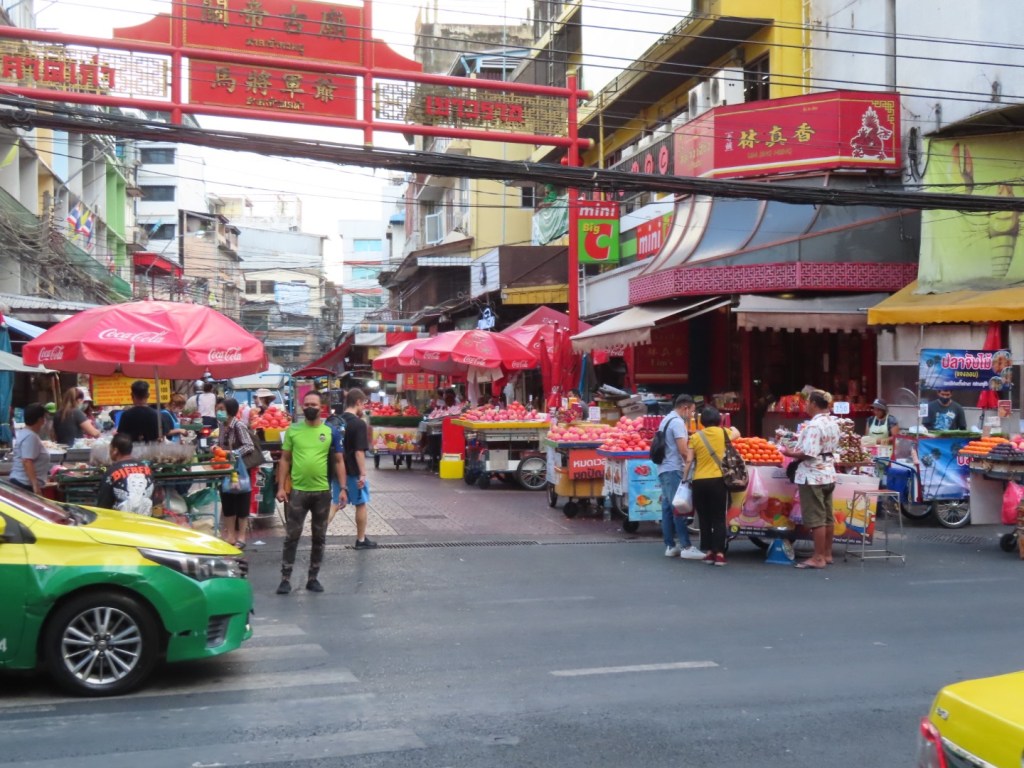
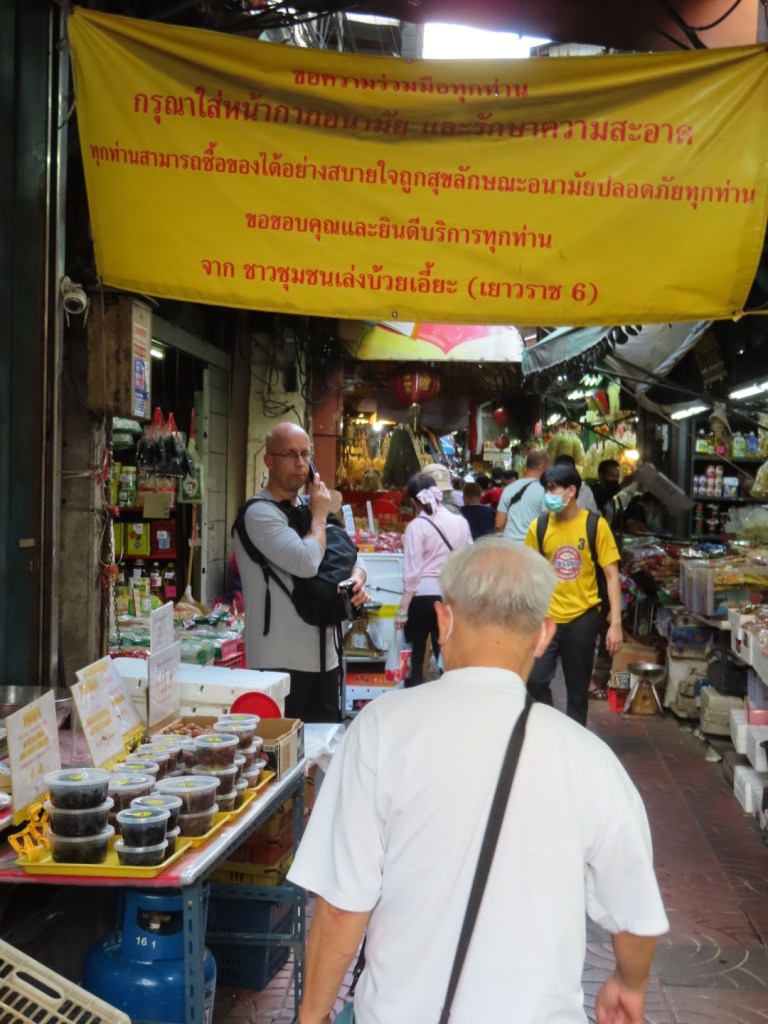
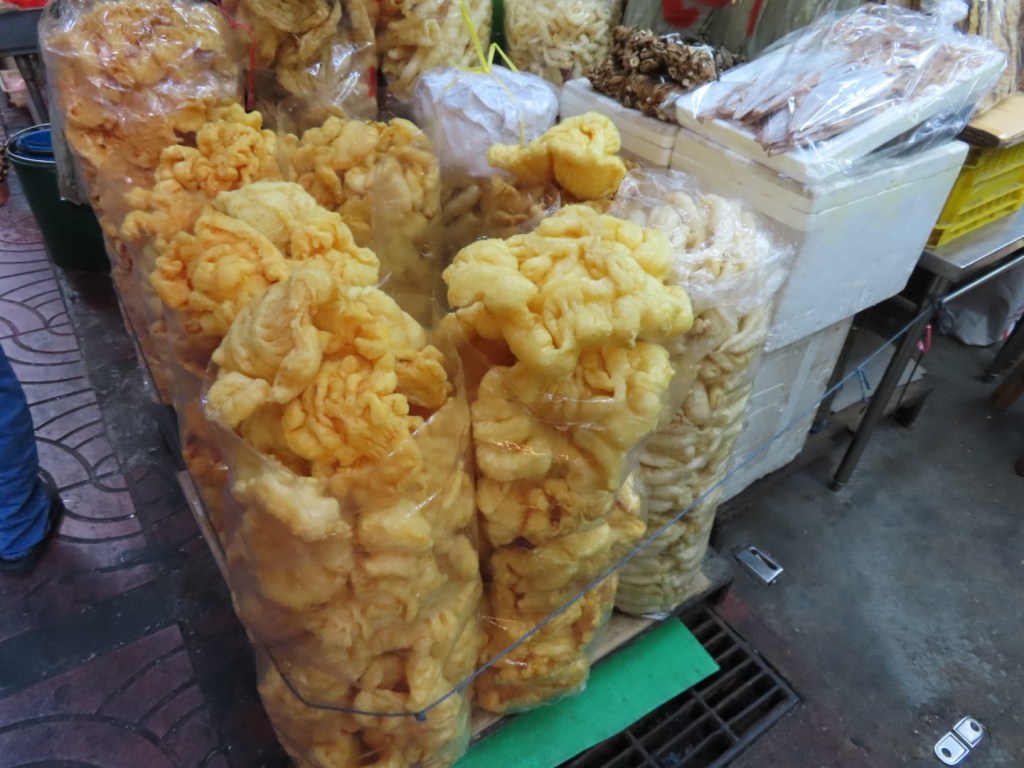
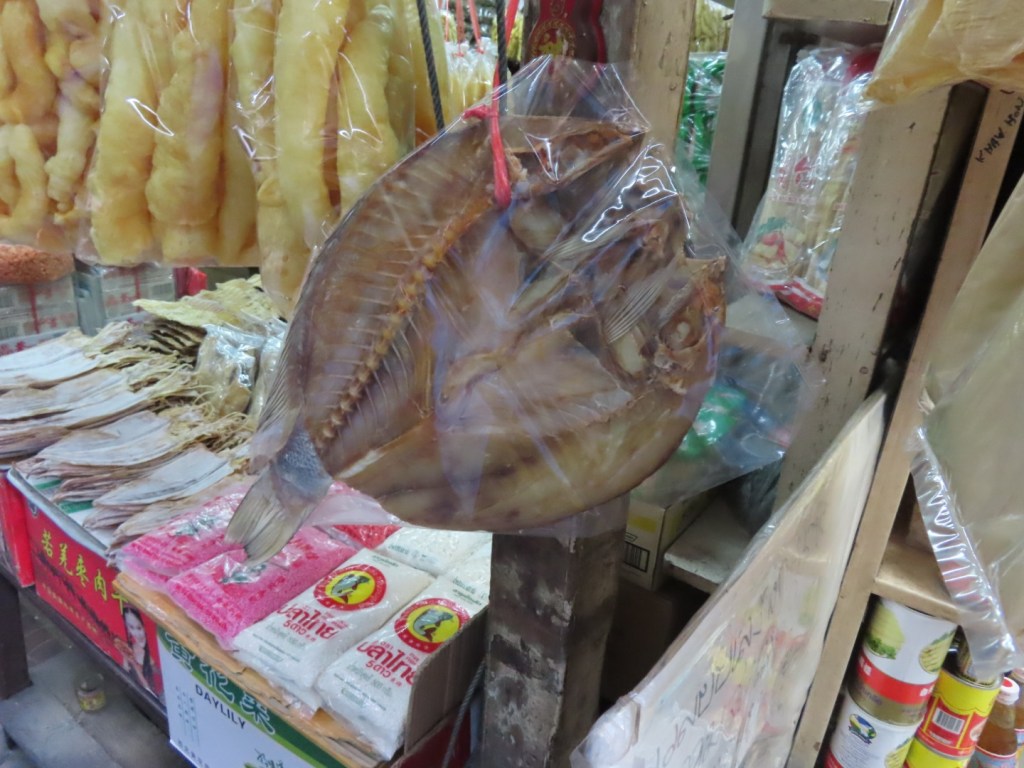
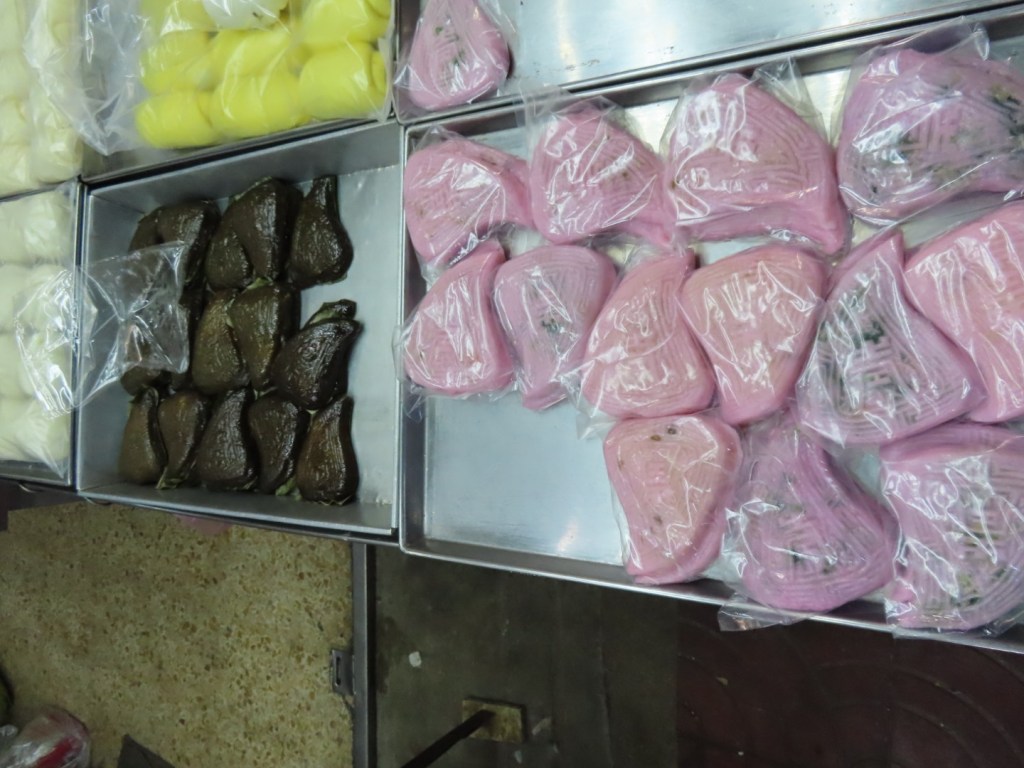
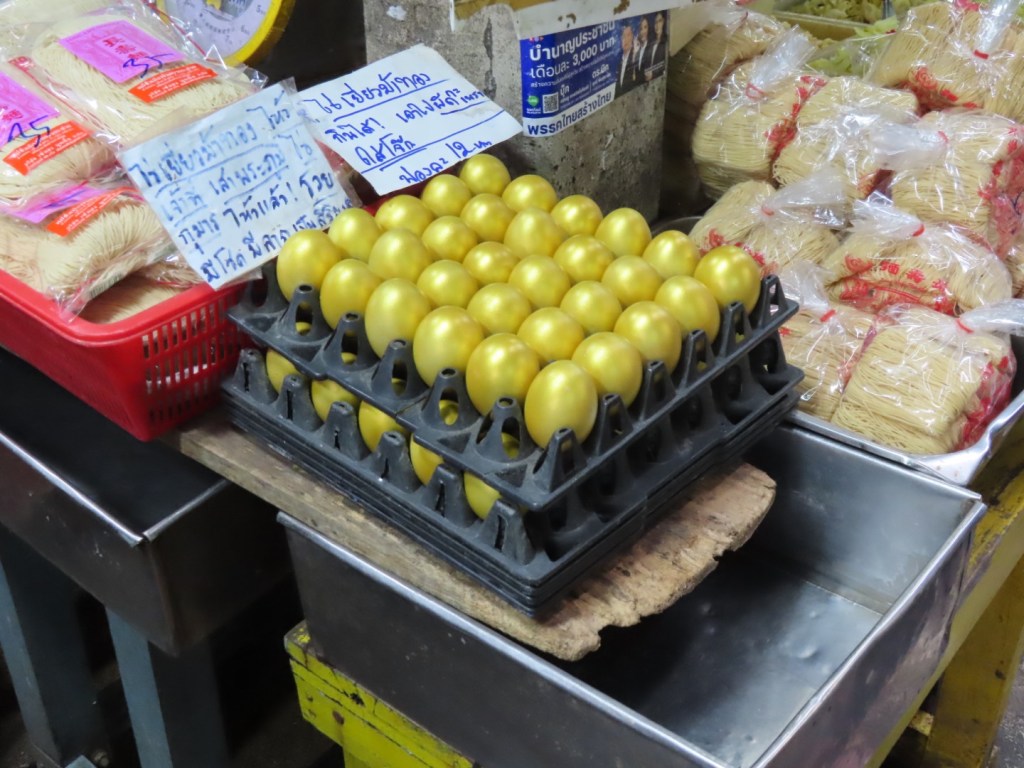
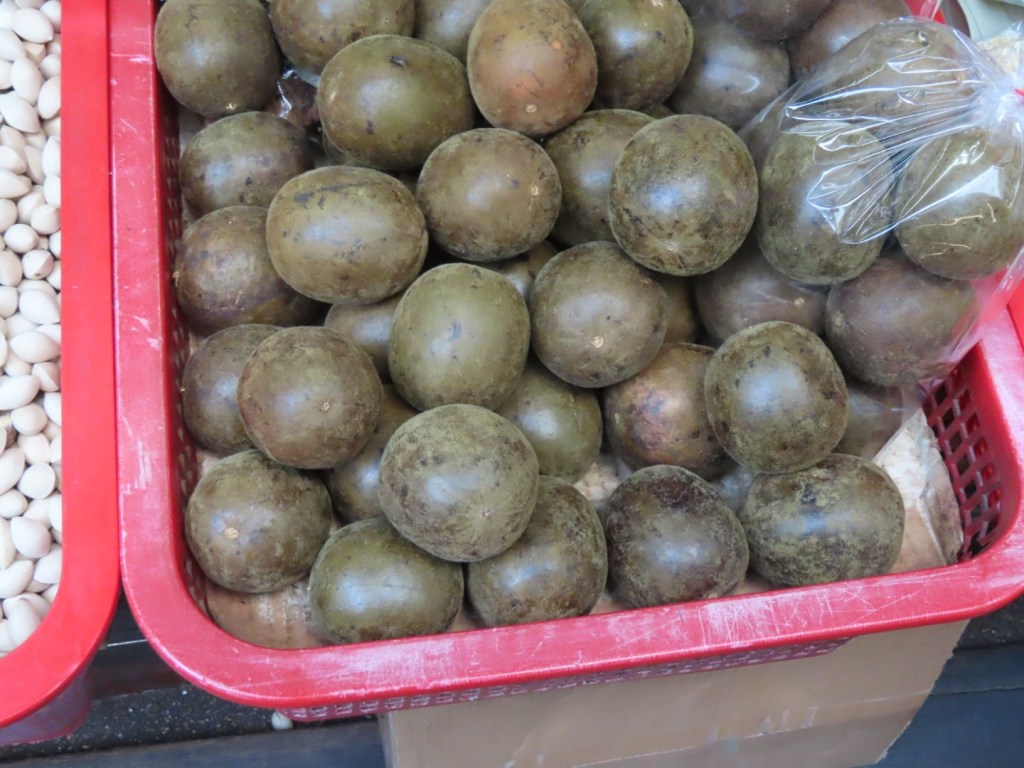
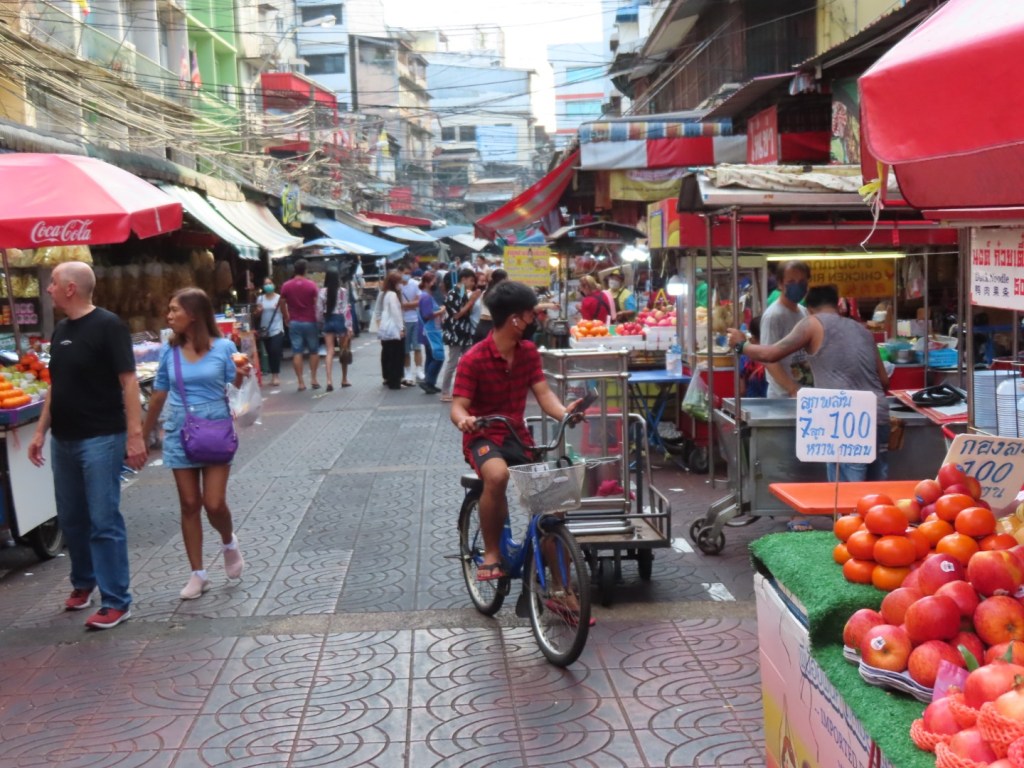
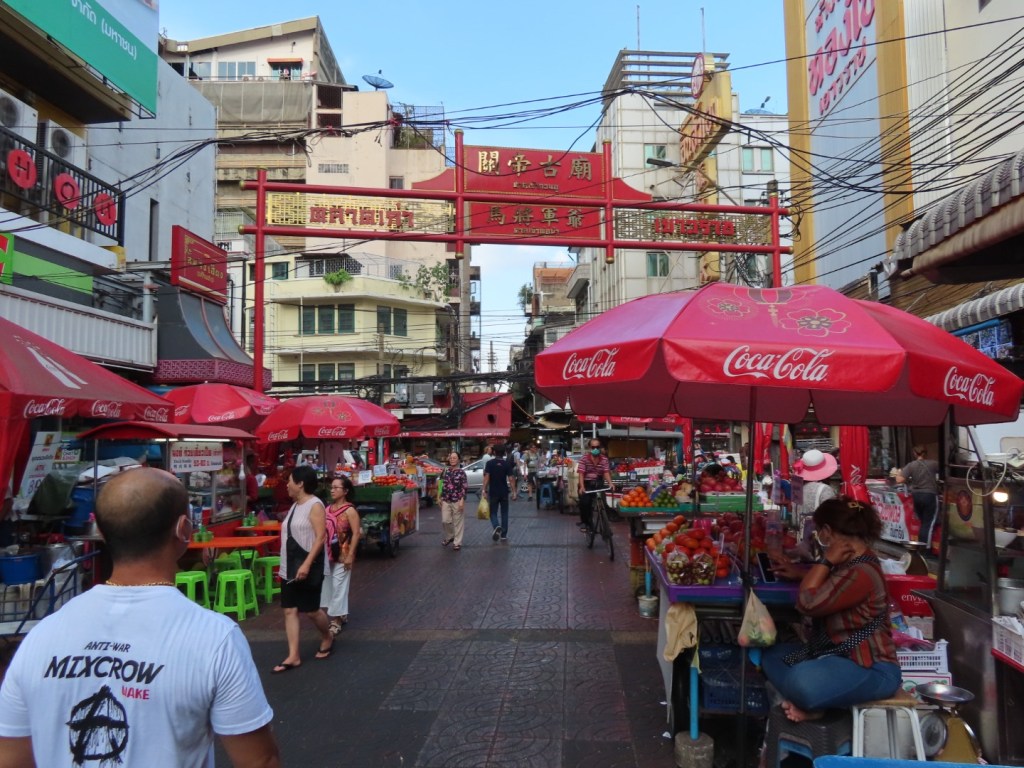
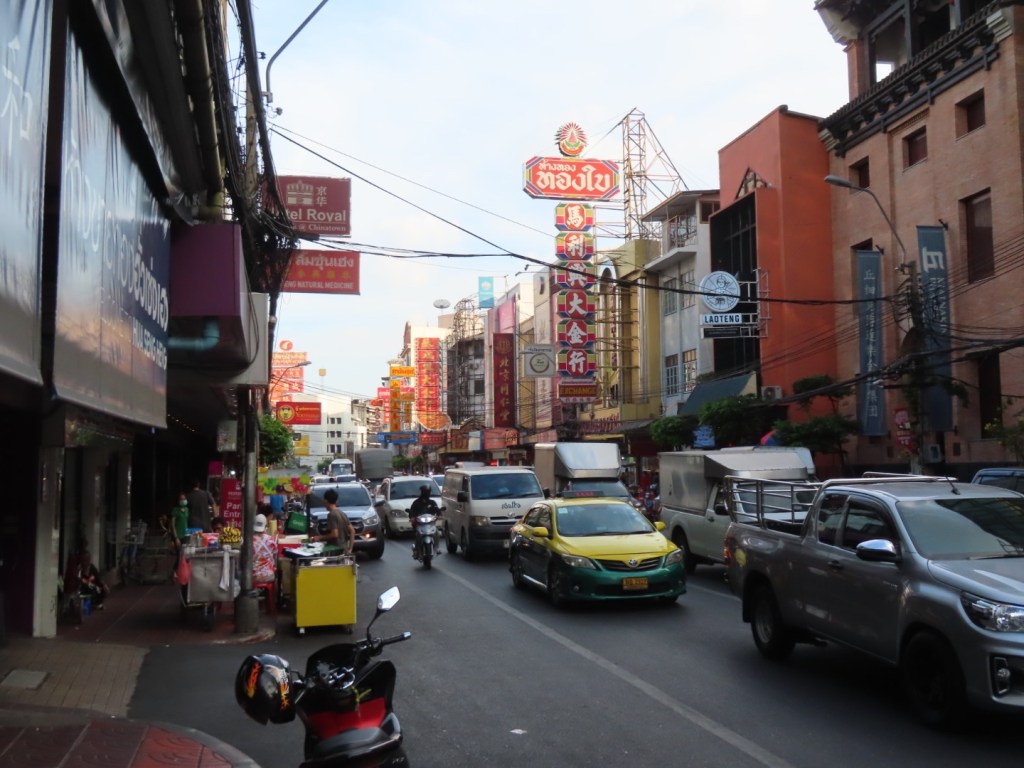
We ended with a walk through a market area in Chinatown.
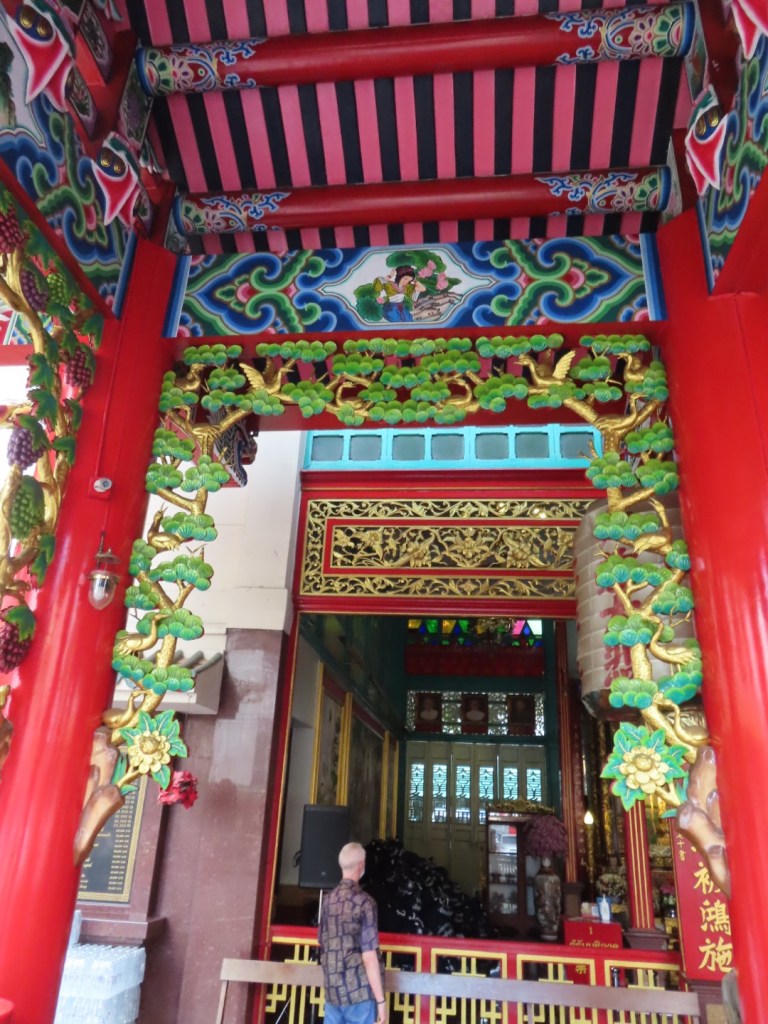
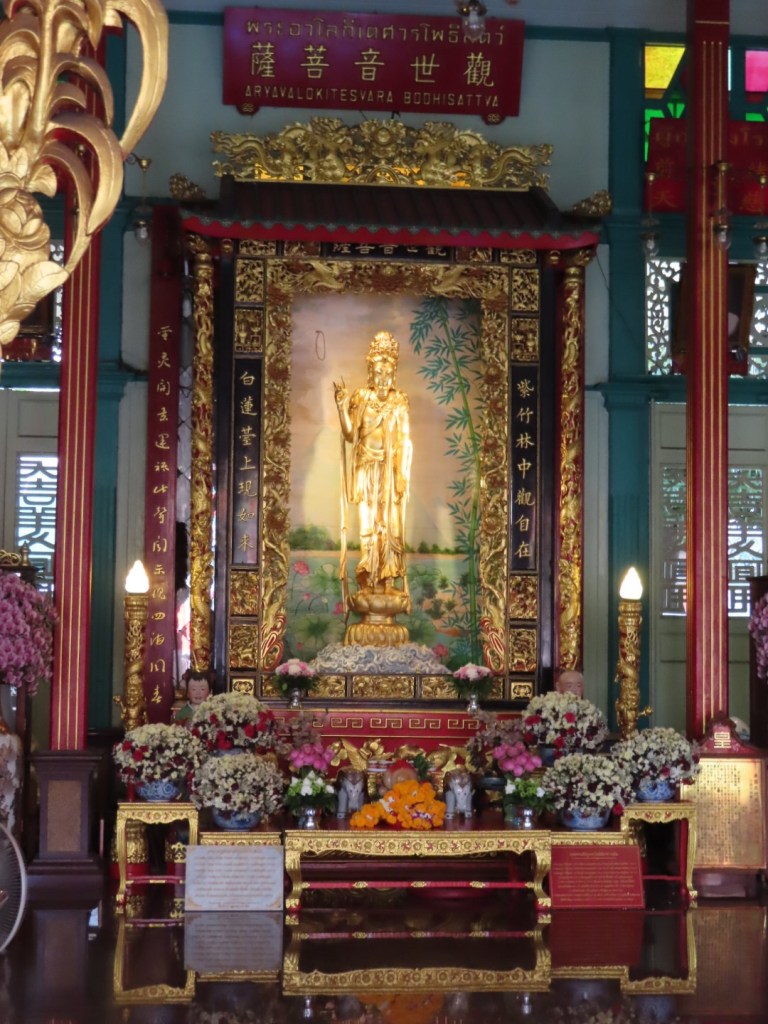

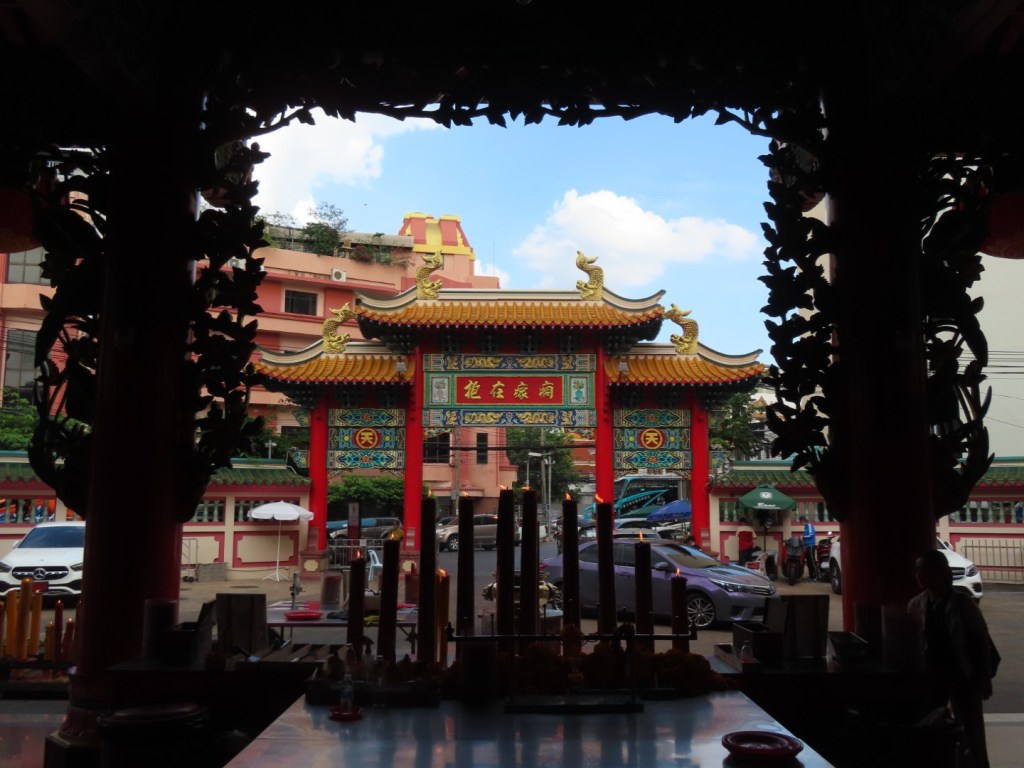
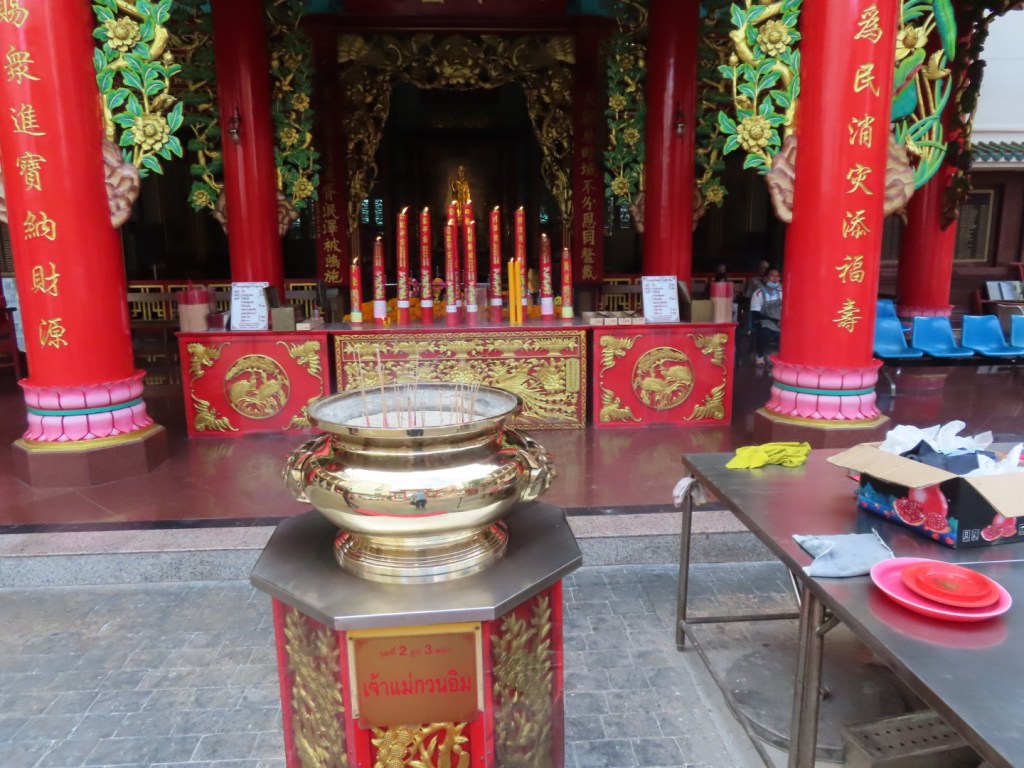
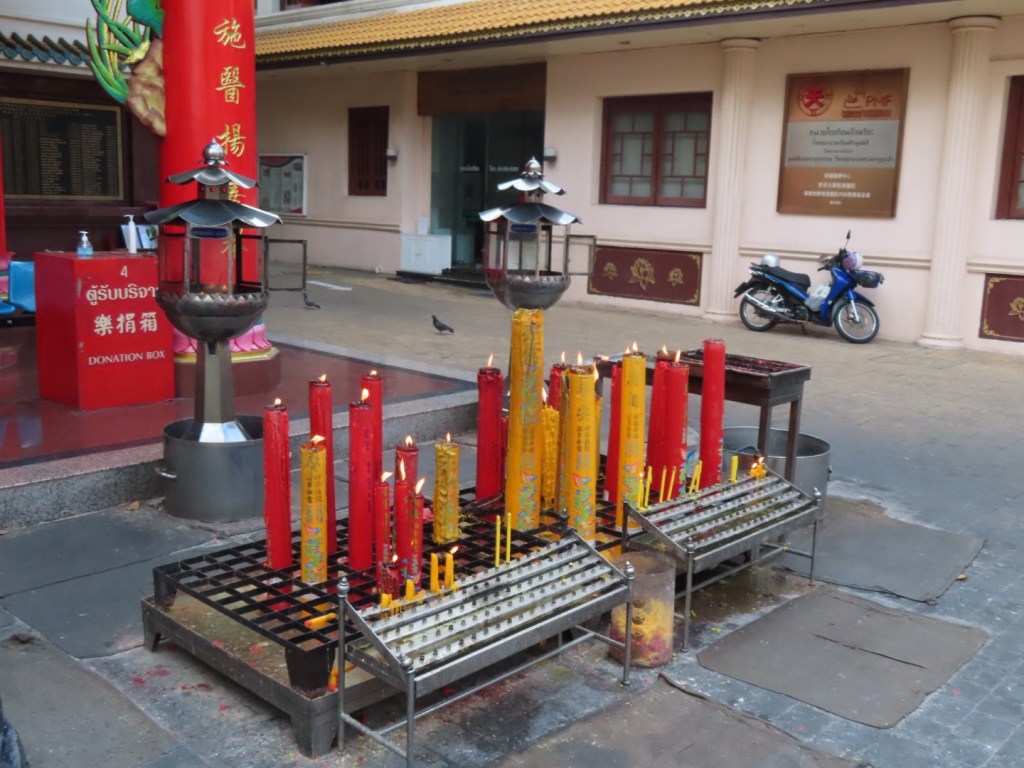
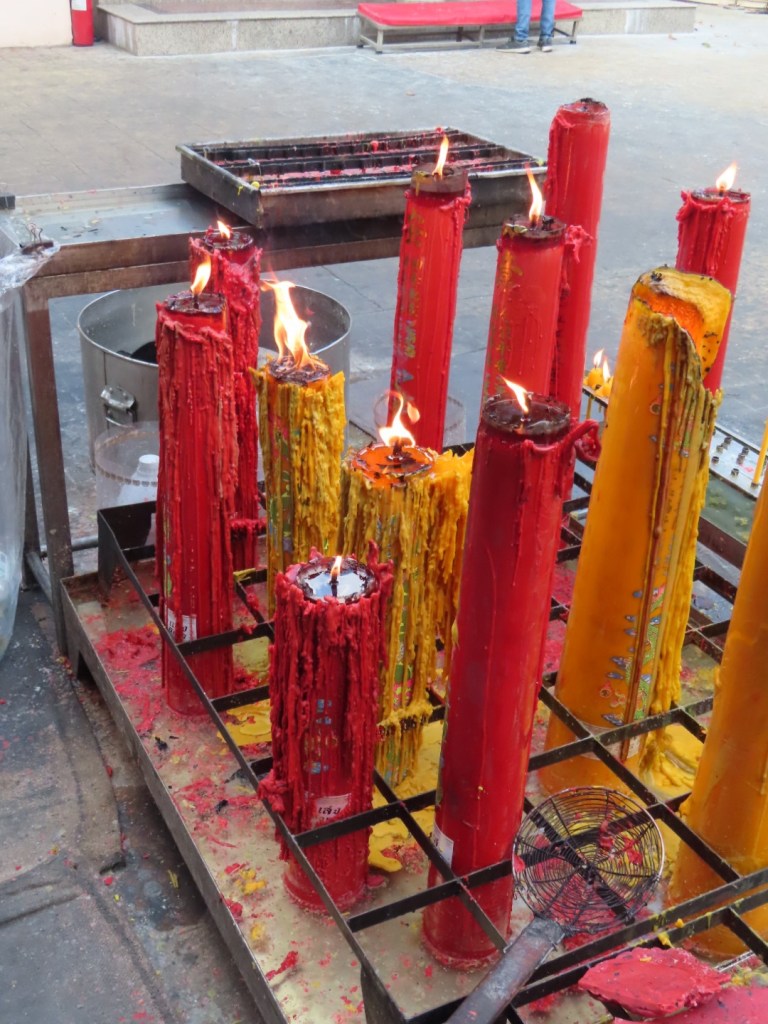
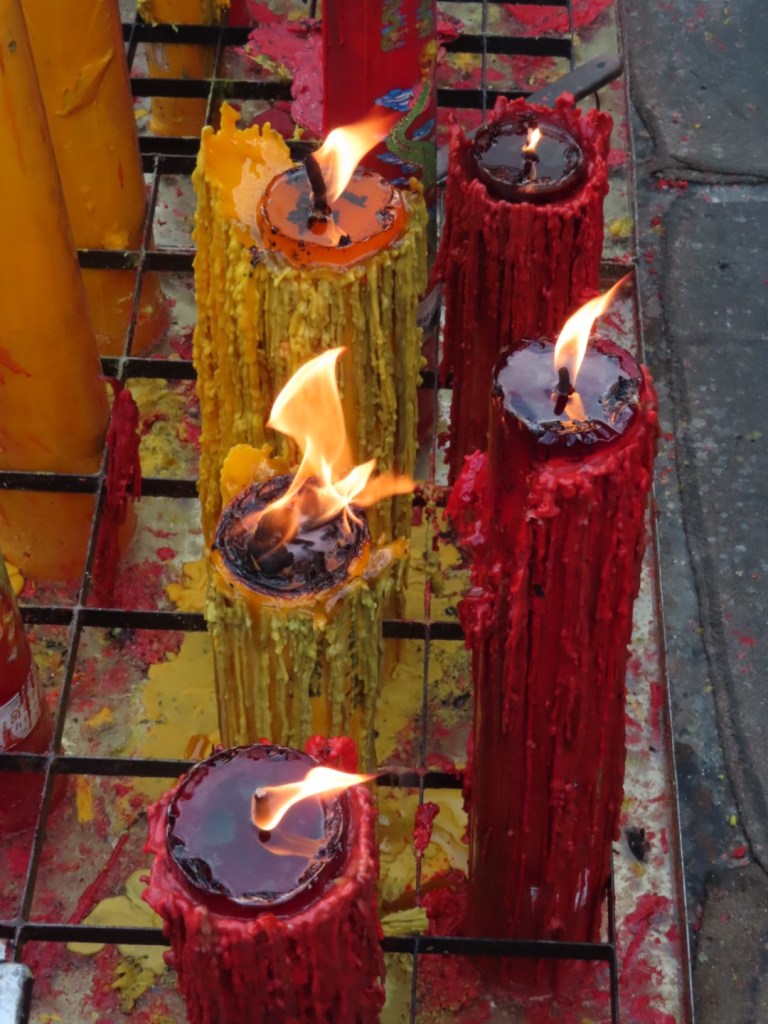
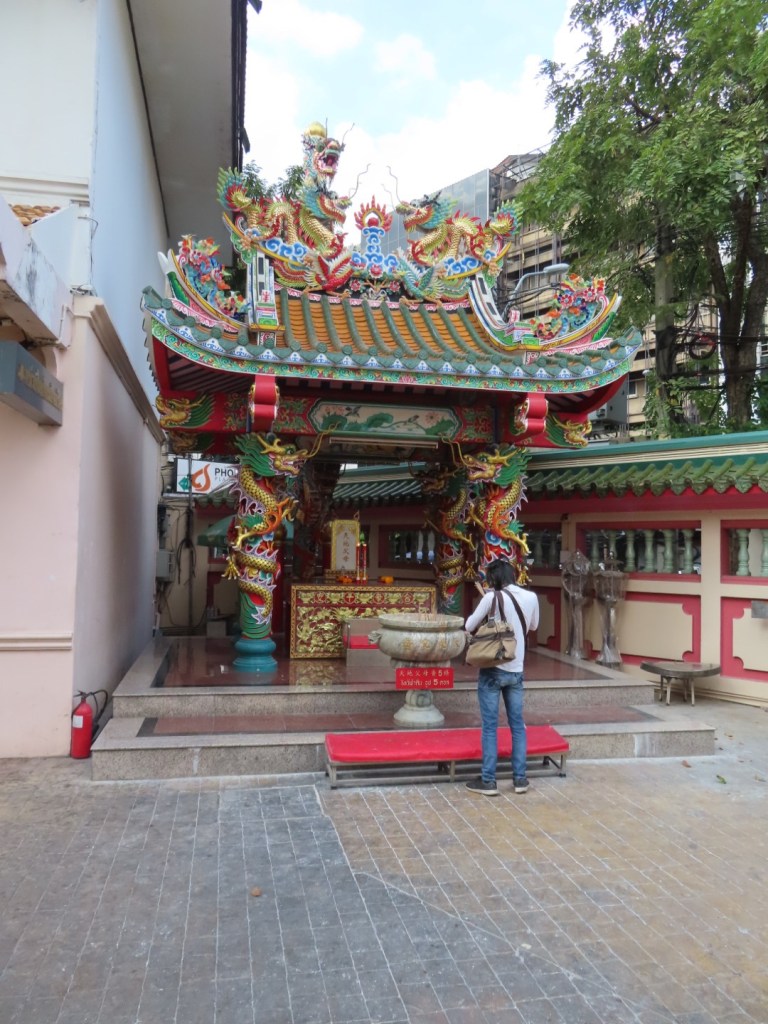


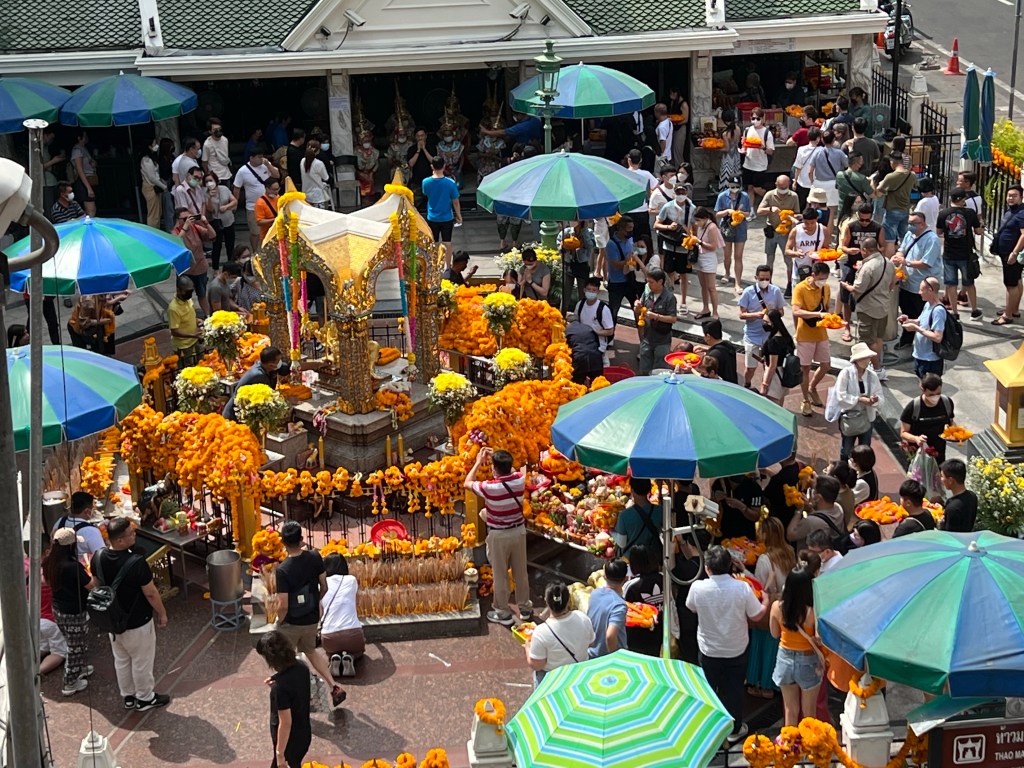
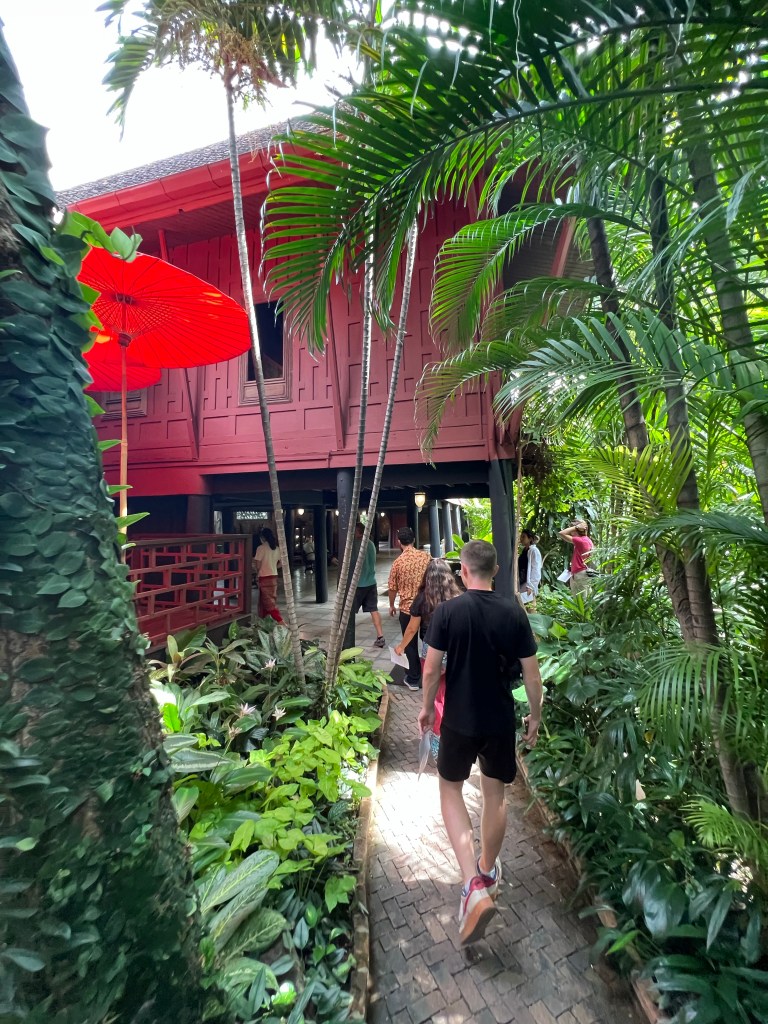
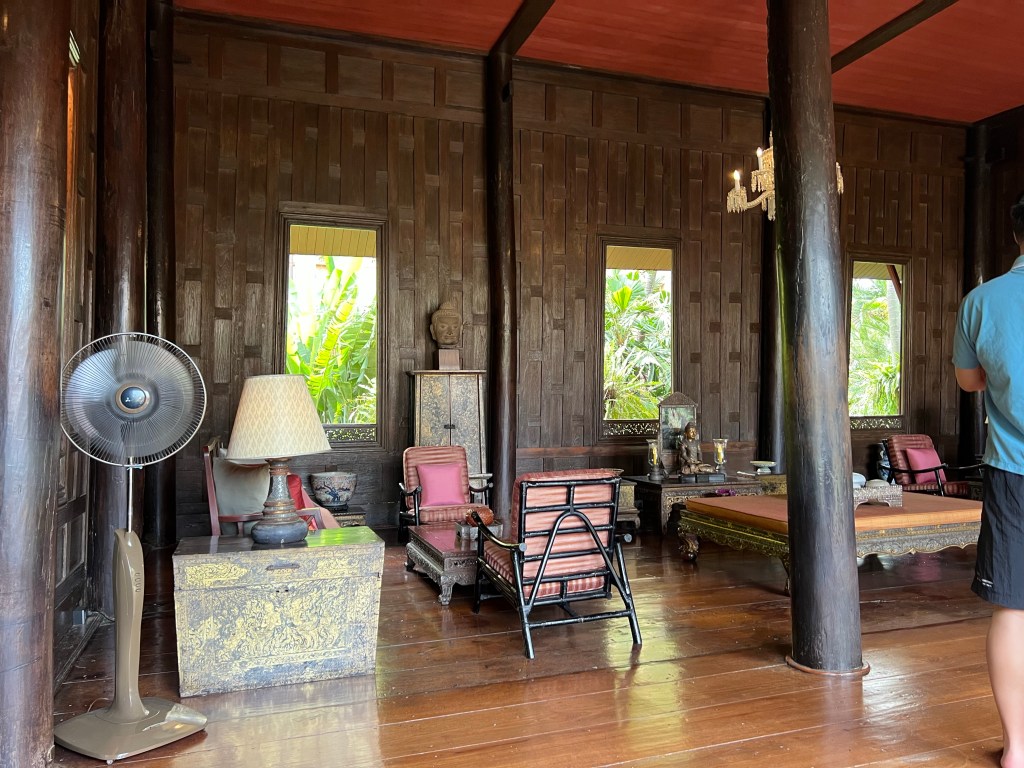
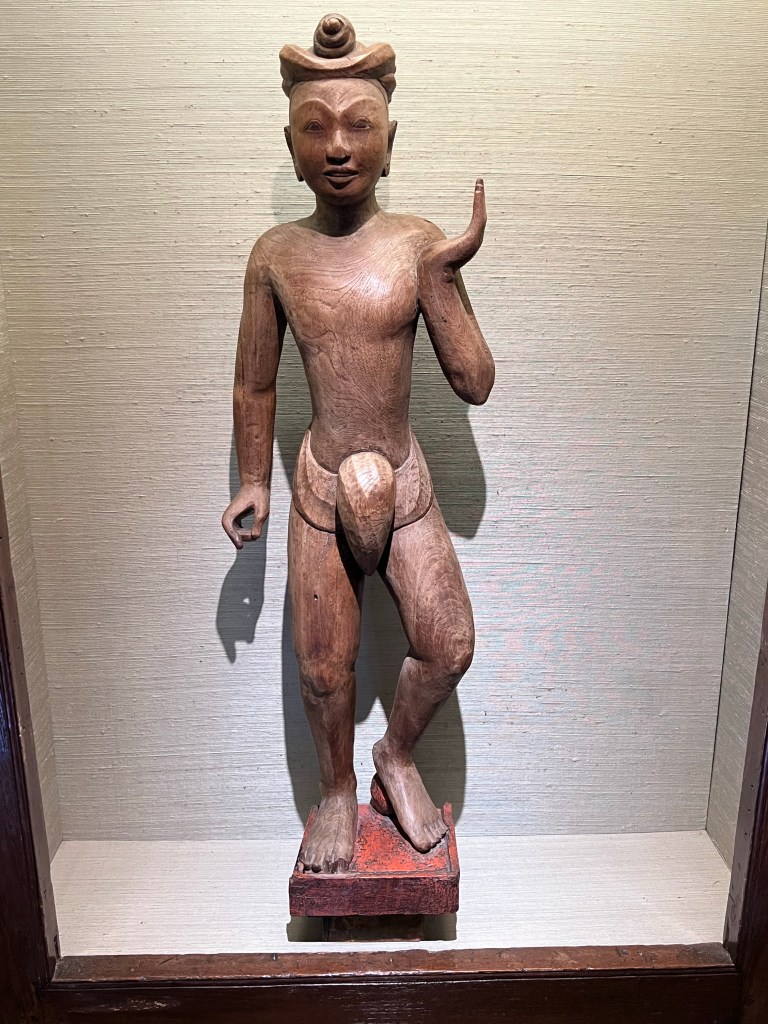
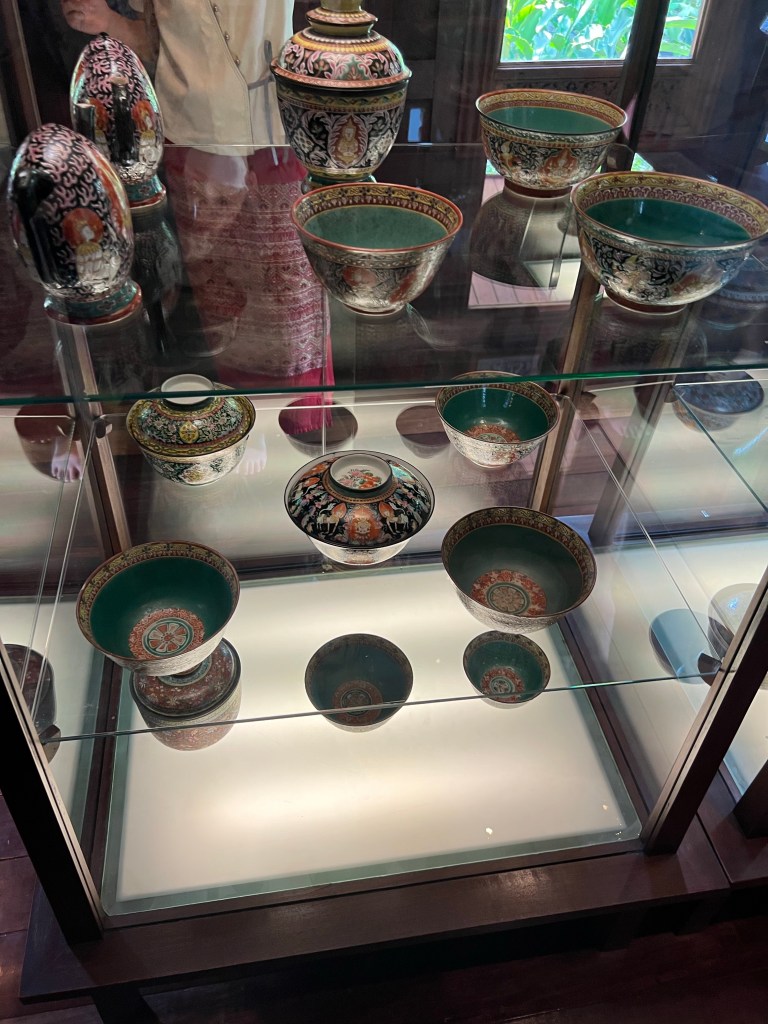
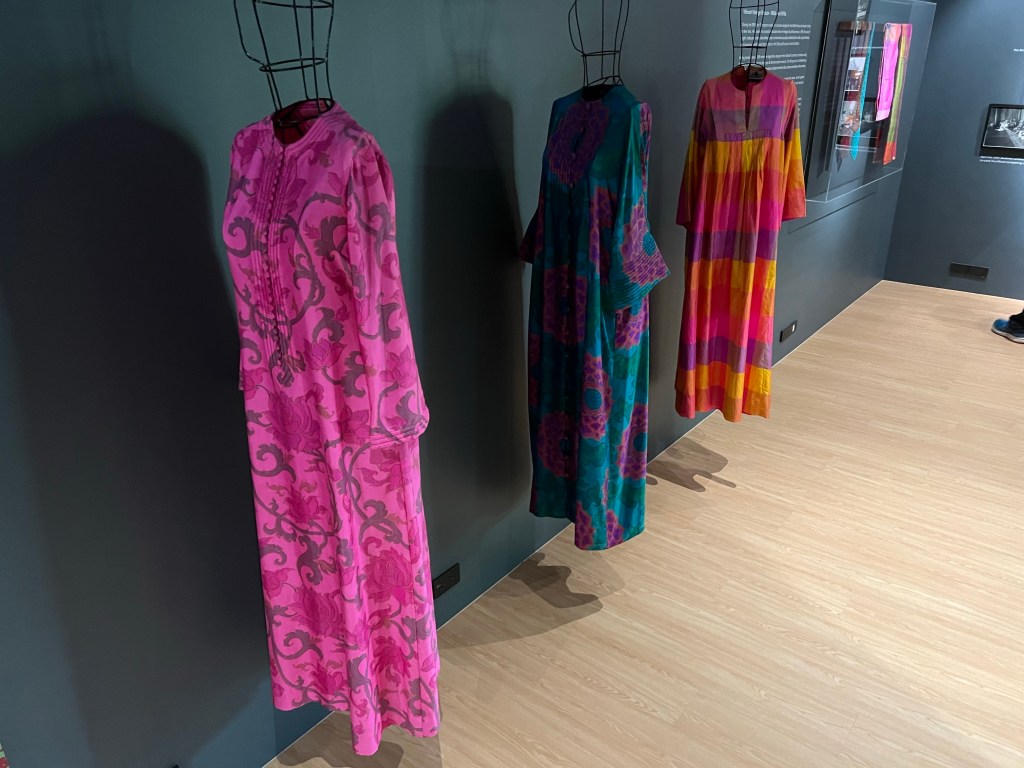
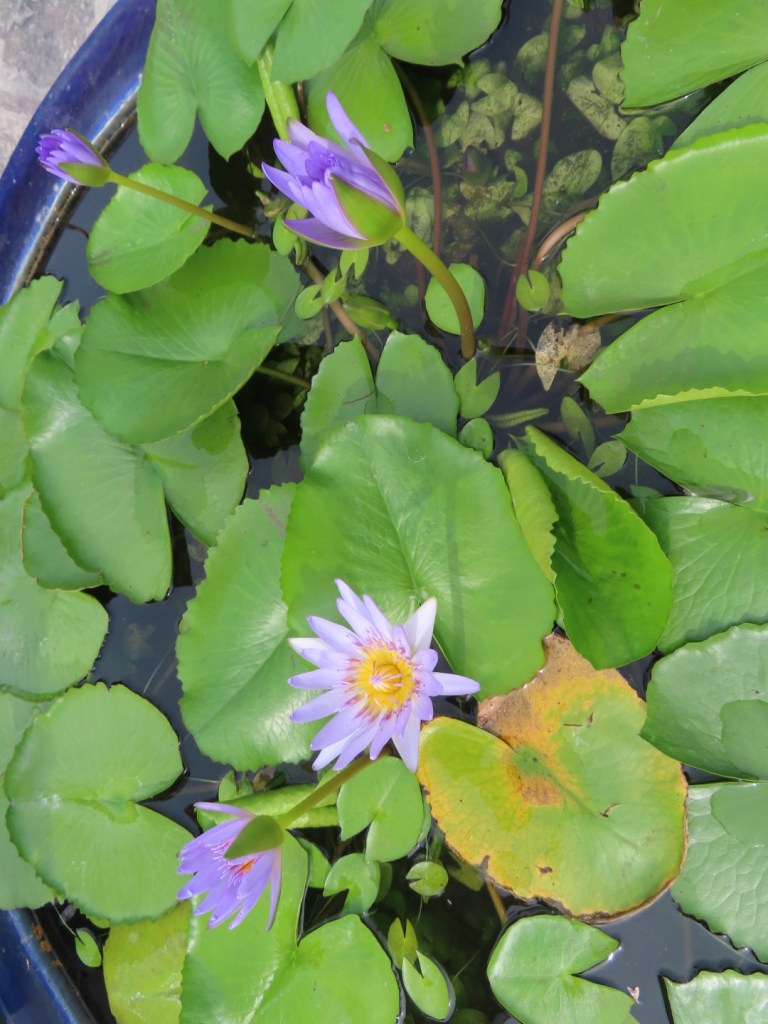
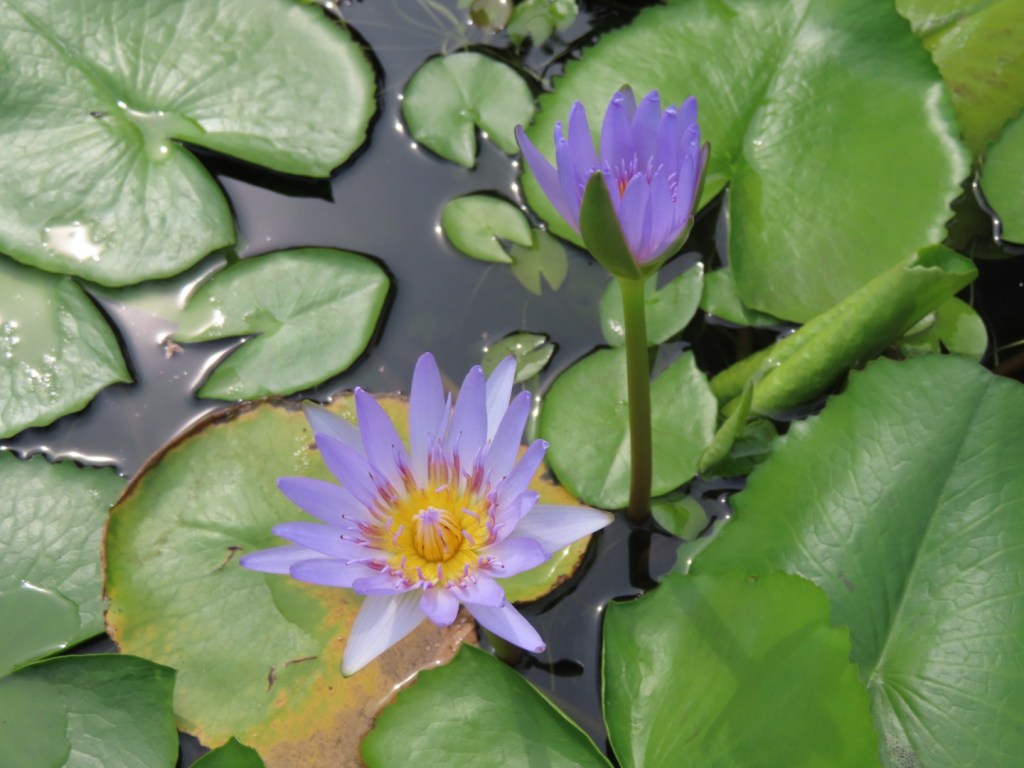
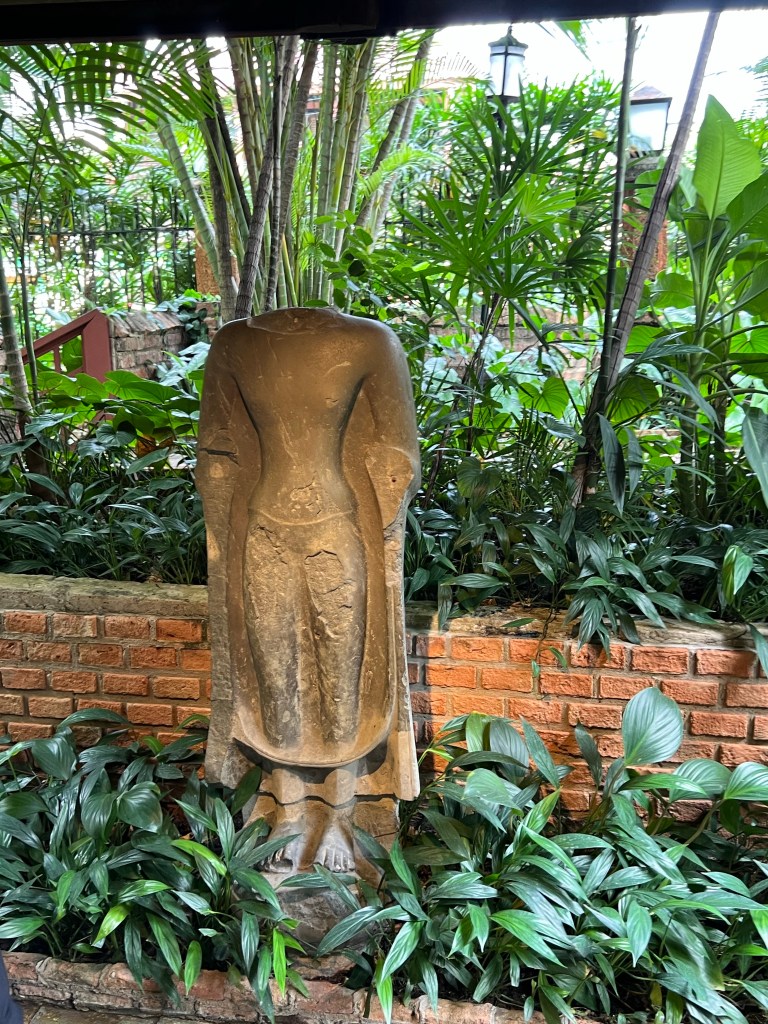
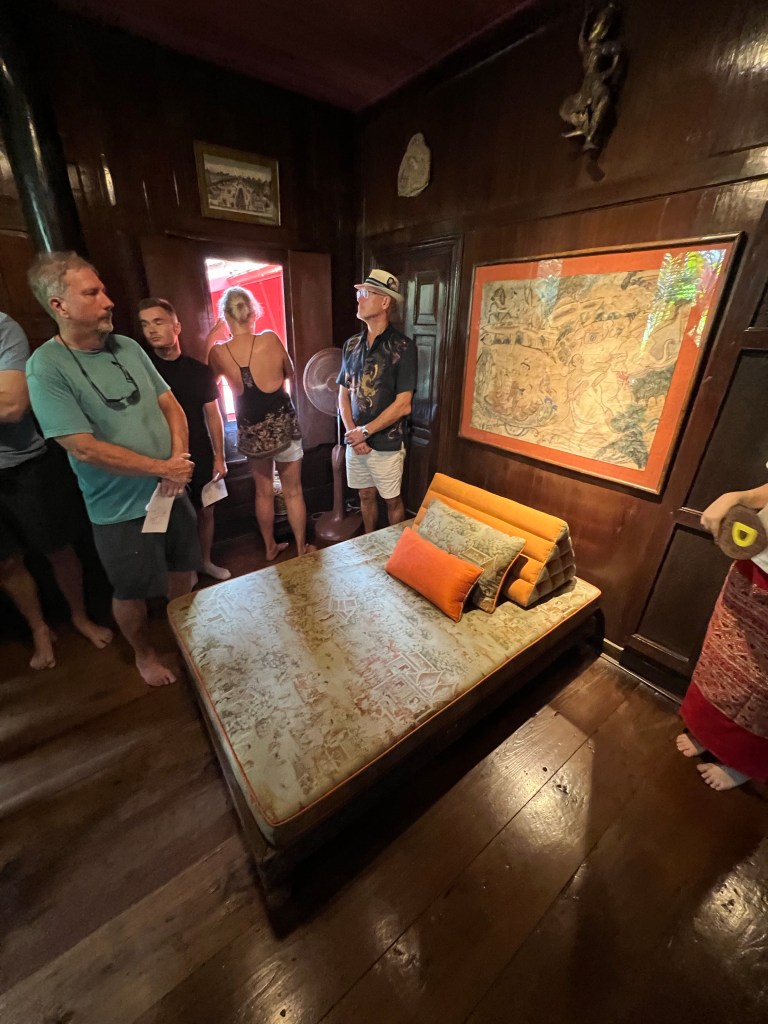
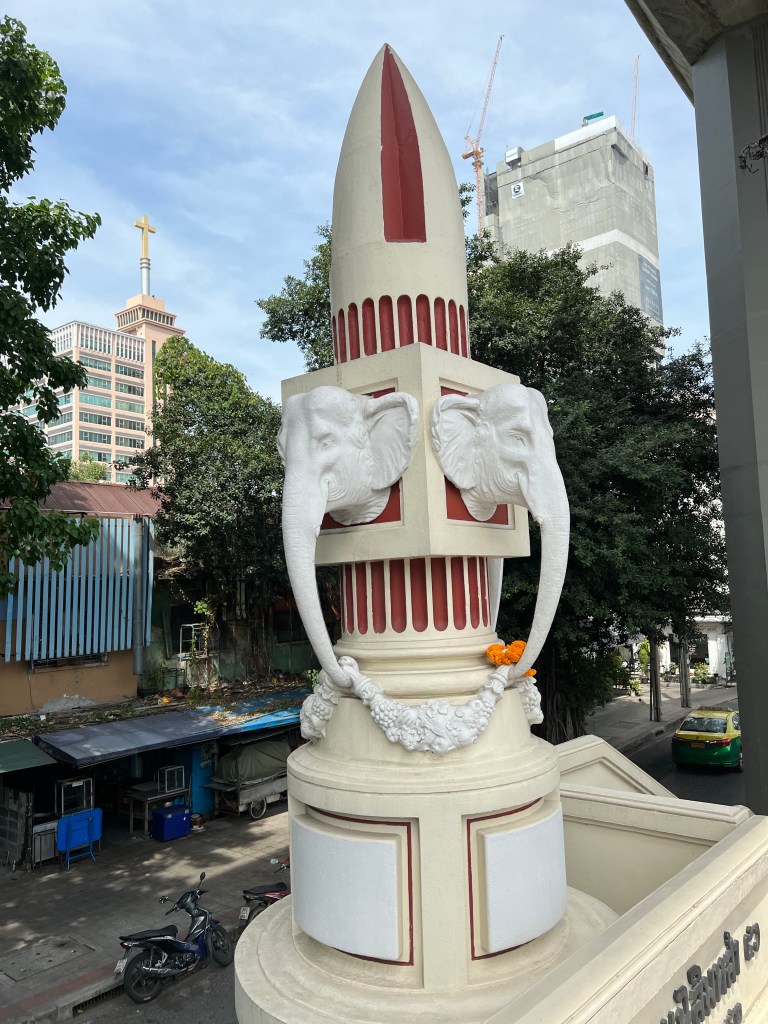
I was on my own this morning and saw the Erawan Temple and Jim Thompson House museum. Thompson was an American businessman who brought Thai silk to the world market. He amassed a collection of Thai art and Asian ceramics.











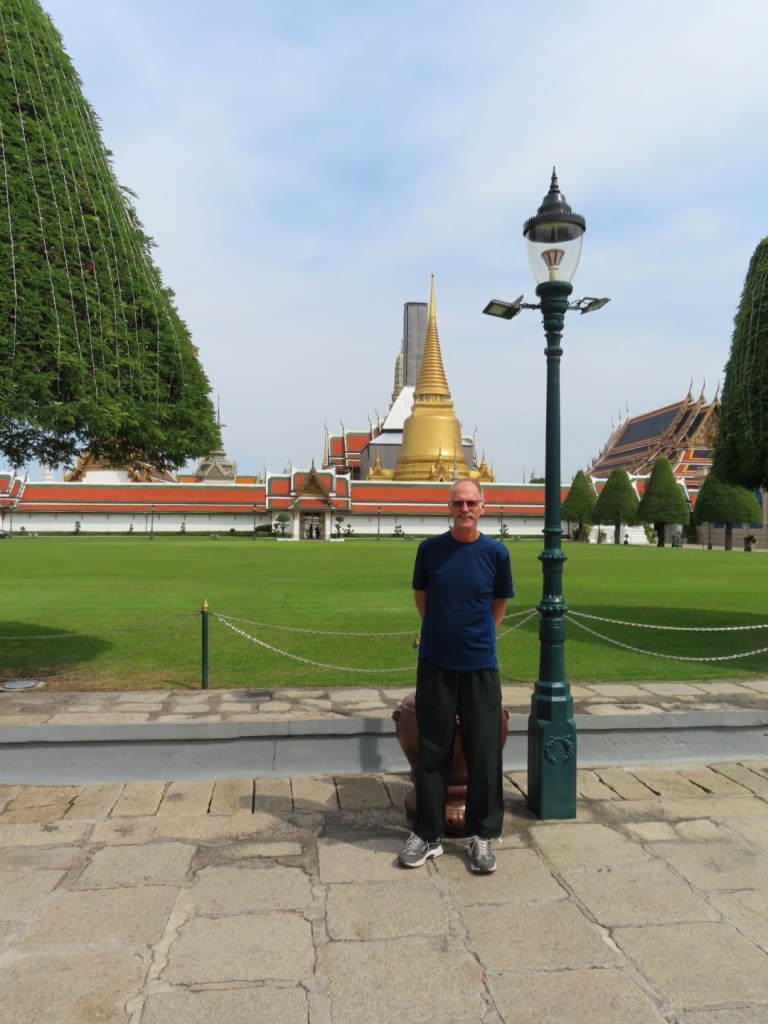
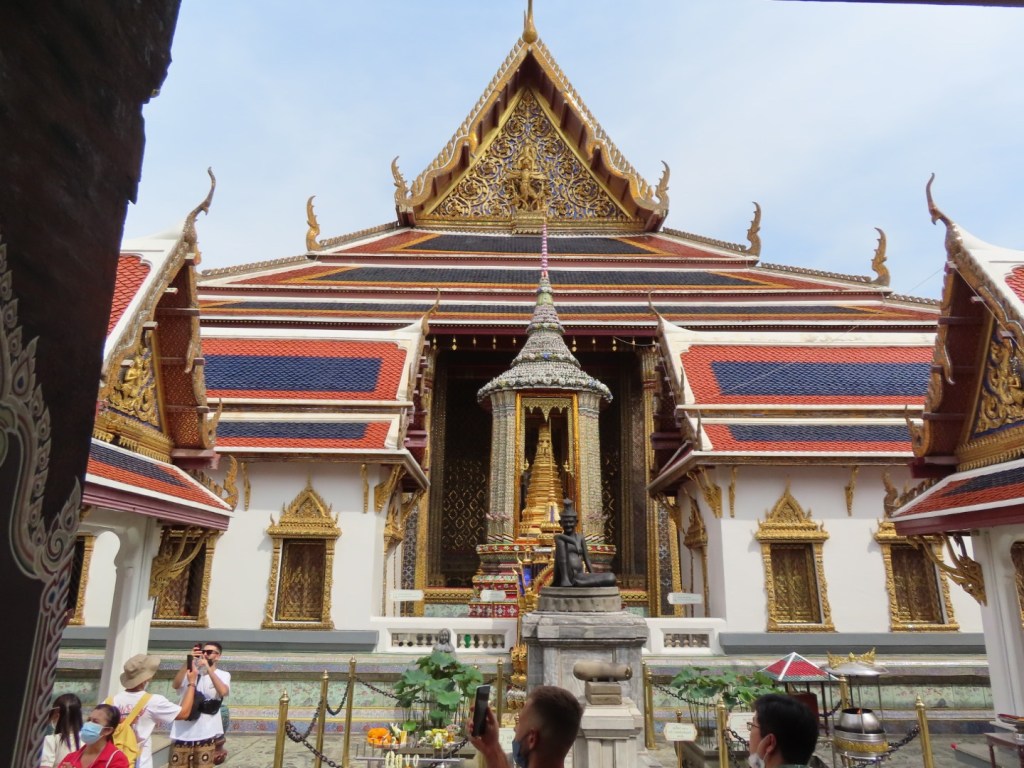
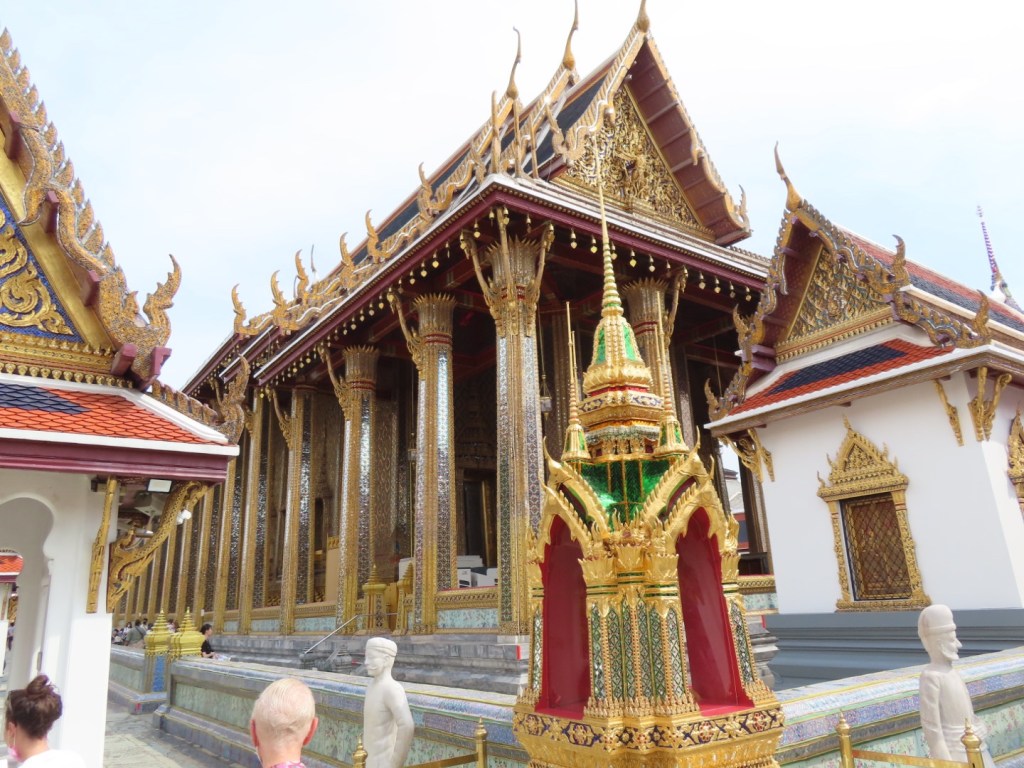
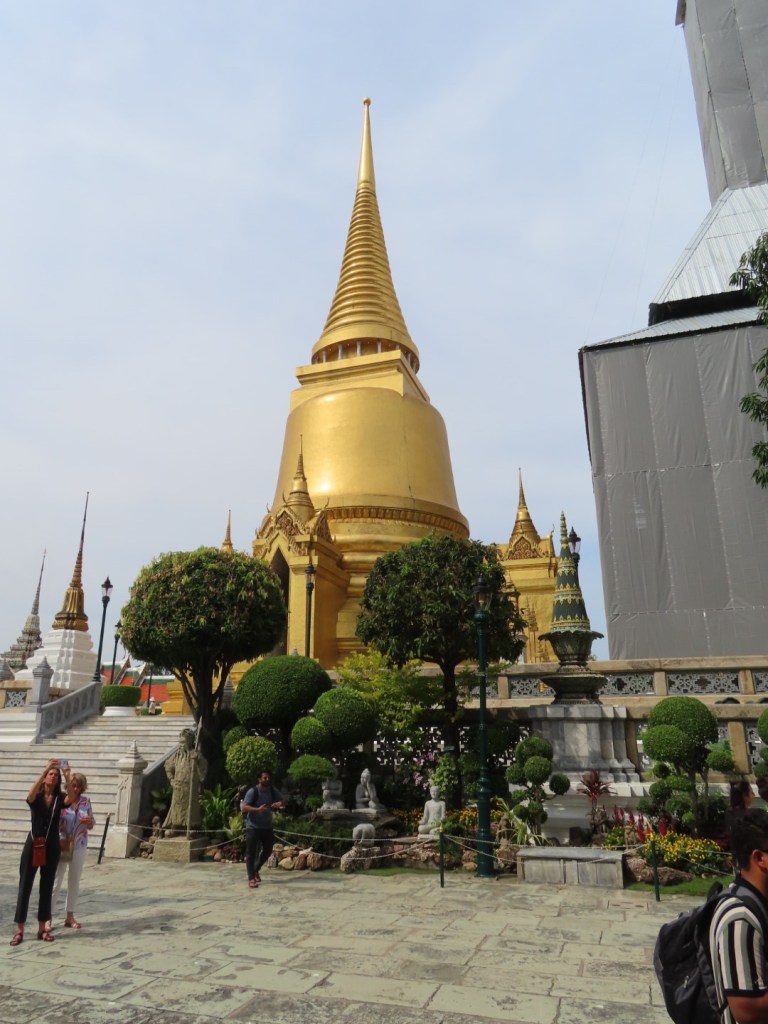
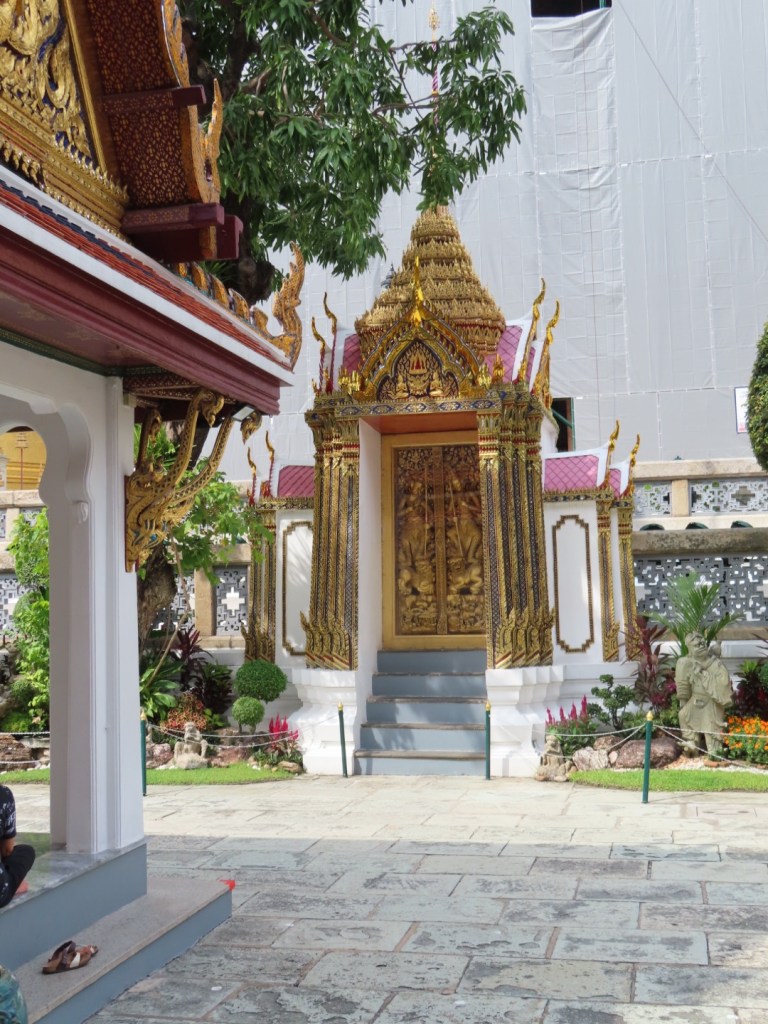
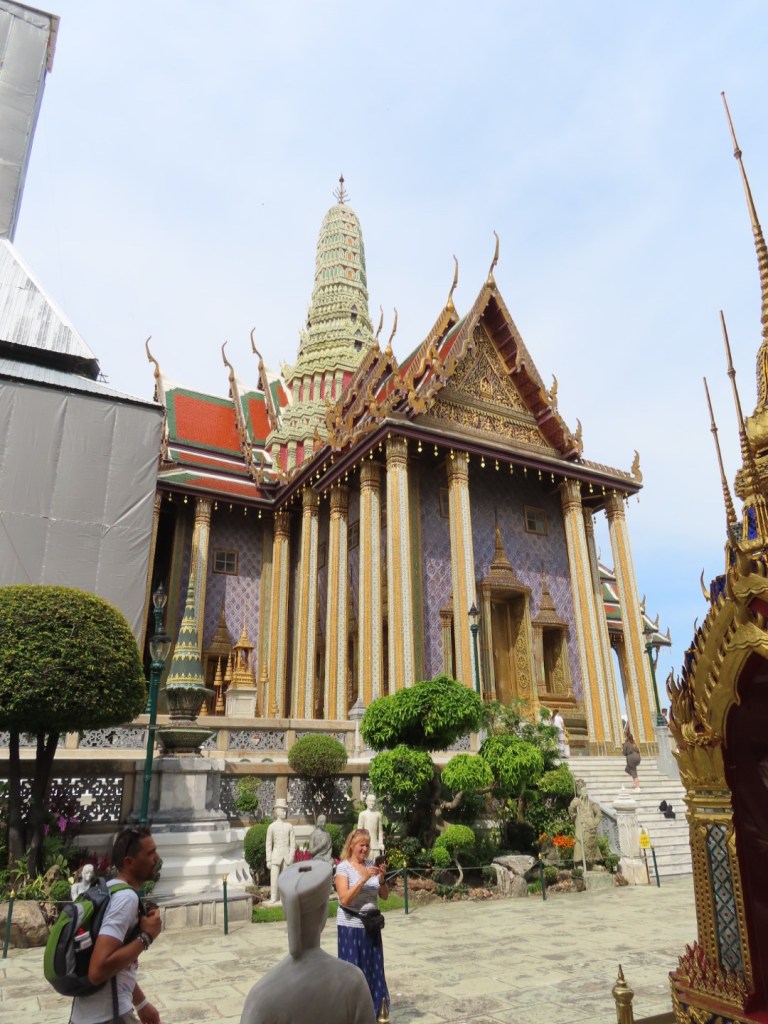
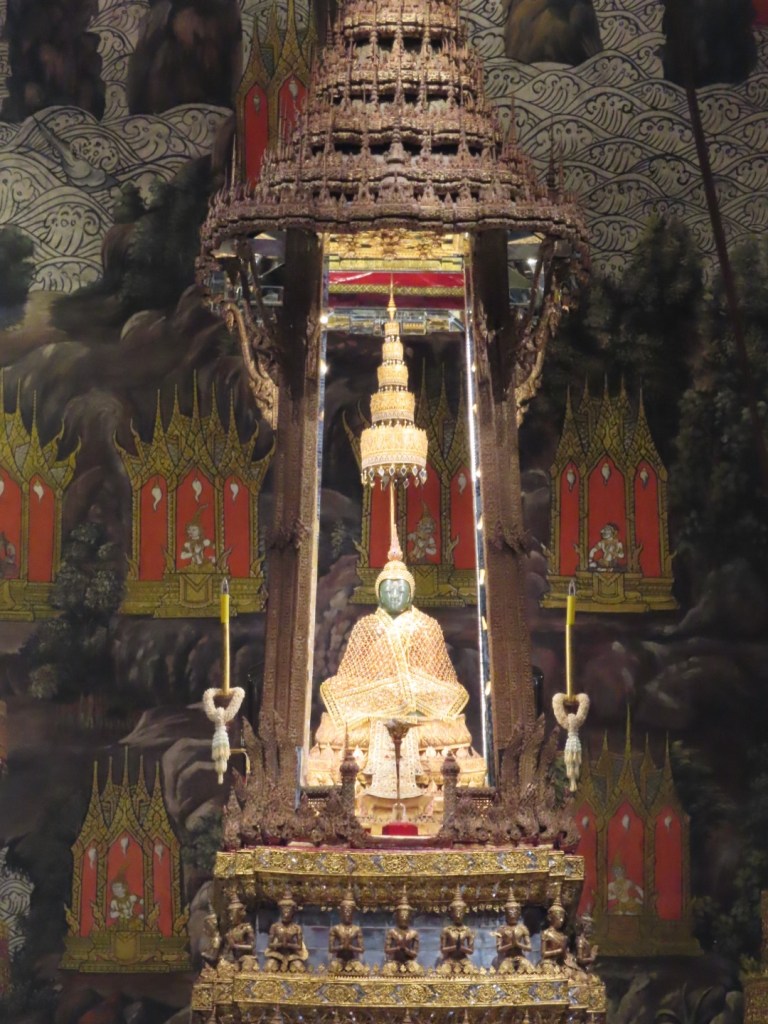
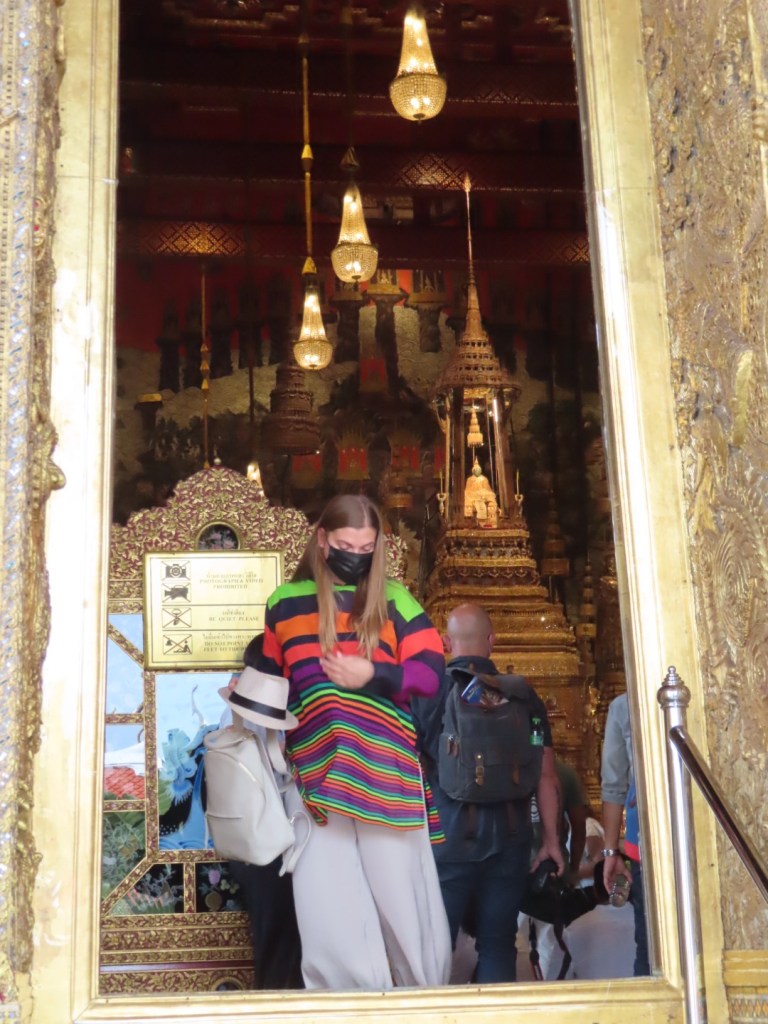
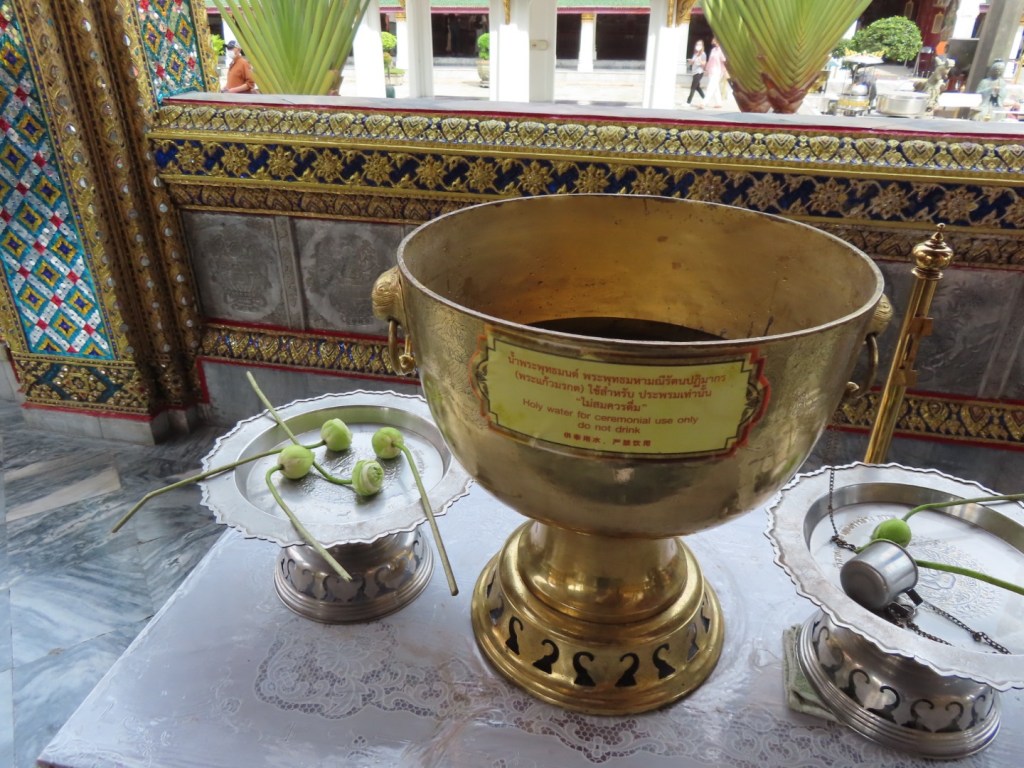
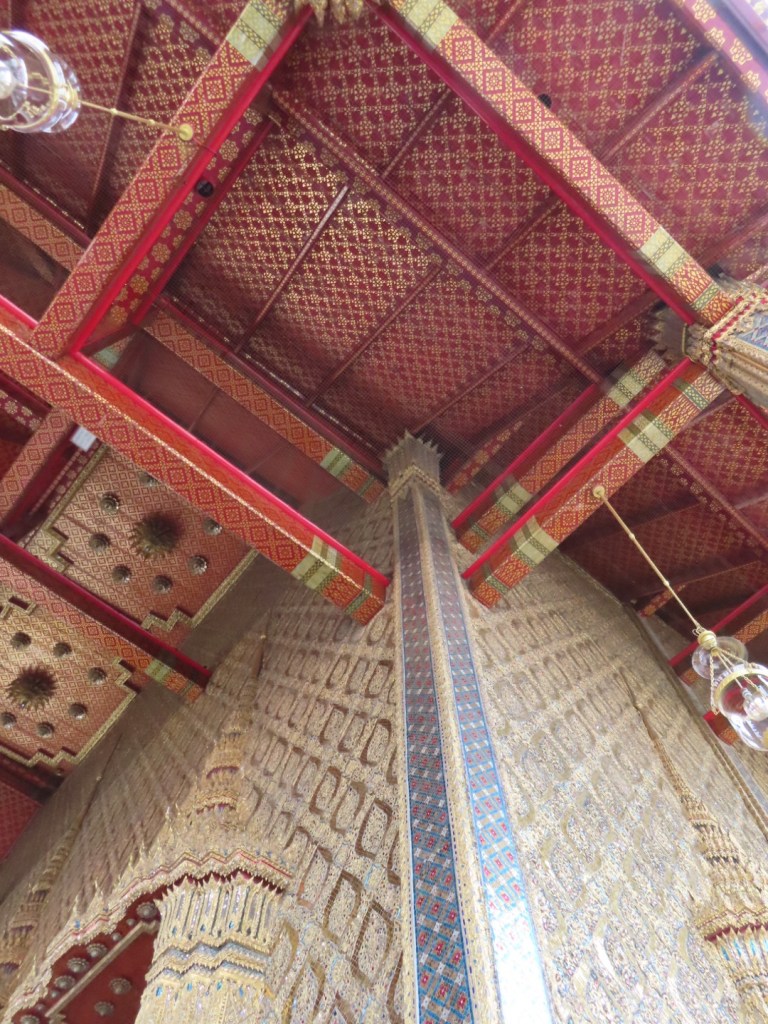
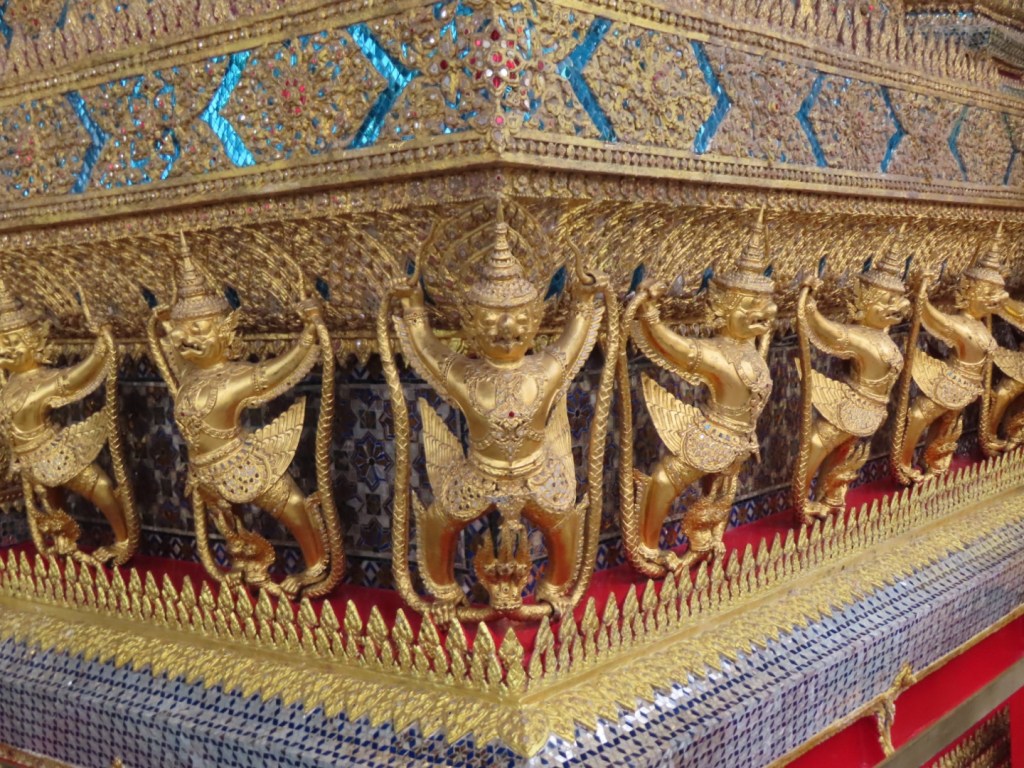
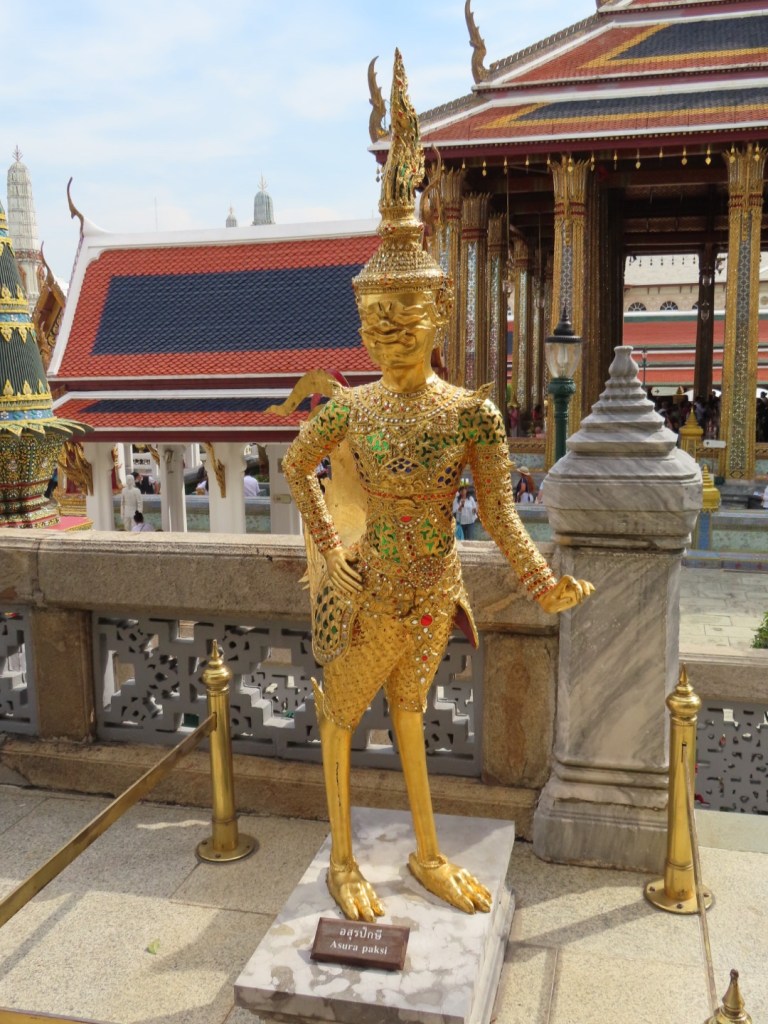
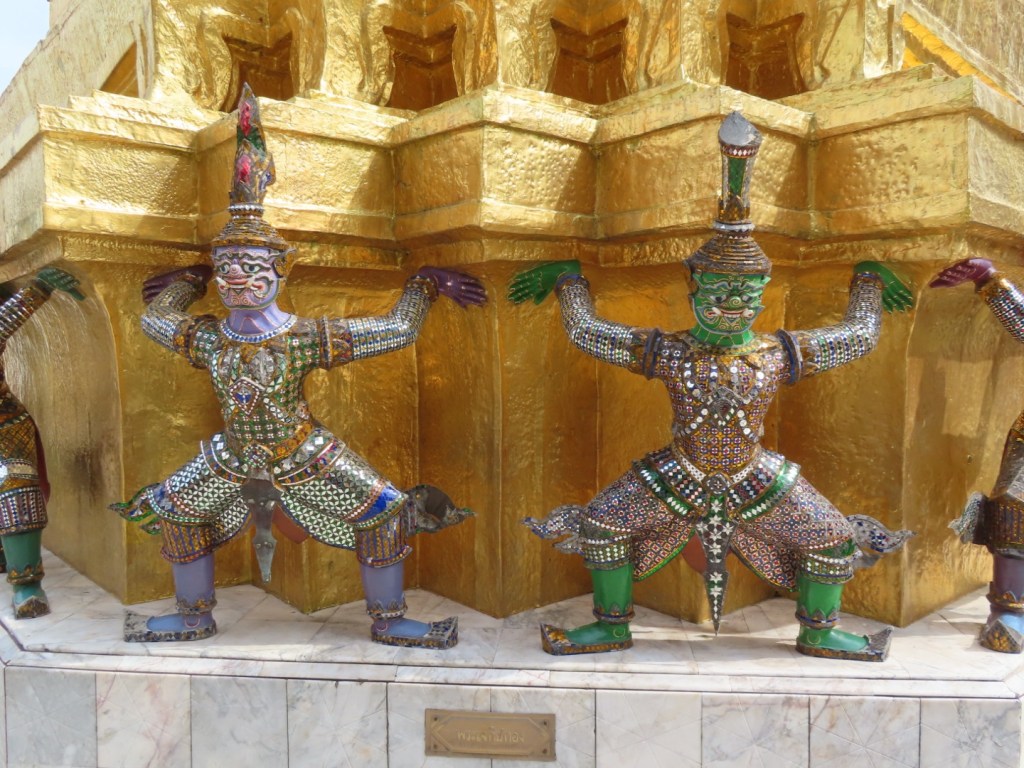
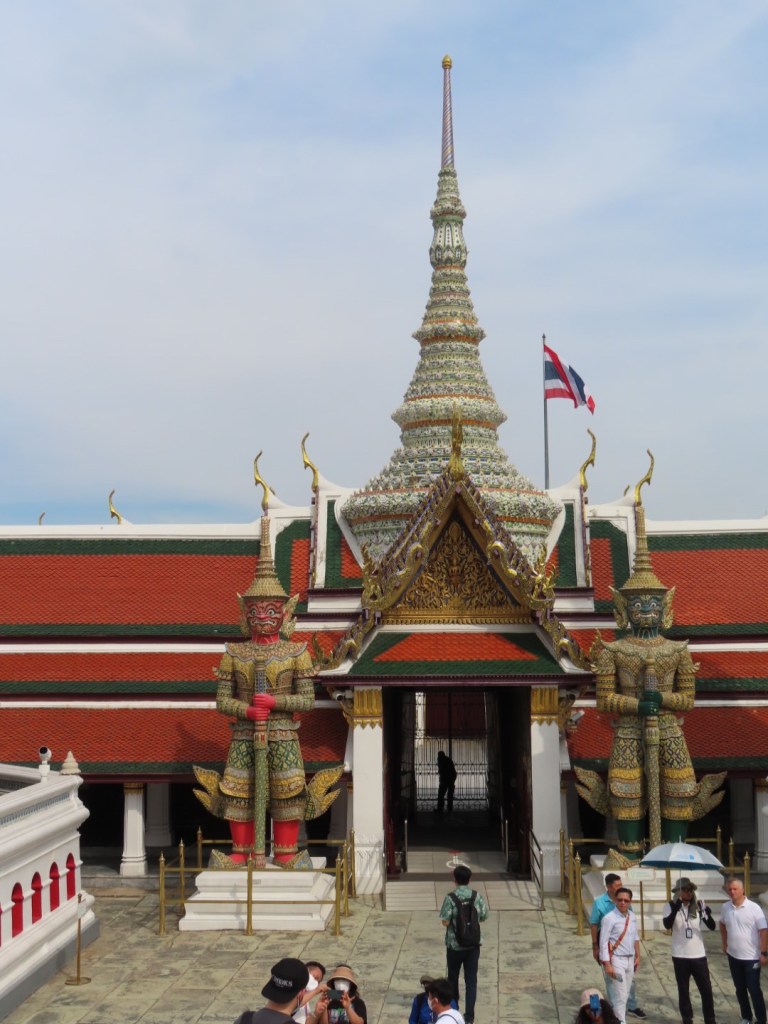
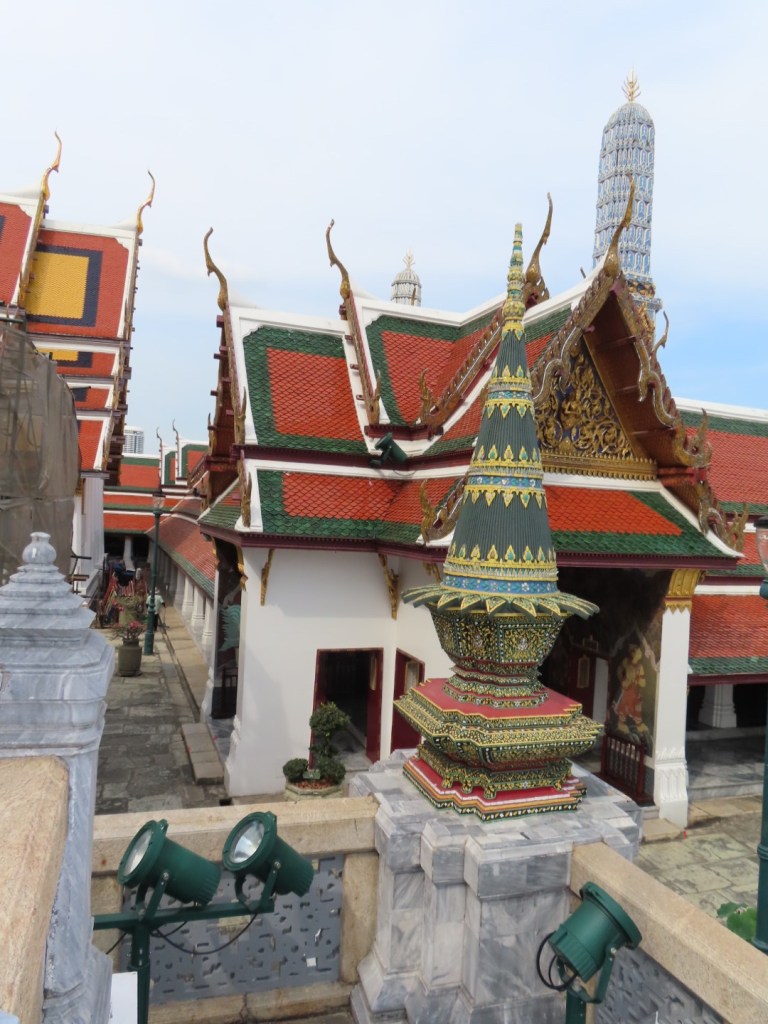
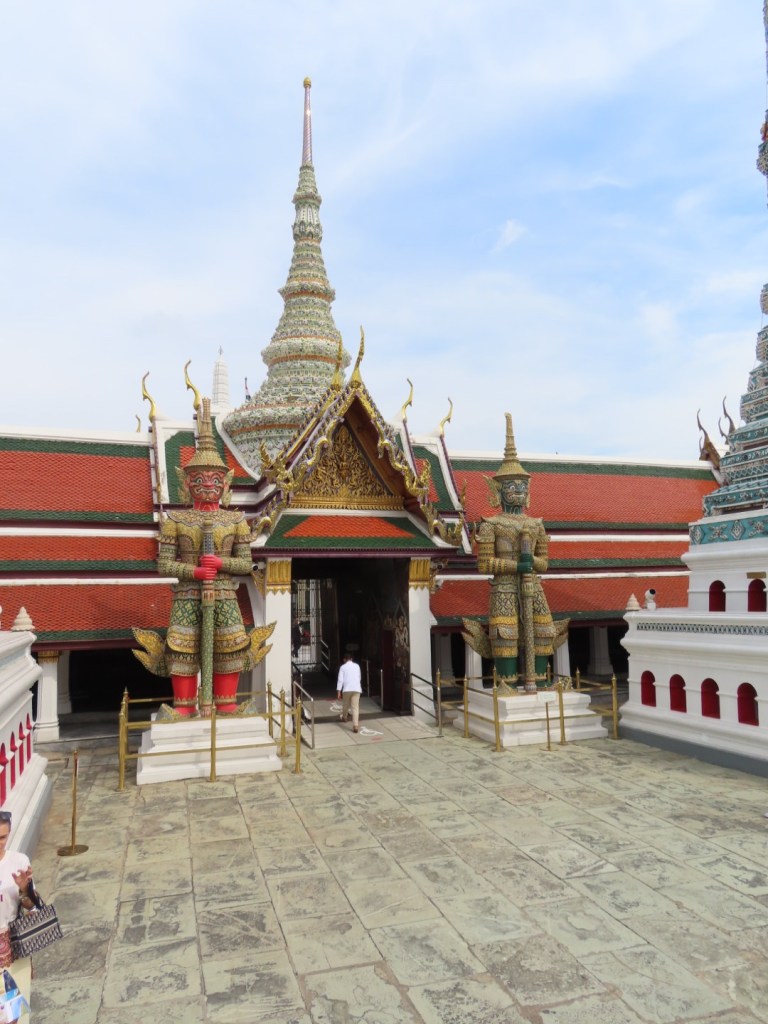
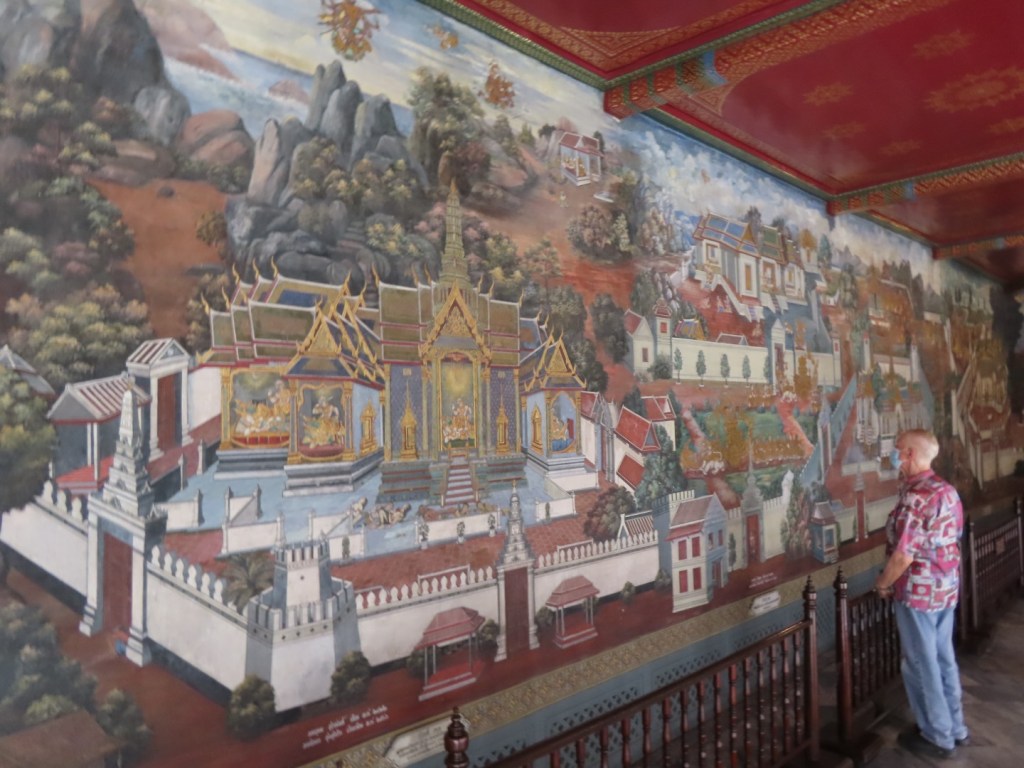
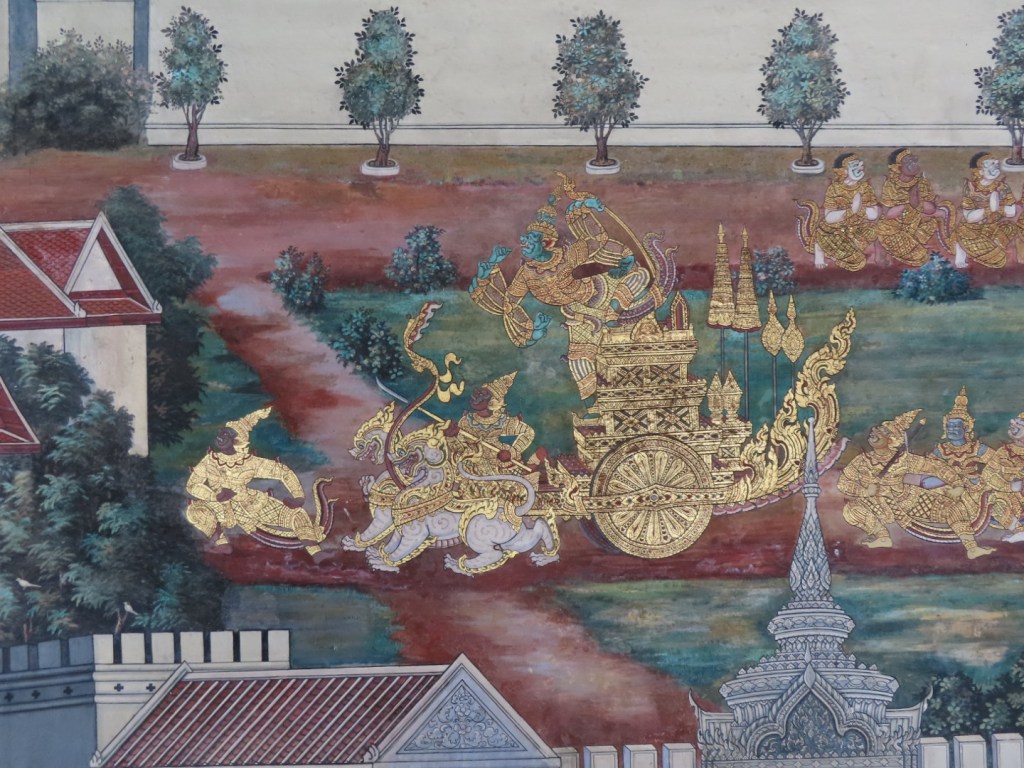
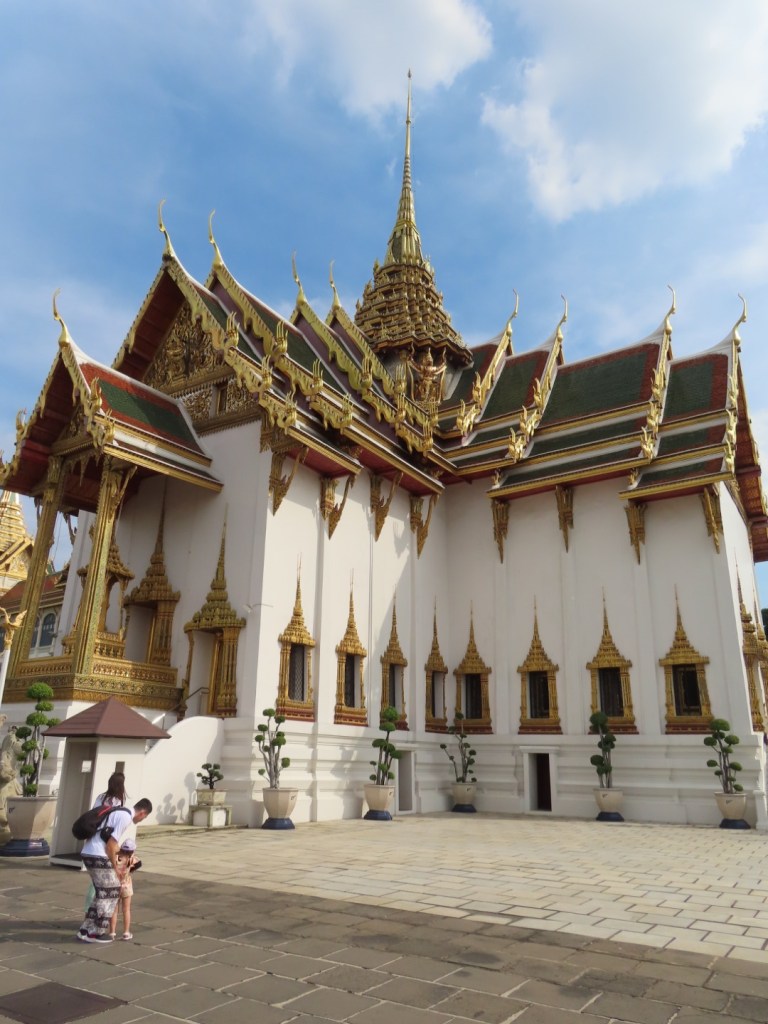
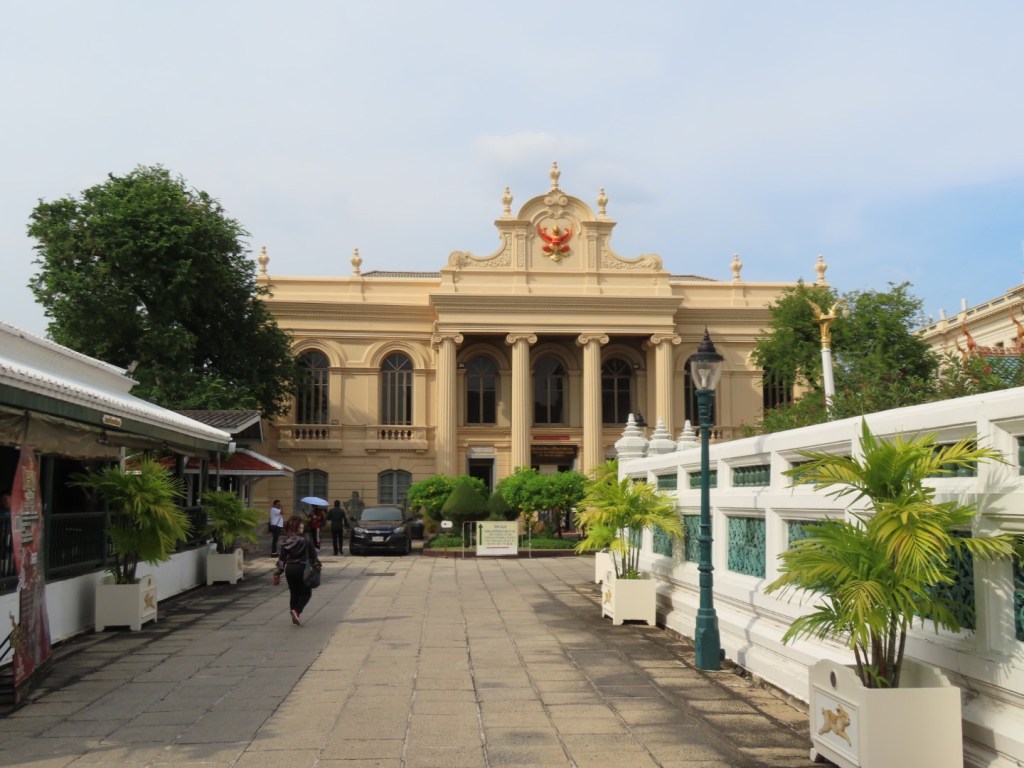
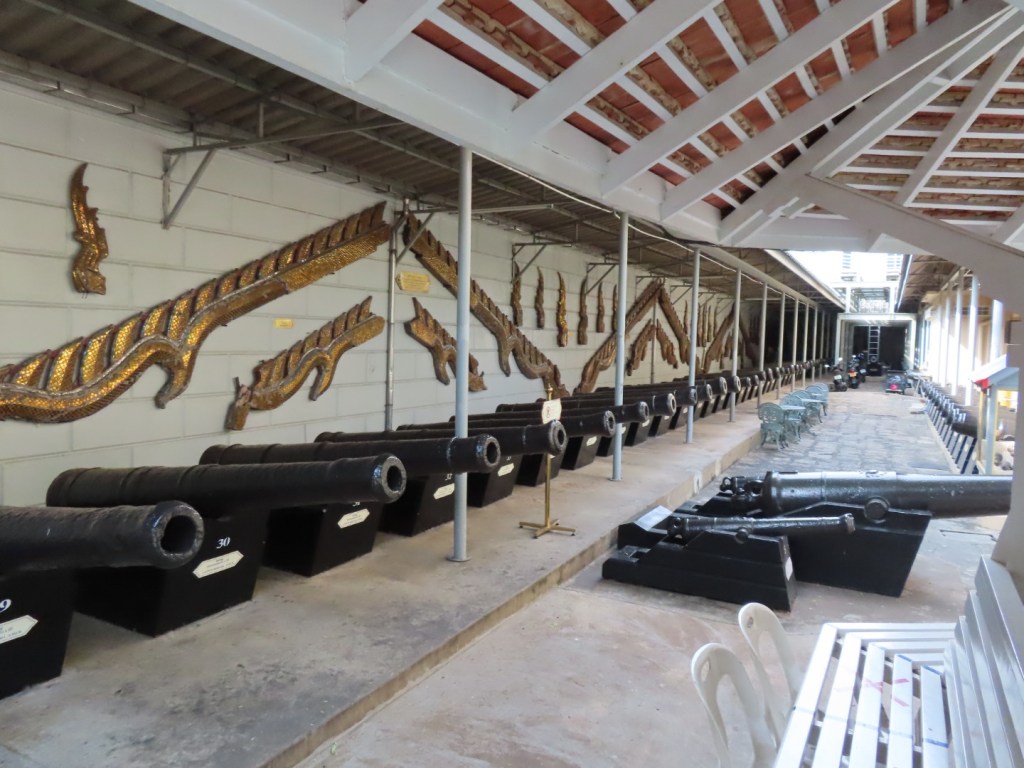
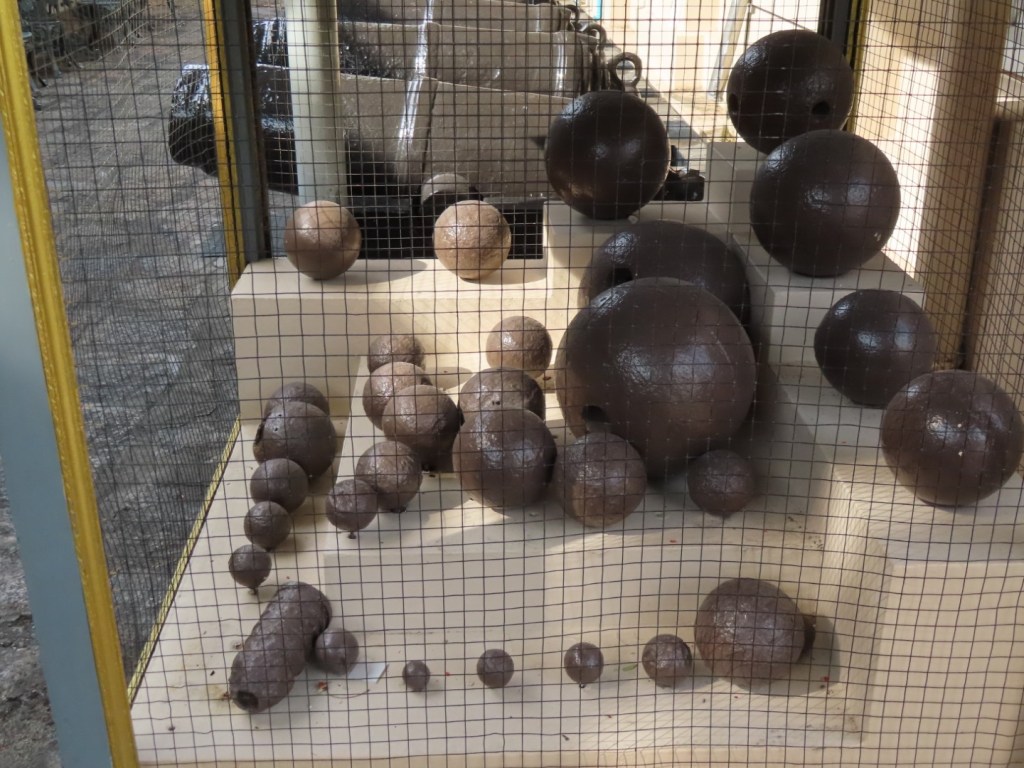
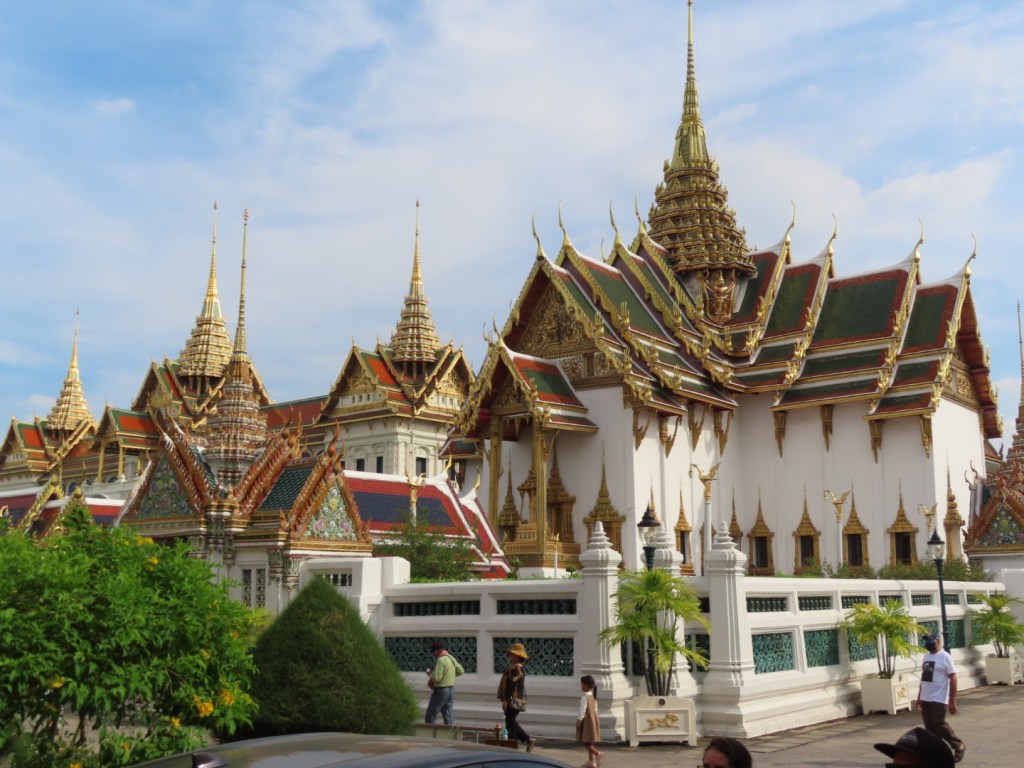
In the afternoon, Michael and I visited the Chapel Royal of the Emerald Buddha and the Grand Palace.





I was on my own this morning and saw the Erawan Temple and Jim Thompson House museum. Thompson was an American businessman who brought Thai silk to the world market. He amassed a collection of Thai art and Asian ceramics.
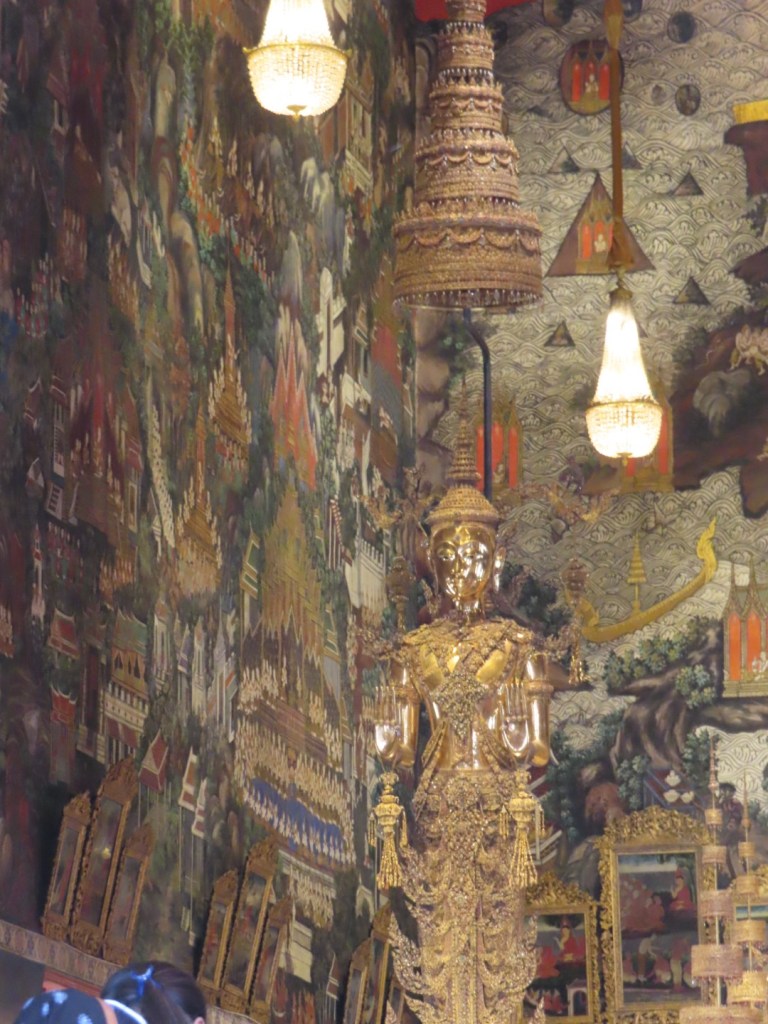
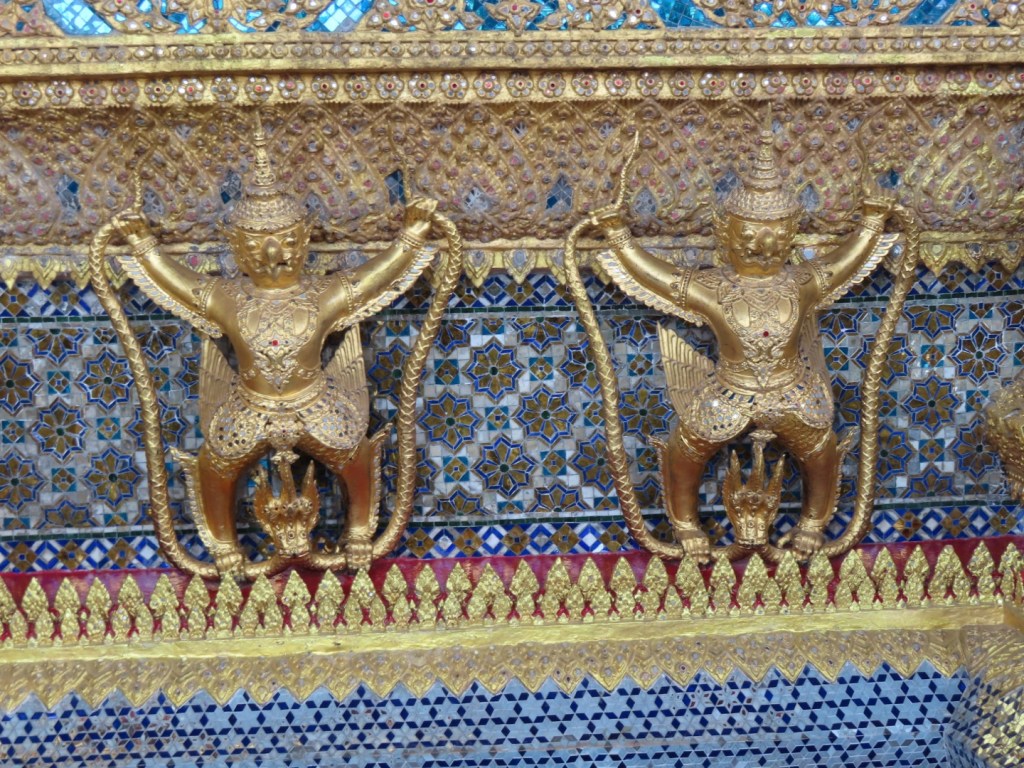
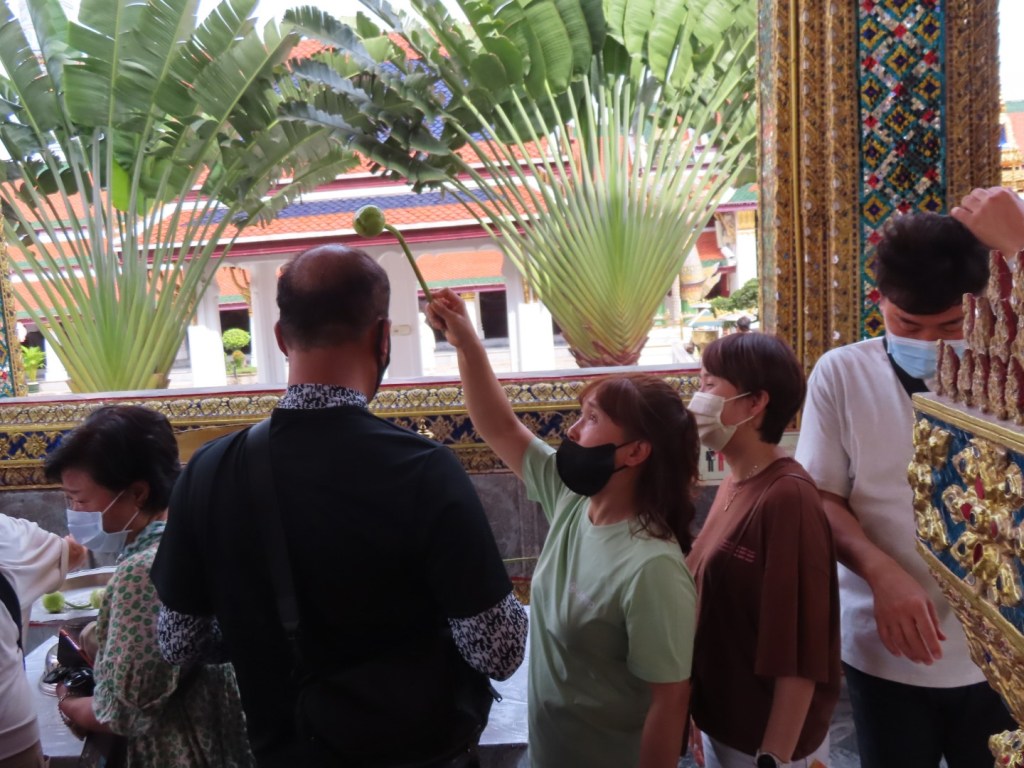
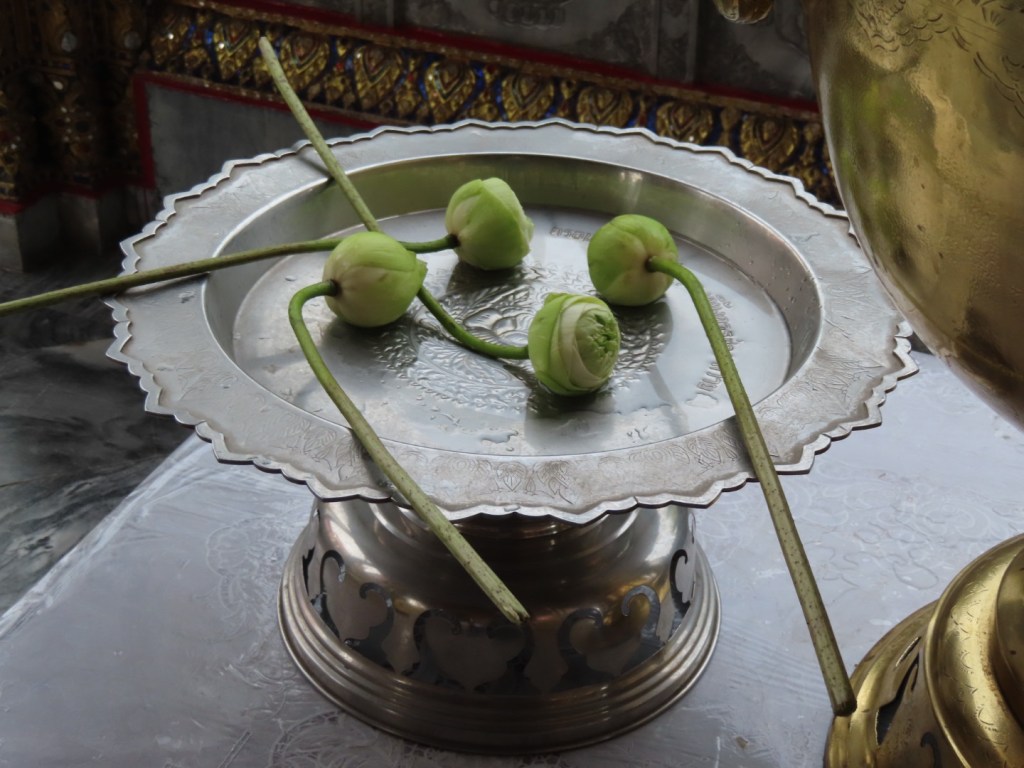
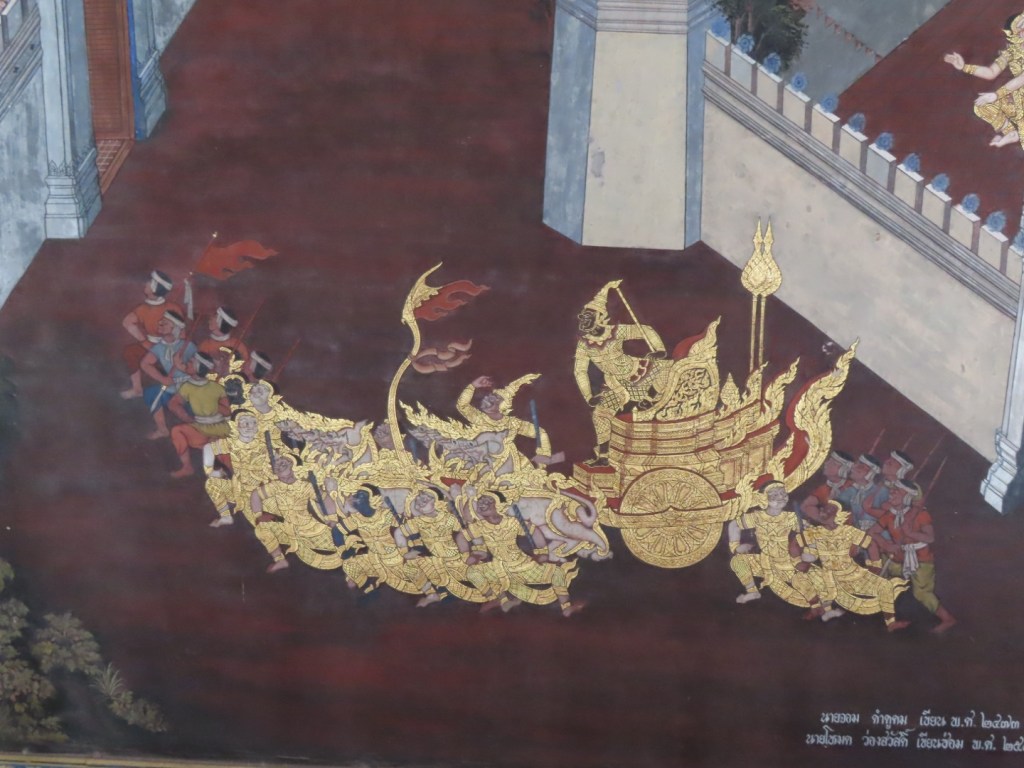
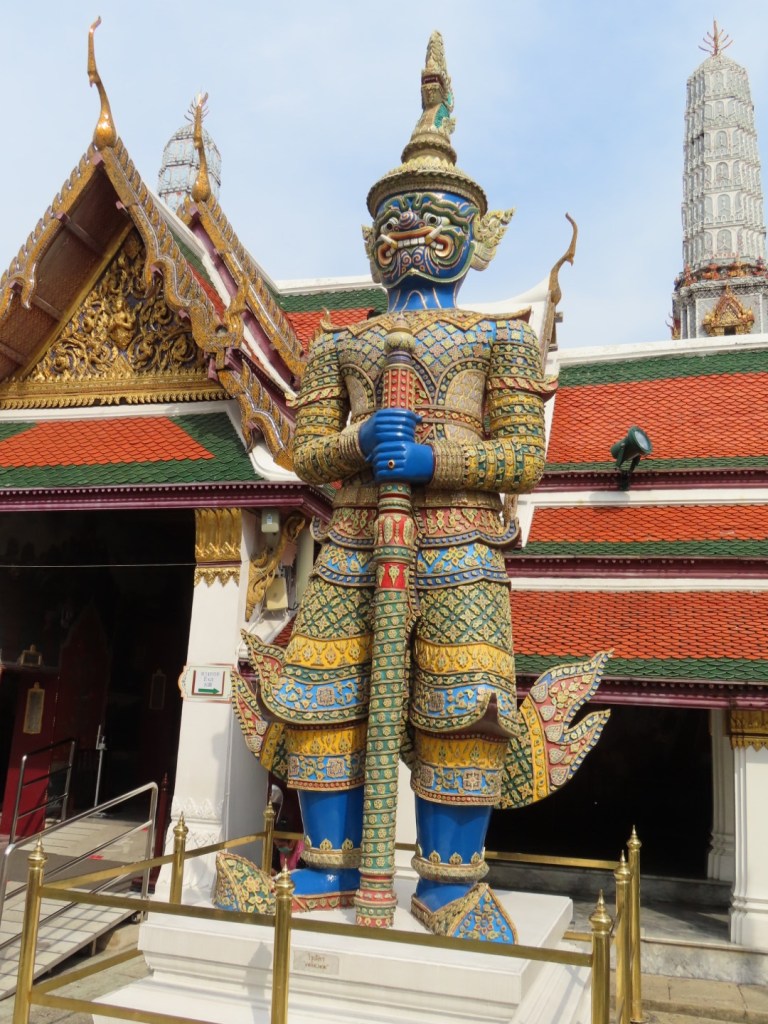
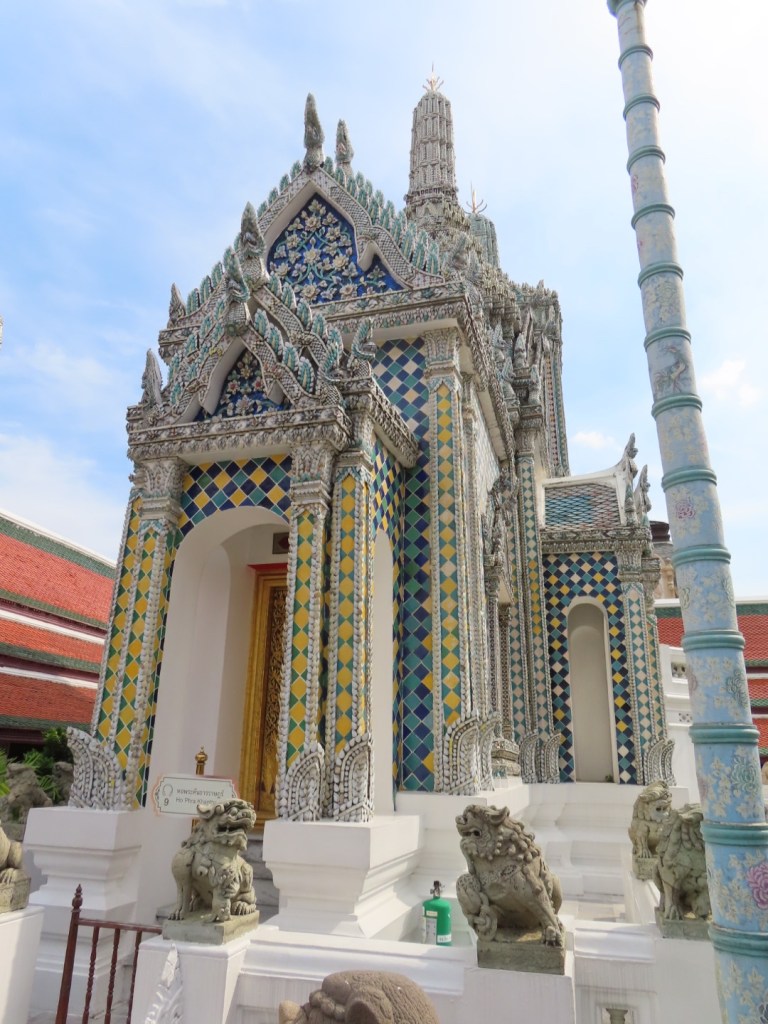
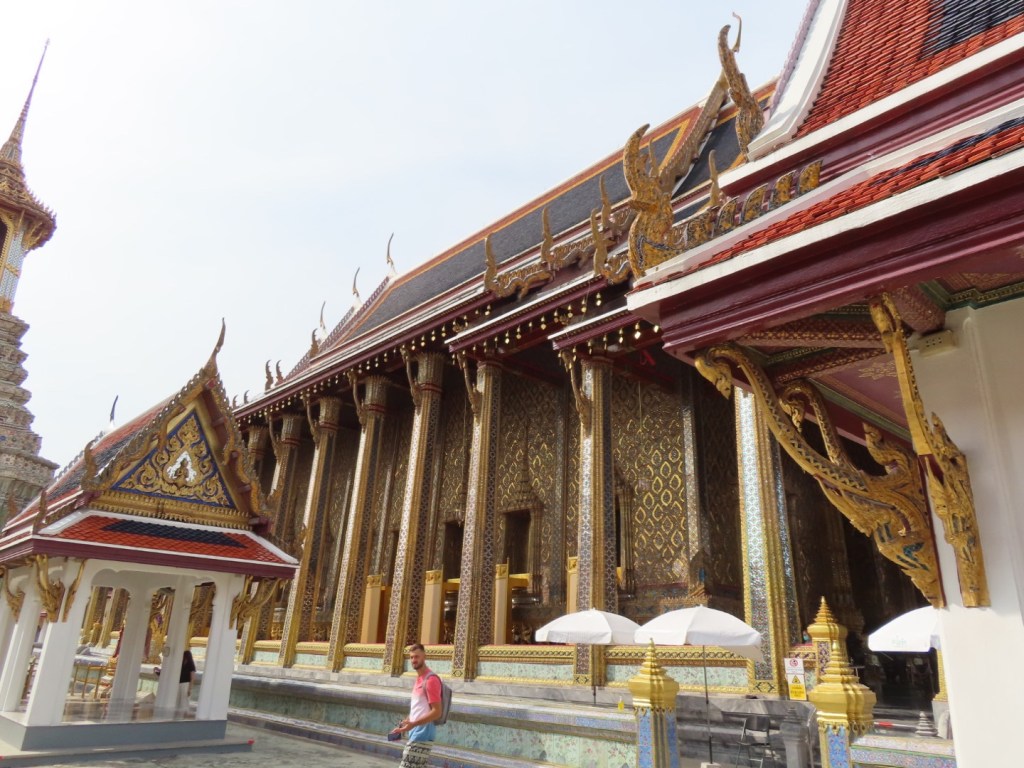
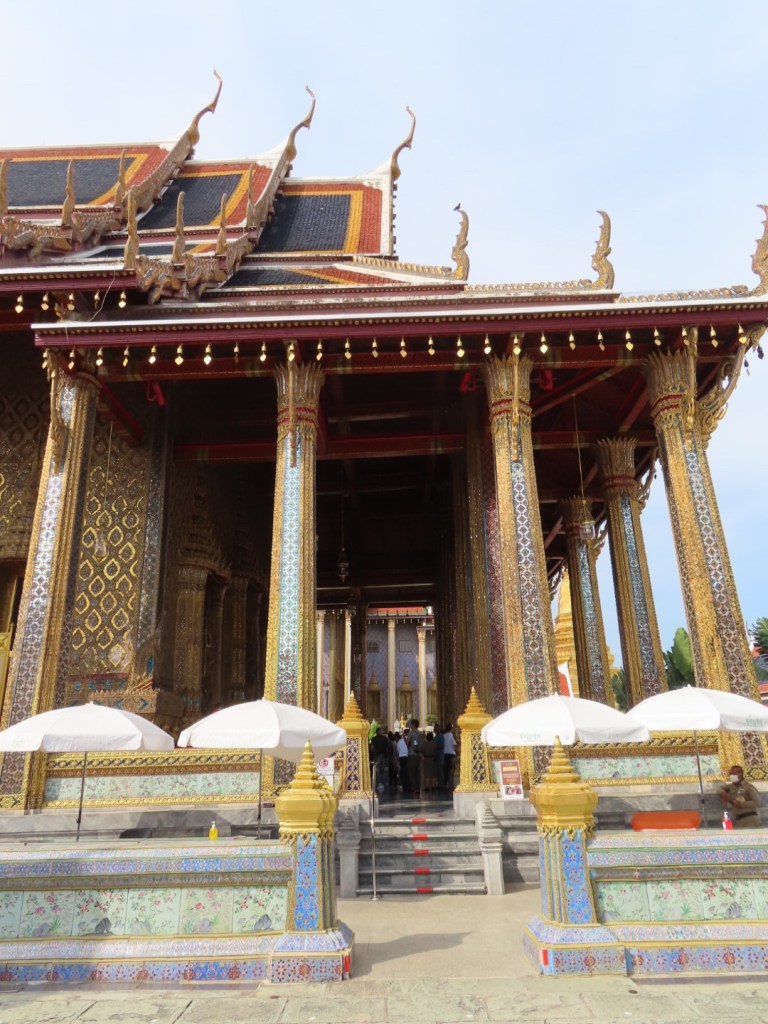
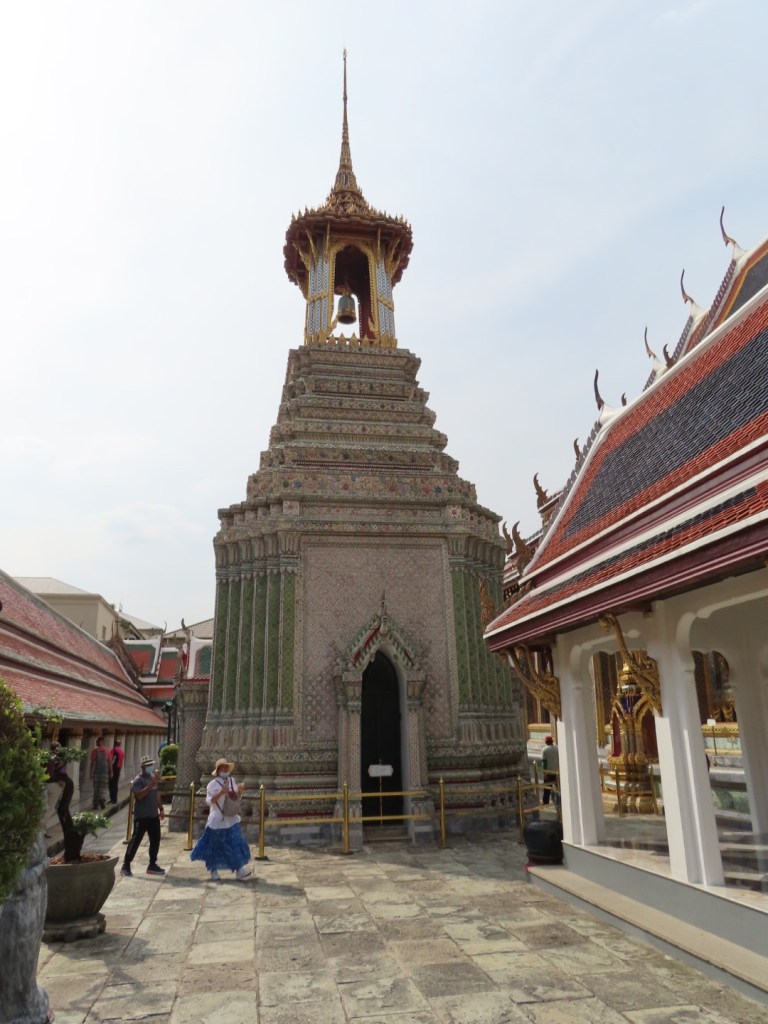
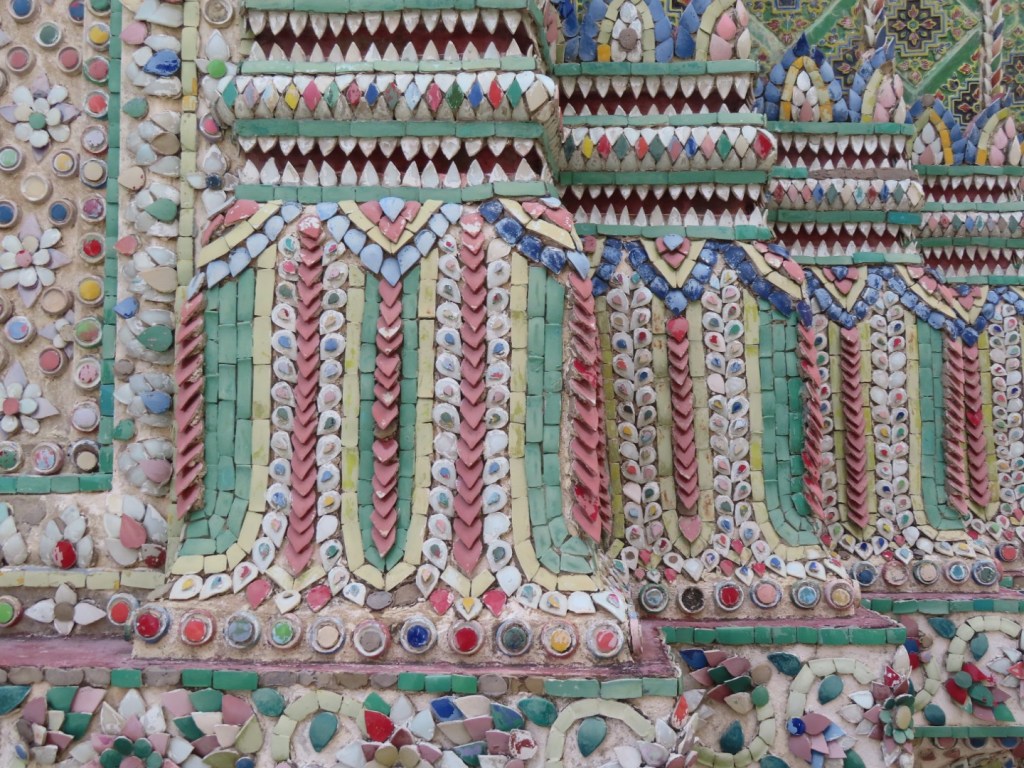
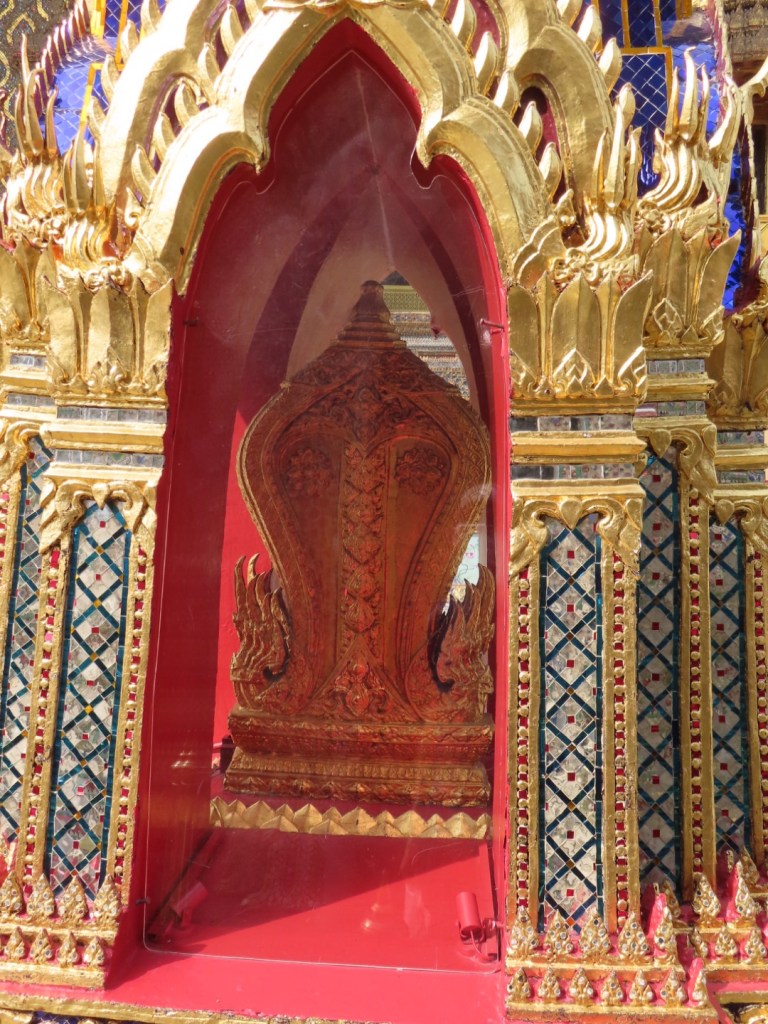
In the afternoon, Michael and I visited the Chapel Royal of the Emerald Buddha and the Grand Palace.
I was on my own this morning and saw the Erawan Temple and Jim Thompson House museum. Thompson was an American businessman who brought Thai silk to the world market. He amassed a collection of Thai art and Asian ceramics.
In the afternoon, Michael and I visited the Chapel Royal of the Emerald Buddha and the Grand Palace.
I was on my own this morning and saw the Erawan Temple and Jim Thompson House museum. Thompson was an American businessman who brought Thai silk to the world market. He amassed a collection of Thai art and Asian ceramics.
In the afternoon, Michael and I visited the Chapel Royal of the Emerald Buddha and the Grand Palace.
I was on my own this morning and saw the Erawan Temple and Jim Thompson House museum. Thompson was an American businessman who brought Thai silk to the world market. He amassed a collection of Thai art and Asian ceramics.

In the afternoon, Michael and I visited the Chapel Royal of the Emerald Buddha and the Grand Palace.
I was on my own this morning and saw the Erawan Temple and Jim Thompson House museum. Thompson was an American businessman who brought Thai silk to the world market. He amassed a collection of Thai art and Asian ceramics.
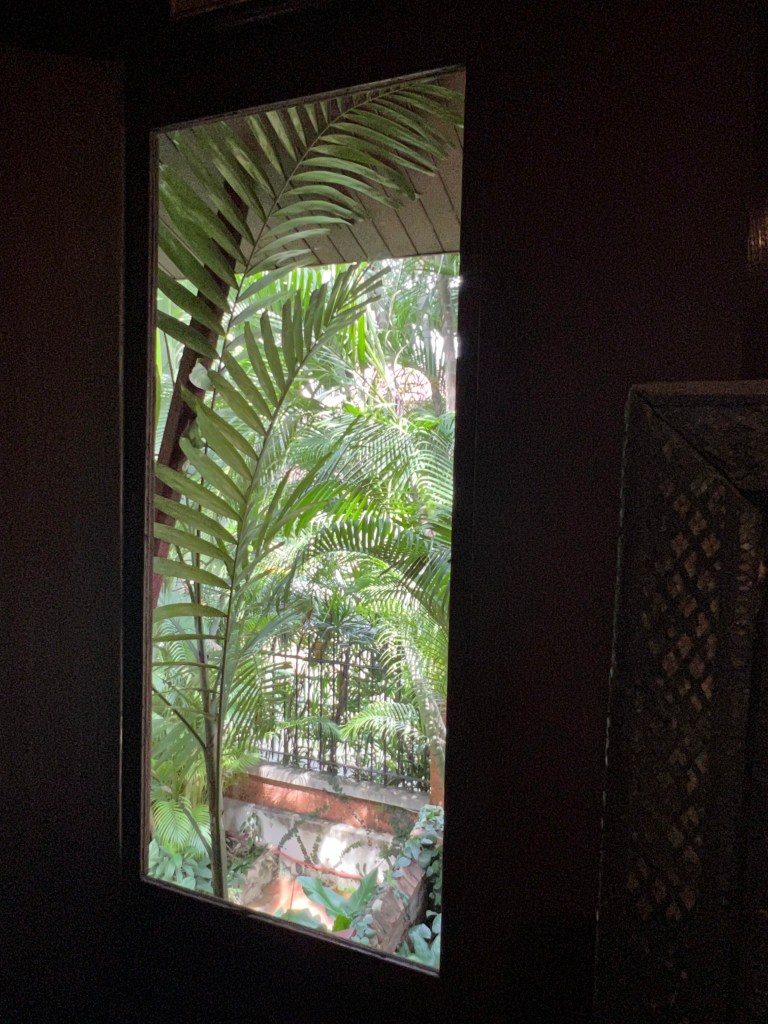
In the afternoon, Michael and I visited the Chapel Royal of the Emerald Buddha and the Grand Palace.
I was on my own this morning and saw the Erawan Temple and Jim Thompson House museum. Thompson was an American businessman who brought Thai silk to the world market. He amassed a collection of Thai art and Asian ceramics.


In the afternoon, Michael and I visited the Chapel Royal of the Emerald Buddha and the Grand Palace.
I was on my own this morning and saw the Erawan Temple and Jim Thompson House museum. Thompson was an American businessman who brought Thai silk to the world market. He amassed a collection of Thai art and Asian ceramics.
In the afternoon, Michael and I visited the Chapel Royal of the Emerald Buddha and the Grand Palace.
I was on my own this morning and saw the Erawan Temple and Jim Thompson House museum. Thompson was an American businessman who brought Thai silk to the world market. He amassed a collection of Thai art and Asian ceramics.
In the afternoon, Michael and I visited the Chapel Royal of the Emerald Buddha and the Grand Palace.
I was on my own this morning and saw the Erawan Temple and Jim Thompson House museum. Thompson was an American businessman who brought Thai silk to the world market. He amassed a collection of Thai art and Asian ceramics.
In the afternoon, Michael and I visited the Chapel Royal of the Emerald Buddha and the Grand Palace.
I was on my own this morning and saw the Erawan Temple and Jim Thompson House museum. Thompson was an American businessman who brought Thai silk to the world market. He amassed a collection of Thai art and Asian ceramics.
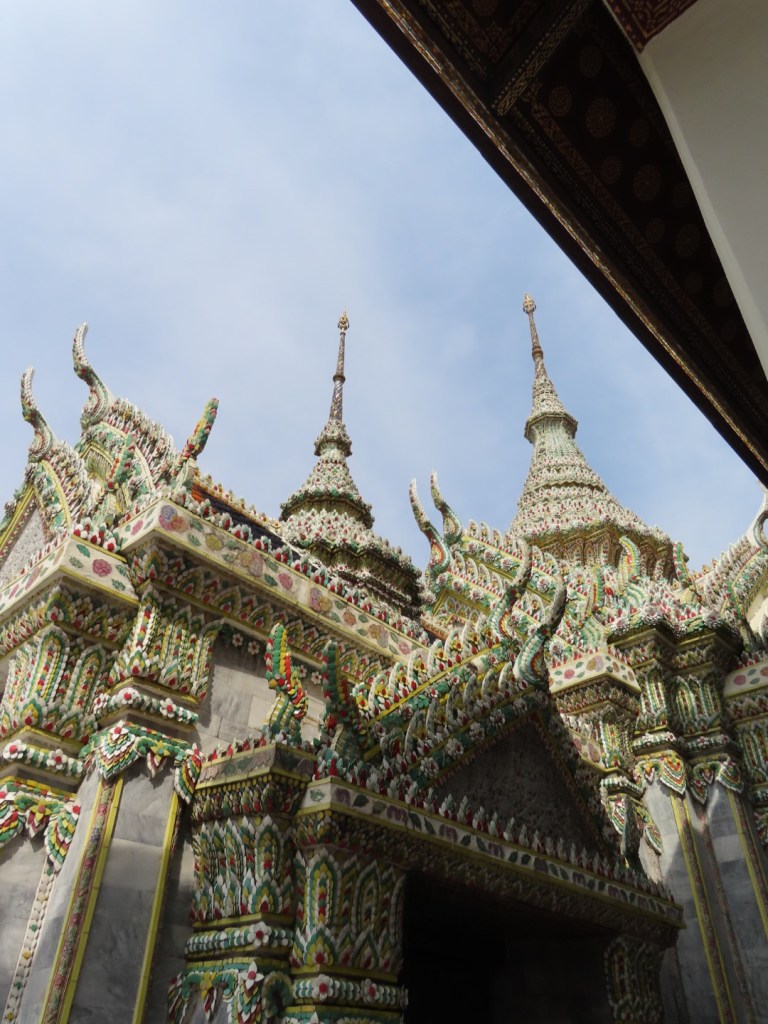
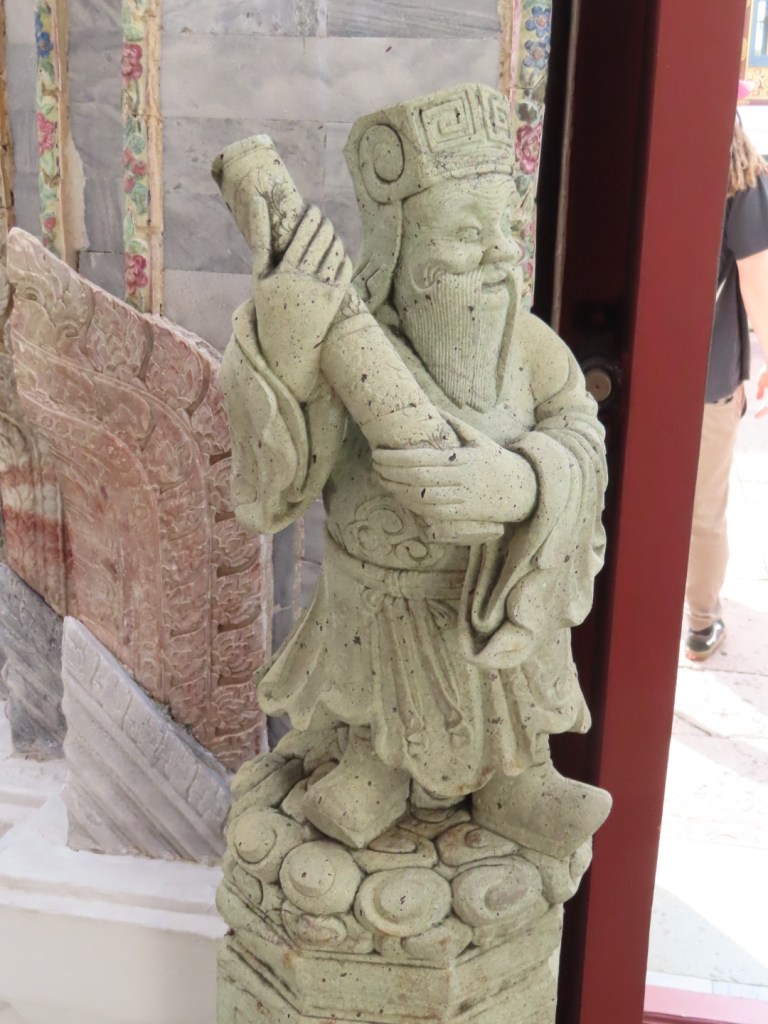
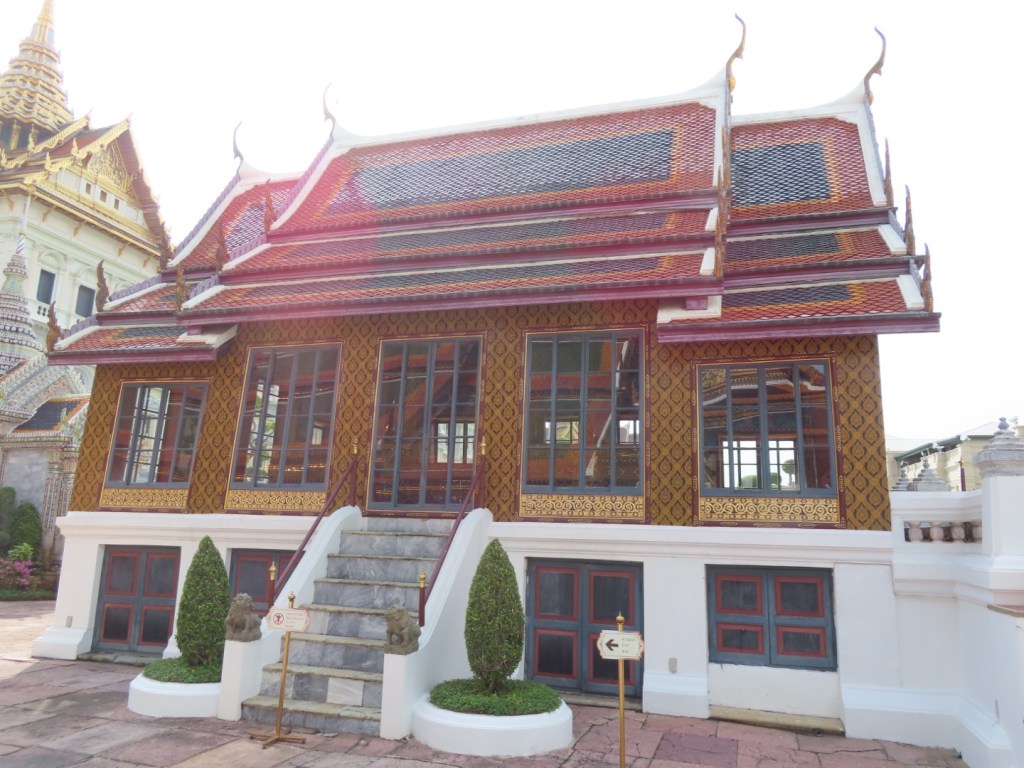
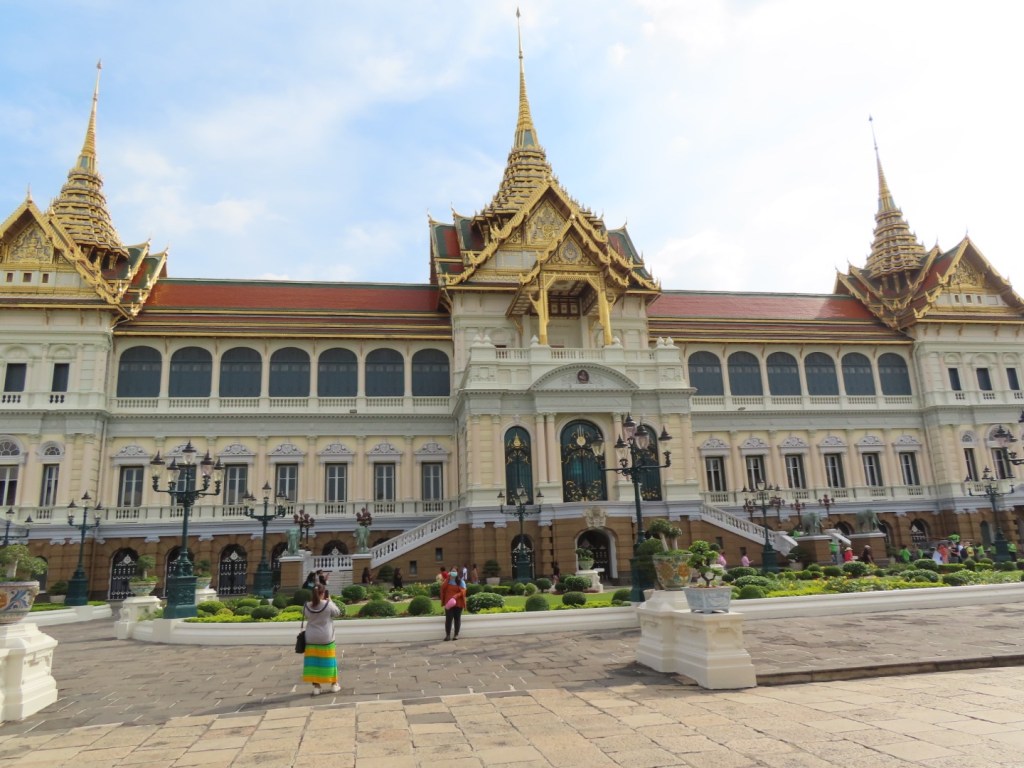
In the afternoon, Michael and I visited the Chapel Royal of the Emerald Buddha and the Grand Palace.

